Application lifecycle
BADRI PREM KUMAR
Compiler
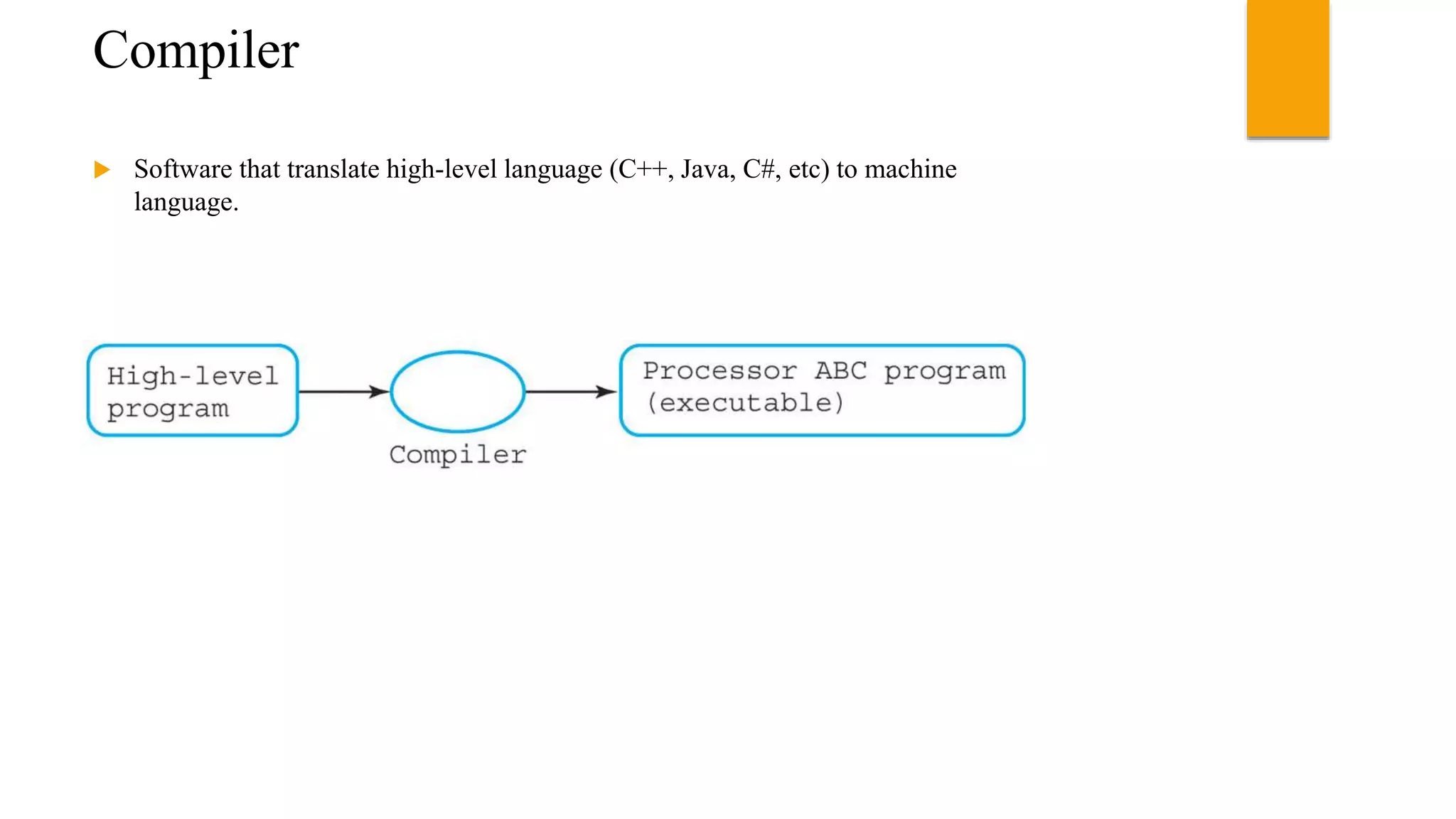
 Software that translate high-level language (C++, Java, C#, etc) to machine
language.
 Compiler X can covert high-level Y to machine language Z.
Problem
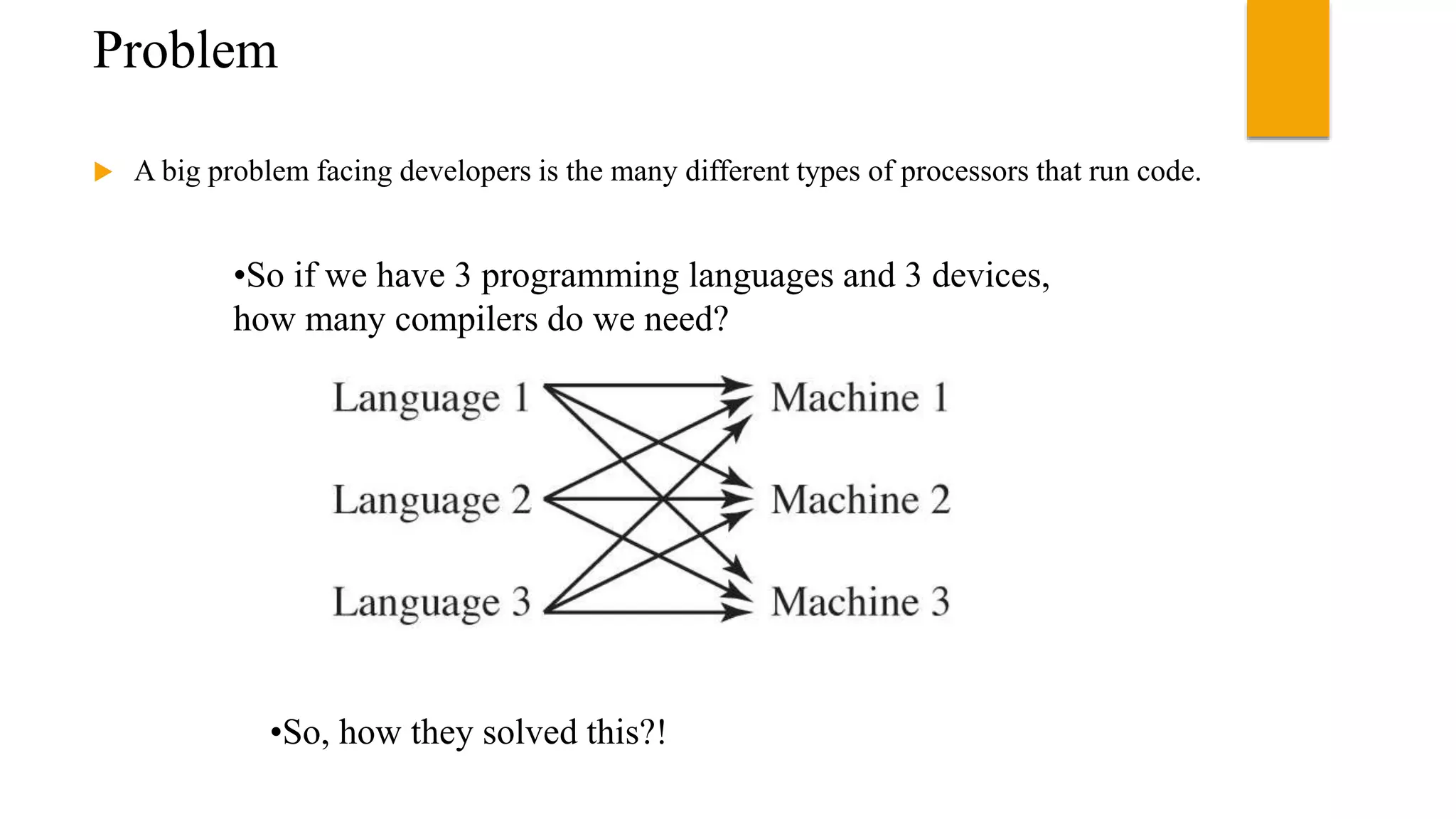
 A big problem facing developers is the many different types of processors that run code.
•So if we have 3 programming languages and 3 devices,
how many compilers do we need?
•So, how they solved this?!
Two Steps Compilation Process
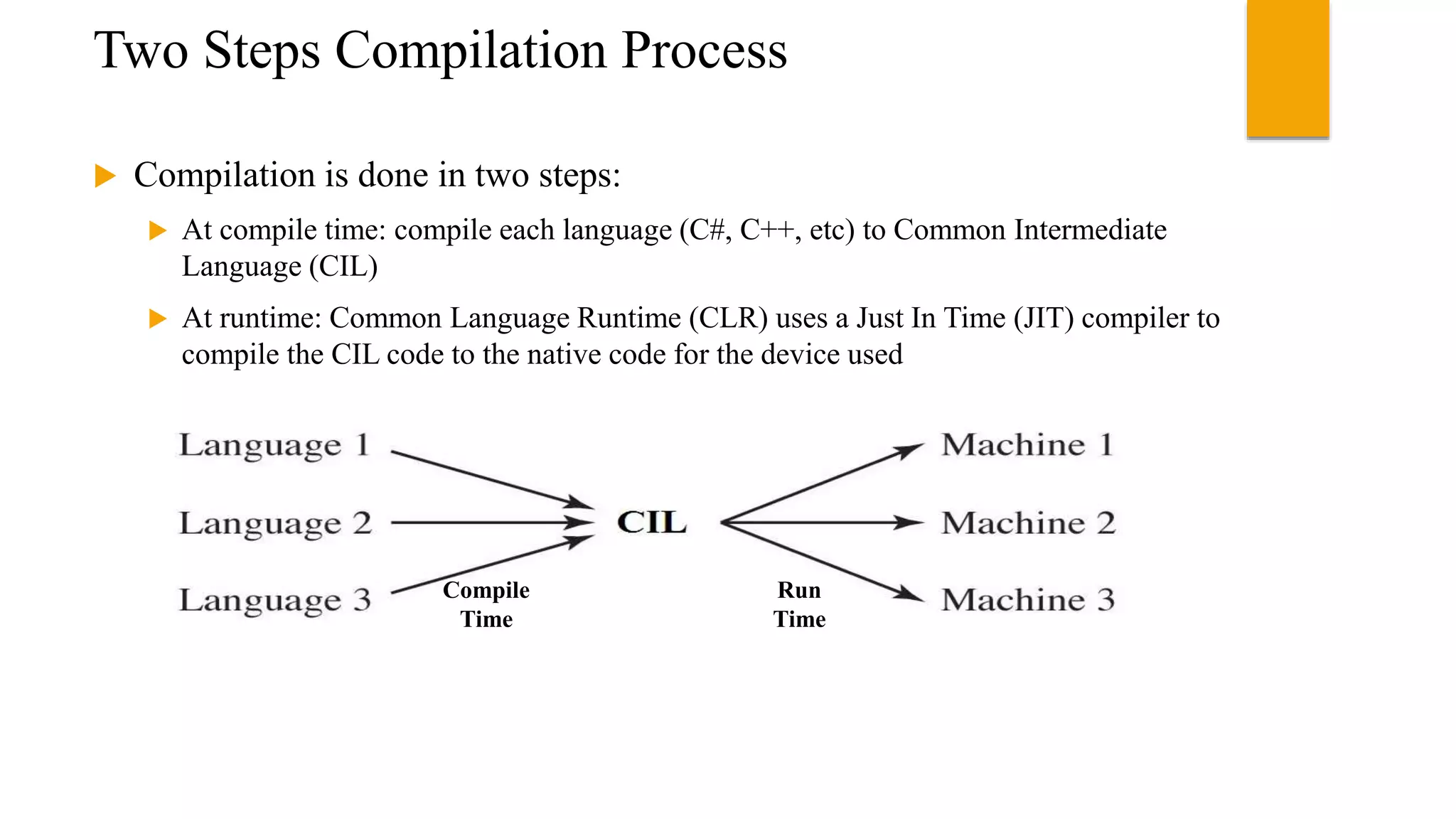
 Compilation is done in two steps:
 At compile time: compile each language (C#, C++, etc) to Common Intermediate
Language (CIL)
 At runtime: Common Language Runtime (CLR) uses a Just In Time (JIT) compiler to
compile the CIL code to the native code for the device used
Run
Time
Compile
Time
VB.NET C++.NETC#.NET
Common Independent Language (CIL)-Assembly
Operating System Services
VB Compiler C++ CompilerC# Compiler
Common Language Runtime (CLR)
Native codeJIT Compiler
Output Console/GUI
Application lifecycle
Common Intermediate Language (CIL)
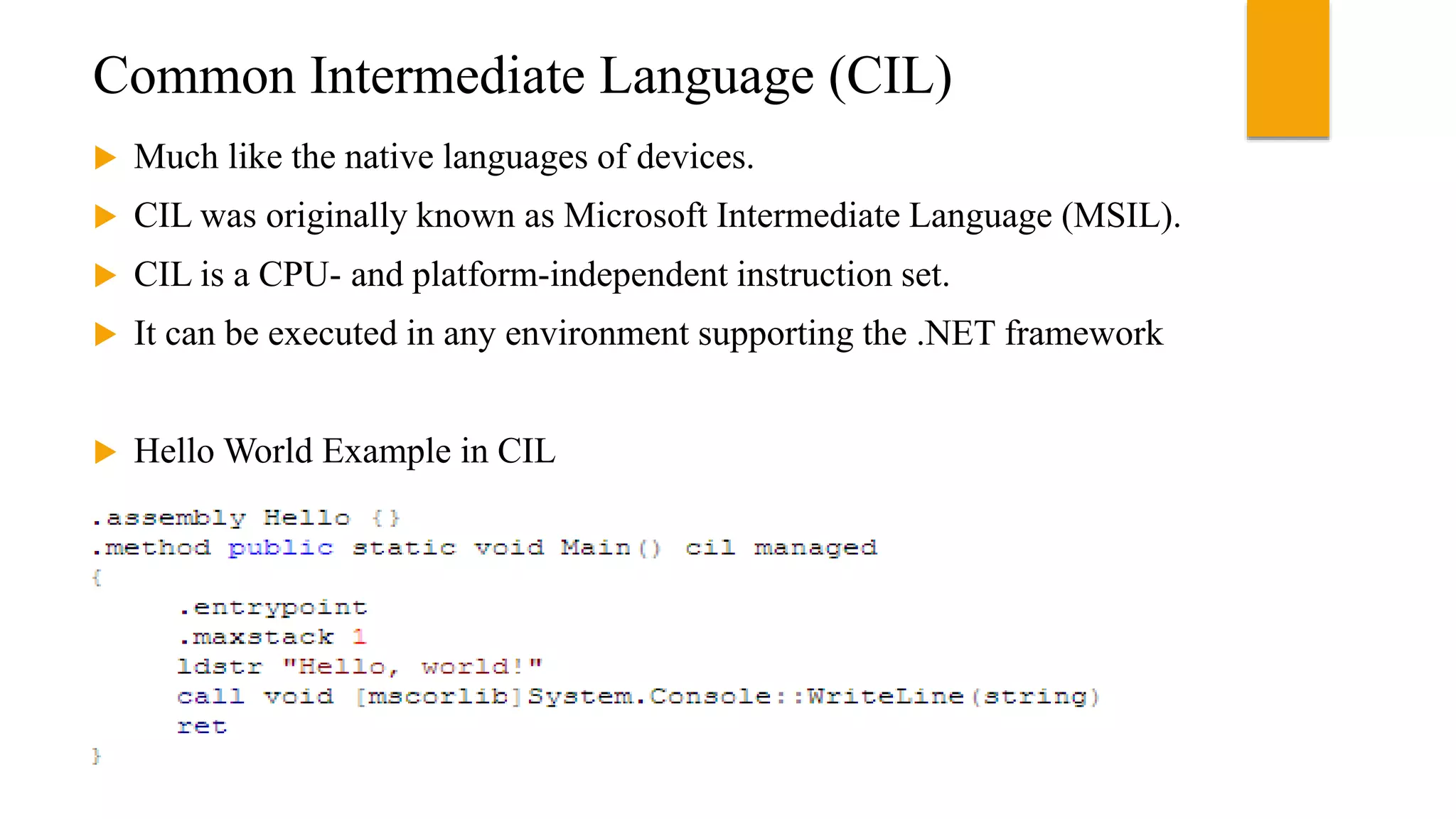
 Much like the native languages of devices.
 CIL was originally known as Microsoft Intermediate Language (MSIL).
 CIL is a CPU- and platform-independent instruction set.
 It can be executed in any environment supporting the .NET framework
 Hello World Example in CIL
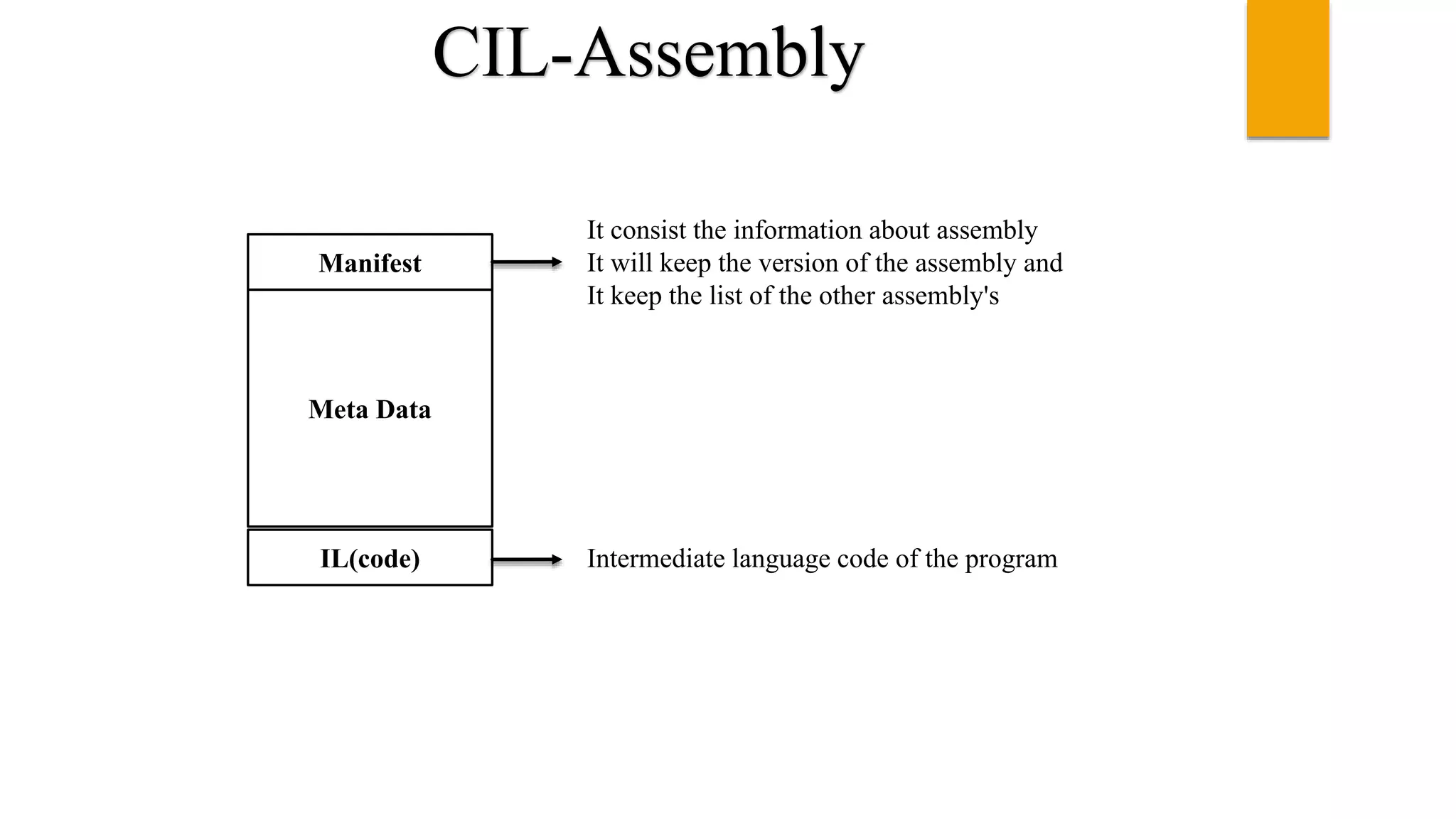
CIL-Assembly
Meta Data
IL(code)
Manifest
It consist the information about assembly
It will keep the version of the assembly and
It keep the list of the other assembly's
Intermediate language code of the program
CLR
Execution engine
 Common Language Runtime (CLR) is the execution engine
 loads IL
 compiles IL
 executes resulting machine code
IL
Runtime
compiler
Executemachine code
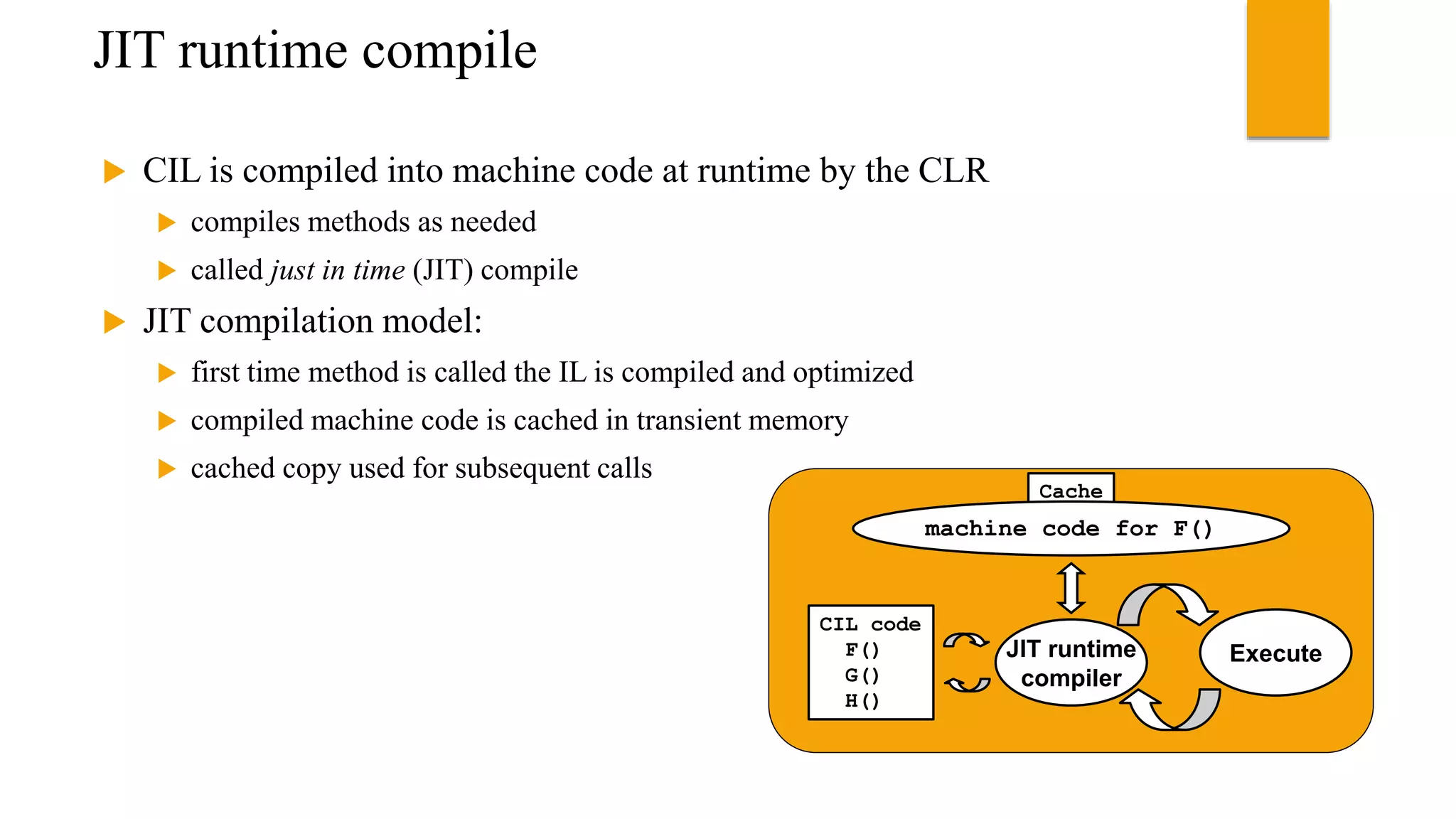
JIT runtime compile
 CIL is compiled into machine code at runtime by the CLR
 compiles methods as needed
 called just in time (JIT) compile
 JIT compilation model:
 first time method is called the IL is compiled and optimized
 compiled machine code is cached in transient memory
 cached copy used for subsequent calls
Cache
CIL code
F()
G()
H()
JIT runtime
compiler
Execute
machine code for F()
NGEN install time compile
 Can compile CIL into machine code when app installed
 use native image generator ngen.exe
 can speed startup time since code pre-compiled
 but cannot do as many optimizations
 original IL must still be available for type information
CLR
IL ngen Execute
native
image
cache
machine code
• The compiler compiles the source code into the module, which is finally converted
into the assembly.
• The assembly contains the Intermediate Language (IL) code along with the
metadata information about the assembly.
• The common language runtime (CLR) works with the assembly. It loads the assembly
and converts it into the native code to execute the assembly.
• Then this native code is executed by the Operating system and the output will shows
according to your requirement.
Summery
C# Application lifecycle

C# Application lifecycle

  • 1.
  • 2.
    Compiler  Software thattranslate high-level language (C++, Java, C#, etc) to machine language.  Compiler X can covert high-level Y to machine language Z.
  • 3.
    Problem  A bigproblem facing developers is the many different types of processors that run code. •So if we have 3 programming languages and 3 devices, how many compilers do we need? •So, how they solved this?!
  • 4.
    Two Steps CompilationProcess  Compilation is done in two steps:  At compile time: compile each language (C#, C++, etc) to Common Intermediate Language (CIL)  At runtime: Common Language Runtime (CLR) uses a Just In Time (JIT) compiler to compile the CIL code to the native code for the device used Run Time Compile Time
  • 5.
    VB.NET C++.NETC#.NET Common IndependentLanguage (CIL)-Assembly Operating System Services VB Compiler C++ CompilerC# Compiler Common Language Runtime (CLR) Native codeJIT Compiler Output Console/GUI Application lifecycle
  • 6.
    Common Intermediate Language(CIL)  Much like the native languages of devices.  CIL was originally known as Microsoft Intermediate Language (MSIL).  CIL is a CPU- and platform-independent instruction set.  It can be executed in any environment supporting the .NET framework  Hello World Example in CIL
  • 7.
    CIL-Assembly Meta Data IL(code) Manifest It consistthe information about assembly It will keep the version of the assembly and It keep the list of the other assembly's Intermediate language code of the program
  • 8.
    CLR Execution engine  CommonLanguage Runtime (CLR) is the execution engine  loads IL  compiles IL  executes resulting machine code IL Runtime compiler Executemachine code
  • 9.
    JIT runtime compile CIL is compiled into machine code at runtime by the CLR  compiles methods as needed  called just in time (JIT) compile  JIT compilation model:  first time method is called the IL is compiled and optimized  compiled machine code is cached in transient memory  cached copy used for subsequent calls Cache CIL code F() G() H() JIT runtime compiler Execute machine code for F()
  • 10.
    NGEN install timecompile  Can compile CIL into machine code when app installed  use native image generator ngen.exe  can speed startup time since code pre-compiled  but cannot do as many optimizations  original IL must still be available for type information CLR IL ngen Execute native image cache machine code
  • 11.
    • The compilercompiles the source code into the module, which is finally converted into the assembly. • The assembly contains the Intermediate Language (IL) code along with the metadata information about the assembly. • The common language runtime (CLR) works with the assembly. It loads the assembly and converts it into the native code to execute the assembly. • Then this native code is executed by the Operating system and the output will shows according to your requirement. Summery