Formal Education at Public GardensPatsy Benveniste, Vice PresidentEducation and Community Programs2011 APGA Presentation
What Does “Formal Education” Mean?Formal education in public gardens meanslessons, activities and classes thatConvene students (of any age) in a structured way under the guidance of a subject-qualified teacherHave defined educational goals with associated curricula and materialsAre capable of evaluation and replication
What is its Use?Formal education programsSignal a garden’s philosophy, values and future directionAllow the garden to communicate in depth with the larger knowledge communityEffect change
What is Formal Education’s Leverage Power?Benefits the garden’s ongoing operationsInspires and motivates short and long term goalsInfluences public discourse and action about the environment Shapes innovation in the education system Brings sustainable practices and behaviors to broad awareness
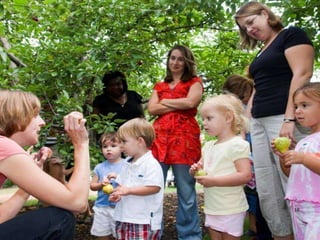
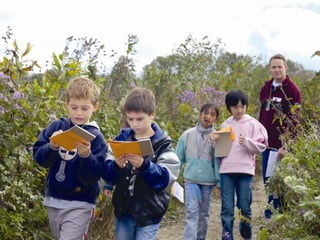
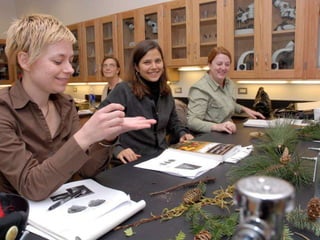
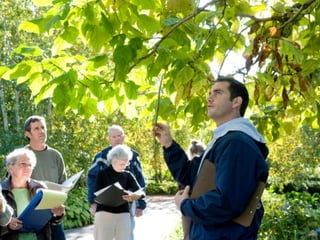
Who are the Audiences?Early ChildhoodElementary school studentsAfter school students (Scouts, etc.)Child specialtyHigh School students – in school and summerCollege students – in school and summerPost-graduate studentsTeachers, PreK-12Adult life-long learnersAdult landscape workersAdult certificate studentsAdult healthcare and design professionalsCorporate sustainability managersHuman service agency sitesCity and county environmental managers (forest preserve districts, natural areas managers)
10
16
20
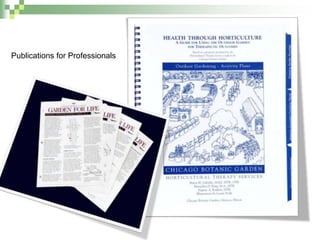
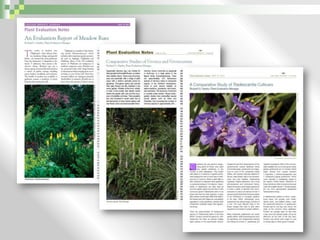
Publications for Professionals
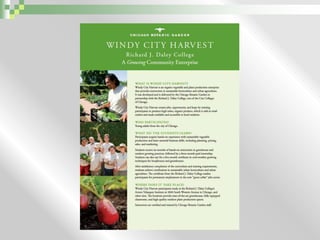
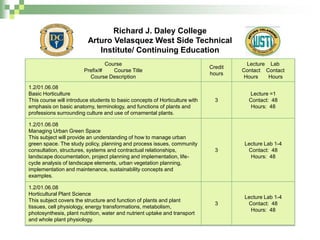
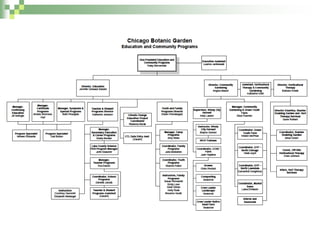
Richard J. Daley CollegeArturo Velasquez West Side Technical Institute/ Continuing Education
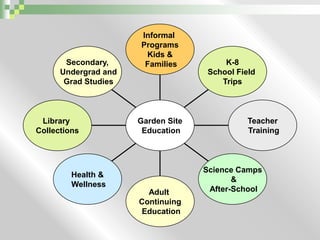
Informal ProgramsKids & FamiliesSecondary, Undergrad and Grad StudiesK-8School Field TripsTeacher TrainingLibrary CollectionsGarden Site EducationScience Camps & After-SchoolHealth & WellnessAdult Continuing Education
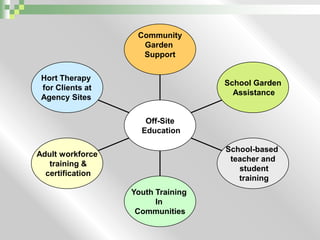
CommunityGarden SupportHort Therapy for Clients atAgency SitesSchool Garden AssistanceOff-Site EducationAdult workforce training & certificationSchool-based teacher and student trainingYouth Training In Communities
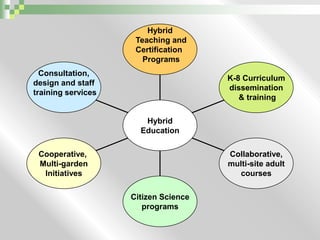
Hybrid Teaching andCertification  ProgramsConsultation,design and staff training servicesK-8 Curriculumdissemination & trainingHybrid Education Cooperative, Multi-gardenInitiativesCollaborative, multi-site adult coursesCitizen Scienceprograms
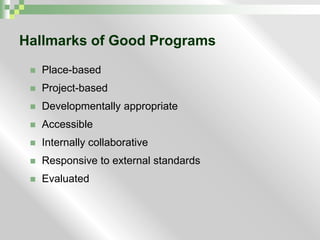
Hallmarks of Good ProgramsPlace-basedProject-basedDevelopmentally appropriateAccessibleInternally collaborativeResponsive to external standardsEvaluated
Basic Rules for Delivery and 	Management Education programs should be Reflective of the garden’s larger missionAble to take full advantage of the garden’s natural and designed spacesSensitive to the audienceInternally collaborativeConnected with the larger communityBusiness  smart
Start with StaffHire an educator first!Quality trumps quantity -- and sustains itself over timeFind a way to offer professional development on                  a regular basisPut educators in dialogue with other department staff,         no silos allowedWelcome volunteer expertise and assistance,                     but manage it carefully
Funding the ProgramsGarden-based programs are sexy to fundersA balance of earned and raised revenue signals astute managementAmbitious programs evolve over time:  “under promise and over deliver”Understandand implementongoing program evaluation
“HUMAN HISTORY CAN BE UNDERSTOODAS THE RACE BETWEEN CATASTROPHE  AND EDUCATION.”H.G. Wells

Apga powerpoint 2007 or 2010 verson for sharon

  • 1.
    Formal Education atPublic GardensPatsy Benveniste, Vice PresidentEducation and Community Programs2011 APGA Presentation
  • 6.
    What Does “FormalEducation” Mean?Formal education in public gardens meanslessons, activities and classes thatConvene students (of any age) in a structured way under the guidance of a subject-qualified teacherHave defined educational goals with associated curricula and materialsAre capable of evaluation and replication
  • 7.
    What is itsUse?Formal education programsSignal a garden’s philosophy, values and future directionAllow the garden to communicate in depth with the larger knowledge communityEffect change
  • 8.
    What is FormalEducation’s Leverage Power?Benefits the garden’s ongoing operationsInspires and motivates short and long term goalsInfluences public discourse and action about the environment Shapes innovation in the education system Brings sustainable practices and behaviors to broad awareness
  • 9.
    Who are theAudiences?Early ChildhoodElementary school studentsAfter school students (Scouts, etc.)Child specialtyHigh School students – in school and summerCollege students – in school and summerPost-graduate studentsTeachers, PreK-12Adult life-long learnersAdult landscape workersAdult certificate studentsAdult healthcare and design professionalsCorporate sustainability managersHuman service agency sitesCity and county environmental managers (forest preserve districts, natural areas managers)
  • 10.
  • 16.
  • 20.
  • 23.
  • 35.
    Richard J. DaleyCollegeArturo Velasquez West Side Technical Institute/ Continuing Education
  • 38.
    Informal ProgramsKids &FamiliesSecondary, Undergrad and Grad StudiesK-8School Field TripsTeacher TrainingLibrary CollectionsGarden Site EducationScience Camps & After-SchoolHealth & WellnessAdult Continuing Education
  • 39.
    CommunityGarden SupportHort Therapyfor Clients atAgency SitesSchool Garden AssistanceOff-Site EducationAdult workforce training & certificationSchool-based teacher and student trainingYouth Training In Communities
  • 40.
    Hybrid Teaching andCertification ProgramsConsultation,design and staff training servicesK-8 Curriculumdissemination & trainingHybrid Education Cooperative, Multi-gardenInitiativesCollaborative, multi-site adult coursesCitizen Scienceprograms
  • 41.
    Hallmarks of GoodProgramsPlace-basedProject-basedDevelopmentally appropriateAccessibleInternally collaborativeResponsive to external standardsEvaluated
  • 42.
    Basic Rules forDelivery and Management Education programs should be Reflective of the garden’s larger missionAble to take full advantage of the garden’s natural and designed spacesSensitive to the audienceInternally collaborativeConnected with the larger communityBusiness smart
  • 43.
    Start with StaffHirean educator first!Quality trumps quantity -- and sustains itself over timeFind a way to offer professional development on a regular basisPut educators in dialogue with other department staff, no silos allowedWelcome volunteer expertise and assistance, but manage it carefully
  • 44.
    Funding the ProgramsGarden-basedprograms are sexy to fundersA balance of earned and raised revenue signals astute managementAmbitious programs evolve over time: “under promise and over deliver”Understandand implementongoing program evaluation
  • 46.
    “HUMAN HISTORY CANBE UNDERSTOODAS THE RACE BETWEEN CATASTROPHE AND EDUCATION.”H.G. Wells

Editor's Notes

  • #3 Being a museum educator in a place like this
  • #11 Our Children’s programs begin for kids when they are just babies – 2 years old –
  • #17 Internship opportunities for science career-minded students, especially minorities
  • #21 Teacher professional development….living collection museums with strong education staff are major attractors for teachers who are seeking additional natural science and STEM training