AP History Exam Study GuideBy Will Erickson
Chapter 1!
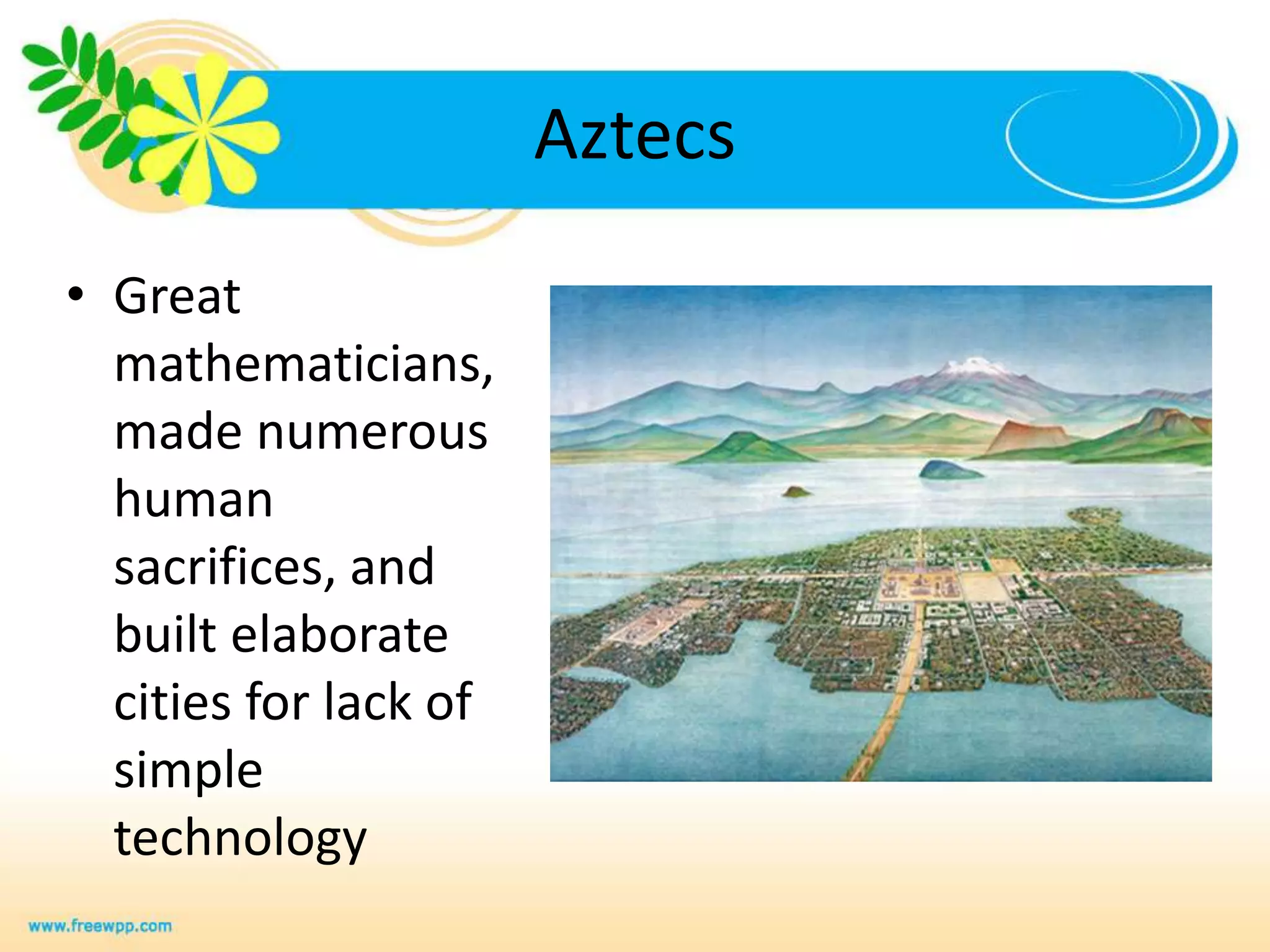
AztecsGreat mathematicians, made numerous human sacrifices, and built elaborate cities for lack of simple technology
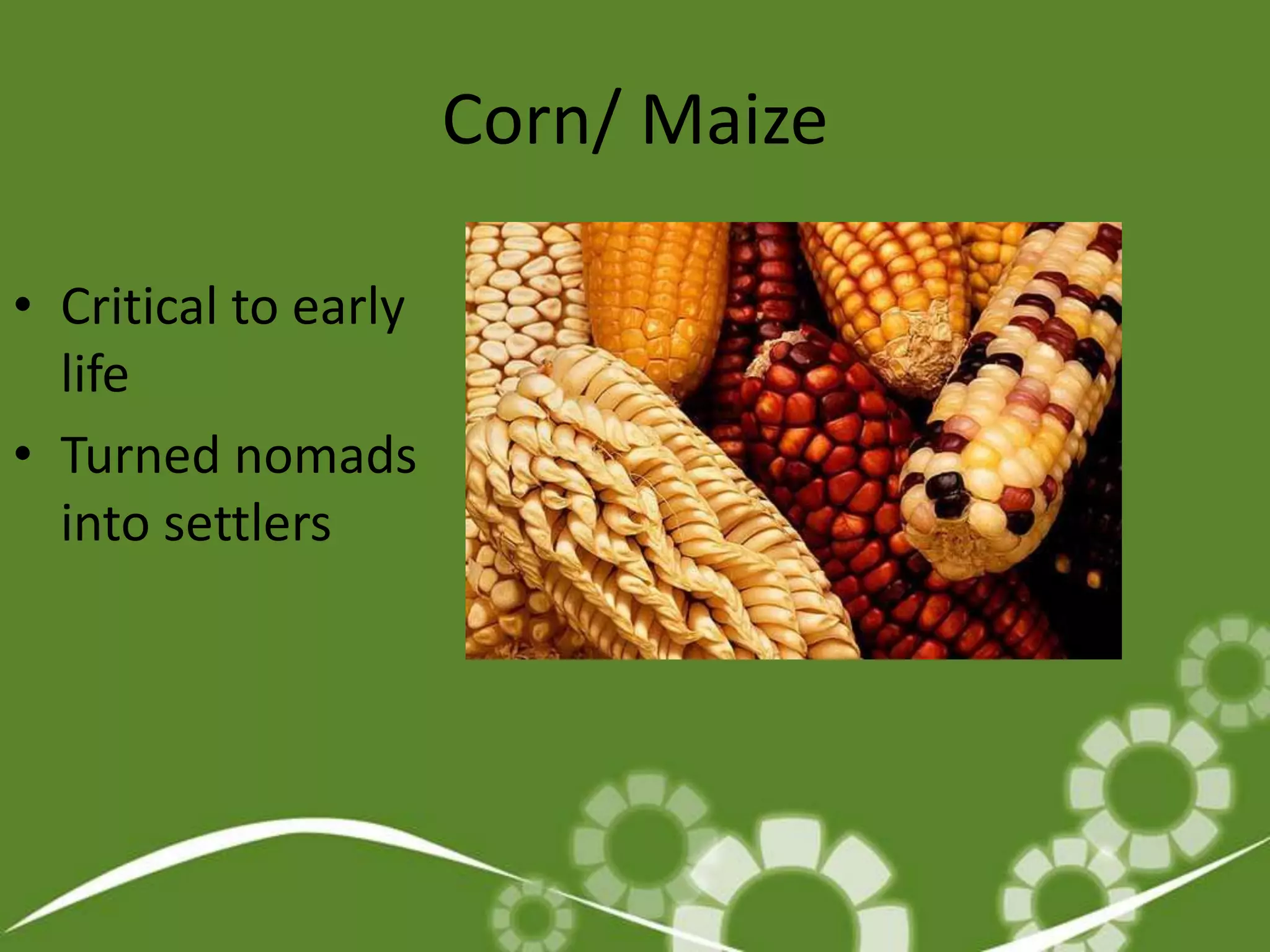
Corn/ MaizeCritical to early lifeTurned nomads into settlers
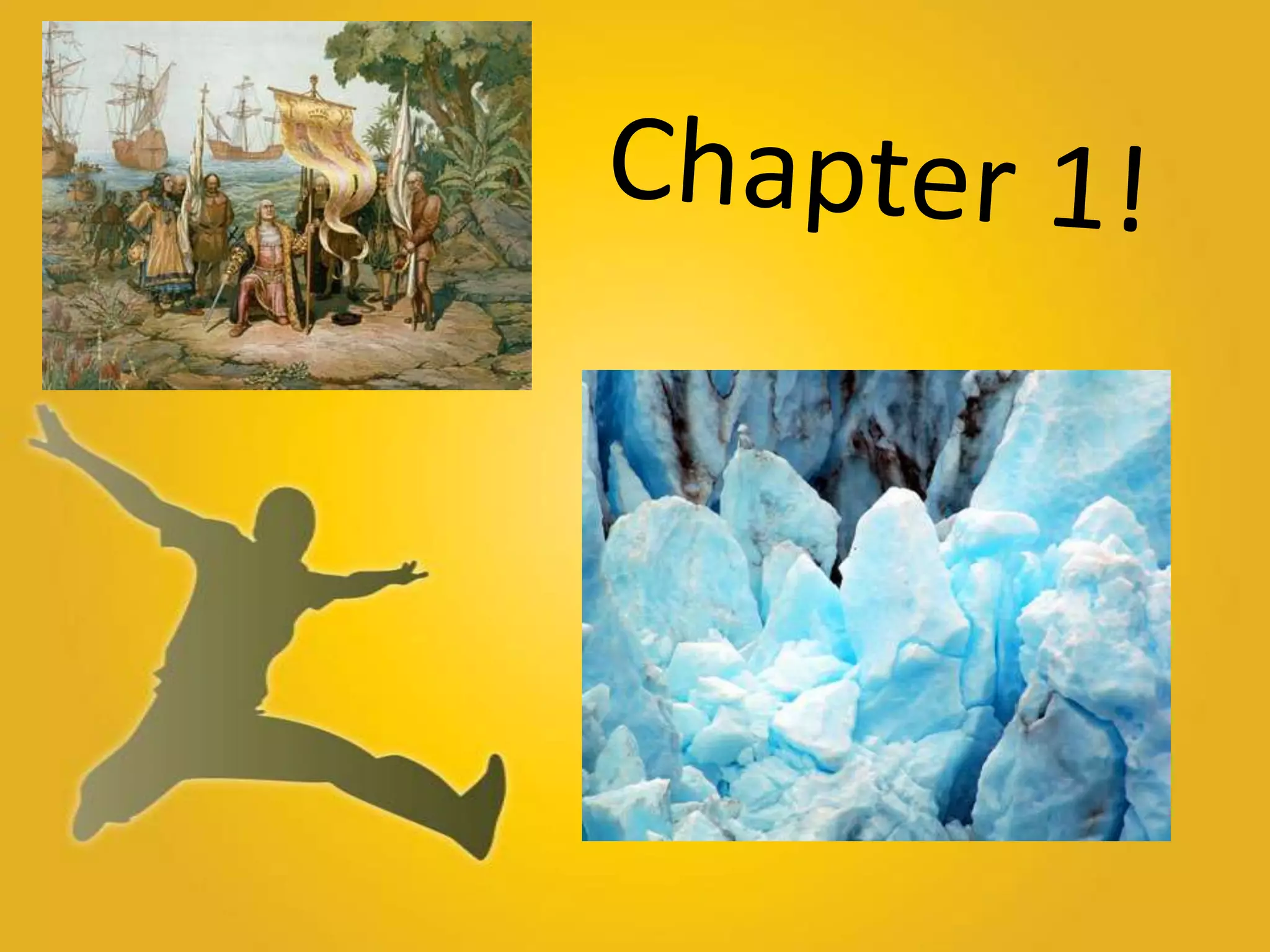
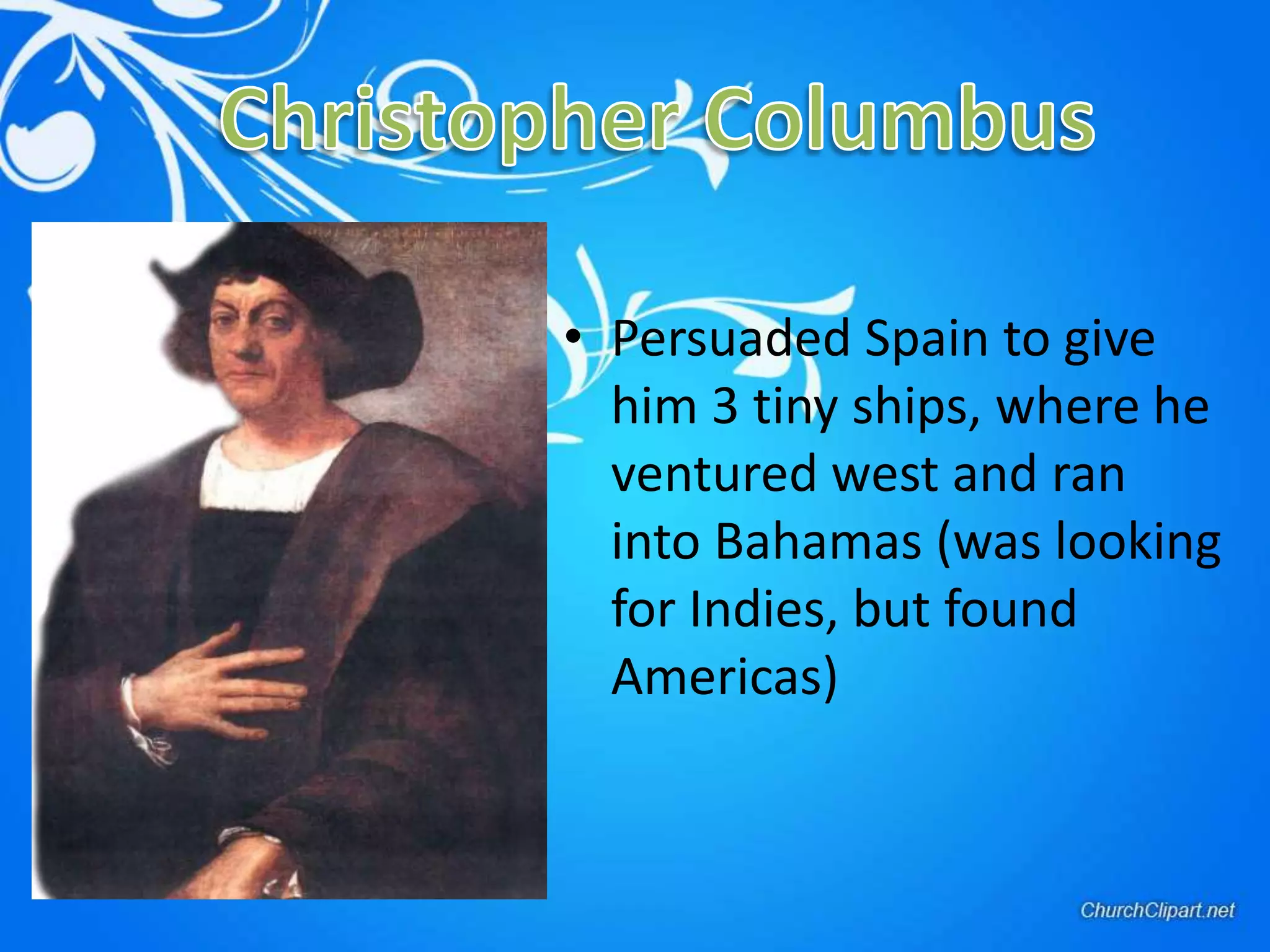
Christopher ColumbusPersuaded Spain to give him 3 tiny ships, where he ventured west and ran into Bahamas (was looking for Indies, but found Americas)
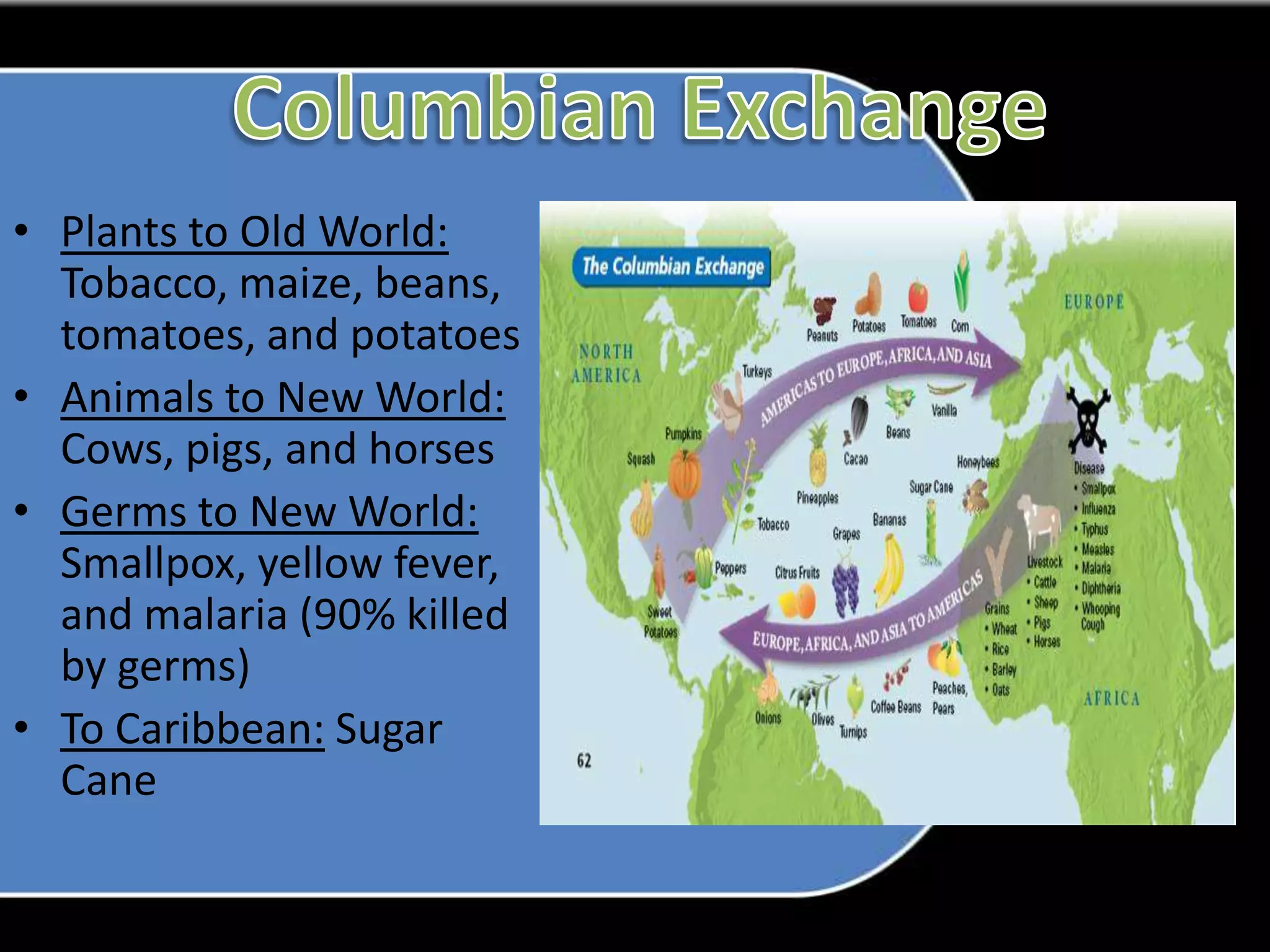
Columbian ExchangePlants to Old World: Tobacco, maize, beans, tomatoes, and potatoesAnimals to New World: Cows, pigs, and horsesGerms to New World: Smallpox, yellow fever, and malaria (90% killed by germs)To Caribbean: Sugar Cane
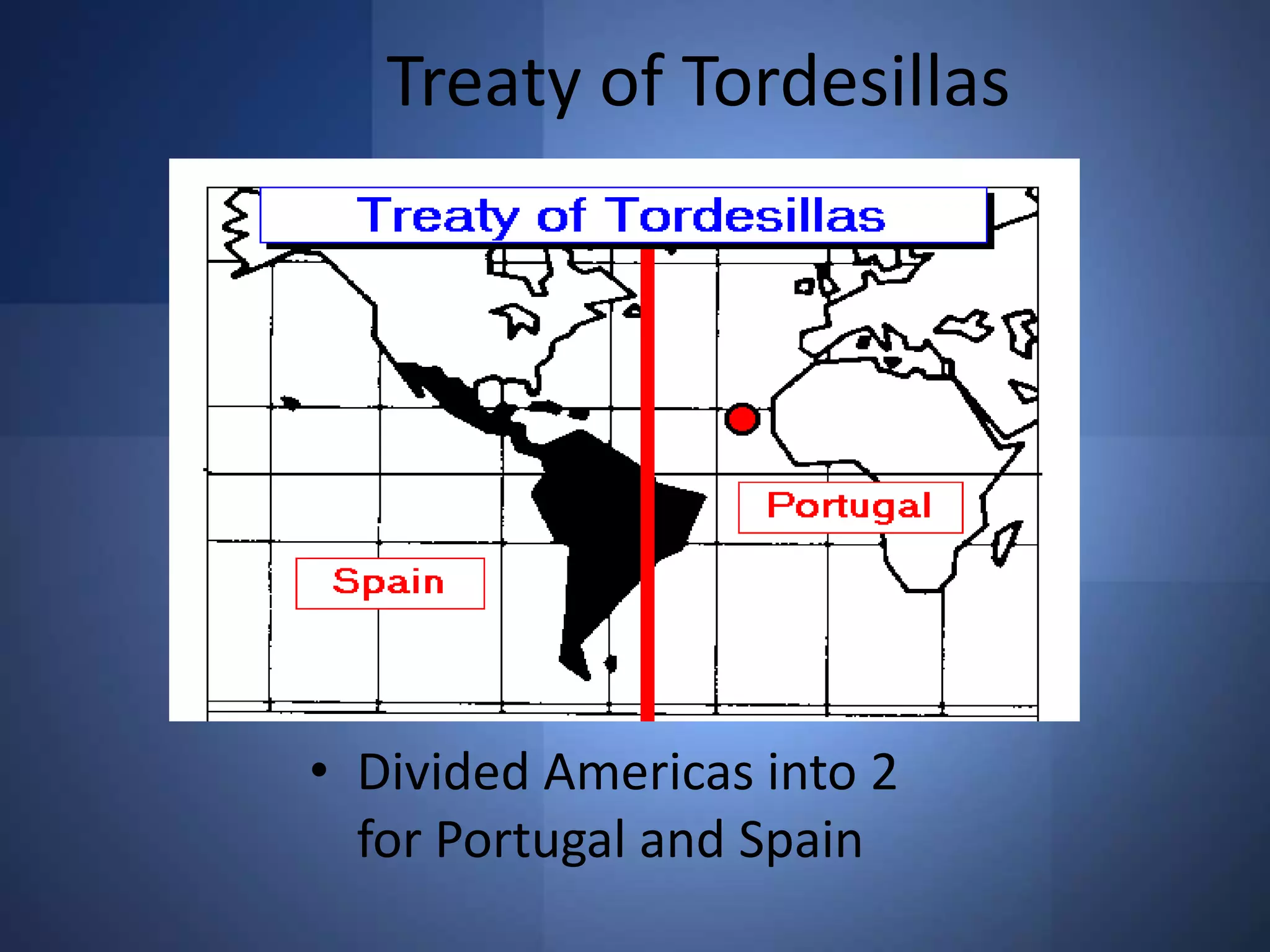
Treaty of TordesillasDivided Americas into 2 for Portugal and Spain
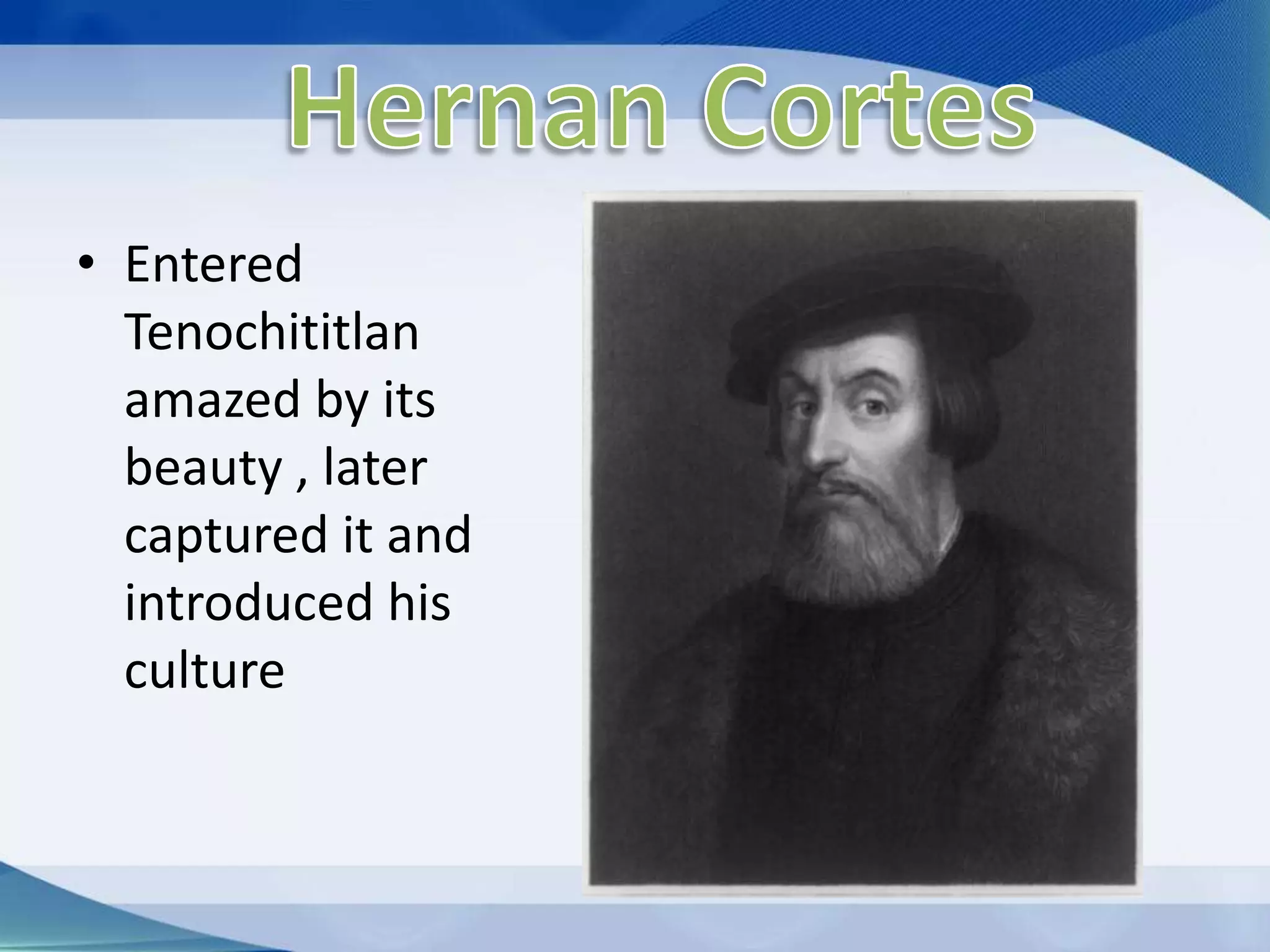
Hernan CortesEntered Tenochititlan amazed by its beauty , later captured it and introduced his culture
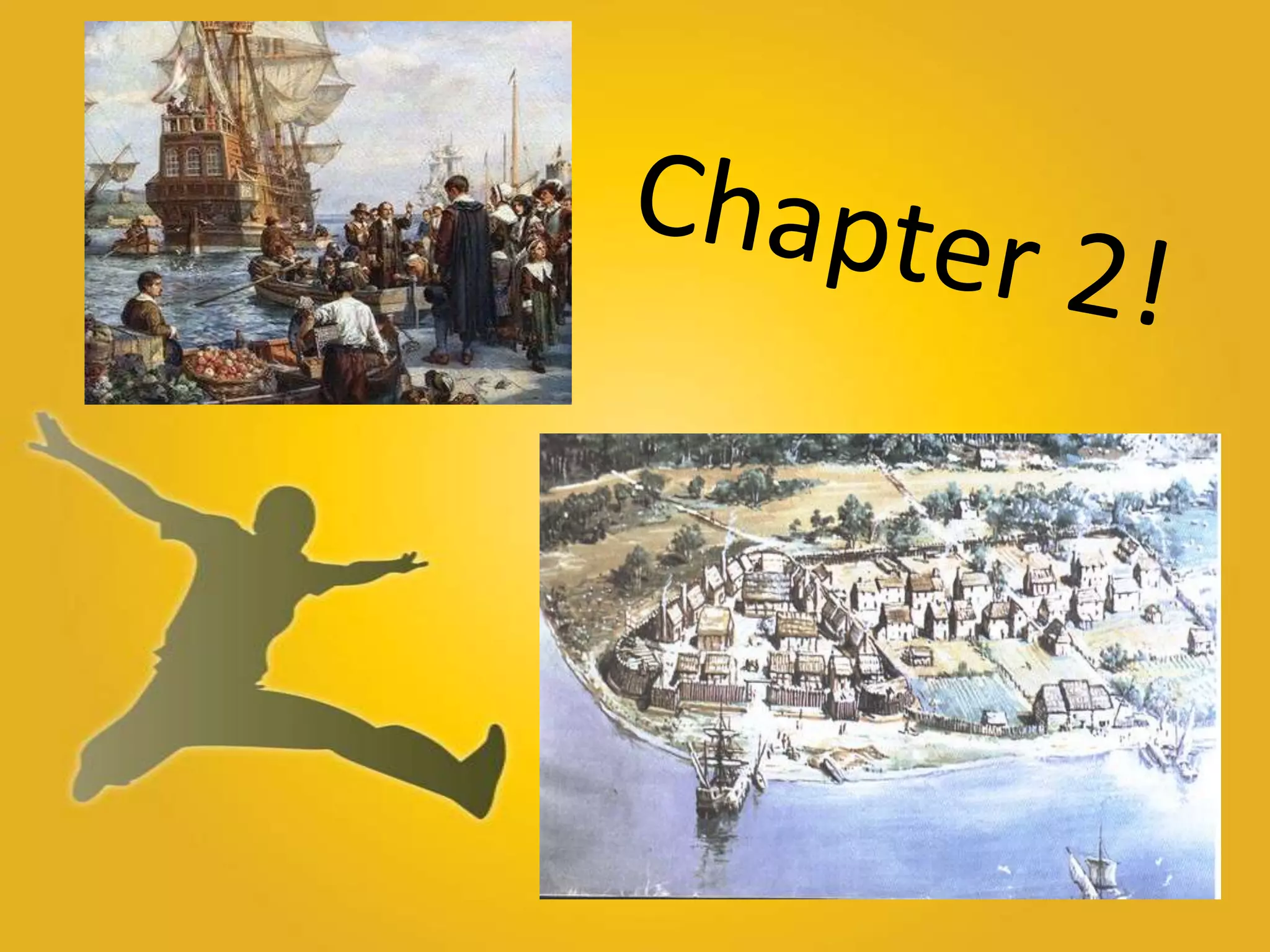
Chapter 2!
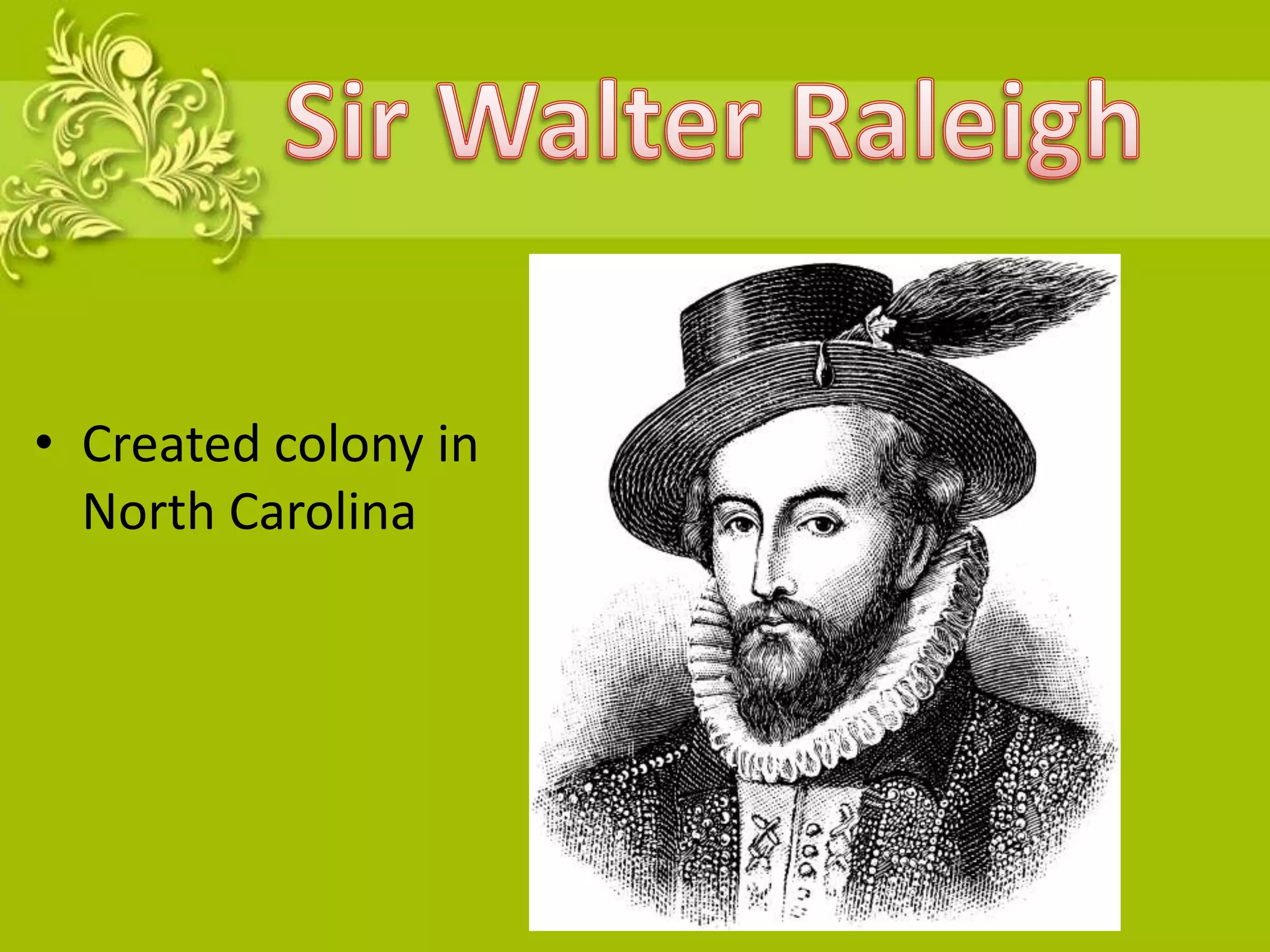
Sir Walter RaleighCreated colony in North Carolina
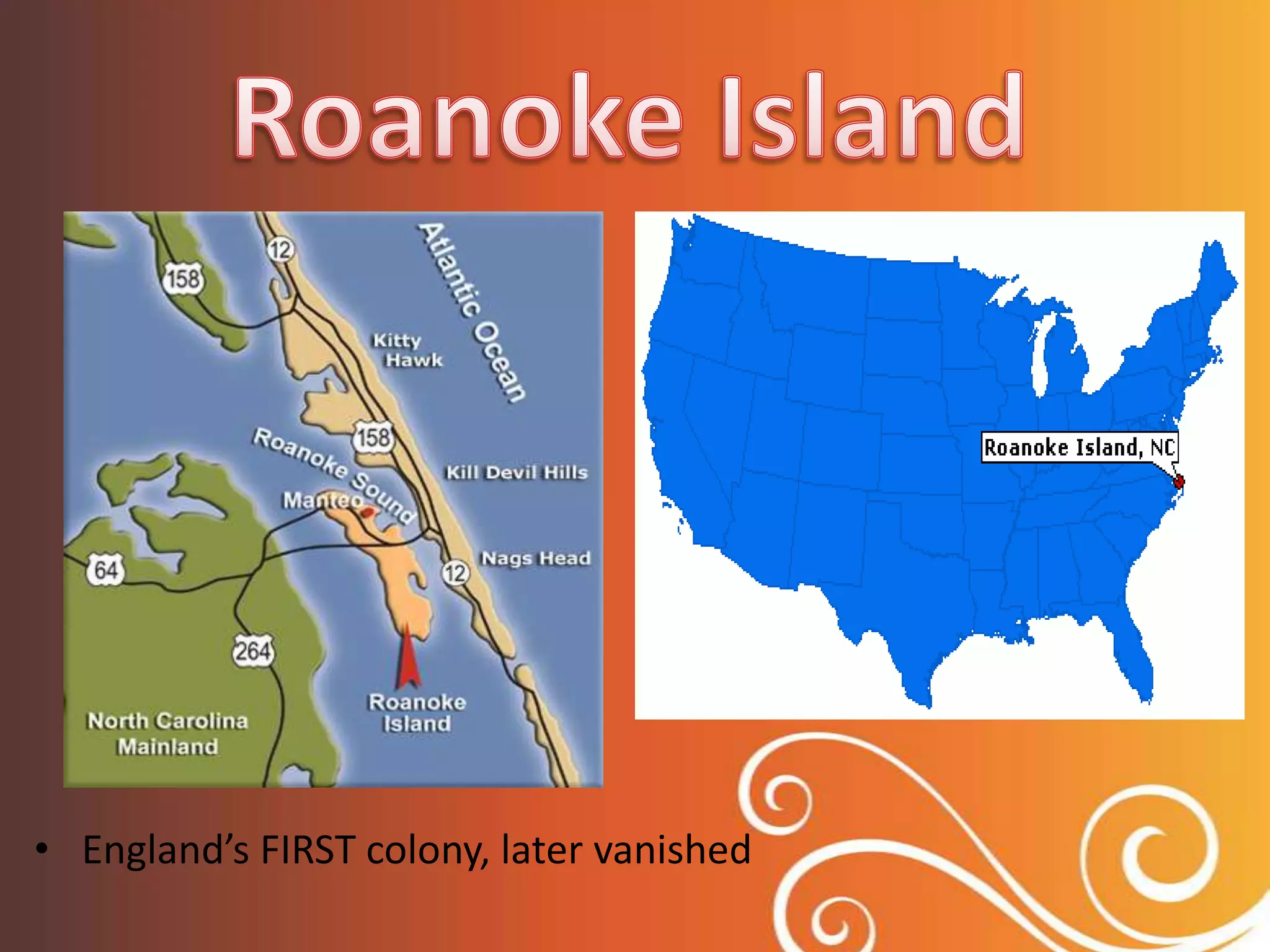
Roanoke IslandEngland’s FIRST colony, later vanished
3 Things Needed To Colonize1: Popular Monarch2: Religious Unity3: Nationalism
PrimogenitureOnly eldest sons could inherit land
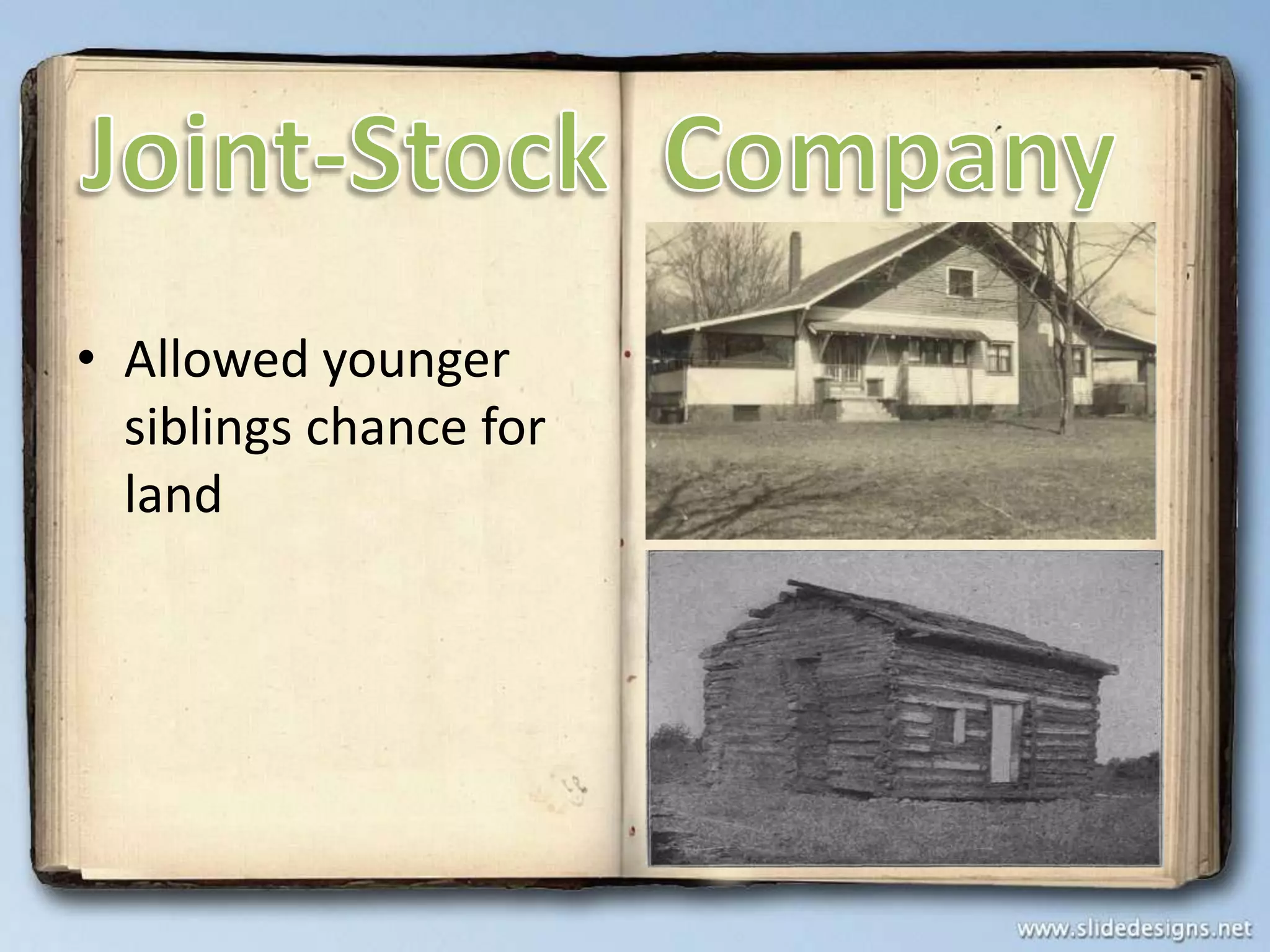
Joint-Stock  CompanyAllowed younger siblings chance for land
Surplus PopulationEngland was very overcrowded
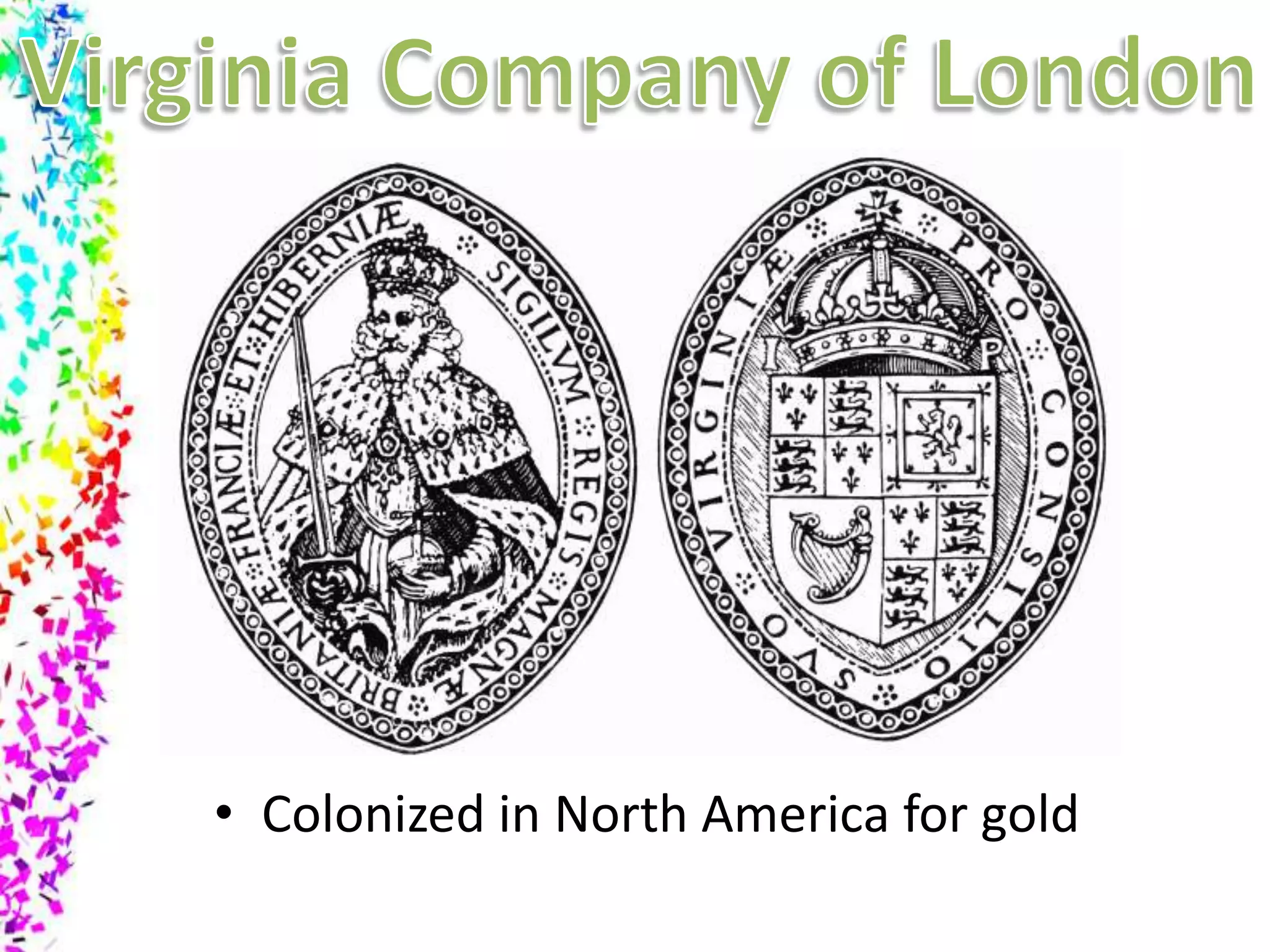
Virginia Company of LondonColonized in North America for gold
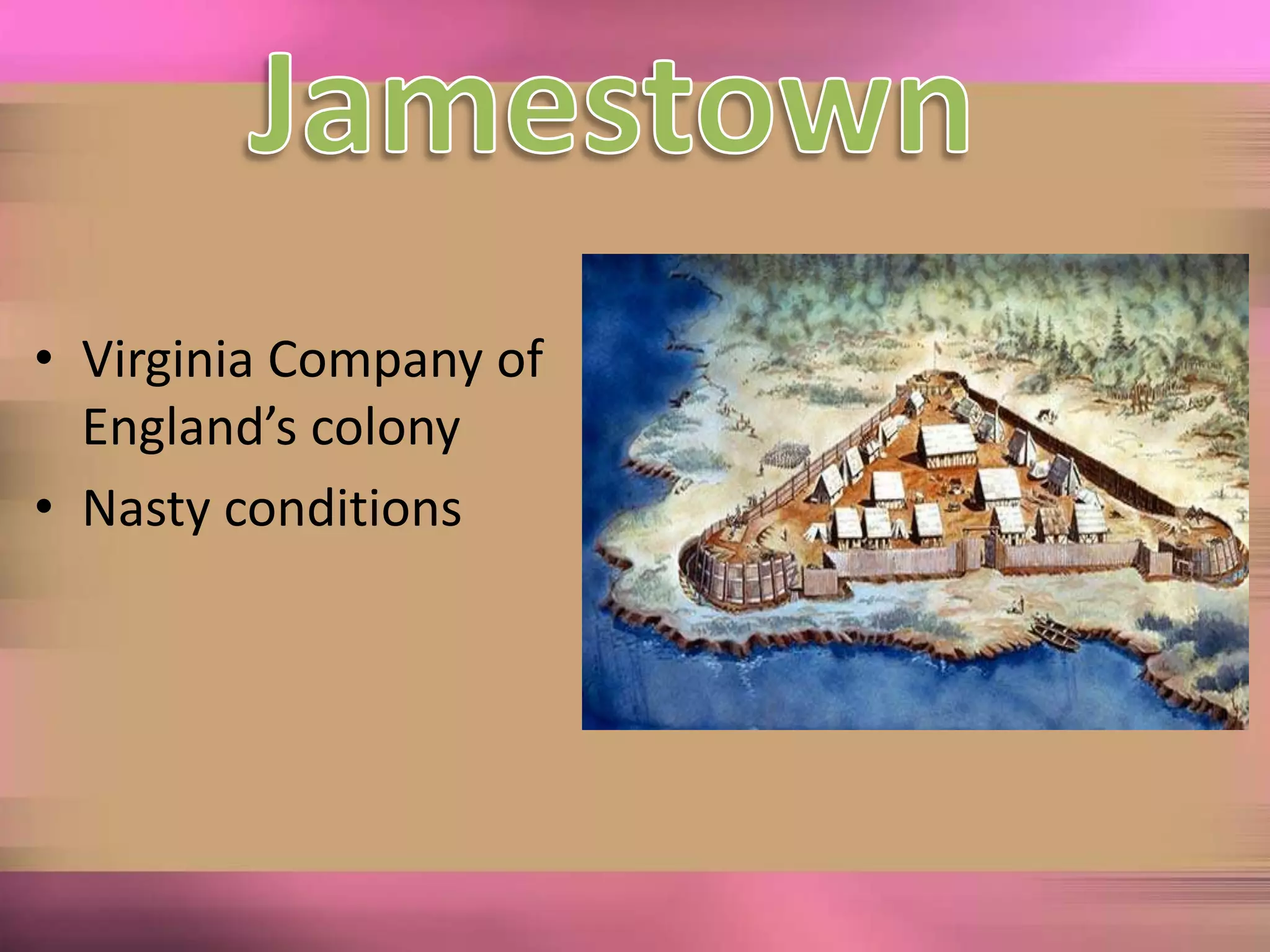
JamestownVirginia Company of England’s colonyNasty conditions
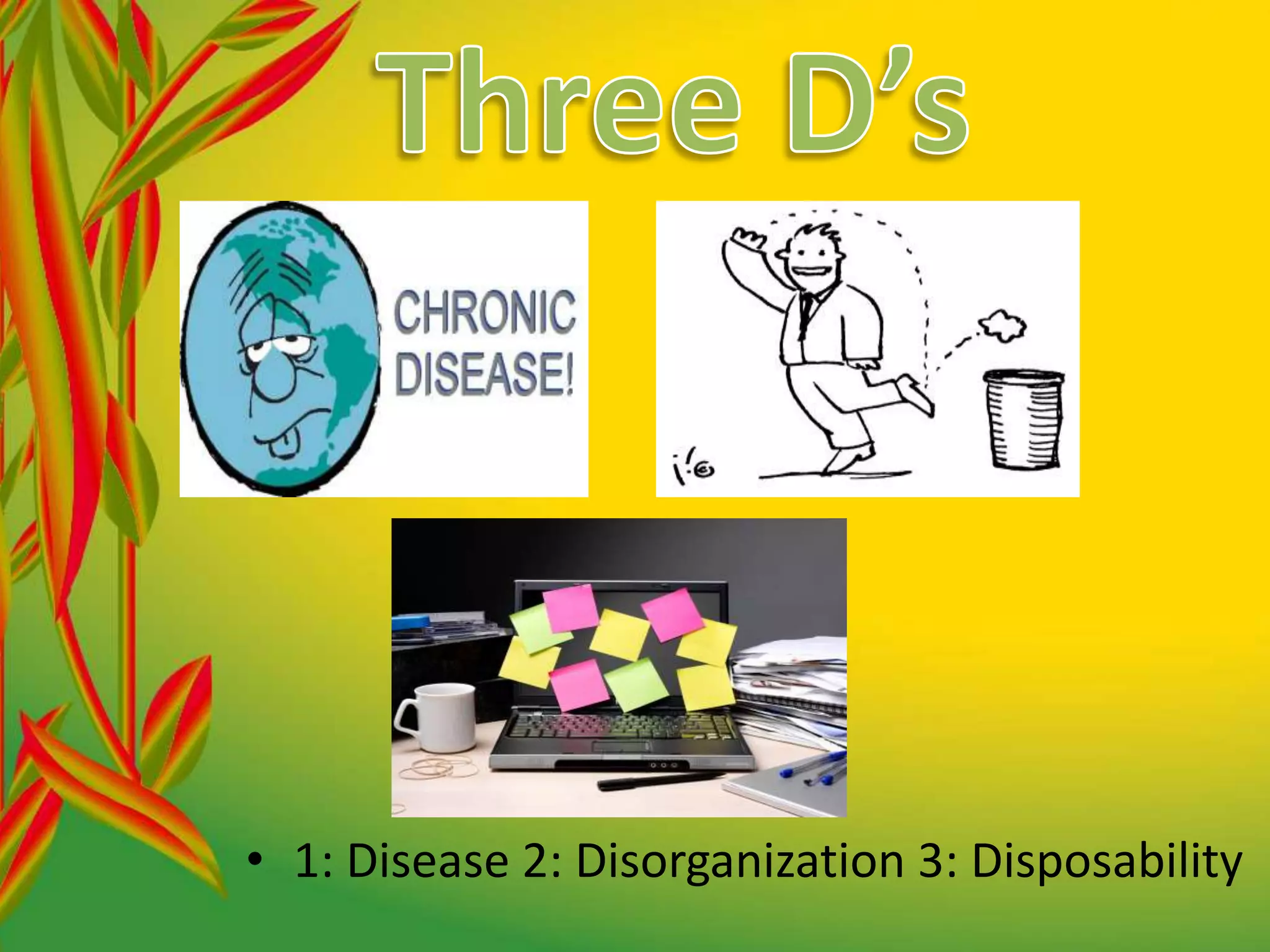
Three D’s1: Disease 2: Disorganization 3: Disposability
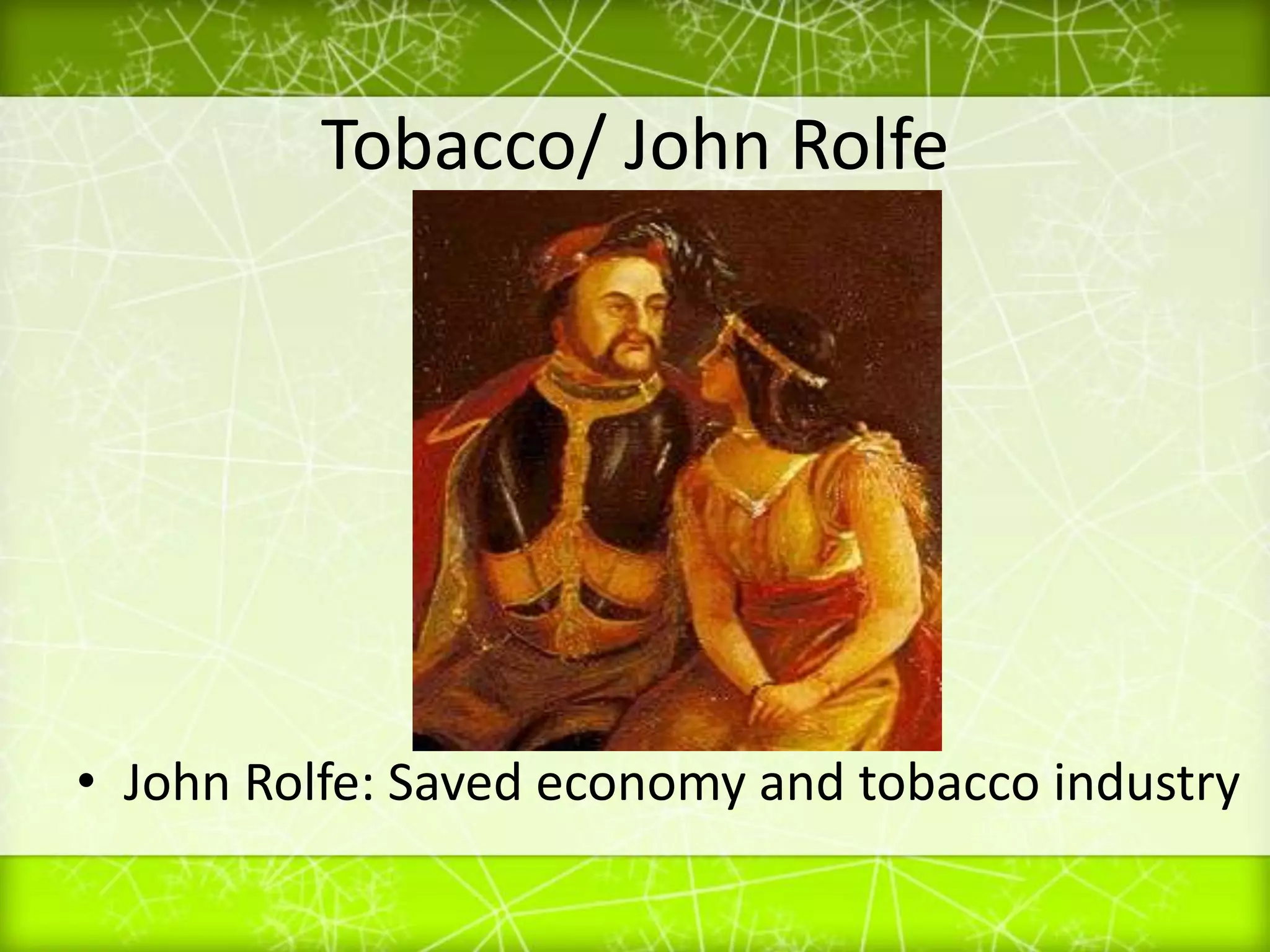
Tobacco/ John RolfeJohn Rolfe: Saved economy and tobacco industry
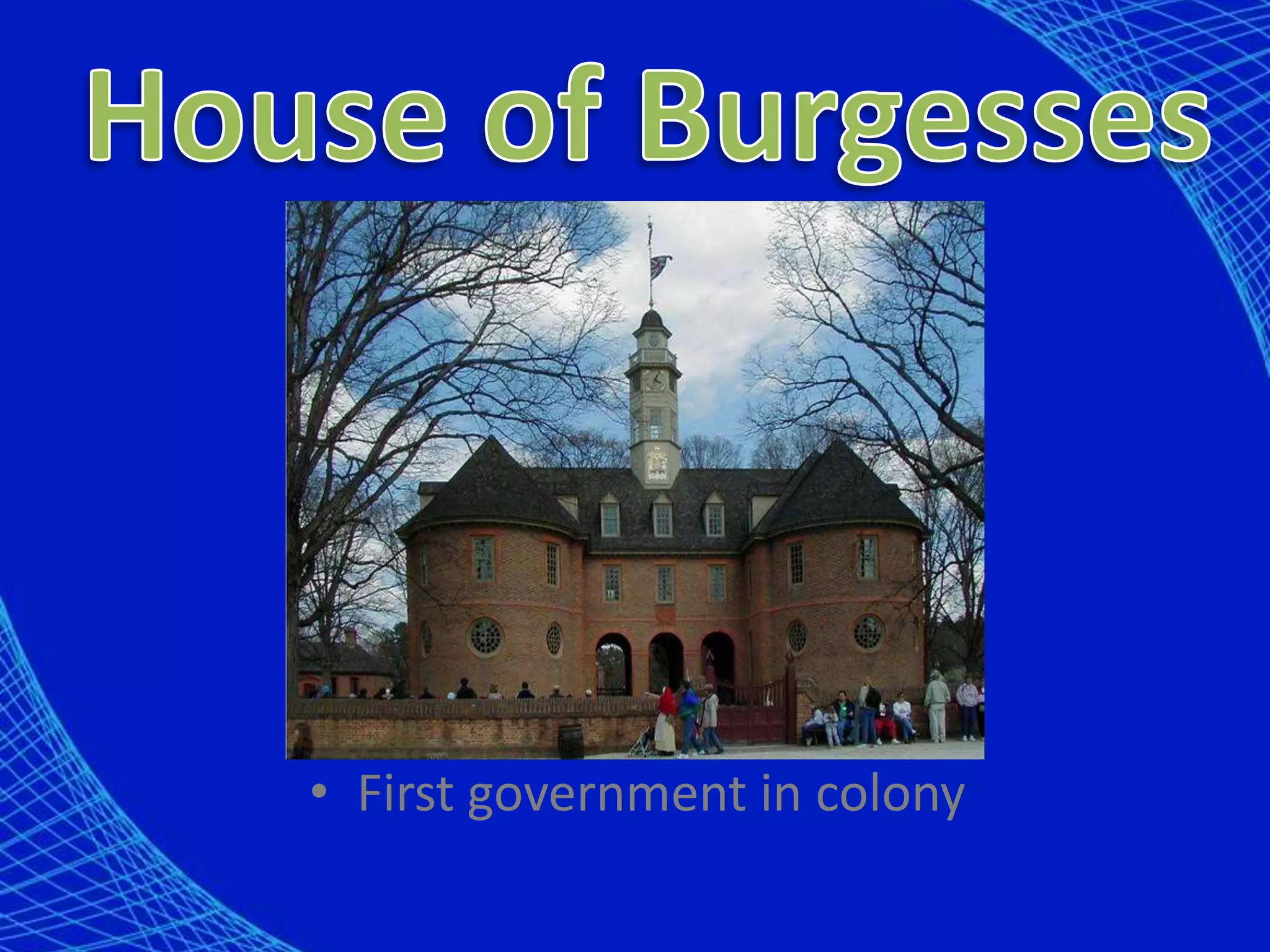
House of BurgessesFirst government in colony
Act Of TolerationProtected Catholics from Protestants
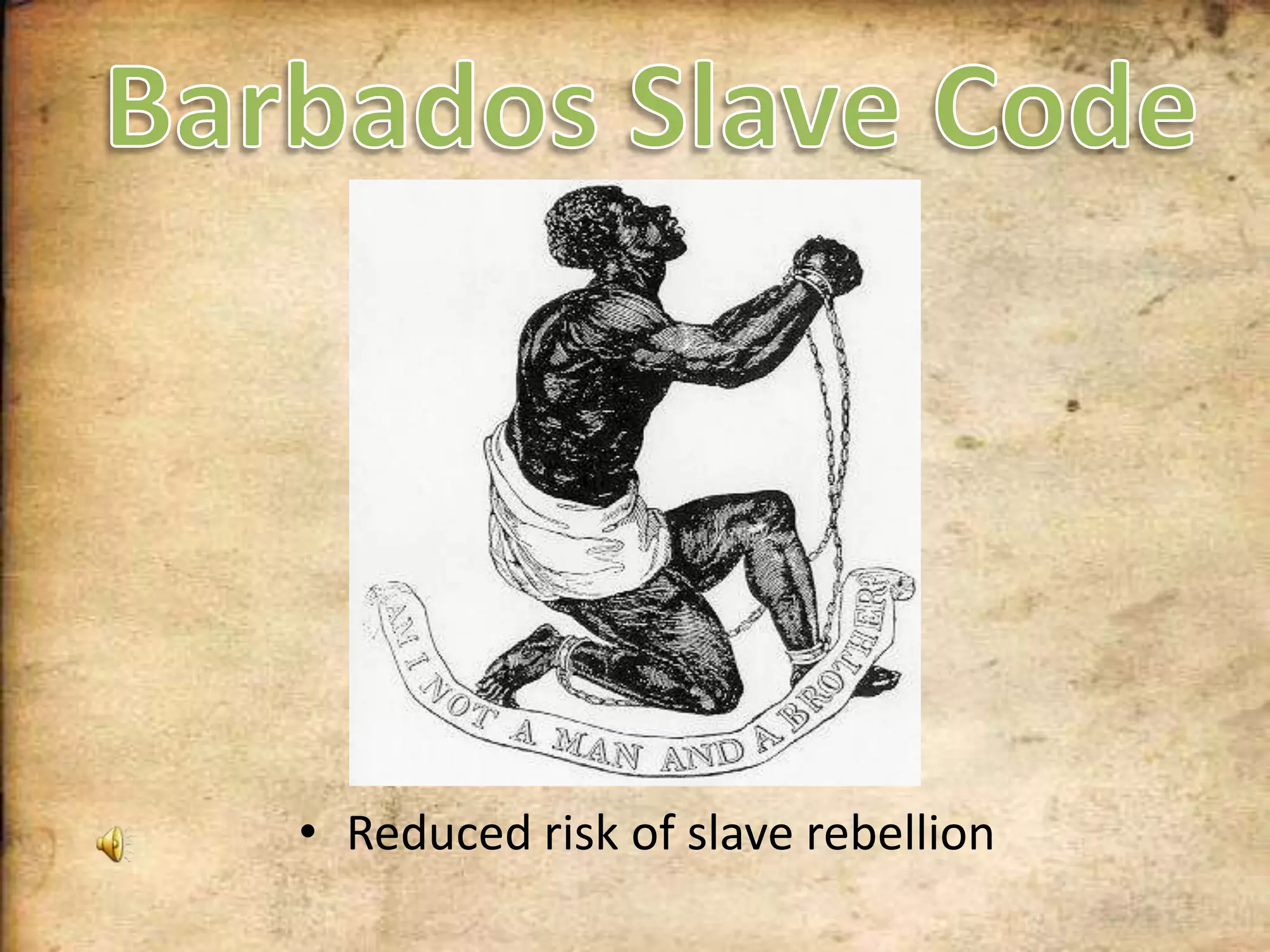
Barbados Slave CodeReduced risk of slave rebellion
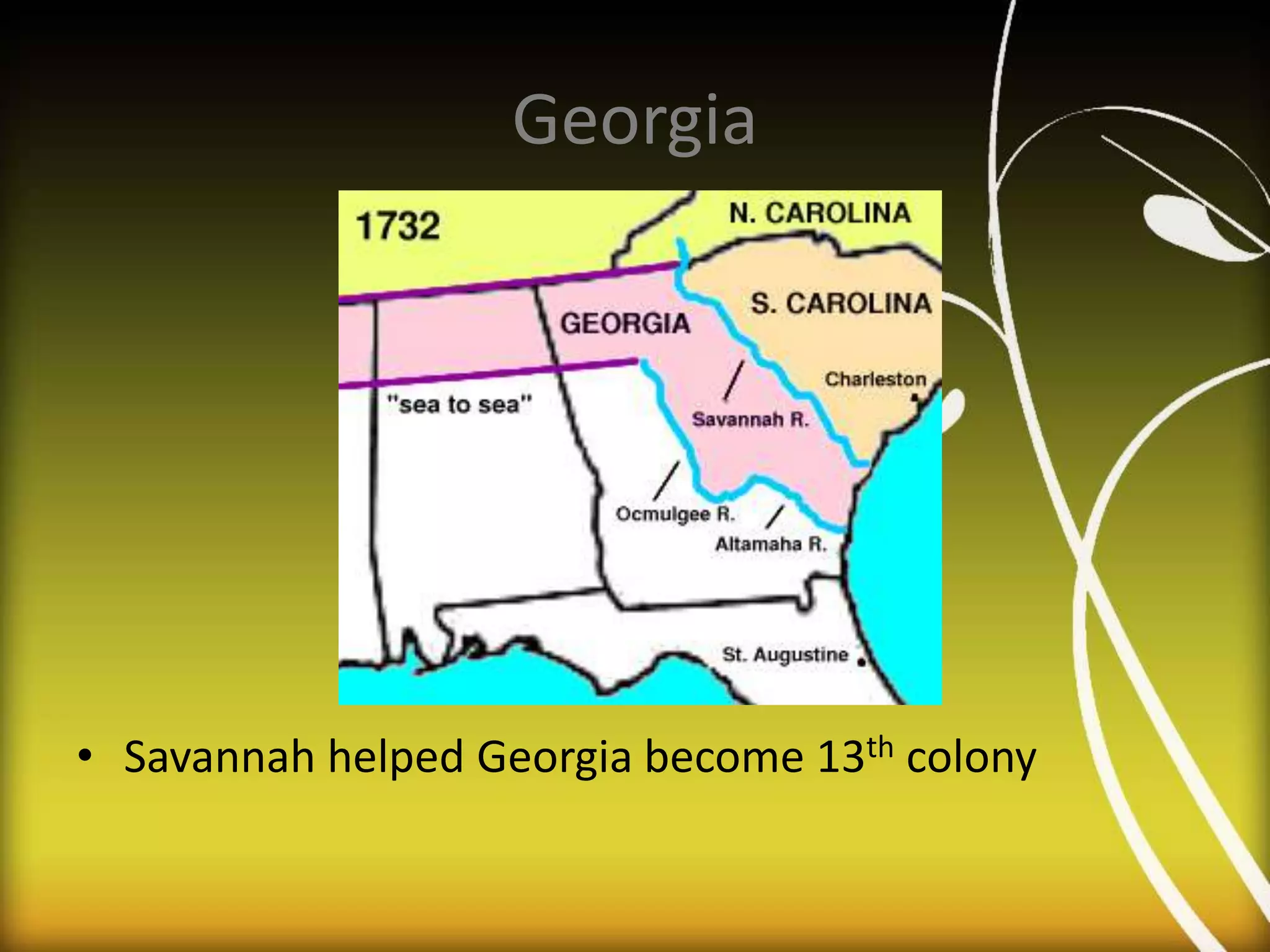
GeorgiaSavannah helped Georgia become 13th colony
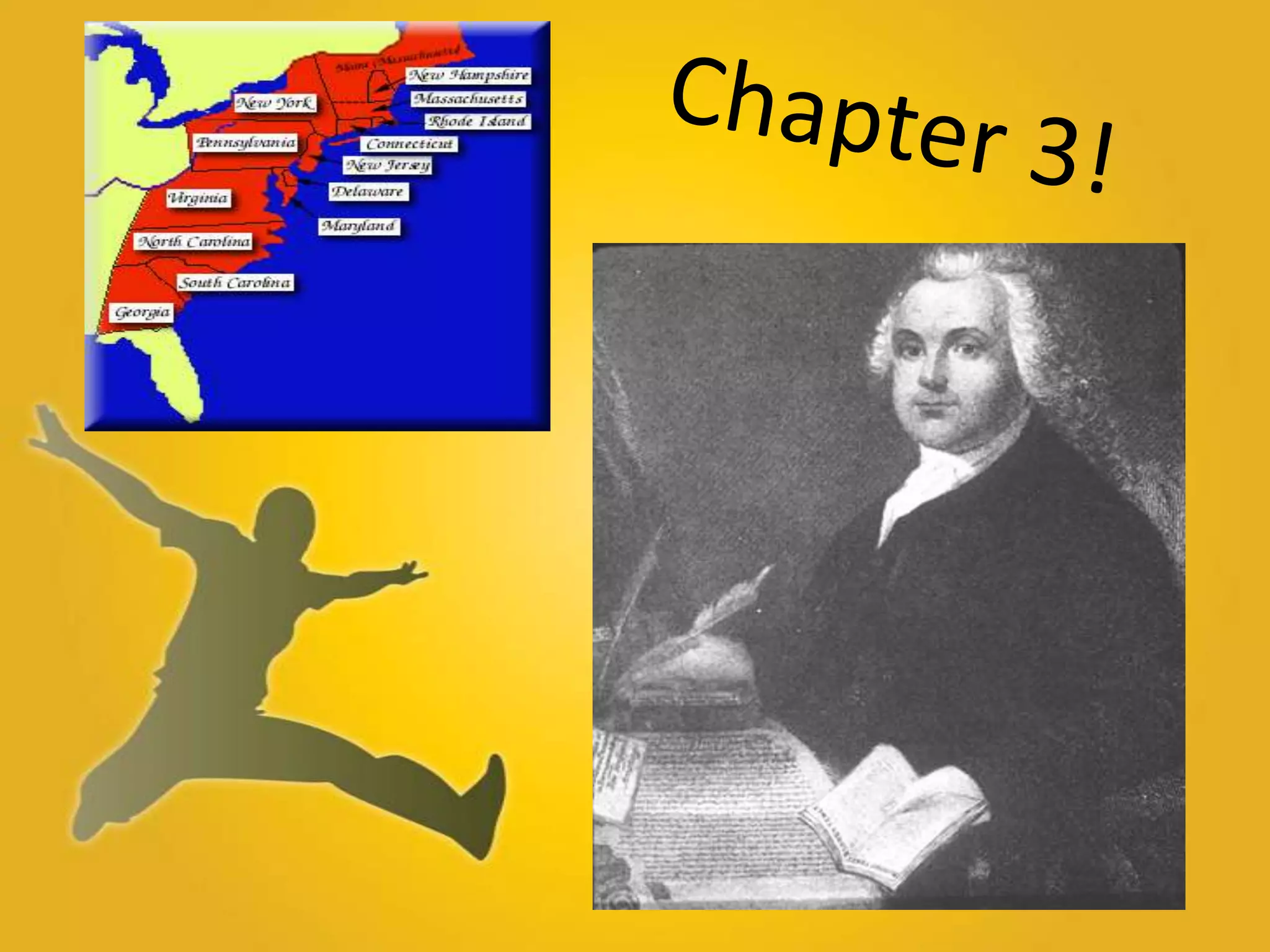
Chapter 3!
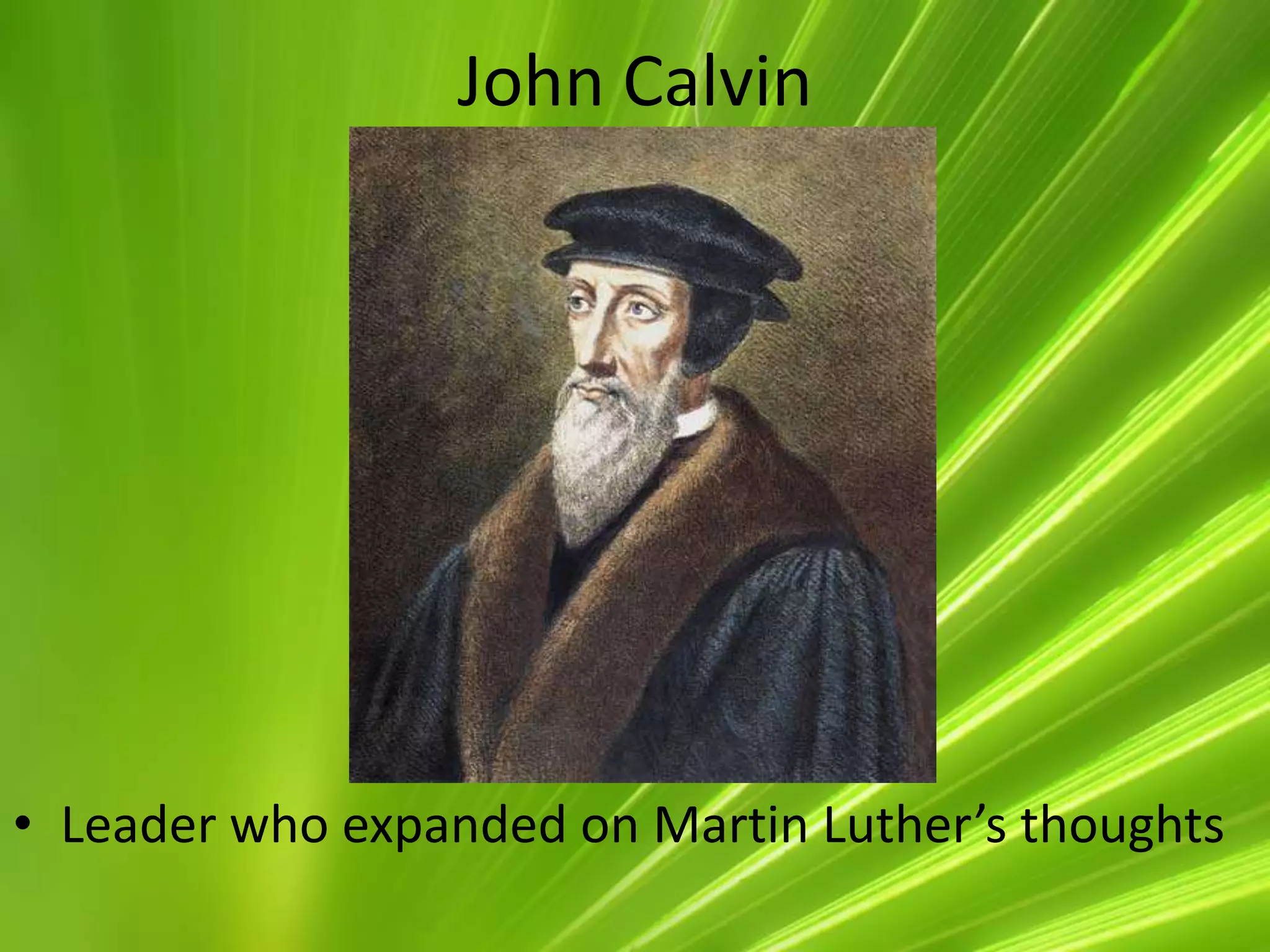
John CalvinLeader who expanded on Martin Luther’s thoughts
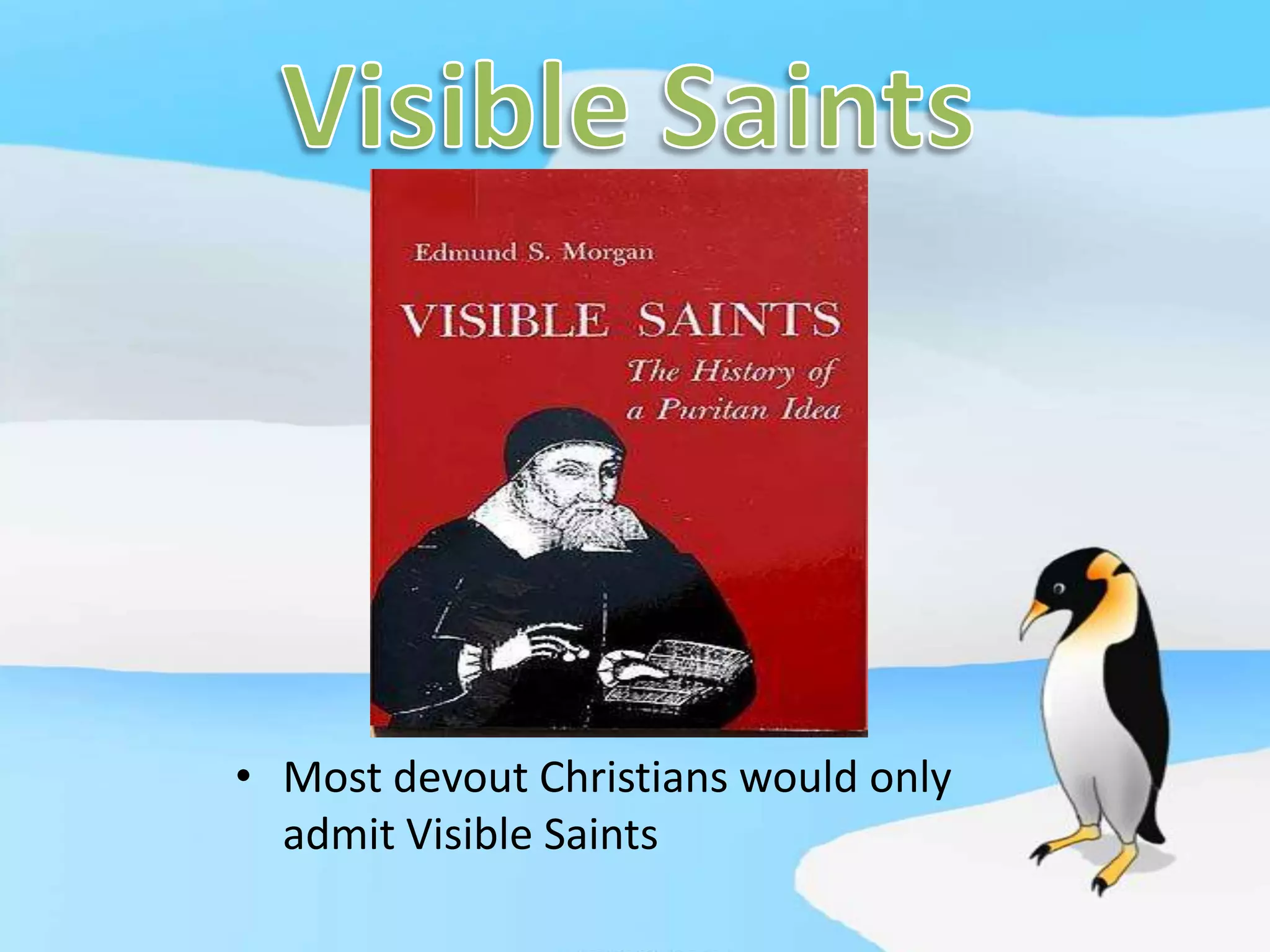
Visible SaintsMost devout Christians would only 	admit Visible Saints
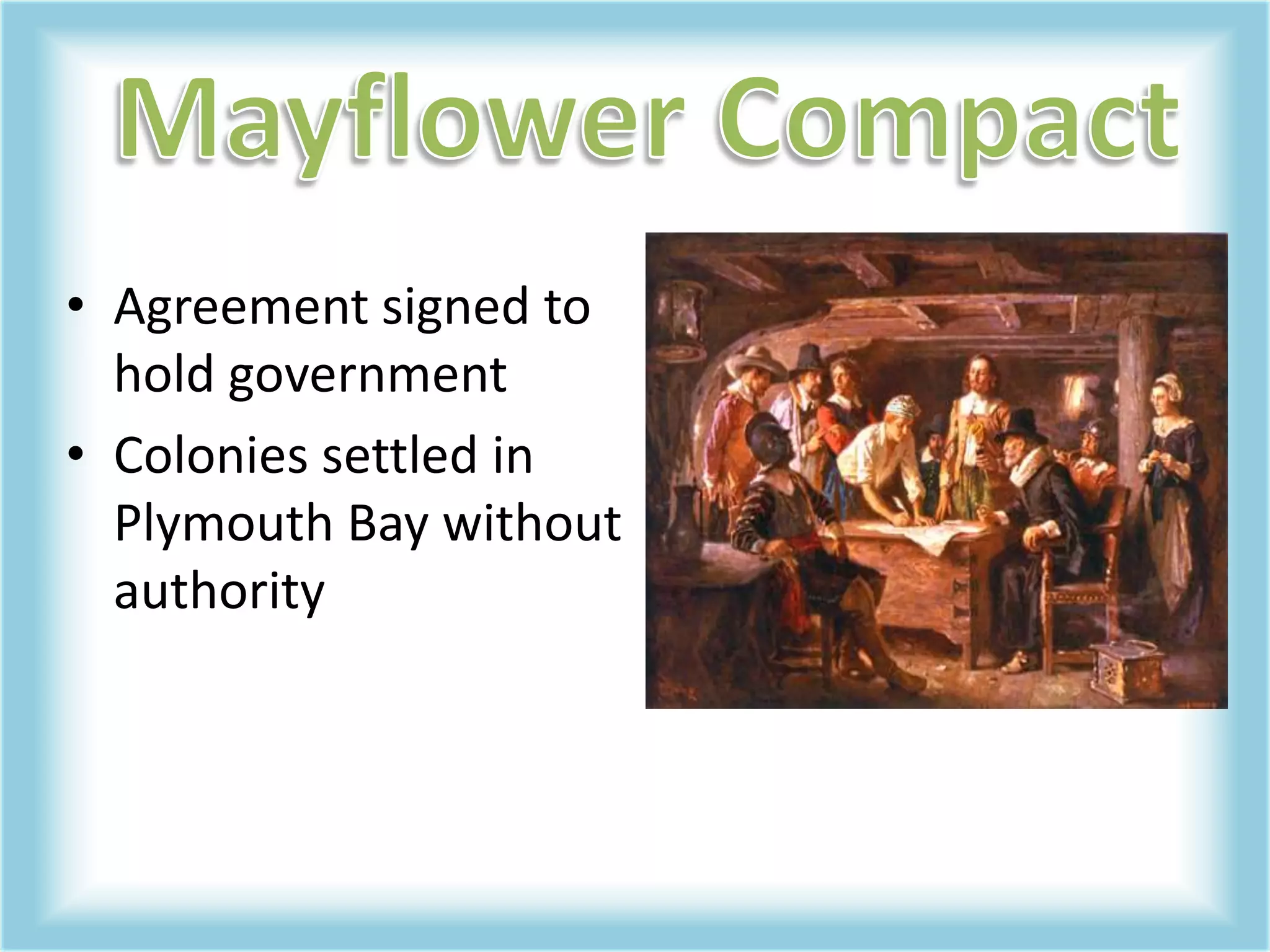
Mayflower CompactAgreement signed to hold governmentColonies settled in Plymouth Bay without authority
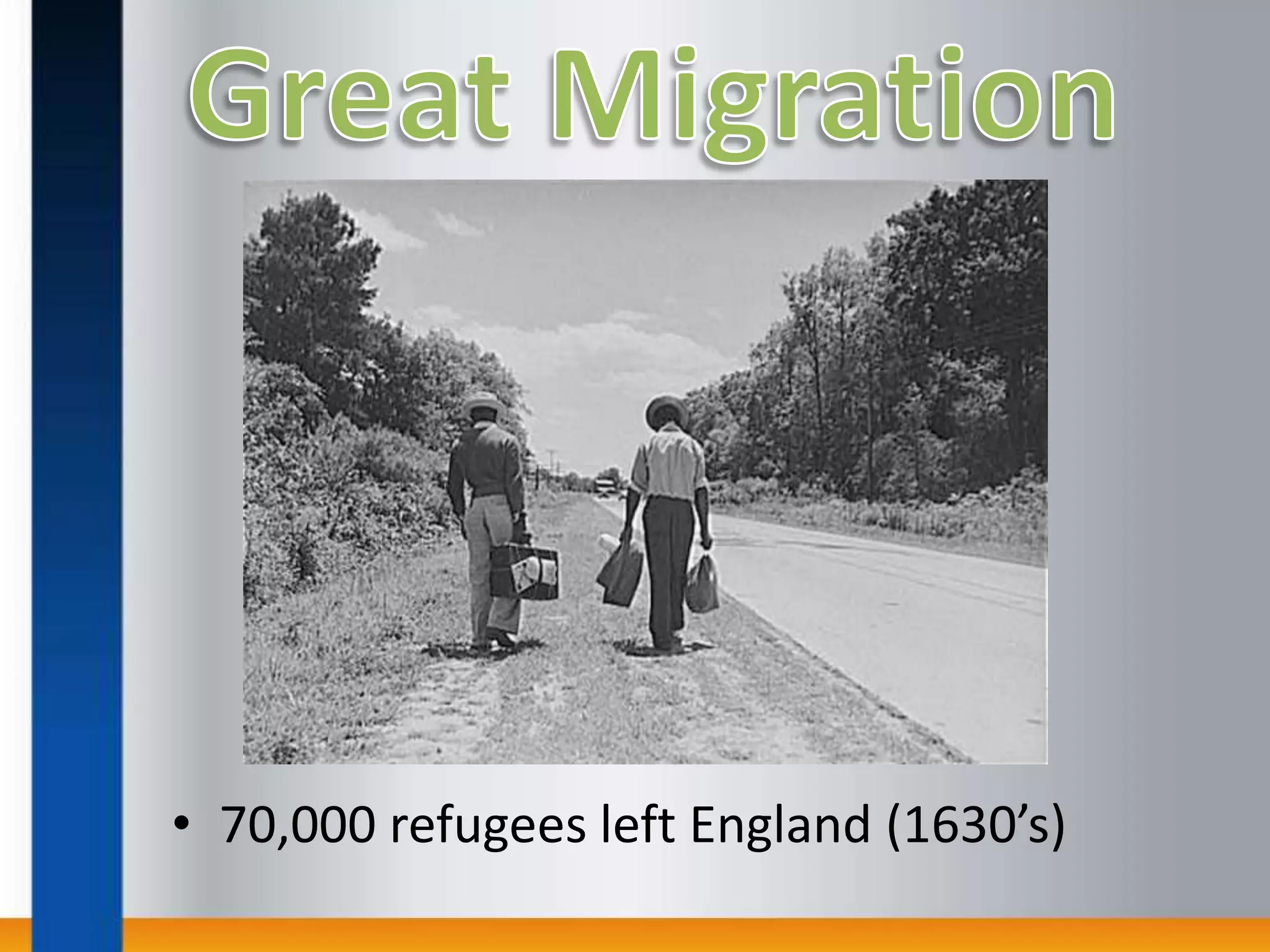
Great Migration70,000 refugees left England (1630’s)
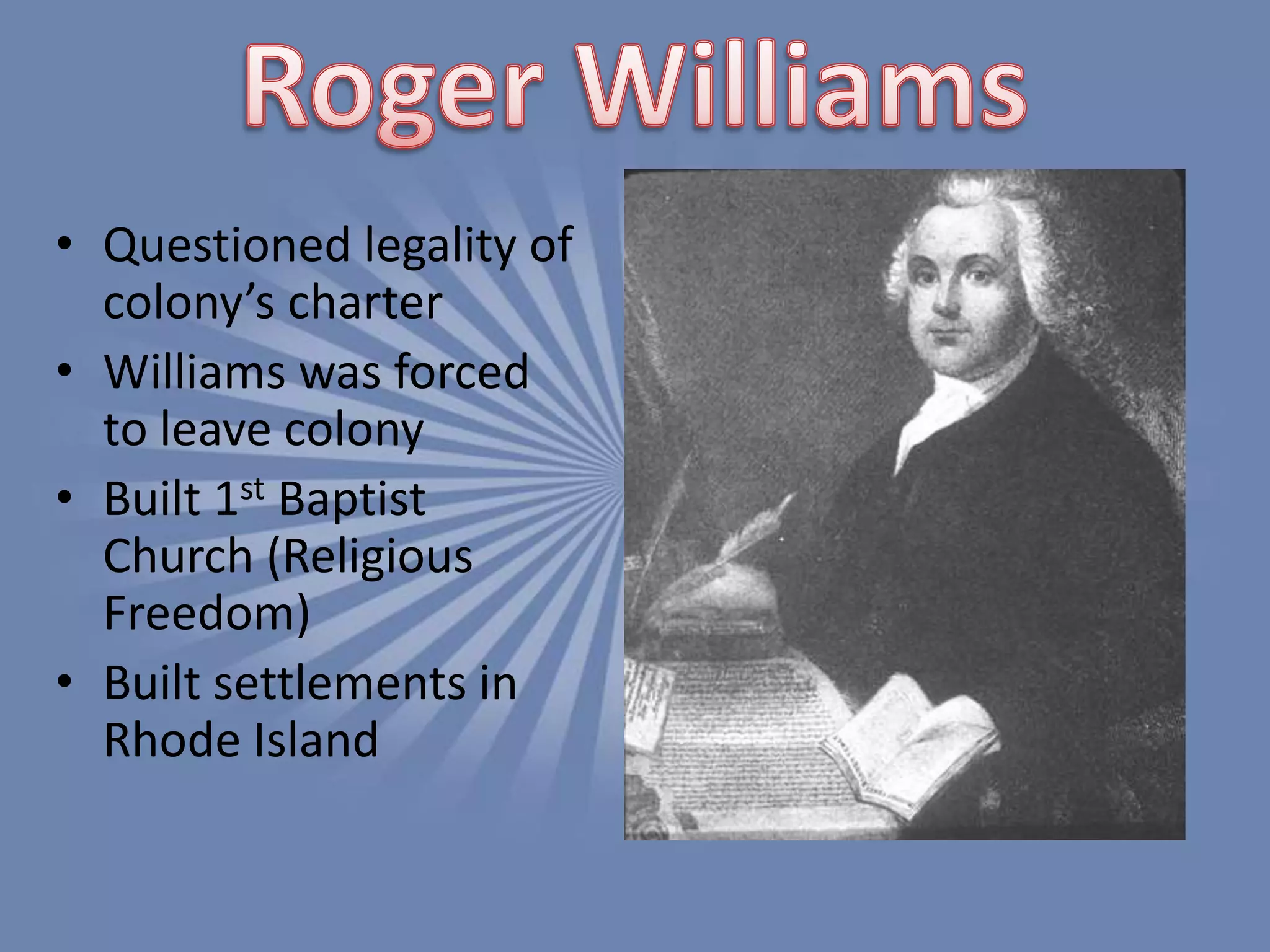
Roger WilliamsQuestioned legality of colony’s charterWilliams was forced to leave colony Built 1st Baptist Church (Religious Freedom)Built settlements in Rhode Island
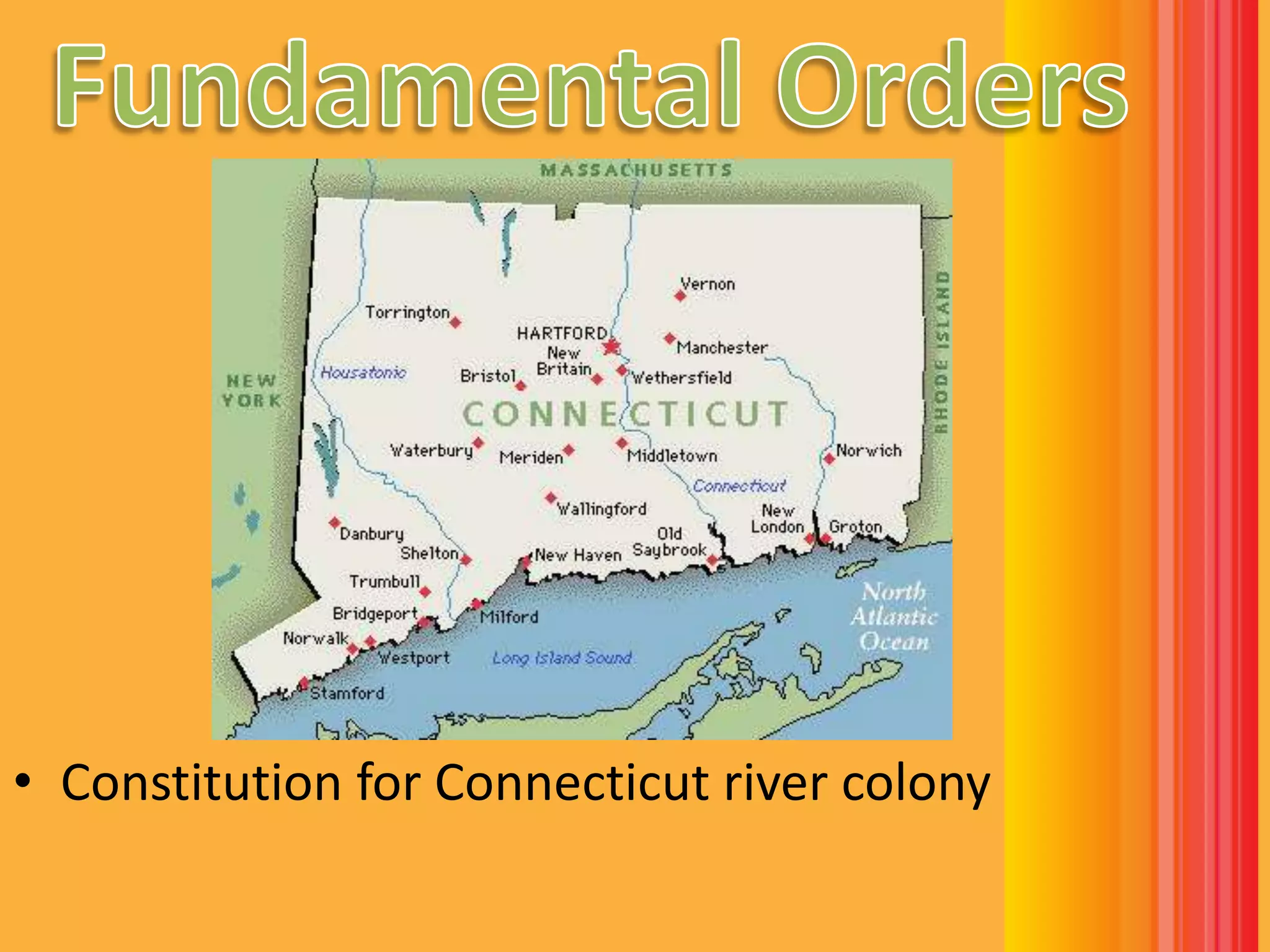
Fundamental OrdersConstitution for Connecticut river colony
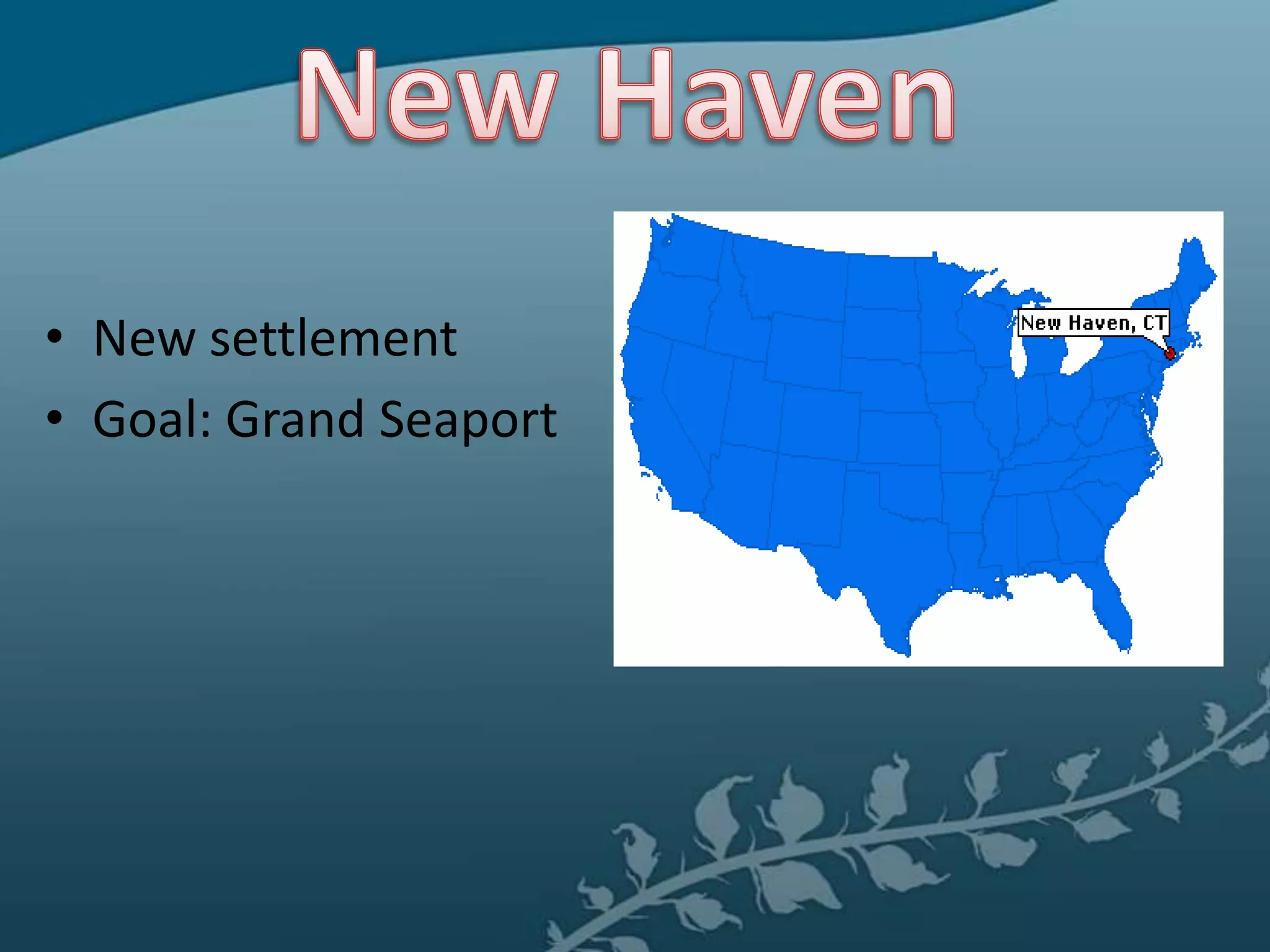
New HavenNew settlementGoal: Grand Seaport
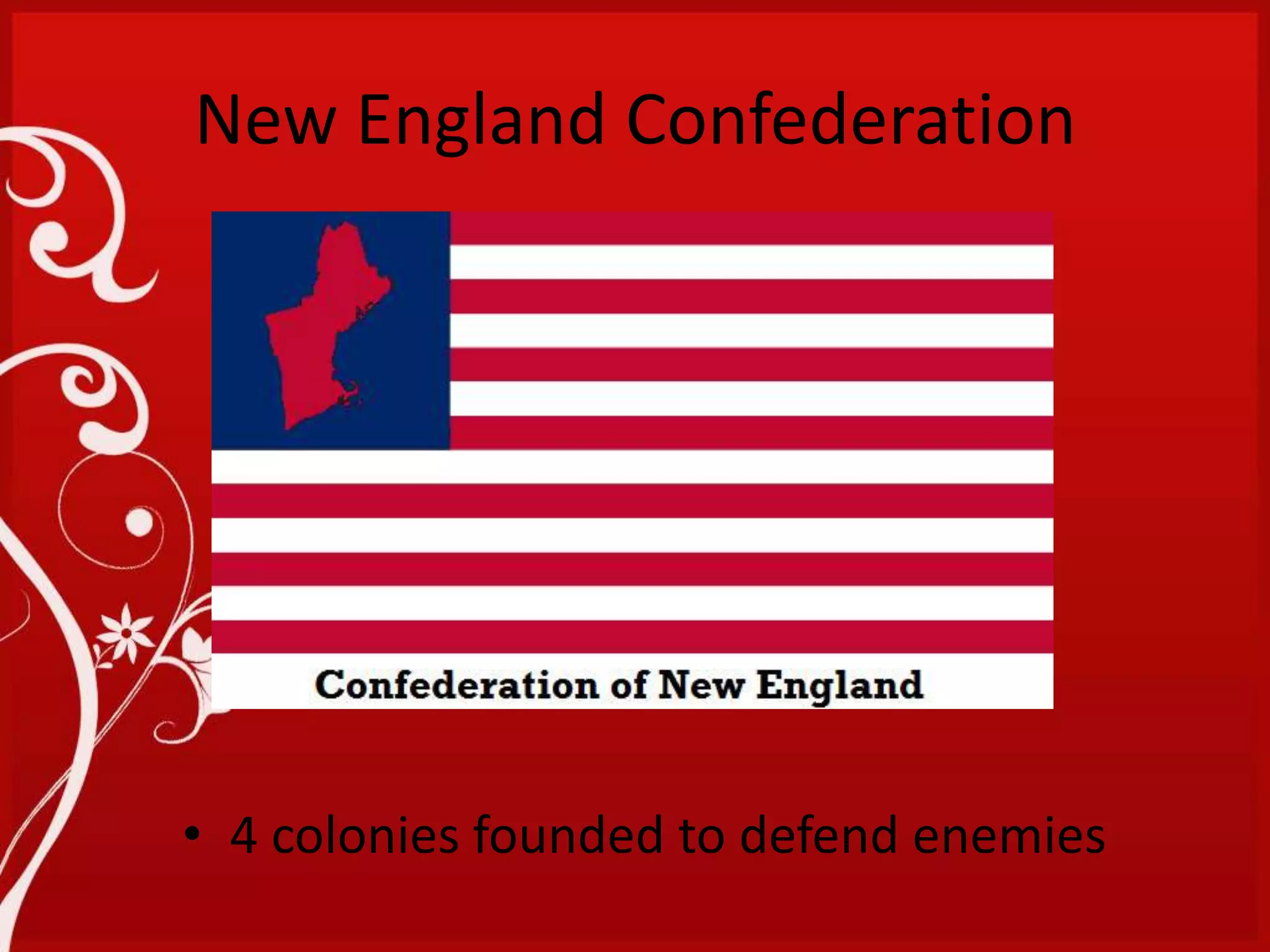
New England Confederation4 colonies founded to defend enemies
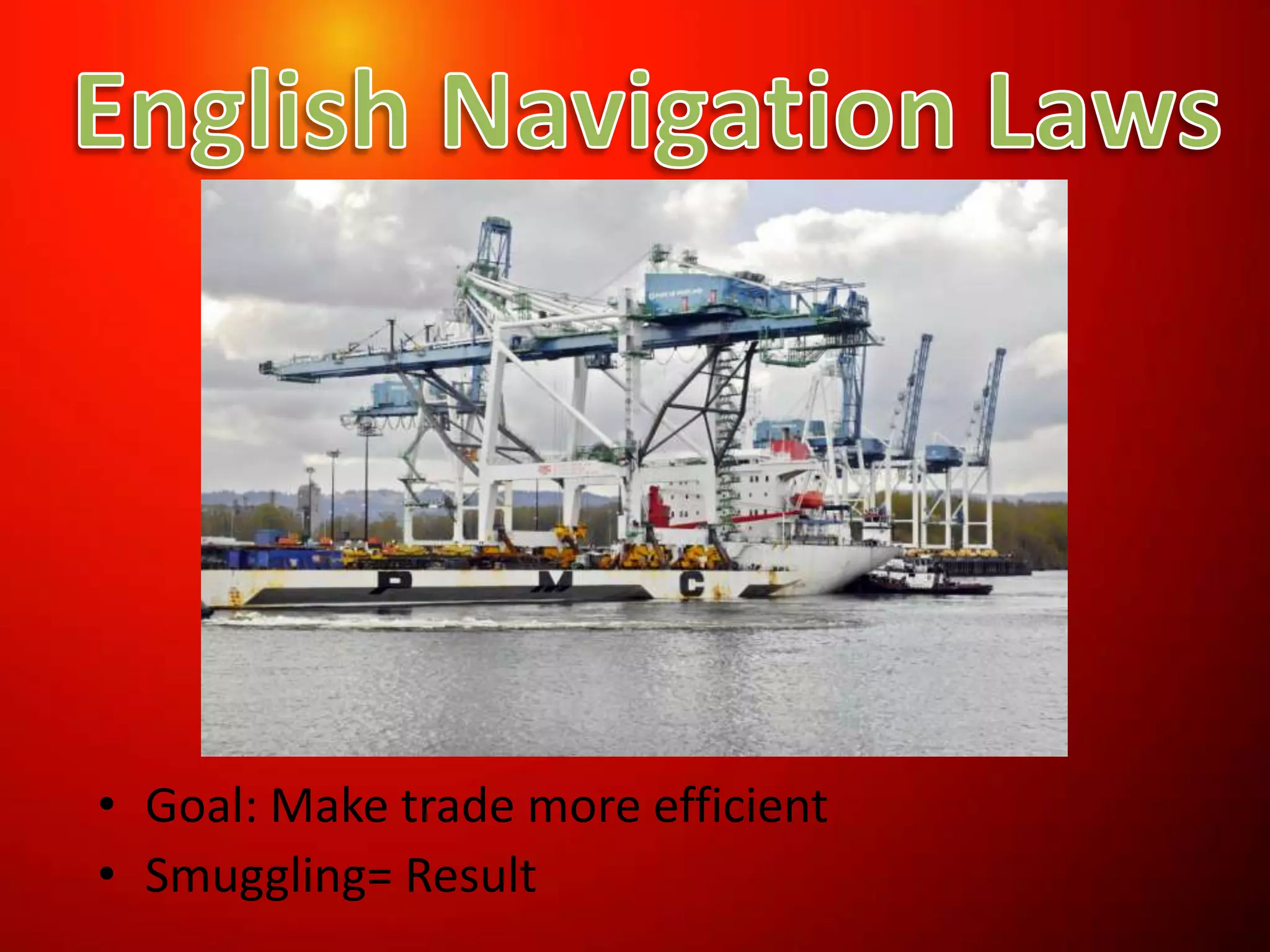
English Navigation LawsGoal: Make trade more efficientSmuggling= Result
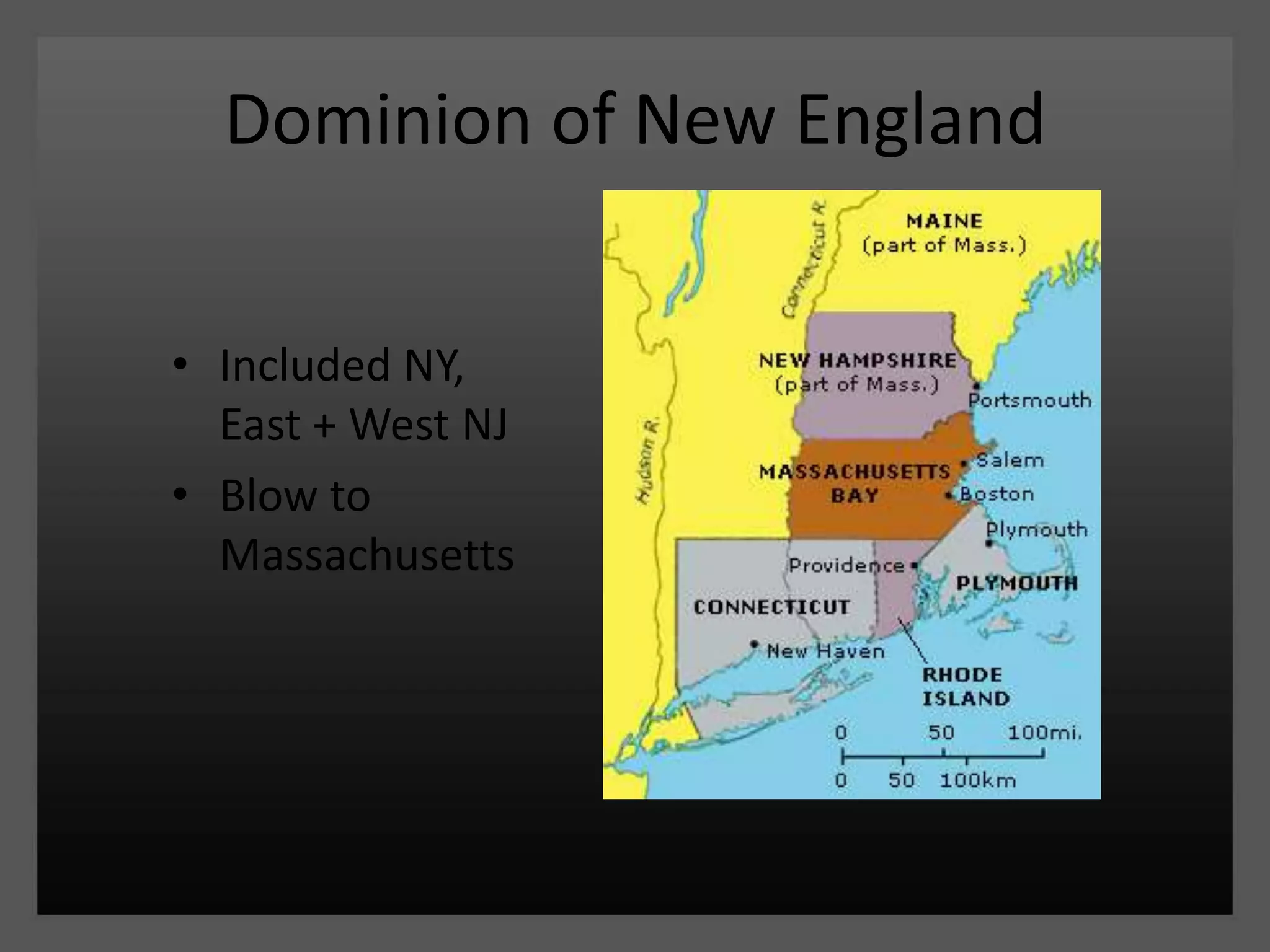
Dominion of New EnglandIncluded NY, East + West NJBlow to Massachusetts
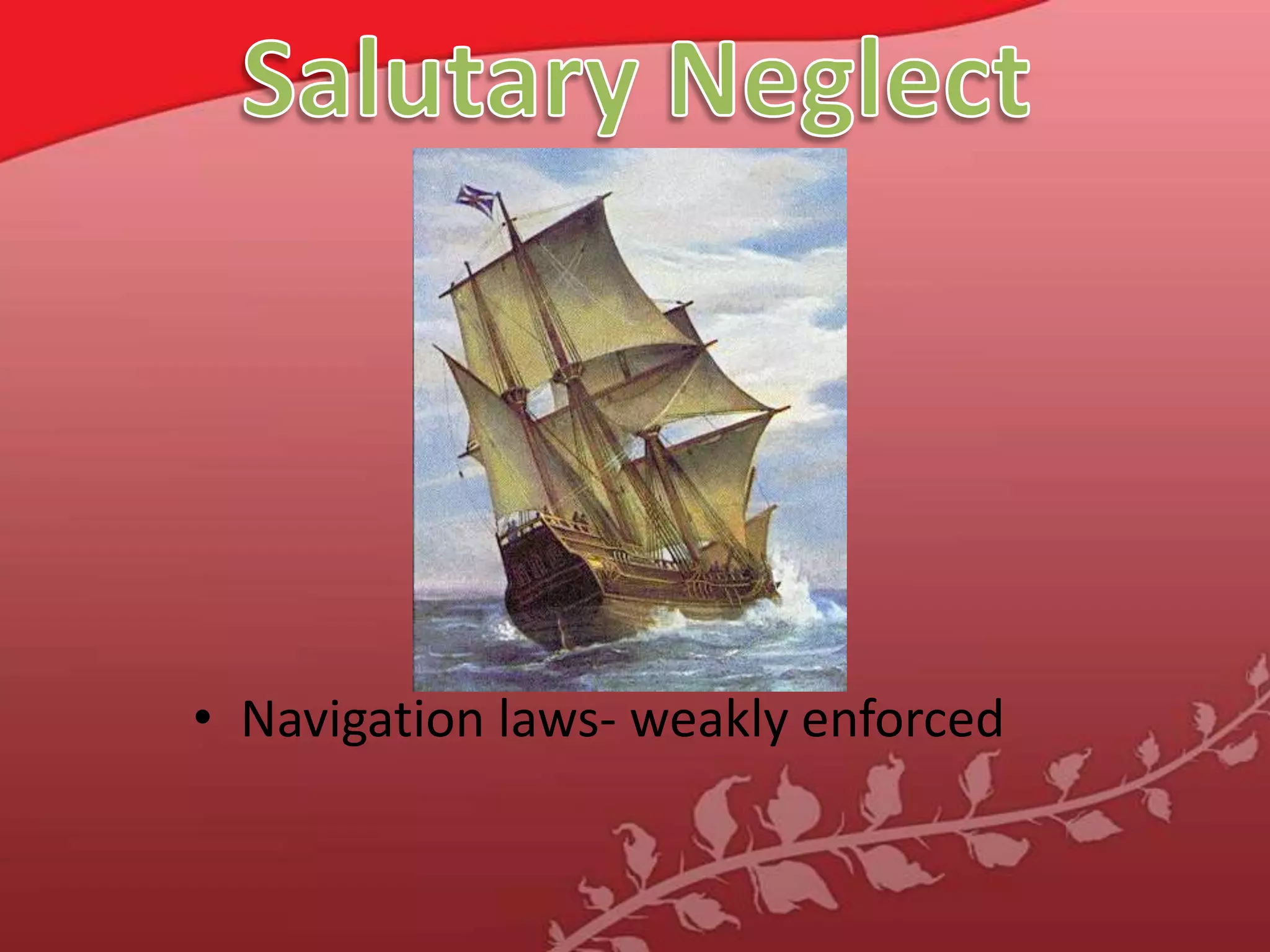
Salutary NeglectNavigation laws- weakly enforced
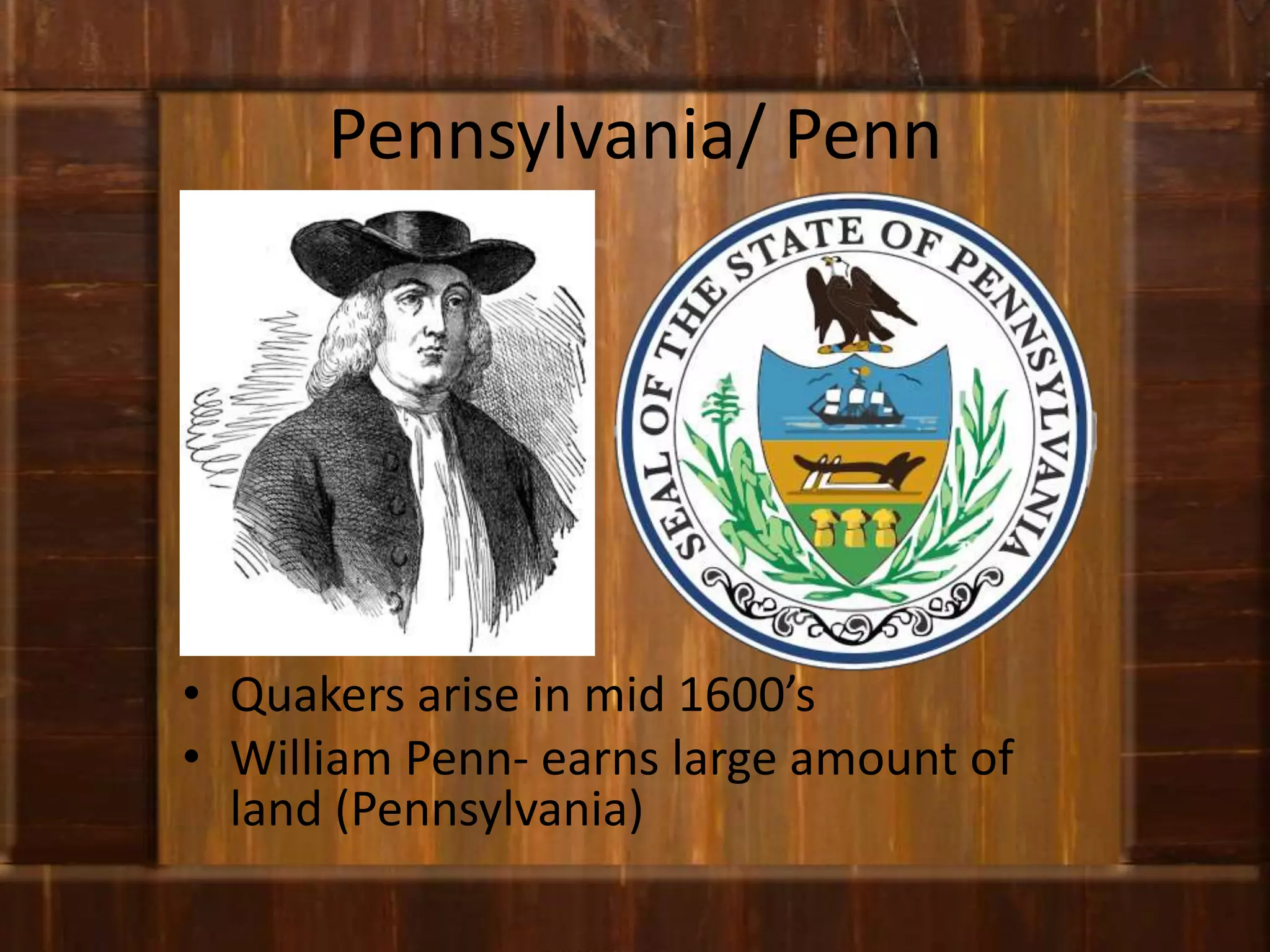
Pennsylvania/ PennQuakers arise in mid 1600’sWilliam Penn- earns large amount of land (Pennsylvania)
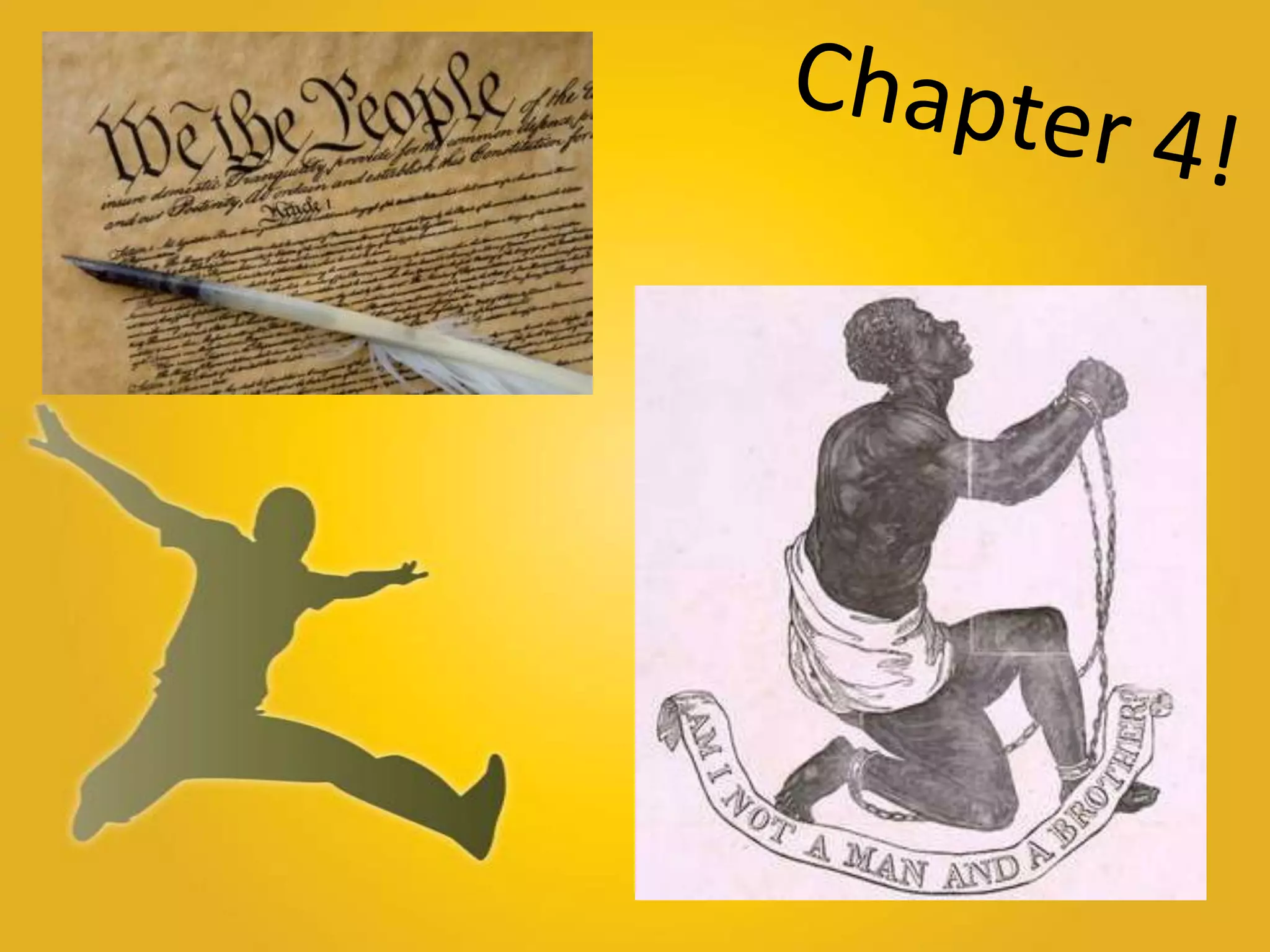
Chapter 4!
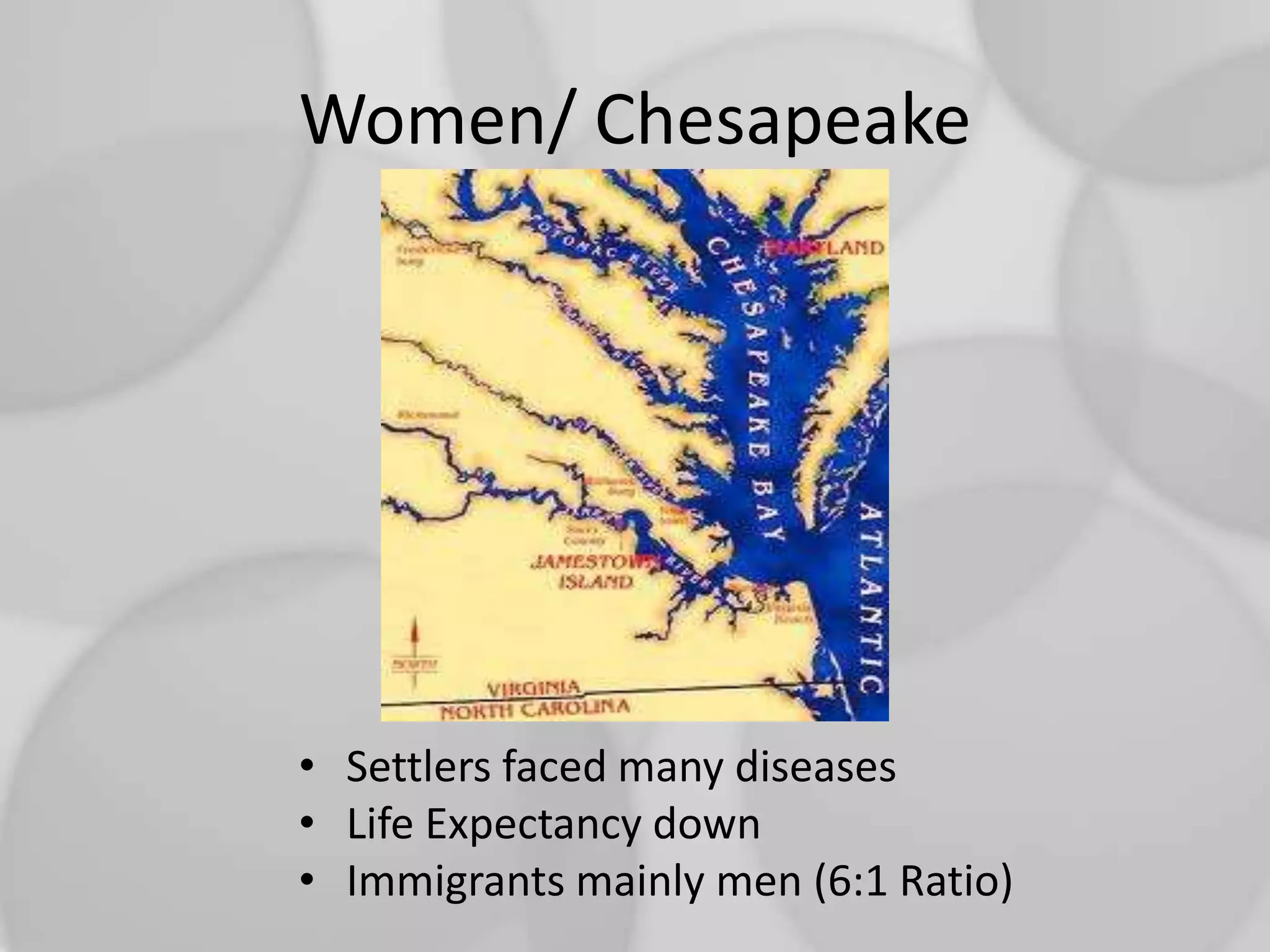
Women/ ChesapeakeSettlers faced many diseasesLife Expectancy downImmigrants mainly men (6:1 Ratio)
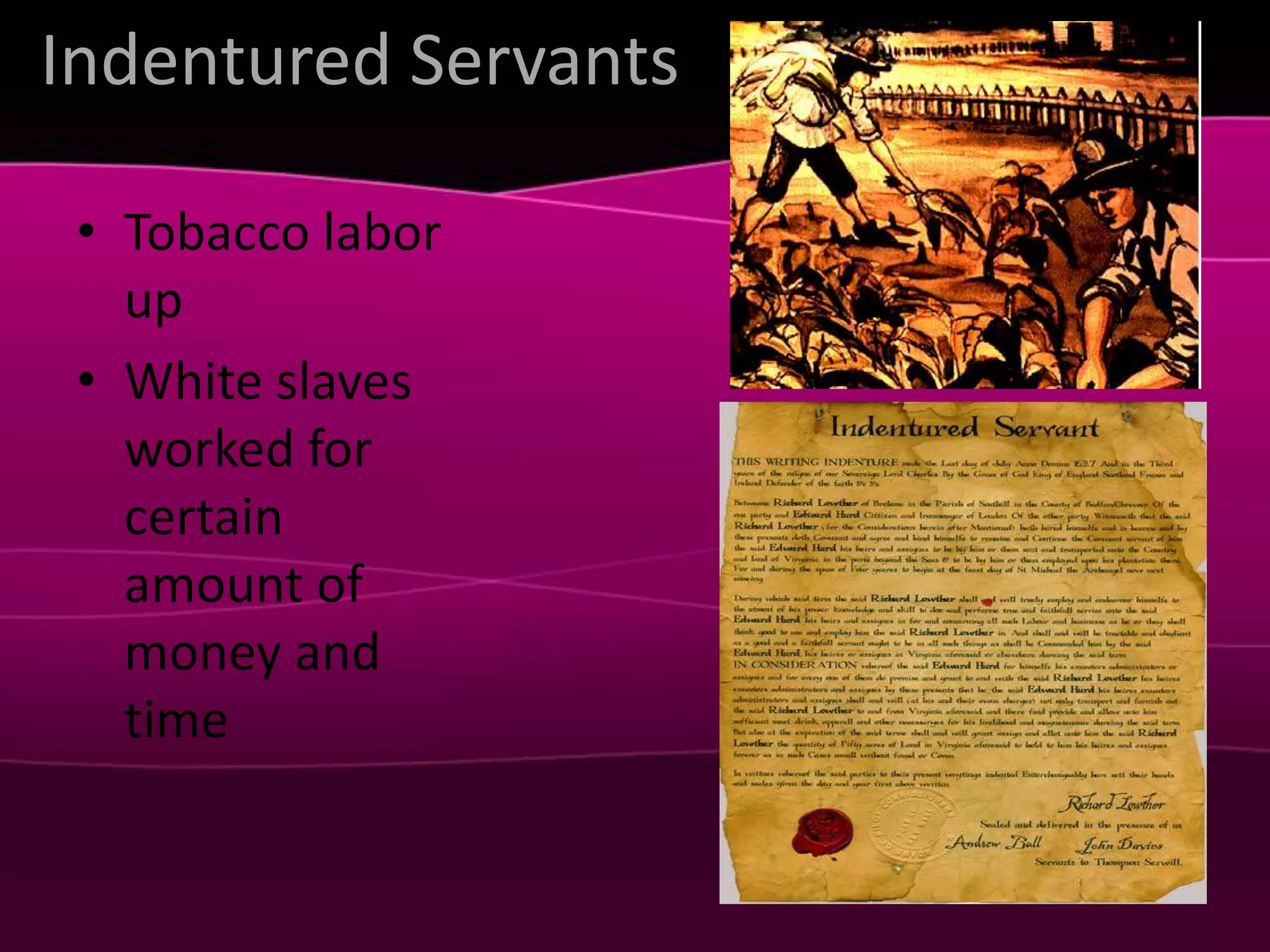
Indentured ServantsTobacco labor upWhite slaves worked for certain amount of money and time
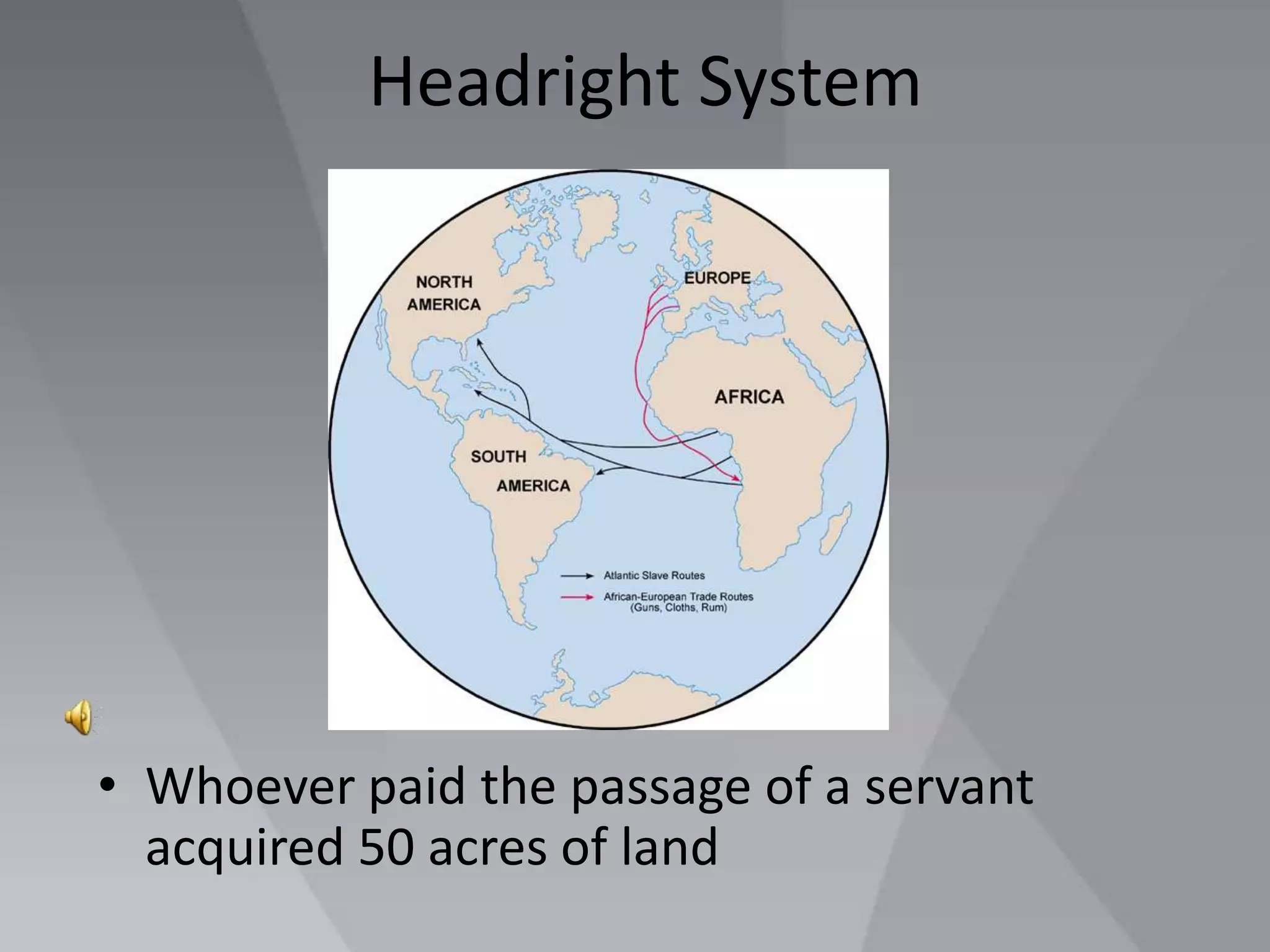
Headright SystemWhoever paid the passage of a servant acquired 50 acres of land
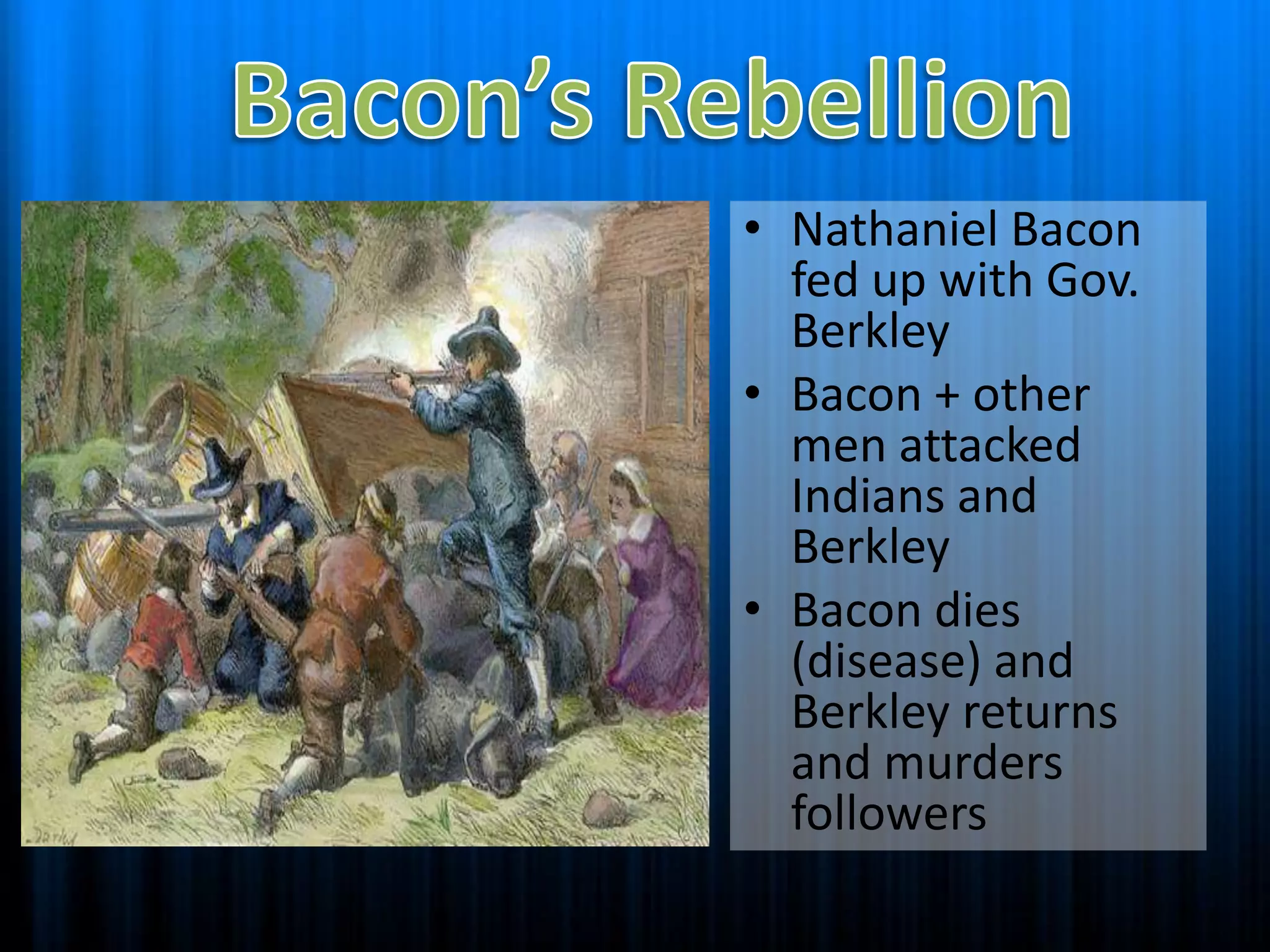
Bacon’s RebellionNathaniel Bacon fed up with Gov. BerkleyBacon + other men attacked Indians and BerkleyBacon dies (disease) and Berkley returns and murders followers
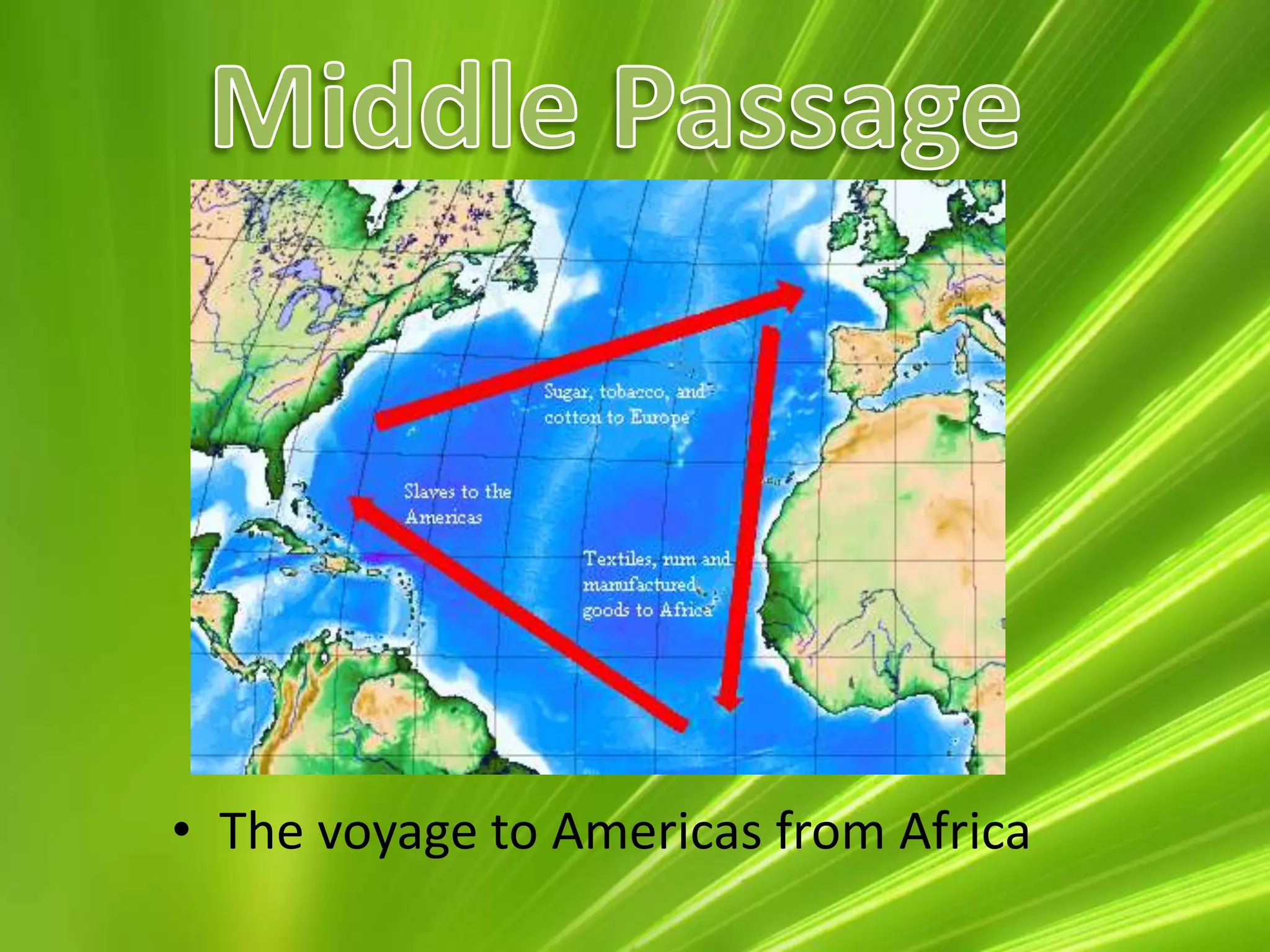
Middle PassageThe voyage to Americas from Africa
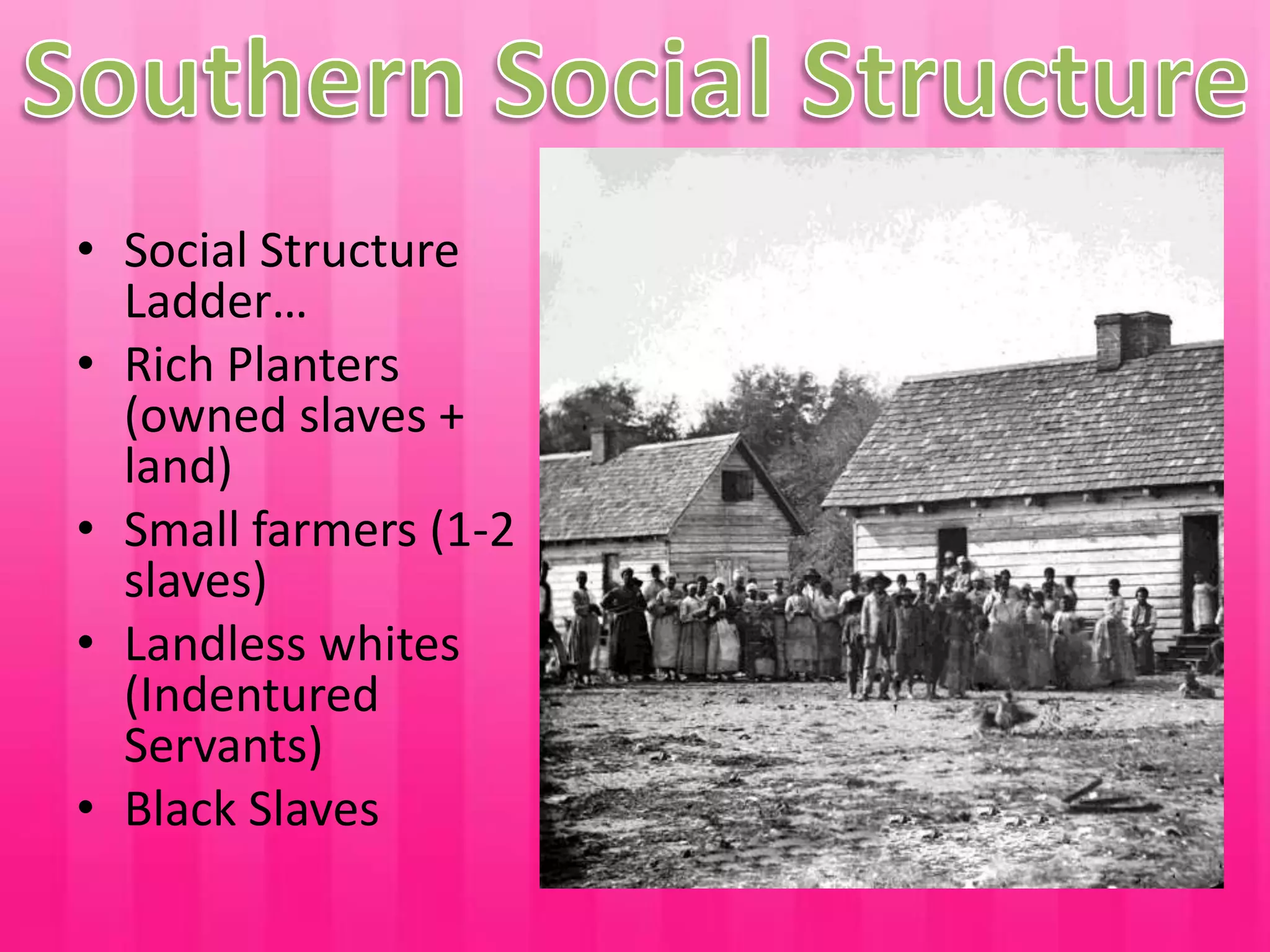
Southern Social StructureSocial Structure Ladder…Rich Planters (owned slaves + land)Small farmers (1-2 slaves)Landless whites (Indentured Servants)Black Slaves
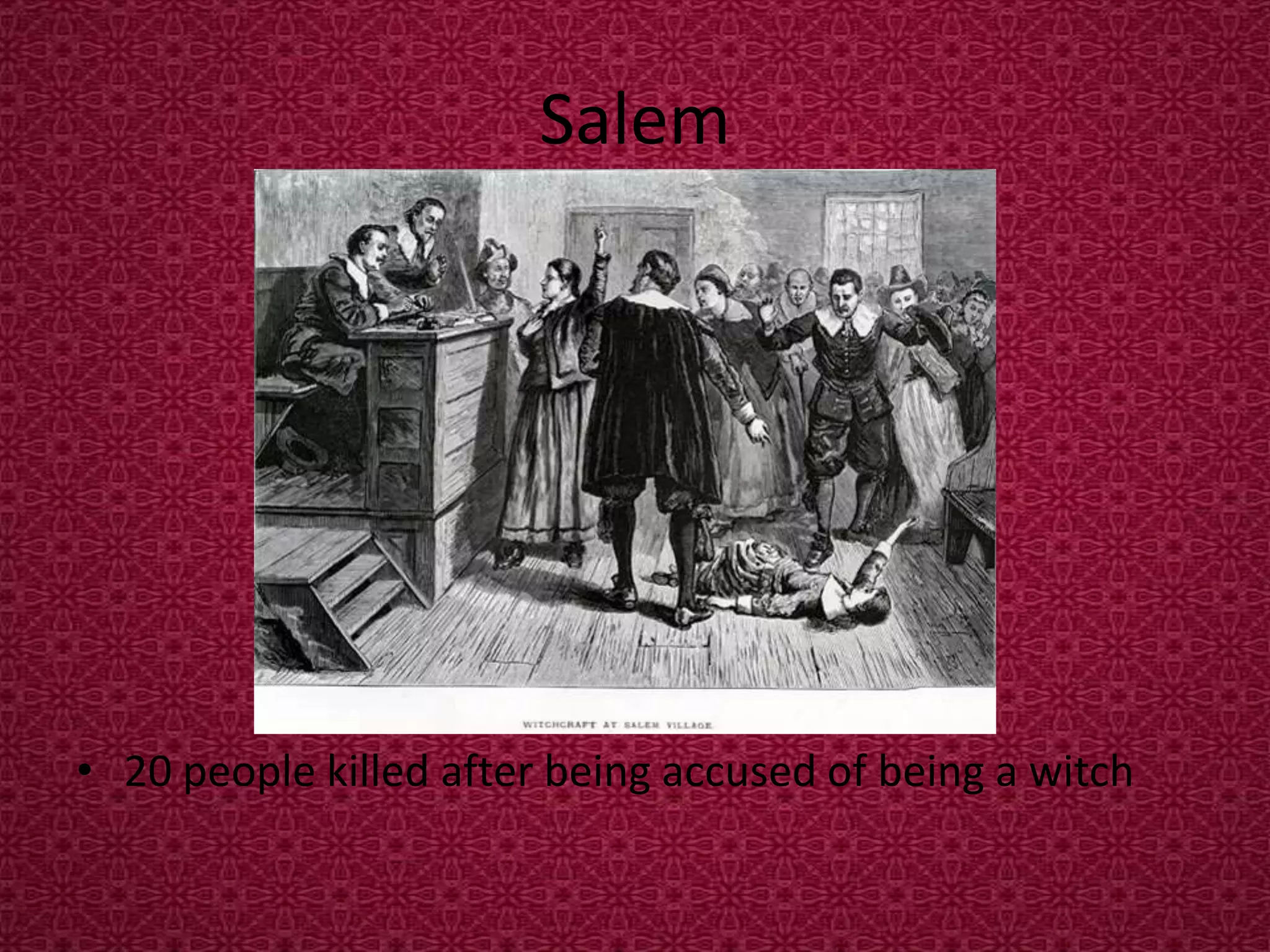
Salem20 people killed after being accused of being a witch
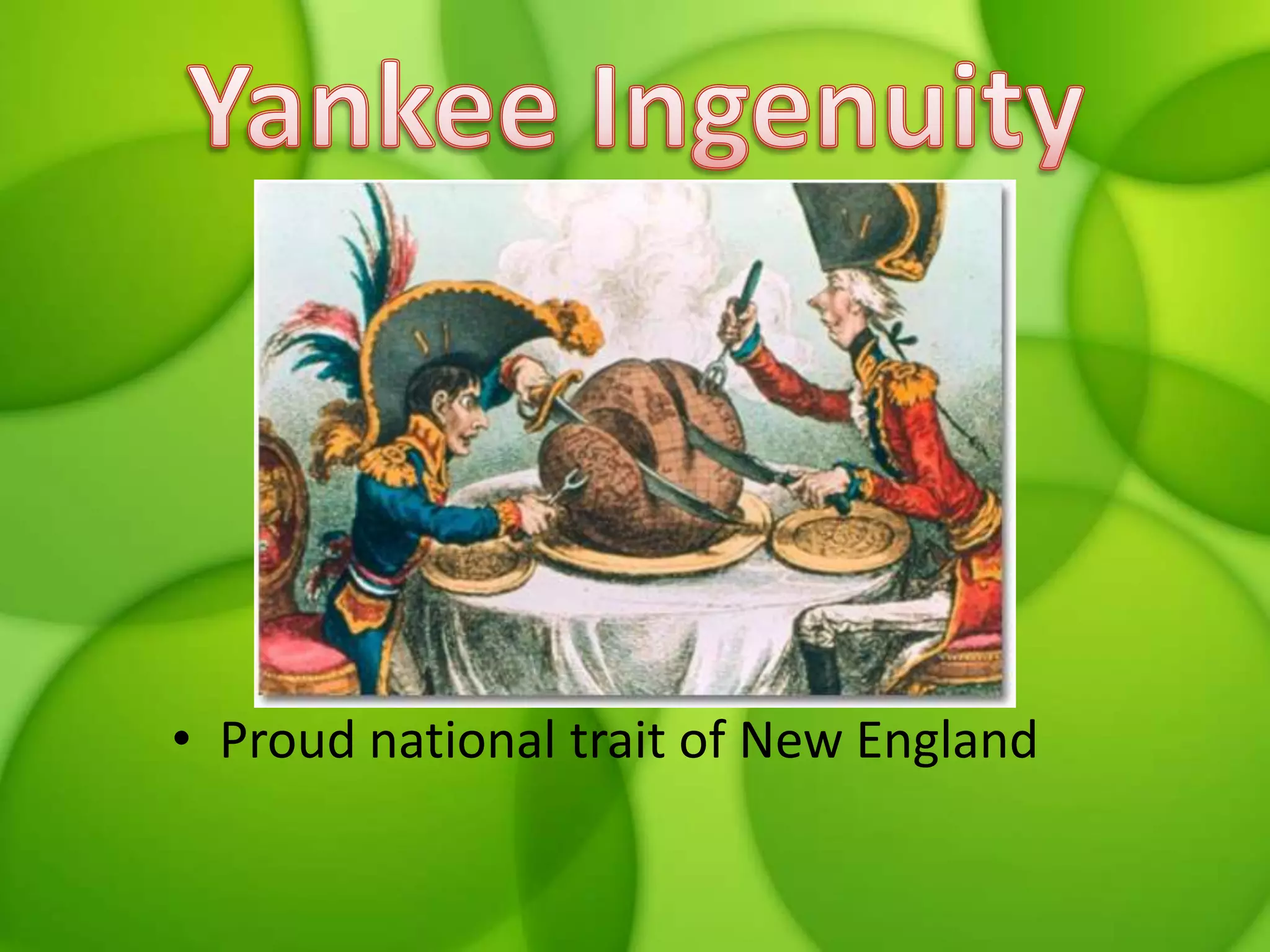
Yankee IngenuityProud national trait of New England
Chapter 5!
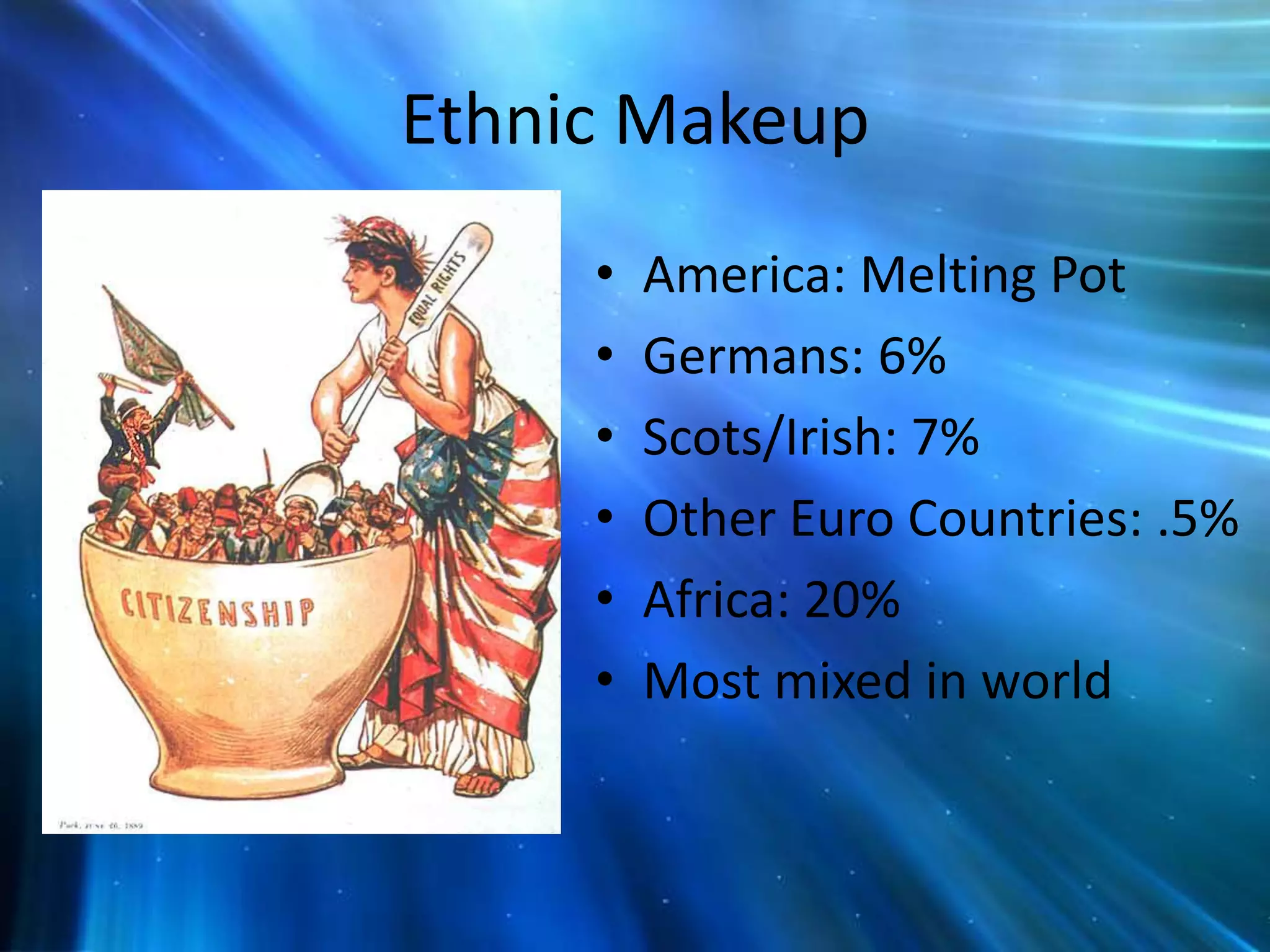
Ethnic MakeupAmerica: Melting PotGermans: 6%Scots/Irish: 7%Other Euro Countries: .5%Africa: 20%Most mixed in world
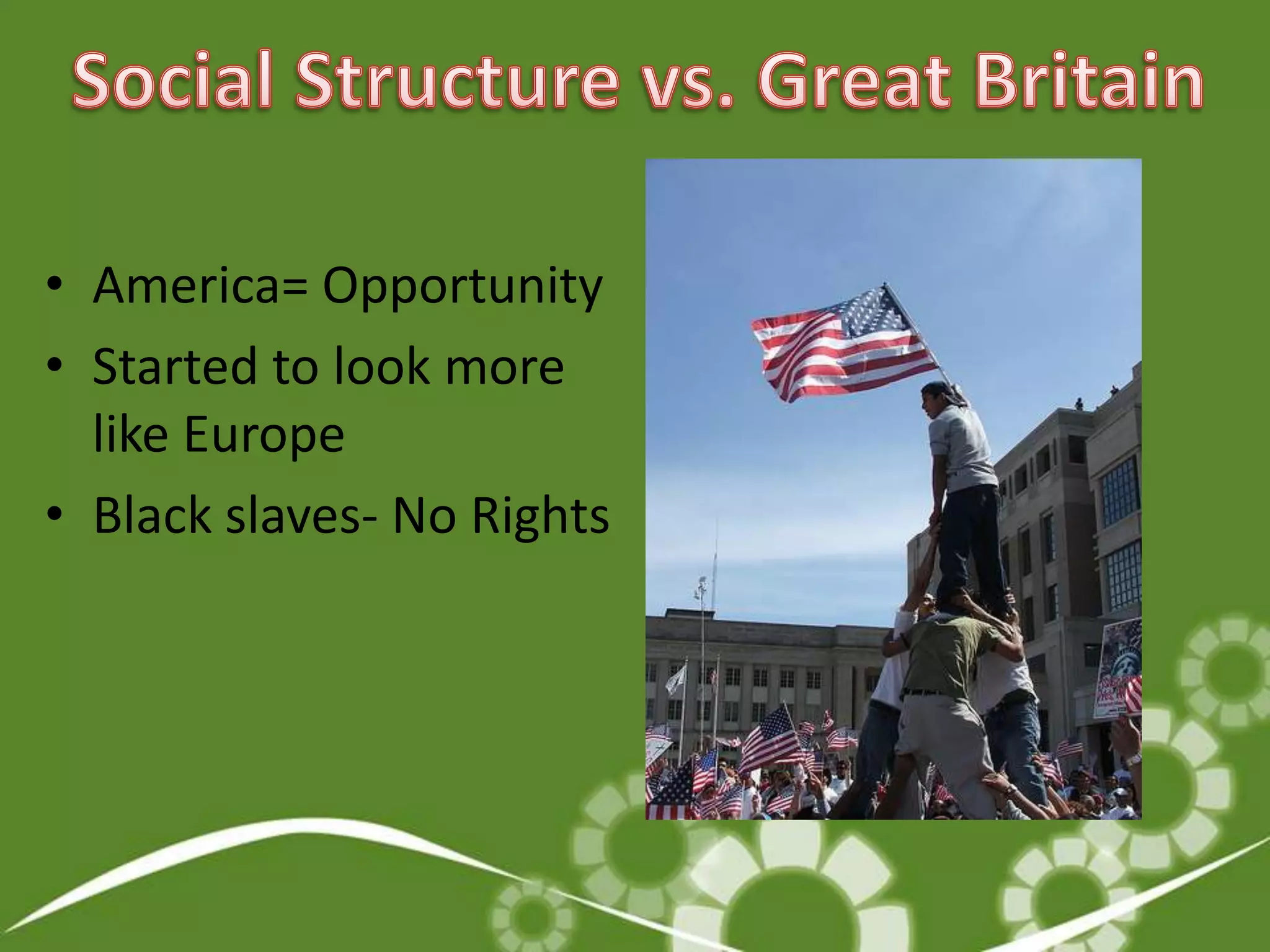
Social Structure vs. Great BritainAmerica= OpportunityStarted to look more like EuropeBlack slaves- No Rights
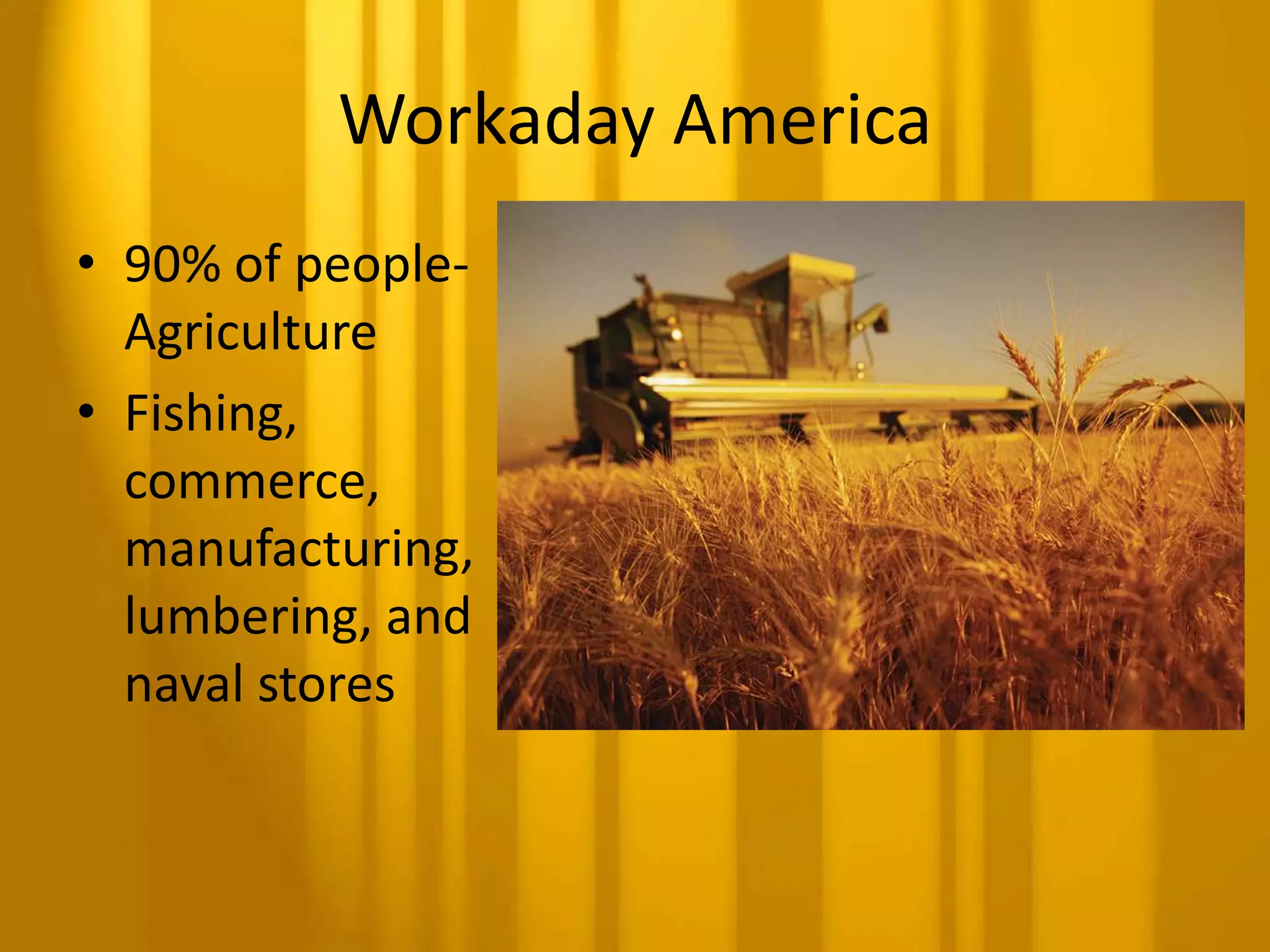
Workaday America90% of people- AgricultureFishing, commerce, manufacturing, lumbering, and naval stores
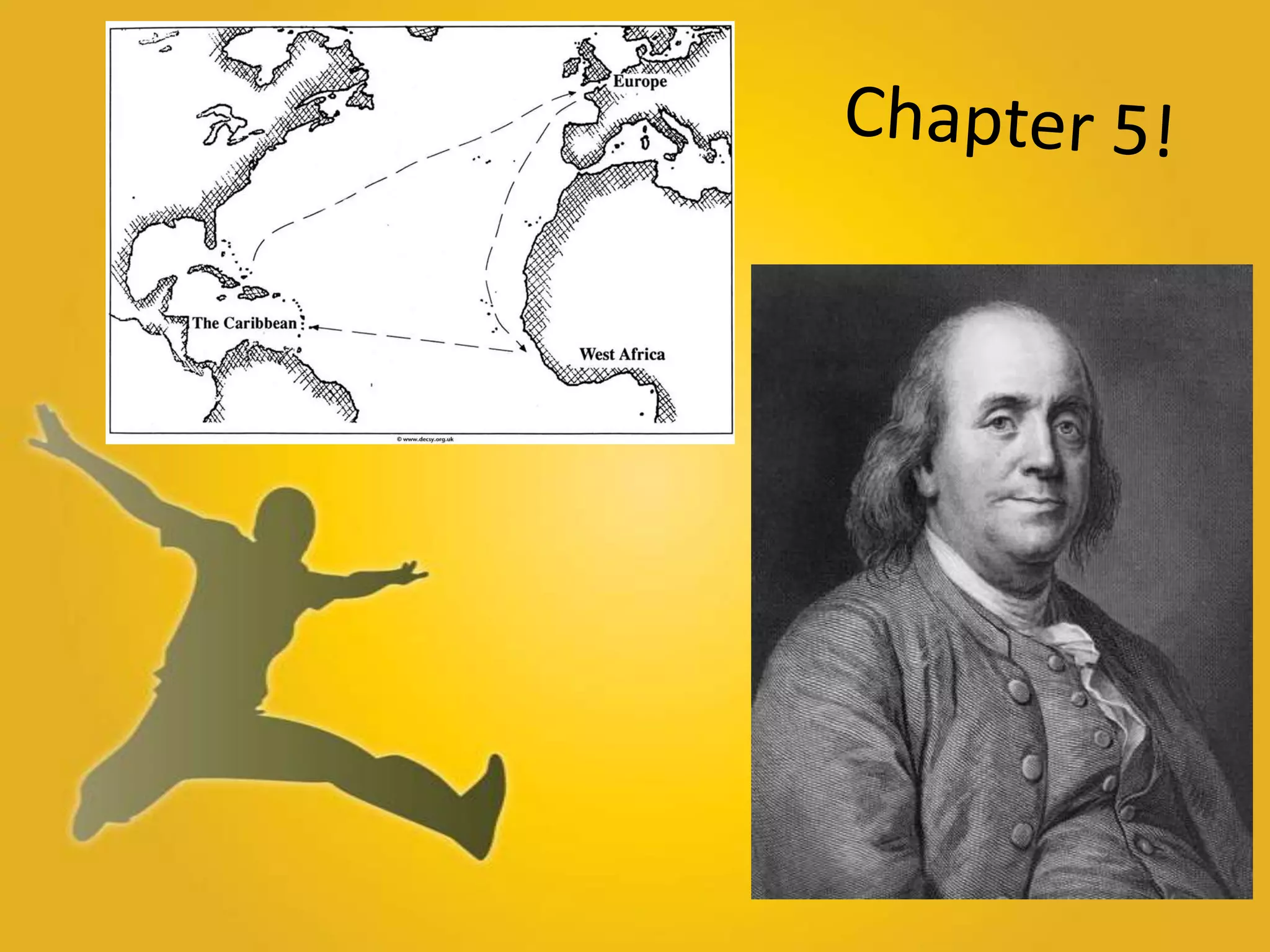
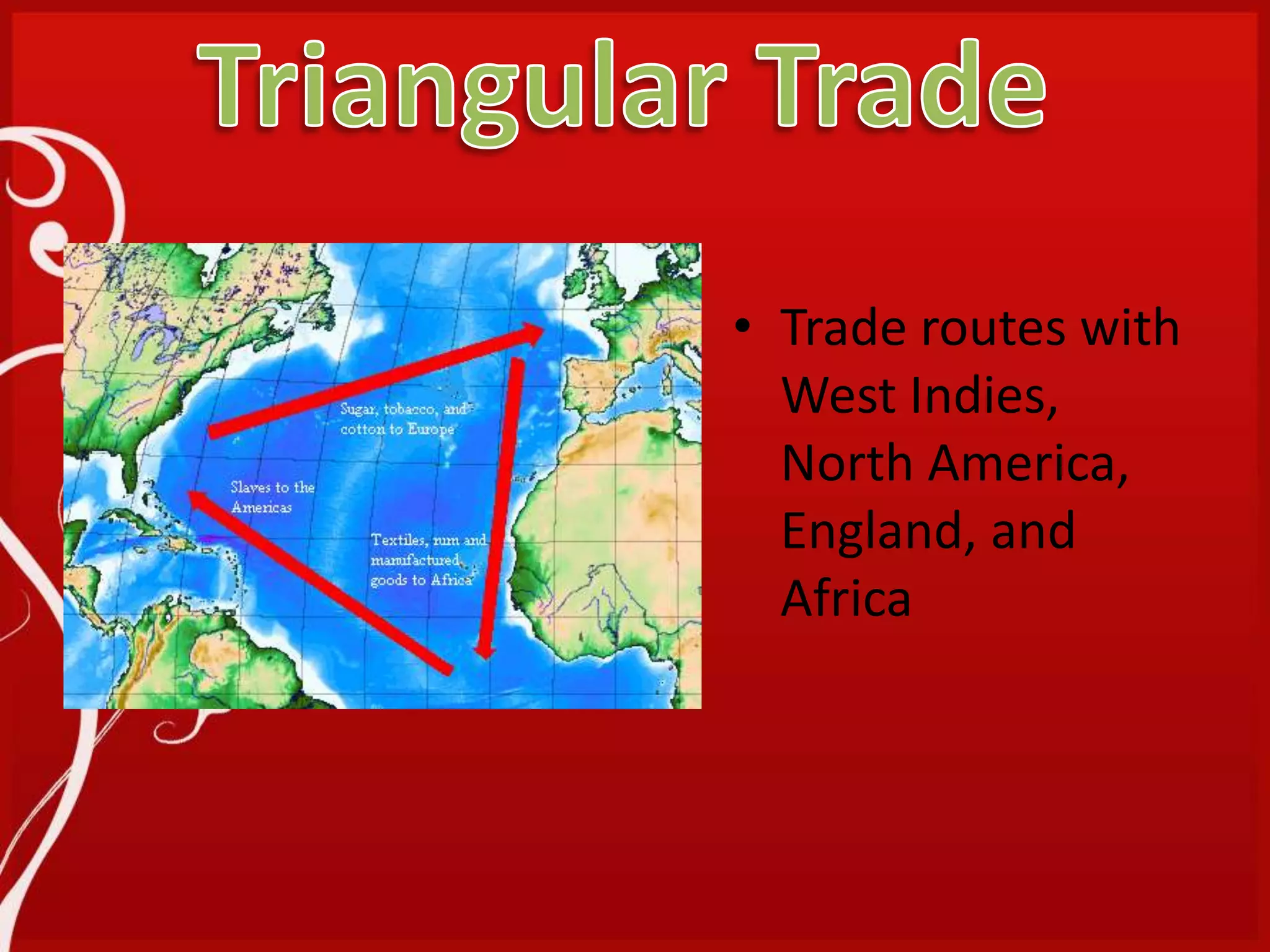
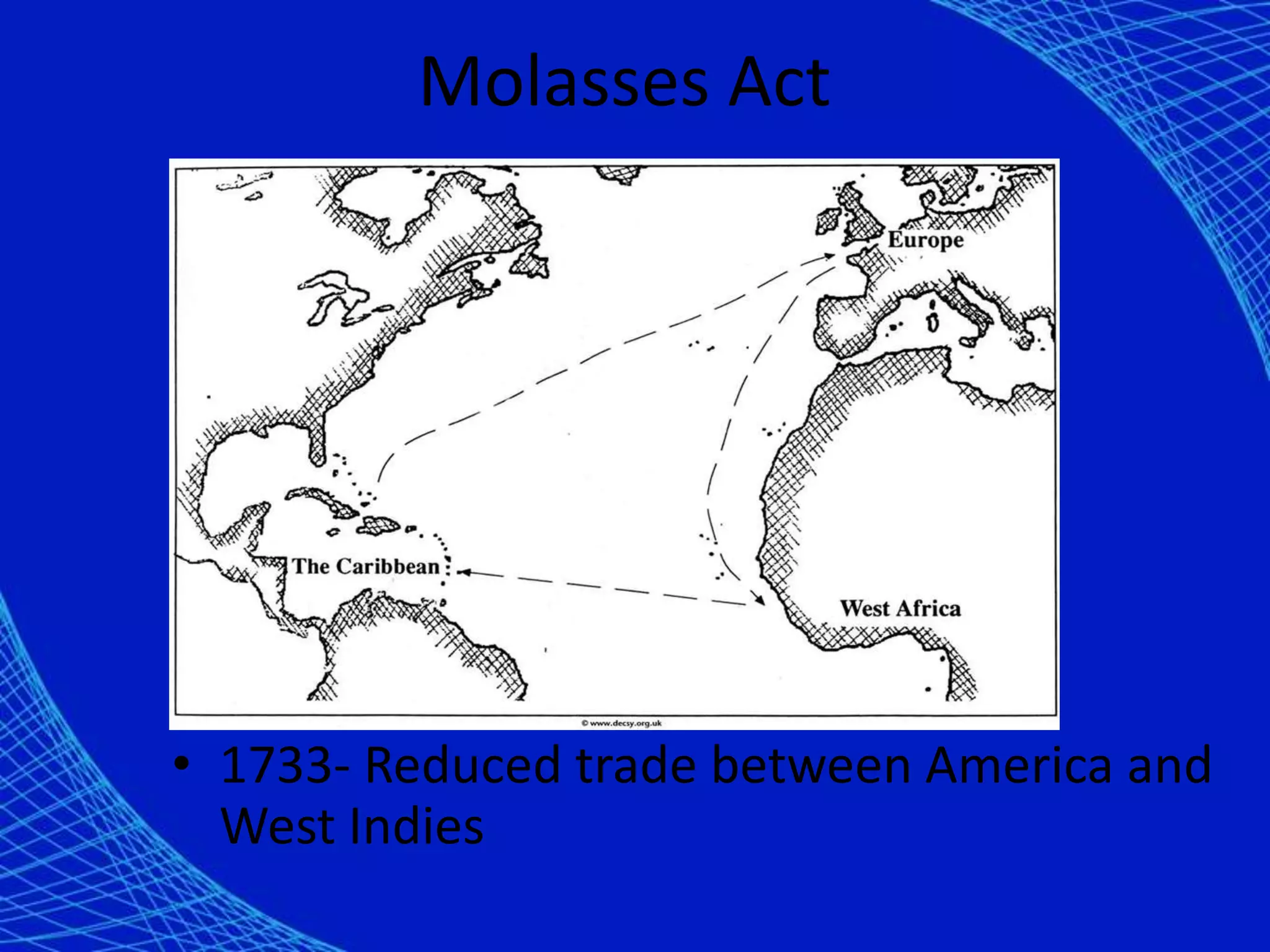
Triangular TradeTrade routes with West Indies, North America, England, and Africa
Molasses Act1733- Reduced trade between America and West Indies
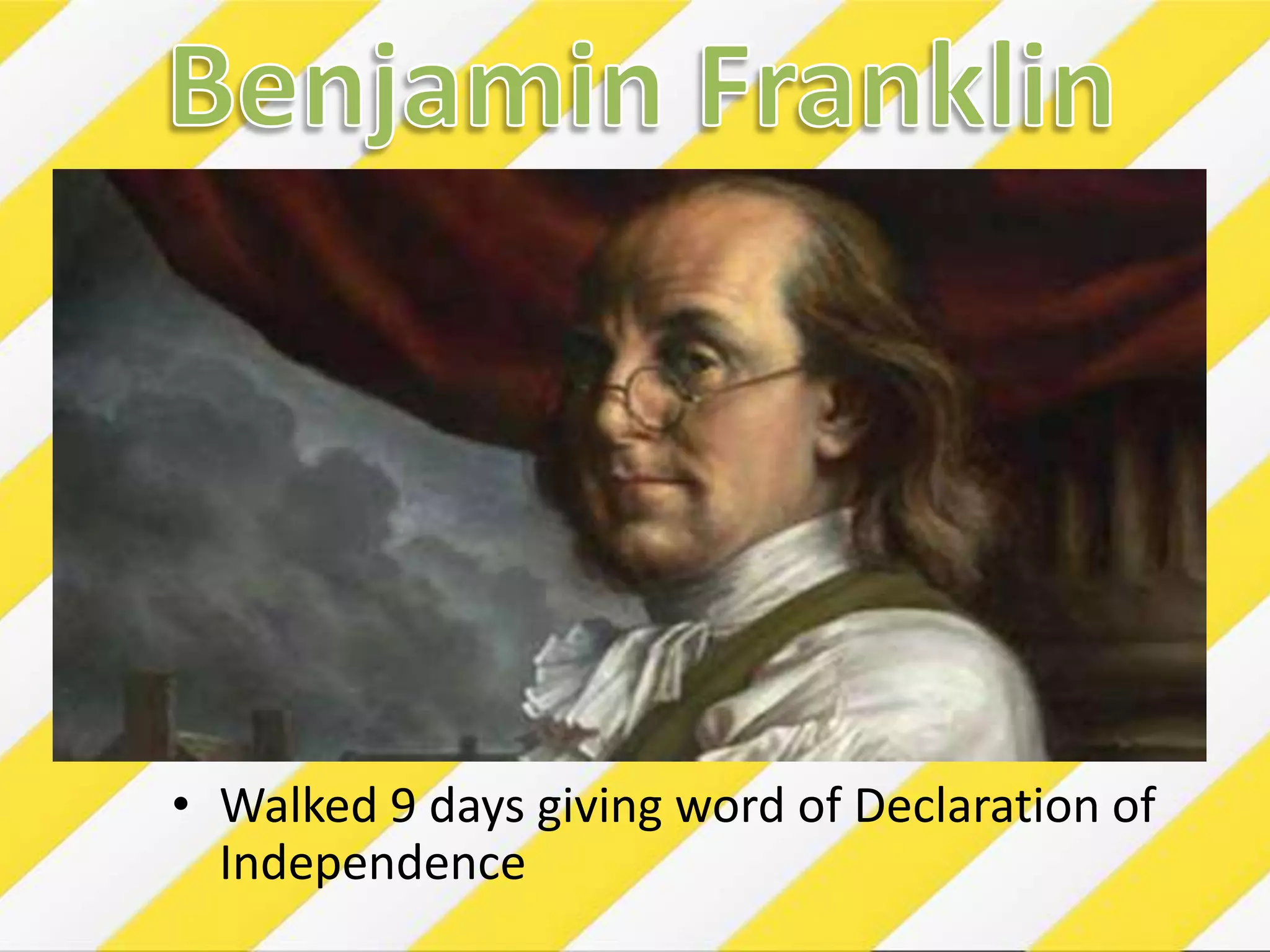
Benjamin FranklinWalked 9 days giving word of Declaration of Independence
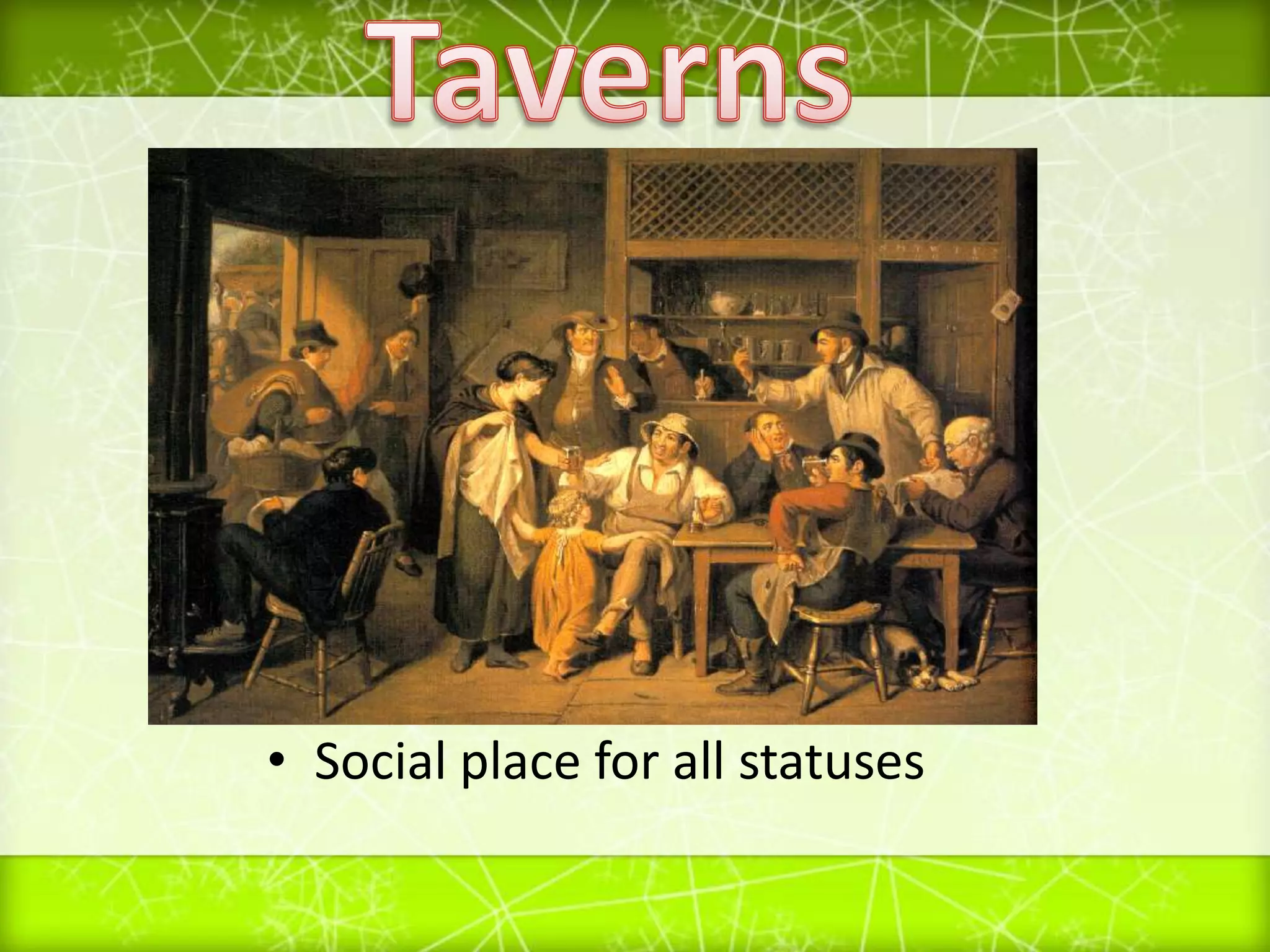
TavernsSocial place for all statuses
Religion & LocationChurch of England: Official religion of 6 colonies
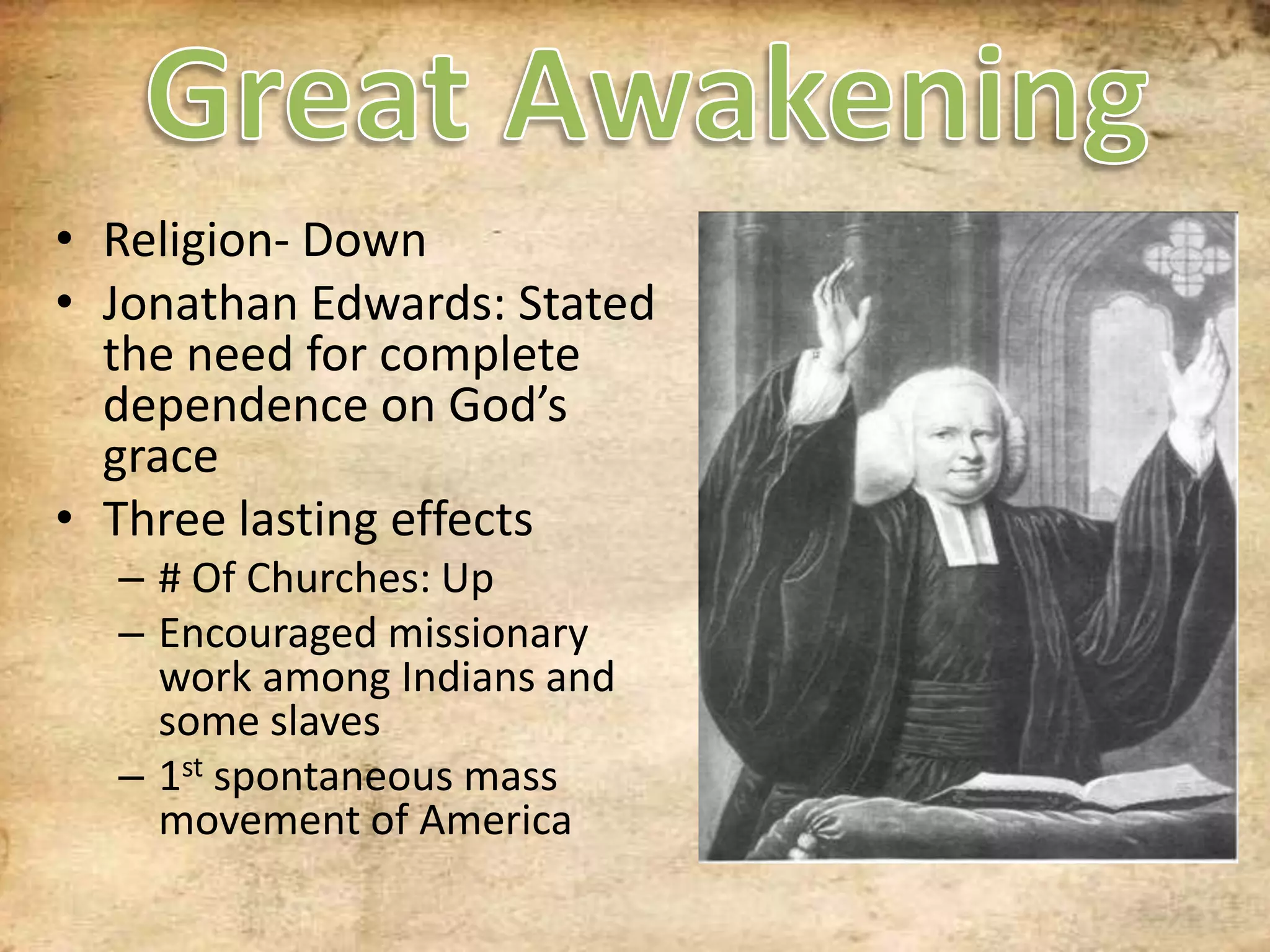
Great AwakeningReligion- DownJonathan Edwards: Stated the need for complete dependence on God’s graceThree lasting effects# Of Churches: UpEncouraged missionary work among Indians and some slaves1st spontaneous mass movement of America
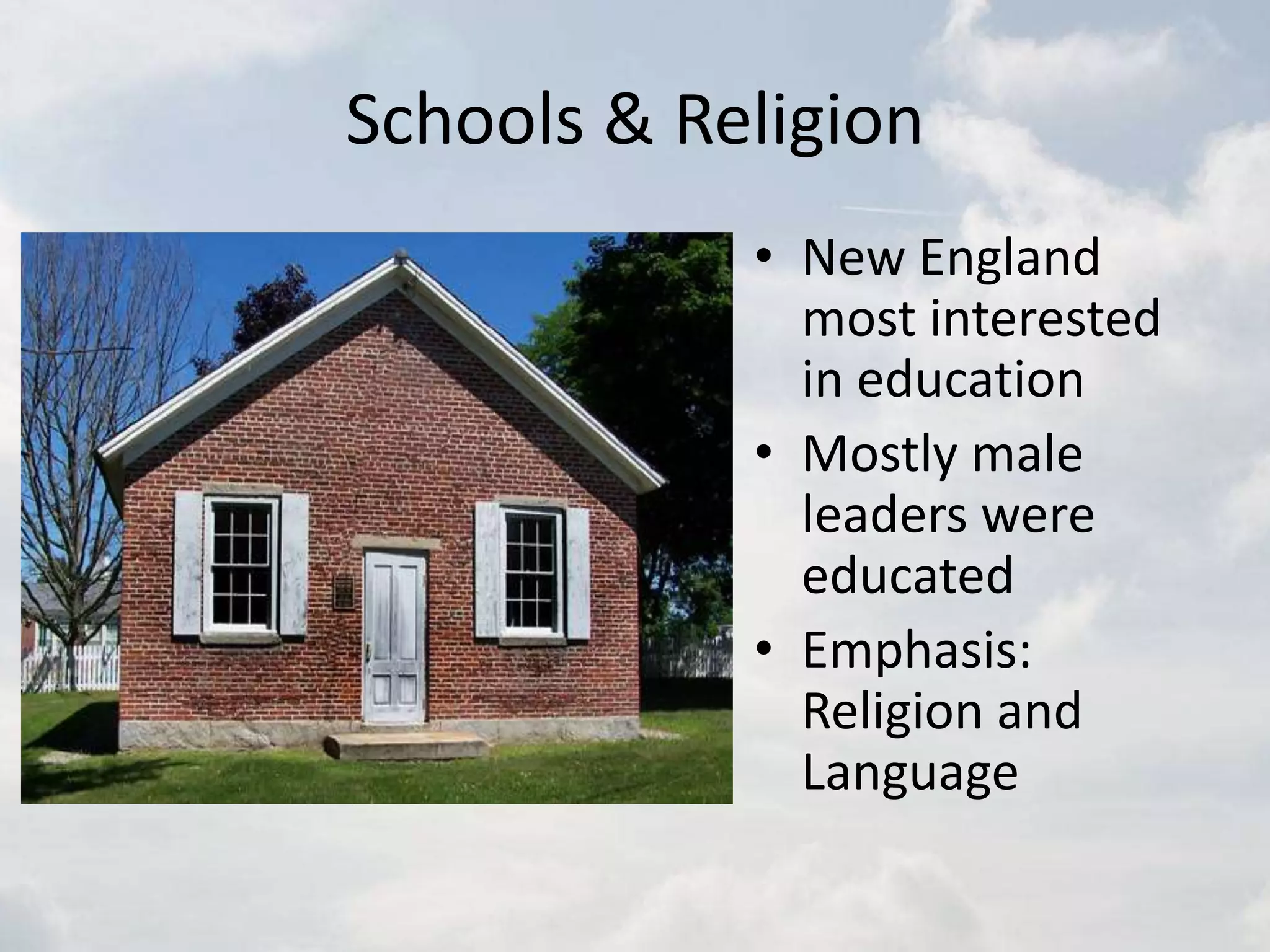
Schools & ReligionNew England most interested in educationMostly male leaders were educatedEmphasis: Religion and Language
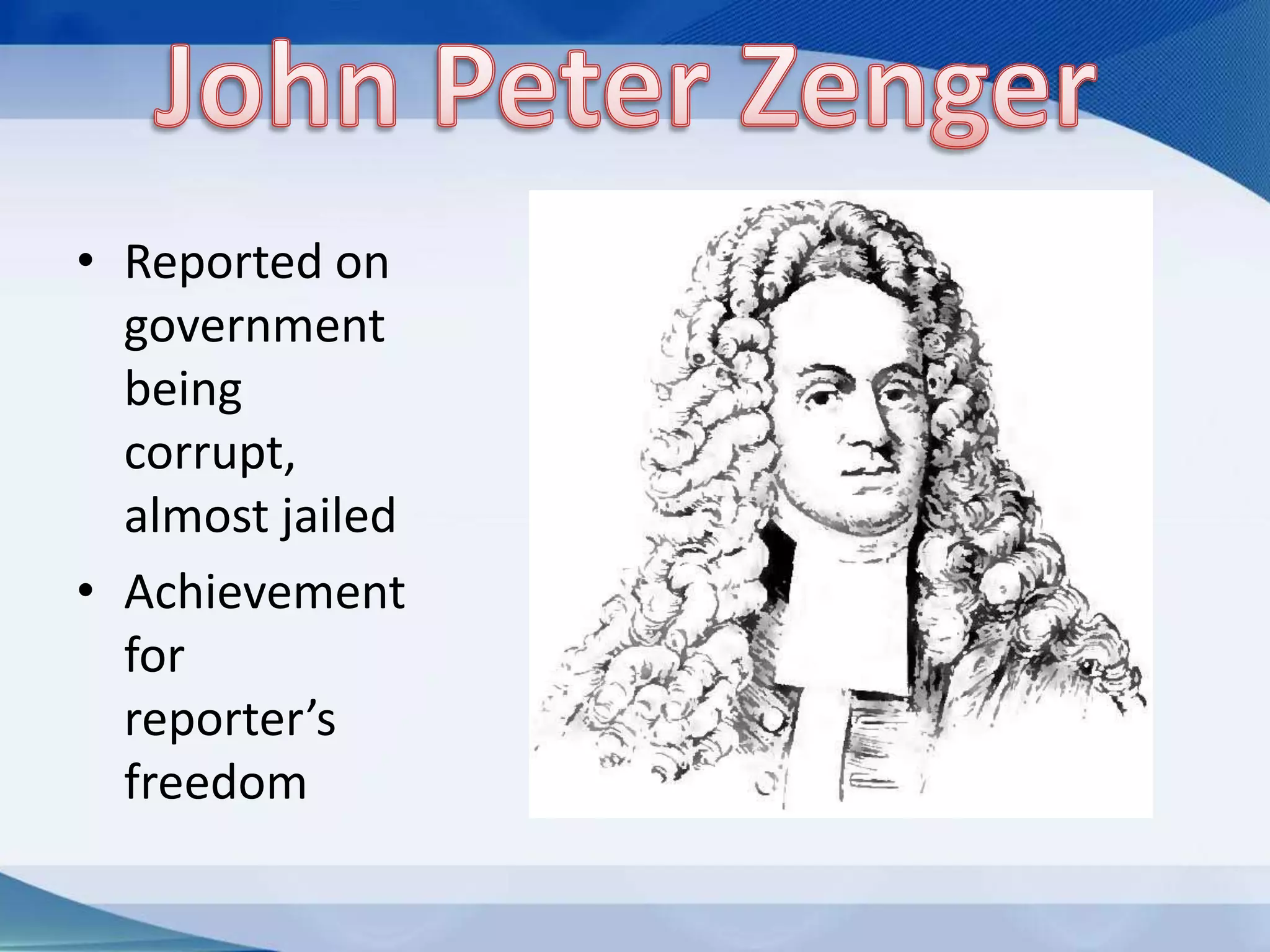
John Peter ZengerReported on government being corrupt, almost jailedAchievement for reporter’s freedom
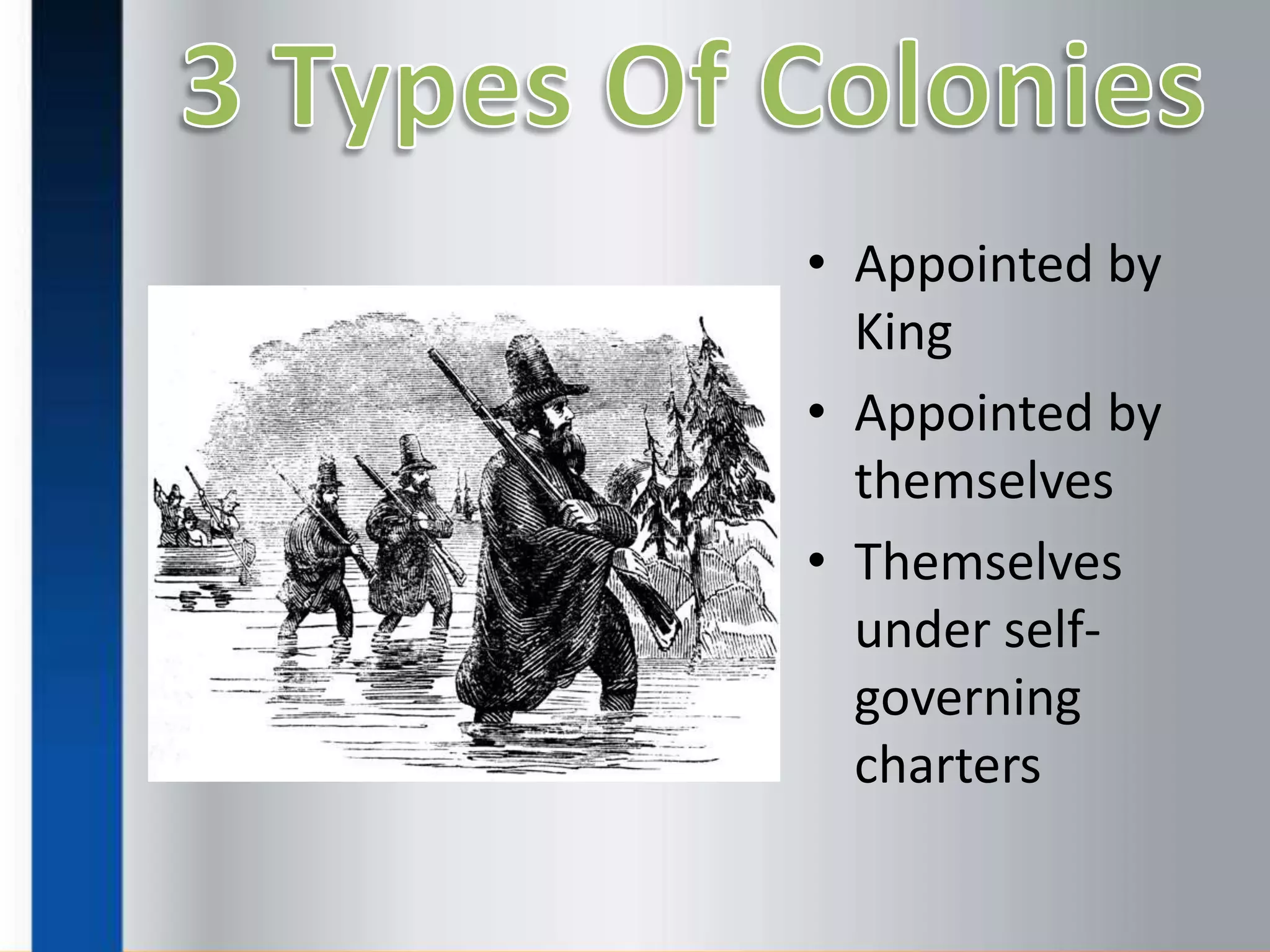
3 Types Of ColoniesAppointed by KingAppointed by themselvesThemselves under self-governing charters
Chapter 6!
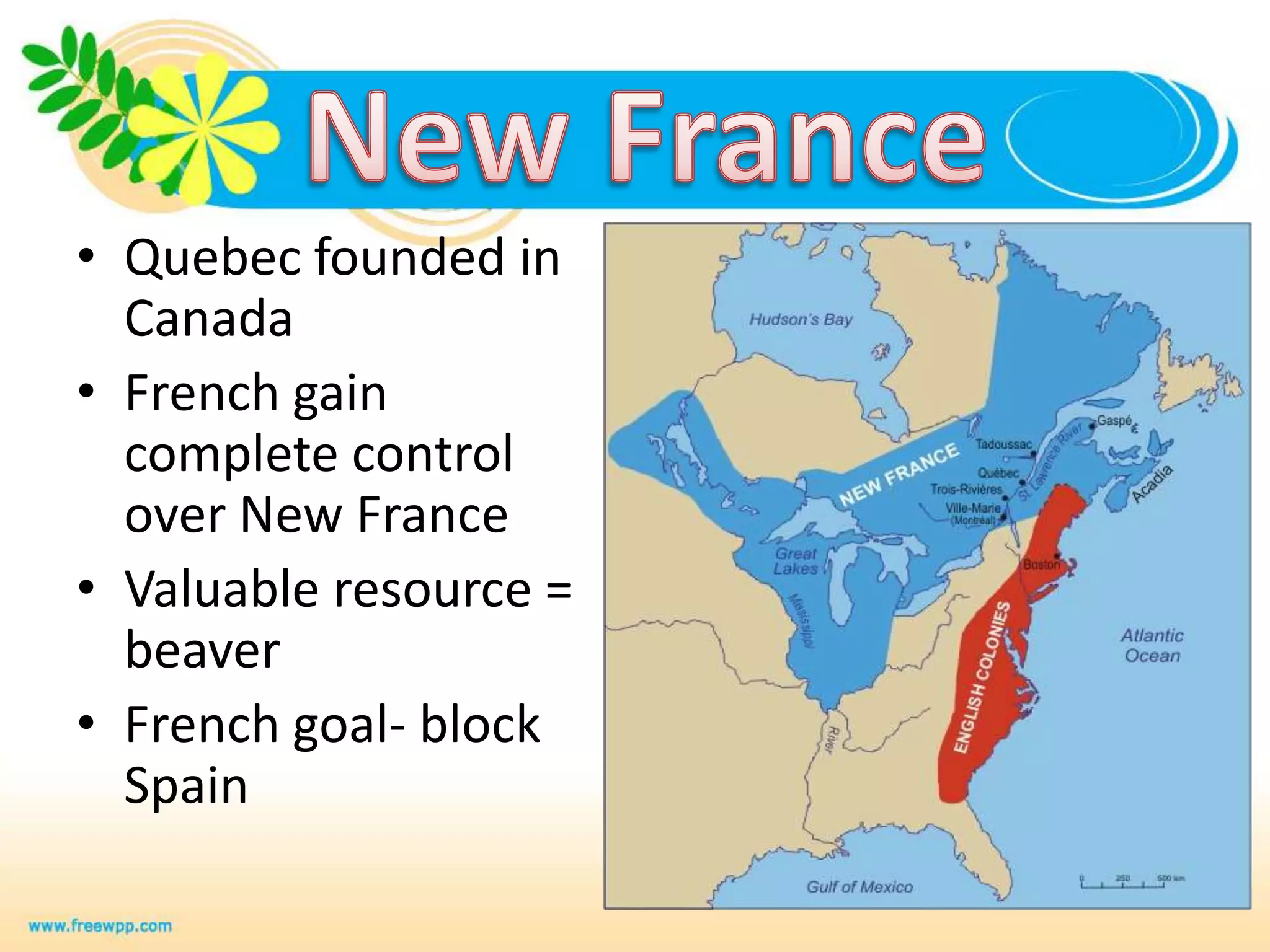
New FranceQuebec founded in CanadaFrench gain complete control over New FranceValuable resource = beaverFrench goal- block Spain
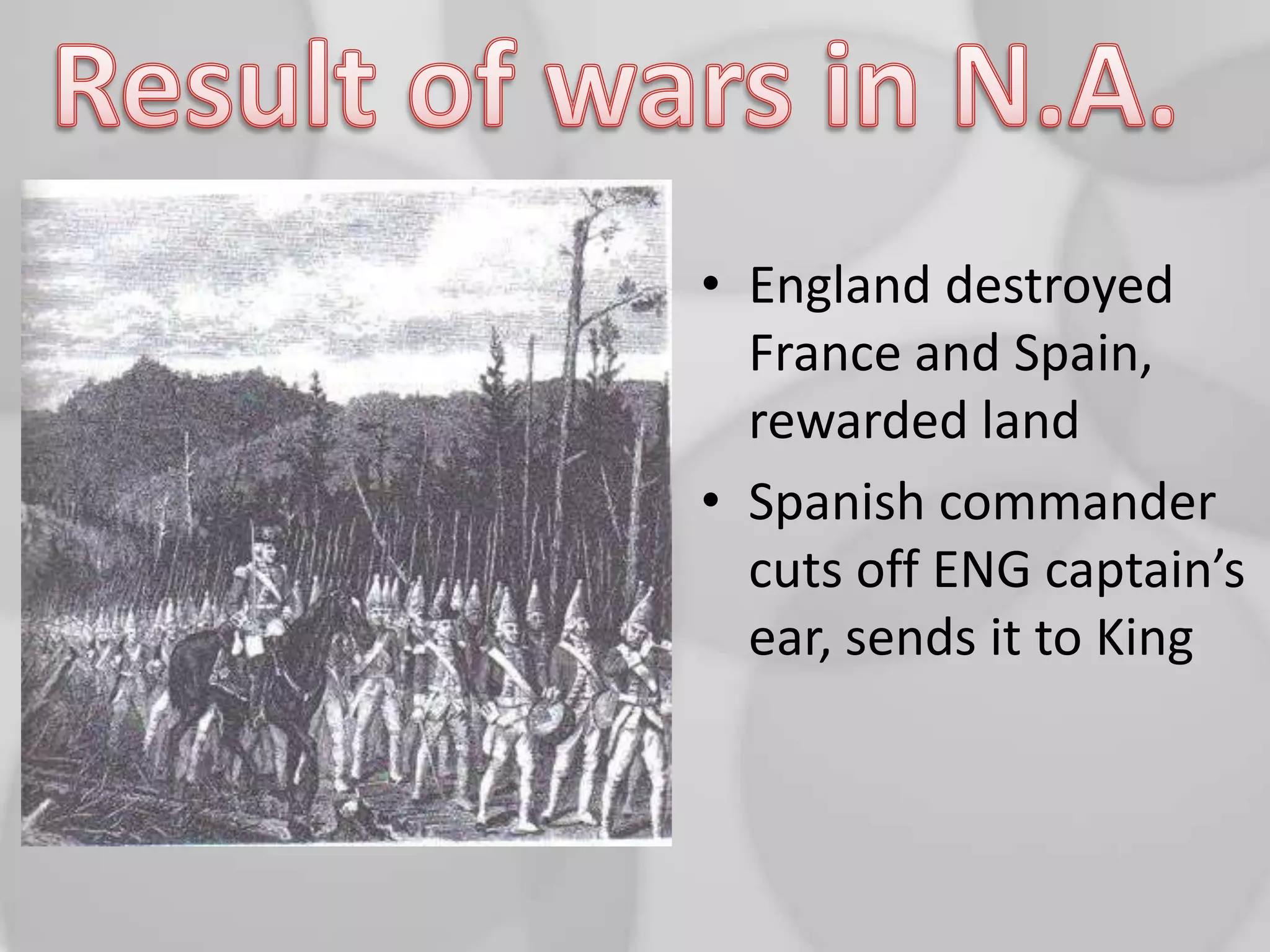
Result of wars in N.A.England destroyed France and Spain, rewarded landSpanish commander cuts off ENG captain’s ear, sends it to King
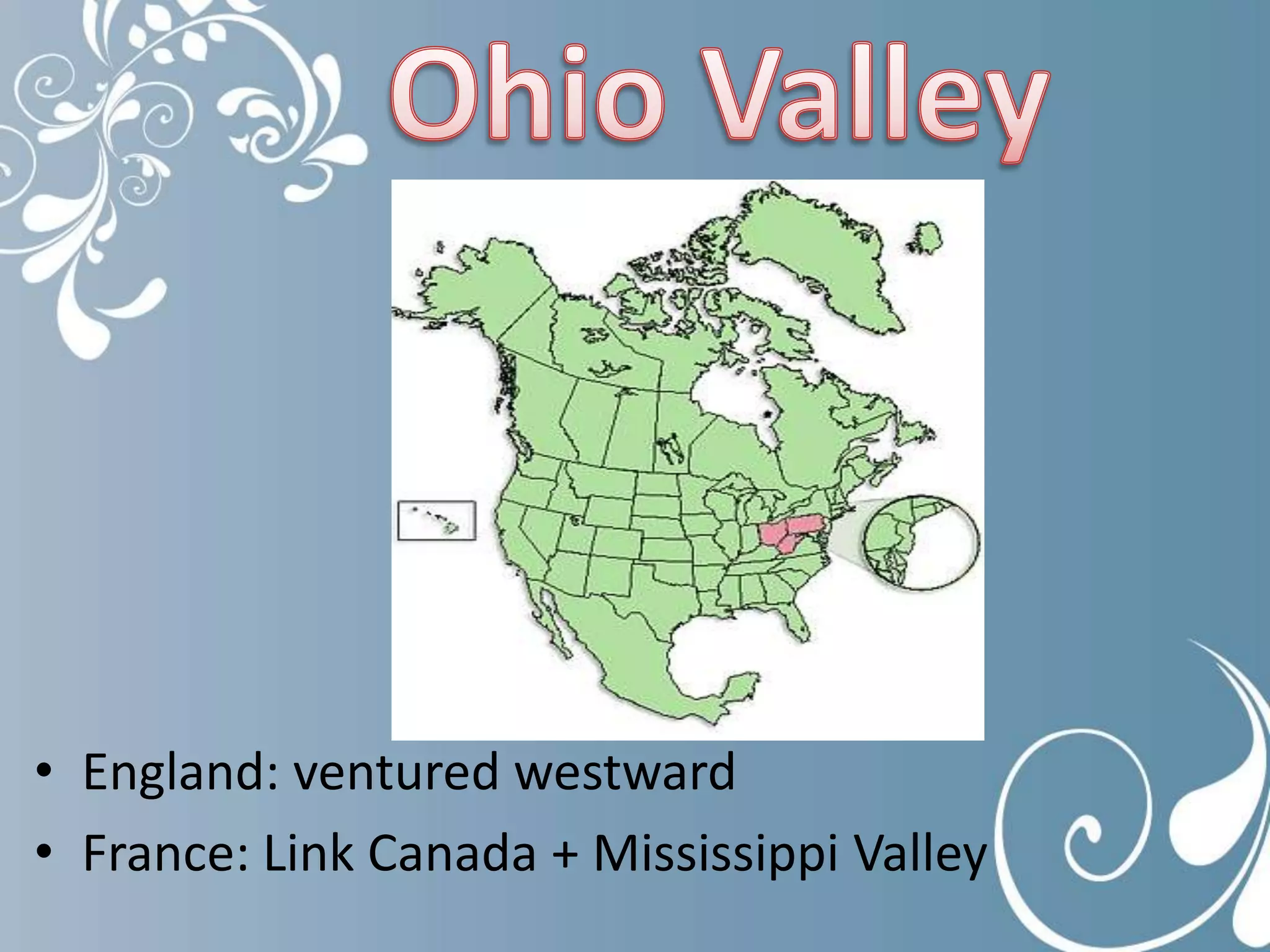
Ohio ValleyEngland: ventured westwardFrance: Link Canada + Mississippi Valley
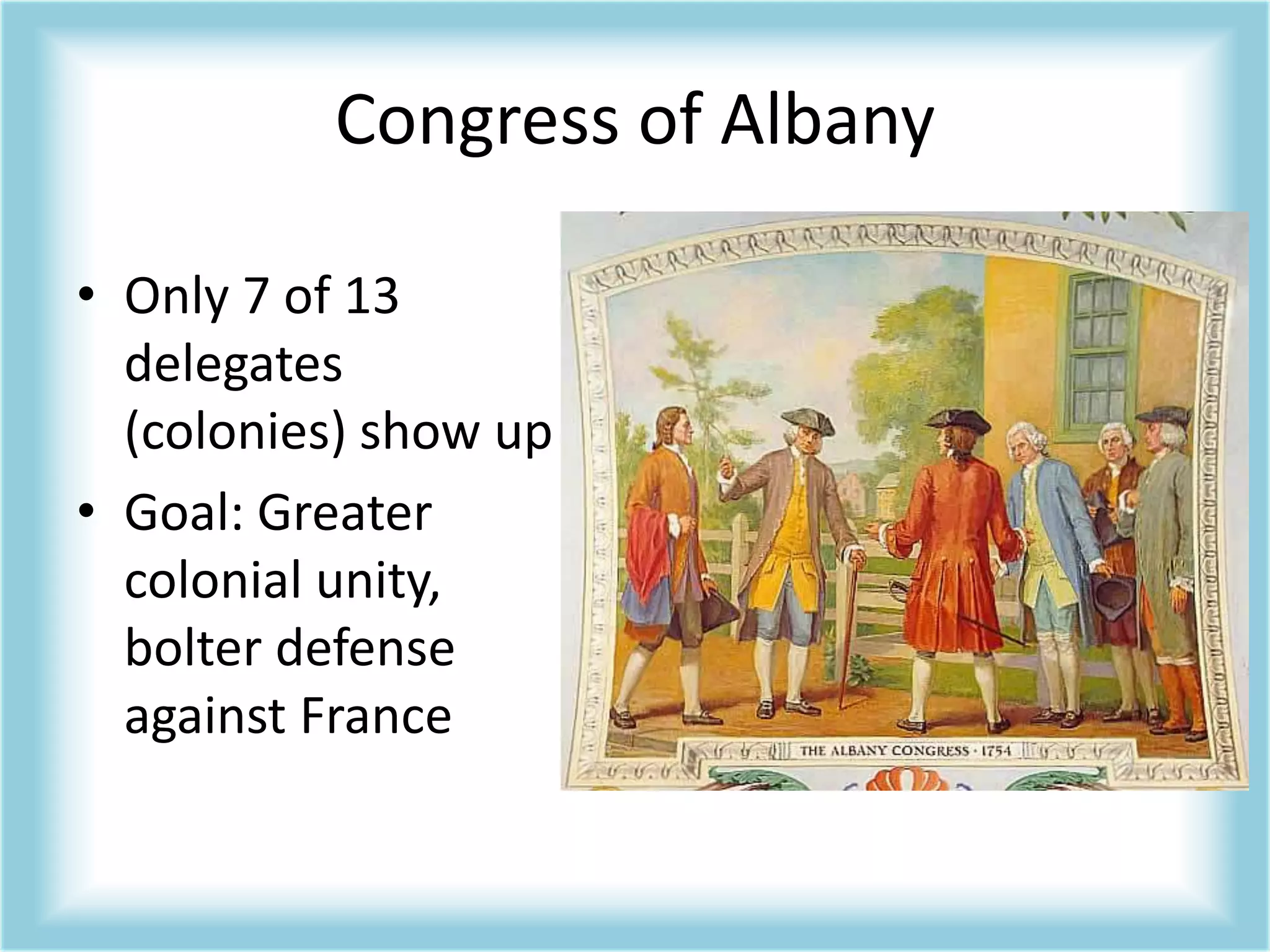
Congress of AlbanyOnly 7 of 13 delegates (colonies) show upGoal: Greater colonial unity, bolter defense against France
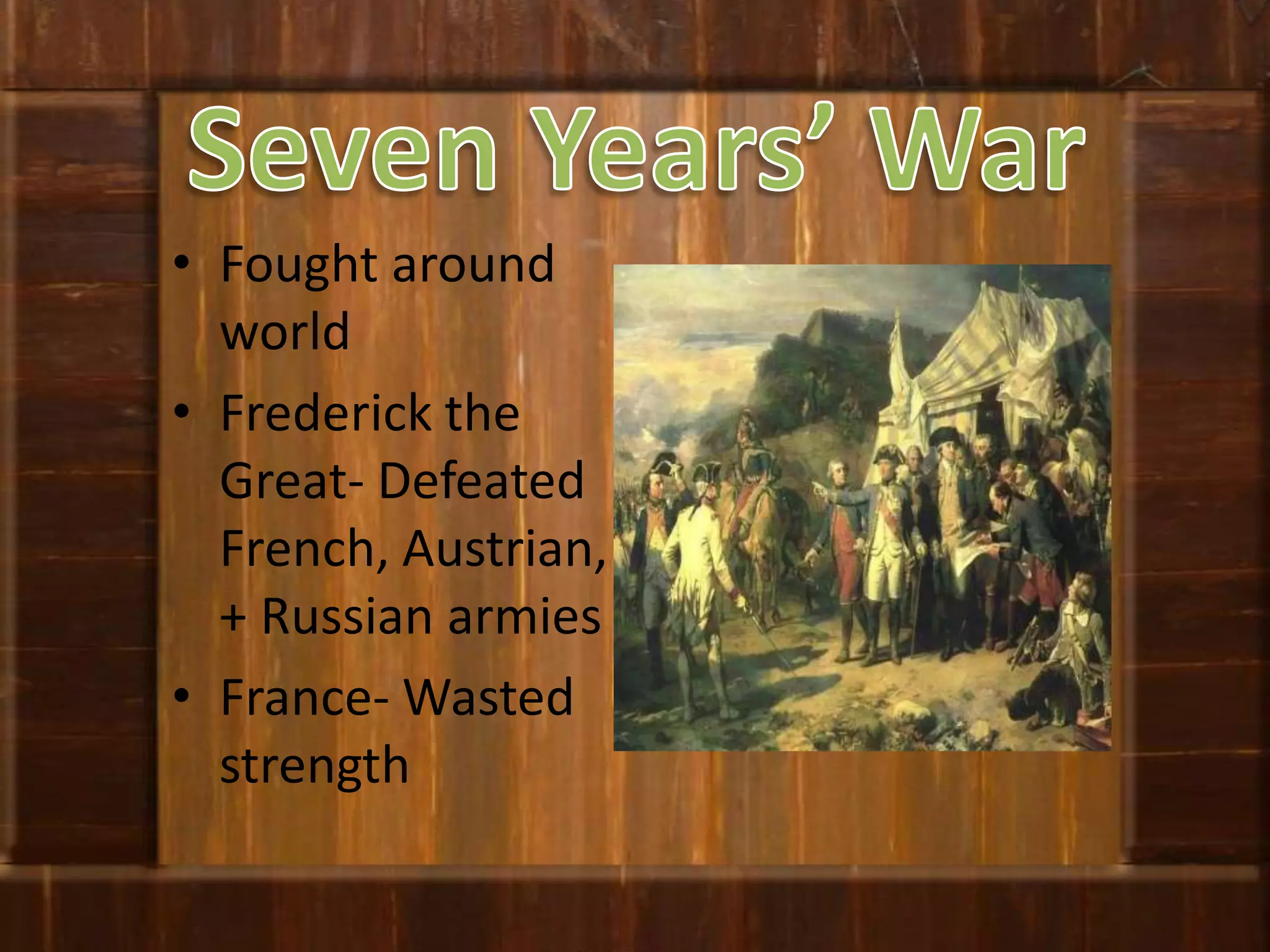
Seven Years’ WarFought around worldFrederick the Great- Defeated French, Austrian, + Russian armiesFrance- Wasted strength
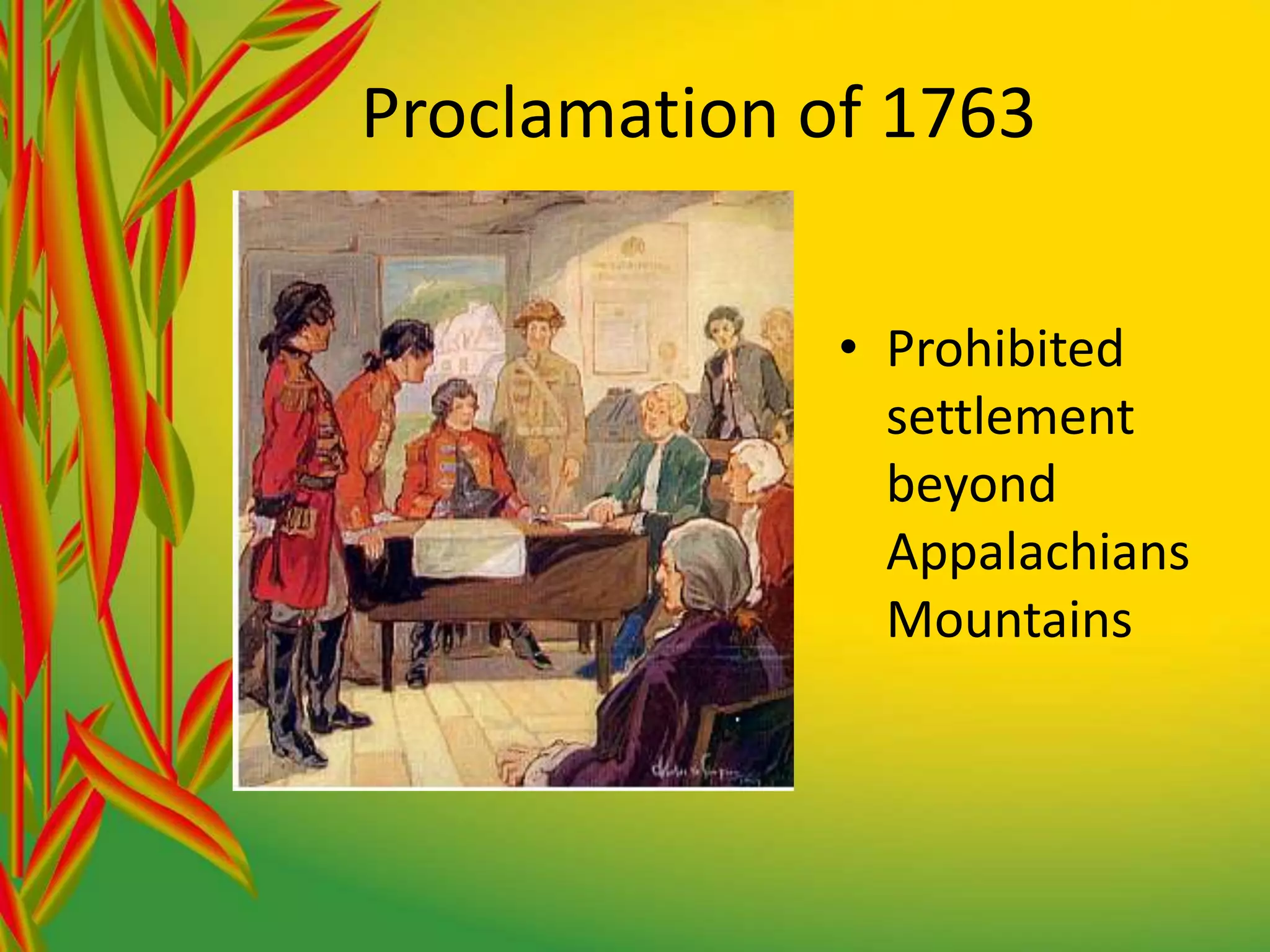
Proclamation of 1763Prohibited settlement beyond Appalachians Mountains
Chapter 7!
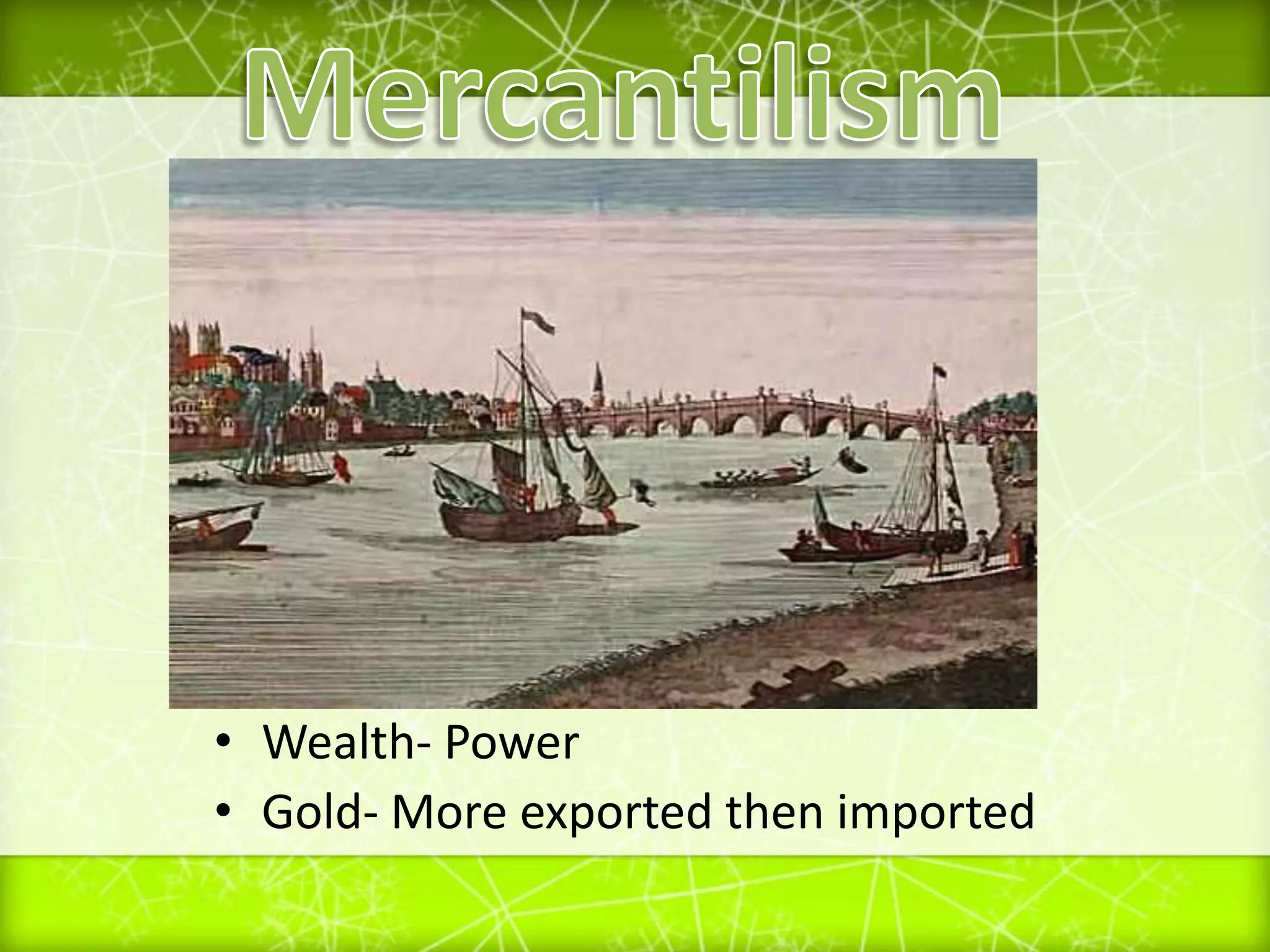
MercantilismWealth- PowerGold- More exported then imported
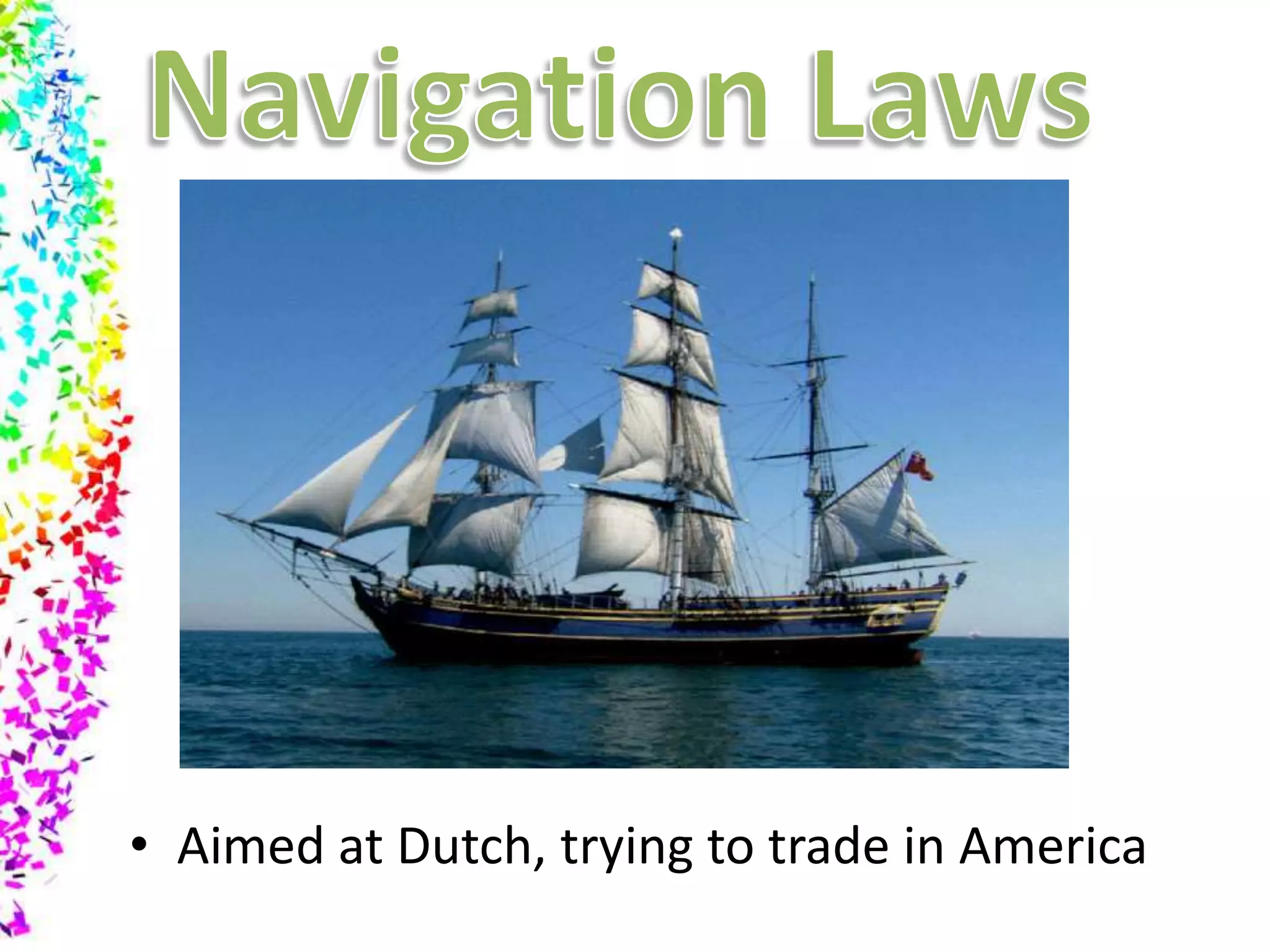
Navigation LawsAimed at Dutch, trying to trade in America
Sugar ActIncreased duty on sugar imported from West Indies
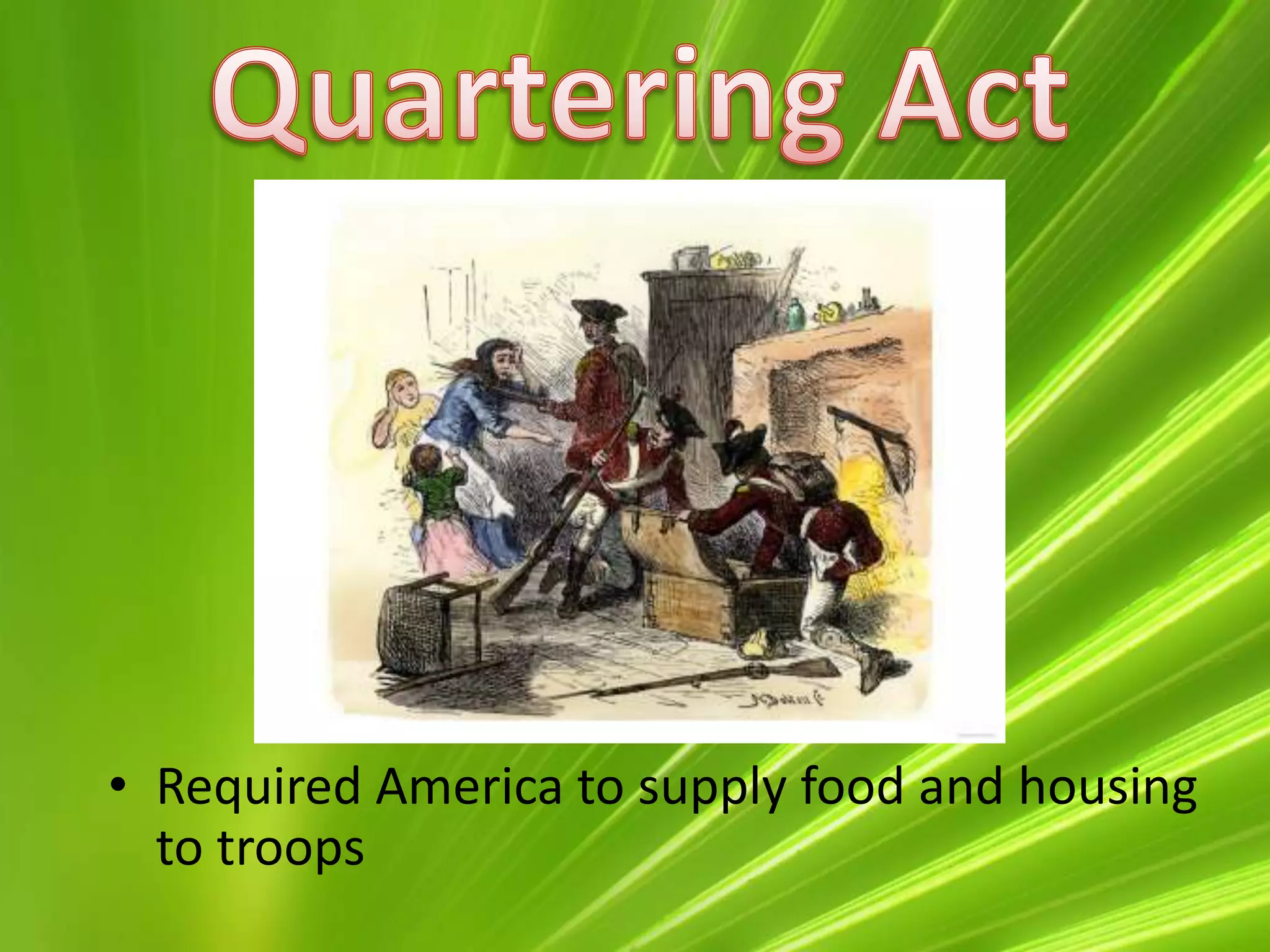
Quartering ActRequired America to supply food and housing to troops
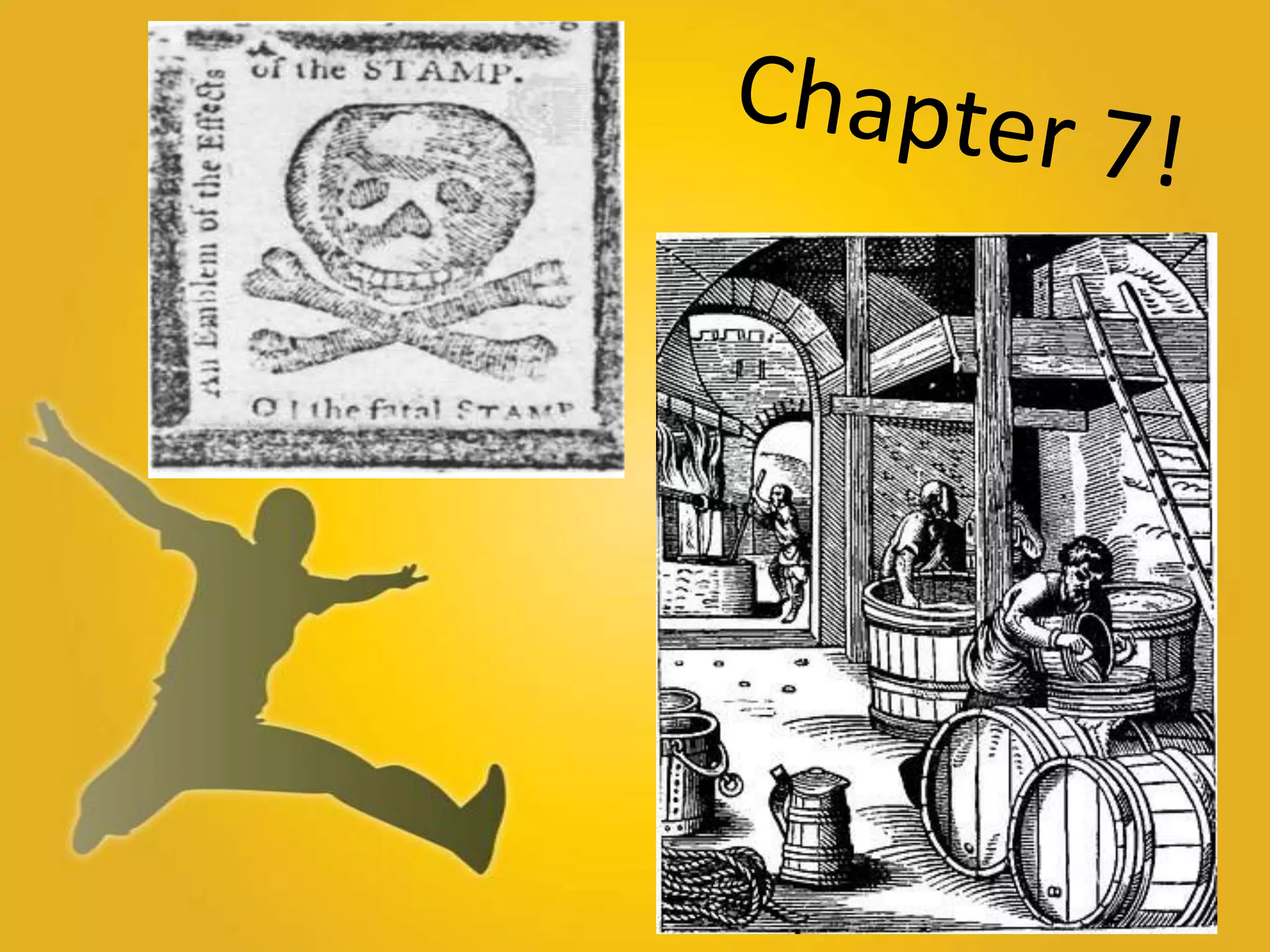
Stamp ActTax on most paper items
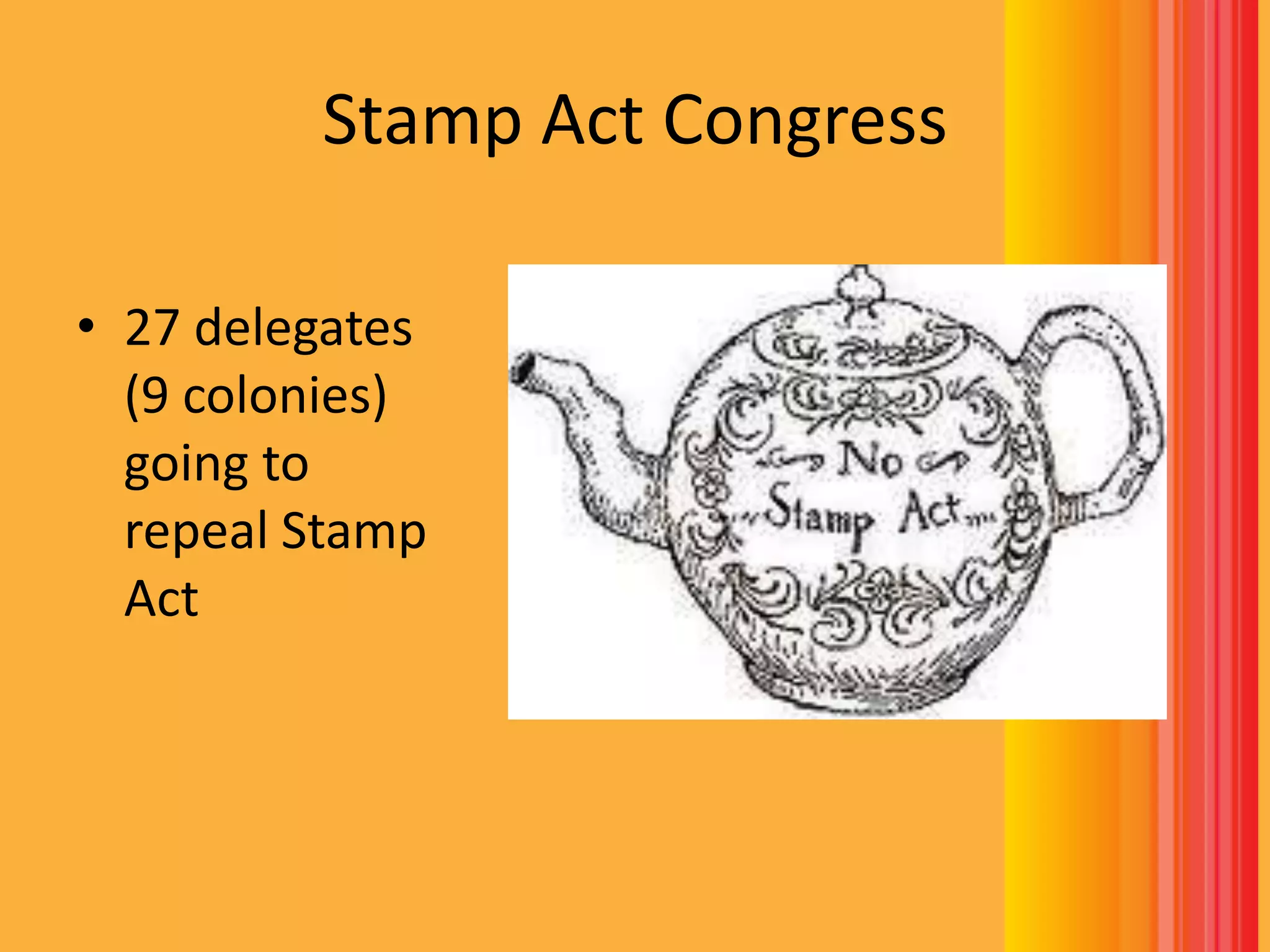
Stamp Act Congress27 delegates (9 colonies) going to repeal Stamp Act
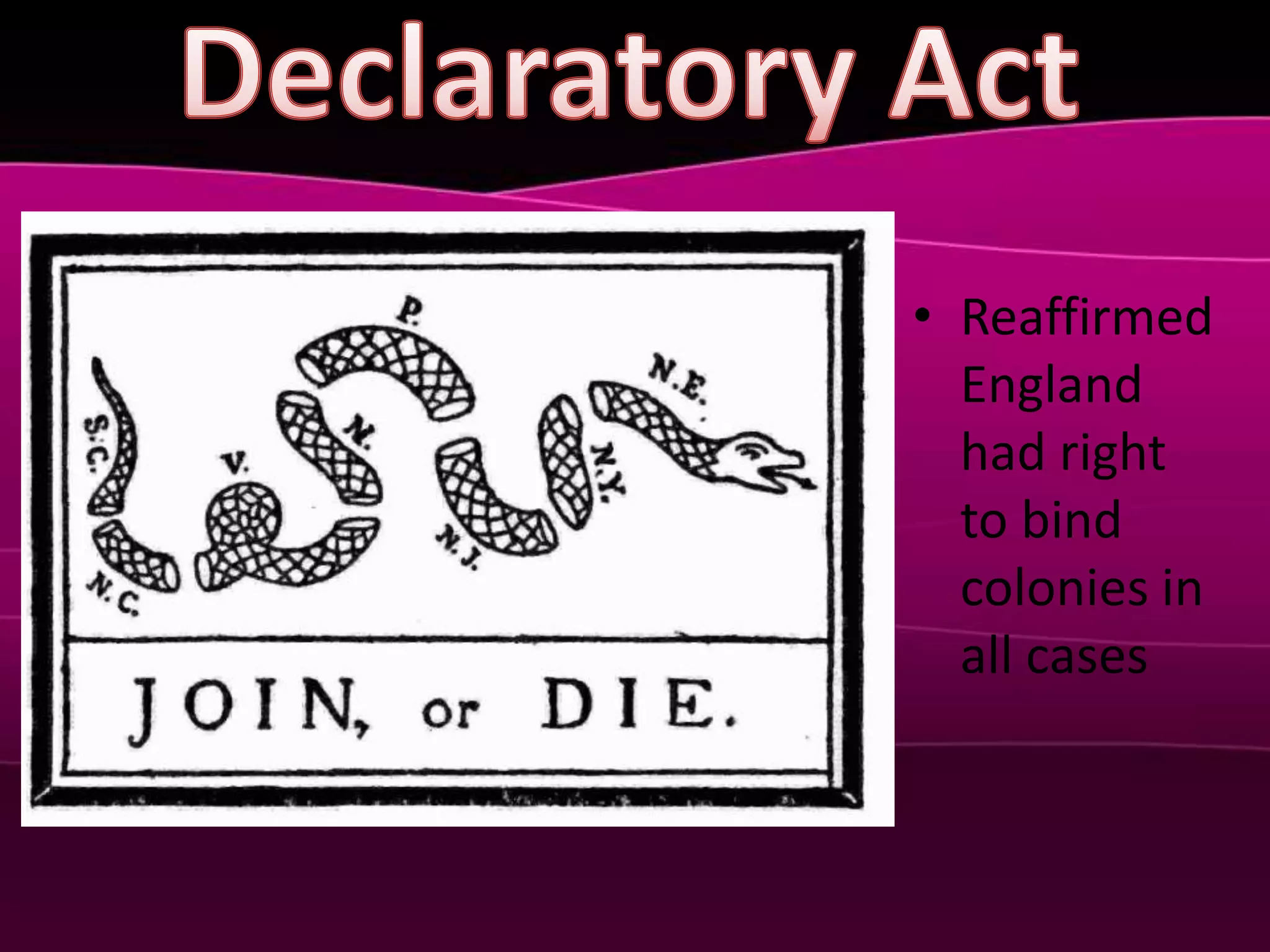
Declaratory ActReaffirmed England had right to bind colonies in all cases
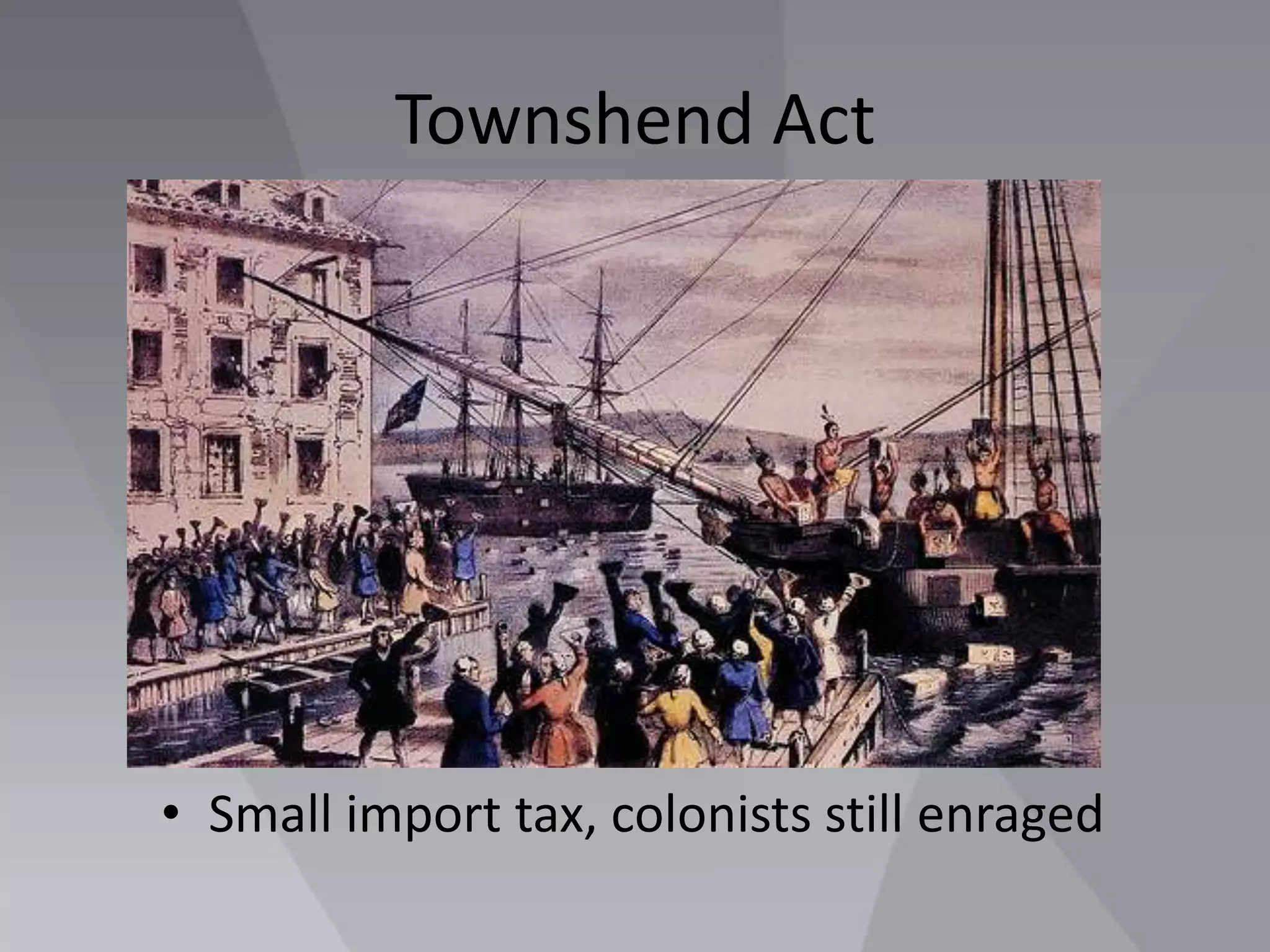
Townshend ActSmall import tax, colonists still enraged
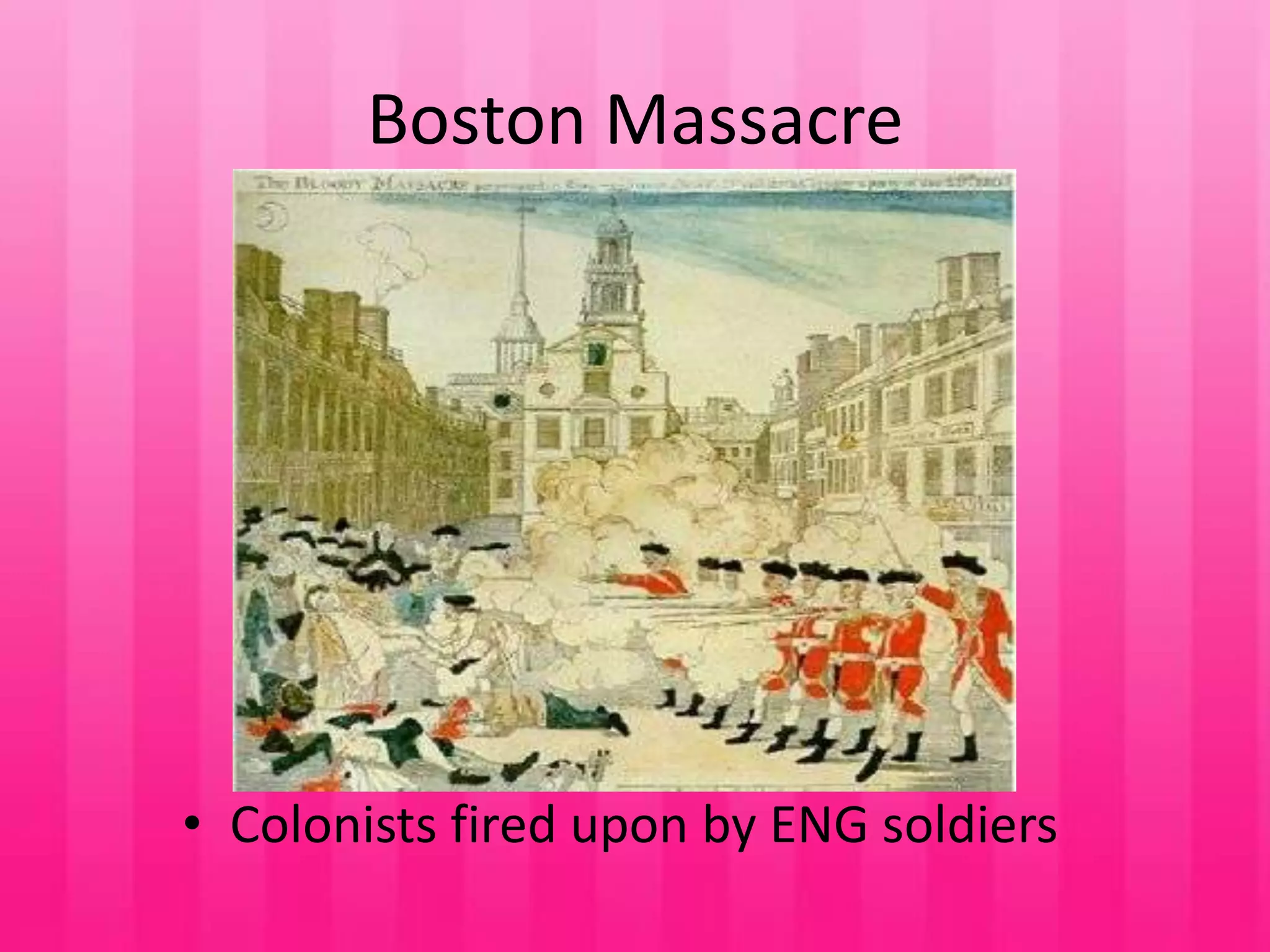
Boston MassacreColonists fired upon by ENG soldiers
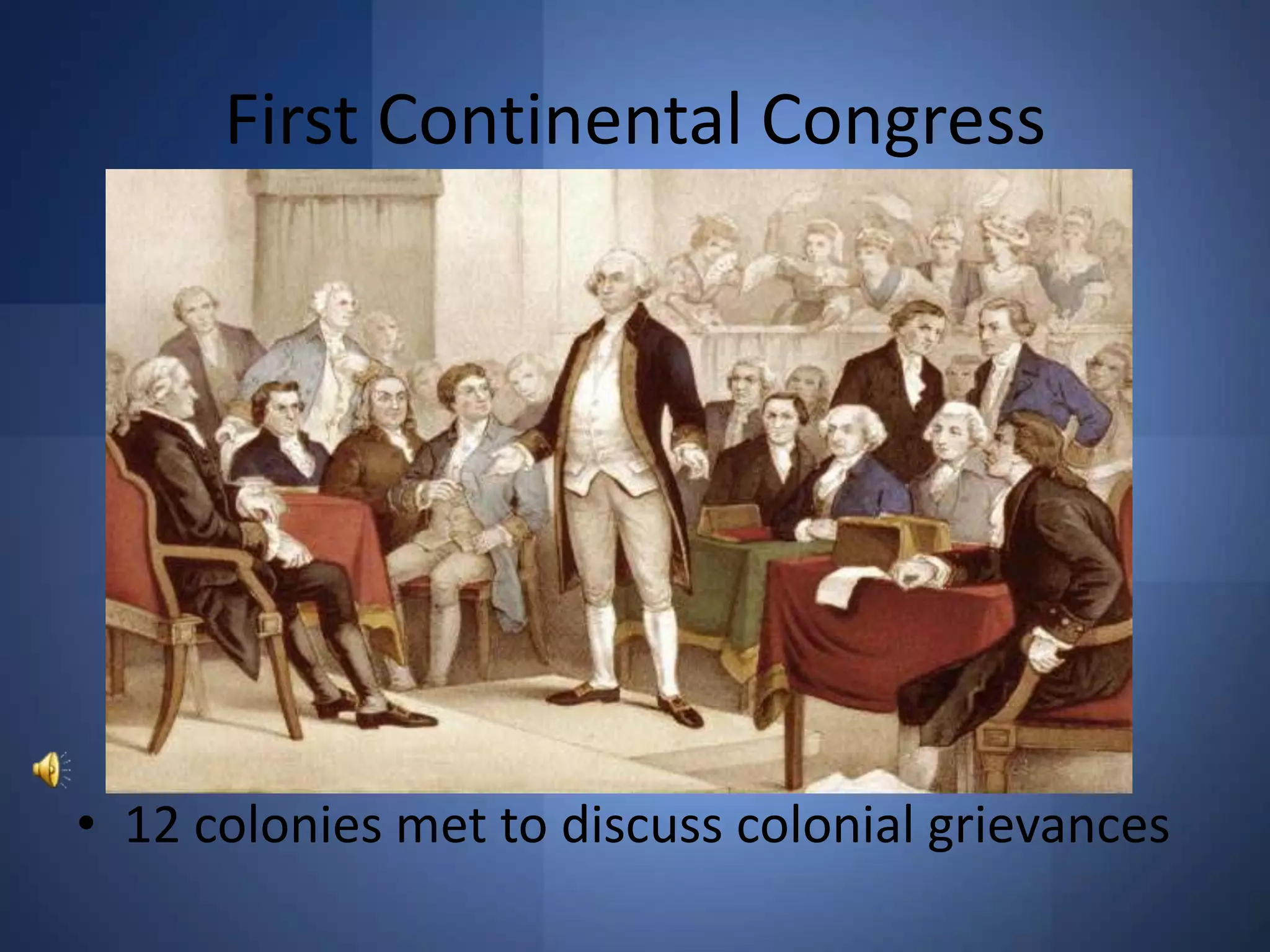
First Continental Congress12 colonies met to discuss colonial grievances
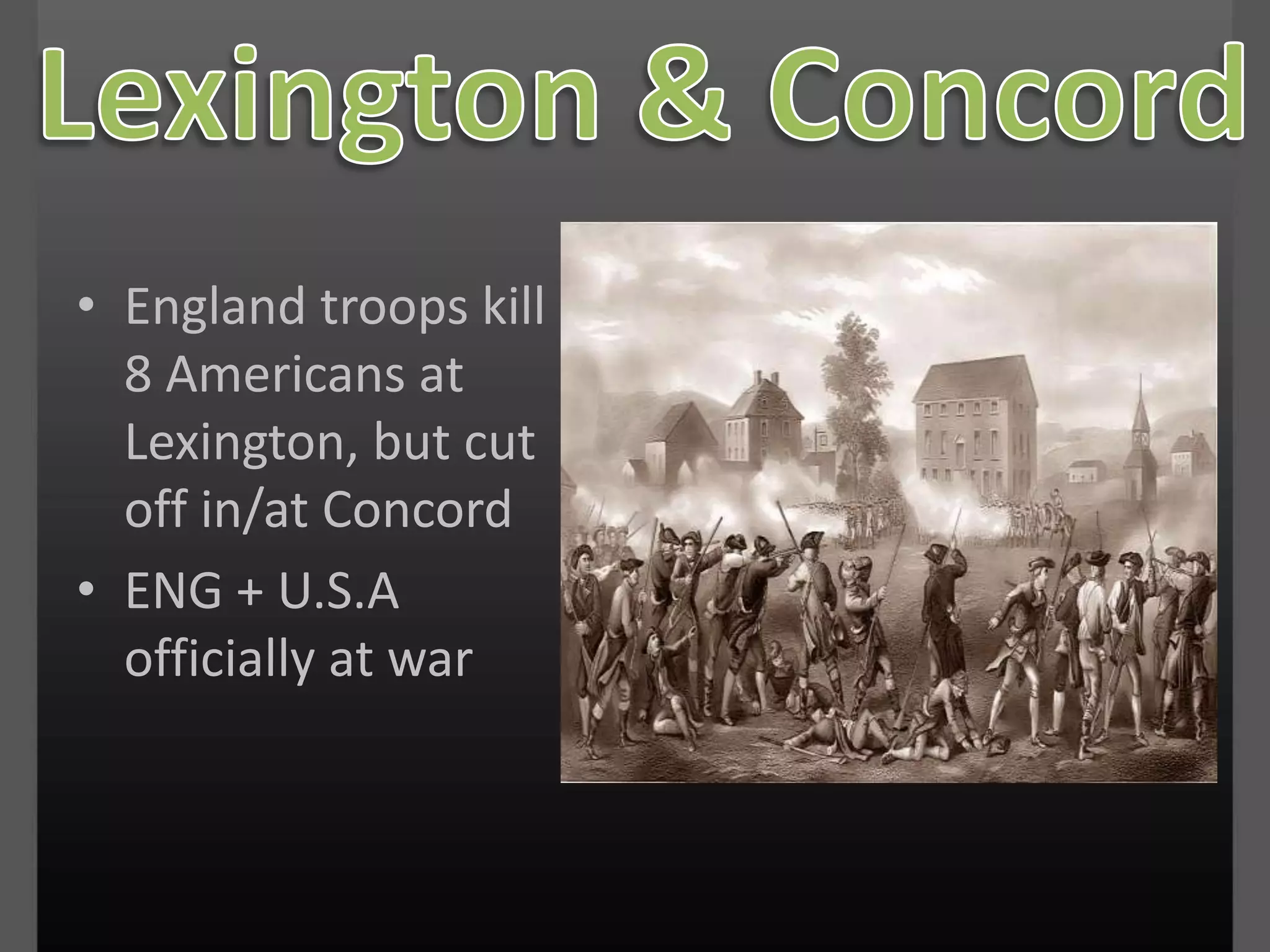
Lexington & ConcordEngland troops kill 8 Americans at Lexington, but cut off in/at ConcordENG + U.S.A officially at war
Positives/ Negatives of ENGPOSITIVESPopulation: 3-1 over U.S.NEGATIVESCockiness2nd rate generalsNo desire to kill colonists
Positives/Negatives of U.S.POSITIVESG. Washington + Ben. Frank.- Great leadersFighting for freedomNEGATIVESSoldiers- Disorganized
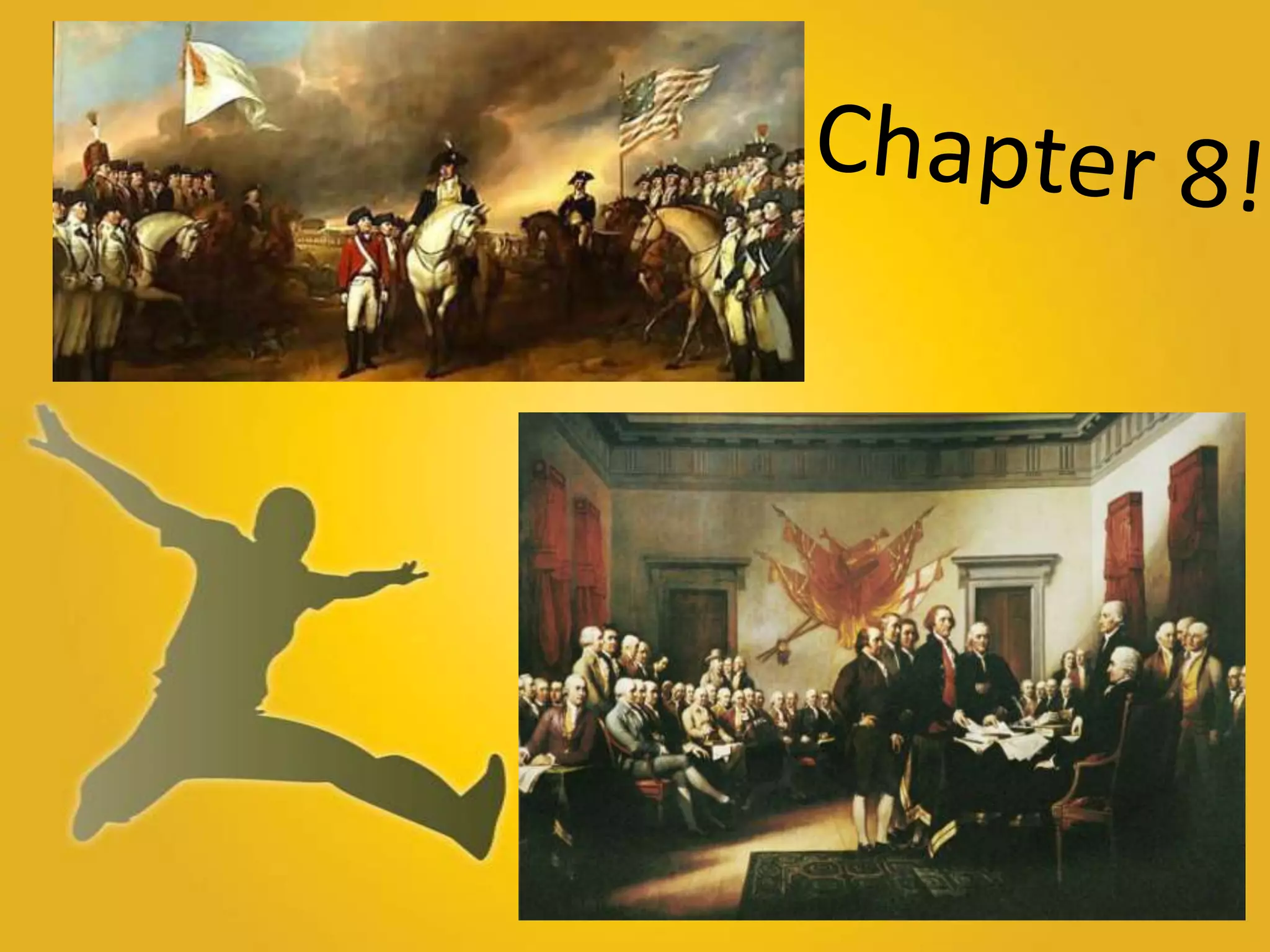
Chapter 8!
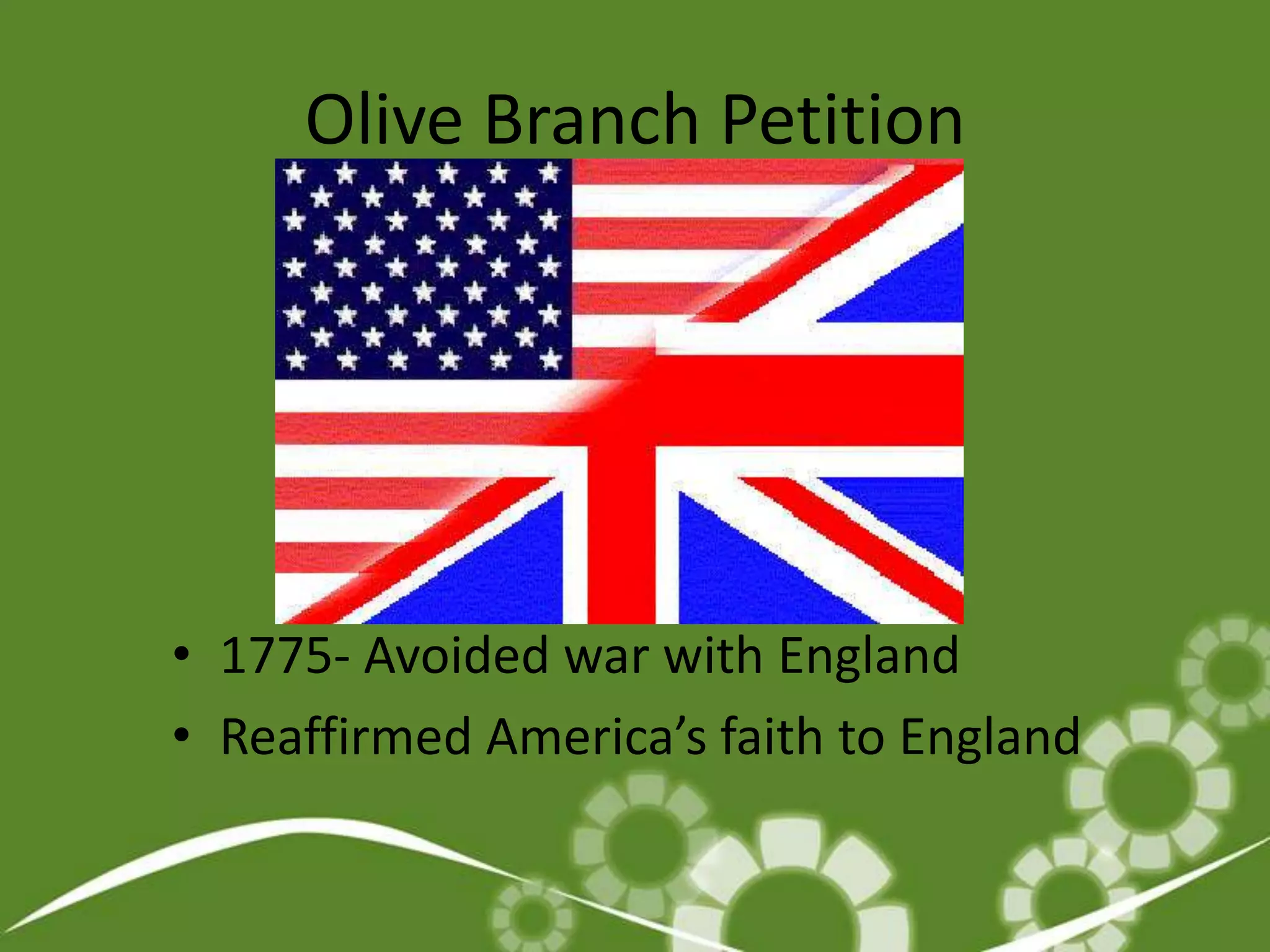
Olive Branch Petition1775- Avoided war with EnglandReaffirmed America’s faith to England
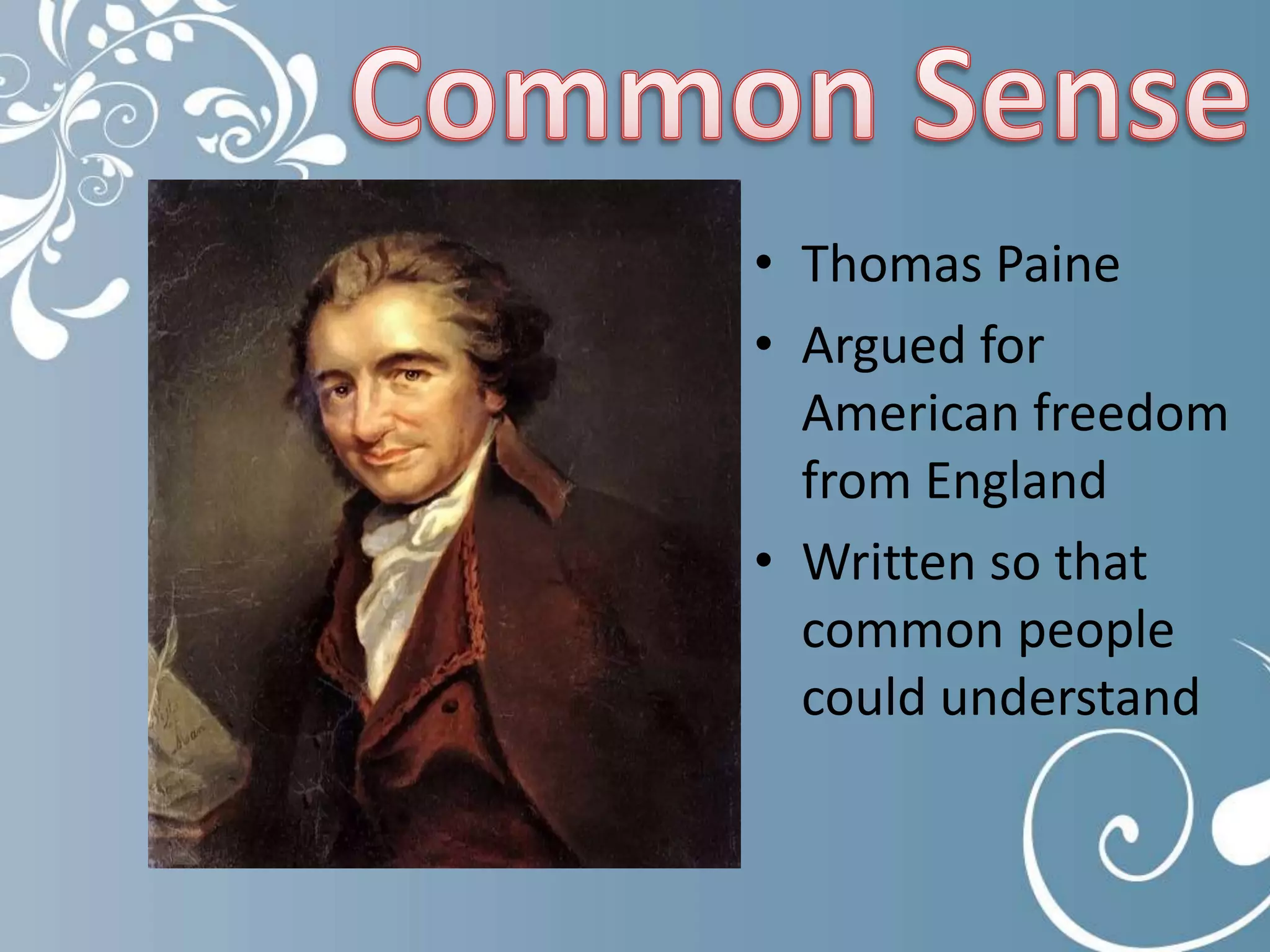
Common SenseThomas PaineArgued for American freedom from EnglandWritten so that common people could understand
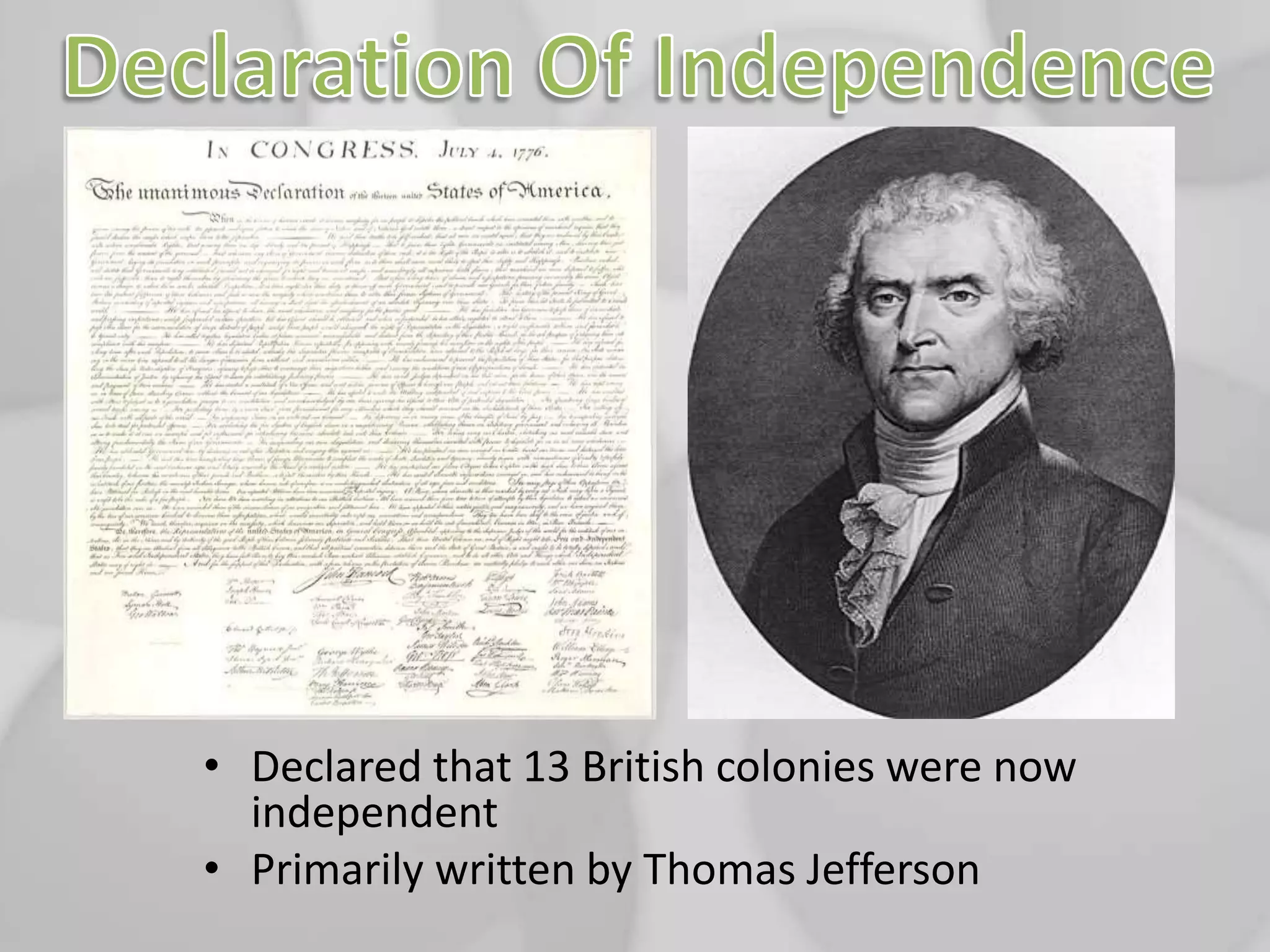
Declaration Of IndependenceDeclared that 13 British colonies were now independentPrimarily written by Thomas Jefferson
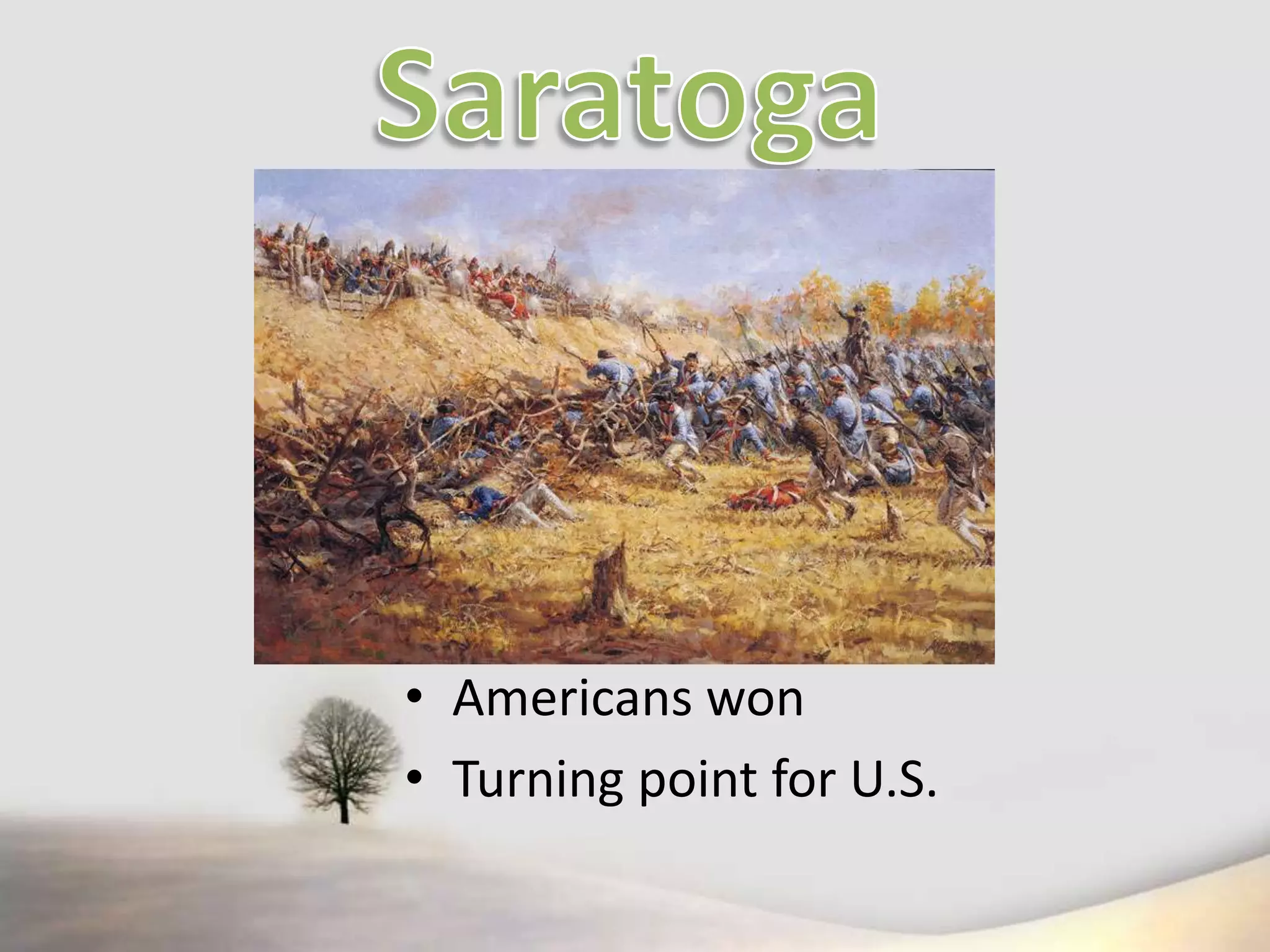
SaratogaAmericans wonTurning point for U.S.
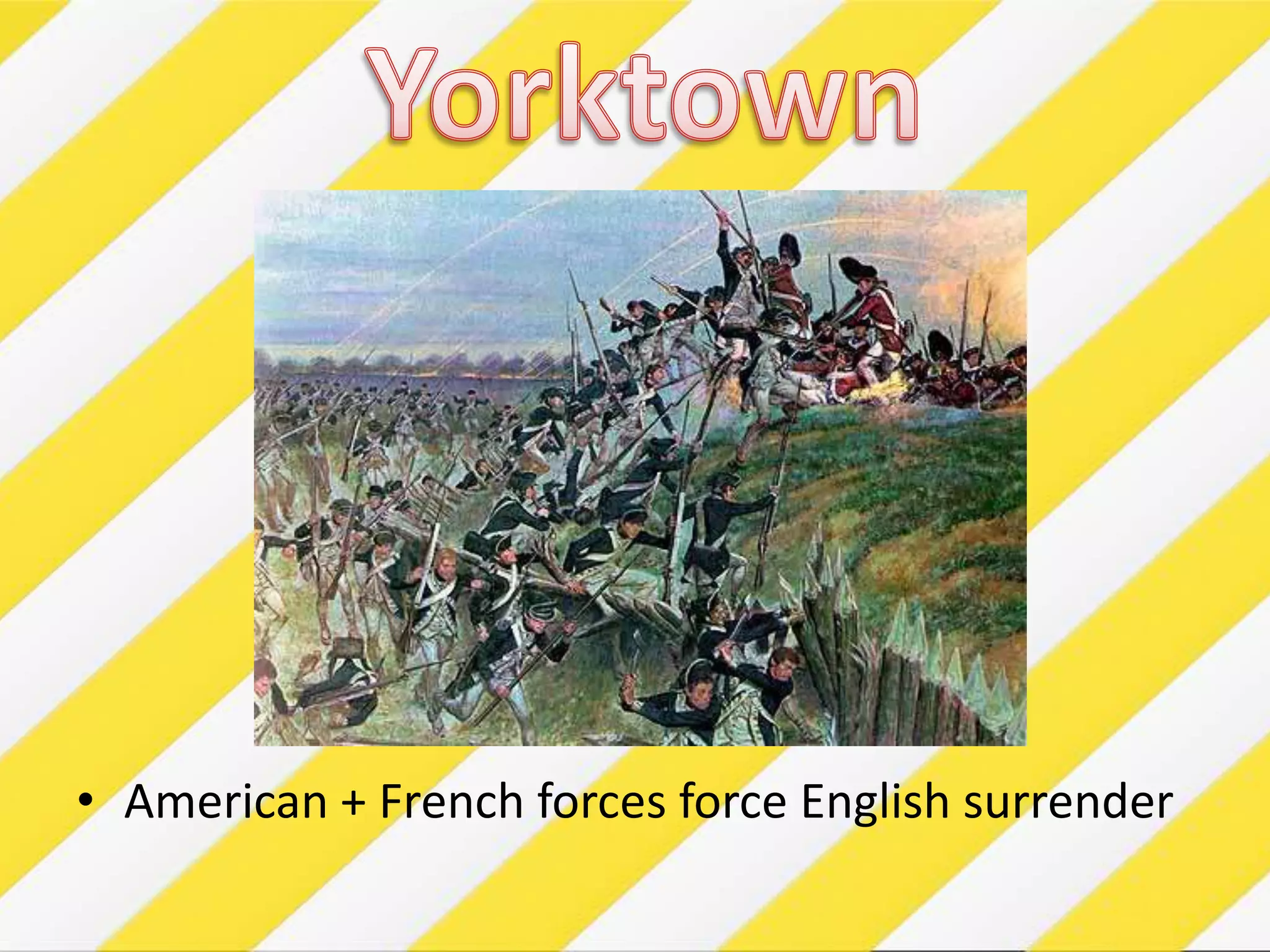
YorktownAmerican + French forces force English surrender
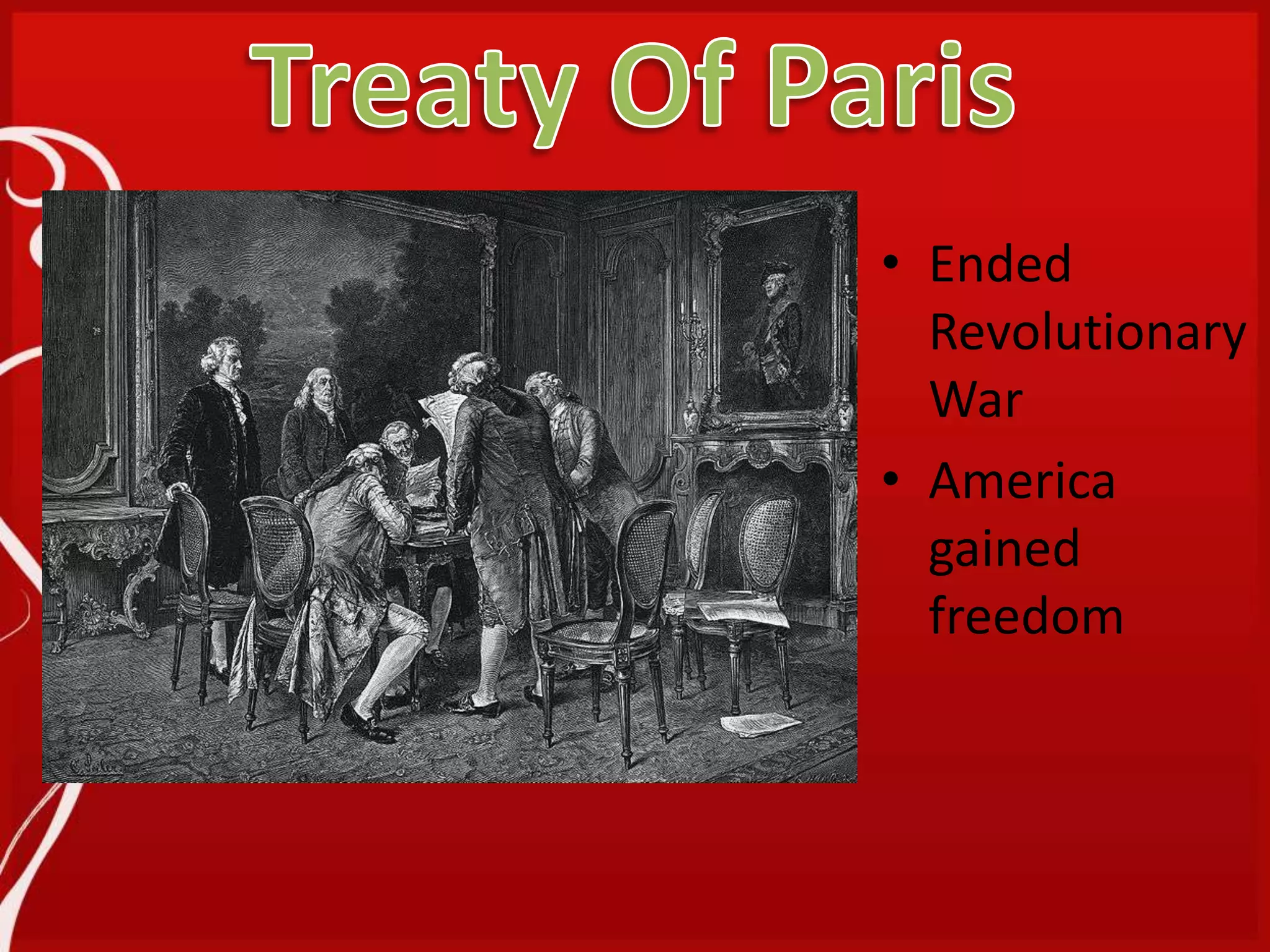
Treaty Of ParisEnded Revolutionary WarAmerica gained freedom
Chapter 9!
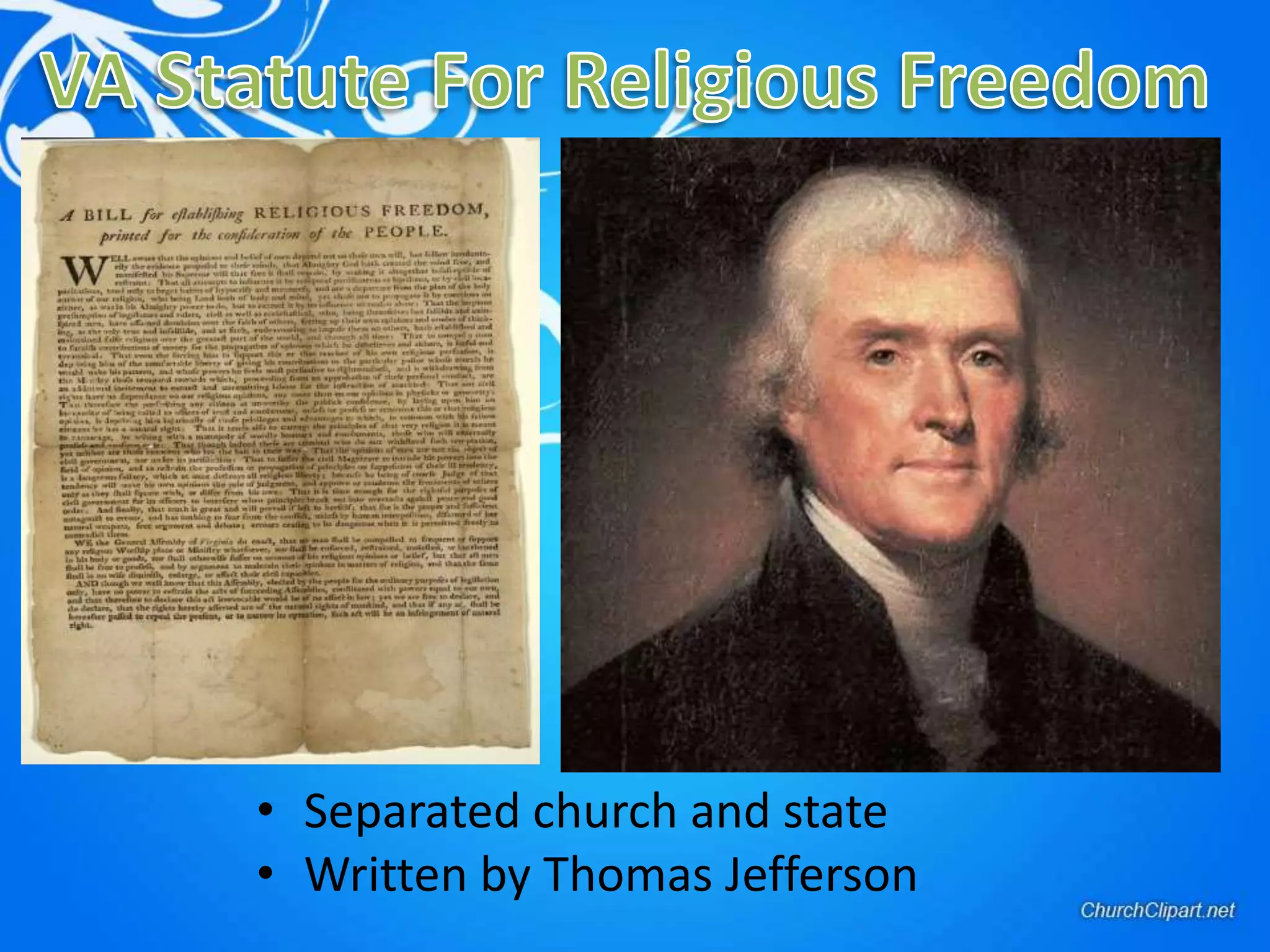
VA Statute For Religious FreedomSeparated church and stateWritten by Thomas Jefferson
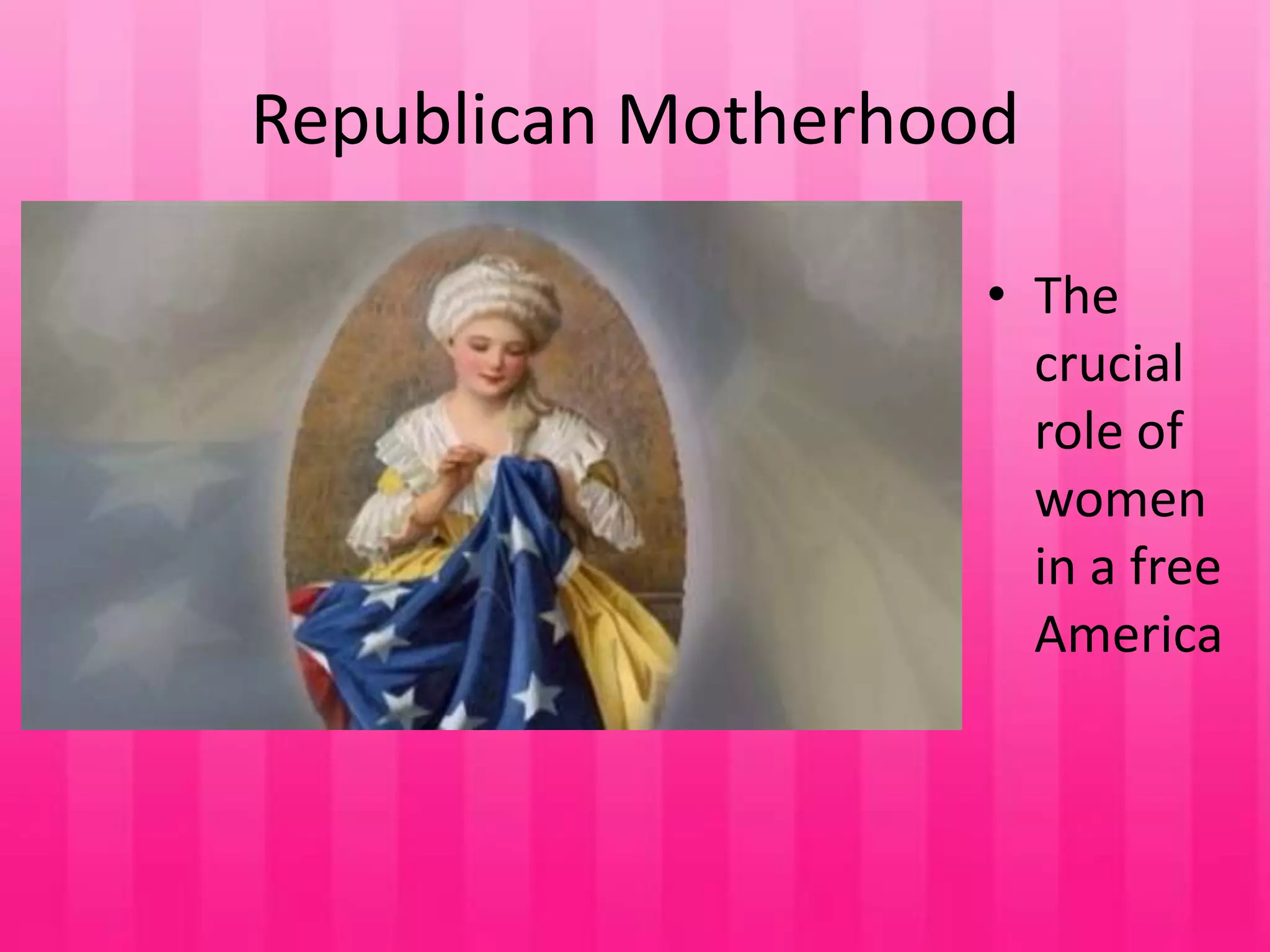
Republican MotherhoodThe crucial role of women in a free America
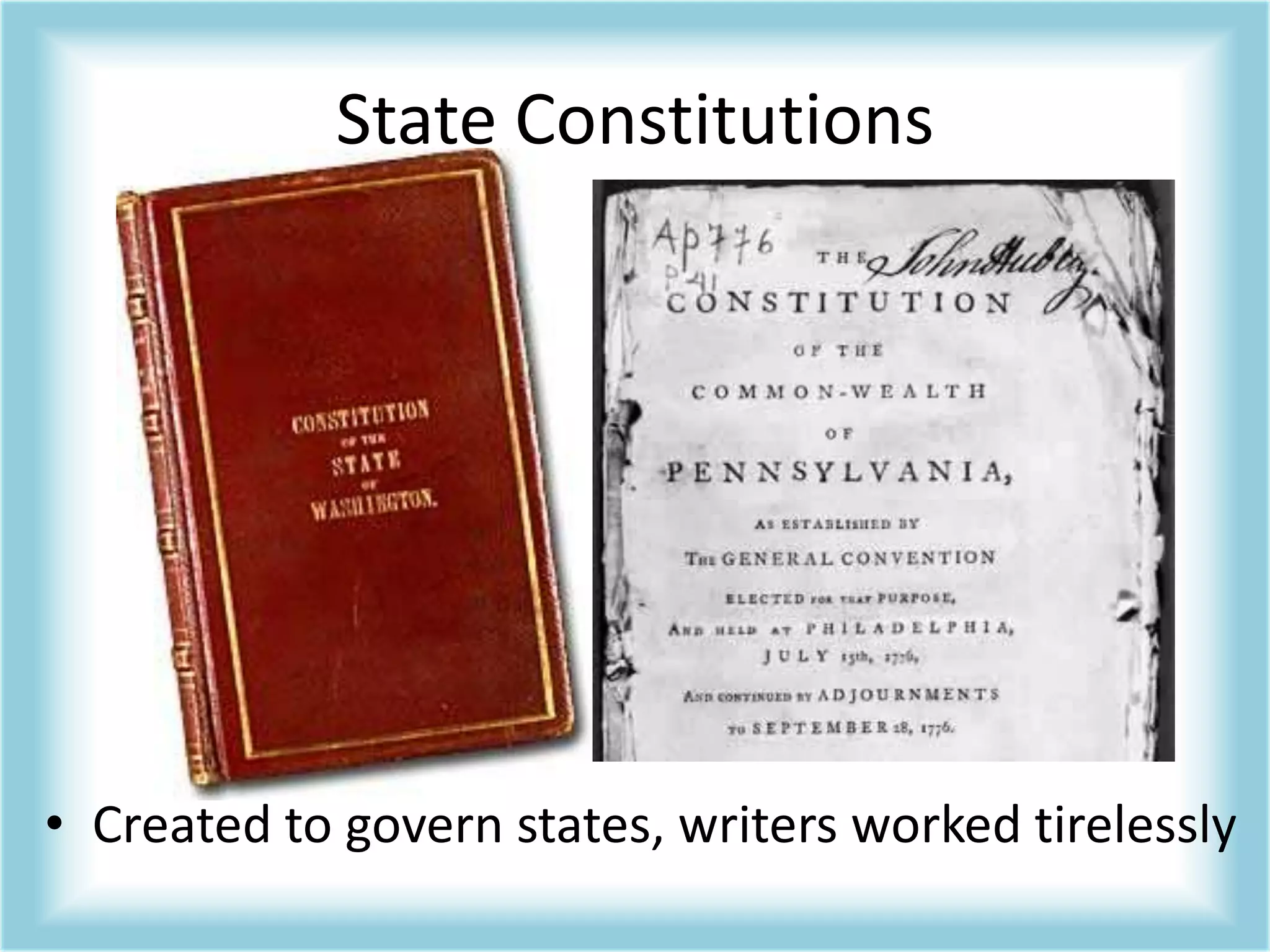
State ConstitutionsCreated to govern states, writers worked tirelessly
Lack of TradingEngland: Made own goodsAmerica couldn’t trade with England or French West Indies
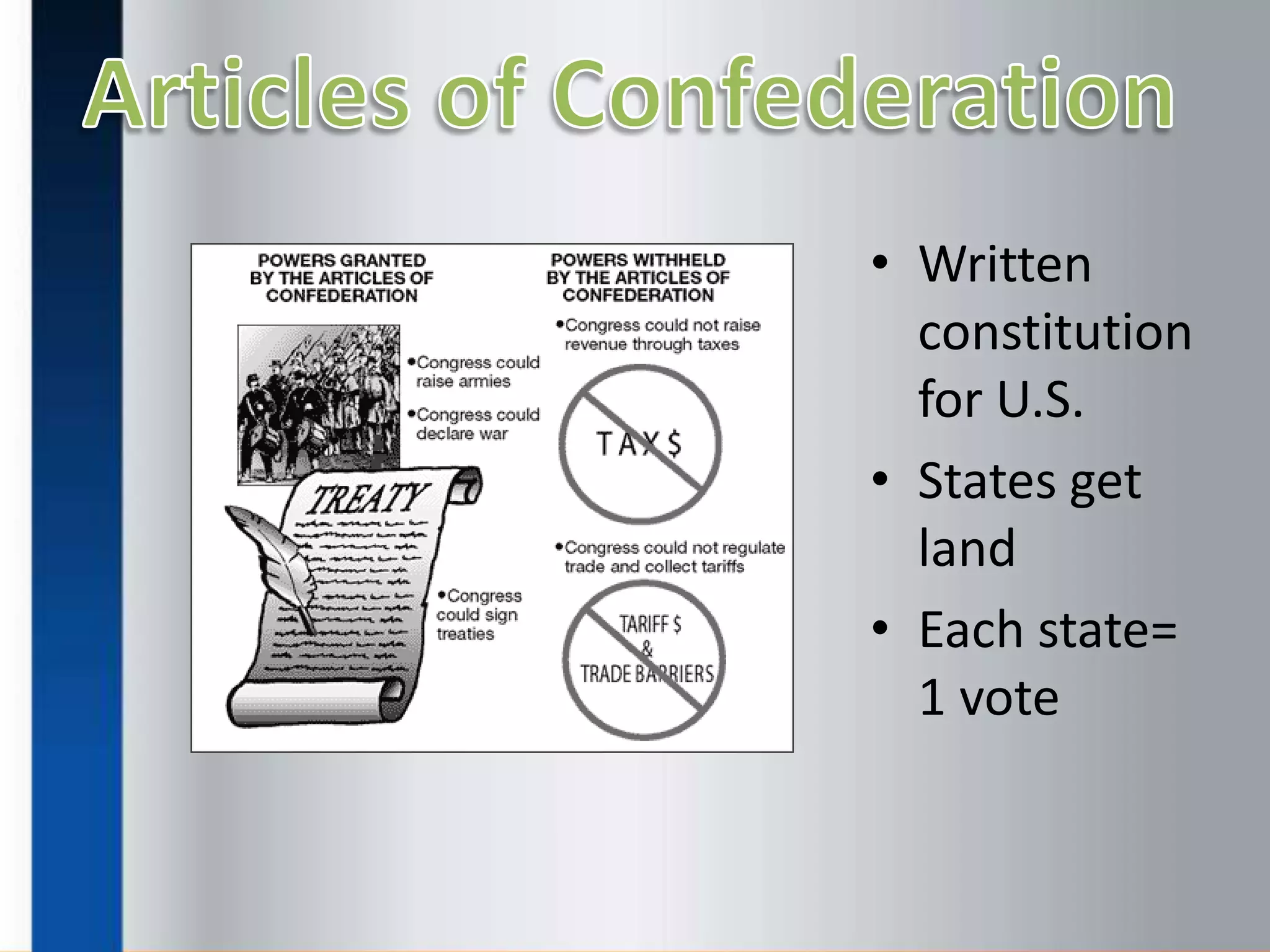
Articles of ConfederationWritten constitution for U.S.States get landEach state=  1 vote
Northwest OrdinanceTerritorial stages, 60,000 people = statePath to Statehood
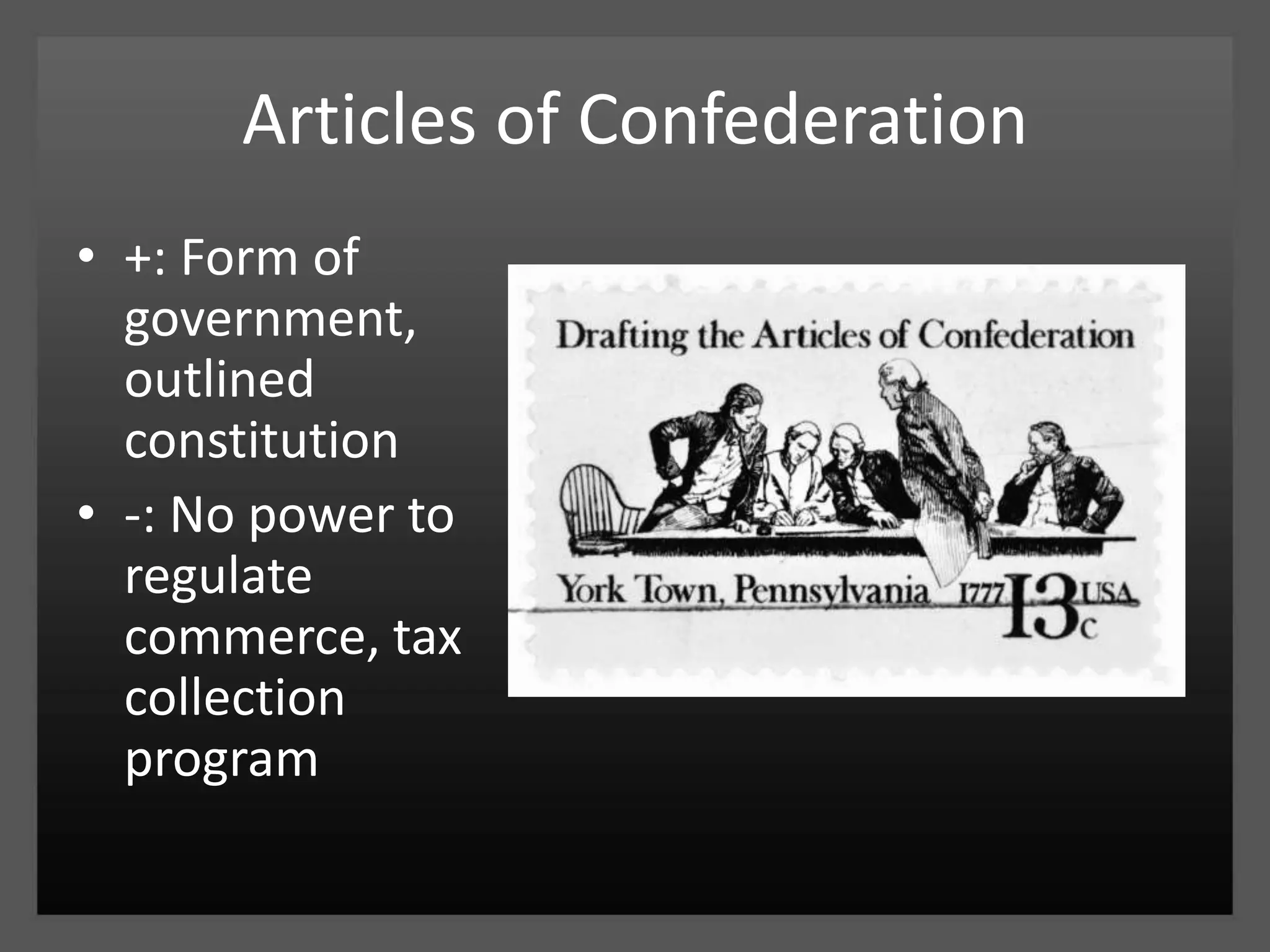
Articles of Confederation+: Form of government, outlined constitution-: No power to regulate commerce, tax collection program
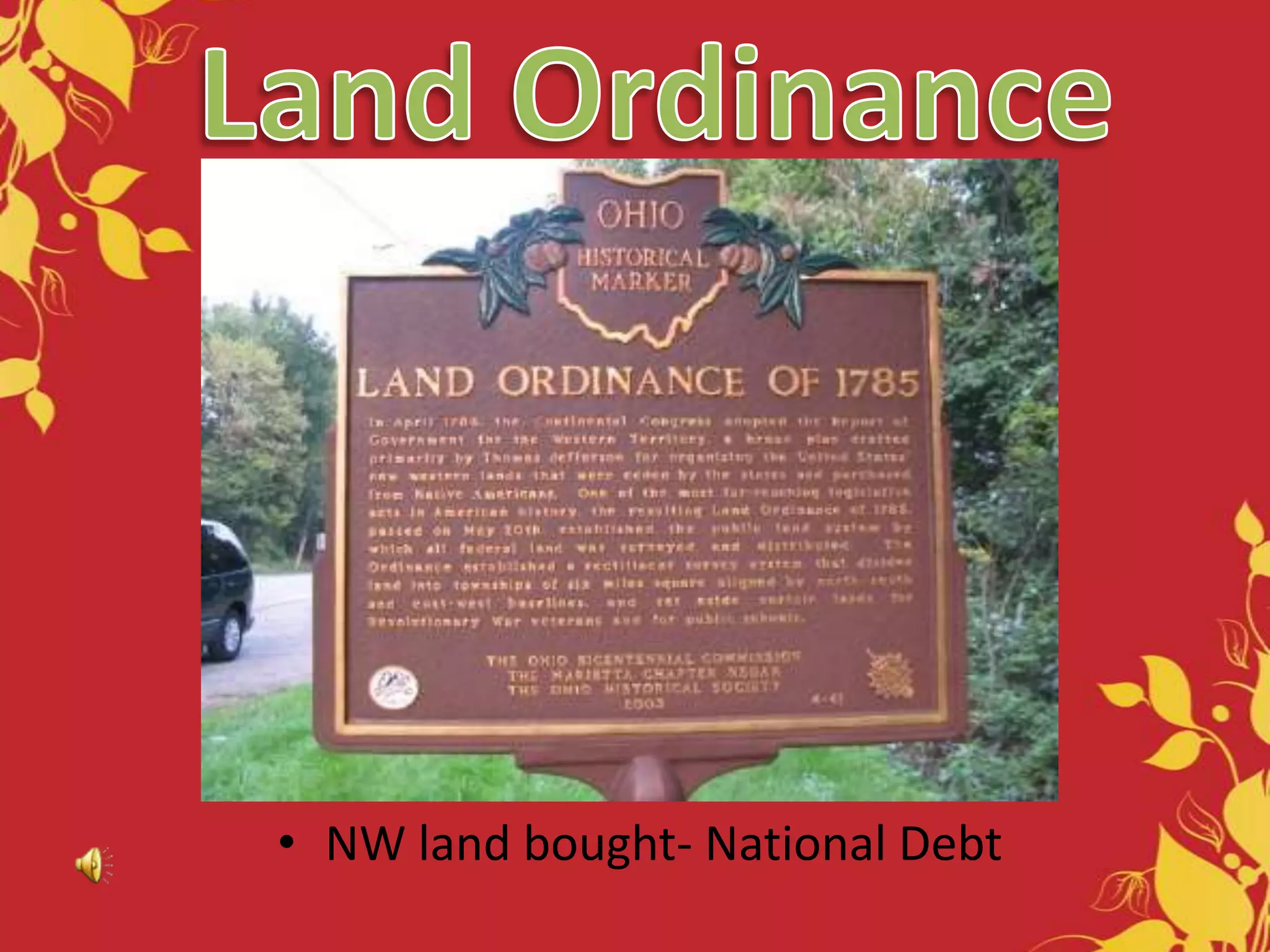
Land OrdinanceNW land bought- National Debt
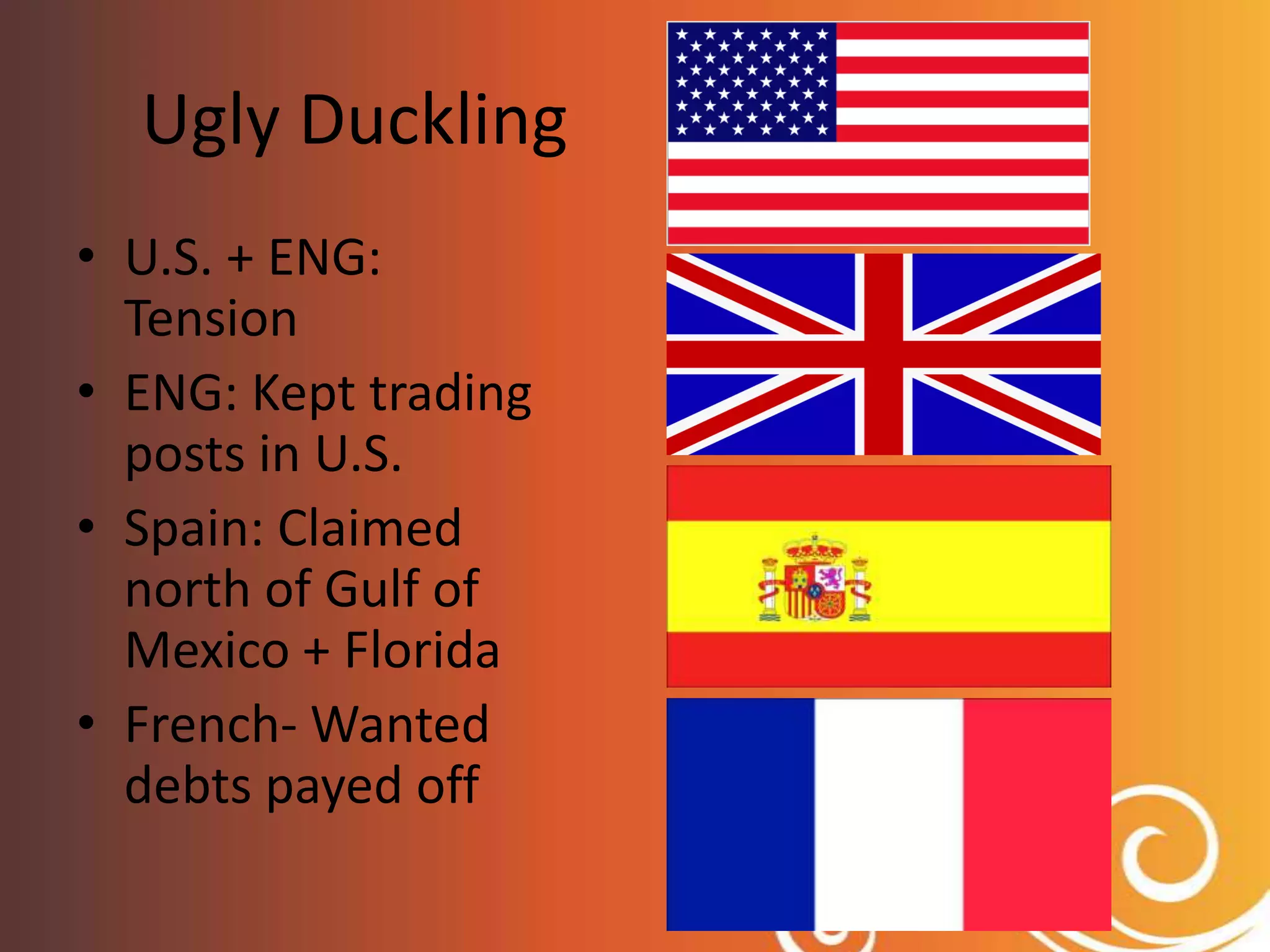
Ugly DucklingU.S. + ENG: TensionENG: Kept trading posts in U.S.Spain: Claimed north of Gulf of Mexico + FloridaFrench- Wanted debts payed off
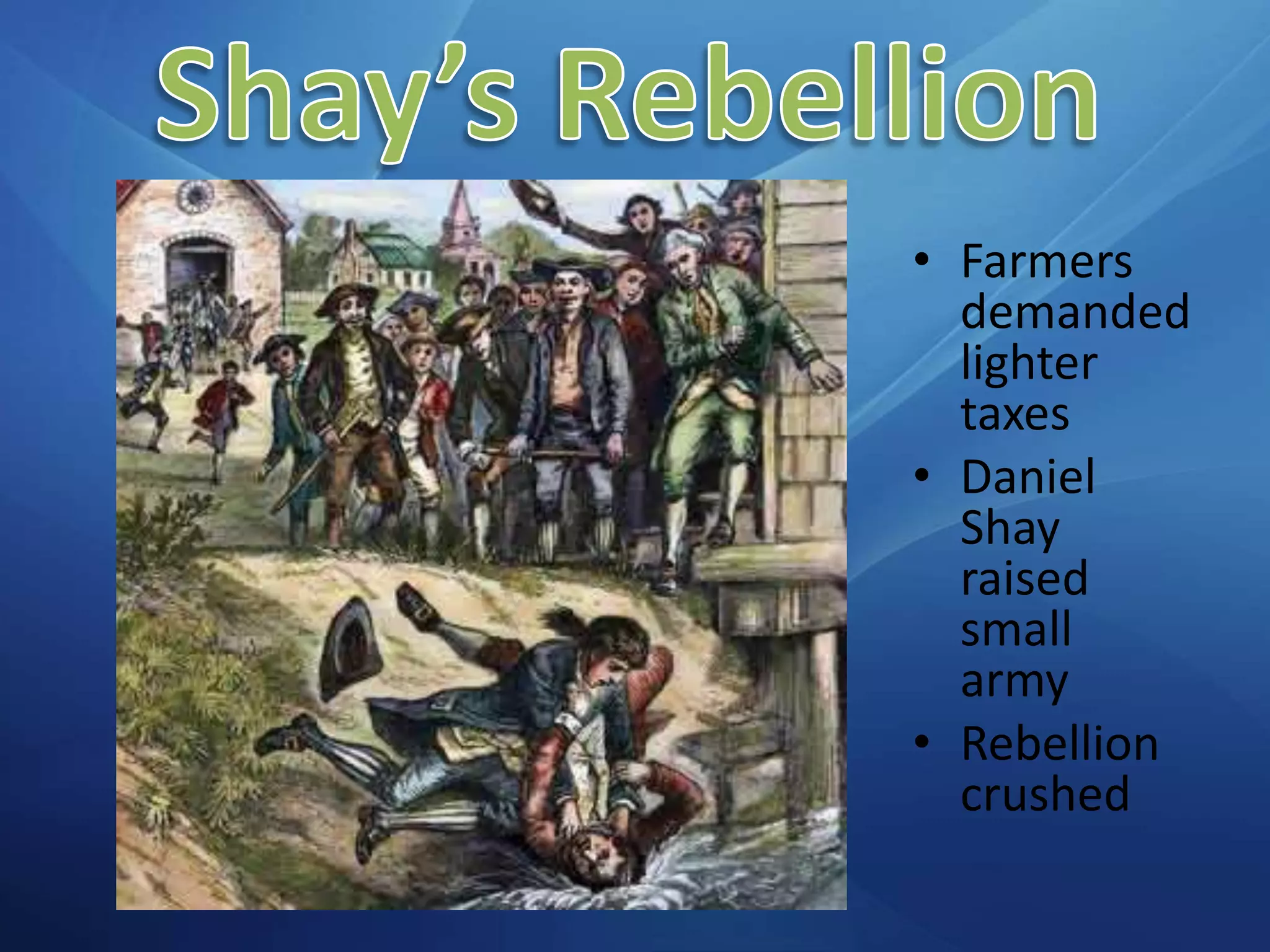
Shay’s RebellionFarmers demanded lighter taxesDaniel Shay raised small armyRebellion crushed
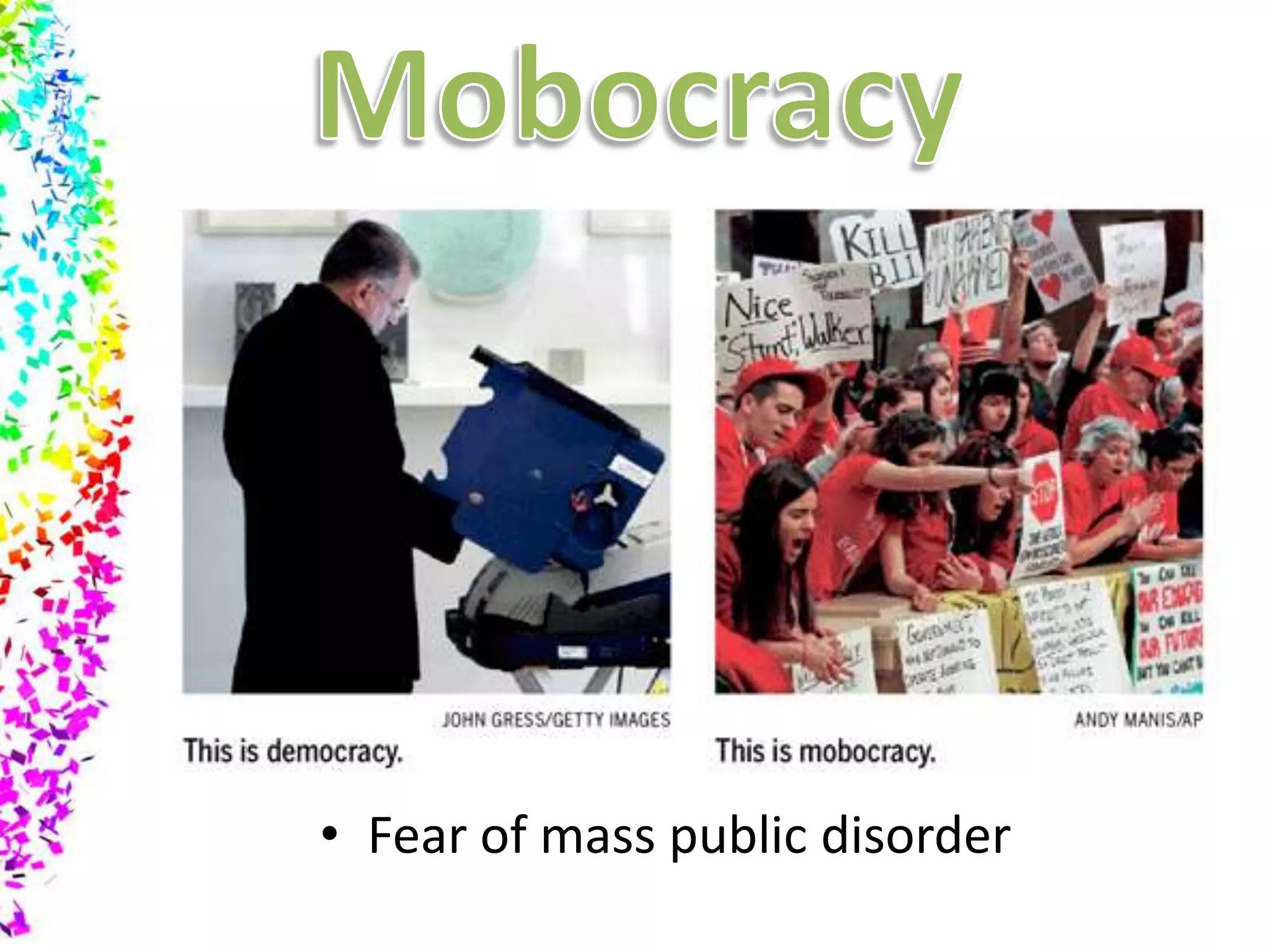
MobocracyFear of mass public disorder
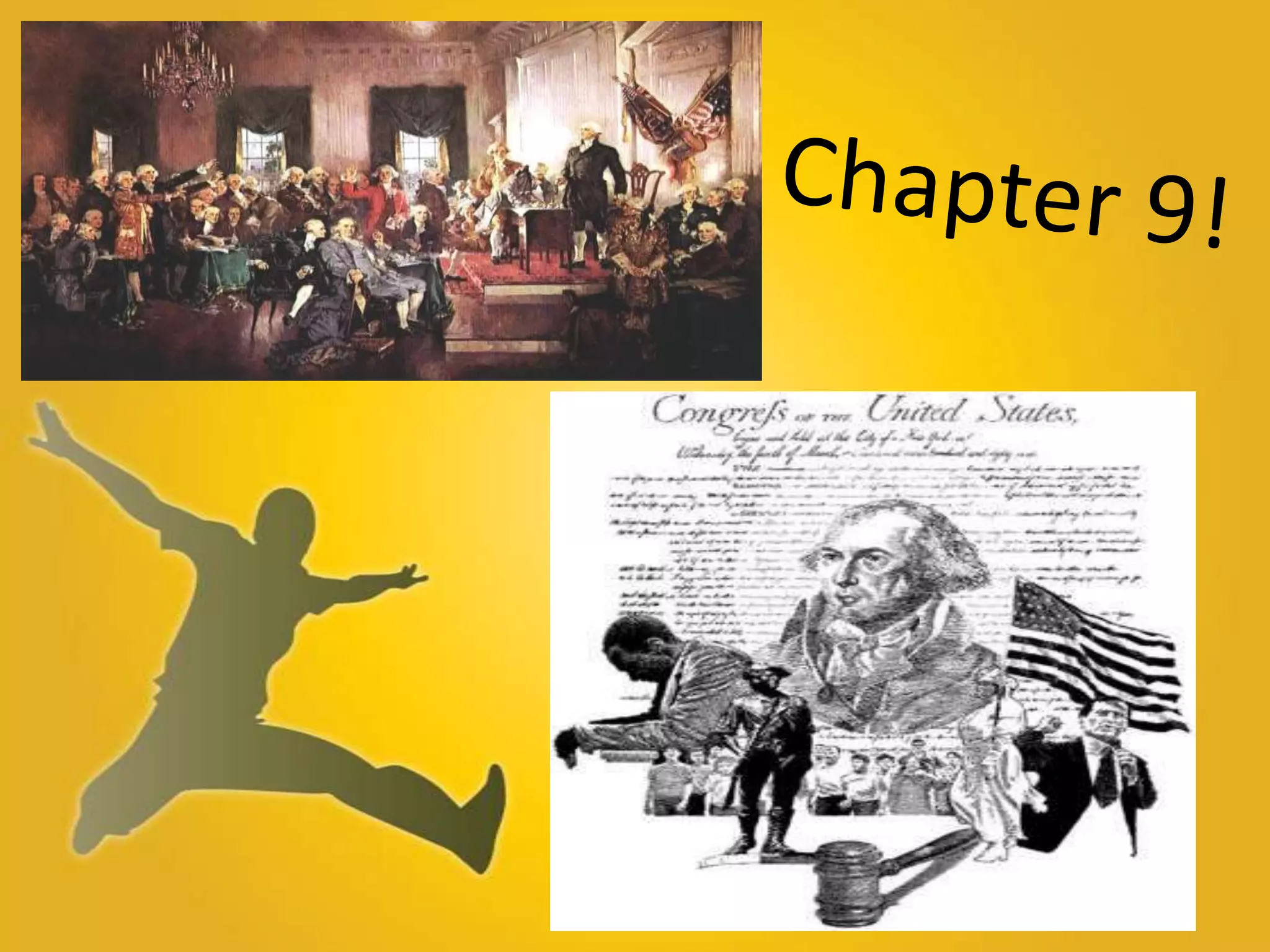
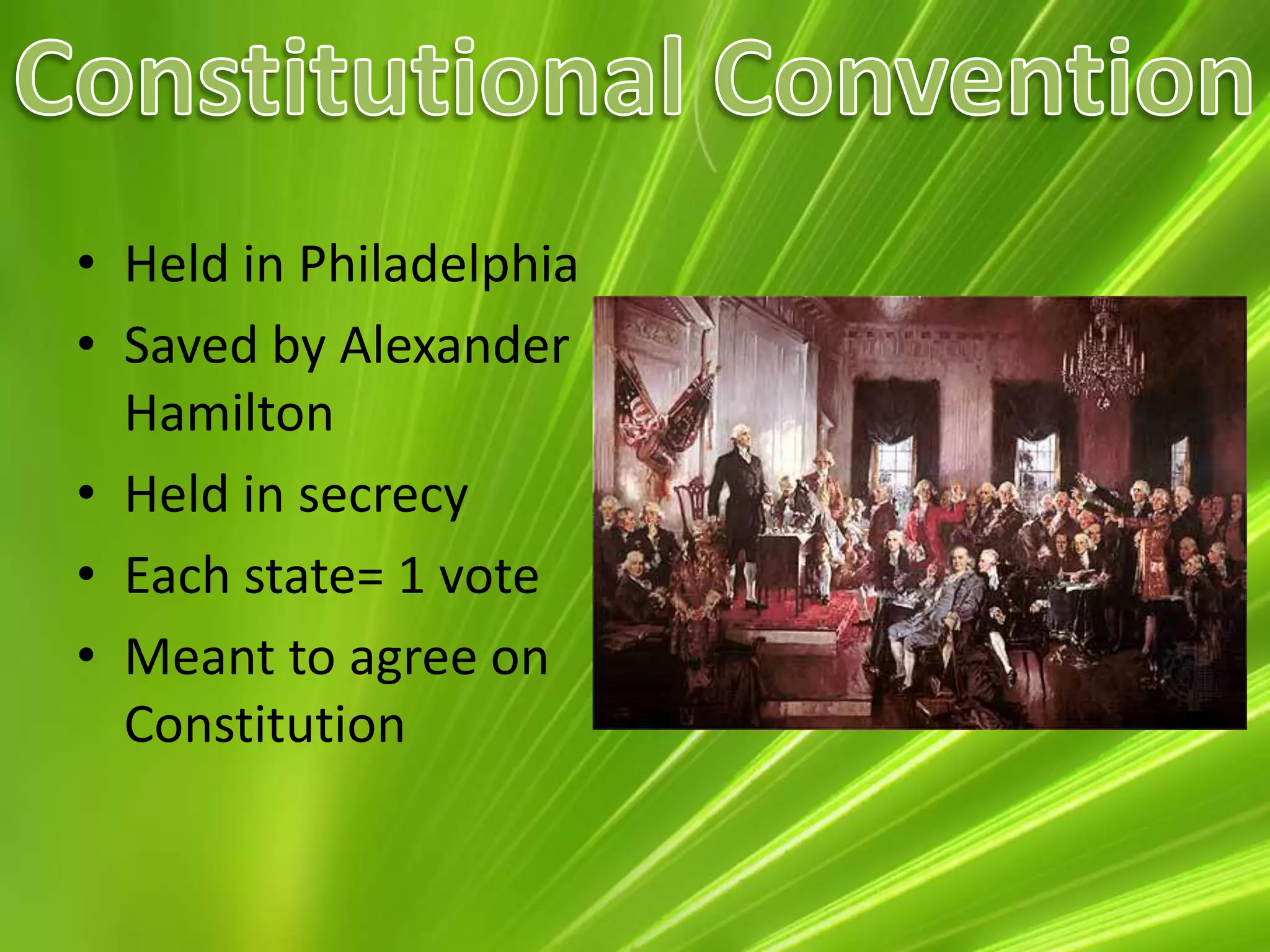
Constitutional ConventionHeld in PhiladelphiaSaved by Alexander HamiltonHeld in secrecyEach state= 1 voteMeant to agree on Constitution
C.C. Delegate Make-UpMost delegates- lawyers55 DelegatesAll rich, young, but experiencedGoals: Preserve union, ensure security of life
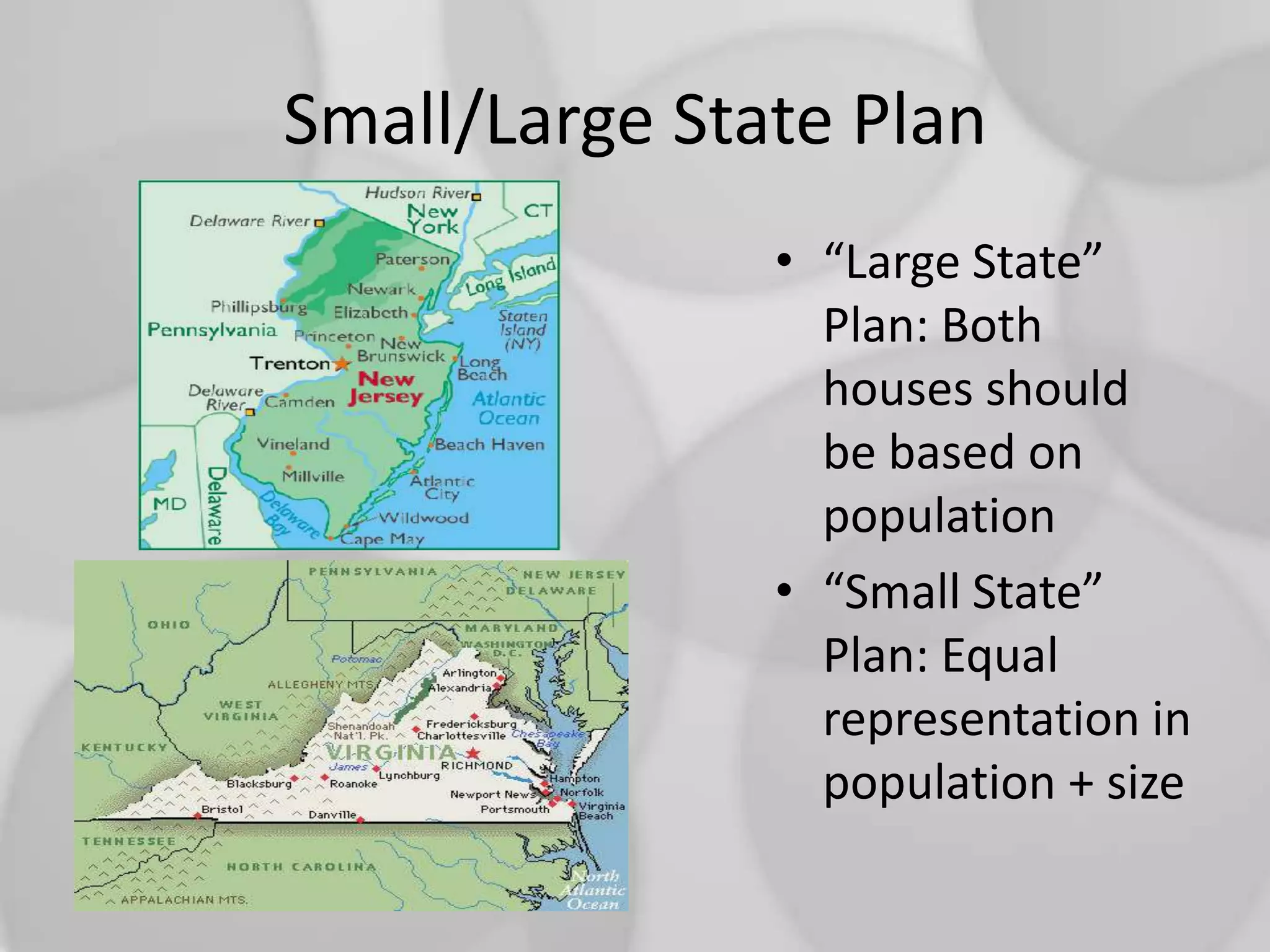
Small/Large State Plan“Large State” Plan: Both houses should be based on population“Small State” Plan: Equal representation in population + size
Great CompromiseEqual representation2 senators/ state
Electoral CollegeElects the president
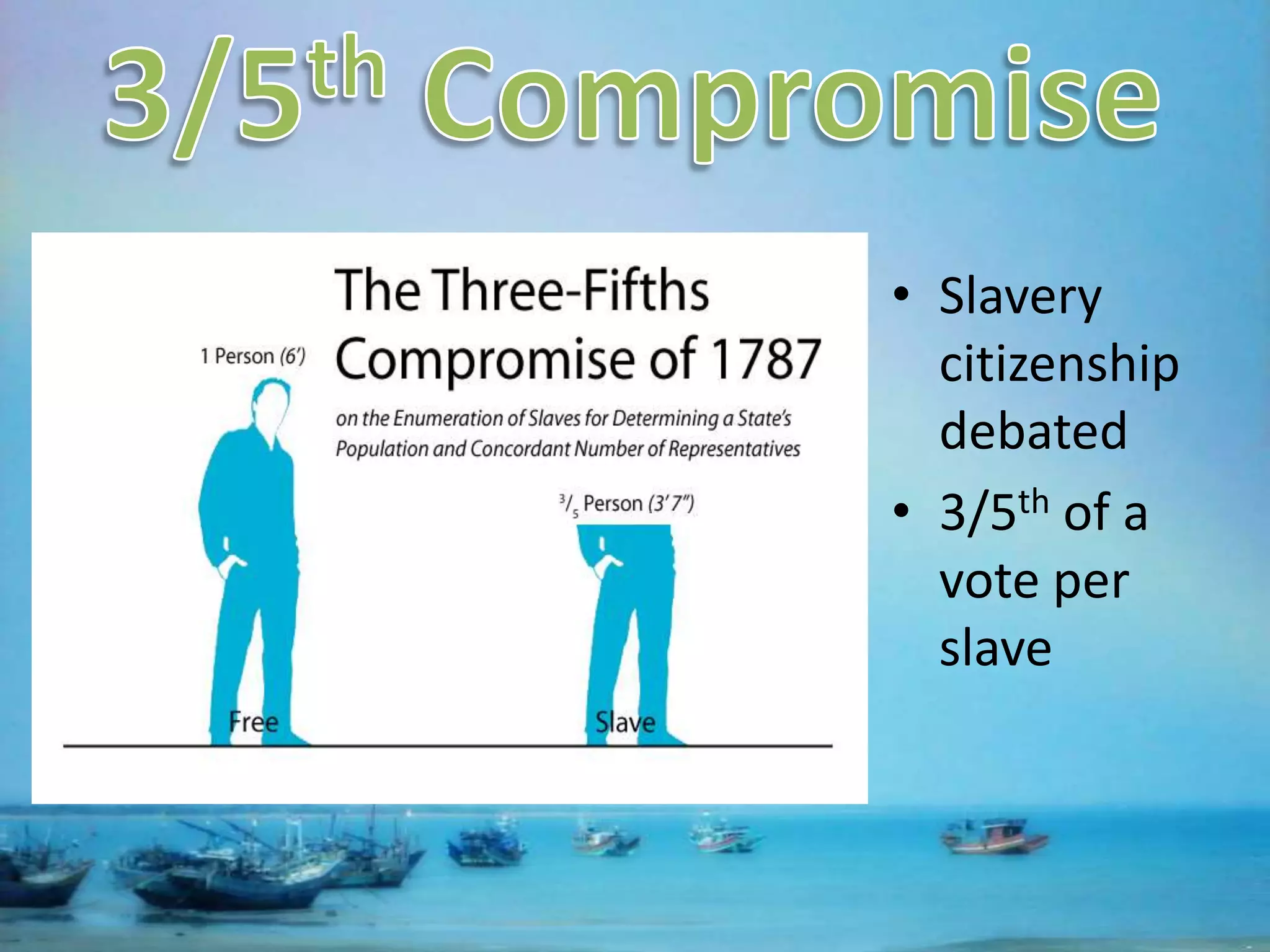
3/5th CompromiseSlavery citizenship debated3/5th of a vote per slave
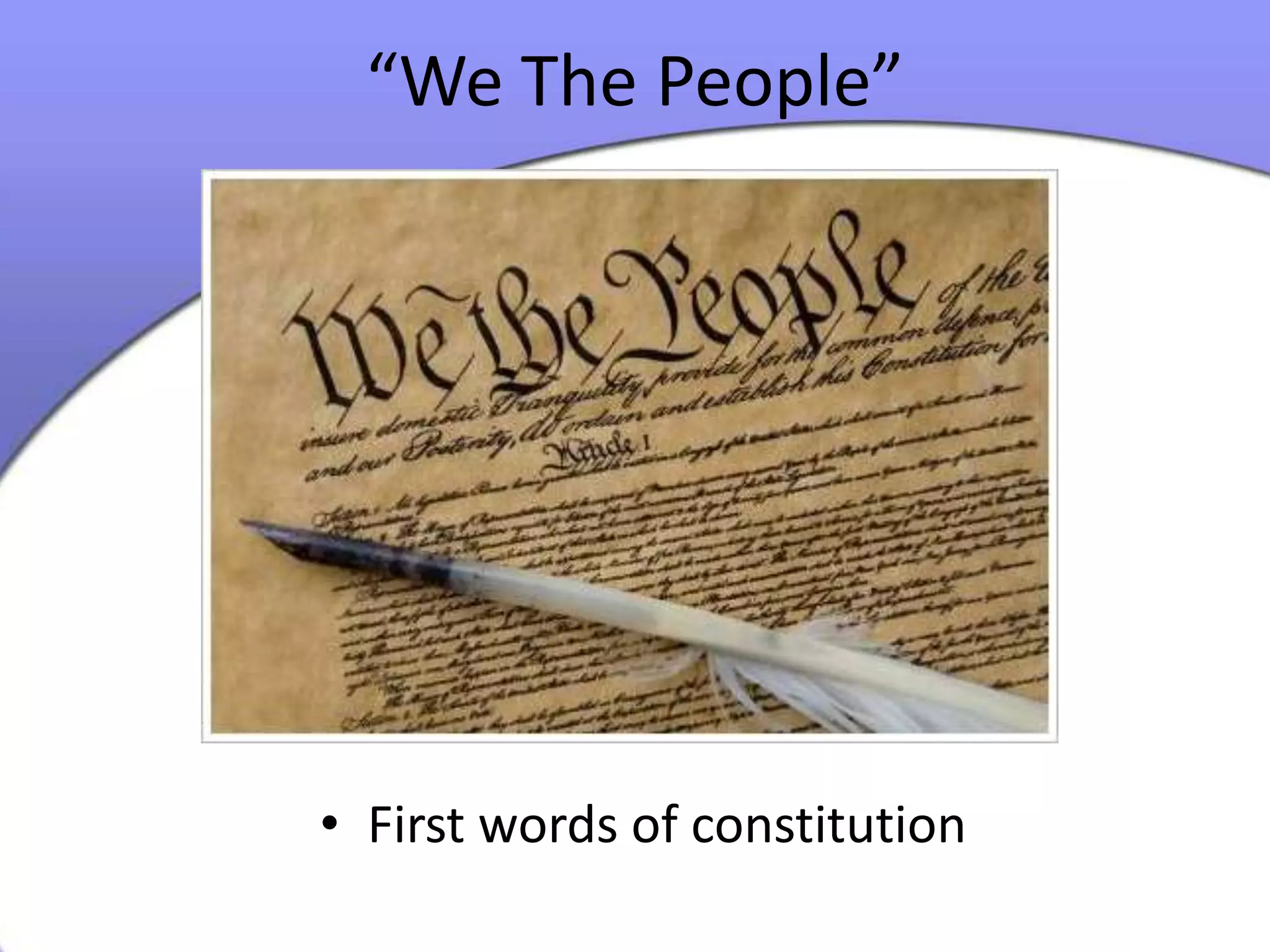
“We The People”First words of constitution
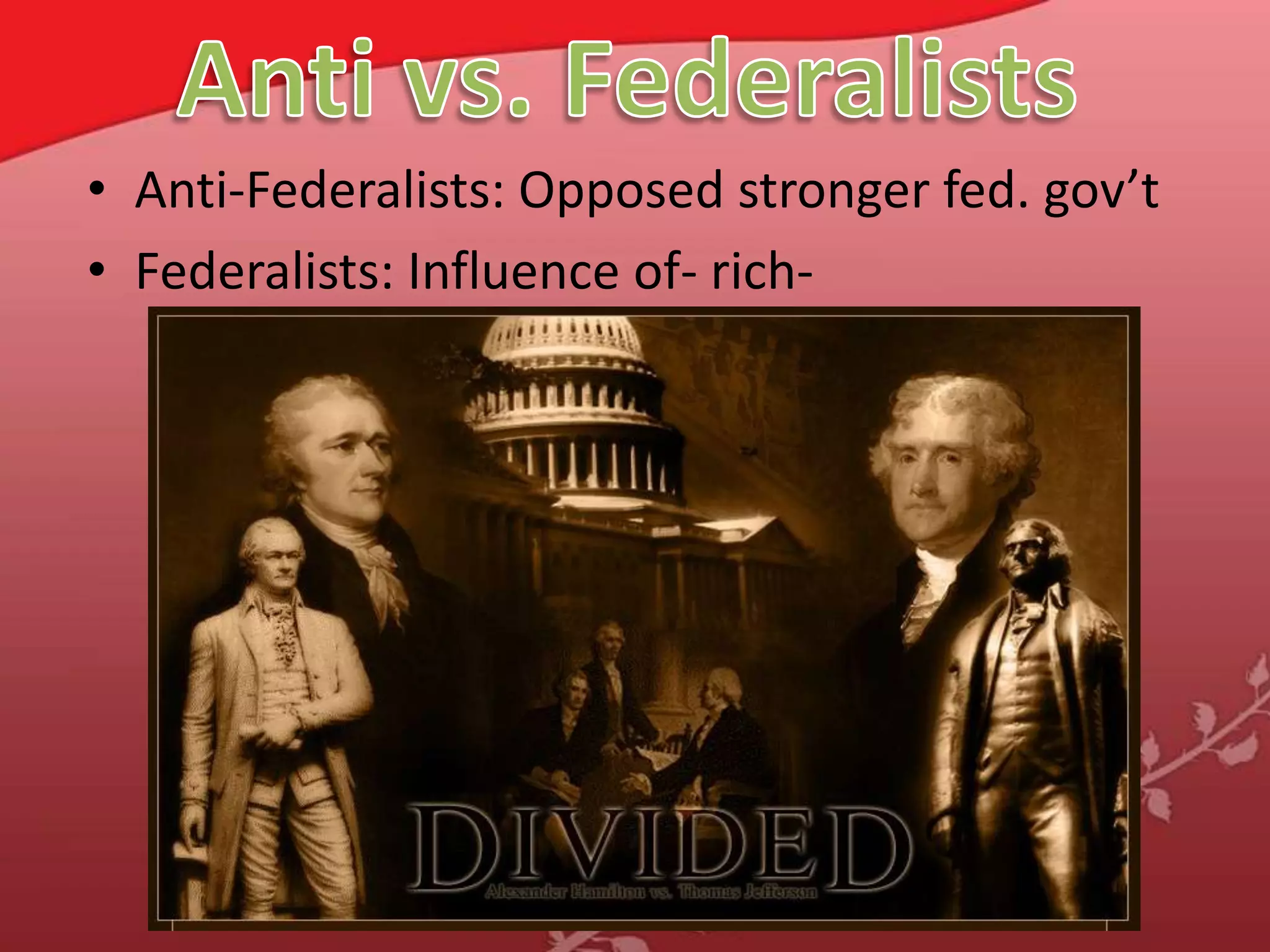
Anti vs. FederalistsAnti-Federalists: Opposed stronger fed. gov’tFederalists: Influence of- rich-
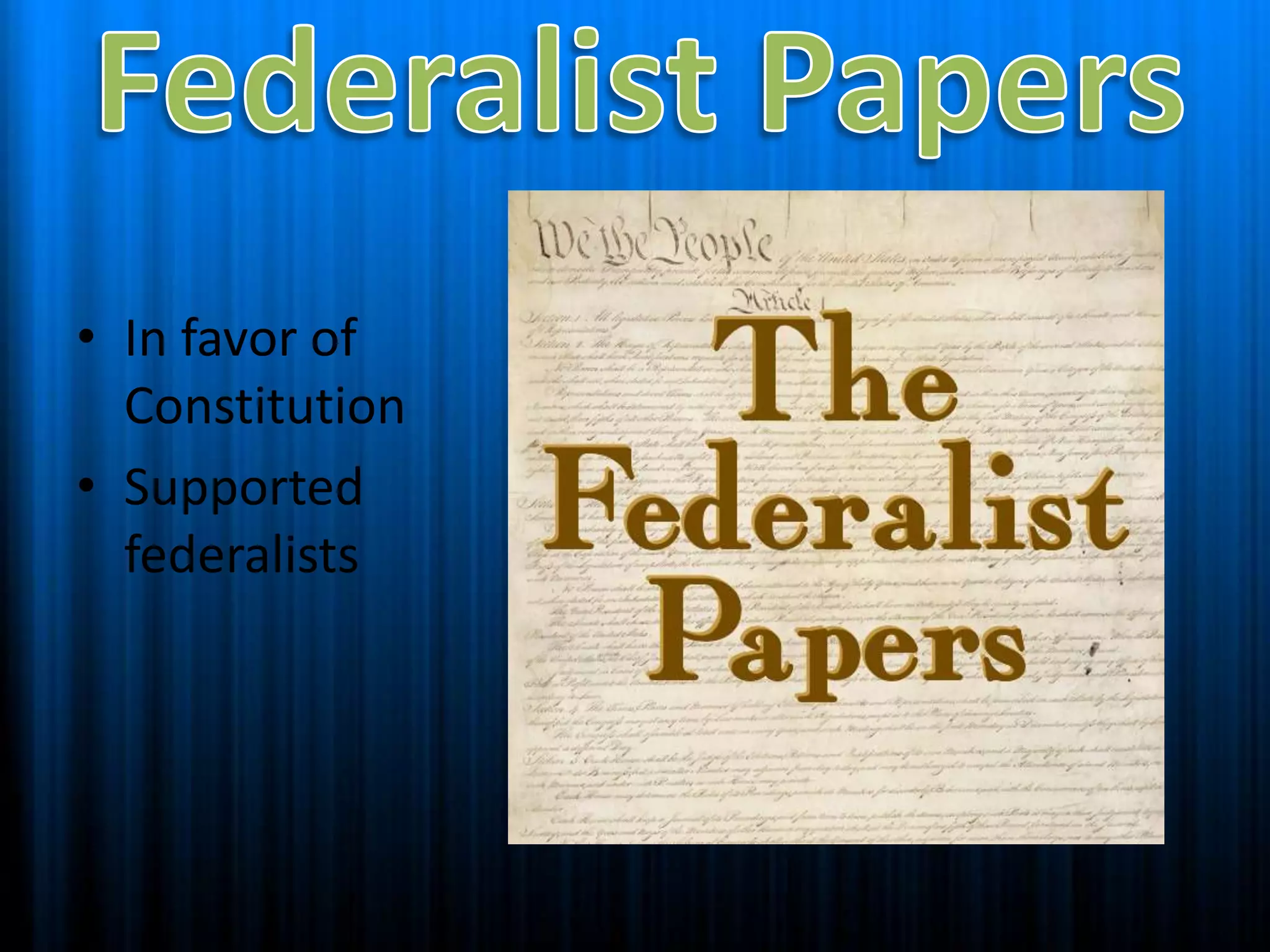
Federalist PapersIn favor of ConstitutionSupported federalists
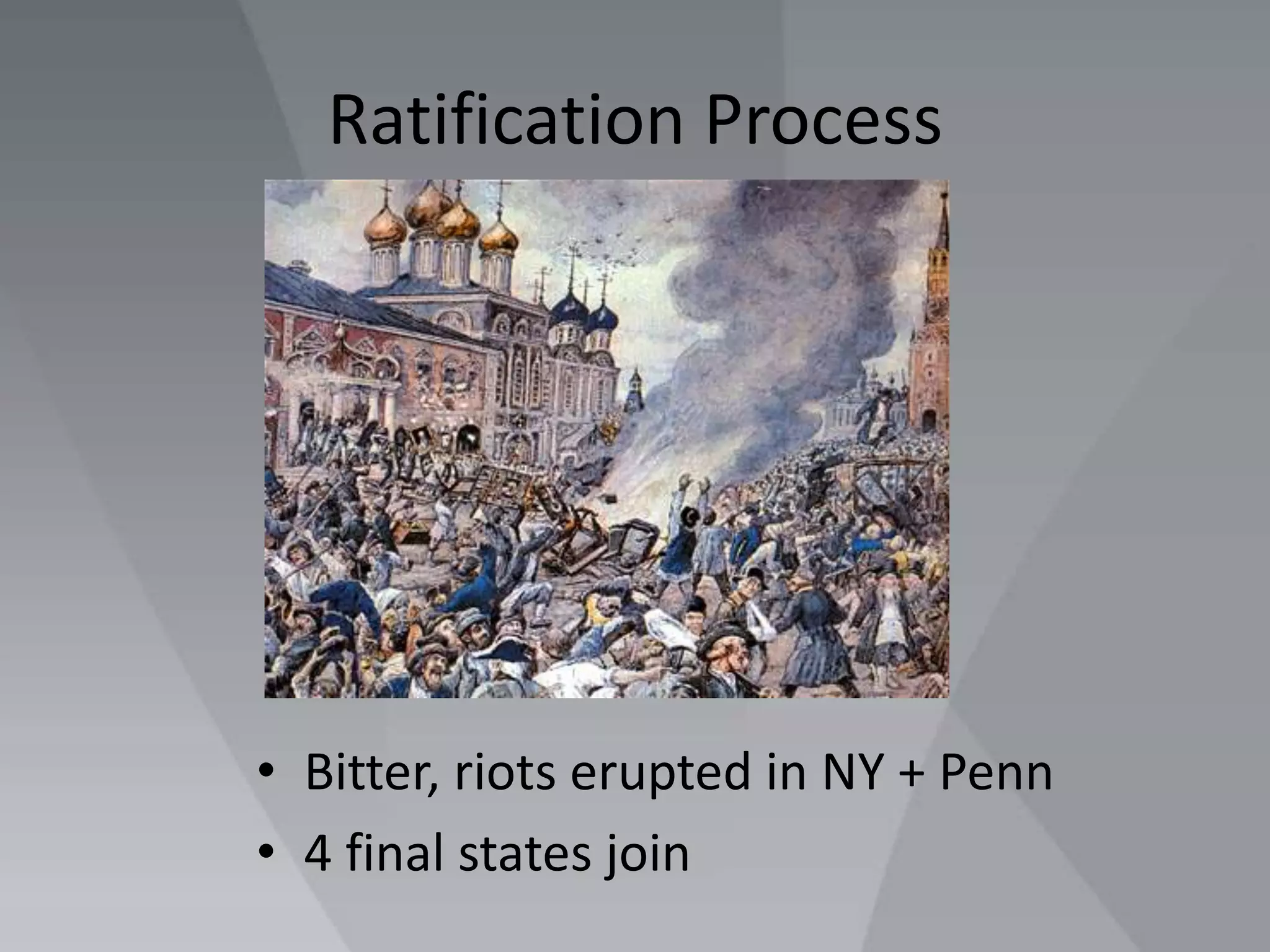
Ratification ProcessBitter, riots erupted in NY + Penn4 final states join
Chapter 10!
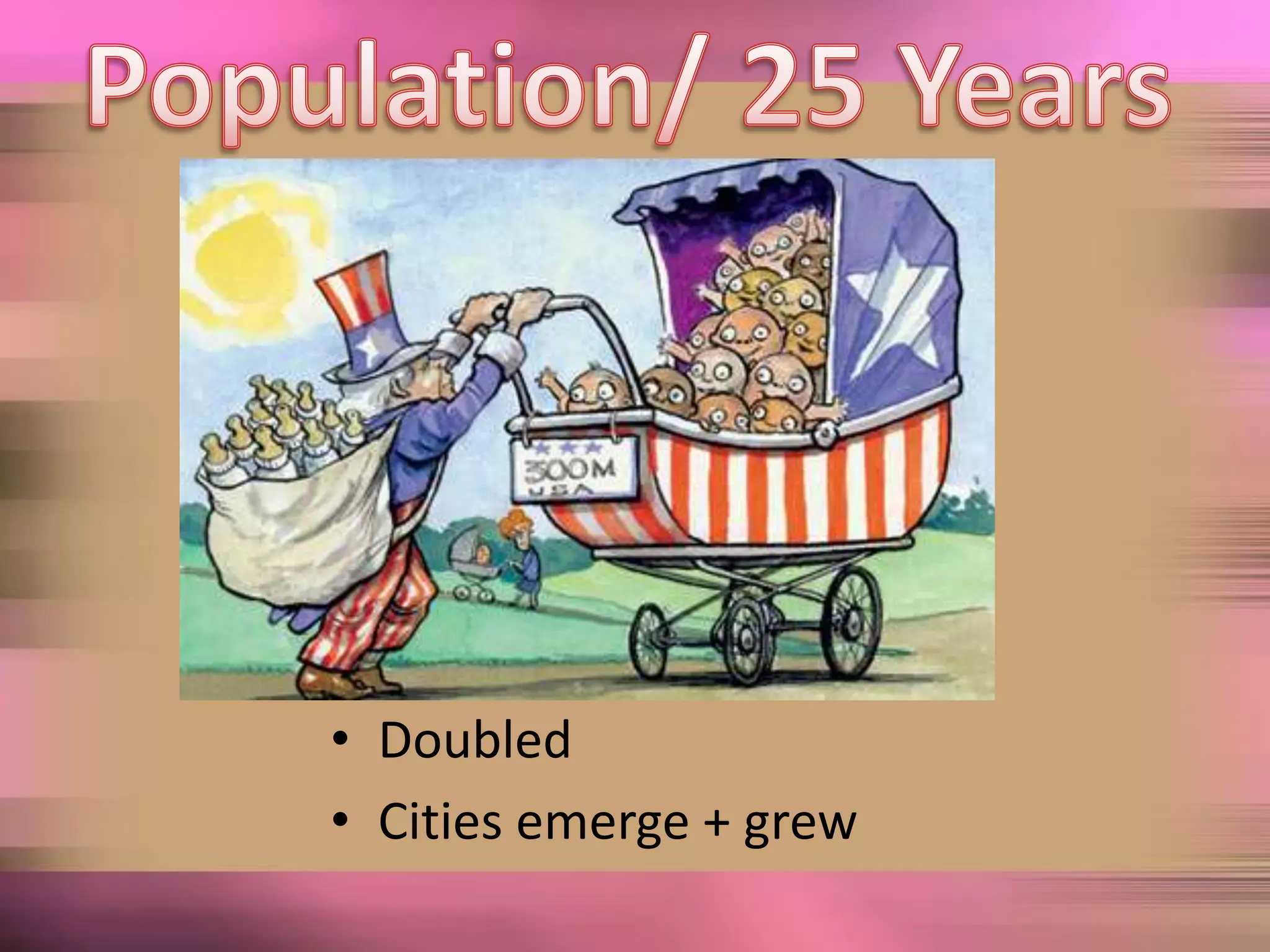
Population/ 25 YearsDoubledCities emerge + grew
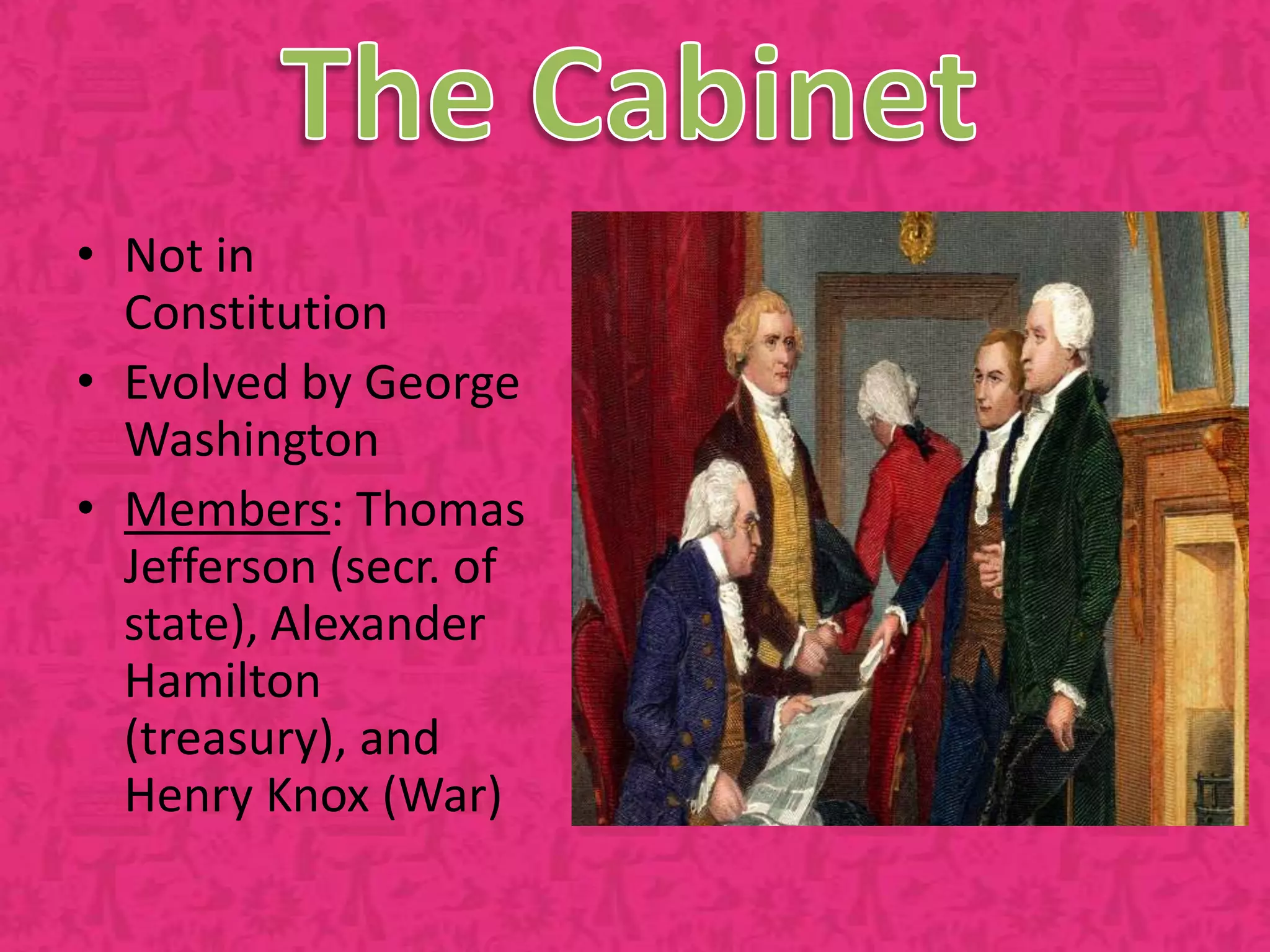
The CabinetNot in ConstitutionEvolved by George WashingtonMembers: Thomas Jefferson (secr. of state), Alexander Hamilton (treasury), and Henry Knox (War)
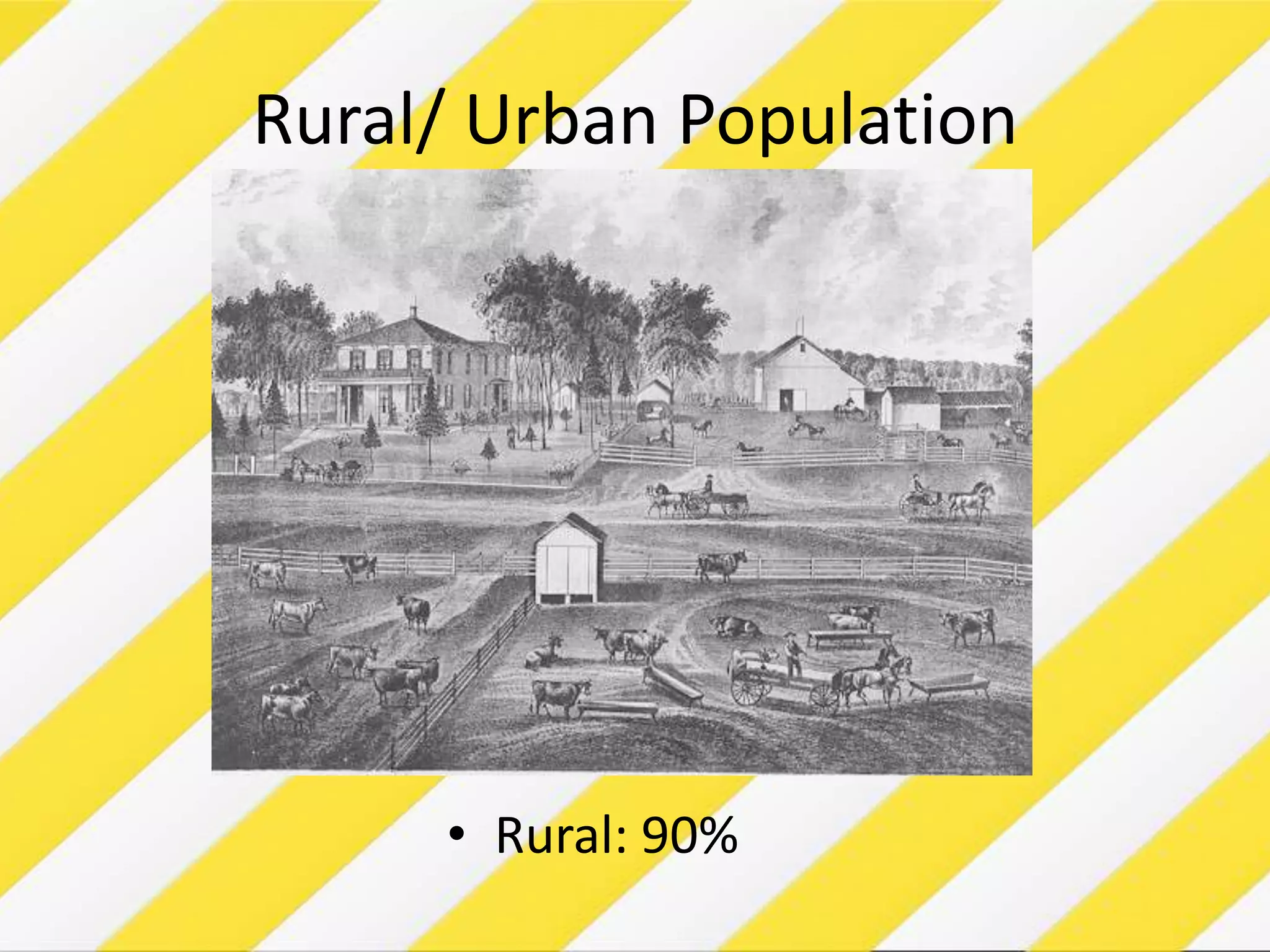
Rural/ Urban PopulationRural: 90%
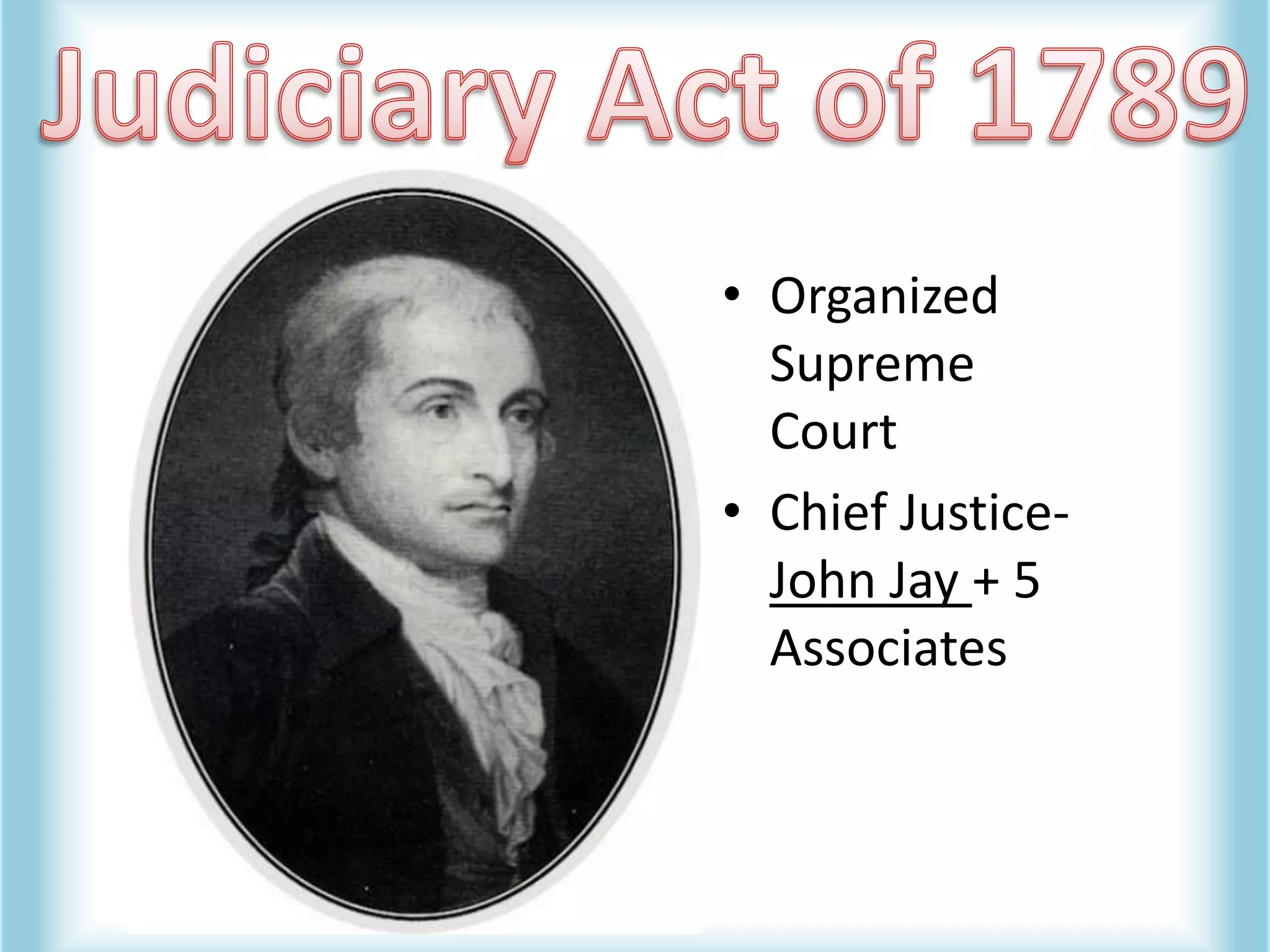
Judiciary Act of 1789Organized Supreme CourtChief Justice- John Jay + 5 Associates
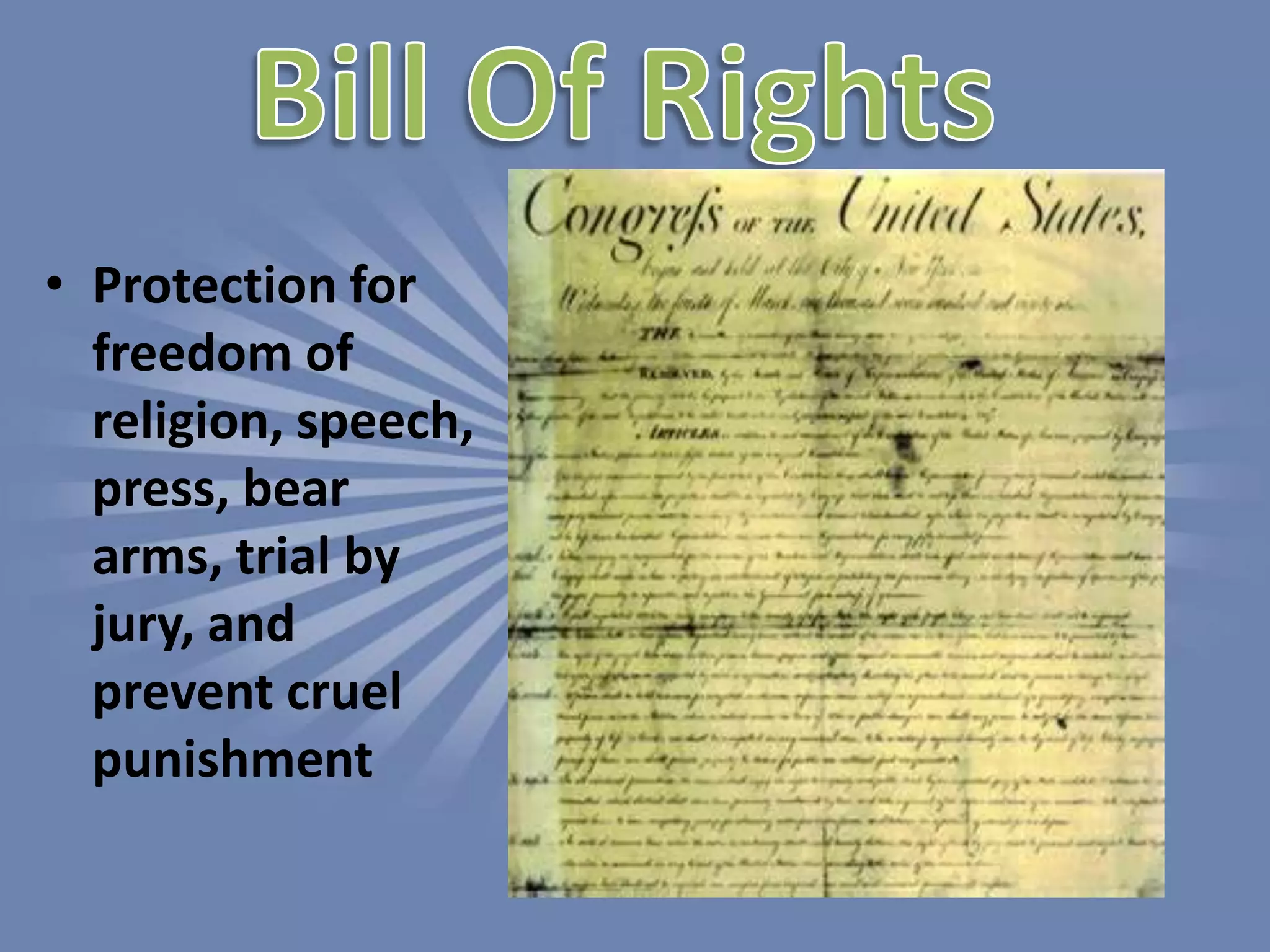
Bill Of RightsProtection for freedom of religion, speech, press, bear arms, trial by jury, and prevent cruel punishment
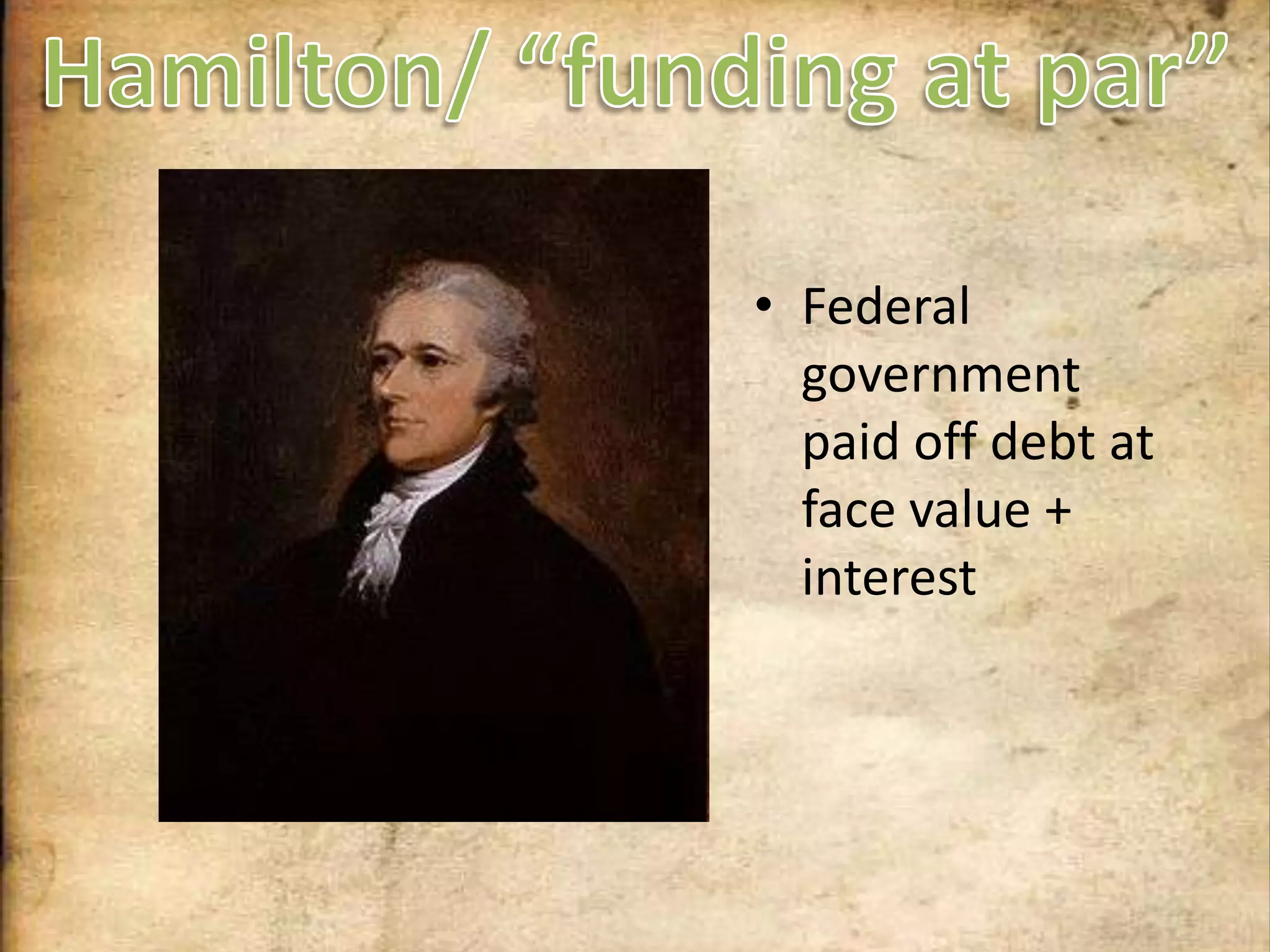
Hamilton/ “funding at par”Federal government paid off debt at face value + interest
Customs Duties/ Excise TaxHow to get/collect money? – Taxes 1791- Excise Tax: domestic items (whiskey)
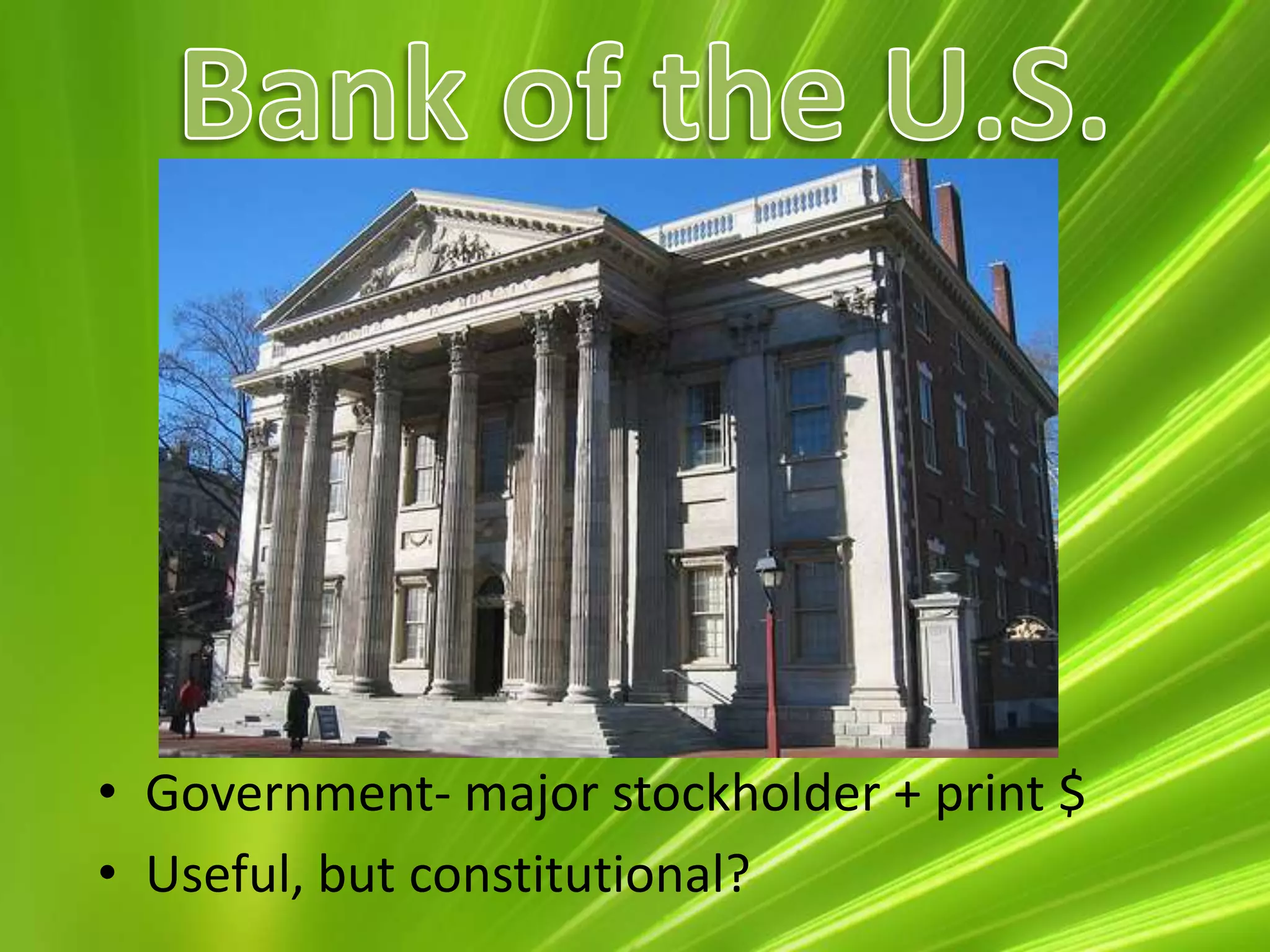
Bank of the U.S.Government- major stockholder + print $Useful, but constitutional?
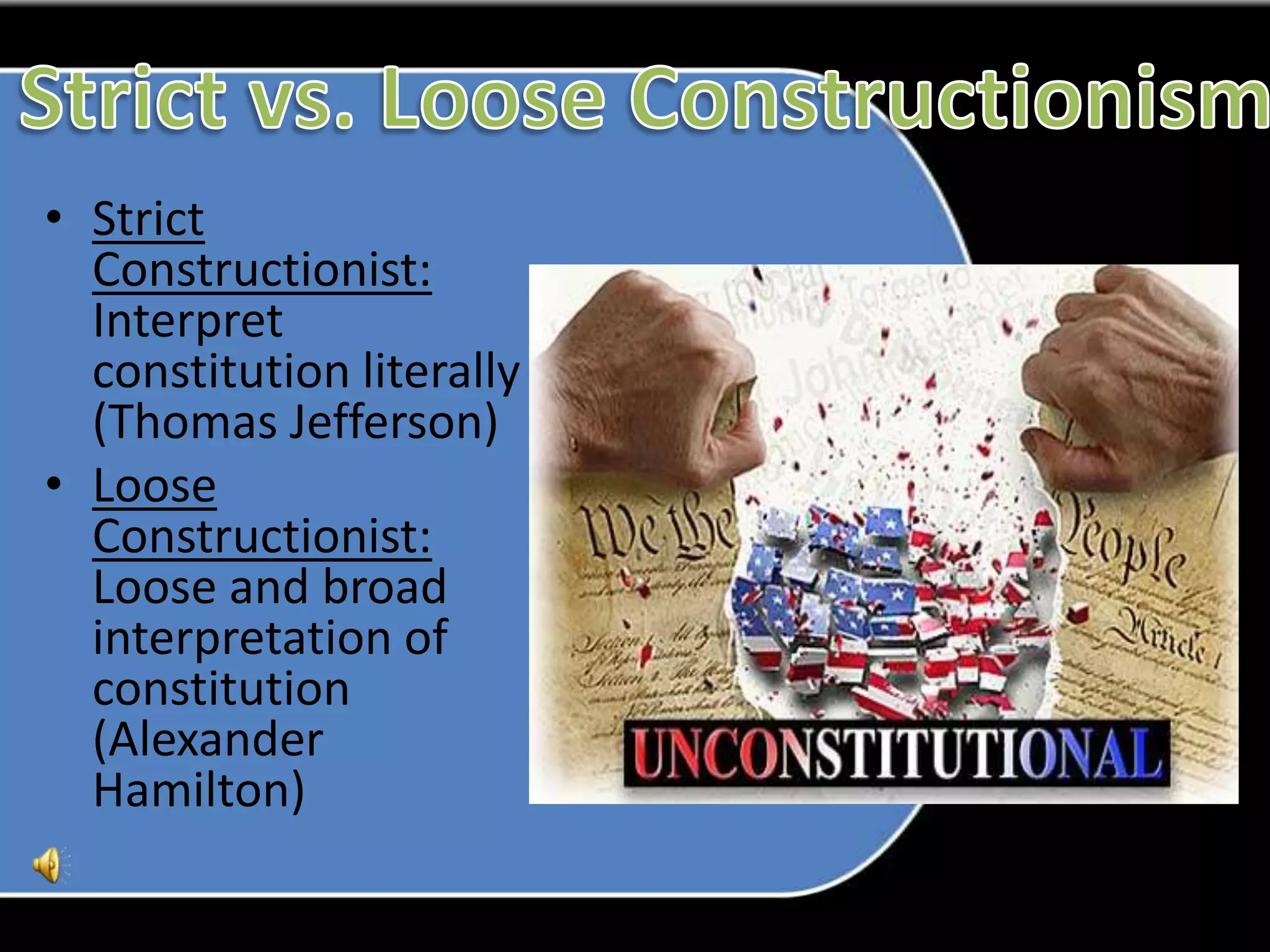
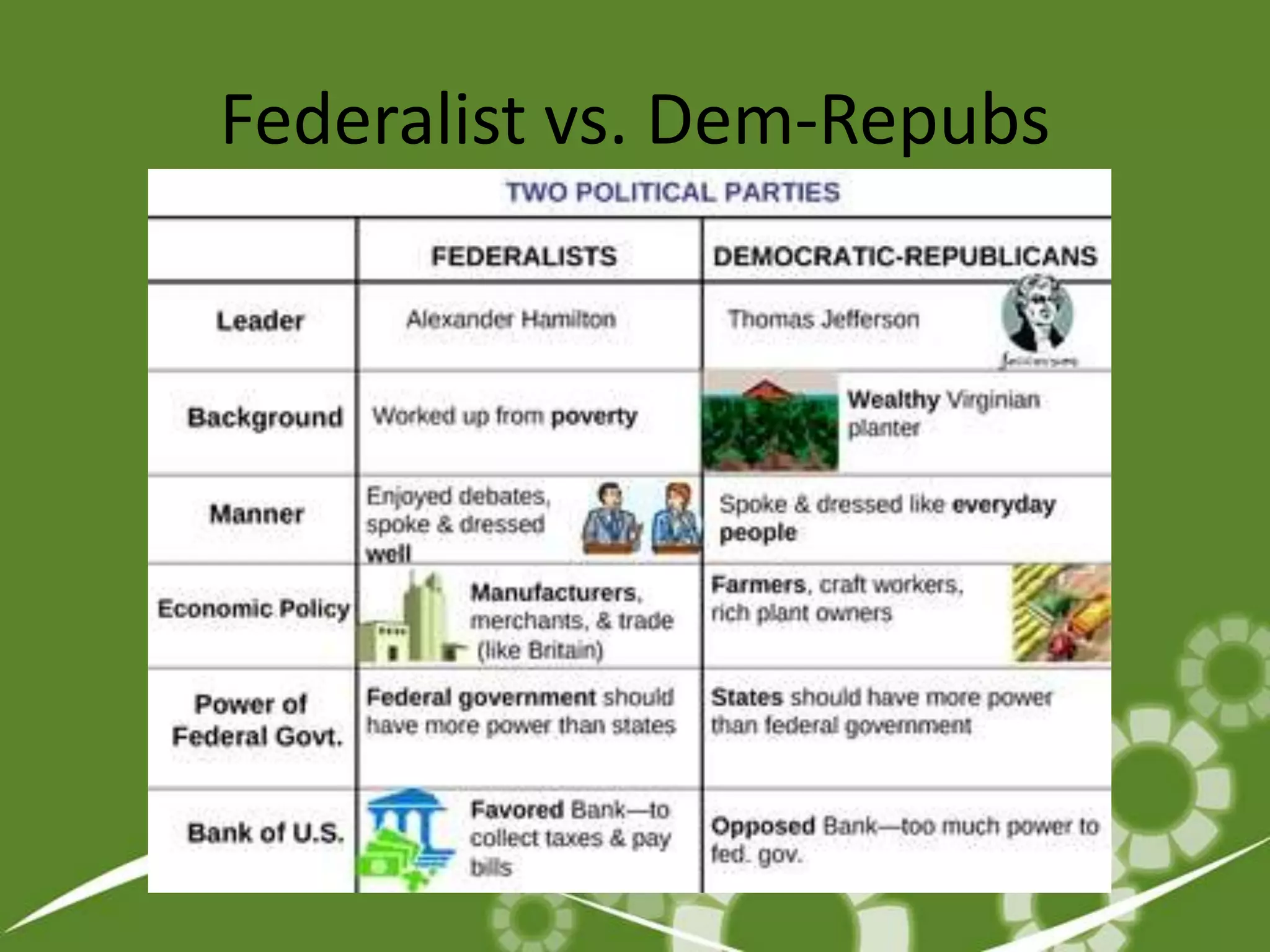
Strict vs. Loose ConstructionismStrict Constructionist: Interpret constitution literally (Thomas Jefferson)Loose Constructionist: Loose and broad interpretation of constitution (Alexander Hamilton)
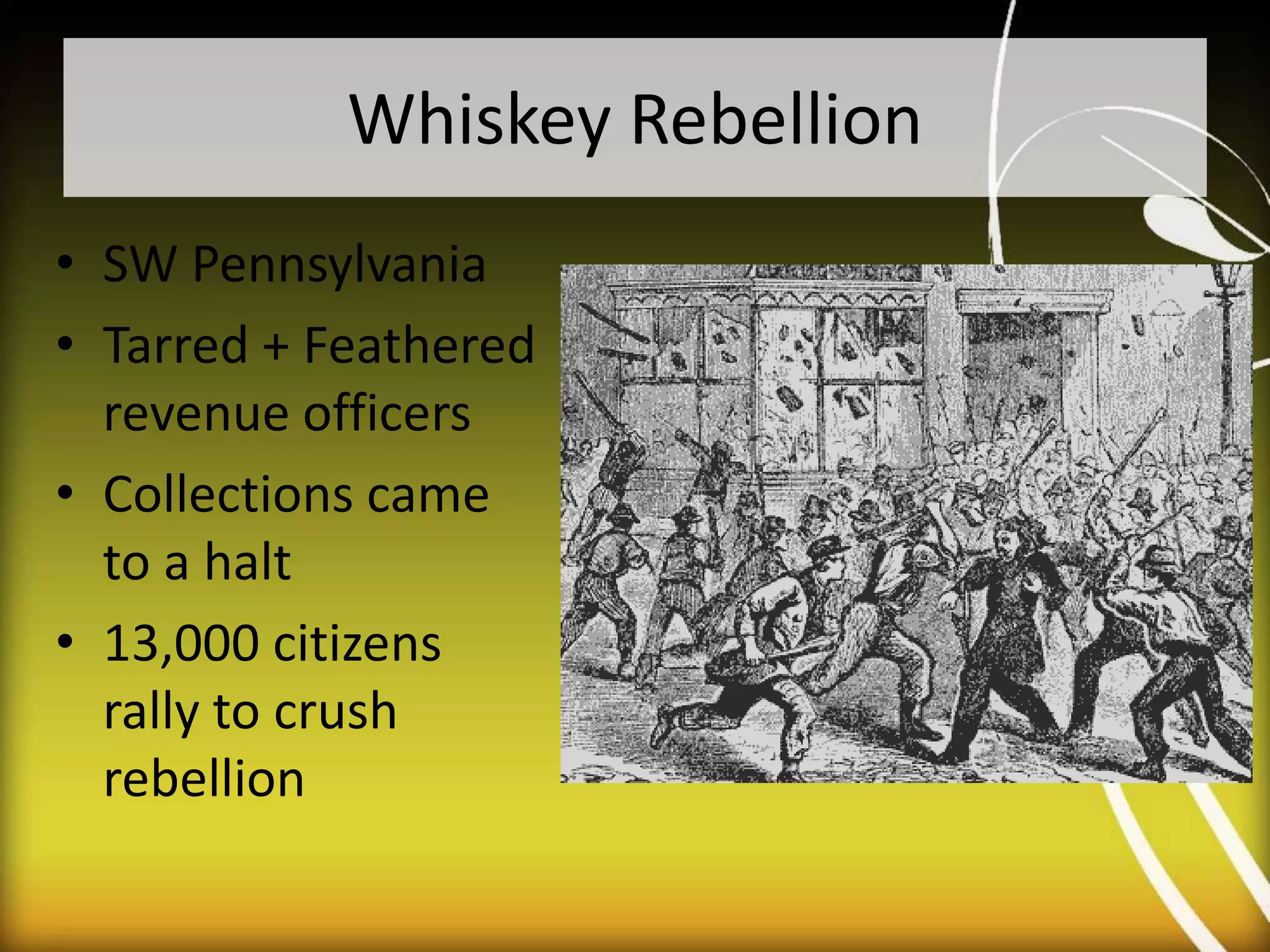
Whiskey RebellionSW PennsylvaniaTarred + Feathered revenue officersCollections came to a halt13,000 citizens rally to crush rebellion
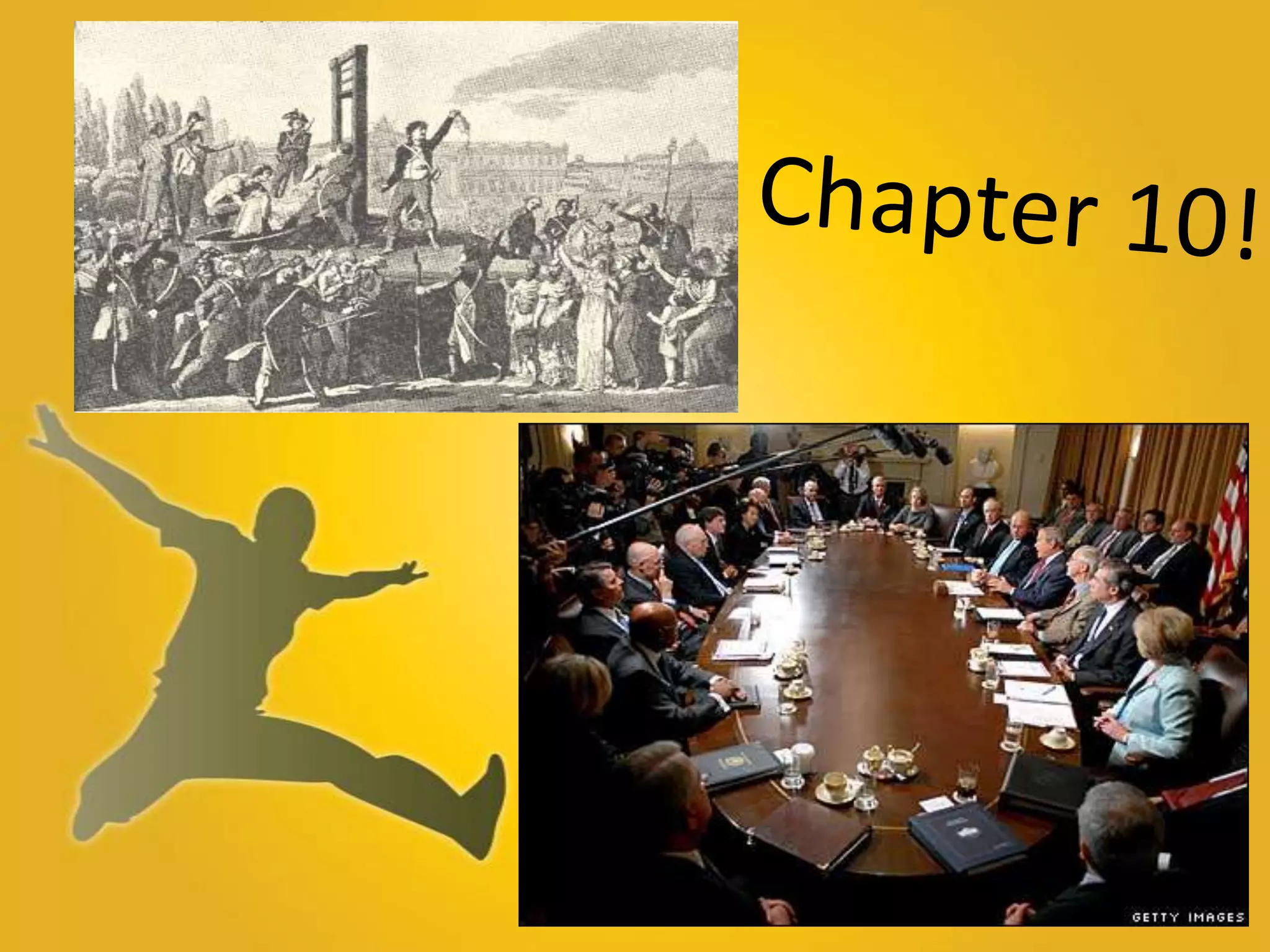
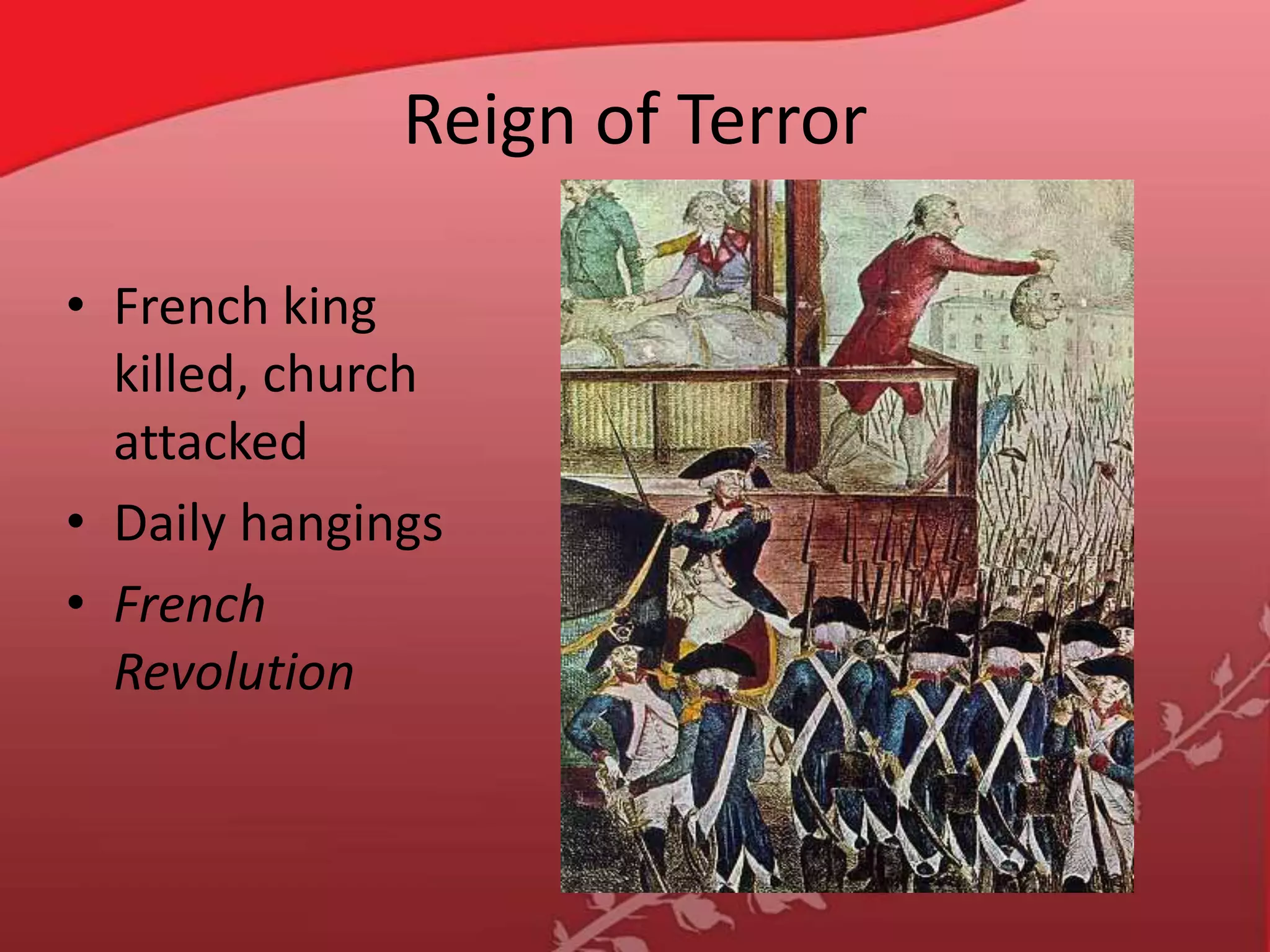
Reign of TerrorFrench king killed, church attackedDaily hangingsFrench Revolution
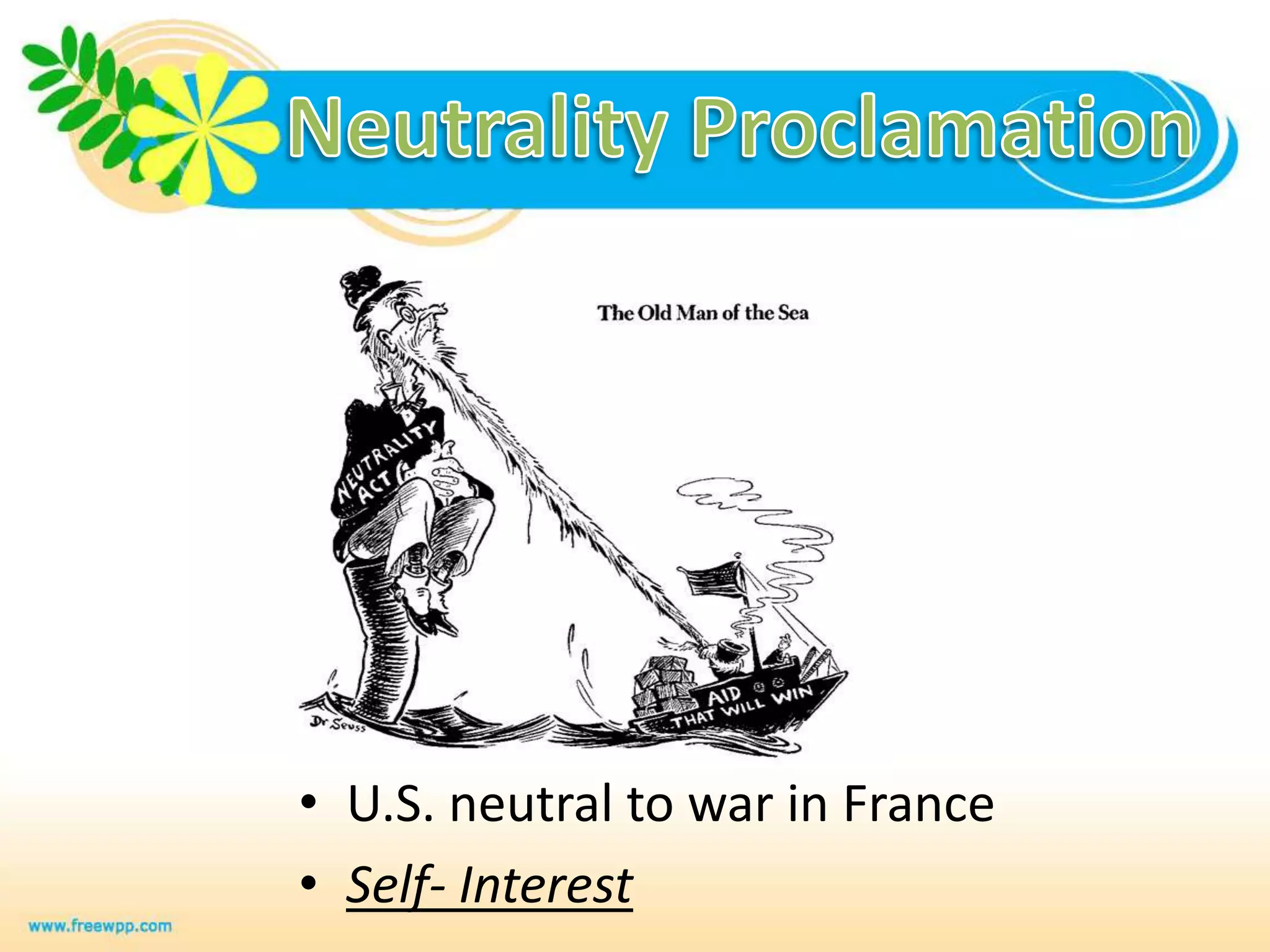
Neutrality ProclamationU.S. neutral to war in FranceSelf- Interest
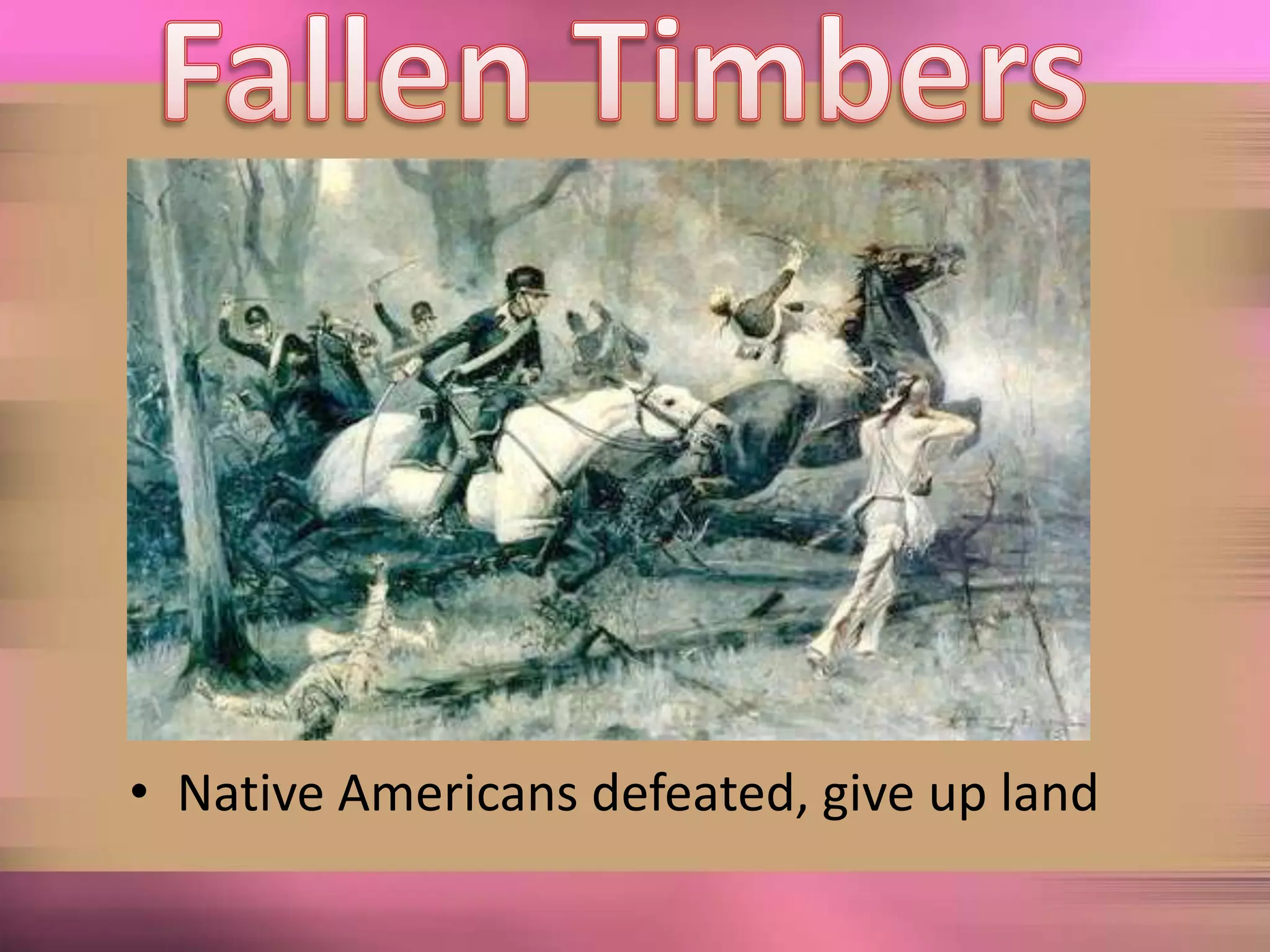
Fallen TimbersNative Americans defeated, give up land
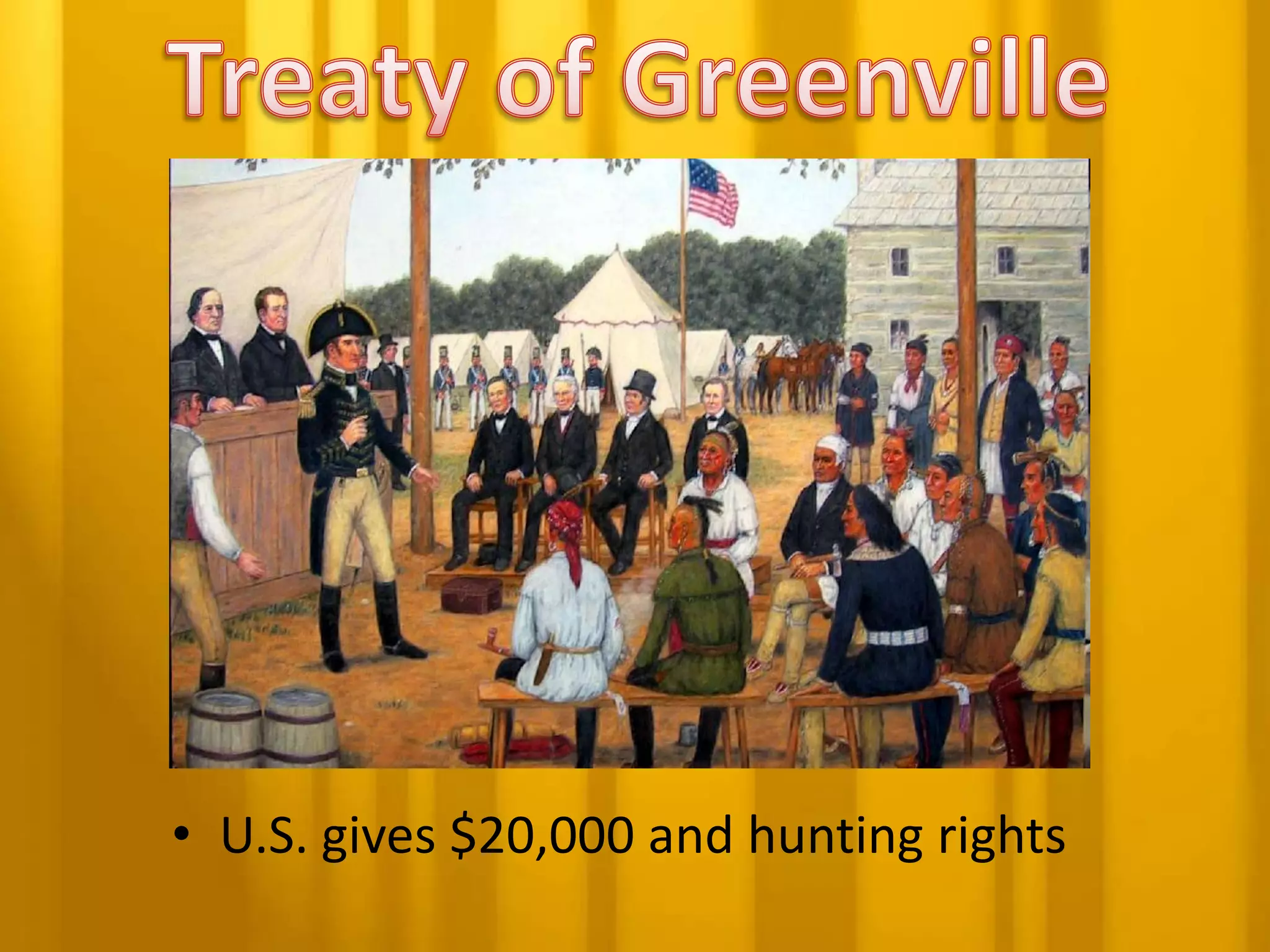
Treaty of GreenvilleU.S. gives $20,000 and hunting rights
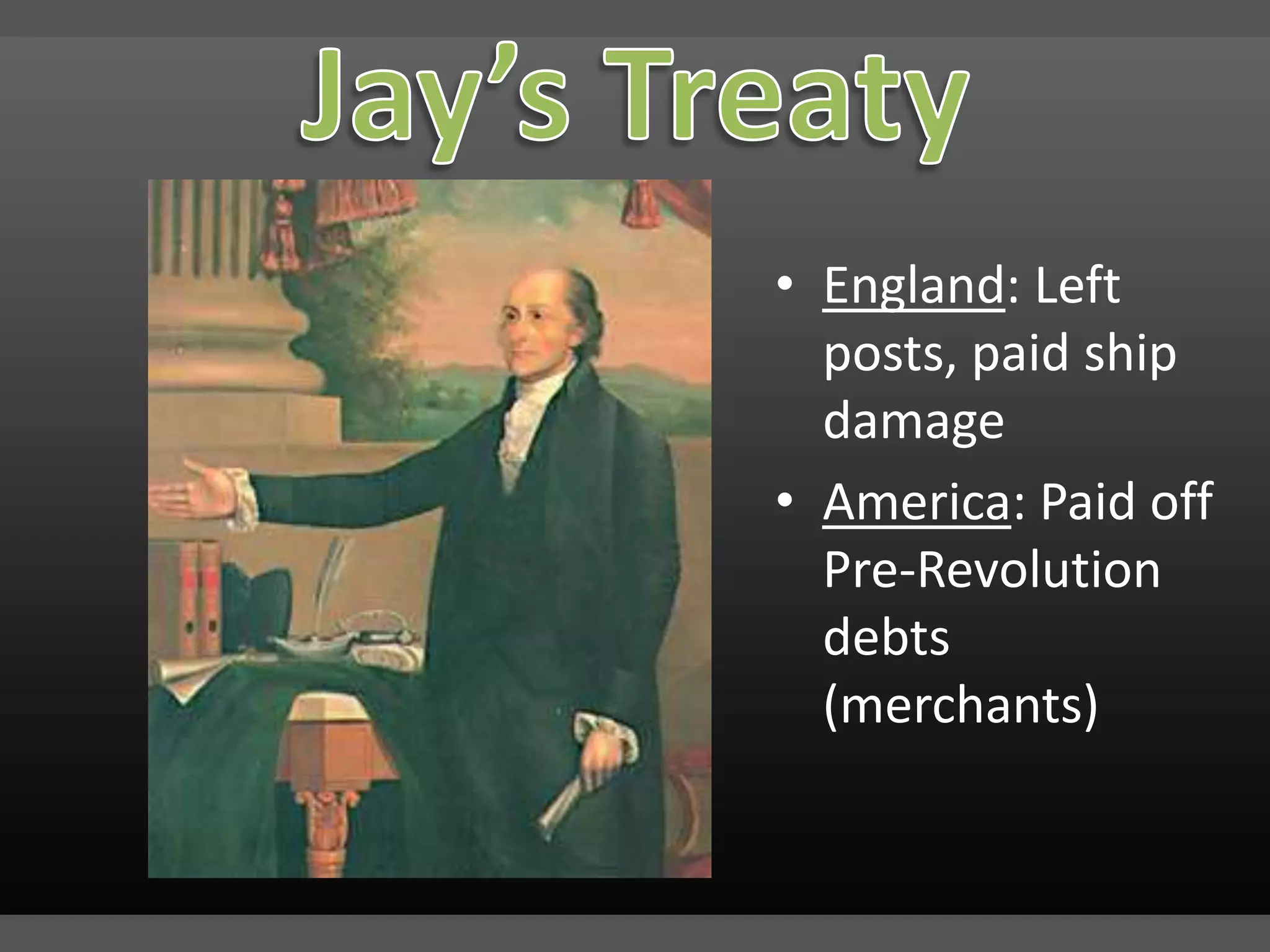
Jay’s TreatyEngland: Left posts, paid ship damageAmerica: Paid off Pre-Revolution debts (merchants)
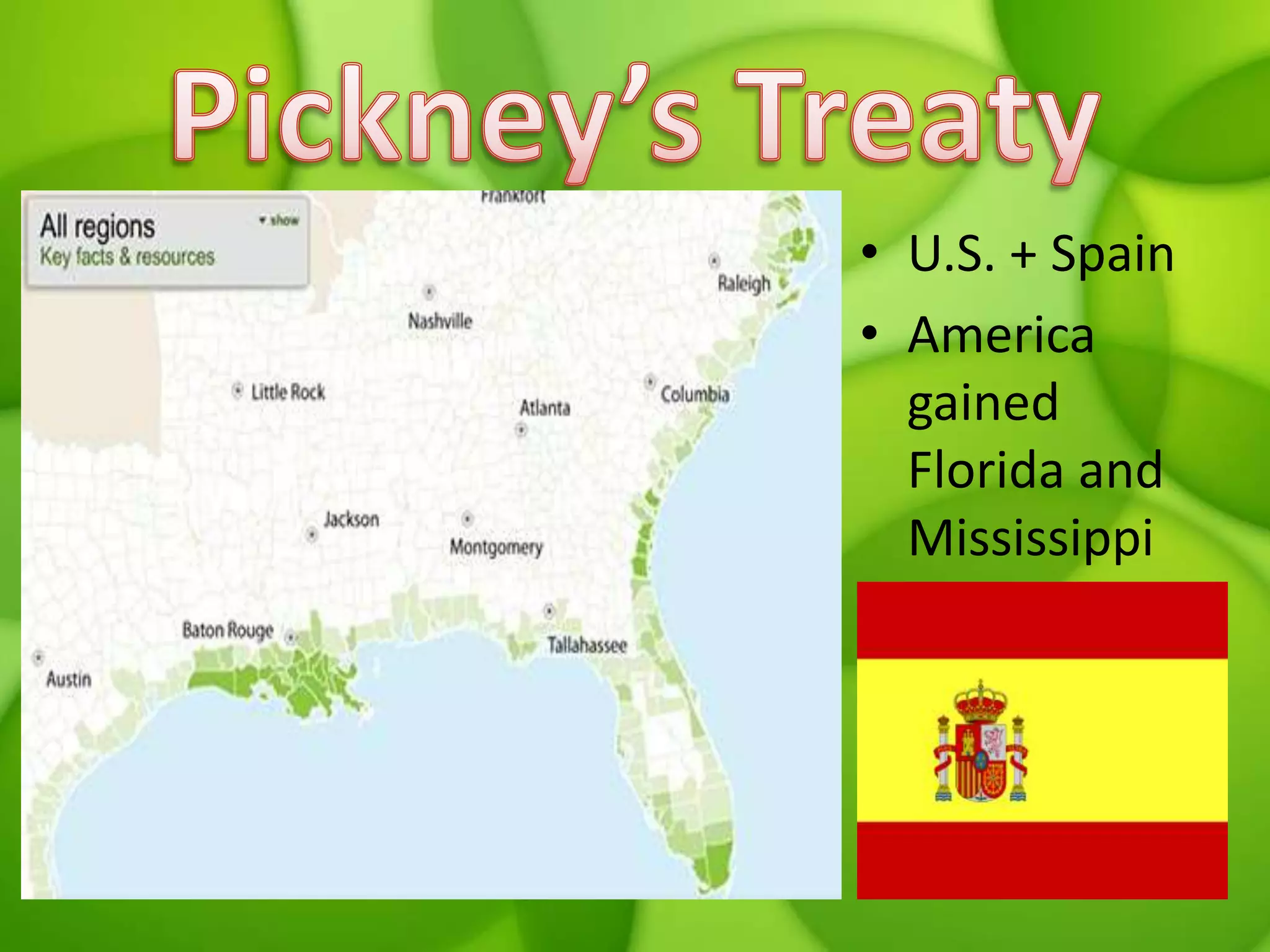
Pickney’s TreatyU.S. + SpainAmerica gained Florida and Mississippi
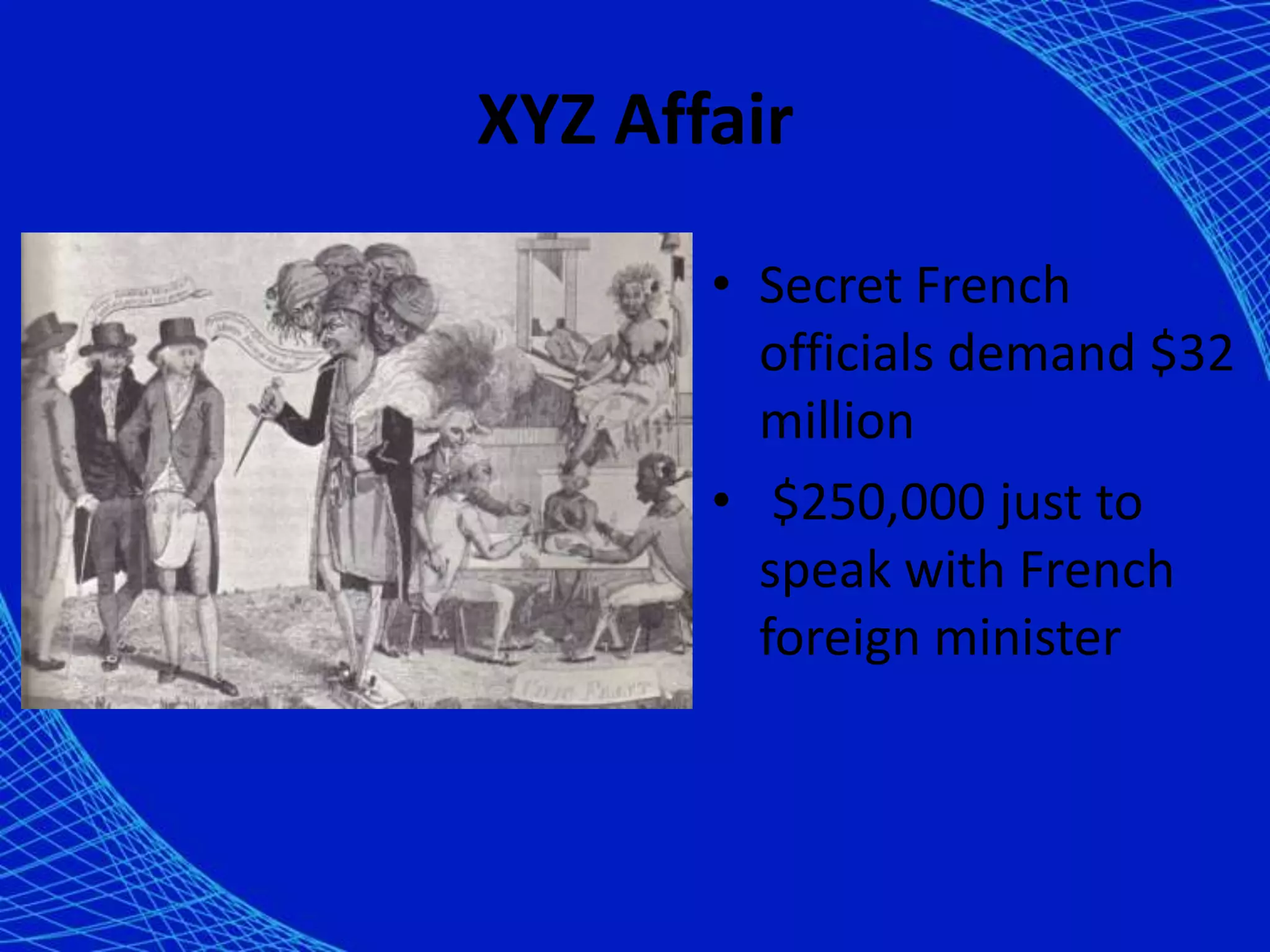
XYZ AffairSecret French officials demand $32 million $250,000 just to speak with French foreign minister
Convention of 1800Peace between France + U.S.Back to normal (ships, $, etc.)
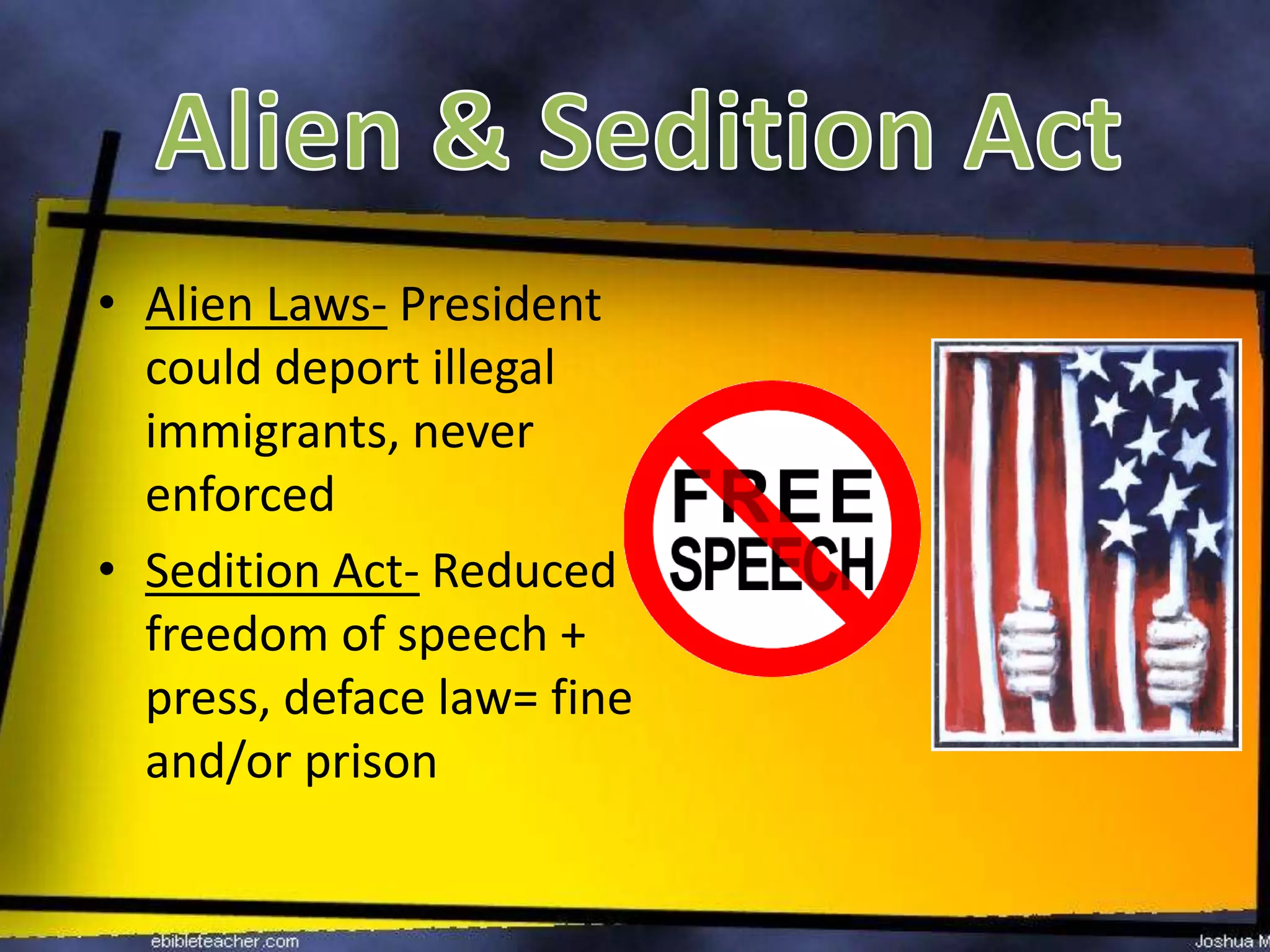
Alien & Sedition ActAlien Laws- President could deport illegal immigrants, never enforcedSedition Act- Reduced freedom of speech + press, deface law= fine and/or prison
NullificationRight to refuse lawsNo other states agree, 1803 adopted by Supreme Court
Federalist vs. Dem-Repubs

AP U.S. History Exam Study Guide