
Presented as Invited
Paper on 11-02-2017 at
International
Conference on
Reproductive Biology
and Comparative
Endocrinology (ICRBCE)
9-11 February 2017,
organized by
Department of Animal
biology, University of
Hyderabad, India.
Abstracted as IL-35
Antimicrobial Drug Resistance Pattern
of Bacteria Isolated from Cases of
Abortion and Metritis in Animals
Bhoj Raj Singh, DK Sinha, Vinodh Kumar OR, KP Singh, AM
Pawde, Prasanna Vadhana, M. Bhardwaj, A Saraf, S. Dubey
ICAR-Indian Veterinary Research Institute, Izatnagar,
Bareilly, UP, 243122
Abortions in animals
• Mostly noticed in 3rd trimester of pregnancy. Important non-specific causes
of abortions in dairy animals are:
– Drug-induced (prostaglandins)
– Insemination/intra-uterine infusion
– Hypothyroidism
– Trauma/stress (transport, noise, veterinary treatment etc.)
– High fever and endotoxins (toxic plants, nitrate/nitrite, fungal toxins, other
disease)
– Nutritional (malnutrition, vitamin A/selenium/vitamin E deficiency, goitre)
– Twin pregnancy
– Genetic (malformation)
Specific causes: Infectious Causes (Bacterial, viral, ricketssial, parasitic, mycotic
etc.)
• Abortion in 3-5% of pregnant animals are considered in normal range in a
herd and need for identification of cause is not considered by vets.
• However, occurrence of >5% abortions necessitate to find the specific
cause.
Specific causes or infectious causes of
abortions
• Except for some endemic areas most the infective abortions are due
to one or other bacteria. However, abortion may be caused by many
types of infective agents. Definitive causes include:
– Parasitic causes: Neospora caninum, a dog parasites, causing
neosporosis in cattle, common in some areas only.
– Protozoon infections: Tichomonas fetus
– Mycotic causes: Aspergillus infection.
– Viral causes: Bovine viral dirrhoea (BVD), Infectious bovine
rhinotracheitis (IBR), Blue tongue virus (BTV), Parainfluenza-3 virus,
Schmallenberg virus
– Bacterial causes: Brucella abortus, Listeria monocytogenes, Laptospira
spp., Mycoplasma spp., Trueperella (Arcanobacterium) pyogenes,
Campylobacter fetus venerealis and rarely other Campylobacter spp.
too, Chlamydia abortus, Ureaplasma diversu, Salmonella, Histophilus
somni etc.
• Opportunistic bacteria are often causes more abortions than
definitive causes of abortions.
Metritis & Pyometra
• Accumulation of pus in uterus is pyometra and swelling in endometrium,
and myometrium preventing conception or occurring after dystokia, faulty
insemination or trauma is usually the cause of the condition.
• In dairy animals, it occurs most commonly after calving complicated by
dystokia, retained fetal membranes, twins or stillbirths.
• In most of the cases one or other pyogenic bacteria is often associated
with the disorder.
• Some common bacteria that cause enteritis include:
– Salmonella enterica ssp. enterica serovars
– Escherichia coli
– Staphylococcus aureus and other staphylococci.
– Streptococcus species
– Campylobacter jejuni
– Yersinia enterocolitica
– Bacillus species
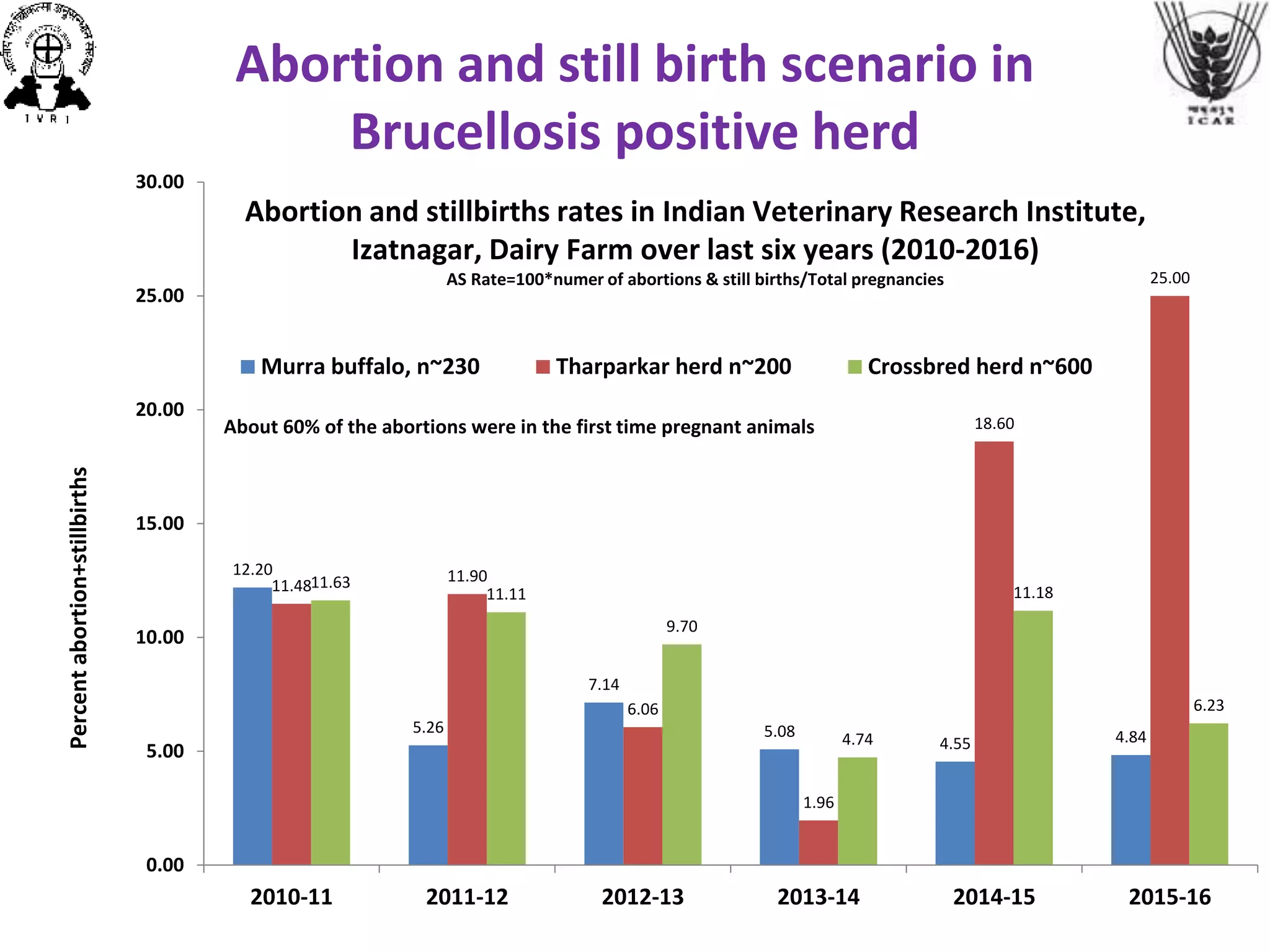
Abortion and still birth scenario in
Brucellosis positive herd
12.20
5.26
7.14
5.08
4.55 4.84
11.48
11.90
6.06
1.96
18.60
25.00
11.63
11.11
9.70
4.74
11.18
6.23
0.00
5.00
10.00
15.00
20.00
25.00
30.00
2010-11 2011-12 2012-13 2013-14 2014-15 2015-16
Murra buffalo, n~230 Tharparkar herd n~200 Crossbred herd n~600
Abortion and stillbirths rates in Indian Veterinary Research Institute,
Izatnagar, Dairy Farm over last six years (2010-2016)
AS Rate=100*numer of abortions & still births/Total pregnancies
Percentabortion+stillbirths
About 60% of the abortions were in the first time pregnant animals
Materials and Methods
• Samples collected: Aborted foetuses from diaries in Bareilly
Region from April 2011- December 2016). From 246 foetuses
samples of stomach contents, liver, spleen and kidneys were
collected.
• Uterine swab from 21 clinical cases of pyometra/ metritis were
processed.
• Samples were processed for isolation and characterization of
Bacteria (Aerobic and microaerobic).
• Isolated bacteria were tested for antibiotic sensitivity using disc
diffusion assay.
• For detecting ESBL, Carbapenemase, NDM and other MBLs
using E-strips and PCR.
• Serum from dams was collected and tested for antibodies for
the isolated bacteria from foetuses to confirm association of
infection with abortion.
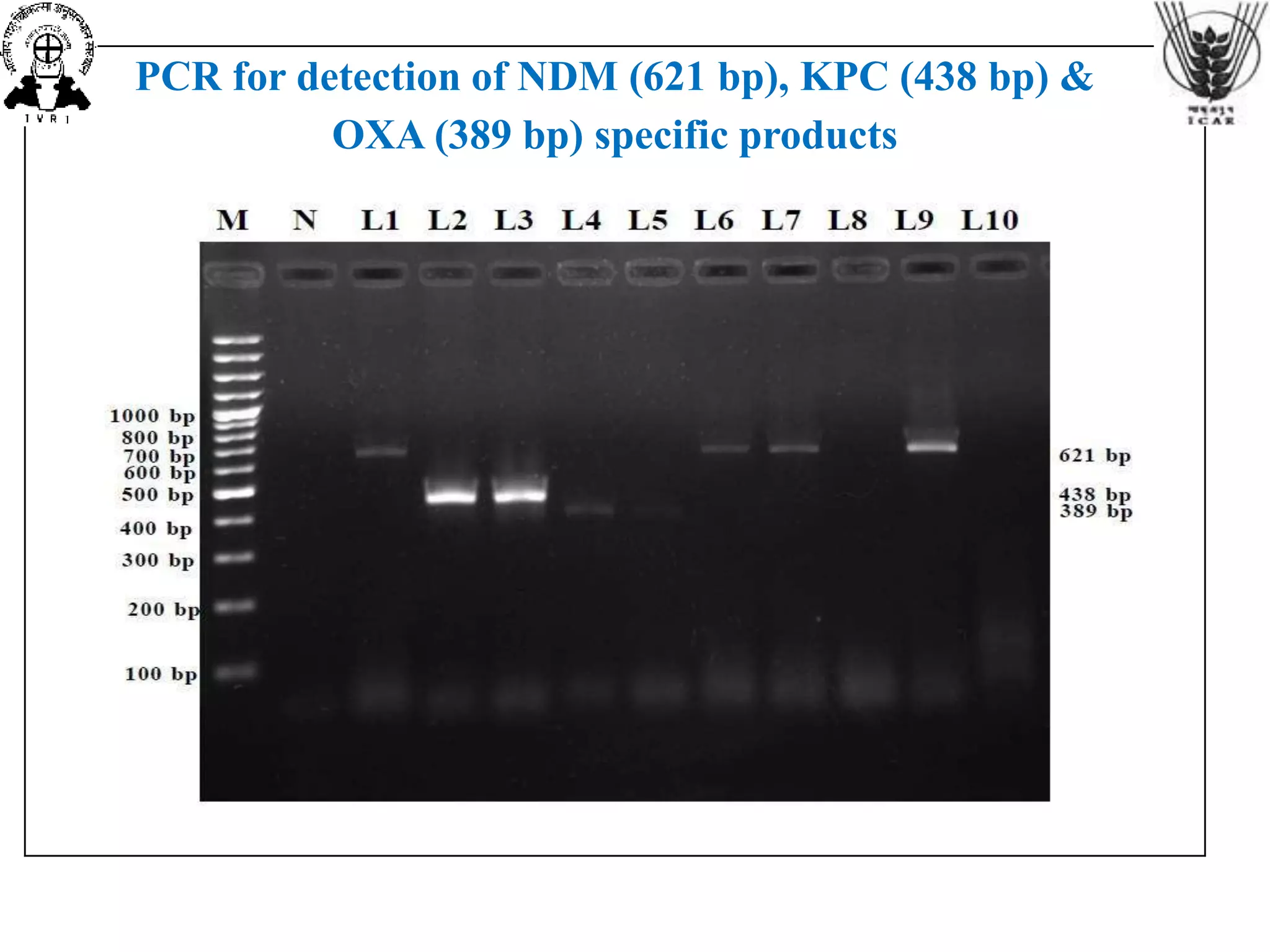
PCR for detection of NDM (621 bp), KPC (438 bp) &
OXA (389 bp) specific products
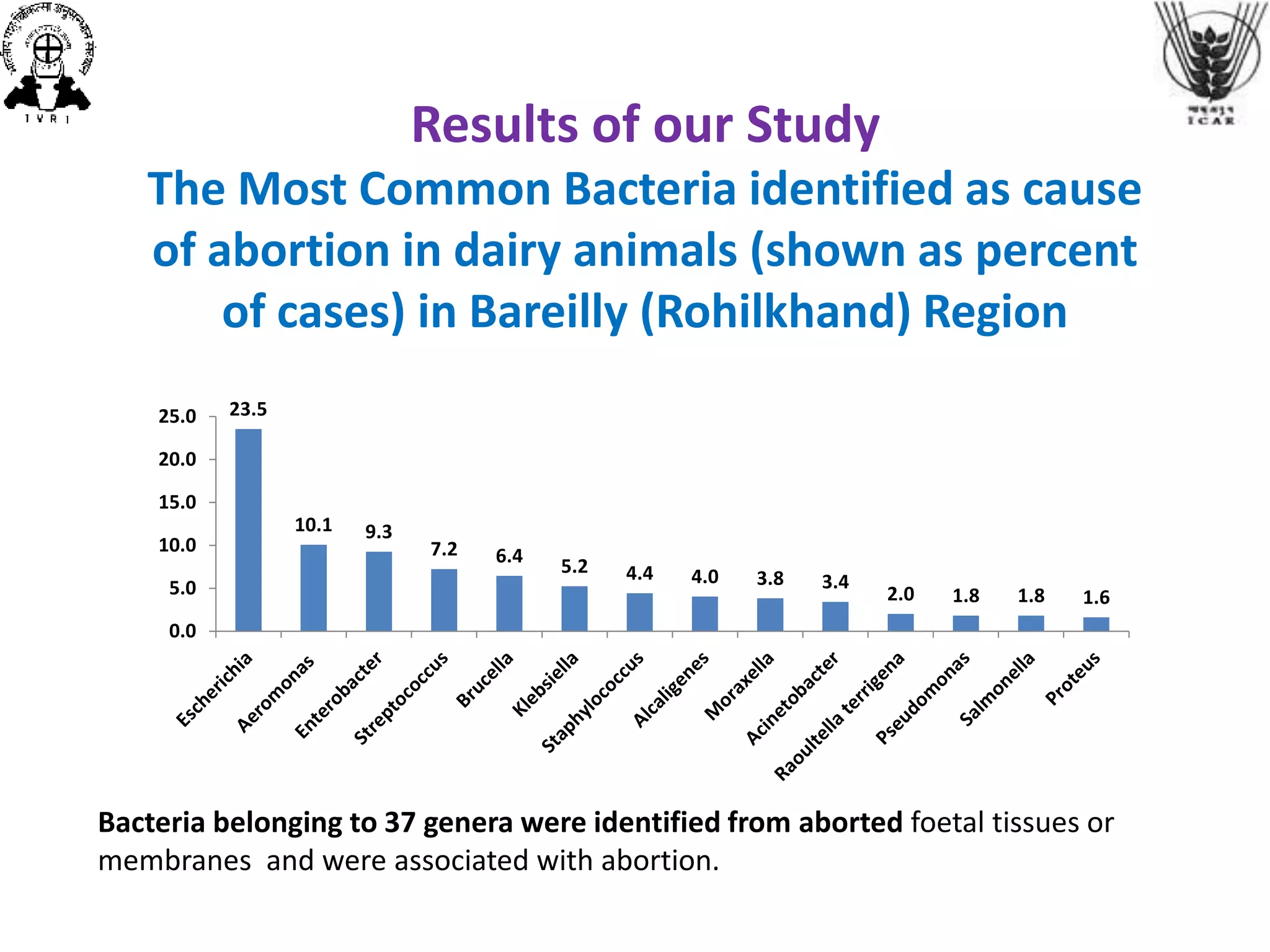
Results of our Study
The Most Common Bacteria identified as cause
of abortion in dairy animals (shown as percent
of cases) in Bareilly (Rohilkhand) Region
23.5
10.1 9.3
7.2 6.4 5.2 4.4 4.0 3.8 3.4
2.0 1.8 1.8 1.6
0.0
5.0
10.0
15.0
20.0
25.0
Bacteria belonging to 37 genera were identified from aborted foetal tissues or
membranes and were associated with abortion.
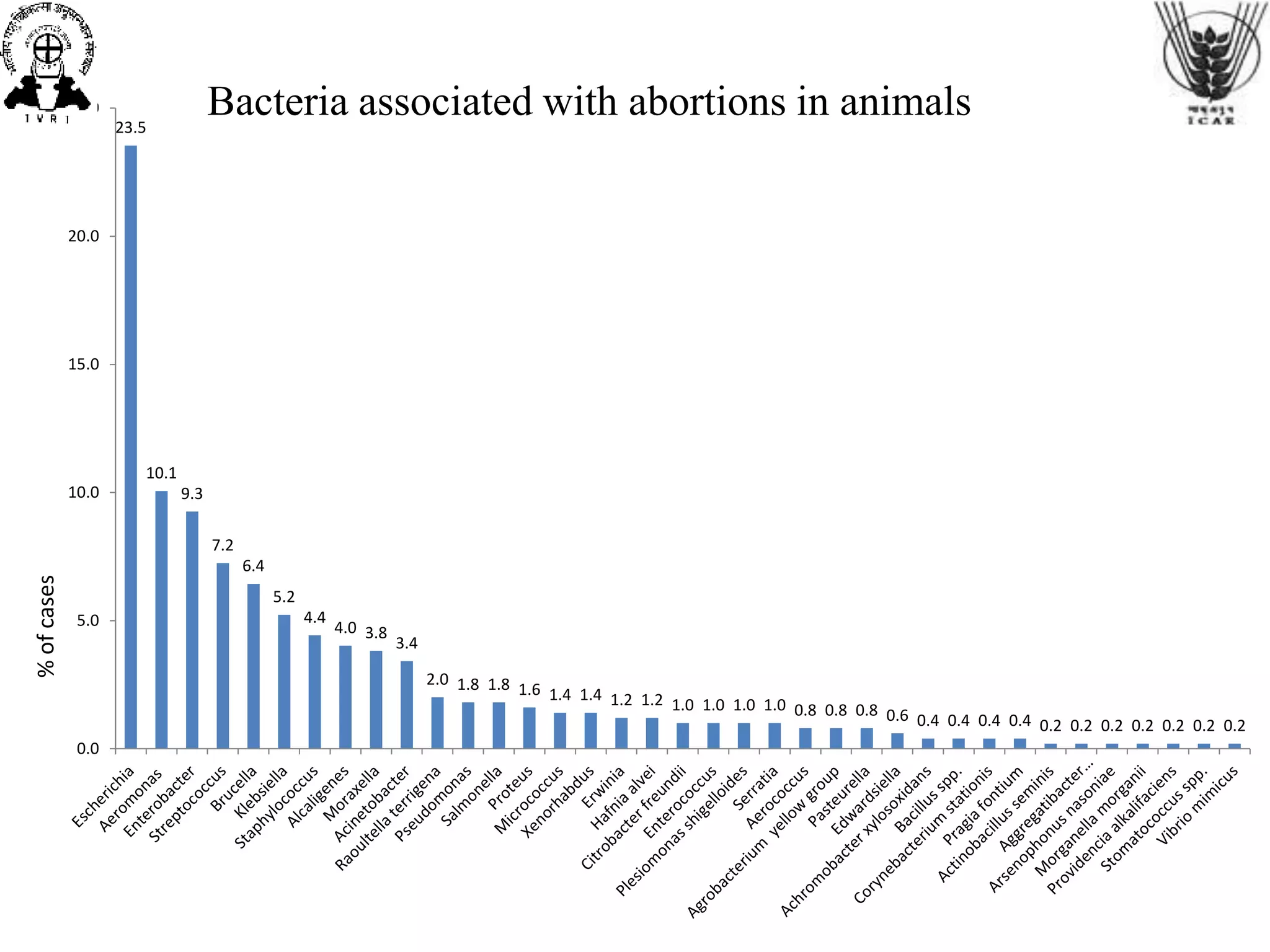
23.5
10.1
9.3
7.2
6.4
5.2
4.4
4.0 3.8
3.4
2.0 1.8 1.8 1.6 1.4 1.4 1.2 1.2 1.0 1.0 1.0 1.0 0.8 0.8 0.8 0.6 0.4 0.4 0.4 0.4 0.2 0.2 0.2 0.2 0.2 0.2 0.2
0.0
5.0
10.0
15.0
20.0
25.0
%ofcases
Bacteria associated with abortions in animals
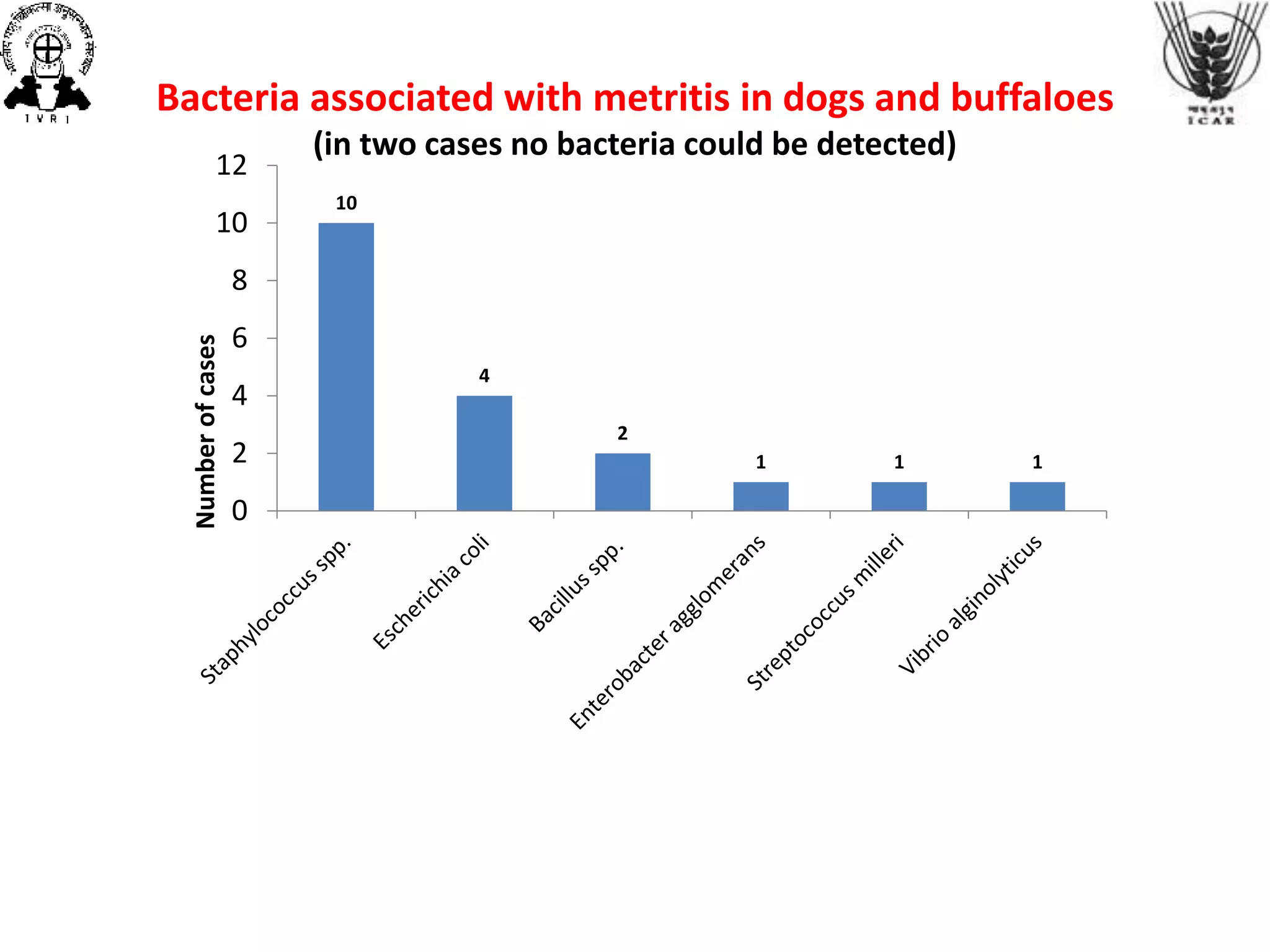
Bacteria associated with metritis in dogs and buffaloes
(in two cases no bacteria could be detected)
10
4
2
1 1 1
0
2
4
6
8
10
12
Numberofcases
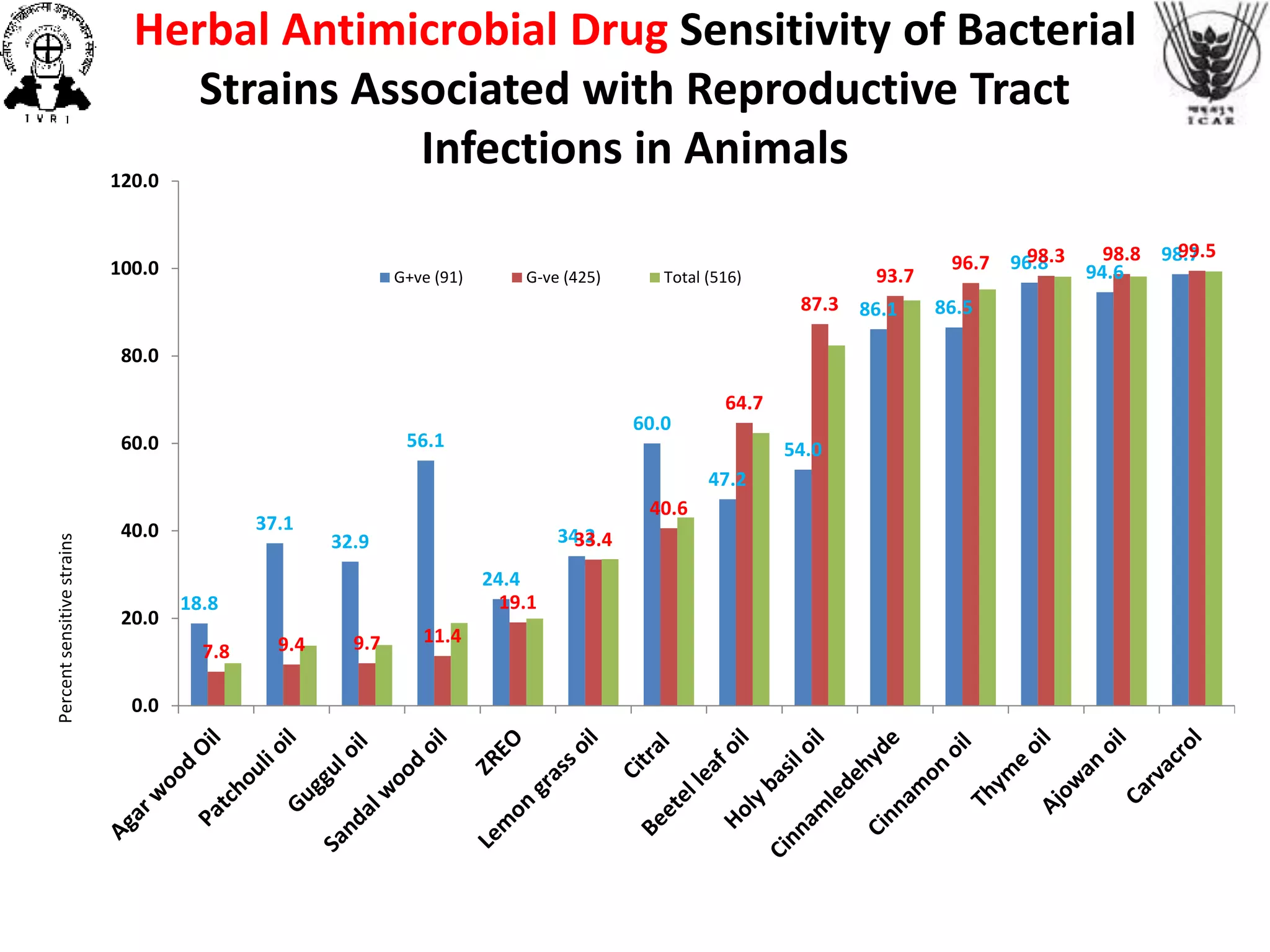
Herbal Antimicrobial Drug Sensitivity of Bacterial
Strains Associated with Reproductive Tract
Infections in Animals
18.8
37.1
32.9
56.1
24.4
34.2
60.0
47.2
54.0
86.1 86.5
96.8 94.6
98.7
7.8 9.4 9.7 11.4
19.1
33.4
40.6
64.7
87.3
93.7
96.7 98.3 98.8 99.5
0.0
20.0
40.0
60.0
80.0
100.0
120.0
G+ve (91) G-ve (425) Total (516)
Percentsensitivestrains
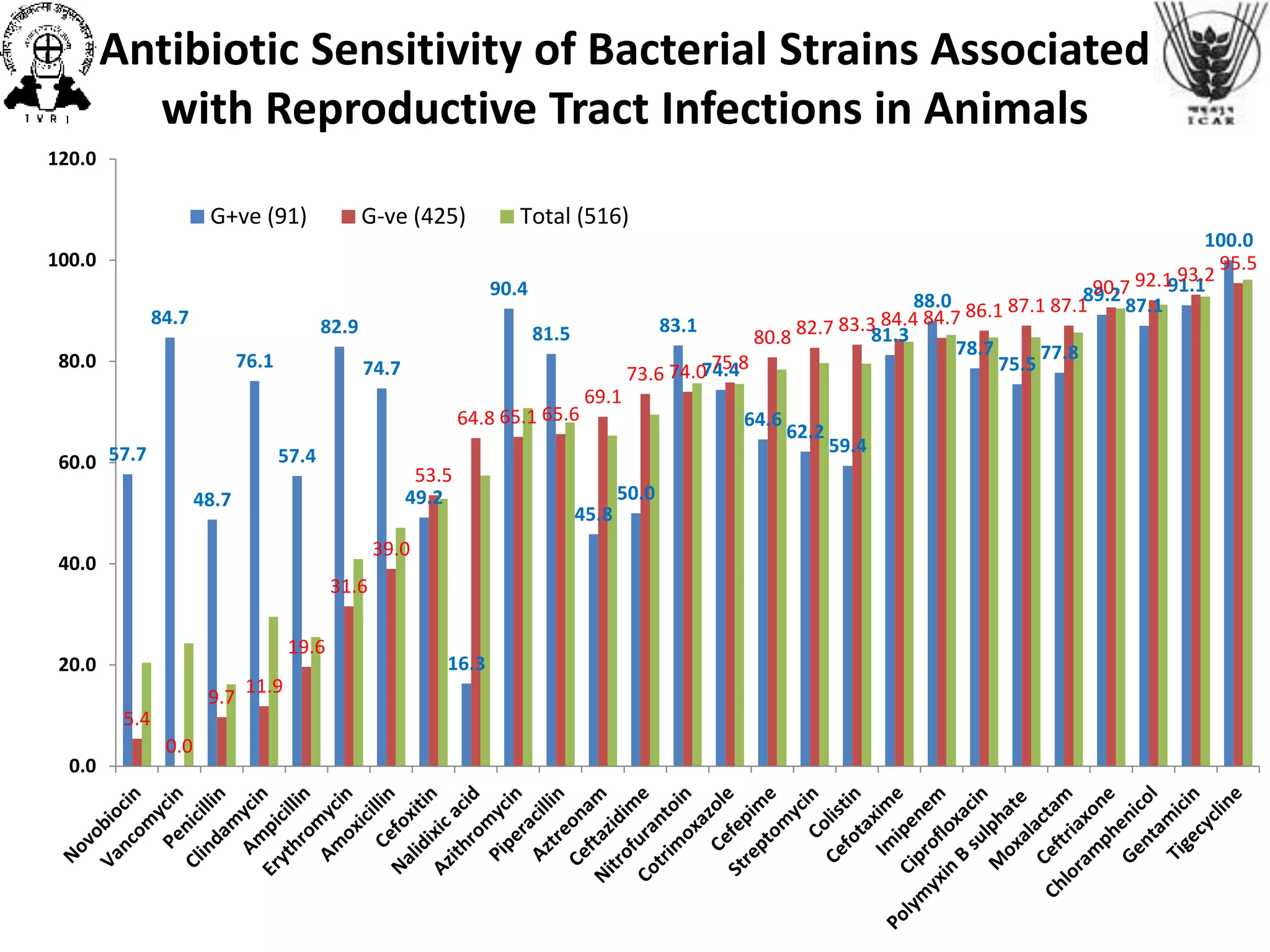
Antibiotic Sensitivity of Bacterial Strains Associated
with Reproductive Tract Infections in Animals
57.7
84.7
48.7
76.1
57.4
82.9
74.7
49.2
16.3
90.4
81.5
45.8
50.0
83.1
74.4
64.6
62.2
59.4
81.3
88.0
78.7
75.5
77.8
89.2
87.1
91.1
100.0
5.4
0.0
9.7
11.9
19.6
31.6
39.0
53.5
64.8 65.1 65.6
69.1
73.6 74.0 75.8
80.8 82.7 83.3 84.4 84.7 86.1 87.1 87.1
90.7 92.1 93.2
95.5
0.0
20.0
40.0
60.0
80.0
100.0
120.0
G+ve (91) G-ve (425) Total (516)
The Most Effective antibiotics
against bacteria causing RTI
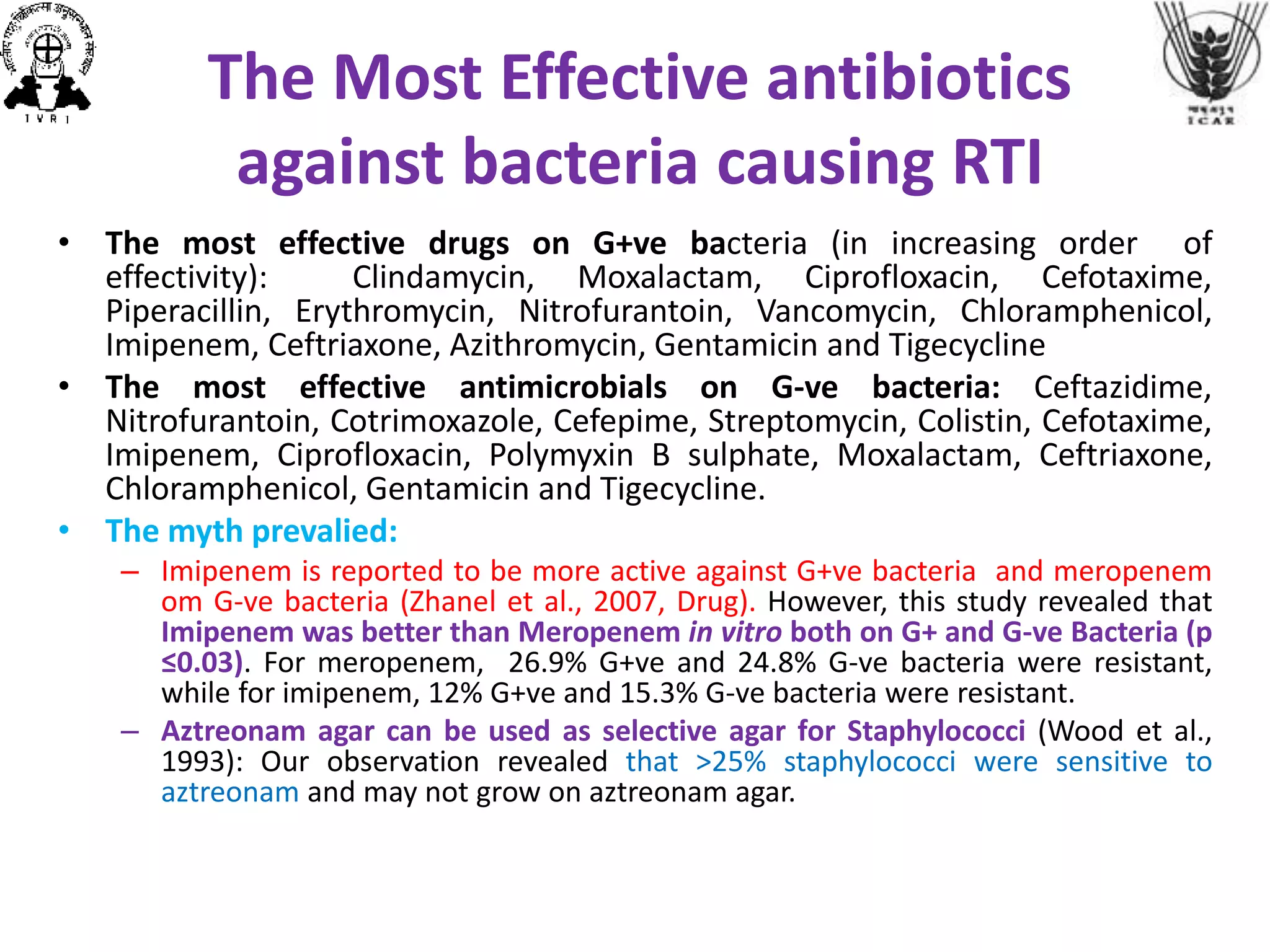
• The most effective drugs on G+ve bacteria (in increasing order of
effectivity): Clindamycin, Moxalactam, Ciprofloxacin, Cefotaxime,
Piperacillin, Erythromycin, Nitrofurantoin, Vancomycin, Chloramphenicol,
Imipenem, Ceftriaxone, Azithromycin, Gentamicin and Tigecycline
• The most effective antimicrobials on G-ve bacteria: Ceftazidime,
Nitrofurantoin, Cotrimoxazole, Cefepime, Streptomycin, Colistin, Cefotaxime,
Imipenem, Ciprofloxacin, Polymyxin B sulphate, Moxalactam, Ceftriaxone,
Chloramphenicol, Gentamicin and Tigecycline.
• The myth prevalied:
– Imipenem is reported to be more active against G+ve bacteria and meropenem
om G-ve bacteria (Zhanel et al., 2007, Drug). However, this study revealed that
Imipenem was better than Meropenem in vitro both on G+ and G-ve Bacteria (p
≤0.03). For meropenem, 26.9% G+ve and 24.8% G-ve bacteria were resistant,
while for imipenem, 12% G+ve and 15.3% G-ve bacteria were resistant.
– Aztreonam agar can be used as selective agar for Staphylococci (Wood et al.,
1993): Our observation revealed that >25% staphylococci were sensitive to
aztreonam and may not grow on aztreonam agar.
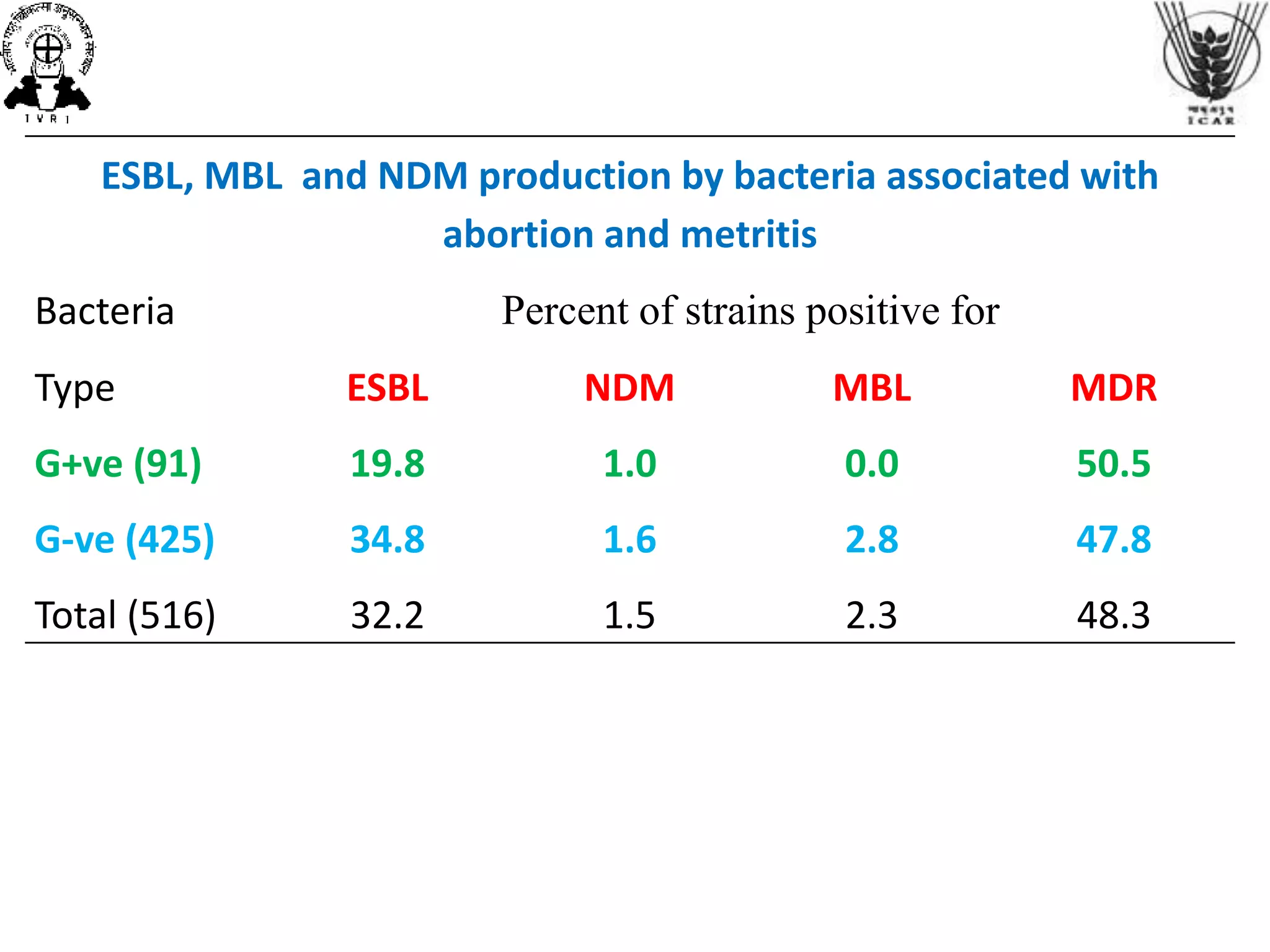
ESBL, MBL and NDM production by bacteria associated with
abortion and metritis
Bacteria Percent of strains positive for
Type ESBL NDM MBL MDR
G+ve (91) 19.8 1.0 0.0 50.5
G-ve (425) 34.8 1.6 2.8 47.8
Total (516) 32.2 1.5 2.3 48.3
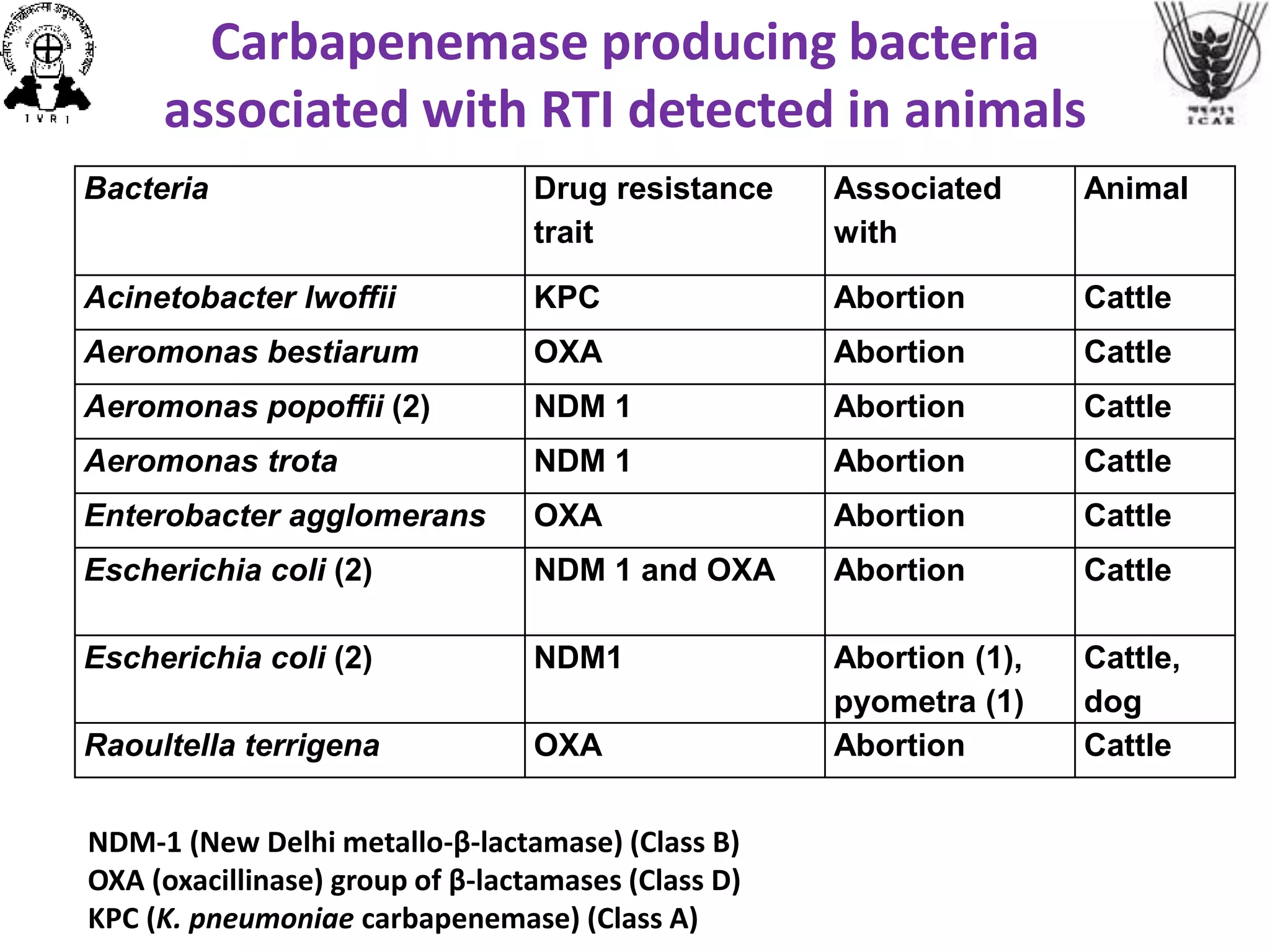
Bacteria Drug resistance
trait
Associated
with
Animal
Acinetobacter lwoffii KPC Abortion Cattle
Aeromonas bestiarum OXA Abortion Cattle
Aeromonas popoffii (2) NDM 1 Abortion Cattle
Aeromonas trota NDM 1 Abortion Cattle
Enterobacter agglomerans OXA Abortion Cattle
Escherichia coli (2) NDM 1 and OXA Abortion Cattle
Escherichia coli (2) NDM1 Abortion (1),
pyometra (1)
Cattle,
dog
Raoultella terrigena OXA Abortion Cattle
NDM-1 (New Delhi metallo-β-lactamase) (Class B)
OXA (oxacillinase) group of β-lactamases (Class D)
KPC (K. pneumoniae carbapenemase) (Class A)
Carbapenemase producing bacteria
associated with RTI detected in animals
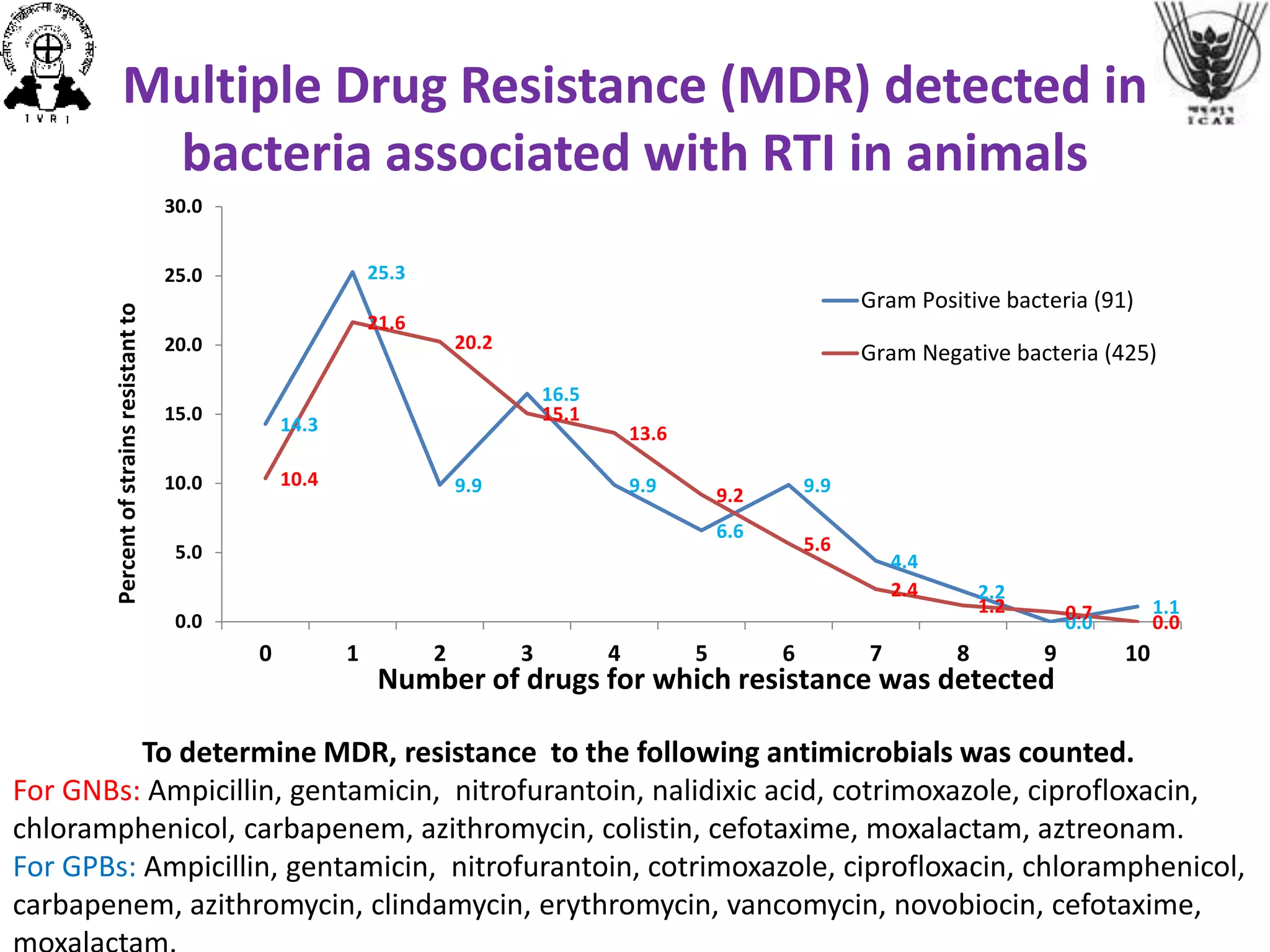
Multiple Drug Resistance (MDR) detected in
bacteria associated with RTI in animals
14.3
25.3
9.9
16.5
9.9
6.6
9.9
4.4
2.2
0.0
1.1
10.4
21.6
20.2
15.1
13.6
9.2
5.6
2.4
1.2 0.7 0.00.0
5.0
10.0
15.0
20.0
25.0
30.0
0 1 2 3 4 5 6 7 8 9 10
Gram Positive bacteria (91)
Gram Negative bacteria (425)
Number of drugs for which resistance was detected
Percentofstrainsresistantto
To determine MDR, resistance to the following antimicrobials was counted.
For GNBs: Ampicillin, gentamicin, nitrofurantoin, nalidixic acid, cotrimoxazole, ciprofloxacin,
chloramphenicol, carbapenem, azithromycin, colistin, cefotaxime, moxalactam, aztreonam.
For GPBs: Ampicillin, gentamicin, nitrofurantoin, cotrimoxazole, ciprofloxacin, chloramphenicol,
carbapenem, azithromycin, clindamycin, erythromycin, vancomycin, novobiocin, cefotaxime,
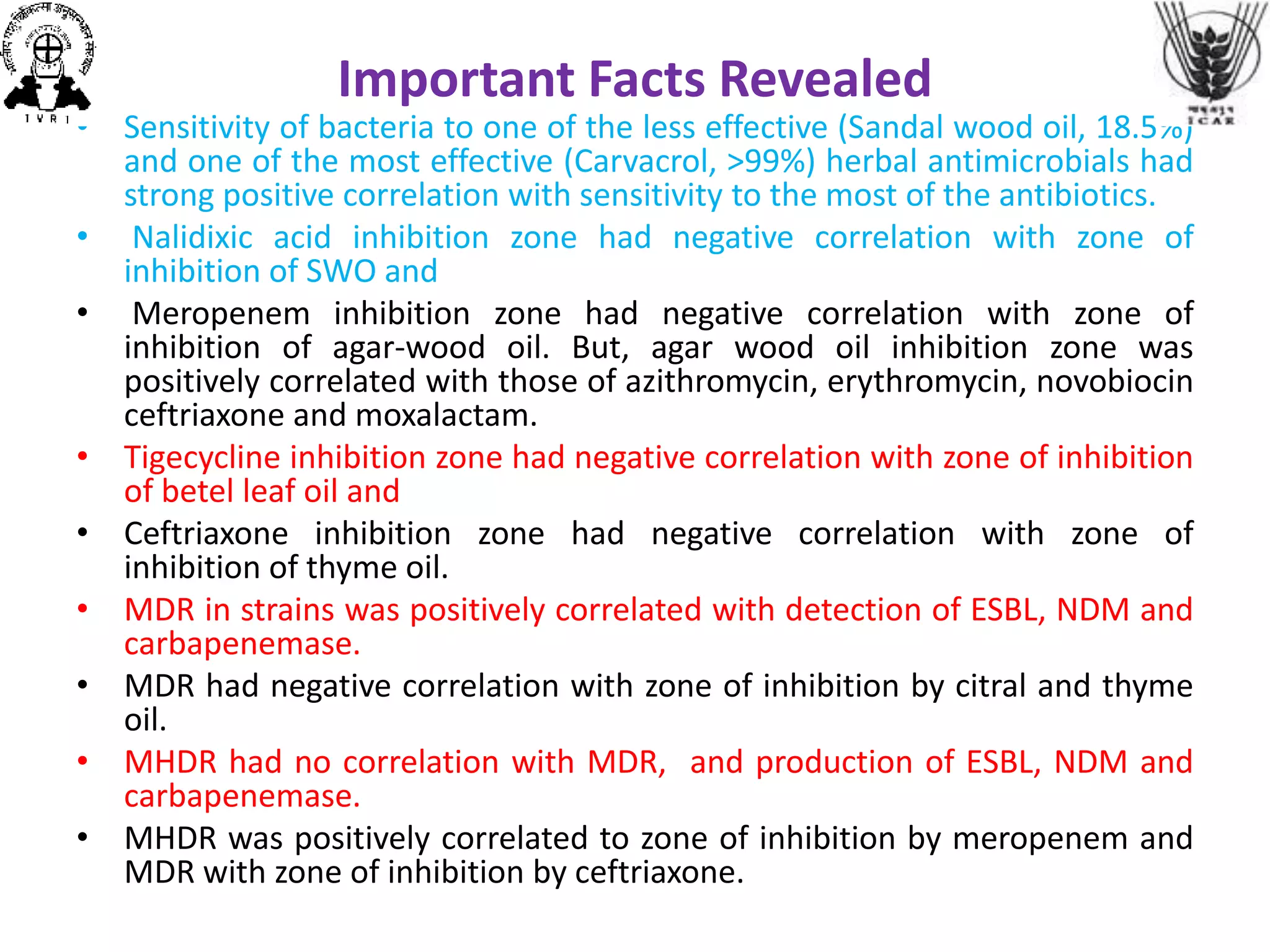
Important Facts Revealed
• Sensitivity of bacteria to one of the less effective (Sandal wood oil, 18.5%)
and one of the most effective (Carvacrol, >99%) herbal antimicrobials had
strong positive correlation with sensitivity to the most of the antibiotics.
• Nalidixic acid inhibition zone had negative correlation with zone of
inhibition of SWO and
• Meropenem inhibition zone had negative correlation with zone of
inhibition of agar-wood oil. But, agar wood oil inhibition zone was
positively correlated with those of azithromycin, erythromycin, novobiocin
ceftriaxone and moxalactam.
• Tigecycline inhibition zone had negative correlation with zone of inhibition
of betel leaf oil and
• Ceftriaxone inhibition zone had negative correlation with zone of
inhibition of thyme oil.
• MDR in strains was positively correlated with detection of ESBL, NDM and
carbapenemase.
• MDR had negative correlation with zone of inhibition by citral and thyme
oil.
• MHDR had no correlation with MDR, and production of ESBL, NDM and
carbapenemase.
• MHDR was positively correlated to zone of inhibition by meropenem and
MDR with zone of inhibition by ceftriaxone.
Conclusions
• Besides the known causes of abortions in animals,
opportunistic pathogens appears to be more
important cause of sporadic abortions.
• Some of the herbal antimicrobial are as good as
antibiotics or even better, the question is how we
can use these to alleviate the infections of
reproductive tract.
• In vitro studies are just indicative and real picture
may be lucid after in vivo studies for which a
concerted one health study is the need of the day.
Antimicrobial drug resistance pattern of bacteria isolated from cases of abortion  and metritis

Antimicrobial drug resistance pattern of bacteria isolated from cases of abortion and metritis

  • 1.
    Presented as Invited Paperon 11-02-2017 at International Conference on Reproductive Biology and Comparative Endocrinology (ICRBCE) 9-11 February 2017, organized by Department of Animal biology, University of Hyderabad, India. Abstracted as IL-35
  • 2.
    Antimicrobial Drug ResistancePattern of Bacteria Isolated from Cases of Abortion and Metritis in Animals Bhoj Raj Singh, DK Sinha, Vinodh Kumar OR, KP Singh, AM Pawde, Prasanna Vadhana, M. Bhardwaj, A Saraf, S. Dubey ICAR-Indian Veterinary Research Institute, Izatnagar, Bareilly, UP, 243122
  • 3.
    Abortions in animals •Mostly noticed in 3rd trimester of pregnancy. Important non-specific causes of abortions in dairy animals are: – Drug-induced (prostaglandins) – Insemination/intra-uterine infusion – Hypothyroidism – Trauma/stress (transport, noise, veterinary treatment etc.) – High fever and endotoxins (toxic plants, nitrate/nitrite, fungal toxins, other disease) – Nutritional (malnutrition, vitamin A/selenium/vitamin E deficiency, goitre) – Twin pregnancy – Genetic (malformation) Specific causes: Infectious Causes (Bacterial, viral, ricketssial, parasitic, mycotic etc.) • Abortion in 3-5% of pregnant animals are considered in normal range in a herd and need for identification of cause is not considered by vets. • However, occurrence of >5% abortions necessitate to find the specific cause.
  • 4.
    Specific causes orinfectious causes of abortions • Except for some endemic areas most the infective abortions are due to one or other bacteria. However, abortion may be caused by many types of infective agents. Definitive causes include: – Parasitic causes: Neospora caninum, a dog parasites, causing neosporosis in cattle, common in some areas only. – Protozoon infections: Tichomonas fetus – Mycotic causes: Aspergillus infection. – Viral causes: Bovine viral dirrhoea (BVD), Infectious bovine rhinotracheitis (IBR), Blue tongue virus (BTV), Parainfluenza-3 virus, Schmallenberg virus – Bacterial causes: Brucella abortus, Listeria monocytogenes, Laptospira spp., Mycoplasma spp., Trueperella (Arcanobacterium) pyogenes, Campylobacter fetus venerealis and rarely other Campylobacter spp. too, Chlamydia abortus, Ureaplasma diversu, Salmonella, Histophilus somni etc. • Opportunistic bacteria are often causes more abortions than definitive causes of abortions.
  • 5.
    Metritis & Pyometra •Accumulation of pus in uterus is pyometra and swelling in endometrium, and myometrium preventing conception or occurring after dystokia, faulty insemination or trauma is usually the cause of the condition. • In dairy animals, it occurs most commonly after calving complicated by dystokia, retained fetal membranes, twins or stillbirths. • In most of the cases one or other pyogenic bacteria is often associated with the disorder. • Some common bacteria that cause enteritis include: – Salmonella enterica ssp. enterica serovars – Escherichia coli – Staphylococcus aureus and other staphylococci. – Streptococcus species – Campylobacter jejuni – Yersinia enterocolitica – Bacillus species
  • 6.
    Abortion and stillbirth scenario in Brucellosis positive herd 12.20 5.26 7.14 5.08 4.55 4.84 11.48 11.90 6.06 1.96 18.60 25.00 11.63 11.11 9.70 4.74 11.18 6.23 0.00 5.00 10.00 15.00 20.00 25.00 30.00 2010-11 2011-12 2012-13 2013-14 2014-15 2015-16 Murra buffalo, n~230 Tharparkar herd n~200 Crossbred herd n~600 Abortion and stillbirths rates in Indian Veterinary Research Institute, Izatnagar, Dairy Farm over last six years (2010-2016) AS Rate=100*numer of abortions & still births/Total pregnancies Percentabortion+stillbirths About 60% of the abortions were in the first time pregnant animals
  • 7.
    Materials and Methods •Samples collected: Aborted foetuses from diaries in Bareilly Region from April 2011- December 2016). From 246 foetuses samples of stomach contents, liver, spleen and kidneys were collected. • Uterine swab from 21 clinical cases of pyometra/ metritis were processed. • Samples were processed for isolation and characterization of Bacteria (Aerobic and microaerobic). • Isolated bacteria were tested for antibiotic sensitivity using disc diffusion assay. • For detecting ESBL, Carbapenemase, NDM and other MBLs using E-strips and PCR. • Serum from dams was collected and tested for antibodies for the isolated bacteria from foetuses to confirm association of infection with abortion.
  • 8.
    PCR for detectionof NDM (621 bp), KPC (438 bp) & OXA (389 bp) specific products
  • 9.
    Results of ourStudy The Most Common Bacteria identified as cause of abortion in dairy animals (shown as percent of cases) in Bareilly (Rohilkhand) Region 23.5 10.1 9.3 7.2 6.4 5.2 4.4 4.0 3.8 3.4 2.0 1.8 1.8 1.6 0.0 5.0 10.0 15.0 20.0 25.0 Bacteria belonging to 37 genera were identified from aborted foetal tissues or membranes and were associated with abortion.
  • 10.
    23.5 10.1 9.3 7.2 6.4 5.2 4.4 4.0 3.8 3.4 2.0 1.81.8 1.6 1.4 1.4 1.2 1.2 1.0 1.0 1.0 1.0 0.8 0.8 0.8 0.6 0.4 0.4 0.4 0.4 0.2 0.2 0.2 0.2 0.2 0.2 0.2 0.0 5.0 10.0 15.0 20.0 25.0 %ofcases Bacteria associated with abortions in animals
  • 11.
    Bacteria associated withmetritis in dogs and buffaloes (in two cases no bacteria could be detected) 10 4 2 1 1 1 0 2 4 6 8 10 12 Numberofcases
  • 12.
    Herbal Antimicrobial DrugSensitivity of Bacterial Strains Associated with Reproductive Tract Infections in Animals 18.8 37.1 32.9 56.1 24.4 34.2 60.0 47.2 54.0 86.1 86.5 96.8 94.6 98.7 7.8 9.4 9.7 11.4 19.1 33.4 40.6 64.7 87.3 93.7 96.7 98.3 98.8 99.5 0.0 20.0 40.0 60.0 80.0 100.0 120.0 G+ve (91) G-ve (425) Total (516) Percentsensitivestrains
  • 13.
    Antibiotic Sensitivity ofBacterial Strains Associated with Reproductive Tract Infections in Animals 57.7 84.7 48.7 76.1 57.4 82.9 74.7 49.2 16.3 90.4 81.5 45.8 50.0 83.1 74.4 64.6 62.2 59.4 81.3 88.0 78.7 75.5 77.8 89.2 87.1 91.1 100.0 5.4 0.0 9.7 11.9 19.6 31.6 39.0 53.5 64.8 65.1 65.6 69.1 73.6 74.0 75.8 80.8 82.7 83.3 84.4 84.7 86.1 87.1 87.1 90.7 92.1 93.2 95.5 0.0 20.0 40.0 60.0 80.0 100.0 120.0 G+ve (91) G-ve (425) Total (516)
  • 14.
    The Most Effectiveantibiotics against bacteria causing RTI • The most effective drugs on G+ve bacteria (in increasing order of effectivity): Clindamycin, Moxalactam, Ciprofloxacin, Cefotaxime, Piperacillin, Erythromycin, Nitrofurantoin, Vancomycin, Chloramphenicol, Imipenem, Ceftriaxone, Azithromycin, Gentamicin and Tigecycline • The most effective antimicrobials on G-ve bacteria: Ceftazidime, Nitrofurantoin, Cotrimoxazole, Cefepime, Streptomycin, Colistin, Cefotaxime, Imipenem, Ciprofloxacin, Polymyxin B sulphate, Moxalactam, Ceftriaxone, Chloramphenicol, Gentamicin and Tigecycline. • The myth prevalied: – Imipenem is reported to be more active against G+ve bacteria and meropenem om G-ve bacteria (Zhanel et al., 2007, Drug). However, this study revealed that Imipenem was better than Meropenem in vitro both on G+ and G-ve Bacteria (p ≤0.03). For meropenem, 26.9% G+ve and 24.8% G-ve bacteria were resistant, while for imipenem, 12% G+ve and 15.3% G-ve bacteria were resistant. – Aztreonam agar can be used as selective agar for Staphylococci (Wood et al., 1993): Our observation revealed that >25% staphylococci were sensitive to aztreonam and may not grow on aztreonam agar.
  • 15.
    ESBL, MBL andNDM production by bacteria associated with abortion and metritis Bacteria Percent of strains positive for Type ESBL NDM MBL MDR G+ve (91) 19.8 1.0 0.0 50.5 G-ve (425) 34.8 1.6 2.8 47.8 Total (516) 32.2 1.5 2.3 48.3
  • 16.
    Bacteria Drug resistance trait Associated with Animal Acinetobacterlwoffii KPC Abortion Cattle Aeromonas bestiarum OXA Abortion Cattle Aeromonas popoffii (2) NDM 1 Abortion Cattle Aeromonas trota NDM 1 Abortion Cattle Enterobacter agglomerans OXA Abortion Cattle Escherichia coli (2) NDM 1 and OXA Abortion Cattle Escherichia coli (2) NDM1 Abortion (1), pyometra (1) Cattle, dog Raoultella terrigena OXA Abortion Cattle NDM-1 (New Delhi metallo-β-lactamase) (Class B) OXA (oxacillinase) group of β-lactamases (Class D) KPC (K. pneumoniae carbapenemase) (Class A) Carbapenemase producing bacteria associated with RTI detected in animals
  • 17.
    Multiple Drug Resistance(MDR) detected in bacteria associated with RTI in animals 14.3 25.3 9.9 16.5 9.9 6.6 9.9 4.4 2.2 0.0 1.1 10.4 21.6 20.2 15.1 13.6 9.2 5.6 2.4 1.2 0.7 0.00.0 5.0 10.0 15.0 20.0 25.0 30.0 0 1 2 3 4 5 6 7 8 9 10 Gram Positive bacteria (91) Gram Negative bacteria (425) Number of drugs for which resistance was detected Percentofstrainsresistantto To determine MDR, resistance to the following antimicrobials was counted. For GNBs: Ampicillin, gentamicin, nitrofurantoin, nalidixic acid, cotrimoxazole, ciprofloxacin, chloramphenicol, carbapenem, azithromycin, colistin, cefotaxime, moxalactam, aztreonam. For GPBs: Ampicillin, gentamicin, nitrofurantoin, cotrimoxazole, ciprofloxacin, chloramphenicol, carbapenem, azithromycin, clindamycin, erythromycin, vancomycin, novobiocin, cefotaxime,
  • 18.
    Important Facts Revealed •Sensitivity of bacteria to one of the less effective (Sandal wood oil, 18.5%) and one of the most effective (Carvacrol, >99%) herbal antimicrobials had strong positive correlation with sensitivity to the most of the antibiotics. • Nalidixic acid inhibition zone had negative correlation with zone of inhibition of SWO and • Meropenem inhibition zone had negative correlation with zone of inhibition of agar-wood oil. But, agar wood oil inhibition zone was positively correlated with those of azithromycin, erythromycin, novobiocin ceftriaxone and moxalactam. • Tigecycline inhibition zone had negative correlation with zone of inhibition of betel leaf oil and • Ceftriaxone inhibition zone had negative correlation with zone of inhibition of thyme oil. • MDR in strains was positively correlated with detection of ESBL, NDM and carbapenemase. • MDR had negative correlation with zone of inhibition by citral and thyme oil. • MHDR had no correlation with MDR, and production of ESBL, NDM and carbapenemase. • MHDR was positively correlated to zone of inhibition by meropenem and MDR with zone of inhibition by ceftriaxone.
  • 19.
    Conclusions • Besides theknown causes of abortions in animals, opportunistic pathogens appears to be more important cause of sporadic abortions. • Some of the herbal antimicrobial are as good as antibiotics or even better, the question is how we can use these to alleviate the infections of reproductive tract. • In vitro studies are just indicative and real picture may be lucid after in vivo studies for which a concerted one health study is the need of the day.