ANTIBIOGRAM
&
Antibiotic policy
(jan 2018-march2018)
DR PANKAJ OMAR
Chief Intensivist
Blood Sample
0
10
20
30
40
50
60
70
Jan-18 Feb-18 Mar-18
10 12 10
70
60
54
Postive
Negative
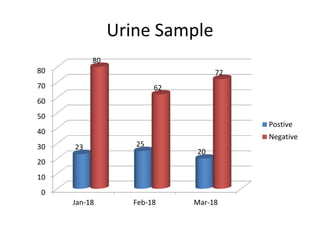
Urine Sample
0
10
20
30
40
50
60
70
80
Jan-18 Feb-18 Mar-18
23 25
20
80
62
72
Postive
Negative
Pus Sample
0
5
10
15
20
25
30
35
40
45
50
Jan-18 Feb-18 Mar-18
41
22 22
50
32 32
Postive
Negative
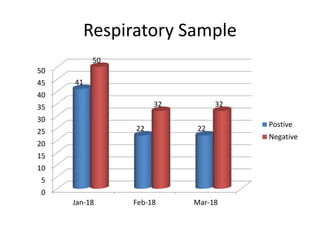
Respiratory Sample
0
5
10
15
20
25
30
35
40
45
50
Jan-18 Feb-18 Mar-18
41
22 22
50
32 32
Postive
Negative
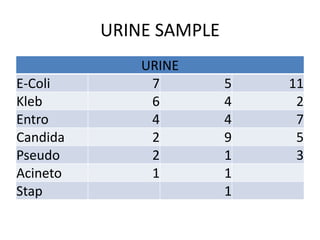
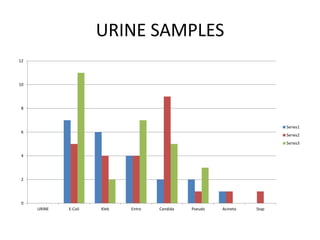
URINE SAMPLE
URINE
E-Coli 7 5 11
Kleb 6 4 2
Entro 4 4 7
Candida 2 9 5
Pseudo 2 1 3
Acineto 1 1
Stap 1
URINE SAMPLES
0
2
4
6
8
10
12
URINE E-Coli Kleb Entro Candida Pseudo Acineto Stap
Series1
Series2
Series3
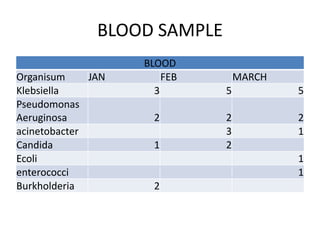
BLOOD SAMPLE
BLOOD
Organisum JAN FEB MARCH
Klebsiella 3 5 5
Pseudomonas
Aeruginosa 2 2 2
acinetobacter 3 1
Candida 1 2
Ecoli 1
enterococci 1
Burkholderia 2
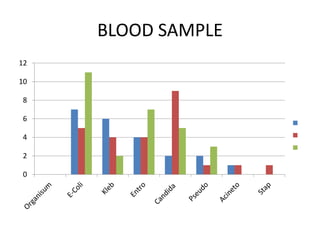
BLOOD SAMPLE
0
2
4
6
8
10
12
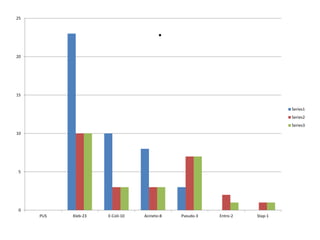
PUS SAMPLE
Kleb-23 23 1010
E-Coli-10 10 33
Acineto-8 8 33
Pseudo-3 3 77
Entro-2 21
Stap-1 11
.
0
5
10
15
20
25
PUS Kleb-23 E-Coli-10 Acineto-8 Pseudo-3 Entro-2 Stap-1
Series1
Series2
Series3
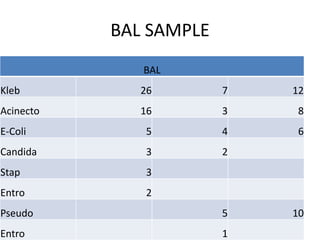
BAL SAMPLE
BAL
Kleb 26 7 12
Acinecto 16 3 8
E-Coli 5 4 6
Candida 3 2
Stap 3
Entro 2
Pseudo 5 10
Entro 1
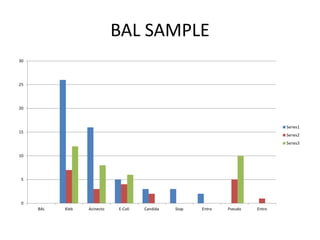
BAL SAMPLE
0
5
10
15
20
25
30
BAL Kleb Acinecto E-Coli Candida Stap Entro Pseudo Entro
Series1
Series2
Series3
BLOOD
Blood Sample
No Month Total Isolates Organism Sensitive
I Jan-18 70 8Klebsiella -3 TGC,PB
Burkholderia-2 All
Pseudomonas Aeruginosa-2 Colistin,PB
Candida-1 ……….
ii Feb-18 60 12Klebsiella -5 TGC,PB
Acinetobactor-3 TGC,PB,Colistin
Pseudomonas Aeruginosa-2 Colistin,PB
Candida-2 ………….
iii Mar-18 54 10Klebsiella -5 TGC,PB
E-Coli-1 PB,TGC
Pseudomonas Aeruginosa-2 Colistin,PB
Entro-1 Vanco,Linid
Candida-1 ……….
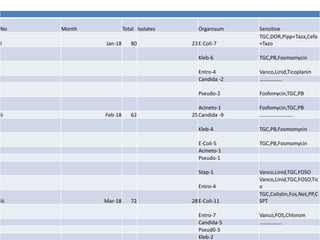
No Month Total Isolates Organisum Sensitive
I Jan-18 80 23E-Coli-7
TGC,DOR,Pipp+Taza,Cefa
+Tazo
Kleb-6 TGC,PB,Fosmomycin
Entro-4 Vanco,Linid,Ticoplanin
Candida -2 ……………..
Pseudo-2 Fosfomycin,TGC,PB
Acineto-1 Fosfomycin,TGC,PB
ii Feb-18 62 25Candida -9 …………………….
Kleb-4 TGC,PB,Fosmomycin
E-Coli-5 TGC,PB,Fosmomycin
Acineto-1
Pseudo-1
Stap-1 Vanco,Linid,TGC,FOSO
Entro-4
Vanco,Linid,TGC,FOSO,Tic
o
iii Mar-18 72 28E-Coli-11
TGC,Colistin,Fos,Net,PP,C
SPT
Entro-7 Vanco,FOS,Chlorom
Candida-5 ……………..
Pseud0-3
Kleb-2
Respiratory Sample
No Month Total Isolates Organisum Sensitive
I Jan-18 66 55Kleb-26 PB,TGC,Carbe
Acinecto-16 PB,TGC,AZEE,
E-Coli-5
Candida-3
Stap-3 TGC,Vanco,lind,Azithral
Entro-2
Linid,Vanco,TICO,CHLO
RO
ii Feb-18 32 21Kleb-7
Pseudo-5
Acinecto-3
E-Coli-4
Candida-2
Entro-3 Chloro
iii Mar-18 55 36Kleb-13
PB,TGC,CARB,NET,AMI
K,CEFT
E-Coli-6 azee,combina
Pseudo-10 Amino,PB,CLPB,CIPRO
ACINECTO-8 TGC,PB,NETL,CPT,DOR
No Month Total Isolates Organisum Sensitive
I Jan-18 50 41Kleb-23
TGC,Colistin,CARBAPEN
AMS,PIPTAZ,CEF-TAZ
E-Coli-10
Acineto-8
Pseudo-3 TGC,PB,PPT
ii Feb-18 32 22Kleb-10
Pseudo-7
Acinecto-3
E-Coli-3
Entro-2
Stap-1
iii Mar-18 32 22
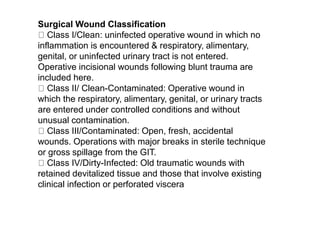
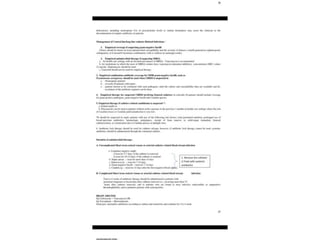
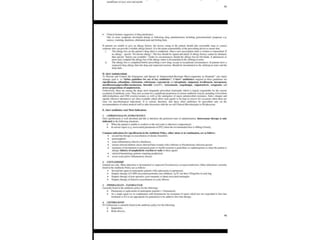
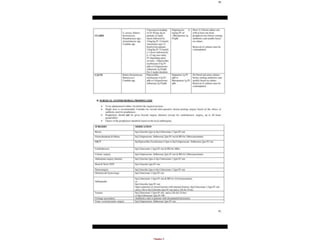
Surgical Wound Classification
Class I/Clean: uninfected operative wound in which no
inflammation is encountered & respiratory, alimentary,
genital, or uninfected urinary tract is not entered.
Operative incisional wounds following blunt trauma are
included here.
Class II/ Clean-Contaminated: Operative wound in
which the respiratory, alimentary, genital, or urinary tracts
are entered under controlled conditions and without
unusual contamination.
Class III/Contaminated: Open, fresh, accidental
wounds. Operations with major breaks in sterile technique
or gross spillage from the GIT.
Class IV/Dirty-Infected: Old traumatic wounds with
retained devitalized tissue and those that involve existing
clinical infection or perforated viscera
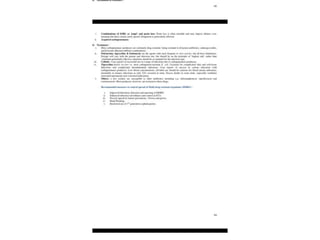
Surgical Wound Classification Common Organisms Antimicrobial prophylaxis
Class I/Clean Gram Positive cocci
(S. aureus, CoNS)
None or single perioperative dose of
cefuroxime/ cephalexin (Ideally 2
grams)
Class II/ Clean-Contaminated Gram Negative Bacilli
Anaerobes
S. aureus
1stLine: Cefazolin or Ampicillin-
sulbactam or Ceftriaxone (in
patients of acute cholecystitis or
acute biliary tract infections)
Alternative: In case of allergies; if
mixture of GP and GN is suspected:
Ceftriaxone only if not ESBL
clindamycin or vancomycin with
cefazolin, aztreonam, gentamicin, or
single-dose fluoroquinolone in b-
lactam allergic
Class III/Contaminated Gram Negative Bacilli
Anaerobes
1st line: Cefazolin + Metronidazole
2nd Line: Metronidazole+
Aminoglycoside/ Fluoroquinolone
Class IV/Dirty-Infected Gram Negative Bacilli
Anaerobes
May be mixed with Gram positive
bacteria
1st Line: Cefazolin + metronidazole,
Treatment for infected surgical
wounds
Ertapenem + Clindamycin +
aminoglycoside/aztreonam
Or fluoroquinolone+ metronidazole
+ aminoglycoside/fluoroquinolone
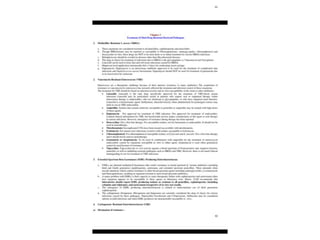
Principles of Initial Empirical Antimicrobial Therapy in Patients with
Severe Sepsis and Septic Shock in The Intensive Care Units
1. Definitions.
Systemic inflammatory response syndrome (SIRS)
Two or more of the following variables
i. Fever > 38°C (100.4°F) or hypothermia < 36°C (96.8°F)
ii. Tachypnea (>20 breaths/min) or PaCO2 < 32 mmHg
iii. Tachycardia (heart rate >90 beats/min)
iv. Leukocytosis or leucopenia : WBC > 12,000 cells/mm3, <4,000 cells/mm3 or > 10% immature band forms
Sepsis : Systemic inflammatory response syndrome that occurs due to a “known or suspected” pathogen (bacteria, viruses, fungi or parasites)
Severe sepsis
Sepsis plus evidence of organ dysfunction or tissue hypoperfusion as follows –
i. Altered mental status.
ii. Hypoxemia, with PaO2/FIO2 <250
iii. Thrombocytopenia < 100,000/cmm
iv. Bilirubin >2mg/dl
v. INR >1.5 or aPTT> 60 seconds.
vi. Urinary output of 0.5 ml/kg for at least 2 hours or Serum creatinine >2mg/dl despite fluid resuscitation.
vii. Tissue hypoperfusion as suspected by mottled skin, capillary refilling time ≥ 2 seconds or lactate >4 mmol/l
viii. Hypotension : Systolic blood pressure (SBP) ≤90 mmHg or mean arterial pressure ≤70 mm Hg.
Sepsis induced hypotension SBP <90 mm Hg or MAP <70 mm HG or SBP decrease >40 mm Hg
Septic shock Sepsis induced hypotension that persists despite adequate fluid resuscitation, requiring vasopressors to maintain the blood
pressure.
Recently, the definitions have been updated as follows:
Sepsis should be defined as life-threatening organ dysfunction caused by a dysregulated host response to infection. For clinical
operationalization, organ dysfunction can be
represented by an increase in the Sequential [Sepsis-related] Organ Failure Assessment (SOFA) score of 2 points or more.
In patients admitted from the community or emergency department, it can be assumed that patients had no pre-existing organ
dysfunction, baseline SOFA score assumed to be zero. Organ dysfunction can be identified in these patients by the quick SOFA or
qSOFA. The presence of any two of respiratory rate ≥22, altered mentation or systolic blood pressure ≤100 mm Hg identified high risk
of patients. qSOFA is an extremely useful screening tool for organ dysfunction, especially in patients outside the ICU. It can be used to
suspect sepsis and initiate further investigations and treatment.
Septic shock should be defined as a subset of sepsis in which particularly profound circulatory, cellular, and metabolic abnormalities
are associated with a greater risk of mortality than with sepsis alone. Patients with septic shock can be clinically identified by a
vasopressor requirement to maintain a mean arterial pressure of 65 mm Hg or greater and serum lactate level greater than 2 mmol/L
(>18 mg/dL) in the absence of hypovolemia
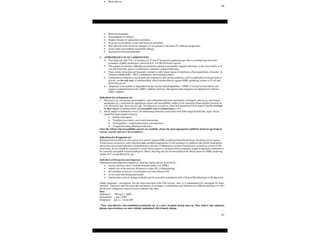
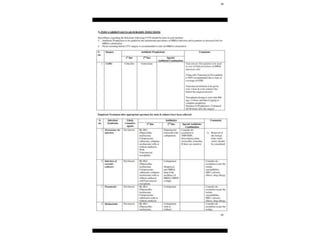
Immunosuppressive disease or therapy
Presence of multiple risk factors for Health Care Associated Infections
o Hospitalization for ≥2 days in preceding 90 days
o Residence in nursing home or long term care facility
o Home infusion therapy
o Chronic dialysis within 90 days
o Family member with MDR pathogen
Immunosuppressive disease or therapy
Presence of multiple risk factors for Health Care Associated Infections
o Hospitalization for ≥2 days in preceding 90 days
o Residence in nursing home or long term care facility
o Home infusion therapy
o Chronic dialysis within 90 days
o Family member with MDR pathogen
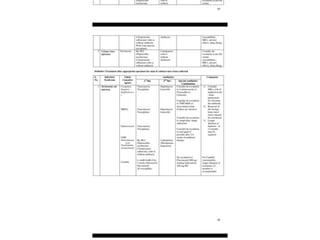
Klebsiella pneumoniae
Acinetobacter spp
Gram Positive:
Methicillin resistant Staphylococcus aureus (MRSA)
Entercoccus faecium
Vancomycin resistant enterocccci
Fungi:
Candida spp 77
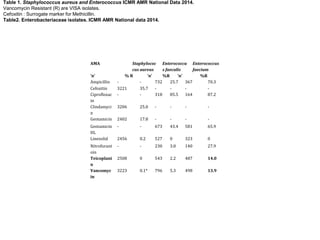
AMA Staphylococ
cus aureus
Enterococcu
s faecalis
Enterococcus
faecium
‘n’ % R ‘n’ %R ‘n’ %R
Ampicillin - - 732 25.7 367 70.3
Cefoxitin 3221 35.7 - - - -
Ciprofloxac
in
- - 318 85.5 164 87.2
Clindamyci
n
3206 25.0 - - - -
Gentamicin 2402 17.8 - - - -
Gentamicin
HL
- - 673 43.4 581 65.9
Linezolid 2456 0.2 527 0 323 0
Nitrofurant
oin
- - 230 3.0 140 27.9
Teicoplani
n
2508 0 543 2.2 487 14.0
Vancomyc
in
3223 0.1* 796 5.3 498 13.9
Table 1. Staphylococcus aureus and Enterococcus ICMR AMR National Data 2014.
Vancomycin Resistant (R) are VISA isolates.
Cefoxitin : Surrogate marker for Methicillin.
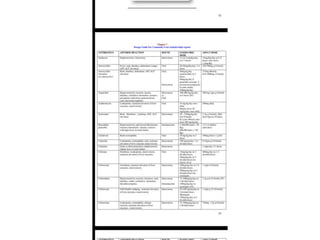
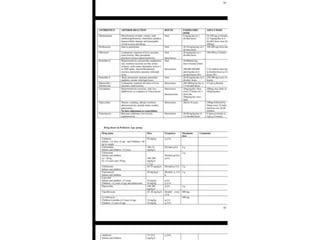
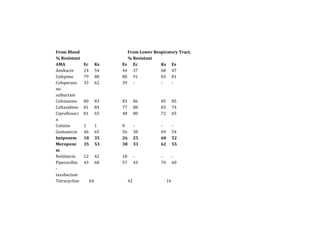
Table2. Enterobacteriaceae isolates. ICMR AMR National data 2014.
From Blood
% Resistant
From Lower Respiratory Tract,
% Resistant
AMA Ec Ks Es Ec Ks Es
Amikacin 24 54 44 37 68 47
Cefepime 79 88 80 91 83 81
Cefoperazo
ne-
sulbactam
33 62 39 - - -
Cefotaxime 80 83 83 86 85 85
Ceftazidime 81 84 77 88 83 74
Ciprofloxaci
n
81 65 48 80 72 65
Colistin 1 1 0 - - -
Gentamicin 46 65 56 38 69 54
Imipenem 18 35 26 25 60 52
Meropene
m
35 53 38 33 62 55
Netilmicin 12 42 18 - - -
Piperacillin
-
tazobactam
43 68 57 43 70 60
Tetracycline 64 42 16
Antimicrobial IV Dose Comments
Vancomycin 30–60 mg/kg/d in 2–4
divided doses
Target serum trough
concentrations of 15–20
μg/mL in severe infections
Daptomycin 4–6 mg/kg/d Covers VRE, strains
nonsusceptible to
vancomycin may be cross-
resistant to daptomycin
Linezolid 600 mg every 12 h 100% oral bioavailability; so
oral dose same as IV dose.
Covers VRE and MRSA
Colistin 5 mg/kg load, then 2.5
mg/kg
every 12 h
Nephrotoxic; does not cover
gram-positives or anaerobes,
Proteus, Serratia,
Burkholderia
Standard Doses of Antimicrobial Agents Active Against Multidrug-Resistant Organisms
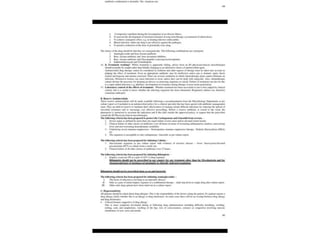
Choice of empirical therapy
The initial management of infection requires forming a probable diagnosis, obtaining cultures, and initiating appropriate and timely empirical antim
Because patients with severe sepsis or septic shock have little margin for error in the choice of therapy, the initial selection of antimicrobial therap
Administration of effective intravenous antimicrobials should occur within the first hour of recognition of septic shock and severe sepsis without se
Antiviral therapy initiated as early as possible in patients with severe sepsis or septic shock of viral origin.
The choice of empirical therapy depends on:
the suspected site of infection
the clinical syndrome
the setting in which the infection developed (i.e., home, nursing home, or hospital
medical history
Epidemiology, susceptibility patterns of bacteria in the hospital and ICU, local microbial-susceptibility patterns, resistance potential
Prior antibiotic therapy(previous 3 months)
Immunological competence of patient
Severity of underlying illness
Microbes that previously have been documented to colonize or infect the patient.
Pharmacokinetics of the chosen antimicrobial agent
Drug allergies / toxicities
Cost
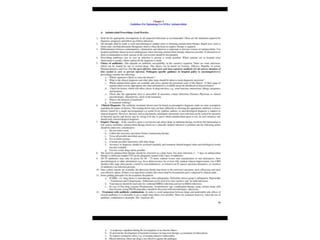
De-escalation
As soon as the causative pathogen has been identified, de-escalation should be
performed by selecting the most appropriate antimicrobial agent that covers the
pathogen and is safe and cost-effective.
The antimicrobial regimen should be reassessed daily for potential de-escalation to
prevent the development of resistance, to reduce toxicity, to reduce costs and to reduce
the likelihood that the patient will develop superinfection with other pathogenic or
resistant organisms, such as Candida species, Clostridium difficile, or vancomycin-resistant
Enterococcus faecium.
Use of low procalcitonin levels or similar biomarkers can assist the clinician in the
discontinuation of empiric antibiotics in patients who appeared septic, but have no
subsequent evidence of infection

Antibiogram

  • 1.
  • 2.
    Blood Sample 0 10 20 30 40 50 60 70 Jan-18 Feb-18Mar-18 10 12 10 70 60 54 Postive Negative
  • 3.
    Urine Sample 0 10 20 30 40 50 60 70 80 Jan-18 Feb-18Mar-18 23 25 20 80 62 72 Postive Negative
  • 4.
    Pus Sample 0 5 10 15 20 25 30 35 40 45 50 Jan-18 Feb-18Mar-18 41 22 22 50 32 32 Postive Negative
  • 5.
    Respiratory Sample 0 5 10 15 20 25 30 35 40 45 50 Jan-18 Feb-18Mar-18 41 22 22 50 32 32 Postive Negative
  • 6.
    URINE SAMPLE URINE E-Coli 75 11 Kleb 6 4 2 Entro 4 4 7 Candida 2 9 5 Pseudo 2 1 3 Acineto 1 1 Stap 1
  • 7.
    URINE SAMPLES 0 2 4 6 8 10 12 URINE E-ColiKleb Entro Candida Pseudo Acineto Stap Series1 Series2 Series3
  • 8.
    BLOOD SAMPLE BLOOD Organisum JANFEB MARCH Klebsiella 3 5 5 Pseudomonas Aeruginosa 2 2 2 acinetobacter 3 1 Candida 1 2 Ecoli 1 enterococci 1 Burkholderia 2
  • 9.
  • 10.
    PUS SAMPLE Kleb-23 231010 E-Coli-10 10 33 Acineto-8 8 33 Pseudo-3 3 77 Entro-2 21 Stap-1 11
  • 11.
    . 0 5 10 15 20 25 PUS Kleb-23 E-Coli-10Acineto-8 Pseudo-3 Entro-2 Stap-1 Series1 Series2 Series3
  • 12.
    BAL SAMPLE BAL Kleb 267 12 Acinecto 16 3 8 E-Coli 5 4 6 Candida 3 2 Stap 3 Entro 2 Pseudo 5 10 Entro 1
  • 13.
    BAL SAMPLE 0 5 10 15 20 25 30 BAL KlebAcinecto E-Coli Candida Stap Entro Pseudo Entro Series1 Series2 Series3
  • 14.
    BLOOD Blood Sample No MonthTotal Isolates Organism Sensitive I Jan-18 70 8Klebsiella -3 TGC,PB Burkholderia-2 All Pseudomonas Aeruginosa-2 Colistin,PB Candida-1 ………. ii Feb-18 60 12Klebsiella -5 TGC,PB Acinetobactor-3 TGC,PB,Colistin Pseudomonas Aeruginosa-2 Colistin,PB Candida-2 …………. iii Mar-18 54 10Klebsiella -5 TGC,PB E-Coli-1 PB,TGC Pseudomonas Aeruginosa-2 Colistin,PB Entro-1 Vanco,Linid Candida-1 ……….
  • 15.
    No Month TotalIsolates Organisum Sensitive I Jan-18 80 23E-Coli-7 TGC,DOR,Pipp+Taza,Cefa +Tazo Kleb-6 TGC,PB,Fosmomycin Entro-4 Vanco,Linid,Ticoplanin Candida -2 …………….. Pseudo-2 Fosfomycin,TGC,PB Acineto-1 Fosfomycin,TGC,PB ii Feb-18 62 25Candida -9 ……………………. Kleb-4 TGC,PB,Fosmomycin E-Coli-5 TGC,PB,Fosmomycin Acineto-1 Pseudo-1 Stap-1 Vanco,Linid,TGC,FOSO Entro-4 Vanco,Linid,TGC,FOSO,Tic o iii Mar-18 72 28E-Coli-11 TGC,Colistin,Fos,Net,PP,C SPT Entro-7 Vanco,FOS,Chlorom Candida-5 …………….. Pseud0-3 Kleb-2
  • 16.
    Respiratory Sample No MonthTotal Isolates Organisum Sensitive I Jan-18 66 55Kleb-26 PB,TGC,Carbe Acinecto-16 PB,TGC,AZEE, E-Coli-5 Candida-3 Stap-3 TGC,Vanco,lind,Azithral Entro-2 Linid,Vanco,TICO,CHLO RO ii Feb-18 32 21Kleb-7 Pseudo-5 Acinecto-3 E-Coli-4 Candida-2 Entro-3 Chloro iii Mar-18 55 36Kleb-13 PB,TGC,CARB,NET,AMI K,CEFT E-Coli-6 azee,combina Pseudo-10 Amino,PB,CLPB,CIPRO ACINECTO-8 TGC,PB,NETL,CPT,DOR
  • 17.
    No Month TotalIsolates Organisum Sensitive I Jan-18 50 41Kleb-23 TGC,Colistin,CARBAPEN AMS,PIPTAZ,CEF-TAZ E-Coli-10 Acineto-8 Pseudo-3 TGC,PB,PPT ii Feb-18 32 22Kleb-10 Pseudo-7 Acinecto-3 E-Coli-3 Entro-2 Stap-1 iii Mar-18 32 22
  • 23.
    Surgical Wound Classification ClassI/Clean: uninfected operative wound in which no inflammation is encountered & respiratory, alimentary, genital, or uninfected urinary tract is not entered. Operative incisional wounds following blunt trauma are included here. Class II/ Clean-Contaminated: Operative wound in which the respiratory, alimentary, genital, or urinary tracts are entered under controlled conditions and without unusual contamination. Class III/Contaminated: Open, fresh, accidental wounds. Operations with major breaks in sterile technique or gross spillage from the GIT. Class IV/Dirty-Infected: Old traumatic wounds with retained devitalized tissue and those that involve existing clinical infection or perforated viscera
  • 24.
    Surgical Wound ClassificationCommon Organisms Antimicrobial prophylaxis Class I/Clean Gram Positive cocci (S. aureus, CoNS) None or single perioperative dose of cefuroxime/ cephalexin (Ideally 2 grams) Class II/ Clean-Contaminated Gram Negative Bacilli Anaerobes S. aureus 1stLine: Cefazolin or Ampicillin- sulbactam or Ceftriaxone (in patients of acute cholecystitis or acute biliary tract infections) Alternative: In case of allergies; if mixture of GP and GN is suspected: Ceftriaxone only if not ESBL clindamycin or vancomycin with cefazolin, aztreonam, gentamicin, or single-dose fluoroquinolone in b- lactam allergic Class III/Contaminated Gram Negative Bacilli Anaerobes 1st line: Cefazolin + Metronidazole 2nd Line: Metronidazole+ Aminoglycoside/ Fluoroquinolone Class IV/Dirty-Infected Gram Negative Bacilli Anaerobes May be mixed with Gram positive bacteria 1st Line: Cefazolin + metronidazole, Treatment for infected surgical wounds Ertapenem + Clindamycin + aminoglycoside/aztreonam Or fluoroquinolone+ metronidazole + aminoglycoside/fluoroquinolone
  • 49.
    Principles of InitialEmpirical Antimicrobial Therapy in Patients with Severe Sepsis and Septic Shock in The Intensive Care Units 1. Definitions. Systemic inflammatory response syndrome (SIRS) Two or more of the following variables i. Fever > 38°C (100.4°F) or hypothermia < 36°C (96.8°F) ii. Tachypnea (>20 breaths/min) or PaCO2 < 32 mmHg iii. Tachycardia (heart rate >90 beats/min) iv. Leukocytosis or leucopenia : WBC > 12,000 cells/mm3, <4,000 cells/mm3 or > 10% immature band forms Sepsis : Systemic inflammatory response syndrome that occurs due to a “known or suspected” pathogen (bacteria, viruses, fungi or parasites) Severe sepsis Sepsis plus evidence of organ dysfunction or tissue hypoperfusion as follows – i. Altered mental status. ii. Hypoxemia, with PaO2/FIO2 <250 iii. Thrombocytopenia < 100,000/cmm iv. Bilirubin >2mg/dl v. INR >1.5 or aPTT> 60 seconds. vi. Urinary output of 0.5 ml/kg for at least 2 hours or Serum creatinine >2mg/dl despite fluid resuscitation. vii. Tissue hypoperfusion as suspected by mottled skin, capillary refilling time ≥ 2 seconds or lactate >4 mmol/l viii. Hypotension : Systolic blood pressure (SBP) ≤90 mmHg or mean arterial pressure ≤70 mm Hg. Sepsis induced hypotension SBP <90 mm Hg or MAP <70 mm HG or SBP decrease >40 mm Hg Septic shock Sepsis induced hypotension that persists despite adequate fluid resuscitation, requiring vasopressors to maintain the blood pressure. Recently, the definitions have been updated as follows: Sepsis should be defined as life-threatening organ dysfunction caused by a dysregulated host response to infection. For clinical operationalization, organ dysfunction can be
  • 50.
    represented by anincrease in the Sequential [Sepsis-related] Organ Failure Assessment (SOFA) score of 2 points or more. In patients admitted from the community or emergency department, it can be assumed that patients had no pre-existing organ dysfunction, baseline SOFA score assumed to be zero. Organ dysfunction can be identified in these patients by the quick SOFA or qSOFA. The presence of any two of respiratory rate ≥22, altered mentation or systolic blood pressure ≤100 mm Hg identified high risk of patients. qSOFA is an extremely useful screening tool for organ dysfunction, especially in patients outside the ICU. It can be used to suspect sepsis and initiate further investigations and treatment. Septic shock should be defined as a subset of sepsis in which particularly profound circulatory, cellular, and metabolic abnormalities are associated with a greater risk of mortality than with sepsis alone. Patients with septic shock can be clinically identified by a vasopressor requirement to maintain a mean arterial pressure of 65 mm Hg or greater and serum lactate level greater than 2 mmol/L (>18 mg/dL) in the absence of hypovolemia
  • 51.
    Immunosuppressive disease ortherapy Presence of multiple risk factors for Health Care Associated Infections o Hospitalization for ≥2 days in preceding 90 days o Residence in nursing home or long term care facility o Home infusion therapy o Chronic dialysis within 90 days o Family member with MDR pathogen Immunosuppressive disease or therapy Presence of multiple risk factors for Health Care Associated Infections o Hospitalization for ≥2 days in preceding 90 days o Residence in nursing home or long term care facility o Home infusion therapy o Chronic dialysis within 90 days o Family member with MDR pathogen
  • 52.
    Klebsiella pneumoniae Acinetobacter spp GramPositive: Methicillin resistant Staphylococcus aureus (MRSA) Entercoccus faecium Vancomycin resistant enterocccci Fungi: Candida spp 77
  • 53.
    AMA Staphylococ cus aureus Enterococcu sfaecalis Enterococcus faecium ‘n’ % R ‘n’ %R ‘n’ %R Ampicillin - - 732 25.7 367 70.3 Cefoxitin 3221 35.7 - - - - Ciprofloxac in - - 318 85.5 164 87.2 Clindamyci n 3206 25.0 - - - - Gentamicin 2402 17.8 - - - - Gentamicin HL - - 673 43.4 581 65.9 Linezolid 2456 0.2 527 0 323 0 Nitrofurant oin - - 230 3.0 140 27.9 Teicoplani n 2508 0 543 2.2 487 14.0 Vancomyc in 3223 0.1* 796 5.3 498 13.9 Table 1. Staphylococcus aureus and Enterococcus ICMR AMR National Data 2014. Vancomycin Resistant (R) are VISA isolates. Cefoxitin : Surrogate marker for Methicillin. Table2. Enterobacteriaceae isolates. ICMR AMR National data 2014.
  • 54.
    From Blood % Resistant FromLower Respiratory Tract, % Resistant AMA Ec Ks Es Ec Ks Es Amikacin 24 54 44 37 68 47 Cefepime 79 88 80 91 83 81 Cefoperazo ne- sulbactam 33 62 39 - - - Cefotaxime 80 83 83 86 85 85 Ceftazidime 81 84 77 88 83 74 Ciprofloxaci n 81 65 48 80 72 65 Colistin 1 1 0 - - - Gentamicin 46 65 56 38 69 54 Imipenem 18 35 26 25 60 52 Meropene m 35 53 38 33 62 55 Netilmicin 12 42 18 - - - Piperacillin - tazobactam 43 68 57 43 70 60 Tetracycline 64 42 16
  • 55.
    Antimicrobial IV DoseComments Vancomycin 30–60 mg/kg/d in 2–4 divided doses Target serum trough concentrations of 15–20 μg/mL in severe infections Daptomycin 4–6 mg/kg/d Covers VRE, strains nonsusceptible to vancomycin may be cross- resistant to daptomycin Linezolid 600 mg every 12 h 100% oral bioavailability; so oral dose same as IV dose. Covers VRE and MRSA Colistin 5 mg/kg load, then 2.5 mg/kg every 12 h Nephrotoxic; does not cover gram-positives or anaerobes, Proteus, Serratia, Burkholderia Standard Doses of Antimicrobial Agents Active Against Multidrug-Resistant Organisms
  • 56.
    Choice of empiricaltherapy The initial management of infection requires forming a probable diagnosis, obtaining cultures, and initiating appropriate and timely empirical antim Because patients with severe sepsis or septic shock have little margin for error in the choice of therapy, the initial selection of antimicrobial therap Administration of effective intravenous antimicrobials should occur within the first hour of recognition of septic shock and severe sepsis without se Antiviral therapy initiated as early as possible in patients with severe sepsis or septic shock of viral origin. The choice of empirical therapy depends on: the suspected site of infection the clinical syndrome the setting in which the infection developed (i.e., home, nursing home, or hospital medical history Epidemiology, susceptibility patterns of bacteria in the hospital and ICU, local microbial-susceptibility patterns, resistance potential Prior antibiotic therapy(previous 3 months) Immunological competence of patient Severity of underlying illness Microbes that previously have been documented to colonize or infect the patient. Pharmacokinetics of the chosen antimicrobial agent Drug allergies / toxicities Cost
  • 57.
    De-escalation As soon asthe causative pathogen has been identified, de-escalation should be performed by selecting the most appropriate antimicrobial agent that covers the pathogen and is safe and cost-effective. The antimicrobial regimen should be reassessed daily for potential de-escalation to prevent the development of resistance, to reduce toxicity, to reduce costs and to reduce the likelihood that the patient will develop superinfection with other pathogenic or resistant organisms, such as Candida species, Clostridium difficile, or vancomycin-resistant Enterococcus faecium. Use of low procalcitonin levels or similar biomarkers can assist the clinician in the discontinuation of empiric antibiotics in patients who appeared septic, but have no subsequent evidence of infection