ACUTE FLACCID
PARALYSIS
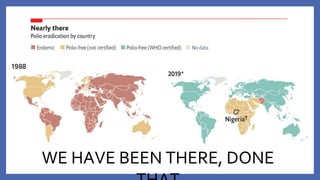
WE HAVE BEEN THERE, DONE
OUTLINE
•Definition of AFP , causes and significance
•Poliomyelitis – Pathogenesis, clinical features,
Treatment and Prevention
•Differential diagnosis of AFP
•Polio vaccines
•AFP Surveillance
•Polio eradication
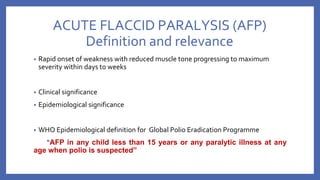
ACUTE FLACCID PARALYSIS (AFP)
Definition and relevance
• Rapid onset of weakness with reduced muscle tone progressing to maximum
severity within days to weeks
• Clinical significance
• Epidemiological significance
• WHO Epidemiological definition for Global Polio Eradication Programme
“AFP in any child less than 15 years or any paralytic illness at any
age when polio is suspected”
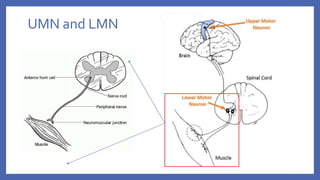
UMN and LMN
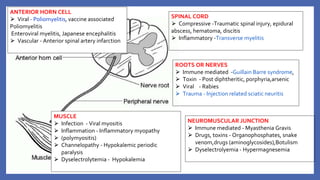
SPINAL CORD
⮚ Compressive -Traumatic spinal injury, epidural
abscess, hematoma, discitis
⮚ Inflammatory -Transverse myelitis
ANTERIOR HORN CELL
⮚ Viral - Poliomyelitis, vaccine associated
Poliomyelitis
Enteroviral myelitis, Japanese encephalitis
⮚ Vascular - Anterior spinal artery infarction
ROOTS OR NERVES
⮚ Immune mediated -Guillain Barre syndrome,
⮚ Toxin - Post diphtheritic, porphyria,arsenic
⮚ Viral - Rabies
⮚ Trauma - Injection related sciatic neuritis
NEUROMUSCULAR JUNCTION
⮚ Immune mediated - Myasthenia Gravis
⮚ Drugs, toxins - Organophosphates, snake
venom,drugs (aminoglycosides),Botulism
⮚ Dyselectrolyemia - Hypermagnesemia
MUSCLE
⮚ Infection - Viral myositis
⮚ Inflammation - Inflammatory myopathy
⮚ (polymyositis)
⮚ Channelopathy - Hypokalemic periodic
paralysis
⮚ Dyselectrolytemia - Hypokalemia
POLIOMYELITIS
⮚ ‘polios’ - grey ‘myelos’ – marrow [Ancient Greek]
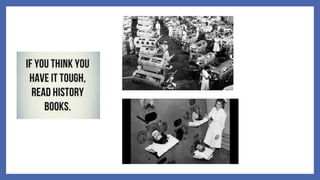
⮚ From prehistory
Major epidemics were unknown before 20th century
⮚ 1916 US epidemic - 27,000 cases and more than 6,000 deaths due to polio in
the with over 2,000 deaths in New York City alone
“Thousands fled the city to nearby mountain resorts; movie theaters were
closed, meetings were canceled, public gatherings were almost nonexistent,
and children were warned not to drink from water fountains, and told to avoid
amusement parks, swimming pools, and beaches”
⮚ Worst epidemics in 1940’s and 1950’s
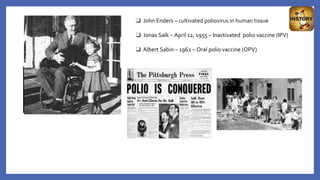
❑ John Enders – cultivated poliovirus in human tissue
❑ Jonas Salk – April 12, 1955 – Inactivated polio vaccine (IPV)
❑ Albert Sabin – 1962 – Oral polio vaccine (OPV)
ETIOLOGY
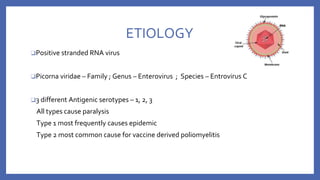
❑Positive stranded RNA virus
❑Picorna viridae – Family ; Genus – Enterovirus ; Species – Entrovirus C
❑3 different Antigenic serotypes – 1, 2, 3
All types cause paralysis
Type 1 most frequently causes epidemic
Type 2 most common cause for vaccine derived poliomyelitis
TRANSMISSION
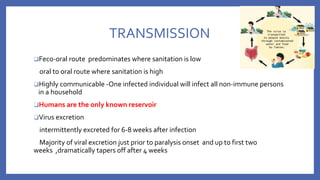
❑Feco‐oral route predominates where sanitation is low
oral to oral route where sanitation is high
❑Highly communicable ‐One infected individual will infect all non‐immune persons
in a household
❑Humans are the only known reservoir
❑Virus excretion
intermittently excreted for 6‐8 weeks after infection
Majority of viral excretion just prior to paralysis onset and up to first two
weeks ,dramatically tapers off after 4 weeks
PATHOGENESIS
❑ Entry via CD 155 receptor positive cells lining
mucosa
❑ Regional LN (Cervical and mesenteric LN)
❑ Primary and transient viremia
❑ Seeds extra neural tissue [ RES, brown fat and
skeletal muscle]
❑ Secondary viremia
❑ Direct seeding of CNS or
Retrograde spread via nerves
PATHOGENESIS (Contd..)
❑Primarily infects motor neuron cells (Anterior horn cells) in
spinal cord and brain stem (motor cranial nerve nuclei)
❑Clinical signs of paralysis occur when >50% motor neurons
supplying muscle are destroyed ( as there is overlap in muscle
innervation)
❑In brain less extensive lesions can cause paralysis
❑Vital centre involvement – death
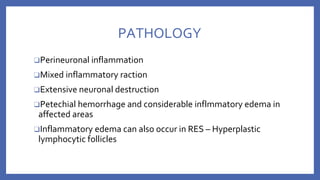
PATHOLOGY
❑Perineuronal inflammation
❑Mixed inflammatory raction
❑Extensive neuronal destruction
❑Petechial hemorrhage and considerable inflmmatory edema in
affected areas
❑Inflammatory edema can also occur in RES – Hyperplastic
lymphocytic follicles
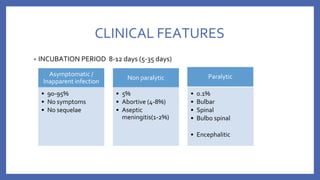
CLINICAL FEATURES
• INCUBATION PERIOD 8-12 days (5-35 days)
Asymptomatic /
Inapparent infection
• 90-95%
• No symptoms
• No sequelae
Non paralytic
• 5%
• Abortive (4-8%)
• Aseptic
meningitis(1-2%)
Paralytic
• 0.1%
• Bulbar
• Spinal
• Bulbo spinal
• Encephalitic
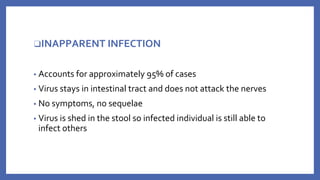
❑INAPPARENT INFECTION
▪ Accounts for approximately 95% of cases
▪ Virus stays in intestinal tract and does not attack the nerves
▪ No symptoms, no sequelae
▪ Virus is shed in the stool so infected individual is still able to
infect others
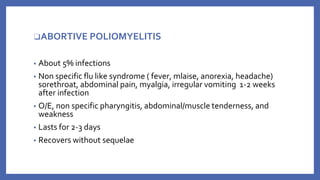
❑ABORTIVE POLIOMYELITIS
▪ About 5% infections
▪ Non specific flu like syndrome ( fever, mlaise, anorexia, headache)
sorethroat, abdominal pain, myalgia, irregular vomiting 1-2 weeks
after infection
▪ O/E, non specific pharyngitis, abdominal/muscle tenderness, and
weakness
▪ Lasts for 2-3 days
▪ Recovers without sequelae
❑NON PARALYTIC ASEPTIC MENINGITIS
▪ In about 1%
▪ Biphasic illness
1st phase -Symptoms similar to abortive poliomyelitis but more intense
- short symptom free interval
2nd phase – CNS disease major illness
Soreness, stiffness of posterior muscles of neck, trunk, limbs
O/E – nuchal rigidity, spinal rigidity
AF – tense/bulging
PARALYTIC POLIOMYELITIS
3 clinically recognisable syndromes
❑SPINAL PARALYTIC TYPE
▪ Most common form of paralytic poliomyelitis; (79% of all paralytic cases)
▪ Attacks motor neurons and causes paralysis of muscles innervated by spinal nerve
▪ Biphasic illness
1st phase – similar to abortive PM
symptom free for 2-5 days
2nd phase – severe fever, headache, exacerbration of previous symptoms
severe muscle pain and neurological symptoms (paresthesias, hyperaesthesias,
fasiculation, spasm)
▪ O/E, Neck stiffness, muscle tenderness
within 72 hours , asymmetric flaccid paralysis established
▪ Most commonly affected muscle groups are
‐Quadriceps, tibialis anterior, peroneal
‐Deltoid, biceps, triceps
‐Abdominal muscles, intercostal and diaphragm
▪ Respiratory muscle paralysis can cause life threatening impairment of
ventilation
▪ Superficial reflexes (abdominal, cremasteric, gluteal) are the first to
decrease, 12-24 hrours before onset of weakness
▪ Deep tendon reflexes change 8-24 hours after superficial reflexes, it pretells
evolving paralysis (decreased or absent)
• Bowel, bladder dysfunction ( transient urinary retention, later incontinence,
constipation)
• Developing countries, biphasic illness may not be apparent
• Paralysis do not progress once fever comes down
• RESIDUAL PARALYSIS
❑FACTORS FAVOURING PARALYSIS
• Male children
• Female adults
• Pubertal age group
• Pregnancy
• Tonsillectomy
• I M injections
• Increased physical activity and fatigue
❑Distinguishing features
▪ Asymmetric flaccid paralysis ‐proximal > distal
▪ deep tendon reflexes diminished or absent
▪ fever at onset, muscle pain
▪ rapid progression to paralysis 2‐3 days
▪ preservation of sensory nerve function
▪ residual paralysis after 60 days
❑BULBAR PARALYTIC TYPE
▪ Less than 1% of paralytic polio
▪ Dysfunction of Cranial nerves and medullary centres dominate clinical picture
Commonly involved cranial nerves are: ‐
III to VII nerve nuclei – good prognosis ‐
IX to XII nerve nuclei – poor prognosis •
Vital centre involvement
▪ Inability to swallow
▪ Pooling of secretions
▪ Nasal regurgitation
▪ Nasal twang of voice/cry
▪ Irregular respiration (pooling of
secretions in pharynx, vocal cord
paralysis
▪ Deviation of palate/uvula/tongue
• Impairment of respiratory center –
may lead to respiratory failure
• Impairment of circulatory center
(autonomic nervous system) –
leading to hypertension and
peripheral circulatory failure
• Delirium, coma
• ROPE SIGN
• LANDRY TYPE PARALYSIS – Ascending paralysis culminating in bulbar
involvement
• Death, partial recovery, full recovery
• Cranial nerve involvement is seldom permanent
❑BULBOSPINAL POLIO
▪ Accounts for 19% of paralytic cases
▪ Has mixed features; i.e. features of both spinal as well as bulbar
forms
▪ Affects extremities and cranial nerves
▪ Leads to severe respiratory involvement
❑POLIOENCEPHALITIS
▪ Very rare
▪ Causes inflammation of gray matter of brain
▪ Signs/symptoms include agitation, confusion, stupor, and coma
▪ Autonomic dysfunction is common and it has a high mortality
❑SIGNS OF RESPIRATORY MUSCLE INVOLVEMENT
• Anxious expression
• Frequent pauses in speech
• Short, jerky breathless sentences
• Increased respiratory rate
• Accessory muscle action
• Inability to cough/sniff fully
• Paradoxical abdominal movement, relative immobility of intercostal spaces
• DELTOID PARALYSIS
DIAGNOSIS
❑Isolating virus from stool sample
▪ 2 samples collected 24-48 hours apart
▪ Each 8-10 g (one adult thumb size)
▪ Within 14 days of onset of paralysis (may be collected upto 60 days)
▪ Transported in clean, dry, screw capped container to WHO accredited lab
▪ In REVERSE COLD CHAIN
▪ Virus grown in 2 cell lines (Human rhabdomyosarcoma cells, L20B cells)
▪ Cytopathic effects looked for
▪ Serotyping and identifying
❑CSF study
▪ Normal in minor illness
▪ CNS involvement- pleiocytosis (20-300 cells/micro L), initially PMNL, later
mononuclear cells. Count normal by 2nd week
▪ CSF protein normal initially, increase by 2nd week
❑SEROCONVERSION
▪ 4 fold rise in antibodies by 3-6 weeks
TREATMENT
• Limit progression
• Prevent ensuing deformities
• Preparing child and family for prolonged treatment
❑ All I M Injections and surgical procedures are contraindicated in acute
phase of poliomyelitis (PROVOCATIVE POLIOMYELITIS)
INDICATIONS FOR HOSPITALISATION
• Progression of paralysis
• Respiratory distress
• Bulbar involvement
• Paralysis of upper limbs of less than 3 days
• Marked drowsiness
TREATMENT
• Bed rest ‐ Physical activity increases risk of paralysis.
• Pain relief –Analgesics, sister Kennedy's method, mild sedative in spinal form, not
to be used in bulbar form, encephalitis.
• Neutral position of limbs. ( feet at right angles to legs, knees slightly flexed, hips
and spine straight )
• Physiotherapy prevents deformity
• Bowel – manage constipation
• Bladder – for retention Parasympathetic stimulant (Betanechol), manual
compression, cathetrisation carefully ( lasts for less than few days)
• Good diet, high fluid
TREATMENT (Contd..)
❑BULBAR POLIOMYELITIS
• Maintain airway, avoid aspiration
• BP monitoring
• Tracheostomy (Vocal cord paralysis, constriction of hypopharynx)
• Most recover with little residual impairment
COMPLICATIONS
• Acute gastric dilatation
• Melena
• Hypertension
A/c – Vasovagal centre affection
Later – Immobilization, Hypercalcemia, Nephrocalcinosis, vascular lesions
• ECG abnormalities suggestive of myocarditis
• Acute pulmonary edema
• Hypercalcemia
PROGNOSIS
• Inapparent infection
• Abortive poliomyelitis Good outcome
• Aseptic meningitis syndrome
• Paralytic disease – depends on CNS involvement
• Severe bulbar disease – mortality 60%
Less severe bulbar/ spinal – mortality 5-10%
POST POLIO SYNDROME
• In 25-50% survivors of wPV infection
• 15-30 years after infection
• Muscle pain and exacerbration of existing weakness or appearance of new
weakness
• RISK FACTORS
- increased time since infection
- permanent residual impairment after recovery from acute illness
- Female sex
AFP
DIFFERENTIAL DIAGNOSIS
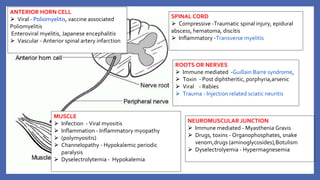
SPINAL CORD
⮚ Compressive -Traumatic spinal injury, epidural
abscess, hematoma, discitis
⮚ Inflammatory -Transverse myelitis
ANTERIOR HORN CELL
⮚ Viral - Poliomyelitis, vaccine associated
Poliomyelitis
Enteroviral myelitis, Japanese encephalitis
⮚ Vascular - Anterior spinal artery infarction
ROOTS OR NERVES
⮚ Immune mediated -Guillain Barre syndrome,
⮚ Toxin - Post diphtheritic, porphyria,arsenic
⮚ Viral - Rabies
⮚ Trauma - Injection related sciatic neuritis
NEUROMUSCULAR JUNCTION
⮚ Immune mediated - Myasthenia Gravis
⮚ Drugs, toxins - Organophosphates, snake
venom,drugs (aminoglycosides),Botulism
⮚ Dyselectrolyemia - Hypermagnesemia
MUSCLE
⮚ Infection - Viral myositis
⮚ Inflammation - Inflammatory myopathy
⮚ (polymyositis)
⮚ Channelopathy - Hypokalemic periodic
paralysis
⮚ Dyselectrolytemia - Hypokalemia
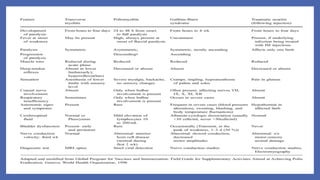
GUILLEIN BAREE SYNDROME
• Most common cause of AFP in post polio era
• Infection triggered immune mediated attack on the nerve axons or myelin
• Antecedant respiratory or gastrointestinal illnesses
• AIDP most common, AMAN also in Indian children
• pain, paraesthesia, or weakness in the limbs which spreads proximally.
• Paralysis – Symmetric, Ascending, progressing over days to weeks
• Lower cranial nerve involvement
• Bladder dysfuction may be present initially, transient
• Autonomic signs
• Respiratory insufficiency severe cases
• CSF STUDY : Albumino cytological dissociation
• NERVE CONDUCTION STUDIES : slowed conduction, decreased motor
amplitude
• TREATMENT : Supportive care
IvIg 2g/kg over 2-5 days
Plasmapheresis
TRANSVERSE MYELITIS
• an acute demyelinating disorder of the spinal cord
• acute phase of spinal shock (over hours to 4 days)
flaccid paraparesis or quadriparesis (symmetric)
urinary retention or incontinence (persistent)
absent reflexes and mute plantars
sensory loss/level
• Autonomic signs present
• After a few weeks, the signs of UMN dysfunction appear, in the form of spasticity,
and hypereflexia
• CSF study – Normal or mild pleiocytosis
• Nerve conduction velocity – Normal
• MRI spine – to R/o Trauma, Epidural abscess, hematoma, Anterior spinal aretery
syndrome
• TREATMENT : Supportive care
Methyl prednisolone I/V 10-30 mg/kg/day for 5 days followed by oral
TRAUMATIC NEURITIS
• Follows IM injection
• one limb involvement and definite history of injection in that limb (usually less
than 24 h) before the onset of paralysis.
• Associated with pain and hypothermia of affected limb
• sensory deficits and lack of CSF pleocytosis favor the diagnosis of traumatic
neuritis
• NERVE CONDUCTION STUDY – Sensory motor axonal neuropathy
❑Non polio enteroviral myelitis
▪ most common – Enterovirus 71
▪ frequently is associated with aseptic meningitis, hand, foot and mouth disease
and hemorrhagic conjunctivitis
▪ Other viruses - Rabies, JE
▪ Hypokalemic paralysis
When child comes with flaccid paralysis
always see…
❑ respiratory muscle weakness
❑ bulbar weakness
❑Cardiovascular instability
❑Dyselectrolemia and toxemia
❑Spinal compression
POLIO VACCINES
❑NATURAL IMMUNITY
• Circulating and mucosal antibodies (secretory IgA)
• Serotype specific and no cross immunity
• Mucosal immunity decreases viral replication and shedding
• More chance of paralytic polio in B cell immunodeficiency
ORAL POLIO VACCINE (OPV)
• Developed by Dr Albert Sabin and first used in 1961
• LIVE ATTENUATED VACCINE
• licensed formulations of OPV:
(i) monovalent OPVs against type 1 (mOPV1), type 2 (mOPV2) or type 3
(mOPV3);
(ii) bivalent OPV (bOPV) containing types 1 and 3; and
(iii) trivalent (tOPV) containing types 1, 2 and 3
•
• Vaccine virus multiplies in intestinal mucosa (‘take’ of vaccine)- wPV if
encountered infection rate less, excretion less
• During the first 4–6 weeks following OPV vaccination, the vast majority of non-
immune vaccine recipients shed Sabin poliovirus in nasopharyngeal secretions and
faeces.
• In unvaccinated populations, these vaccine viruses are easily transmitted within
and to a lesser degree outside households, thereby vaccinating and inducing
immunity in persons not reached directly by immunization programmes.
• In addition, such transmission may boost intestinal immunity in some persons and
help to increase community protection if virulent viruses are introduced.
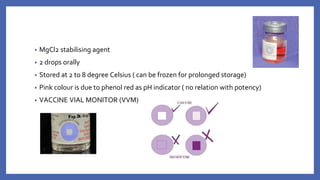
• MgCl2 stabilising agent
• 2 drops orally
• Stored at 2 to 8 degree Celsius ( can be frozen for prolonged storage)
• Pink colour is due to phenol red as pH indicator ( no relation with potency)
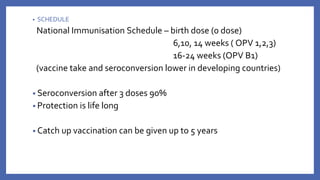
• VACCINE VIAL MONITOR (VVM)
• SCHEDULE
National Immunisation Schedule – birth dose (0 dose)
6,10, 14 weeks ( OPV 1,2,3)
16-24 weeks (OPV B1)
(vaccine take and seroconversion lower in developing countries)
• Seroconversion after 3 doses 90%
• Protection is life long
• Catch up vaccination can be given up to 5 years
❑CONTRAINDICATIONS
⮚ Inherited or acquired immunodeficiency
⮚malignant neoplasm treated with chemotherapy,
⮚recent haematopoietic stem cell transplantation,
⮚drugs with known immunosuppressive or immunomodulatory properties
(e.g. high dose systemic corticosteroids, alkylating drugs, antimetabolites,
TNF-α inhibitors, IL-1 blocking agent, or other monoclonal antibodies
targeting immune cells),
⮚current or recent radiation therapies targeting immune cells.
⮚Pregnant women
⮚Household contacts of immunodeficient patients
⮚Breast feeding and mild diarrhoea are NOT contraindications
❑ADVERSE EFFECTS
• VACCINE ASSOCIATED PARALYTIC POLIO (VAPP)
- due to spontaneous neurovirulence of one of the viruses in the OPV
- occurs in approximately 1 in 106 doses of OPV (2-4 cases/million birt cohort)
- disease indistinguishable from wPV infection, within 4-40 days
- vaccine virus is typically not mutated.
- B cell immunodeficiencies have a 2000-3000 fold increased risk for VAPP
- In industrialised countries, more with early doses
In low income countries, more with later doses (lower immune responsiveness, high maternal
antibodies)
Recepient VAPP or contact VAPP
• VACCINE DEPENDENT POLIO VIRUS (VDPV)
- The attenuated viruses ,through prolonged replication in an individual or in a
community, re-acquire the neurovirulence and transmissibility characteristics of
WPV
- 90% due to type 2
- genetically divergent forms of the original Sabin vaccine virus conventionally
defined by
>1% genetic divergence (or >10 nucleotide [nt] changes) for PV1 and PV3
>0.6% (or >6 nt changes) for PV2.
• 3 categories
• (1)Circulating VDPV(cVDPVs) - evidence of person-to-person transmission in the
community exists
• (2) immunodeficiency associated VDPVs (iVDPVs) -isolated from some people
with primary B-cell or combined immunodeficiency disorders (with defects in
antibody production) who may have prolonged VDPV infections and
• (3) ambiguous VDPVs (aVDPVs), which are either clinical isolates from persons
with no known immunodeficiency, or sewage isolates of unknown origin
• ‘persistent cVDPV’ cVDPVs that continue to circulate for >6 months following
detection.
• epidemiological characteristics of cVDPVs are similar or identical to those of WPVs
• cause similar paralytic disease
• capacity for sustained person-to-person transmission
• lost the original attenuating mutations
• can replicate at 39.5 °C
• usually recombinants with other species of enterovirus.
• Can circulate in undervaccinated community also can be imported to and cause
outbreaks in previously controlled areas
• most advanced antiviral agent, pocapavir (V-073), a capsid inhibitor, has been
shown to shorten poliovirus excretion following a challenge with OPV.
INACTIVATED POLIO VACCINE (IPV)
• KILLED VACCINE
• made from selected WPV strains
- Mahoney or Brunhilde (type 1)
- MEF-1 (type2)
- Saukett (type 3)
• inactivation of cell culture derived polioviruses with formaldehyde
• Potency measured by D antigen content
eIPV – 40D, 80D, 32D units of types 1, 2 and 3 polioviruses
• highly effective in eliciting humoral antibody responses to poliovirus in both high
income and low-income settings
• Seroconversion 90-95% ( 2 doses 2 months apart after 8 weeks) 99% ( 3 doses 4
weeks apart )
• less effective than OPV in inducing intestinal mucosal immunity in previously
unvaccinated individuals.
• IPV can reduce the quantity and duration of virus shedding in faeces, which may
contribute to a reduction in transmission
• Can be given i/m or sub cutaneously
• STORAGE at 2-8 degree Celsius, not frozen
• SCHEDULE
National Immunisation Schedule 2 doses of fractional IPV (0.1 ml) at 6 and 14 weeks
• SIDE EFFECTS
transient minor local erythema (0.5%–1%)
induration (3%–11%)
tenderness (14%–29%)
• Vaccine of choice in
patients with immunodeficiency including symptomatic HIV
siblings and close contacts of immunodeficient
❑Introduction of IPV
▪ induce an immunity base that could be rapidly boosted should there be an outbreak
of polio due to poliovirus type 2 after the removal of type 2 virus from OPV
▪ reduce risks for the development of VAPP
▪ could boost both humoral and mucosal immunity against poliovirus types 1 and 3 in
vaccine recipients.
❑tOPV to bOPV switch in April 2016
⮚In polio endemic countries and high risk of importation 3 doses of bOPV with atleast
1 dose IPV
⮚In countries with high vaccination coverage (e.g. 90%–95%) and low importation
risk sequential IPV–bOPV schedule.
⮚n countries with sustained high vaccination coverage and very low risk of both WPV
importation and transmission IPV only schedule
AFP SURVEILLANCE
❑To identify and investigate every single case of acute flaccid paralysis that can be
polio.
❑AIMS
⮚To detect areas where wPV transmission is occurring
⮚To identify priority areas for immunisation
⮚To measure the quality and impact of polio immunisation activities
⮚For polio free certification (zero WPV for 3 years)
❑NPSP established in 1997 (WHO and Ministry of H&FW, GoI)
❑SELECTION OF CASES
• Sudden onset of weakness and floppiness in any part of the body in a child < 15
years of age or paralysis in a person of any age in which polio is suspected
• Irrespective of diagnosis
• Within 6 months of onset
❑CASE NOTIFICATION
• All cases to be reported to District Immunisation Officer (DIO)
❑CASE INVESTIGATION
• All cases should be verified and investigated within 48 hours of notification
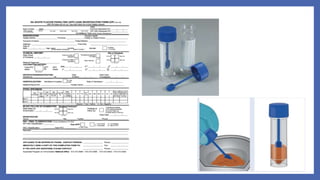
• Case Investigation Form (CIF) – history and physical examination
• Assign an EPID number
• Travel history or history of visits within 35 days , cross reporting SOS
⮚SAMPLE COLLECTION
• Two stool samples at minimum interval of 24 hours within 14 days of onset of
paralysis
• Can be collected up to 60 days
• Each specimen about 8 grams ( 1 adult thumb size)
• Stored and transported under cold chain to WHO accredited lab within 72 hours
(REVERSE COLD CHAIN) at 2-8 degree Celsius
• Adequate stool:
• Two specimens
• collected within 14 days of paralysis onset and at least 24 hours apart;
• each specimen must be of adequate volume (8-10 grams) and
• arrive at a WHO-accredited laboratory in good condition (i.e., no desiccation, no leakage,
with adequate documentation and evidence that the cold chain was maintained.
• LABORATORY METHODS
• Primary isolation of virus in cell culture
RD cell lines ( all enteroviruses) L20B cell lines ( poliovirus)
Serotyping
• Intratypic Differentiation (WPV or vaccine virus)
• Genetic sequencing ( genetic relationship and temporal origin)
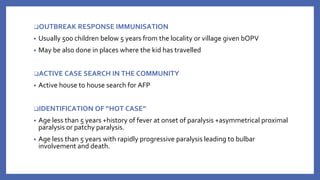
❑OUTBREAK RESPONSE IMMUNISATION
• Usually 500 children below 5 years from the locality or village given bOPV
• May be also done in places where the kid has travelled
❑ACTIVE CASE SEARCH IN THE COMMUNITY
• Active house to house search for AFP
❑IDENTIFICATION OF “HOT CASE”
• Age less than 5 years +history of fever at onset of paralysis +asymmetrical proximal
paralysis or patchy paralysis.
• Age less than 5 years with rapidly progressive paralysis leading to bulbar
involvement and death.
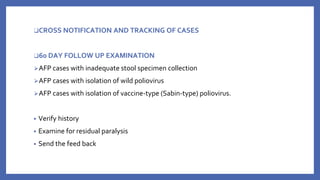
❑CROSS NOTIFICATION AND TRACKING OF CASES
❑60 DAY FOLLOW UP EXAMINATION
⮚AFP cases with inadequate stool specimen collection
⮚AFP cases with isolation of wild poliovirus
⮚AFP cases with isolation of vaccine-type (Sabin-type) poliovirus.
• Verify history
• Examine for residual paralysis
• Send the feed back
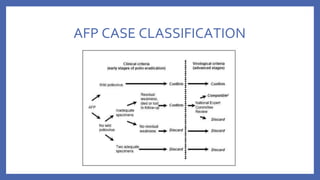
AFP CASE CLASSIFICATION
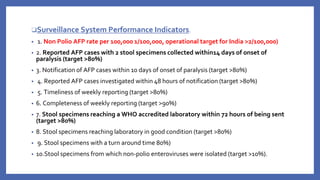
❑Surveillance System Performance Indicators.
• 1. Non Polio AFP rate per 100,000 1/100,000, operational target for India >2/100,000)
• 2. Reported AFP cases with 2 stool specimens collected within14 days of onset of
paralysis (target >80%)
• 3. Notification of AFP cases within 10 days of onset of paralysis (target >80%)
• 4. Reported AFP cases investigated within 48 hours of notification (target >80%)
• 5. Timeliness of weekly reporting (target >80%)
• 6. Completeness of weekly reporting (target >90%)
• 7. Stool specimens reaching a WHO accredited laboratory within 72 hours of being sent
(target >80%)
• 8. Stool specimens reaching laboratory in good condition (target >80%)
• 9. Stool specimens with a turn around time 80%)
• 10.Stool specimens from which non-polio enteroviruses were isolated (target >10%).
POLIO ERADICATION
Achievements and
challenges
❑POLIO IS ERADICATABLE because
• Man is the only reservoir
• Effective vaccine is available
• Immunity is lifelong
• Virus cannot survive long outside body
• First effective vaccine – IPV – used since 1955
• Oral Polio vaccine – in use since 1961 – was the game changer
• By 1970 Polio vaccine was in routine immunisation worldwide
• 1988 – World Health Assembly resolved to eradicate polio by 2000 and Global Polio
Eradication Initiative (GPEI) was launched
• GPEI is a PPP led by national governments with 5 partners
⮚Attaining high rates of routine immunisation
⮚National immunisation Days (NID)
⮚Mopping up immunisation
⮚AFP surveillance
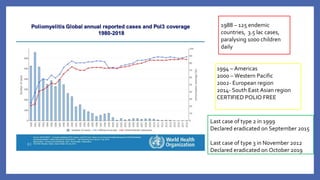
1988 – 125 endemic
countries, 3.5 lac cases,
paralysing 1000 children
daily
1994 – Americas
2000 – Western Pacific
2002- European region
2014- South East Asian region
CERTIFIED POLIO FREE
Last case of type 2 in 1999
Declared eradicated on September 2015
Last case of type 3 in November 2012
Declared eradicated on October 2019
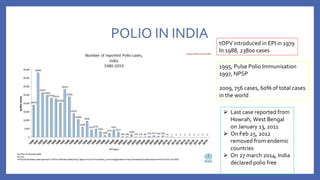
POLIO IN INDIA tOPV introduced in EPI in 1979
In 1988, 23800 cases
1995, Pulse Polio Immunisation
1997, NPSP
2009, 756 cases, 60% of total cases
in the world
⮚ Last case reported from
Howrah, West Bengal
on January 13, 2011
⮚ On Feb 25, 2012
removed from endemic
countries
⮚ On 27 march 2014, India
declared polio free
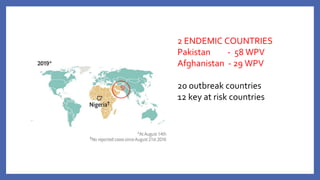
2 ENDEMIC COUNTRIES
Pakistan - 58 WPV
Afghanistan - 29 WPV
20 outbreak countries
12 key at risk countries
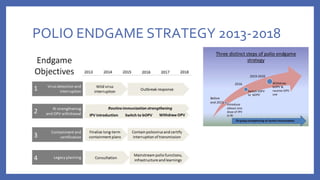
POLIO ENDGAME STRATEGY 2013-2018
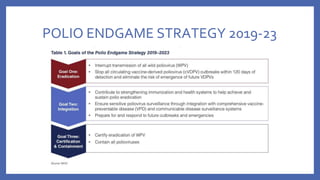
POLIO ENDGAME STRATEGY 2019-23
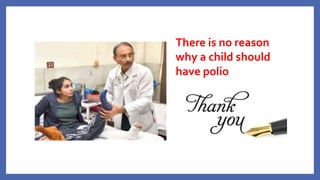
There is no reason
why a child should
have polio

ACUTE FLACCID PARALYSIS.pptx

  • 1.
  • 3.
    WE HAVE BEENTHERE, DONE
  • 4.
    OUTLINE •Definition of AFP, causes and significance •Poliomyelitis – Pathogenesis, clinical features, Treatment and Prevention •Differential diagnosis of AFP •Polio vaccines •AFP Surveillance •Polio eradication
  • 5.
    ACUTE FLACCID PARALYSIS(AFP) Definition and relevance • Rapid onset of weakness with reduced muscle tone progressing to maximum severity within days to weeks • Clinical significance • Epidemiological significance • WHO Epidemiological definition for Global Polio Eradication Programme “AFP in any child less than 15 years or any paralytic illness at any age when polio is suspected”
  • 6.
  • 7.
    SPINAL CORD ⮚ Compressive-Traumatic spinal injury, epidural abscess, hematoma, discitis ⮚ Inflammatory -Transverse myelitis ANTERIOR HORN CELL ⮚ Viral - Poliomyelitis, vaccine associated Poliomyelitis Enteroviral myelitis, Japanese encephalitis ⮚ Vascular - Anterior spinal artery infarction ROOTS OR NERVES ⮚ Immune mediated -Guillain Barre syndrome, ⮚ Toxin - Post diphtheritic, porphyria,arsenic ⮚ Viral - Rabies ⮚ Trauma - Injection related sciatic neuritis NEUROMUSCULAR JUNCTION ⮚ Immune mediated - Myasthenia Gravis ⮚ Drugs, toxins - Organophosphates, snake venom,drugs (aminoglycosides),Botulism ⮚ Dyselectrolyemia - Hypermagnesemia MUSCLE ⮚ Infection - Viral myositis ⮚ Inflammation - Inflammatory myopathy ⮚ (polymyositis) ⮚ Channelopathy - Hypokalemic periodic paralysis ⮚ Dyselectrolytemia - Hypokalemia
  • 8.
    POLIOMYELITIS ⮚ ‘polios’ -grey ‘myelos’ – marrow [Ancient Greek] ⮚ From prehistory Major epidemics were unknown before 20th century ⮚ 1916 US epidemic - 27,000 cases and more than 6,000 deaths due to polio in the with over 2,000 deaths in New York City alone “Thousands fled the city to nearby mountain resorts; movie theaters were closed, meetings were canceled, public gatherings were almost nonexistent, and children were warned not to drink from water fountains, and told to avoid amusement parks, swimming pools, and beaches” ⮚ Worst epidemics in 1940’s and 1950’s
  • 9.
    ❑ John Enders– cultivated poliovirus in human tissue ❑ Jonas Salk – April 12, 1955 – Inactivated polio vaccine (IPV) ❑ Albert Sabin – 1962 – Oral polio vaccine (OPV)
  • 10.
    ETIOLOGY ❑Positive stranded RNAvirus ❑Picorna viridae – Family ; Genus – Enterovirus ; Species – Entrovirus C ❑3 different Antigenic serotypes – 1, 2, 3 All types cause paralysis Type 1 most frequently causes epidemic Type 2 most common cause for vaccine derived poliomyelitis
  • 11.
    TRANSMISSION ❑Feco‐oral route predominateswhere sanitation is low oral to oral route where sanitation is high ❑Highly communicable ‐One infected individual will infect all non‐immune persons in a household ❑Humans are the only known reservoir ❑Virus excretion intermittently excreted for 6‐8 weeks after infection Majority of viral excretion just prior to paralysis onset and up to first two weeks ,dramatically tapers off after 4 weeks
  • 12.
    PATHOGENESIS ❑ Entry viaCD 155 receptor positive cells lining mucosa ❑ Regional LN (Cervical and mesenteric LN) ❑ Primary and transient viremia ❑ Seeds extra neural tissue [ RES, brown fat and skeletal muscle] ❑ Secondary viremia ❑ Direct seeding of CNS or Retrograde spread via nerves
  • 13.
    PATHOGENESIS (Contd..) ❑Primarily infectsmotor neuron cells (Anterior horn cells) in spinal cord and brain stem (motor cranial nerve nuclei) ❑Clinical signs of paralysis occur when >50% motor neurons supplying muscle are destroyed ( as there is overlap in muscle innervation) ❑In brain less extensive lesions can cause paralysis ❑Vital centre involvement – death
  • 14.
    PATHOLOGY ❑Perineuronal inflammation ❑Mixed inflammatoryraction ❑Extensive neuronal destruction ❑Petechial hemorrhage and considerable inflmmatory edema in affected areas ❑Inflammatory edema can also occur in RES – Hyperplastic lymphocytic follicles
  • 15.
    CLINICAL FEATURES • INCUBATIONPERIOD 8-12 days (5-35 days) Asymptomatic / Inapparent infection • 90-95% • No symptoms • No sequelae Non paralytic • 5% • Abortive (4-8%) • Aseptic meningitis(1-2%) Paralytic • 0.1% • Bulbar • Spinal • Bulbo spinal • Encephalitic
  • 16.
    ❑INAPPARENT INFECTION ▪ Accountsfor approximately 95% of cases ▪ Virus stays in intestinal tract and does not attack the nerves ▪ No symptoms, no sequelae ▪ Virus is shed in the stool so infected individual is still able to infect others
  • 17.
    ❑ABORTIVE POLIOMYELITIS ▪ About5% infections ▪ Non specific flu like syndrome ( fever, mlaise, anorexia, headache) sorethroat, abdominal pain, myalgia, irregular vomiting 1-2 weeks after infection ▪ O/E, non specific pharyngitis, abdominal/muscle tenderness, and weakness ▪ Lasts for 2-3 days ▪ Recovers without sequelae
  • 18.
    ❑NON PARALYTIC ASEPTICMENINGITIS ▪ In about 1% ▪ Biphasic illness 1st phase -Symptoms similar to abortive poliomyelitis but more intense - short symptom free interval 2nd phase – CNS disease major illness Soreness, stiffness of posterior muscles of neck, trunk, limbs O/E – nuchal rigidity, spinal rigidity AF – tense/bulging
  • 19.
    PARALYTIC POLIOMYELITIS 3 clinicallyrecognisable syndromes ❑SPINAL PARALYTIC TYPE ▪ Most common form of paralytic poliomyelitis; (79% of all paralytic cases) ▪ Attacks motor neurons and causes paralysis of muscles innervated by spinal nerve ▪ Biphasic illness 1st phase – similar to abortive PM symptom free for 2-5 days 2nd phase – severe fever, headache, exacerbration of previous symptoms severe muscle pain and neurological symptoms (paresthesias, hyperaesthesias, fasiculation, spasm)
  • 20.
    ▪ O/E, Neckstiffness, muscle tenderness within 72 hours , asymmetric flaccid paralysis established ▪ Most commonly affected muscle groups are ‐Quadriceps, tibialis anterior, peroneal ‐Deltoid, biceps, triceps ‐Abdominal muscles, intercostal and diaphragm ▪ Respiratory muscle paralysis can cause life threatening impairment of ventilation ▪ Superficial reflexes (abdominal, cremasteric, gluteal) are the first to decrease, 12-24 hrours before onset of weakness ▪ Deep tendon reflexes change 8-24 hours after superficial reflexes, it pretells evolving paralysis (decreased or absent)
  • 21.
    • Bowel, bladderdysfunction ( transient urinary retention, later incontinence, constipation) • Developing countries, biphasic illness may not be apparent • Paralysis do not progress once fever comes down • RESIDUAL PARALYSIS
  • 22.
    ❑FACTORS FAVOURING PARALYSIS •Male children • Female adults • Pubertal age group • Pregnancy • Tonsillectomy • I M injections • Increased physical activity and fatigue
  • 23.
    ❑Distinguishing features ▪ Asymmetricflaccid paralysis ‐proximal > distal ▪ deep tendon reflexes diminished or absent ▪ fever at onset, muscle pain ▪ rapid progression to paralysis 2‐3 days ▪ preservation of sensory nerve function ▪ residual paralysis after 60 days
  • 24.
    ❑BULBAR PARALYTIC TYPE ▪Less than 1% of paralytic polio ▪ Dysfunction of Cranial nerves and medullary centres dominate clinical picture Commonly involved cranial nerves are: ‐ III to VII nerve nuclei – good prognosis ‐ IX to XII nerve nuclei – poor prognosis • Vital centre involvement ▪ Inability to swallow ▪ Pooling of secretions ▪ Nasal regurgitation ▪ Nasal twang of voice/cry ▪ Irregular respiration (pooling of secretions in pharynx, vocal cord paralysis ▪ Deviation of palate/uvula/tongue • Impairment of respiratory center – may lead to respiratory failure • Impairment of circulatory center (autonomic nervous system) – leading to hypertension and peripheral circulatory failure • Delirium, coma
  • 25.
    • ROPE SIGN •LANDRY TYPE PARALYSIS – Ascending paralysis culminating in bulbar involvement • Death, partial recovery, full recovery • Cranial nerve involvement is seldom permanent
  • 26.
    ❑BULBOSPINAL POLIO ▪ Accountsfor 19% of paralytic cases ▪ Has mixed features; i.e. features of both spinal as well as bulbar forms ▪ Affects extremities and cranial nerves ▪ Leads to severe respiratory involvement
  • 27.
    ❑POLIOENCEPHALITIS ▪ Very rare ▪Causes inflammation of gray matter of brain ▪ Signs/symptoms include agitation, confusion, stupor, and coma ▪ Autonomic dysfunction is common and it has a high mortality
  • 28.
    ❑SIGNS OF RESPIRATORYMUSCLE INVOLVEMENT • Anxious expression • Frequent pauses in speech • Short, jerky breathless sentences • Increased respiratory rate • Accessory muscle action • Inability to cough/sniff fully • Paradoxical abdominal movement, relative immobility of intercostal spaces • DELTOID PARALYSIS
  • 29.
    DIAGNOSIS ❑Isolating virus fromstool sample ▪ 2 samples collected 24-48 hours apart ▪ Each 8-10 g (one adult thumb size) ▪ Within 14 days of onset of paralysis (may be collected upto 60 days) ▪ Transported in clean, dry, screw capped container to WHO accredited lab ▪ In REVERSE COLD CHAIN ▪ Virus grown in 2 cell lines (Human rhabdomyosarcoma cells, L20B cells) ▪ Cytopathic effects looked for ▪ Serotyping and identifying
  • 30.
    ❑CSF study ▪ Normalin minor illness ▪ CNS involvement- pleiocytosis (20-300 cells/micro L), initially PMNL, later mononuclear cells. Count normal by 2nd week ▪ CSF protein normal initially, increase by 2nd week ❑SEROCONVERSION ▪ 4 fold rise in antibodies by 3-6 weeks
  • 31.
    TREATMENT • Limit progression •Prevent ensuing deformities • Preparing child and family for prolonged treatment ❑ All I M Injections and surgical procedures are contraindicated in acute phase of poliomyelitis (PROVOCATIVE POLIOMYELITIS)
  • 32.
    INDICATIONS FOR HOSPITALISATION •Progression of paralysis • Respiratory distress • Bulbar involvement • Paralysis of upper limbs of less than 3 days • Marked drowsiness
  • 33.
    TREATMENT • Bed rest‐ Physical activity increases risk of paralysis. • Pain relief –Analgesics, sister Kennedy's method, mild sedative in spinal form, not to be used in bulbar form, encephalitis. • Neutral position of limbs. ( feet at right angles to legs, knees slightly flexed, hips and spine straight ) • Physiotherapy prevents deformity • Bowel – manage constipation • Bladder – for retention Parasympathetic stimulant (Betanechol), manual compression, cathetrisation carefully ( lasts for less than few days) • Good diet, high fluid
  • 34.
    TREATMENT (Contd..) ❑BULBAR POLIOMYELITIS •Maintain airway, avoid aspiration • BP monitoring • Tracheostomy (Vocal cord paralysis, constriction of hypopharynx) • Most recover with little residual impairment
  • 35.
    COMPLICATIONS • Acute gastricdilatation • Melena • Hypertension A/c – Vasovagal centre affection Later – Immobilization, Hypercalcemia, Nephrocalcinosis, vascular lesions • ECG abnormalities suggestive of myocarditis • Acute pulmonary edema • Hypercalcemia
  • 36.
    PROGNOSIS • Inapparent infection •Abortive poliomyelitis Good outcome • Aseptic meningitis syndrome • Paralytic disease – depends on CNS involvement • Severe bulbar disease – mortality 60% Less severe bulbar/ spinal – mortality 5-10%
  • 37.
    POST POLIO SYNDROME •In 25-50% survivors of wPV infection • 15-30 years after infection • Muscle pain and exacerbration of existing weakness or appearance of new weakness • RISK FACTORS - increased time since infection - permanent residual impairment after recovery from acute illness - Female sex
  • 38.
  • 39.
    SPINAL CORD ⮚ Compressive-Traumatic spinal injury, epidural abscess, hematoma, discitis ⮚ Inflammatory -Transverse myelitis ANTERIOR HORN CELL ⮚ Viral - Poliomyelitis, vaccine associated Poliomyelitis Enteroviral myelitis, Japanese encephalitis ⮚ Vascular - Anterior spinal artery infarction ROOTS OR NERVES ⮚ Immune mediated -Guillain Barre syndrome, ⮚ Toxin - Post diphtheritic, porphyria,arsenic ⮚ Viral - Rabies ⮚ Trauma - Injection related sciatic neuritis NEUROMUSCULAR JUNCTION ⮚ Immune mediated - Myasthenia Gravis ⮚ Drugs, toxins - Organophosphates, snake venom,drugs (aminoglycosides),Botulism ⮚ Dyselectrolyemia - Hypermagnesemia MUSCLE ⮚ Infection - Viral myositis ⮚ Inflammation - Inflammatory myopathy ⮚ (polymyositis) ⮚ Channelopathy - Hypokalemic periodic paralysis ⮚ Dyselectrolytemia - Hypokalemia
  • 40.
    GUILLEIN BAREE SYNDROME •Most common cause of AFP in post polio era • Infection triggered immune mediated attack on the nerve axons or myelin • Antecedant respiratory or gastrointestinal illnesses • AIDP most common, AMAN also in Indian children • pain, paraesthesia, or weakness in the limbs which spreads proximally. • Paralysis – Symmetric, Ascending, progressing over days to weeks • Lower cranial nerve involvement • Bladder dysfuction may be present initially, transient • Autonomic signs • Respiratory insufficiency severe cases
  • 41.
    • CSF STUDY: Albumino cytological dissociation • NERVE CONDUCTION STUDIES : slowed conduction, decreased motor amplitude • TREATMENT : Supportive care IvIg 2g/kg over 2-5 days Plasmapheresis
  • 42.
    TRANSVERSE MYELITIS • anacute demyelinating disorder of the spinal cord • acute phase of spinal shock (over hours to 4 days) flaccid paraparesis or quadriparesis (symmetric) urinary retention or incontinence (persistent) absent reflexes and mute plantars sensory loss/level • Autonomic signs present • After a few weeks, the signs of UMN dysfunction appear, in the form of spasticity, and hypereflexia
  • 43.
    • CSF study– Normal or mild pleiocytosis • Nerve conduction velocity – Normal • MRI spine – to R/o Trauma, Epidural abscess, hematoma, Anterior spinal aretery syndrome • TREATMENT : Supportive care Methyl prednisolone I/V 10-30 mg/kg/day for 5 days followed by oral
  • 44.
    TRAUMATIC NEURITIS • FollowsIM injection • one limb involvement and definite history of injection in that limb (usually less than 24 h) before the onset of paralysis. • Associated with pain and hypothermia of affected limb • sensory deficits and lack of CSF pleocytosis favor the diagnosis of traumatic neuritis • NERVE CONDUCTION STUDY – Sensory motor axonal neuropathy
  • 46.
    ❑Non polio enteroviralmyelitis ▪ most common – Enterovirus 71 ▪ frequently is associated with aseptic meningitis, hand, foot and mouth disease and hemorrhagic conjunctivitis ▪ Other viruses - Rabies, JE ▪ Hypokalemic paralysis
  • 47.
    When child comeswith flaccid paralysis always see… ❑ respiratory muscle weakness ❑ bulbar weakness ❑Cardiovascular instability ❑Dyselectrolemia and toxemia ❑Spinal compression
  • 48.
  • 49.
    ❑NATURAL IMMUNITY • Circulatingand mucosal antibodies (secretory IgA) • Serotype specific and no cross immunity • Mucosal immunity decreases viral replication and shedding • More chance of paralytic polio in B cell immunodeficiency
  • 50.
    ORAL POLIO VACCINE(OPV) • Developed by Dr Albert Sabin and first used in 1961 • LIVE ATTENUATED VACCINE • licensed formulations of OPV: (i) monovalent OPVs against type 1 (mOPV1), type 2 (mOPV2) or type 3 (mOPV3); (ii) bivalent OPV (bOPV) containing types 1 and 3; and (iii) trivalent (tOPV) containing types 1, 2 and 3 •
  • 51.
    • Vaccine virusmultiplies in intestinal mucosa (‘take’ of vaccine)- wPV if encountered infection rate less, excretion less • During the first 4–6 weeks following OPV vaccination, the vast majority of non- immune vaccine recipients shed Sabin poliovirus in nasopharyngeal secretions and faeces. • In unvaccinated populations, these vaccine viruses are easily transmitted within and to a lesser degree outside households, thereby vaccinating and inducing immunity in persons not reached directly by immunization programmes. • In addition, such transmission may boost intestinal immunity in some persons and help to increase community protection if virulent viruses are introduced.
  • 52.
    • MgCl2 stabilisingagent • 2 drops orally • Stored at 2 to 8 degree Celsius ( can be frozen for prolonged storage) • Pink colour is due to phenol red as pH indicator ( no relation with potency) • VACCINE VIAL MONITOR (VVM)
  • 53.
    • SCHEDULE National ImmunisationSchedule – birth dose (0 dose) 6,10, 14 weeks ( OPV 1,2,3) 16-24 weeks (OPV B1) (vaccine take and seroconversion lower in developing countries) • Seroconversion after 3 doses 90% • Protection is life long • Catch up vaccination can be given up to 5 years
  • 54.
    ❑CONTRAINDICATIONS ⮚ Inherited oracquired immunodeficiency ⮚malignant neoplasm treated with chemotherapy, ⮚recent haematopoietic stem cell transplantation, ⮚drugs with known immunosuppressive or immunomodulatory properties (e.g. high dose systemic corticosteroids, alkylating drugs, antimetabolites, TNF-α inhibitors, IL-1 blocking agent, or other monoclonal antibodies targeting immune cells), ⮚current or recent radiation therapies targeting immune cells. ⮚Pregnant women ⮚Household contacts of immunodeficient patients ⮚Breast feeding and mild diarrhoea are NOT contraindications
  • 55.
    ❑ADVERSE EFFECTS • VACCINEASSOCIATED PARALYTIC POLIO (VAPP) - due to spontaneous neurovirulence of one of the viruses in the OPV - occurs in approximately 1 in 106 doses of OPV (2-4 cases/million birt cohort) - disease indistinguishable from wPV infection, within 4-40 days - vaccine virus is typically not mutated. - B cell immunodeficiencies have a 2000-3000 fold increased risk for VAPP - In industrialised countries, more with early doses In low income countries, more with later doses (lower immune responsiveness, high maternal antibodies) Recepient VAPP or contact VAPP
  • 56.
    • VACCINE DEPENDENTPOLIO VIRUS (VDPV) - The attenuated viruses ,through prolonged replication in an individual or in a community, re-acquire the neurovirulence and transmissibility characteristics of WPV - 90% due to type 2 - genetically divergent forms of the original Sabin vaccine virus conventionally defined by >1% genetic divergence (or >10 nucleotide [nt] changes) for PV1 and PV3 >0.6% (or >6 nt changes) for PV2.
  • 57.
    • 3 categories •(1)Circulating VDPV(cVDPVs) - evidence of person-to-person transmission in the community exists • (2) immunodeficiency associated VDPVs (iVDPVs) -isolated from some people with primary B-cell or combined immunodeficiency disorders (with defects in antibody production) who may have prolonged VDPV infections and • (3) ambiguous VDPVs (aVDPVs), which are either clinical isolates from persons with no known immunodeficiency, or sewage isolates of unknown origin • ‘persistent cVDPV’ cVDPVs that continue to circulate for >6 months following detection.
  • 58.
    • epidemiological characteristicsof cVDPVs are similar or identical to those of WPVs • cause similar paralytic disease • capacity for sustained person-to-person transmission • lost the original attenuating mutations • can replicate at 39.5 °C • usually recombinants with other species of enterovirus. • Can circulate in undervaccinated community also can be imported to and cause outbreaks in previously controlled areas • most advanced antiviral agent, pocapavir (V-073), a capsid inhibitor, has been shown to shorten poliovirus excretion following a challenge with OPV.
  • 59.
    INACTIVATED POLIO VACCINE(IPV) • KILLED VACCINE • made from selected WPV strains - Mahoney or Brunhilde (type 1) - MEF-1 (type2) - Saukett (type 3) • inactivation of cell culture derived polioviruses with formaldehyde • Potency measured by D antigen content eIPV – 40D, 80D, 32D units of types 1, 2 and 3 polioviruses
  • 60.
    • highly effectivein eliciting humoral antibody responses to poliovirus in both high income and low-income settings • Seroconversion 90-95% ( 2 doses 2 months apart after 8 weeks) 99% ( 3 doses 4 weeks apart ) • less effective than OPV in inducing intestinal mucosal immunity in previously unvaccinated individuals. • IPV can reduce the quantity and duration of virus shedding in faeces, which may contribute to a reduction in transmission
  • 61.
    • Can begiven i/m or sub cutaneously • STORAGE at 2-8 degree Celsius, not frozen • SCHEDULE National Immunisation Schedule 2 doses of fractional IPV (0.1 ml) at 6 and 14 weeks • SIDE EFFECTS transient minor local erythema (0.5%–1%) induration (3%–11%) tenderness (14%–29%) • Vaccine of choice in patients with immunodeficiency including symptomatic HIV siblings and close contacts of immunodeficient
  • 62.
    ❑Introduction of IPV ▪induce an immunity base that could be rapidly boosted should there be an outbreak of polio due to poliovirus type 2 after the removal of type 2 virus from OPV ▪ reduce risks for the development of VAPP ▪ could boost both humoral and mucosal immunity against poliovirus types 1 and 3 in vaccine recipients. ❑tOPV to bOPV switch in April 2016 ⮚In polio endemic countries and high risk of importation 3 doses of bOPV with atleast 1 dose IPV ⮚In countries with high vaccination coverage (e.g. 90%–95%) and low importation risk sequential IPV–bOPV schedule. ⮚n countries with sustained high vaccination coverage and very low risk of both WPV importation and transmission IPV only schedule
  • 63.
  • 64.
    ❑To identify andinvestigate every single case of acute flaccid paralysis that can be polio. ❑AIMS ⮚To detect areas where wPV transmission is occurring ⮚To identify priority areas for immunisation ⮚To measure the quality and impact of polio immunisation activities ⮚For polio free certification (zero WPV for 3 years) ❑NPSP established in 1997 (WHO and Ministry of H&FW, GoI)
  • 65.
    ❑SELECTION OF CASES •Sudden onset of weakness and floppiness in any part of the body in a child < 15 years of age or paralysis in a person of any age in which polio is suspected • Irrespective of diagnosis • Within 6 months of onset ❑CASE NOTIFICATION • All cases to be reported to District Immunisation Officer (DIO)
  • 66.
    ❑CASE INVESTIGATION • Allcases should be verified and investigated within 48 hours of notification • Case Investigation Form (CIF) – history and physical examination • Assign an EPID number • Travel history or history of visits within 35 days , cross reporting SOS ⮚SAMPLE COLLECTION • Two stool samples at minimum interval of 24 hours within 14 days of onset of paralysis • Can be collected up to 60 days • Each specimen about 8 grams ( 1 adult thumb size) • Stored and transported under cold chain to WHO accredited lab within 72 hours (REVERSE COLD CHAIN) at 2-8 degree Celsius
  • 68.
    • Adequate stool: •Two specimens • collected within 14 days of paralysis onset and at least 24 hours apart; • each specimen must be of adequate volume (8-10 grams) and • arrive at a WHO-accredited laboratory in good condition (i.e., no desiccation, no leakage, with adequate documentation and evidence that the cold chain was maintained. • LABORATORY METHODS • Primary isolation of virus in cell culture RD cell lines ( all enteroviruses) L20B cell lines ( poliovirus) Serotyping • Intratypic Differentiation (WPV or vaccine virus) • Genetic sequencing ( genetic relationship and temporal origin)
  • 69.
    ❑OUTBREAK RESPONSE IMMUNISATION •Usually 500 children below 5 years from the locality or village given bOPV • May be also done in places where the kid has travelled ❑ACTIVE CASE SEARCH IN THE COMMUNITY • Active house to house search for AFP ❑IDENTIFICATION OF “HOT CASE” • Age less than 5 years +history of fever at onset of paralysis +asymmetrical proximal paralysis or patchy paralysis. • Age less than 5 years with rapidly progressive paralysis leading to bulbar involvement and death.
  • 70.
    ❑CROSS NOTIFICATION ANDTRACKING OF CASES ❑60 DAY FOLLOW UP EXAMINATION ⮚AFP cases with inadequate stool specimen collection ⮚AFP cases with isolation of wild poliovirus ⮚AFP cases with isolation of vaccine-type (Sabin-type) poliovirus. • Verify history • Examine for residual paralysis • Send the feed back
  • 71.
  • 72.
    ❑Surveillance System PerformanceIndicators. • 1. Non Polio AFP rate per 100,000 1/100,000, operational target for India >2/100,000) • 2. Reported AFP cases with 2 stool specimens collected within14 days of onset of paralysis (target >80%) • 3. Notification of AFP cases within 10 days of onset of paralysis (target >80%) • 4. Reported AFP cases investigated within 48 hours of notification (target >80%) • 5. Timeliness of weekly reporting (target >80%) • 6. Completeness of weekly reporting (target >90%) • 7. Stool specimens reaching a WHO accredited laboratory within 72 hours of being sent (target >80%) • 8. Stool specimens reaching laboratory in good condition (target >80%) • 9. Stool specimens with a turn around time 80%) • 10.Stool specimens from which non-polio enteroviruses were isolated (target >10%).
  • 73.
  • 74.
    ❑POLIO IS ERADICATABLEbecause • Man is the only reservoir • Effective vaccine is available • Immunity is lifelong • Virus cannot survive long outside body • First effective vaccine – IPV – used since 1955 • Oral Polio vaccine – in use since 1961 – was the game changer • By 1970 Polio vaccine was in routine immunisation worldwide
  • 75.
    • 1988 –World Health Assembly resolved to eradicate polio by 2000 and Global Polio Eradication Initiative (GPEI) was launched • GPEI is a PPP led by national governments with 5 partners ⮚Attaining high rates of routine immunisation ⮚National immunisation Days (NID) ⮚Mopping up immunisation ⮚AFP surveillance
  • 76.
    1988 – 125endemic countries, 3.5 lac cases, paralysing 1000 children daily 1994 – Americas 2000 – Western Pacific 2002- European region 2014- South East Asian region CERTIFIED POLIO FREE Last case of type 2 in 1999 Declared eradicated on September 2015 Last case of type 3 in November 2012 Declared eradicated on October 2019
  • 77.
    POLIO IN INDIAtOPV introduced in EPI in 1979 In 1988, 23800 cases 1995, Pulse Polio Immunisation 1997, NPSP 2009, 756 cases, 60% of total cases in the world ⮚ Last case reported from Howrah, West Bengal on January 13, 2011 ⮚ On Feb 25, 2012 removed from endemic countries ⮚ On 27 march 2014, India declared polio free
  • 78.
    2 ENDEMIC COUNTRIES Pakistan- 58 WPV Afghanistan - 29 WPV 20 outbreak countries 12 key at risk countries
  • 79.
  • 80.
  • 81.
    There is noreason why a child should have polio