School Systems That Learn
Improving Professional Practice, Overcoming
Limitations,
and Diffusing Innovation

January 29, 2014
Paul B. Ash
pash@sch.ci.lexington.ma.us

1
Think About…
Why do achievement gaps exist
even in well-funded school districts?

2
Think About…
Why do achievement gaps exist even in
well-funded school districts?
It’s not possible to close them.
The district needs to find “just the right
initiatives.”
The district has reached its maximum
capacity.
3
Our Hypothesis…
The district has reached its
maximum capacity.

4
Limitations to School Change
and Capacity Building
1. 
2. 
3. 
4. 
5. 

Laws and regulations
Mindsets and limiting beliefs
Standardization (vs. differentiation)
Isolation (as opposed to collaboration)
A narrow view of professional
development
6.  Viewing teaching and student learning
as separate acts
Strategies That WON’T Close
Achievement Gaps OR Build Capacity

• Fire all underperformers

•  Hire more outstanding teachers
•  Increase teacher evaluation
The 4 Effective Drivers of
+ Change
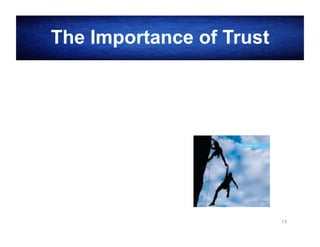
•  The Importance of Trust
•  Collaboration in All Directions
•  Capacity Building for All
Educators
•  Leaders at All Levels

7
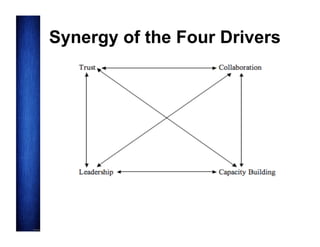
Synergy of the Four Drivers
Synergy
When all four drivers are present at high
levels, the system catalyzes an increase in
educator capacity, professional practice,
and student performance.
Overarching Theory
When a school system learns, continuous
improvement enables educators to close
achievement gaps and ensures that all
students grow and develop as learners.
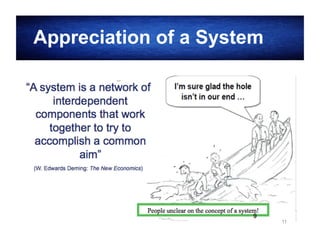
Appreciation of a System

11
Systems Approach
“Every system is perfectly
designed to achieve exactly the
results it gets”.
Paul Batalden Dartmouth Medical School Director,
Based on a quote from W. Edward Deming (1990)
12
The Importance of Trust

13
Vulnerability Trust

Patrick Lencioni
“The Importance of Trust”

Video from World of Business Ideas
http://www.youtube.com/watch?
v=gwj9bMLiV4E

14
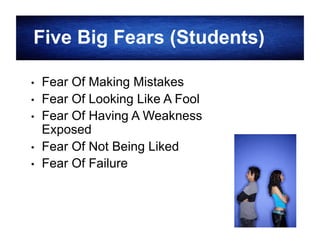
Five Big Fears (Students)
• 
• 
• 
• 
• 

Fear Of Making Mistakes
Fear Of Looking Like A Fool
Fear Of Having A Weakness
Exposed
Fear Of Not Being Liked
Fear Of Failure

15
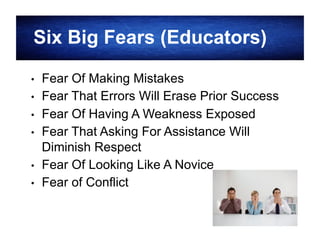
Six Big Fears (Educators)
• 
• 
• 
• 
• 
• 

Fear Of Making Mistakes
Fear That Errors Will Erase Prior Success
Fear Of Having A Weakness Exposed
Fear That Asking For Assistance Will
Diminish Respect
Fear Of Looking Like A Novice
Fear of Conflict
16
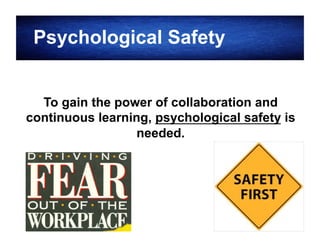
Psychological Safety
To gain the power of collaboration and
continuous learning, psychological safety is
needed.

17
Signs of Psychological
Safety*
Educators can disagree with peers and
authority figures, ask naïve questions, own
up to mistakes, or present a minority view
without fear of ridicule or marginalization.
*Edmondson

18
In Your Experience…
What percentage of the teams that you
have observed demonstrated signs of
psychological safety?

19
Capacity Building

20
Research
Professional development can have a
positive impact on student learning
•  Meiers & Ingvarson (2005) – Australia study
•  Supovitz (2001)
•  Garet et al (2001)
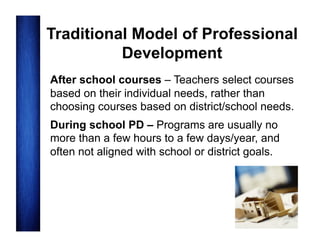
Traditional Model of Professional
Development
After school courses – Teachers select courses
based on their individual needs, rather than
choosing courses based on district/school needs.
During school PD – Programs are usually no
more than a few hours to a few days/year, and
often not aligned with school or district goals.
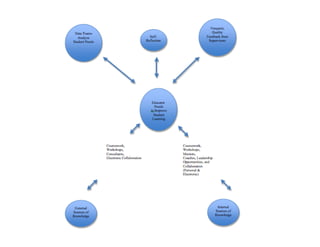
A New Systemic Model of PD
Five Streams that Improve Educator
Capacity to Improve Student
Learning:
•  Data Teams Analyze Student Work
•  Frequent Quality Feedback from
Supervisors
•  External Sources of Knowledge
•  Internal Sources of Knowledge
•  Self-Reflection
3 Qualities of Effective PD
•  The district has clear learning goals for
every student and growth mindset for all
educators and students?
•  The district frequently assesses student
progress toward their learning goals?
•  The school district has an ongoing
system of professional learning for all
educators that is designed to increase
performance
Key Findings
Successful programs include:
• Avoiding narrow outcomes to easily measured
topics
• Opportunities for teacher reflection,
collaboration, and building professional
community
• Focus on subject matter learning
• 14 to 49 hours of learning time with follow-up,
active learning, feedback, and collaboration
A New Model
High quality professional learning is

coherent, consistent, systemic, and
sustained.
Poll: Which intervention has
the largest effect size?
Lowering pupil-teacher ratios
Increasing teacher salaries
Increasing teacher experience
Increasing teacher education
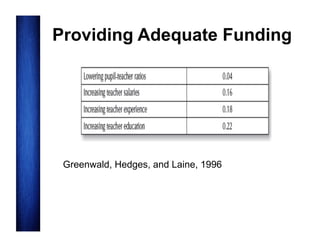
Providing Adequate Funding

Greenwald, Hedges, and Laine, 1996
Questions

30
In Summary
• School systems are designed not
to change (6 limitations)
• Just adding more and more
initiatives will have limited impact
on student learning
• All systems have a maximum
capacity
31
Four High-leverage Strategies
We increase educator and student
learning by:
• Increasing Trust
• Building individual and collective
capacity
• Building leadership at all levels
• Collaborating in all directions
32

School Systems that Learn- Paul Ash

  • 1.
    School Systems ThatLearn Improving Professional Practice, Overcoming Limitations, and Diffusing Innovation January 29, 2014 Paul B. Ash pash@sch.ci.lexington.ma.us 1
  • 2.
    Think About… Why doachievement gaps exist even in well-funded school districts? 2
  • 3.
    Think About… Why doachievement gaps exist even in well-funded school districts? It’s not possible to close them. The district needs to find “just the right initiatives.” The district has reached its maximum capacity. 3
  • 4.
    Our Hypothesis… The districthas reached its maximum capacity. 4
  • 5.
    Limitations to SchoolChange and Capacity Building 1.  2.  3.  4.  5.  Laws and regulations Mindsets and limiting beliefs Standardization (vs. differentiation) Isolation (as opposed to collaboration) A narrow view of professional development 6.  Viewing teaching and student learning as separate acts
  • 6.
    Strategies That WON’TClose Achievement Gaps OR Build Capacity • Fire all underperformers •  Hire more outstanding teachers •  Increase teacher evaluation
  • 7.
    The 4 EffectiveDrivers of + Change •  The Importance of Trust •  Collaboration in All Directions •  Capacity Building for All Educators •  Leaders at All Levels 7
  • 8.
    Synergy of theFour Drivers
  • 9.
    Synergy When all fourdrivers are present at high levels, the system catalyzes an increase in educator capacity, professional practice, and student performance.
  • 10.
    Overarching Theory When aschool system learns, continuous improvement enables educators to close achievement gaps and ensures that all students grow and develop as learners.
  • 11.
  • 12.
    Systems Approach “Every systemis perfectly designed to achieve exactly the results it gets”. Paul Batalden Dartmouth Medical School Director, Based on a quote from W. Edward Deming (1990) 12
  • 13.
  • 14.
    Vulnerability Trust Patrick Lencioni “TheImportance of Trust” Video from World of Business Ideas http://www.youtube.com/watch? v=gwj9bMLiV4E 14
  • 15.
    Five Big Fears(Students) •  •  •  •  •  Fear Of Making Mistakes Fear Of Looking Like A Fool Fear Of Having A Weakness Exposed Fear Of Not Being Liked Fear Of Failure 15
  • 16.
    Six Big Fears(Educators) •  •  •  •  •  •  Fear Of Making Mistakes Fear That Errors Will Erase Prior Success Fear Of Having A Weakness Exposed Fear That Asking For Assistance Will Diminish Respect Fear Of Looking Like A Novice Fear of Conflict 16
  • 17.
    Psychological Safety To gainthe power of collaboration and continuous learning, psychological safety is needed. 17
  • 18.
    Signs of Psychological Safety* Educatorscan disagree with peers and authority figures, ask naïve questions, own up to mistakes, or present a minority view without fear of ridicule or marginalization. *Edmondson 18
  • 19.
    In Your Experience… Whatpercentage of the teams that you have observed demonstrated signs of psychological safety? 19
  • 20.
  • 21.
    Research Professional development canhave a positive impact on student learning •  Meiers & Ingvarson (2005) – Australia study •  Supovitz (2001) •  Garet et al (2001)
  • 22.
    Traditional Model ofProfessional Development After school courses – Teachers select courses based on their individual needs, rather than choosing courses based on district/school needs. During school PD – Programs are usually no more than a few hours to a few days/year, and often not aligned with school or district goals.
  • 23.
    A New SystemicModel of PD Five Streams that Improve Educator Capacity to Improve Student Learning: •  Data Teams Analyze Student Work •  Frequent Quality Feedback from Supervisors •  External Sources of Knowledge •  Internal Sources of Knowledge •  Self-Reflection
  • 25.
    3 Qualities ofEffective PD •  The district has clear learning goals for every student and growth mindset for all educators and students? •  The district frequently assesses student progress toward their learning goals? •  The school district has an ongoing system of professional learning for all educators that is designed to increase performance
  • 26.
    Key Findings Successful programsinclude: • Avoiding narrow outcomes to easily measured topics • Opportunities for teacher reflection, collaboration, and building professional community • Focus on subject matter learning • 14 to 49 hours of learning time with follow-up, active learning, feedback, and collaboration
  • 27.
    A New Model Highquality professional learning is coherent, consistent, systemic, and sustained.
  • 28.
    Poll: Which interventionhas the largest effect size? Lowering pupil-teacher ratios Increasing teacher salaries Increasing teacher experience Increasing teacher education
  • 29.
  • 30.
  • 31.
    In Summary • Schoolsystems are designed not to change (6 limitations) • Just adding more and more initiatives will have limited impact on student learning • All systems have a maximum capacity 31
  • 32.
    Four High-leverage Strategies Weincrease educator and student learning by: • Increasing Trust • Building individual and collective capacity • Building leadership at all levels • Collaborating in all directions 32