Measure and review
1 - Policy, code of conduct and mapping interested
parties (2)
1 - Objectives and mastering indicators
2 - Interactive présentation
3 - Continual improvement & strategy
4 - Synthesis
Interested Parties
Mapping relationships
CSR can enable enterprises
“to identify all stakeholders and their interests through research and analysis,
to make the strategy to fulfill their needs, to set the structure and culture to
enable the fulfilling of all stakeholders’ interests, and to set institutions for
monitoring and control”.
Shall we map them ?
your company or your case
study
Stakeholders template
Objectives et KPI
they must be SMART
1- Set the scene with a group brainstorm discussion about what ethics and the
Triple Bottom Line actually means to people, staff, customers, and its
significance for the organisation/industry sector concerned….
2 - Each of the initiatives must focus on one of the Triple Bottom Line areas ,
and at the same time must support the other two TBL areas.
3 - The extent to which profit is affected by ethical initiatives is a matter for
discussion and consideration of the wider and long-term view. « Within this
view are the wider benefits achieved by improving the ethical behaviour of the
organisation, which ultimately will improve profits far more than ignoring ethical
issues ? »
Specific - Measurable -
Achievable - Relevant - Time
bound
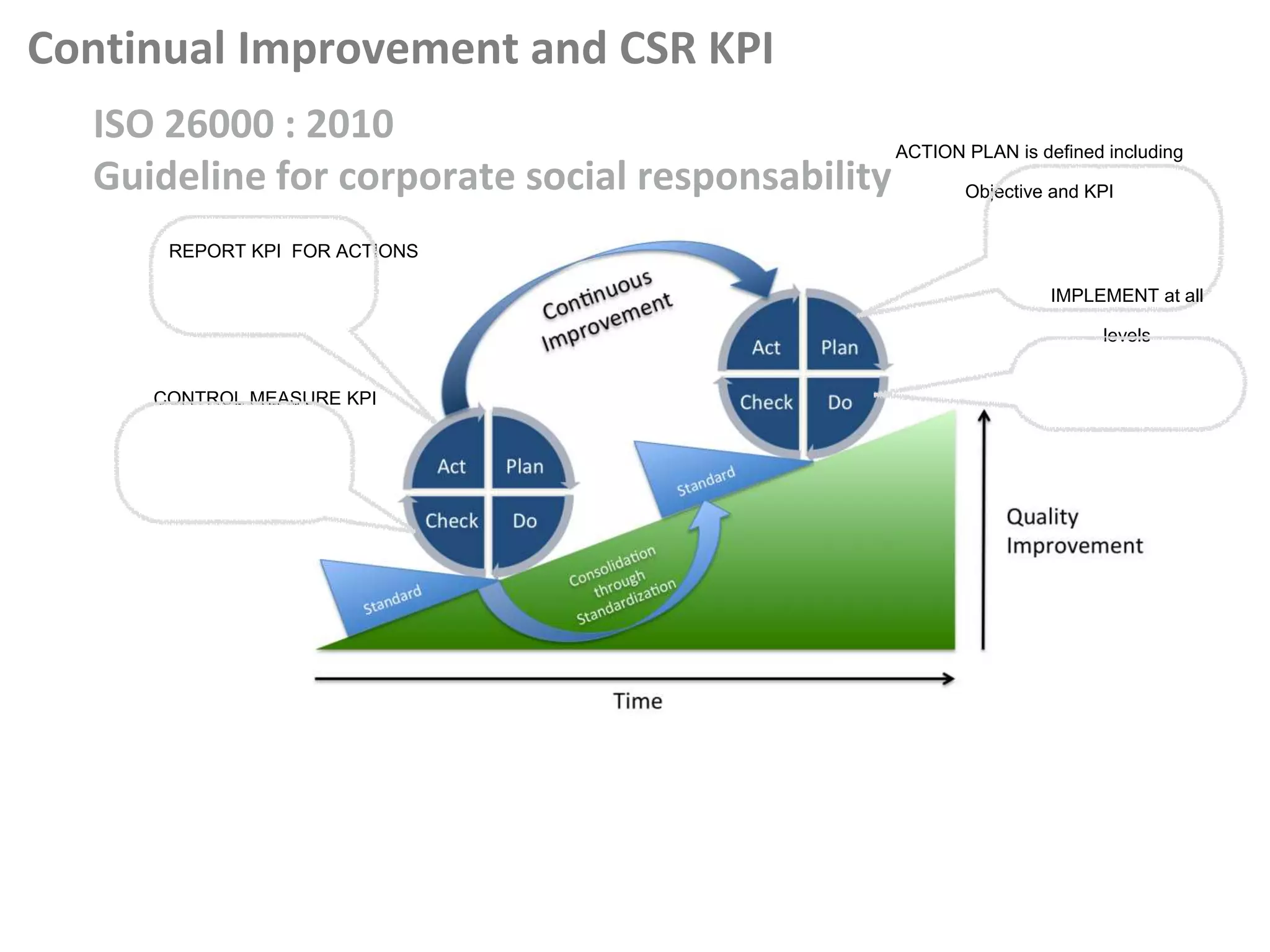
ISO 26000 : 2010
Guideline for corporate social responsability
Continual Improvement and CSR KPI
ACTION PLAN is defined including
Objective and KPI
IMPLEMENT at all
levels
CONTROL MEASURE KPI
REPORT KPI FOR ACTIONS
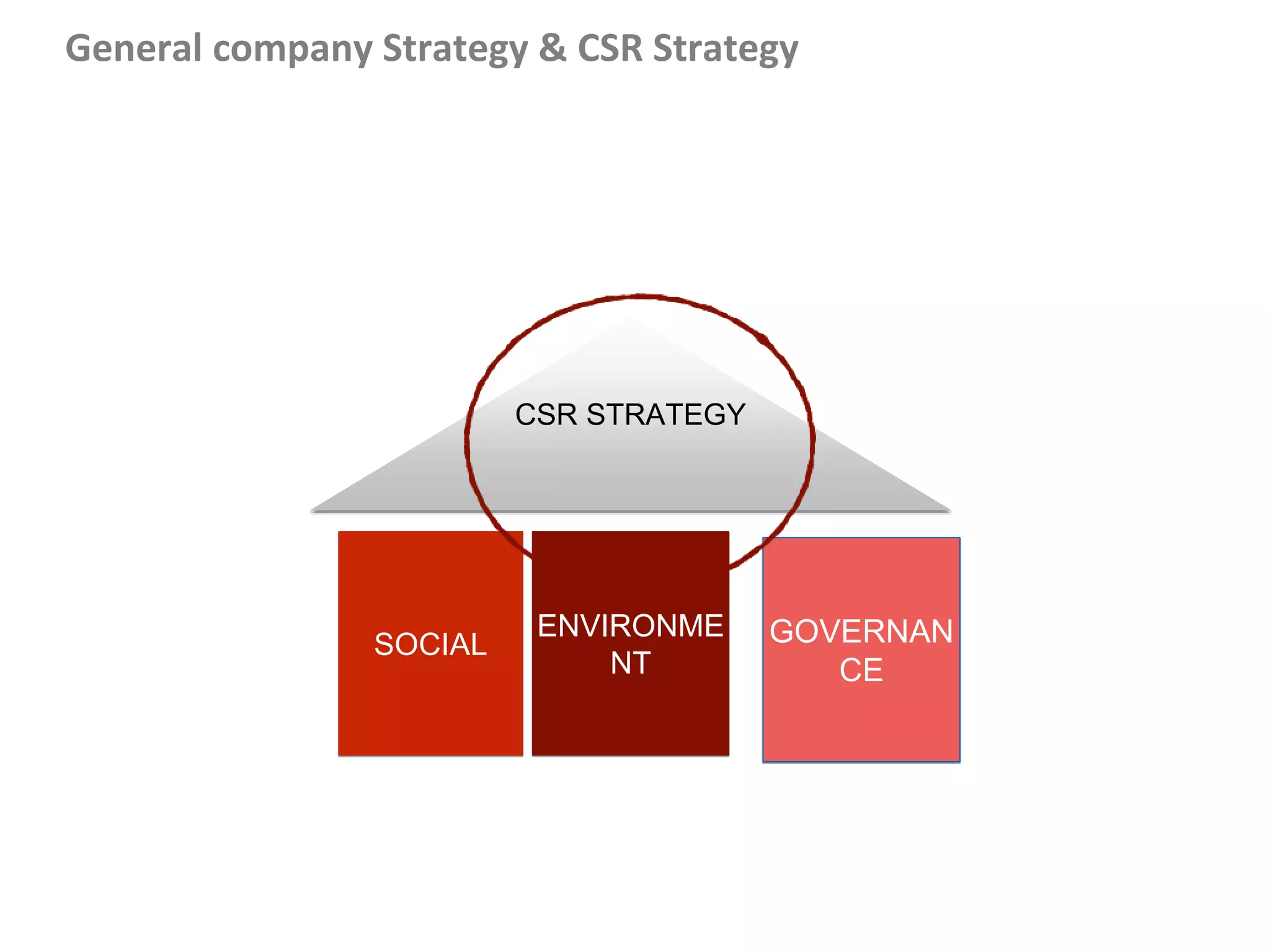
General company Strategy & CSR Strategy
CSR STRATEGY
GOVERNAN
CE
SOCIAL
ENVIRONME
NT
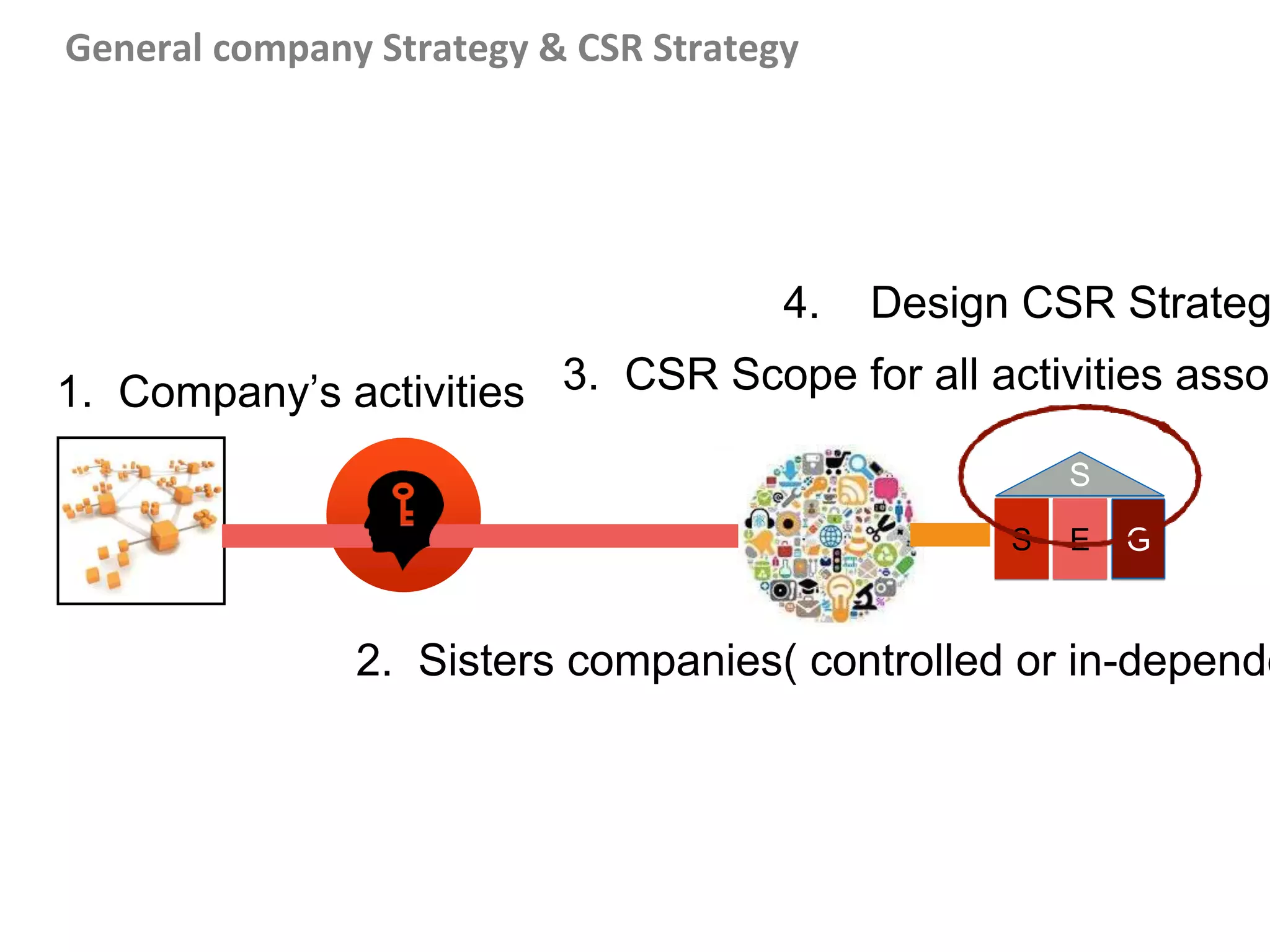
1. Company’s activities
2. Sisters companies( controlled or in-depende
3. CSR Scope for all activities assoc
S
GS E
General company Strategy & CSR Strategy
4. Design CSR Strateg
© 2014 INDR
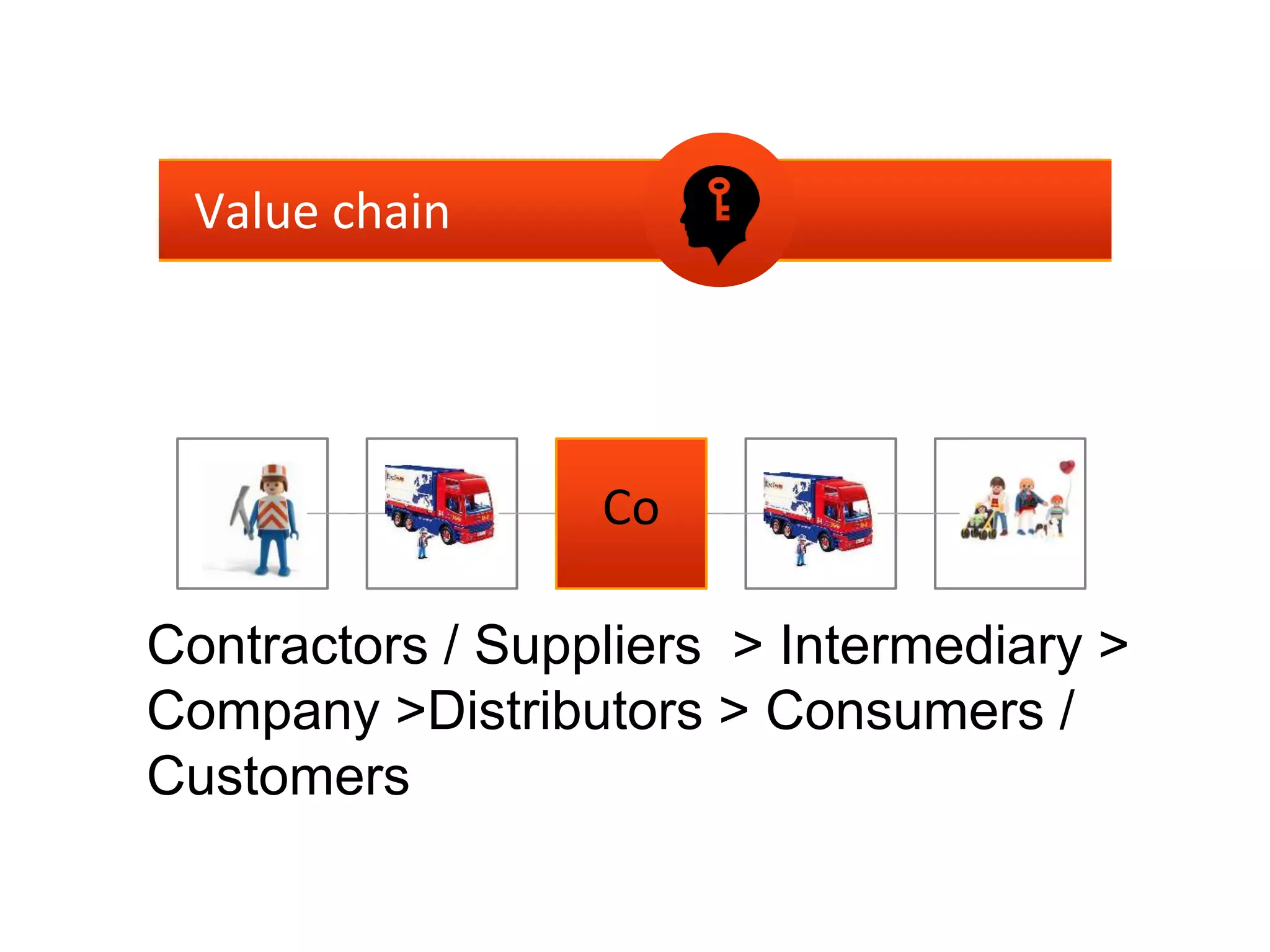
Value chain
IF D CCo
Contractors / Suppliers > Intermediary >
Company >Distributors > Consumers /
Customers
C/ F
© 2014 INDR
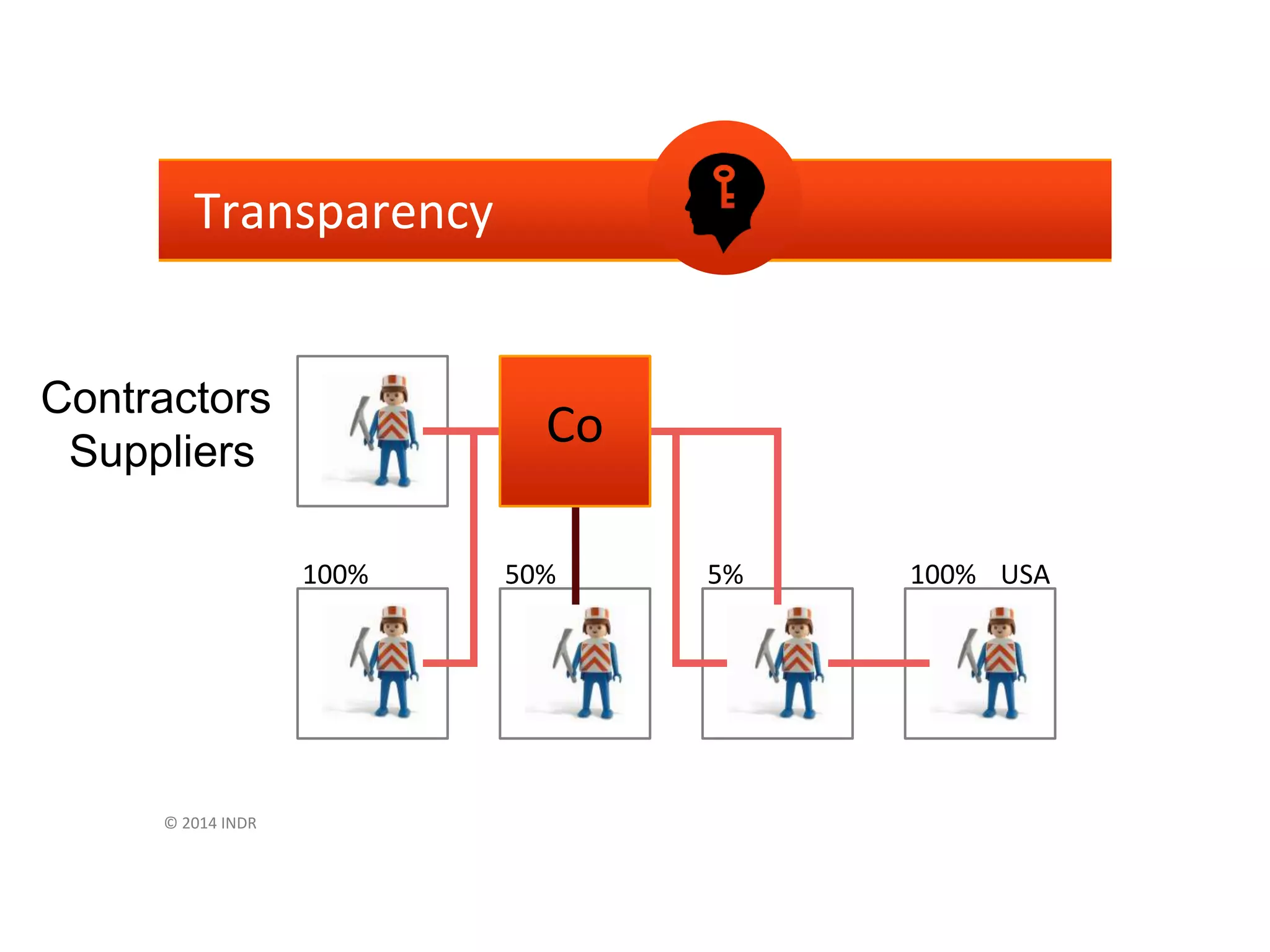
Transparency
Co
C/S C/S C/S C/S
C/S
100% 50% 5% 100% USA
Contractors
Suppliers
Co
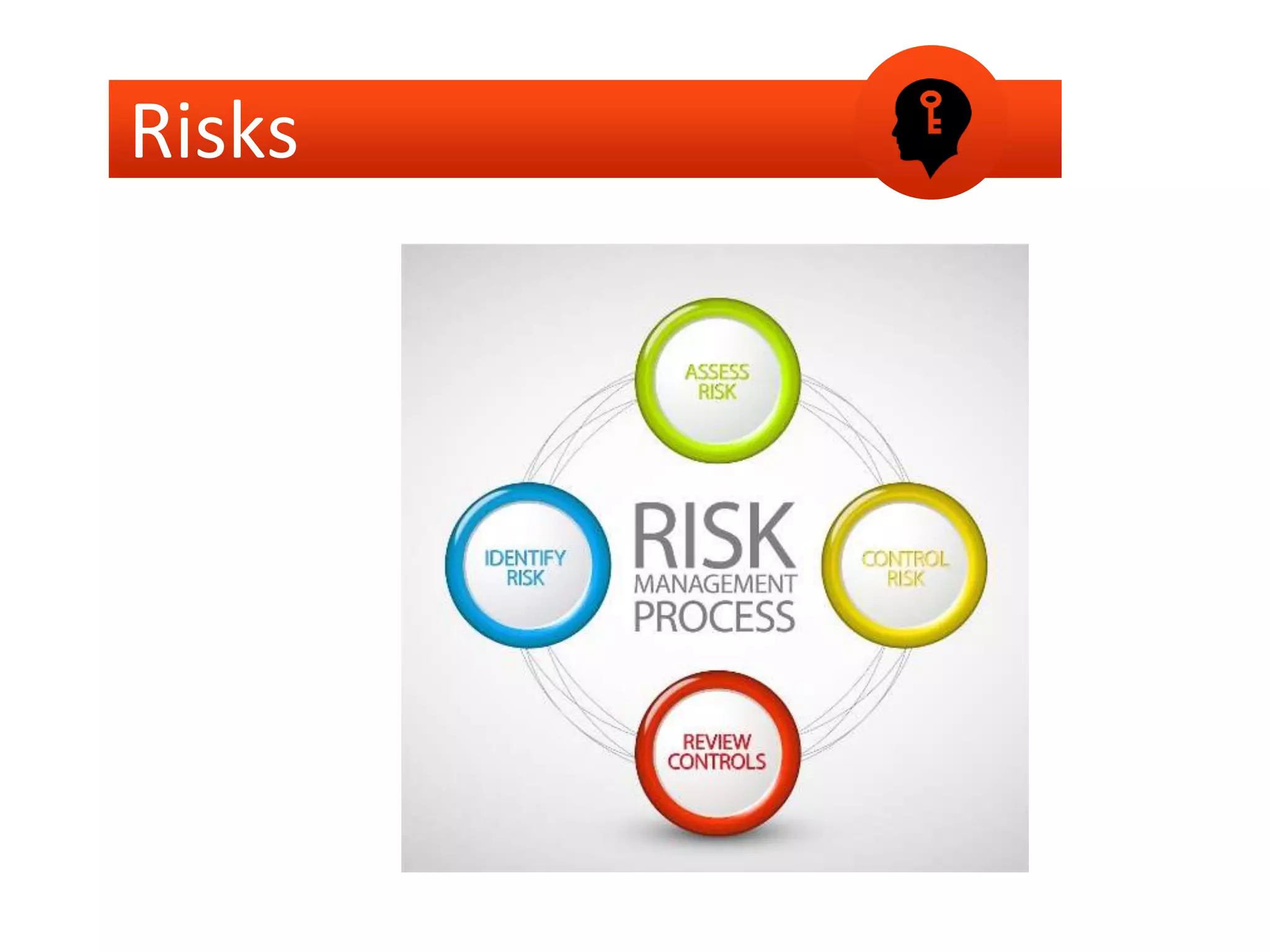
Risks
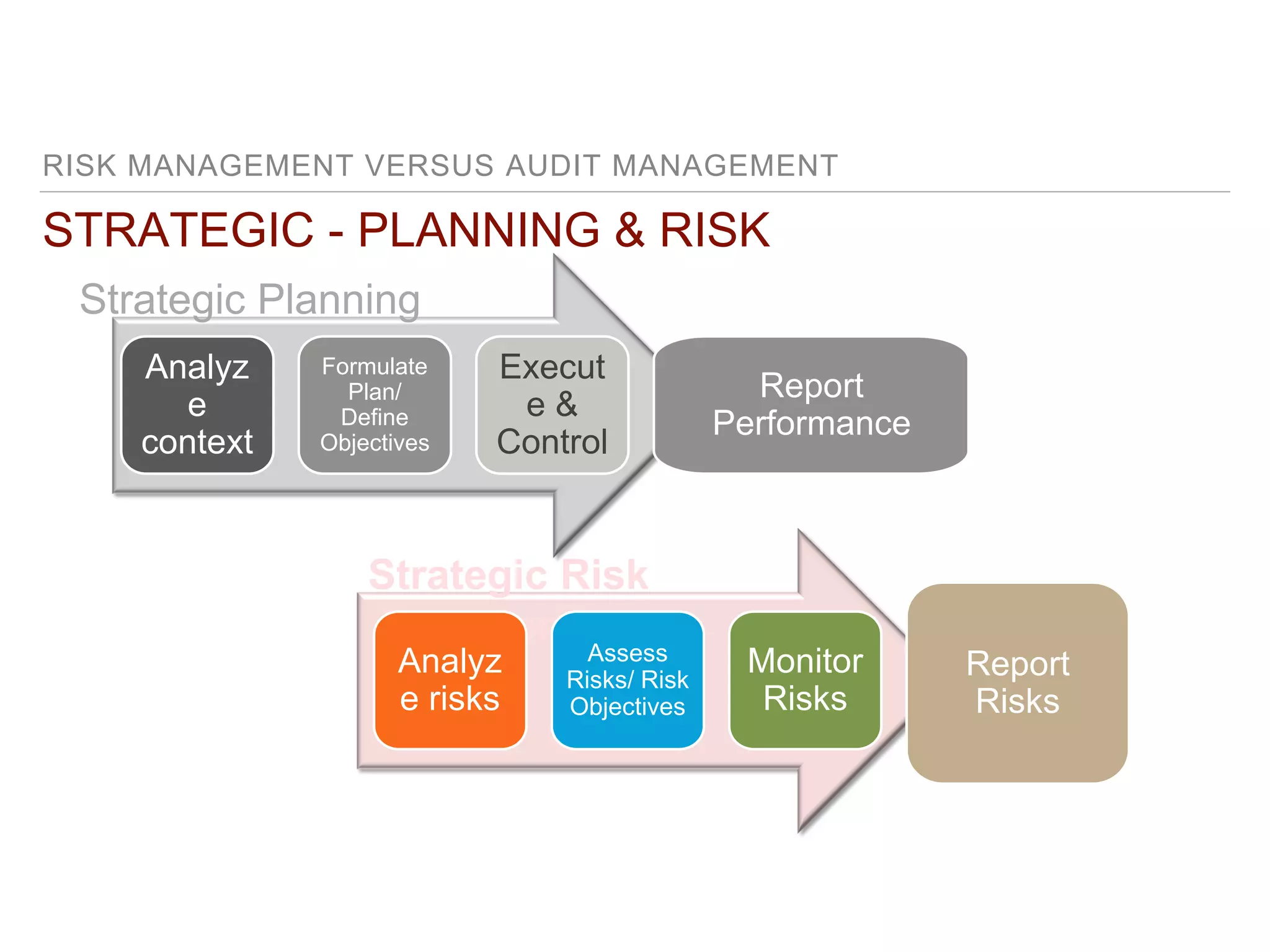
RISK MANAGEMENT VERSUS AUDIT MANAGEMENT
STRATEGIC - PLANNING & RISK
Strategic Risk
Management
Analyz
e risks
Assess
Risks/ Risk
Objectives
Monitor
Risks
Report
Risks
Strategic Planning
Analyz
e
context
Formulate
Plan/
Define
Objectives
Execut
e &
Control
Report
Performance
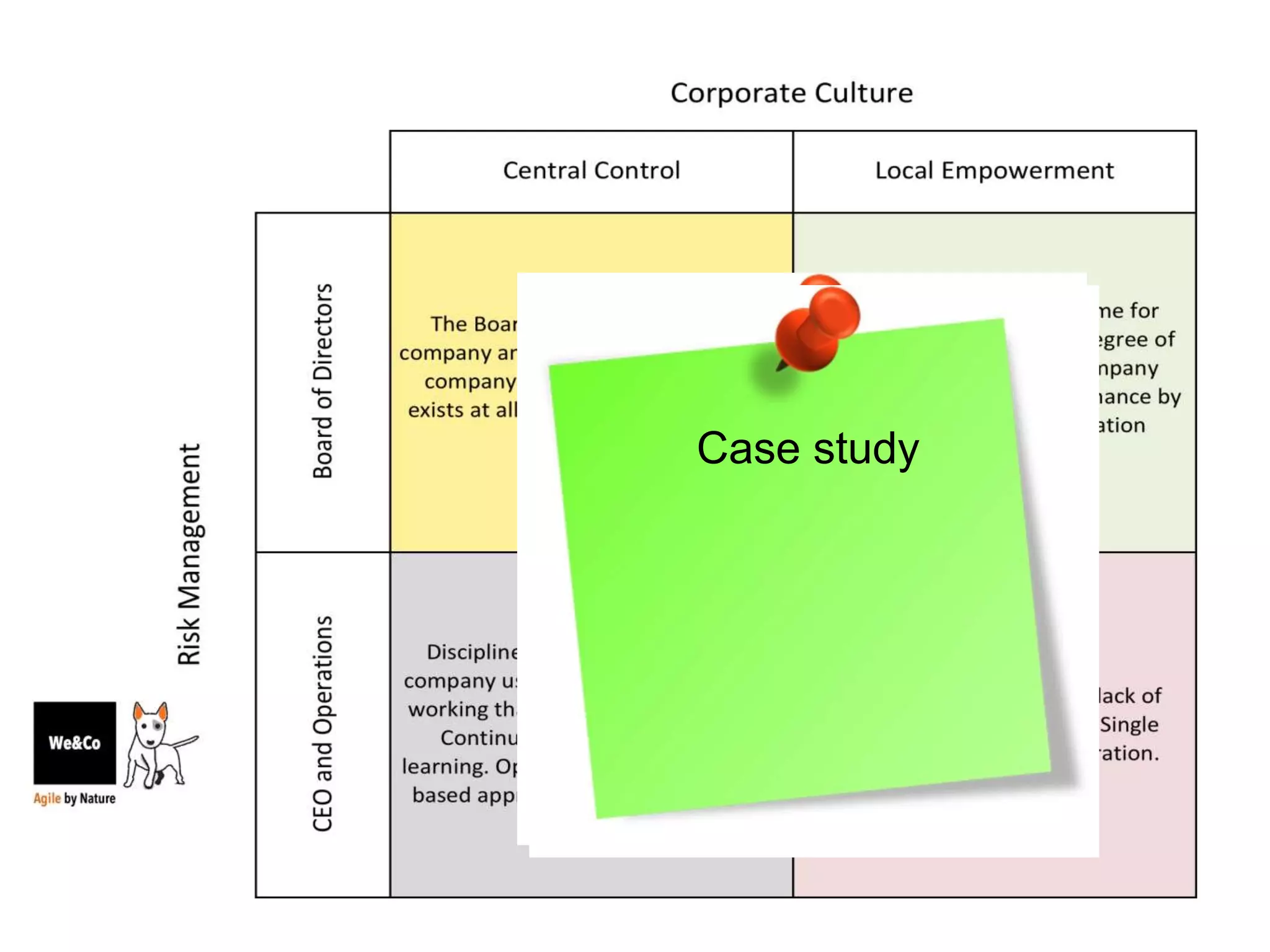
ecoDa webinar on Corporate Culture, Jan 29th, 2016, Mynttinen
Case study
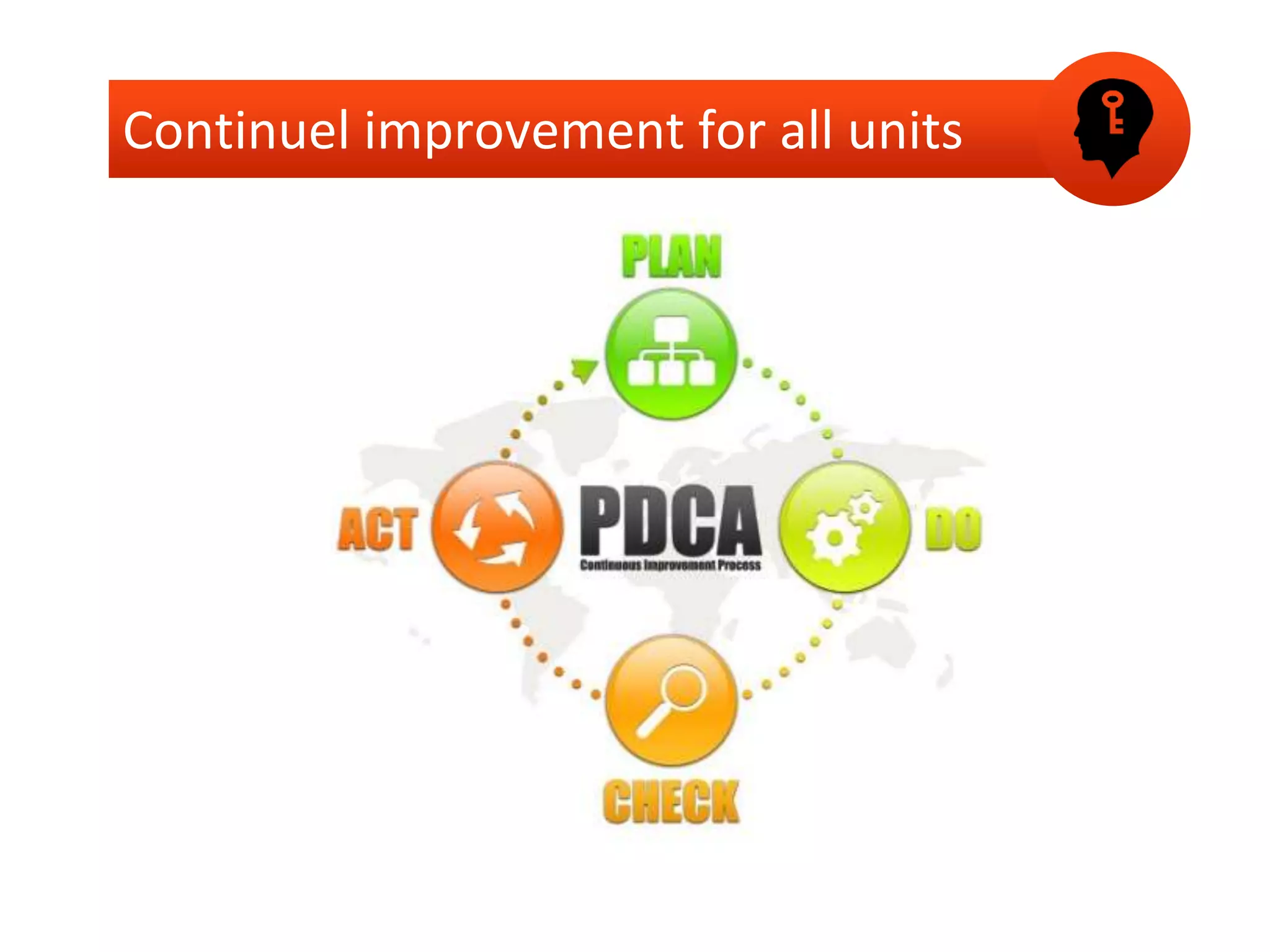
Continuel improvement for all units
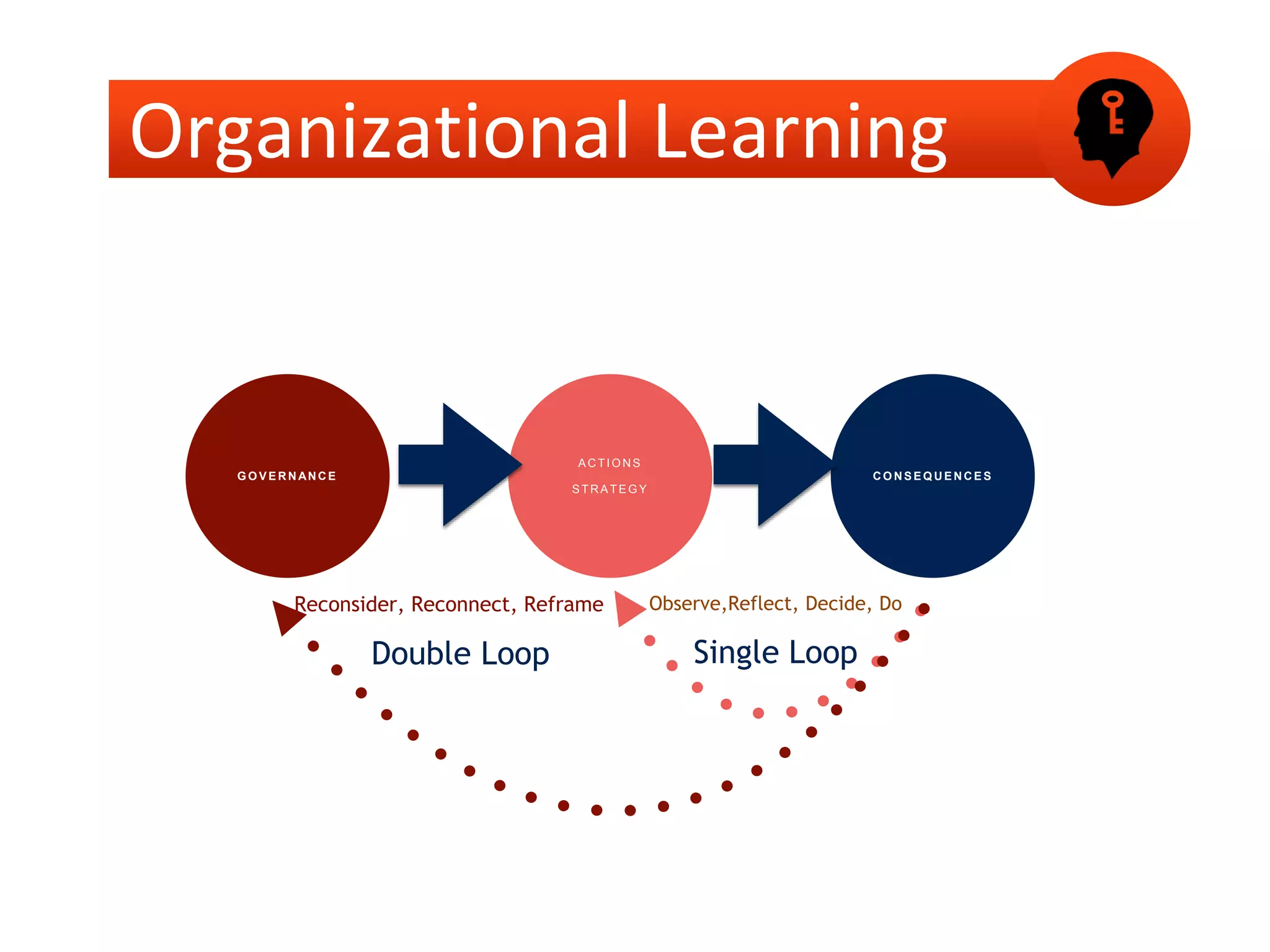
Organizational Learning
G O V E RNANCE
A CTI O NS
S TRA TE G Y
C O N S E Q U E N C E S
Single LoopDouble Loop
Observe,Reflect, Decide, DoReconsider, Reconnect, Reframe
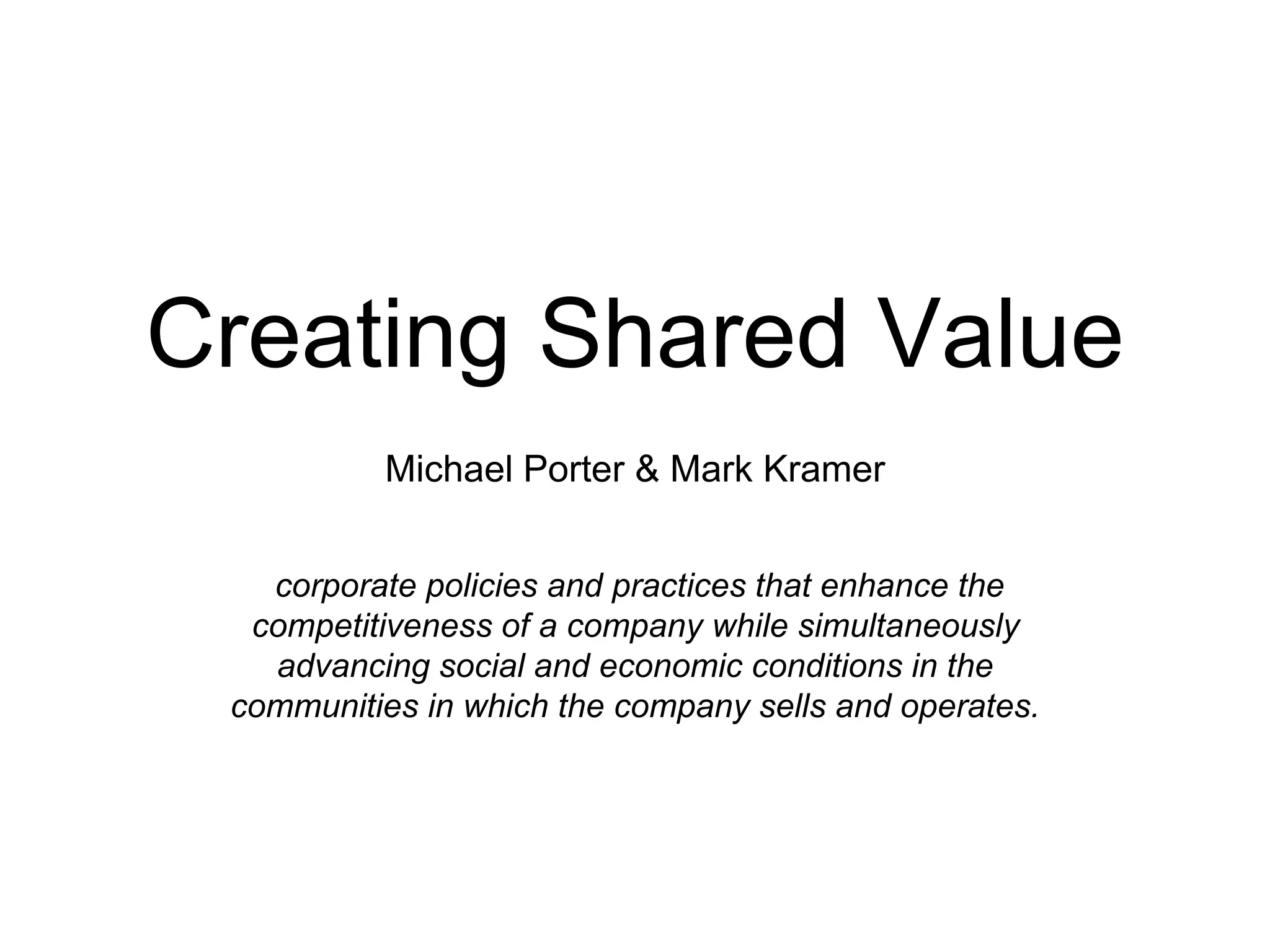
Creating Shared Value
Michael Porter & Mark Kramer
corporate policies and practices that enhance the
competitiveness of a company while simultaneously
advancing social and economic conditions in the
communities in which the company sells and operates.
Copyright © EML Executive Development – la filiale de formation continue d’EMLYON Business School
Syntheses of the learning
outcomes
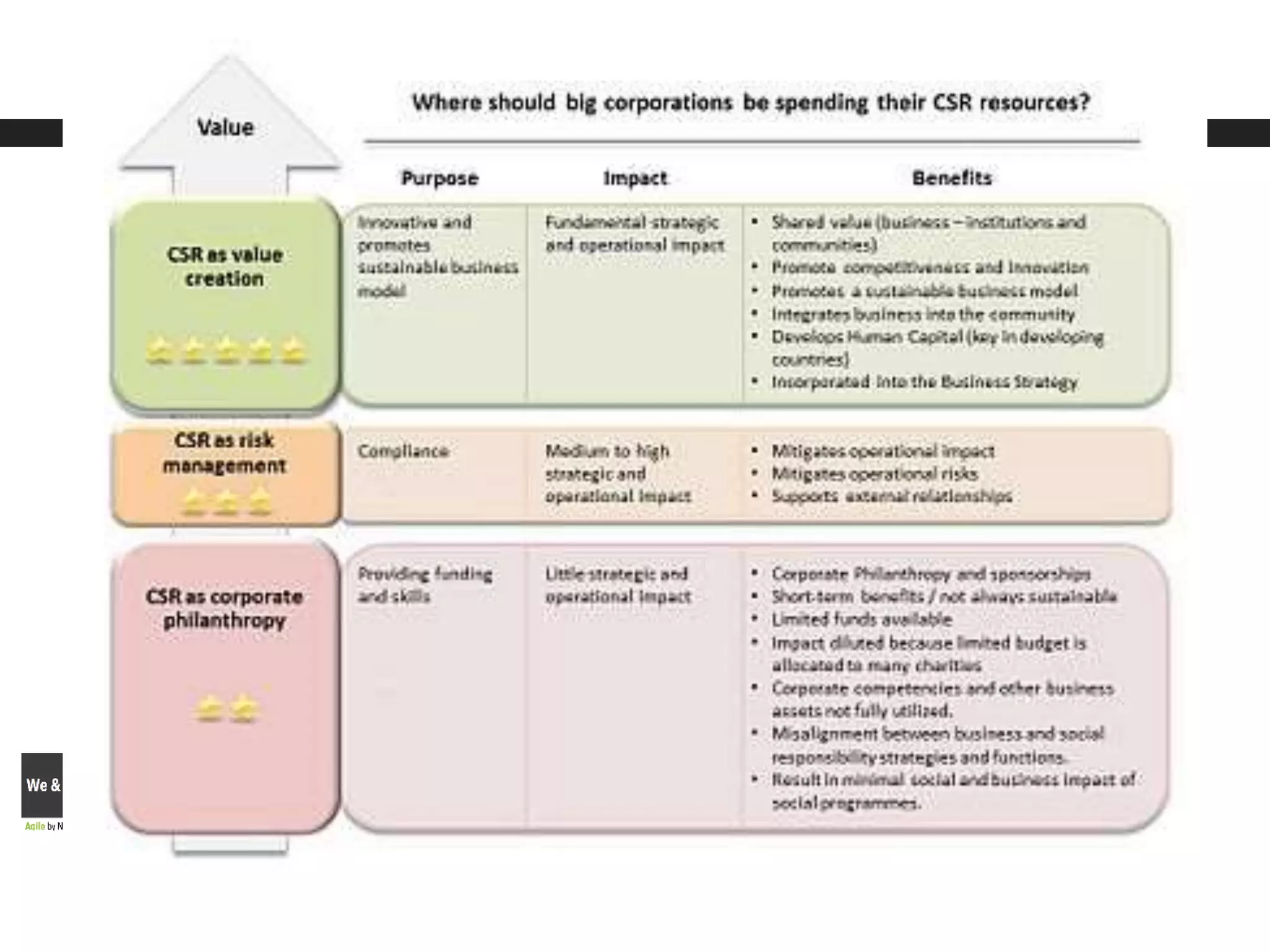
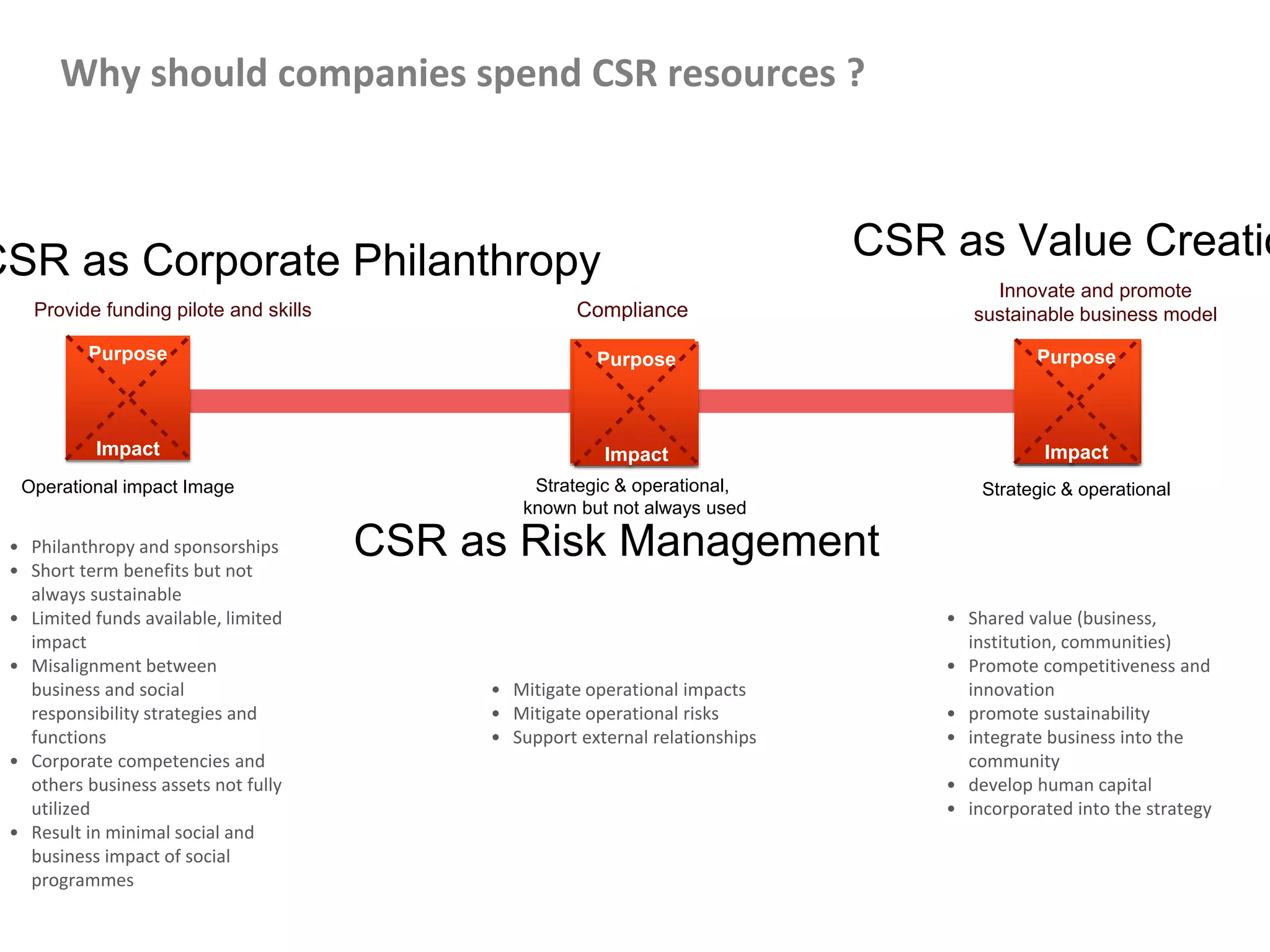
CSR as Value Creatio
CSR as Risk Management
CSR as Corporate Philanthropy
Why should companies spend CSR resources ?
Purpose
Impact
Innovate and promote
sustainable business model
Purpose
Impact
Purpose
Impact
ComplianceProvide funding pilote and skills
Operational impact Image Strategic & operationalStrategic & operational,
known but not always used
Purpose
Impact
Purpose
Impact
• Shared value (business,
institution, communities)
• Promote competitiveness and
innovation
• promote sustainability
• integrate business into the
community
• develop human capital
• incorporated into the strategy
• Mitigate operational impacts
• Mitigate operational risks
• Support external relationships
• Philanthropy and sponsorships
• Short term benefits but not
always sustainable
• Limited funds available, limited
impact
• Misalignment between
business and social
responsibility strategies and
functions
• Corporate competencies and
others business assets not fully
utilized
• Result in minimal social and
business impact of social
programmes

CSR & HR Measure and review CSR management system Part 5

  • 1.
    Measure and review 1- Policy, code of conduct and mapping interested parties (2) 1 - Objectives and mastering indicators 2 - Interactive présentation 3 - Continual improvement & strategy 4 - Synthesis
  • 2.
    Interested Parties Mapping relationships CSRcan enable enterprises “to identify all stakeholders and their interests through research and analysis, to make the strategy to fulfill their needs, to set the structure and culture to enable the fulfilling of all stakeholders’ interests, and to set institutions for monitoring and control”. Shall we map them ? your company or your case study Stakeholders template
  • 3.
    Objectives et KPI theymust be SMART 1- Set the scene with a group brainstorm discussion about what ethics and the Triple Bottom Line actually means to people, staff, customers, and its significance for the organisation/industry sector concerned…. 2 - Each of the initiatives must focus on one of the Triple Bottom Line areas , and at the same time must support the other two TBL areas. 3 - The extent to which profit is affected by ethical initiatives is a matter for discussion and consideration of the wider and long-term view. « Within this view are the wider benefits achieved by improving the ethical behaviour of the organisation, which ultimately will improve profits far more than ignoring ethical issues ? » Specific - Measurable - Achievable - Relevant - Time bound
  • 4.
    ISO 26000 :2010 Guideline for corporate social responsability Continual Improvement and CSR KPI ACTION PLAN is defined including Objective and KPI IMPLEMENT at all levels CONTROL MEASURE KPI REPORT KPI FOR ACTIONS
  • 5.
    General company Strategy& CSR Strategy CSR STRATEGY GOVERNAN CE SOCIAL ENVIRONME NT
  • 6.
    1. Company’s activities 2.Sisters companies( controlled or in-depende 3. CSR Scope for all activities assoc S GS E General company Strategy & CSR Strategy 4. Design CSR Strateg
  • 7.
    © 2014 INDR Valuechain IF D CCo Contractors / Suppliers > Intermediary > Company >Distributors > Consumers / Customers C/ F
  • 8.
    © 2014 INDR Transparency Co C/SC/S C/S C/S C/S 100% 50% 5% 100% USA Contractors Suppliers Co
  • 9.
  • 10.
    RISK MANAGEMENT VERSUSAUDIT MANAGEMENT STRATEGIC - PLANNING & RISK Strategic Risk Management Analyz e risks Assess Risks/ Risk Objectives Monitor Risks Report Risks Strategic Planning Analyz e context Formulate Plan/ Define Objectives Execut e & Control Report Performance
  • 11.
    ecoDa webinar onCorporate Culture, Jan 29th, 2016, Mynttinen Case study
  • 12.
  • 13.
    Organizational Learning G OV E RNANCE A CTI O NS S TRA TE G Y C O N S E Q U E N C E S Single LoopDouble Loop Observe,Reflect, Decide, DoReconsider, Reconnect, Reframe
  • 14.
    Creating Shared Value MichaelPorter & Mark Kramer corporate policies and practices that enhance the competitiveness of a company while simultaneously advancing social and economic conditions in the communities in which the company sells and operates.
  • 15.
    Copyright © EMLExecutive Development – la filiale de formation continue d’EMLYON Business School Syntheses of the learning outcomes
  • 17.
    CSR as ValueCreatio CSR as Risk Management CSR as Corporate Philanthropy Why should companies spend CSR resources ? Purpose Impact Innovate and promote sustainable business model Purpose Impact Purpose Impact ComplianceProvide funding pilote and skills Operational impact Image Strategic & operationalStrategic & operational, known but not always used Purpose Impact Purpose Impact • Shared value (business, institution, communities) • Promote competitiveness and innovation • promote sustainability • integrate business into the community • develop human capital • incorporated into the strategy • Mitigate operational impacts • Mitigate operational risks • Support external relationships • Philanthropy and sponsorships • Short term benefits but not always sustainable • Limited funds available, limited impact • Misalignment between business and social responsibility strategies and functions • Corporate competencies and others business assets not fully utilized • Result in minimal social and business impact of social programmes

Editor's Notes

  • #8 Analyse et optimisation des étapes entre le Fournisseur > Intermédiaire > Entreprise > Distributeur > Client/Consommateur Justif pour la vérif : Cartographie des processus externalisés
  • #9 Justif pour la vérif : Plan de communication des fonctions et postes clés aux parties prenantes