ELECTRICAL PROJECTS USING MATLAB/SIMULINK 
Gmail: asokatechnologies@gmail.com, Website: http://www.asokatechnologies.in 
0-9347143789/9949240245 
A Novel Online Fuzzy Control Method of Static VAR Compensation 
for an Effective Reactive Power Control of Transmission Lines 
ABSTRACT: 
The Flexible AC Transmission System (FACTS) technology is a promising technology to 
achieve complete deregulation of Power System i.e. Generation, Transmission and 
Distribution as the complete individual units. FACTS is based on power electronic devices, 
used to enhance the existing transmission capabilities in order to make the transmission 
system flexible and independent in operation. The loading capability of transmission system 
can also be enhanced nearer to its thermal limit without affecting the stability. Complete 
closed-loop smooth control of reactive power can be achieved using shunt connected FACTS 
devices. Static VAR Compensator (SVC) is one of the shunt connected FACTS devices, 
which can be utilized for the purpose of reactive power compensation. As the Intelligent 
FACTS devices make them adaptable, it is emerging as the present state of the art technology. 
This paper presents the design and simulation of the Fuzzy logic control to vary firing angle of 
SVC in order to achieve better, smooth and adaptive control of reactive power in transmission 
systems. The design, modeling and simulations are carried out for the λ/8 Transmission line by 
placing the compensation at the receiving end (load end) and the results obtained demonstrates 
the effectiveness of the proposed method. 
KEYWORDS: 
For Simulation Results of the project Contact Us 
Gmail: asokatechnologies@gmail.com, Website: http://www.asokatechnologies.in 
0-9347143789/9949240245 
1. Fuzzy Logic 
2. FACTS and SVC 
SOFTWARE: MATLAB/SIMULINK
ELECTRICAL PROJECTS USING MATLAB/SIMULINK 
Gmail: asokatechnologies@gmail.com, Website: http://www.asokatechnologies.in 
0-9347143789/9949240245 
For Simulation Results of the project Contact Us 
Gmail: asokatechnologies@gmail.com, Website: http://www.asokatechnologies.in 
0-9347143789/9949240245 
BLOCK DIAGRAM: 
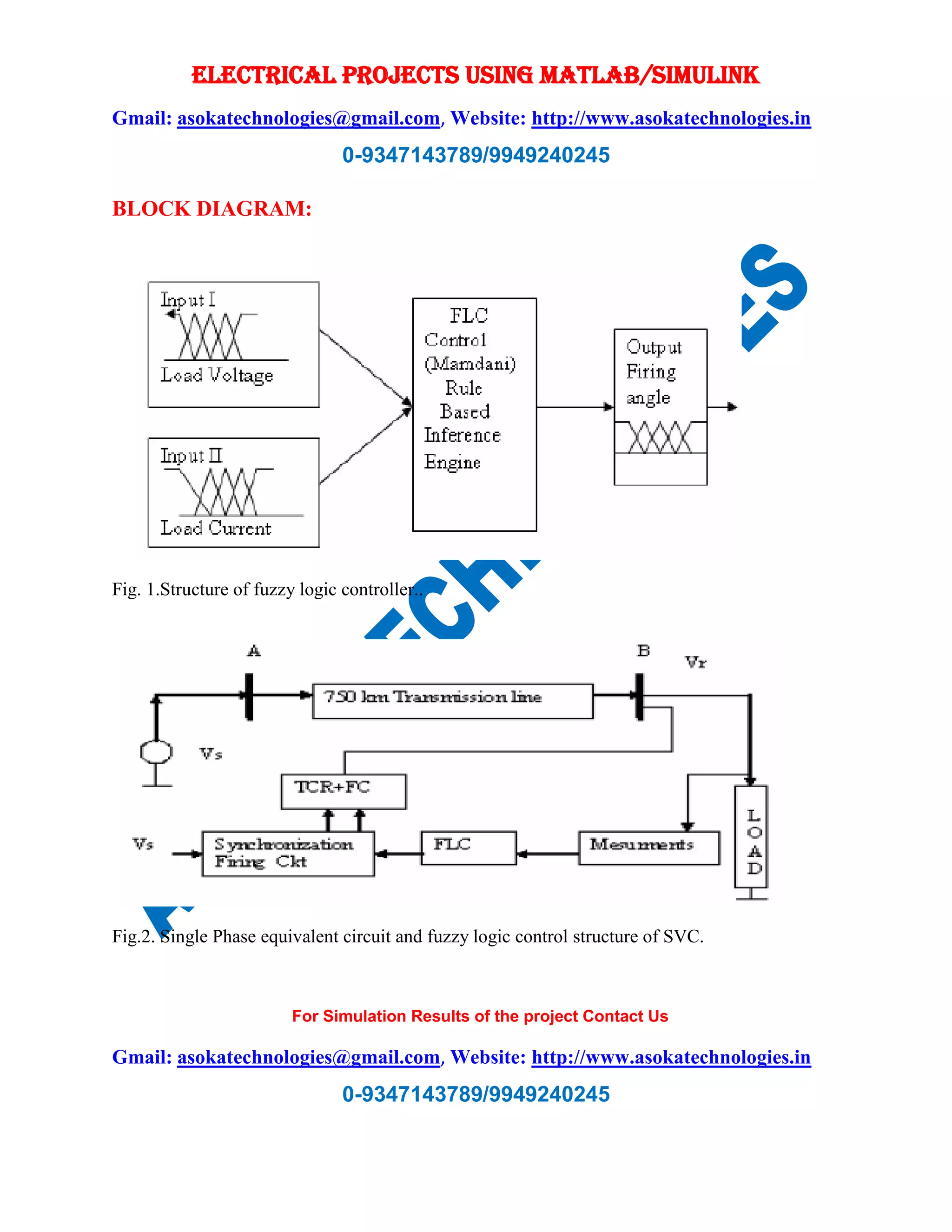
Fig. 1.Structure of fuzzy logic controller.. 
Fig.2. Single Phase equivalent circuit and fuzzy logic control structure of SVC.
ELECTRICAL PROJECTS USING MATLAB/SIMULINK 
Gmail: asokatechnologies@gmail.com, Website: http://www.asokatechnologies.in 
0-9347143789/9949240245 
EXPECTED SIMULATION RESULTS: 
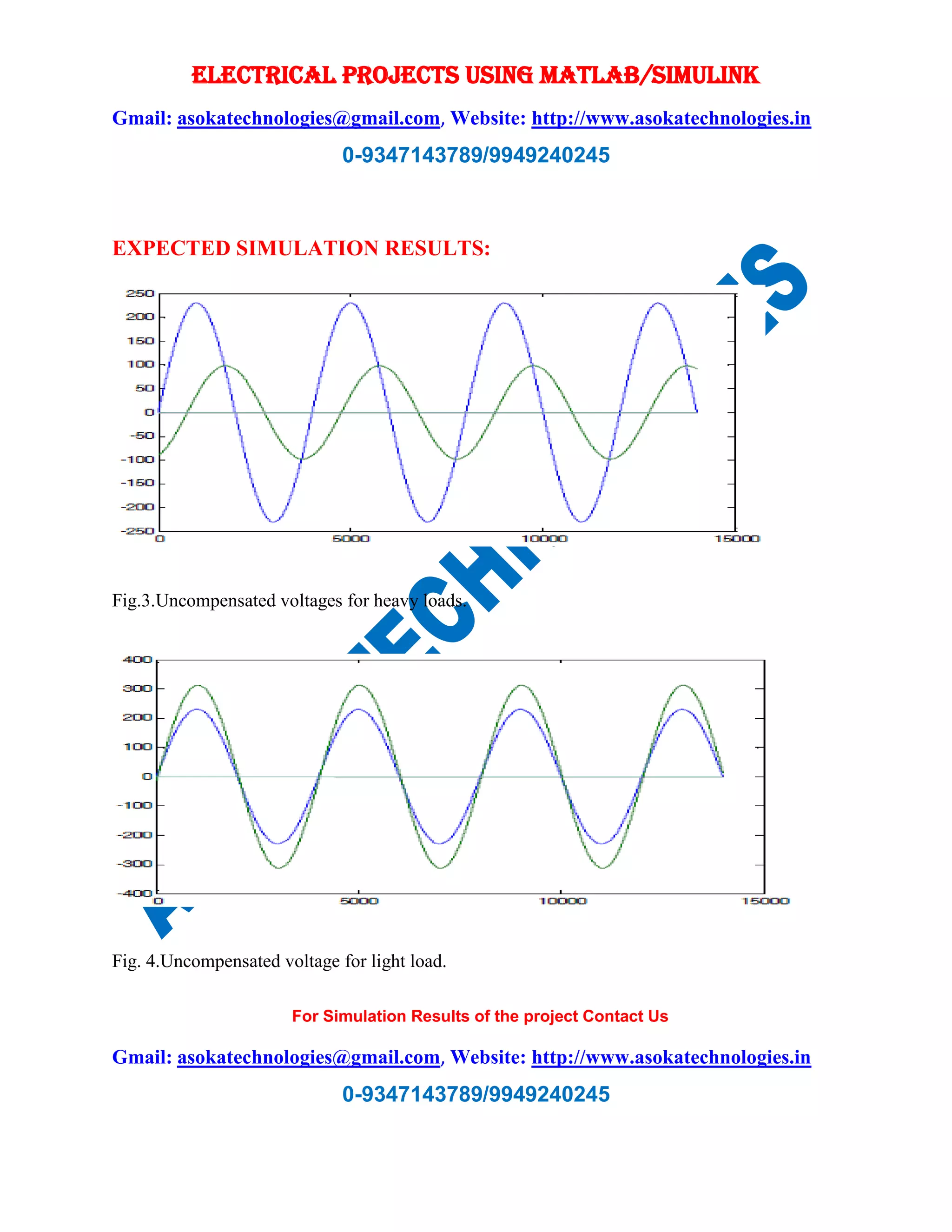
Fig.3.Uncompensated voltages for heavy loads. 
Fig. 4.Uncompensated voltage for light load. 
For Simulation Results of the project Contact Us 
Gmail: asokatechnologies@gmail.com, Website: http://www.asokatechnologies.in 
0-9347143789/9949240245
ELECTRICAL PROJECTS USING MATLAB/SIMULINK 
Gmail: asokatechnologies@gmail.com, Website: http://www.asokatechnologies.in 
0-9347143789/9949240245 
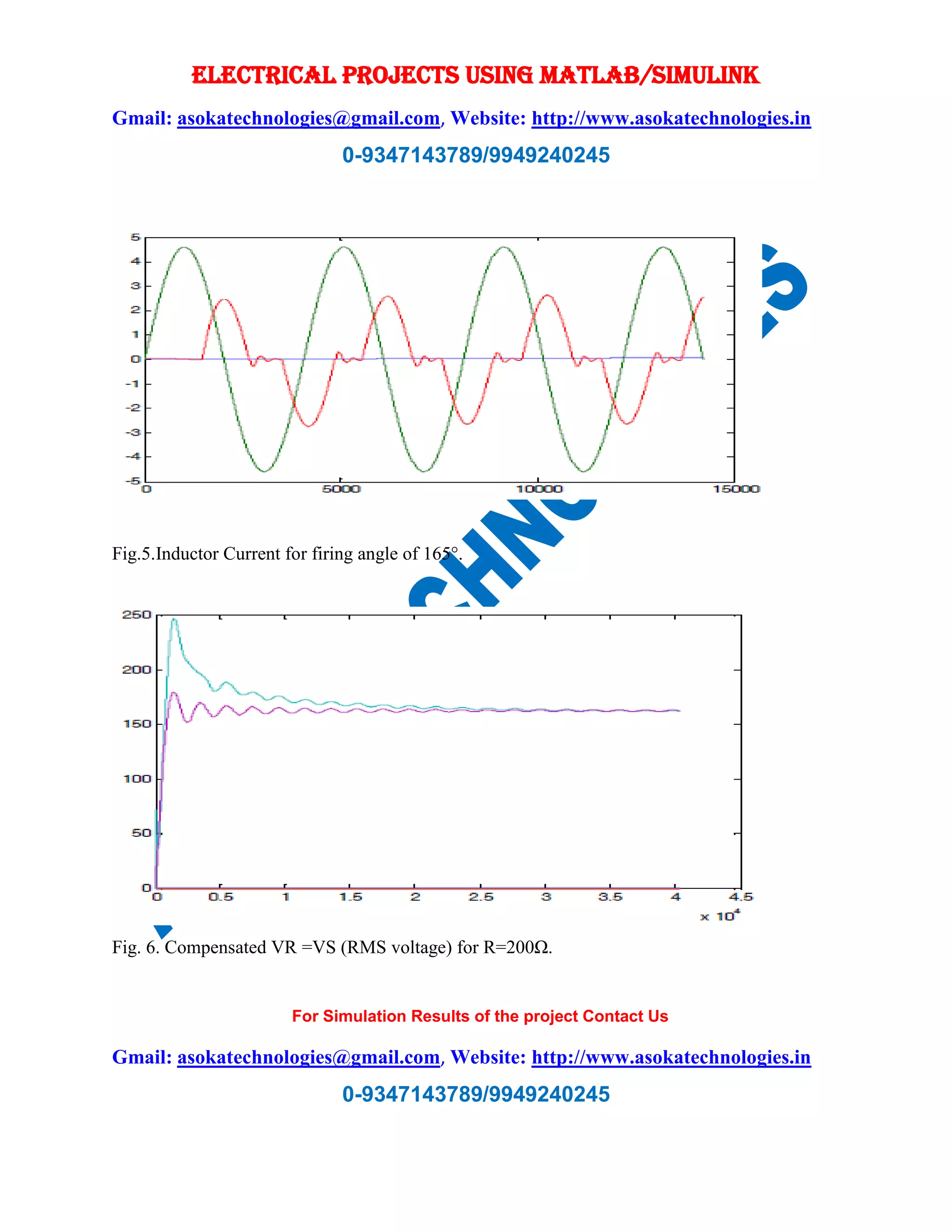
Fig.5.Inductor Current for firing angle of 165°. 
Fig. 6. Compensated VR =VS (RMS voltage) for R=200Ω. 
For Simulation Results of the project Contact Us 
Gmail: asokatechnologies@gmail.com, Website: http://www.asokatechnologies.in 
0-9347143789/9949240245
ELECTRICAL PROJECTS USING MATLAB/SIMULINK 
Gmail: asokatechnologies@gmail.com, Website: http://www.asokatechnologies.in 
0-9347143789/9949240245 
Fig. 7. Compensated VR=VS (instantaneous voltage) For R=200 Ω. 
For Simulation Results of the project Contact Us 
Gmail: asokatechnologies@gmail.com, Website: http://www.asokatechnologies.in 
0-9347143789/9949240245 
CONCLUSION: 
This paper presents an “online Fuzzy control scheme for SVC” and it can be concluded that the 
use of fuzzy controlled SVC (FC-TCR) compensating device with the firing angle control is 
continuous, effective and it is a simplest way of controlling the reactive power of transmission 
line. It is observed that SVC device was able to compensate both over and under voltages. 
Compensated voltages are shown in Fig. 17 and Fig. 18. The use of fuzzy logic has facilitated the 
closed loop control of system, by designing a set of rules, which decides the firing angle given to 
SVC to attain the required voltage. With MATLAB simulations [4] [5] and actual testing it is 
observed that SVC (FC-TCR) provides an effective reactive power control irrespective of the 
load variations. 
REFERENCES: 
1. Narain. G. Hingorani, “Understanding FACTS, Concepts and Technology Of
ELECTRICAL PROJECTS USING MATLAB/SIMULINK 
Gmail: asokatechnologies@gmail.com, Website: http://www.asokatechnologies.in 
0-9347143789/9949240245 
flexible AC Transmission Systems”, by IEEE Press USA. 
2. Bart Kosko, “Neural Networks and Fuzzy Systems A Dynamical Systems 
Approach to Machine Intelligence”, Prentice-Hall of India New Delhi, June 
1994. 
3. Timothy J Ross, “Fuzzy Logic with Engineering Applications”, McGraw-Hill, 
For Simulation Results of the project Contact Us 
Gmail: asokatechnologies@gmail.com, Website: http://www.asokatechnologies.in 
0-9347143789/9949240245 
Inc, New York, 1997. 
4. Laboratory Manual for Transmission line and fuzzy Trainer Kit Of Electrical 
Engineering Department NIT Warangal. 
5. SIM Power System User Guide Version 4 MATLAB Manual

A novel online fuzzy control method of static var compensation for an effective reactive power control of transmission lines

  • 1.
    ELECTRICAL PROJECTS USINGMATLAB/SIMULINK Gmail: asokatechnologies@gmail.com, Website: http://www.asokatechnologies.in 0-9347143789/9949240245 A Novel Online Fuzzy Control Method of Static VAR Compensation for an Effective Reactive Power Control of Transmission Lines ABSTRACT: The Flexible AC Transmission System (FACTS) technology is a promising technology to achieve complete deregulation of Power System i.e. Generation, Transmission and Distribution as the complete individual units. FACTS is based on power electronic devices, used to enhance the existing transmission capabilities in order to make the transmission system flexible and independent in operation. The loading capability of transmission system can also be enhanced nearer to its thermal limit without affecting the stability. Complete closed-loop smooth control of reactive power can be achieved using shunt connected FACTS devices. Static VAR Compensator (SVC) is one of the shunt connected FACTS devices, which can be utilized for the purpose of reactive power compensation. As the Intelligent FACTS devices make them adaptable, it is emerging as the present state of the art technology. This paper presents the design and simulation of the Fuzzy logic control to vary firing angle of SVC in order to achieve better, smooth and adaptive control of reactive power in transmission systems. The design, modeling and simulations are carried out for the λ/8 Transmission line by placing the compensation at the receiving end (load end) and the results obtained demonstrates the effectiveness of the proposed method. KEYWORDS: For Simulation Results of the project Contact Us Gmail: asokatechnologies@gmail.com, Website: http://www.asokatechnologies.in 0-9347143789/9949240245 1. Fuzzy Logic 2. FACTS and SVC SOFTWARE: MATLAB/SIMULINK
  • 2.
    ELECTRICAL PROJECTS USINGMATLAB/SIMULINK Gmail: asokatechnologies@gmail.com, Website: http://www.asokatechnologies.in 0-9347143789/9949240245 For Simulation Results of the project Contact Us Gmail: asokatechnologies@gmail.com, Website: http://www.asokatechnologies.in 0-9347143789/9949240245 BLOCK DIAGRAM: Fig. 1.Structure of fuzzy logic controller.. Fig.2. Single Phase equivalent circuit and fuzzy logic control structure of SVC.
  • 3.
    ELECTRICAL PROJECTS USINGMATLAB/SIMULINK Gmail: asokatechnologies@gmail.com, Website: http://www.asokatechnologies.in 0-9347143789/9949240245 EXPECTED SIMULATION RESULTS: Fig.3.Uncompensated voltages for heavy loads. Fig. 4.Uncompensated voltage for light load. For Simulation Results of the project Contact Us Gmail: asokatechnologies@gmail.com, Website: http://www.asokatechnologies.in 0-9347143789/9949240245
  • 4.
    ELECTRICAL PROJECTS USINGMATLAB/SIMULINK Gmail: asokatechnologies@gmail.com, Website: http://www.asokatechnologies.in 0-9347143789/9949240245 Fig.5.Inductor Current for firing angle of 165°. Fig. 6. Compensated VR =VS (RMS voltage) for R=200Ω. For Simulation Results of the project Contact Us Gmail: asokatechnologies@gmail.com, Website: http://www.asokatechnologies.in 0-9347143789/9949240245
  • 5.
    ELECTRICAL PROJECTS USINGMATLAB/SIMULINK Gmail: asokatechnologies@gmail.com, Website: http://www.asokatechnologies.in 0-9347143789/9949240245 Fig. 7. Compensated VR=VS (instantaneous voltage) For R=200 Ω. For Simulation Results of the project Contact Us Gmail: asokatechnologies@gmail.com, Website: http://www.asokatechnologies.in 0-9347143789/9949240245 CONCLUSION: This paper presents an “online Fuzzy control scheme for SVC” and it can be concluded that the use of fuzzy controlled SVC (FC-TCR) compensating device with the firing angle control is continuous, effective and it is a simplest way of controlling the reactive power of transmission line. It is observed that SVC device was able to compensate both over and under voltages. Compensated voltages are shown in Fig. 17 and Fig. 18. The use of fuzzy logic has facilitated the closed loop control of system, by designing a set of rules, which decides the firing angle given to SVC to attain the required voltage. With MATLAB simulations [4] [5] and actual testing it is observed that SVC (FC-TCR) provides an effective reactive power control irrespective of the load variations. REFERENCES: 1. Narain. G. Hingorani, “Understanding FACTS, Concepts and Technology Of
  • 6.
    ELECTRICAL PROJECTS USINGMATLAB/SIMULINK Gmail: asokatechnologies@gmail.com, Website: http://www.asokatechnologies.in 0-9347143789/9949240245 flexible AC Transmission Systems”, by IEEE Press USA. 2. Bart Kosko, “Neural Networks and Fuzzy Systems A Dynamical Systems Approach to Machine Intelligence”, Prentice-Hall of India New Delhi, June 1994. 3. Timothy J Ross, “Fuzzy Logic with Engineering Applications”, McGraw-Hill, For Simulation Results of the project Contact Us Gmail: asokatechnologies@gmail.com, Website: http://www.asokatechnologies.in 0-9347143789/9949240245 Inc, New York, 1997. 4. Laboratory Manual for Transmission line and fuzzy Trainer Kit Of Electrical Engineering Department NIT Warangal. 5. SIM Power System User Guide Version 4 MATLAB Manual