



Informal Learning
Broadening the Spectrum of Corporate Training
                Hans de Zwart
Who are you going to listen to?
Things I like to talk about
Books, books, books, The Internet Revolution, Popular science,
  Free software (think free speech, not free beer), Nintendo (
 relevant for learning), Michael Jordan, Juggling, Digital civil
                    rights, The Big Lebowski
What is it that I do?
  Innovation Manager for
Global Learning Technologies
Have medicine, need patient
Have patient, need medicine
"Early experimentation will lead to
 invaluable experience and fewer
      mistakes in the future"
Informal Learning as an attempt at
 keeping the L&D function relevant
Kapp & O'Driscoll – Learning in 3D
7 problems with the way learning is done
The Autonomous Learner Problem
  "From a tactical perspective, the learning
function appears to be allocating the majority
   of the effort in the area of least impact."
The Timing Problem
"The rapid pace of business almost guarantees
  that most formal learning programs will be
        outdated shortly after launch."
The Packaging Problem
"Courses are organized around topics rather
 than tasks." and "The traditional packaging
of formal learning is not aligned with the time
    sensitive needs of today's employees."
The Performance Problem
"Lack of knowledge and skill is only a small
 part of the reason that organizations don't
             perform as desired."
The Routinization Problem
Peter Drucker: Routinization is a phenomenom
   whereby existing industries initially apply
  radically new technology to automate and
 accelerate age-old processes and methods.
The Transfer Problem
  "Studies show that as much as 80 to 90
 percent of investments in training programs
fail to result in behavior change on the job."
The Value Problem
     "The learning function has very little
 understanding as to what executives expect
from the learning function, and as a result it
often defaults to justifying its existence based
    on learning throughput as opposed to
           performance outcome."
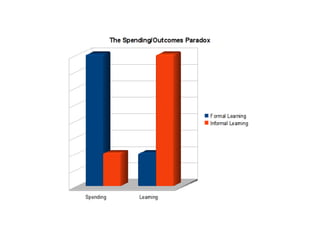
"Collectively, the autonomous
   learner, timing, and packaging
     problems that are not being
addressed by the learning function
  account for the de-selection of at
least 80 percent of the addressable
  opportunity space for learning."
Nine (non-exhaustive) things I see
    coming in the near future
 and a question to you for each of them
1. Creating opportunities to share
Bert De Coutere – Homo Competens
          Learn, Do, Share
Q: Have you shared something
       explicitly last week?
(Have you encouraged somebody else to
        share in the last week?)
2. Need for a deeper
understanding of people
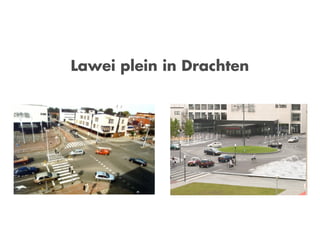
Hans Monderman – Shared Space
 The best way to slow people down is to
      make the road more narrow
Lawei plein in Drachten
John Medina – Brain Rules
Q: Do you feel you are an expert
on what makes a human brain tick
and where motivation comes from?
3. Video
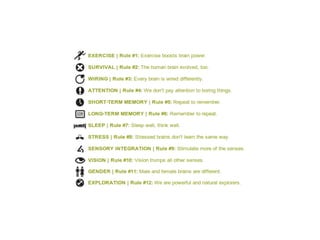
check brain rule #10
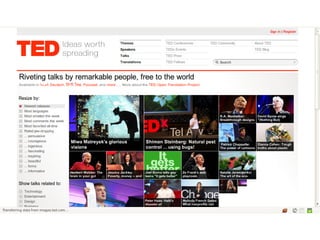
Nuggets, On demand, Pull
Q: Do you have the capability and
the capacity to capture and deliver
               video?
4. A further segmentation of
 audiences (specialization)
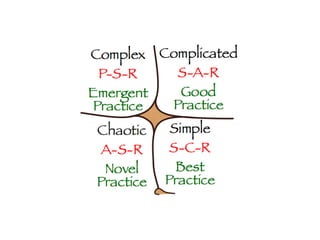
Cynefin framework
= one way of looking at things
Q: Are you creating multiple
learning strategies (i.e. are you
         diversifying)?
5. Mobile?
Unique opportunity space
 It knows who you are, it knows where you
  are (it even knows what direction you are
facing), it allows for collaboration (all your
  contacts are already there), it is a content
     production device (video once more)
Do you own an
Android/iOS/Windows 7
     smartphone?
If not...
how will you participate in and learn about
the feasability space for social practice that
          this technology creates?
6. A further merging of the
   Learning function and
Organizational Effectiveness
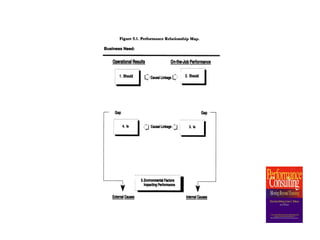
Focus on performance!
       Star performers,
Performance Relationship Map
Q: Have you ever started with the
   best performers to see how
   something should be done?
7. Turning into community
        managers
Q: Have you been the steward of
an online community of practice?
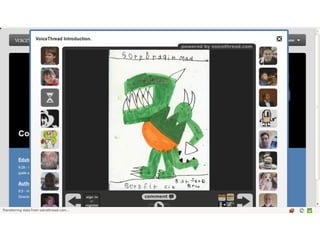
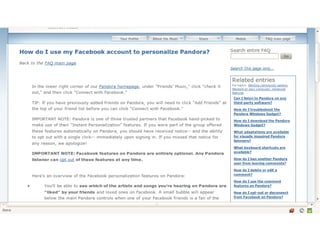
8. Social Contextualization
         of Content
You have heard it here first...!
Q: Does your organization have a
     meta-layer on top of its
      content/information?
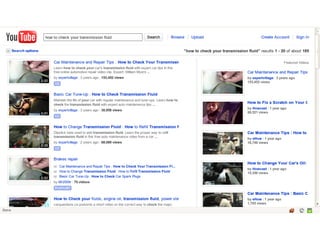
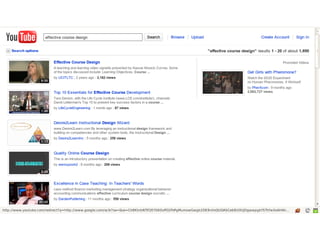
9. Re-use!
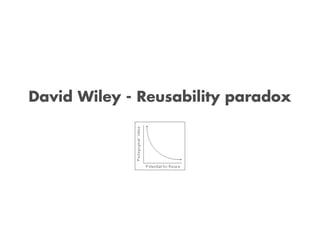
David Wiley - Reusability paradox
This presentation does not contain
     a single original thought!
      [Hans ducks for the tomatoes]
Q: Is your first instinct to find the
  great learning materials that
already exist before you create
            your own?
That's all, I hope to see you again!
    (either virtually or in meatspace)

     http://blog.hansdezwart.info

9 Questions for Learning Professionals in 2011

  • 1.
    Informal Learning Broadening theSpectrum of Corporate Training Hans de Zwart
  • 2.
    Who are yougoing to listen to?
  • 3.
    Things I liketo talk about Books, books, books, The Internet Revolution, Popular science, Free software (think free speech, not free beer), Nintendo ( relevant for learning), Michael Jordan, Juggling, Digital civil rights, The Big Lebowski
  • 4.
    What is itthat I do? Innovation Manager for Global Learning Technologies
  • 5.
  • 6.
  • 7.
    "Early experimentation willlead to invaluable experience and fewer mistakes in the future"
  • 8.
    Informal Learning asan attempt at keeping the L&D function relevant
  • 9.
    Kapp & O'Driscoll– Learning in 3D 7 problems with the way learning is done
  • 10.
    The Autonomous LearnerProblem "From a tactical perspective, the learning function appears to be allocating the majority of the effort in the area of least impact."
  • 12.
    The Timing Problem "Therapid pace of business almost guarantees that most formal learning programs will be outdated shortly after launch."
  • 13.
    The Packaging Problem "Coursesare organized around topics rather than tasks." and "The traditional packaging of formal learning is not aligned with the time sensitive needs of today's employees."
  • 14.
    The Performance Problem "Lackof knowledge and skill is only a small part of the reason that organizations don't perform as desired."
  • 15.
    The Routinization Problem PeterDrucker: Routinization is a phenomenom whereby existing industries initially apply radically new technology to automate and accelerate age-old processes and methods.
  • 16.
    The Transfer Problem "Studies show that as much as 80 to 90 percent of investments in training programs fail to result in behavior change on the job."
  • 17.
    The Value Problem "The learning function has very little understanding as to what executives expect from the learning function, and as a result it often defaults to justifying its existence based on learning throughput as opposed to performance outcome."
  • 18.
    "Collectively, the autonomous learner, timing, and packaging problems that are not being addressed by the learning function account for the de-selection of at least 80 percent of the addressable opportunity space for learning."
  • 19.
    Nine (non-exhaustive) thingsI see coming in the near future and a question to you for each of them
  • 20.
  • 21.
    Bert De Coutere– Homo Competens Learn, Do, Share
  • 22.
    Q: Have youshared something explicitly last week? (Have you encouraged somebody else to share in the last week?)
  • 23.
    2. Need fora deeper understanding of people
  • 24.
    Hans Monderman –Shared Space The best way to slow people down is to make the road more narrow
  • 25.
  • 26.
    John Medina –Brain Rules
  • 28.
    Q: Do youfeel you are an expert on what makes a human brain tick and where motivation comes from?
  • 29.
  • 30.
  • 33.
    Q: Do youhave the capability and the capacity to capture and deliver video?
  • 34.
    4. A furthersegmentation of audiences (specialization)
  • 35.
    Cynefin framework = oneway of looking at things
  • 37.
    Q: Are youcreating multiple learning strategies (i.e. are you diversifying)?
  • 38.
  • 39.
    Unique opportunity space It knows who you are, it knows where you are (it even knows what direction you are facing), it allows for collaboration (all your contacts are already there), it is a content production device (video once more)
  • 40.
    Do you ownan Android/iOS/Windows 7 smartphone?
  • 41.
    If not... how willyou participate in and learn about the feasability space for social practice that this technology creates?
  • 42.
    6. A furthermerging of the Learning function and Organizational Effectiveness
  • 43.
    Focus on performance! Star performers, Performance Relationship Map
  • 45.
    Q: Have youever started with the best performers to see how something should be done?
  • 46.
    7. Turning intocommunity managers
  • 48.
    Q: Have youbeen the steward of an online community of practice?
  • 49.
  • 50.
    You have heardit here first...!
  • 54.
    Q: Does yourorganization have a meta-layer on top of its content/information?
  • 55.
  • 56.
    David Wiley -Reusability paradox
  • 57.
    This presentation doesnot contain a single original thought! [Hans ducks for the tomatoes]
  • 58.
    Q: Is yourfirst instinct to find the great learning materials that already exist before you create your own?
  • 61.
    That's all, Ihope to see you again! (either virtually or in meatspace) http://blog.hansdezwart.info