This document provides an overview of a lecture on bacteria and archaea. It discusses their structural and functional adaptations that allow prokaryotes to thrive in diverse environments. Key points include:
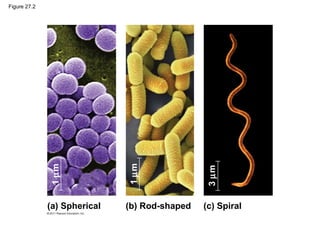
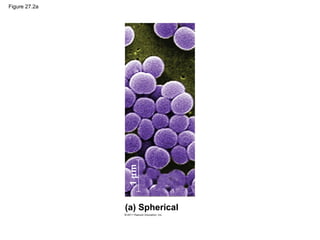
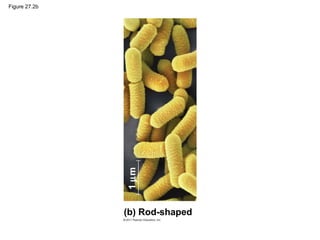
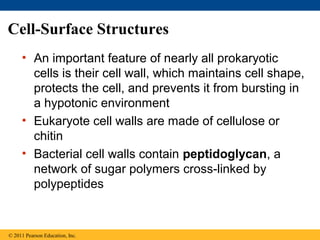
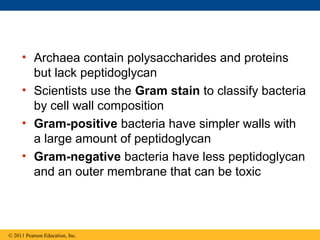
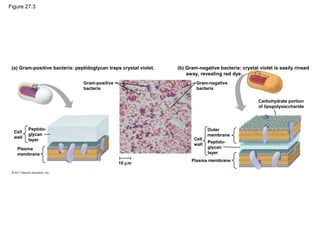
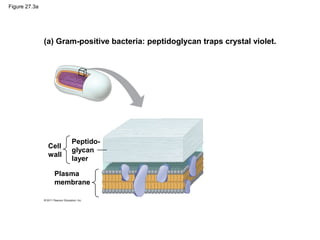
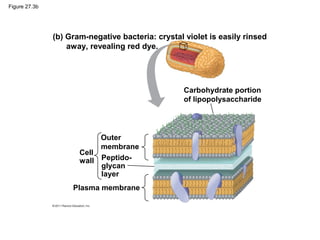
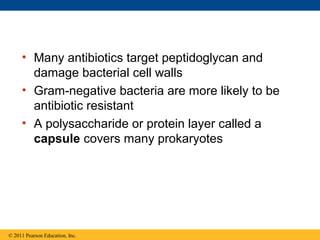
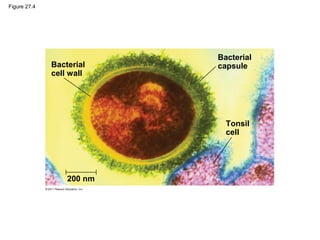
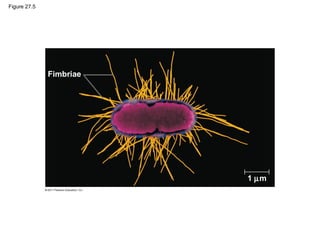
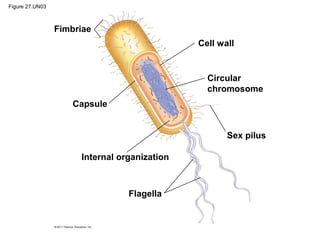
- Prokaryotes have a variety of shapes and sizes, and cell surfaces like cell walls, capsules, and fimbriae that aid environmental interactions.
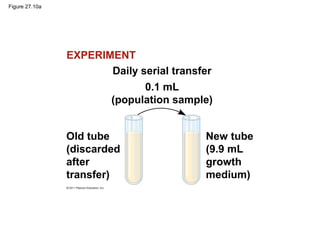
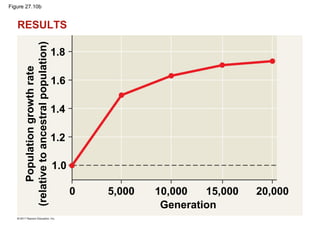
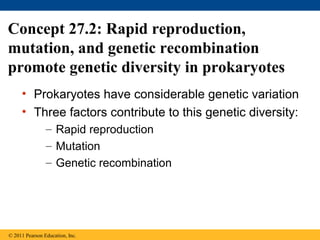
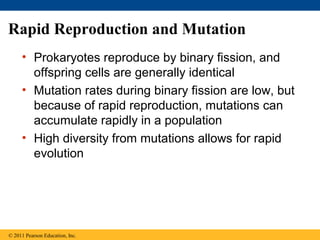
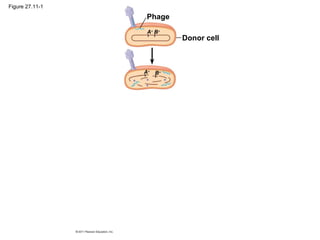
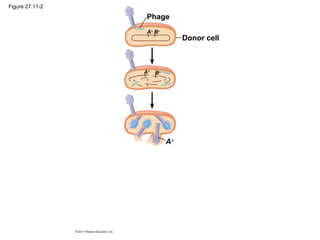
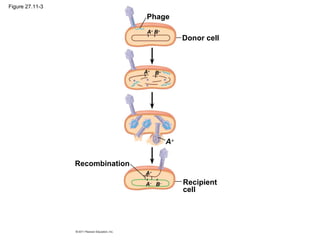
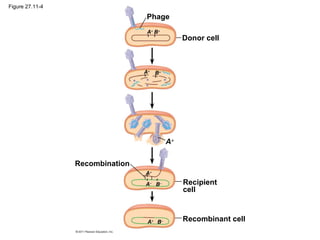
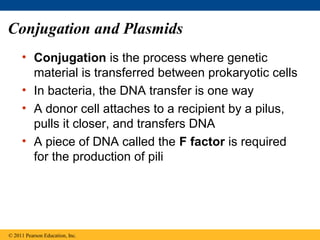
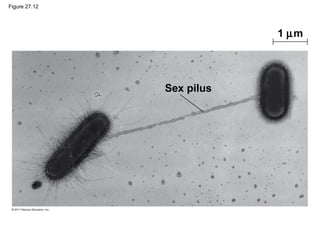
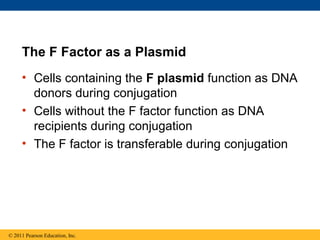
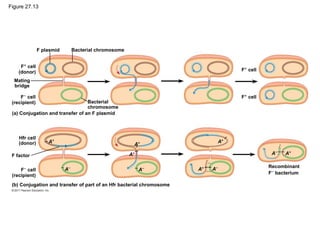
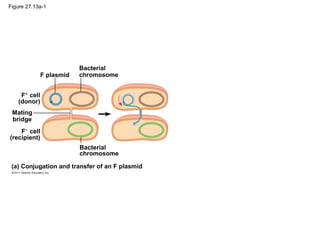
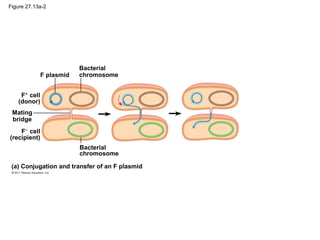
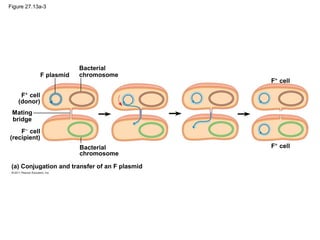
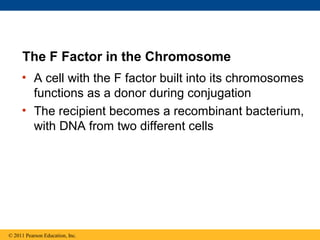
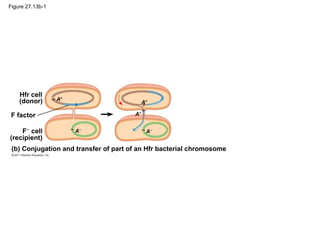
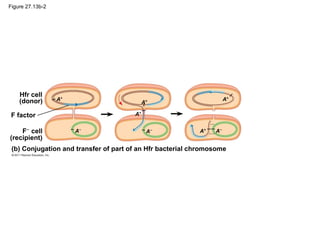
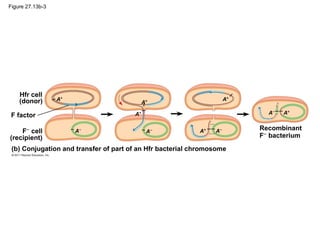
- They reproduce rapidly through binary fission and genetic diversity arises from high mutation rates and horizontal gene transfer between cells through transformation, transduction, and conjugation.
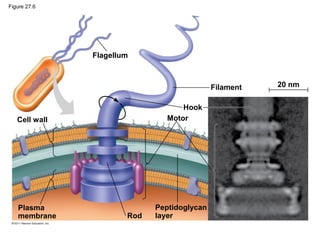
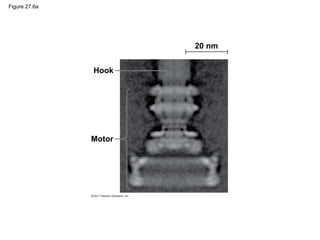
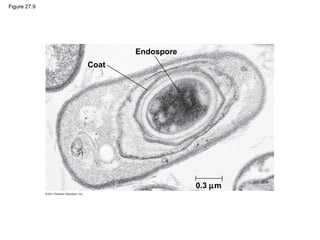
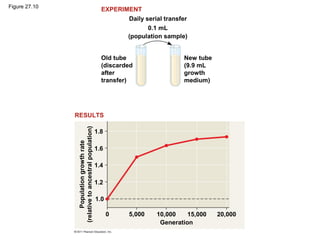
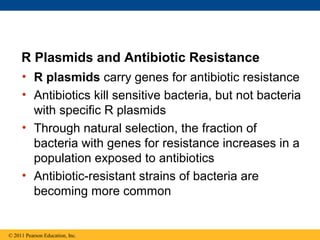
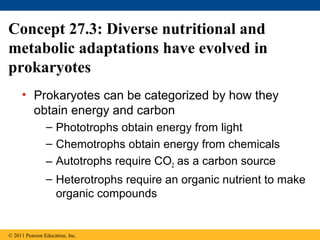
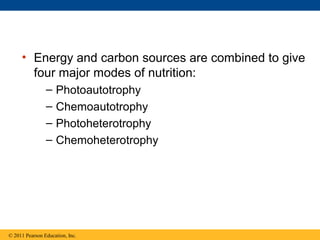
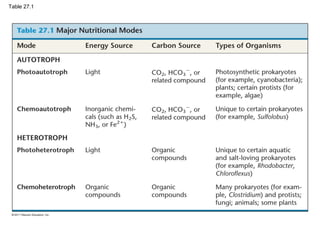
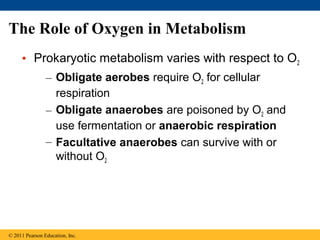
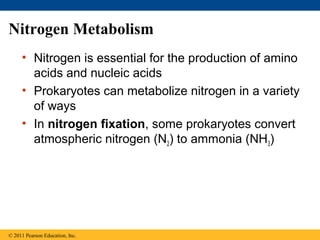
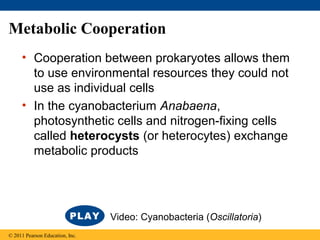
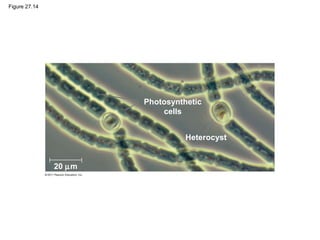
- Adaptations like motility, endospores, metabolic pathways, and rapid evolution allow prokaryotes to be highly successful and found almost everywhere on Earth.