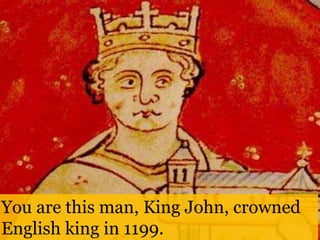
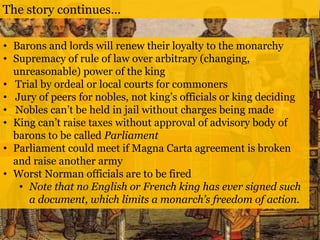
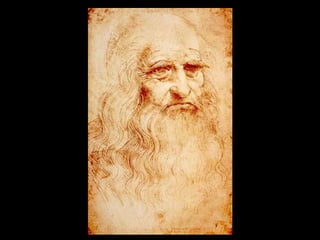
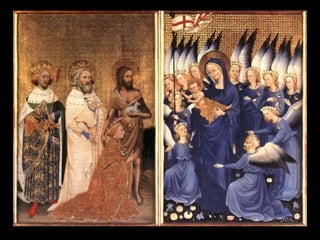
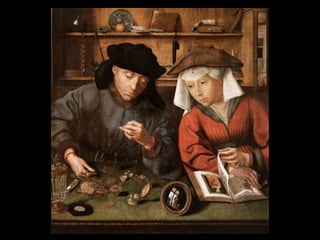
You are this man, King John, crowned 
English king in 1199.
1214
Decision #1: Should you… 
a) hire mercenaries from France to fight 
for you against the English nobles? 
b) meet with the English barons and lords 
to discuss your disagreements? 
c) stall for a time, pretending to be 
interested in negotiations, in order to 
have time to raise a mercenary army 
from England and France? 
d) Another option of your choice.
The story continues… 
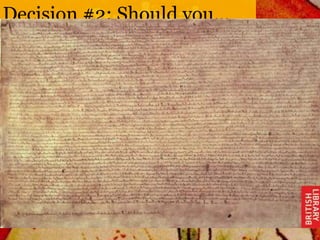
• Barons and lords will renew their loyalty to the monarchy 
• Supremacy of rule of law over arbitrary (changing, 
unreasonable) power of the king 
• Trial by ordeal or local courts for commoners 
• Jury of peers for nobles, not king’s officials or king deciding 
• Nobles can’t be held in jail without charges being made 
• King can’t raise taxes without approval of advisory body of 
barons to be called Parliament 
• Parliament could meet if Magna Carta agreement is broken 
and raise another army 
• Worst Norman officials are to be fired 
• Note that no English or French king has ever signed such 
a document, which limits a monarch’s freedom of action.
Decision #2: Should you… 
a) sign the Magna Carta reluctantly, agreeing 
to live with the restrictions and 
embarrassment. 
b) have a temper tantrum, swear at the nobles 
and prepare for war. 
c) sign the document, using the time to stall 
until the French mercenaries arrive. 
d) only agree to certain terms, which will 
anger the barons.
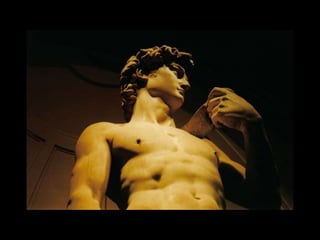
Should we call the 
period 600-1450 
“The Dark Ages”?
Features of Europe, Unit 3 
• Eastern Mediterranean 
– Byzantine Empire (caesaropapism, trade, 
Roman continuities) 
• Western Europe 
– 600-1000 
• Invasions 
• Feudalism 
• Catholic Church 
– 1000-1200 
• Warming climate – better agriculture 
• Crusades
Features of Europe, Unit 3 
• Western Europe 
– 1200-1500 
• Breakdown of feudalism 
• Black Death 
• Renaissance
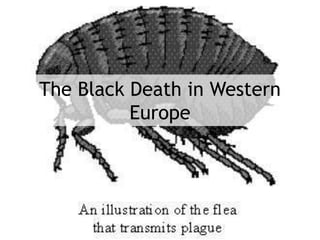
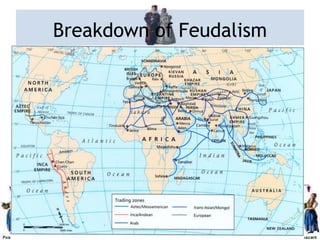
The Black Death in Western 
Europe
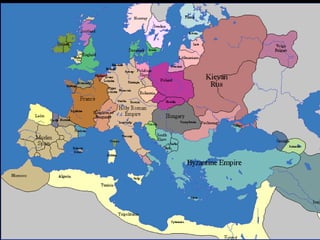
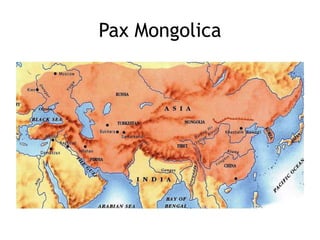
Pax Mongolica
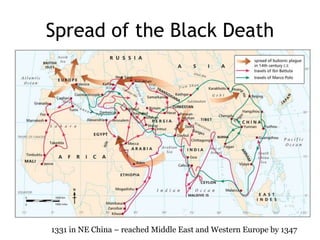
Spread of the Black Death 
1331 in NE China – reached Middle East and Western Europe by 1347
In Europe during plague…
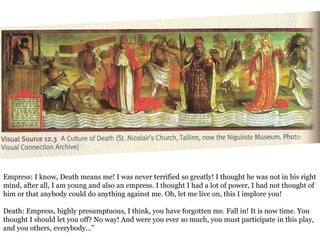
Empress: I know, Death means me! I was never terrified so greatly! I thought he was not in his right 
mind, after all, I am young and also an empress. I thought I had a lot of power, I had not thought of 
him or that anybody could do anything against me. Oh, let me live on, this I implore you! 
Death: Empress, highly presumptuous, I think, you have forgotten me. Fall in! It is now time. You 
thought I should let you off? No way! And were you ever so much, you must participate in this play, 
and you others, everybody…”
Consequences of the Black Plague 
for Europe 
• Economically 
– labor shortage  
wages rise  better 
standard of living
Consequences of the Black Plague 
for Europe 
• Economically 
– labor shortage  
wages rise  better 
standard of living 
– The rich get richer 
inheriting from those 
who died & the poor 
can demand higher 
pay  peasant 
rebellions
Consequences of the Black Plague 
for Europe 
• Economically 
– labor shortage  
wages rise  better 
standard of living 
– The rich get richer 
inheriting from those 
who died & the poor 
can demand higher 
pay  peasant 
rebellions 
• Cultural 
– Jews flee to the East to 
escape persecution
Consequences of the Black Plague 
for Europe 
• Economically 
– labor shortage  
wages rise  better 
standard of living 
– The rich get richer 
inheriting from those 
who died & the poor 
can demand higher 
pay  peasant 
rebellions 
• Cultural 
– Jews flee to the East to 
escape persecution 
– Less confidence in 
Church (Petrarch: 
“God does not care for 
mortal men”)
Breakdown of Feudalism
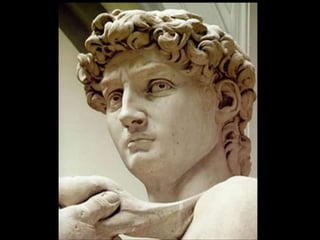
The Renaissance
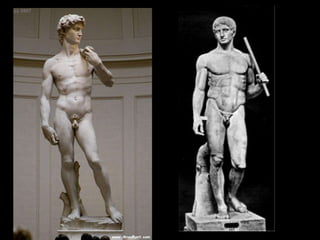
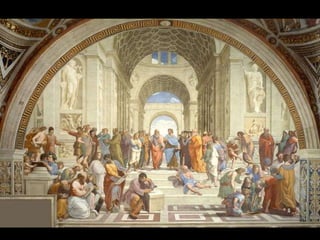
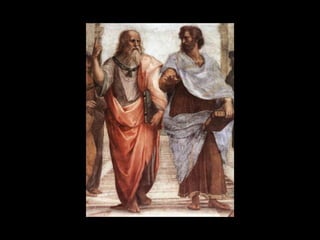
The Renaissance (13th-17th centuries) 
• Driving force behind Renaissance was 
humanism: 
• celebrates the individual 
• inspired by Greek and Roman civilization 
• combines ancient thought with Christianity
Giovanni Pico della Mirandola (1463-94), Oration on 
the Dignity of Man 
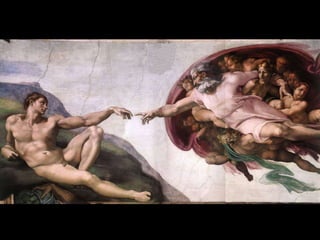
I have not given you, Adam…a predetermined 
place…in order that you may find your own 
place through your own decision and 
choice…You shall determine your own nature 
without constraint, by means of the freedom 
which I have entrusted you…like a free and 
sovereign artificer, you might mold and fashion 
yourself into that form you yourself shall have 
chosen.
Global Events and Effects on 
Europe 
• Crusades 
 Increased commerce  Increased exchange of 
ideas between Europeans and Muslim Empires 
(including technology and philosophy) 
• Mongol Empire 
increased trade and global contacts  Europeans 
become curious for and desire foreign goods 
desire for access to these goods will drive 
European states to compete with one another 
Black Death  Europe loses population but is the 
world better for survivors….?

23.europe upto1500

  • 2.
    You are thisman, King John, crowned English king in 1199.
  • 3.
  • 4.
    Decision #1: Shouldyou… a) hire mercenaries from France to fight for you against the English nobles? b) meet with the English barons and lords to discuss your disagreements? c) stall for a time, pretending to be interested in negotiations, in order to have time to raise a mercenary army from England and France? d) Another option of your choice.
  • 5.
    The story continues… • Barons and lords will renew their loyalty to the monarchy • Supremacy of rule of law over arbitrary (changing, unreasonable) power of the king • Trial by ordeal or local courts for commoners • Jury of peers for nobles, not king’s officials or king deciding • Nobles can’t be held in jail without charges being made • King can’t raise taxes without approval of advisory body of barons to be called Parliament • Parliament could meet if Magna Carta agreement is broken and raise another army • Worst Norman officials are to be fired • Note that no English or French king has ever signed such a document, which limits a monarch’s freedom of action.
  • 6.
    Decision #2: Shouldyou… a) sign the Magna Carta reluctantly, agreeing to live with the restrictions and embarrassment. b) have a temper tantrum, swear at the nobles and prepare for war. c) sign the document, using the time to stall until the French mercenaries arrive. d) only agree to certain terms, which will anger the barons.
  • 7.
    Should we callthe period 600-1450 “The Dark Ages”?
  • 8.
    Features of Europe,Unit 3 • Eastern Mediterranean – Byzantine Empire (caesaropapism, trade, Roman continuities) • Western Europe – 600-1000 • Invasions • Feudalism • Catholic Church – 1000-1200 • Warming climate – better agriculture • Crusades
  • 10.
    Features of Europe,Unit 3 • Western Europe – 1200-1500 • Breakdown of feudalism • Black Death • Renaissance
  • 12.
    The Black Deathin Western Europe
  • 13.
  • 14.
    Spread of theBlack Death 1331 in NE China – reached Middle East and Western Europe by 1347
  • 15.
  • 16.
    Empress: I know,Death means me! I was never terrified so greatly! I thought he was not in his right mind, after all, I am young and also an empress. I thought I had a lot of power, I had not thought of him or that anybody could do anything against me. Oh, let me live on, this I implore you! Death: Empress, highly presumptuous, I think, you have forgotten me. Fall in! It is now time. You thought I should let you off? No way! And were you ever so much, you must participate in this play, and you others, everybody…”
  • 17.
    Consequences of theBlack Plague for Europe • Economically – labor shortage  wages rise  better standard of living
  • 18.
    Consequences of theBlack Plague for Europe • Economically – labor shortage  wages rise  better standard of living – The rich get richer inheriting from those who died & the poor can demand higher pay  peasant rebellions
  • 19.
    Consequences of theBlack Plague for Europe • Economically – labor shortage  wages rise  better standard of living – The rich get richer inheriting from those who died & the poor can demand higher pay  peasant rebellions • Cultural – Jews flee to the East to escape persecution
  • 20.
    Consequences of theBlack Plague for Europe • Economically – labor shortage  wages rise  better standard of living – The rich get richer inheriting from those who died & the poor can demand higher pay  peasant rebellions • Cultural – Jews flee to the East to escape persecution – Less confidence in Church (Petrarch: “God does not care for mortal men”)
  • 21.
  • 24.
  • 25.
    The Renaissance (13th-17thcenturies) • Driving force behind Renaissance was humanism: • celebrates the individual • inspired by Greek and Roman civilization • combines ancient thought with Christianity
  • 37.
    Giovanni Pico dellaMirandola (1463-94), Oration on the Dignity of Man I have not given you, Adam…a predetermined place…in order that you may find your own place through your own decision and choice…You shall determine your own nature without constraint, by means of the freedom which I have entrusted you…like a free and sovereign artificer, you might mold and fashion yourself into that form you yourself shall have chosen.
  • 44.
    Global Events andEffects on Europe • Crusades  Increased commerce  Increased exchange of ideas between Europeans and Muslim Empires (including technology and philosophy) • Mongol Empire increased trade and global contacts  Europeans become curious for and desire foreign goods desire for access to these goods will drive European states to compete with one another Black Death  Europe loses population but is the world better for survivors….?

Editor's Notes

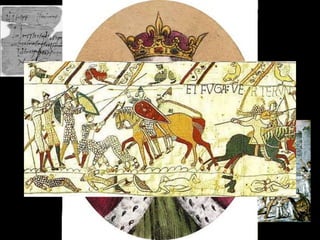
  • #2 The Romans ruled the British Isles, up to Hadrian’s Wall, until the 5th century CE, when they abandoned the region and the area succumbed to the invasions and divisions of the German Angle and Saxon tribes. In the 9th century England was united under Alfred the Great, the first “King of the English” (Angles). He staved off Viking invasions. By the 8th century the majority of the residents had converted to Christianity, and in 1066 William the Conqueror from Normandy (northern France) invaded and defeated the Anglo-Saxons in England. He introduced a French-speaking monarchy to England and quickly consolidated his power.
  • #3 William the Conqueror is one of your ancestors and you used to control land in both France and England, but preferred to spend most of your time in France while being gone from England for years at a time. You have left the collection of taxes and administration in the hands of your mostly Norman (French speaking) officials in England, and the English barons and lords prefer it when are in Normandy because it means you do not generally interfere in their affairs. You also wanted the new Archbishop of Canterbury (i.e. the top Roman Catholic official in England) to be loyal to you, but the Pope elected someone you didn’t like. So you took church land and money. As a consequence you were excommunicated, then reinstated when you gave the land and money back to the church. Devout Christian (Catholic) barons and lords considered your behavior scandalous.
  • #4 Then in 1214 you fought and lost all your land in Normandy to King Philip II of France. Many of the English barons and lords did not send the knights and troops they promised. Now you must live in England and are angry with the English barons and lords who didn’t support your war in France. You quarreled with many of them and dramatically raised many taxes and fines to raise money for another army to take land back in France. Also, you blackmailed nobles to raise money, threatening to publicize their affairs with other nobles’ wives. Angered barons and lords have raised an army against you and have taken control of London and a smaller city. They want you to stop what they consider you heavy-handed and autocratic ways.
  • #6 You haven’t been able to raise many soldiers in England, because you are so disliked. The mercenaries from France haven’t arrived yet. The barons, lords and their army are at Runnymede, outside of London, waiting to negotiate with you. You meet with them under a large oak tree. They have a document for you to put your seal on, called the Magna Carta (the Great Charter). Key provisions of 63 specific problems addressed include:
  • #7 John chose c, got the Pope to say the document was invalid since it was “not only shameful and demeaning, but illegal and unjust” and excommunicated the barons. Civil war ended upon John’s death, when new dynasty made concessions for barons. Ideas of Magna Carta become important later when absolute monarchies are questioned: puts limit on power of king in England! (BTW, the story of Robin Hood takes place during King John’s reign…)
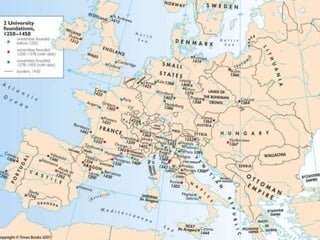
  • #10 Europe around 1000
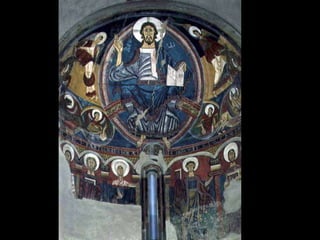
  • #12 the Catholic Church attended all great passages of life birth marriage death Major Christian themes dominated people’s worldview sin & repetence salvation & heaven comfort available through Jesus, Mary, and saints
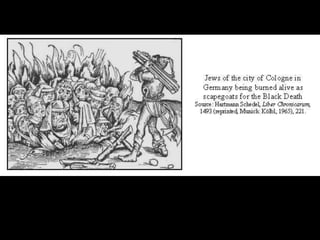
  • #16 the Catholic Church sometimes gave the message that the plague was God’s punishment for sins. There existed religiously based attacks on prostitutes, homosexuals, and Jews.
  • #17 In this section of the painting from 1463 by the German artist Berndt Notke, look closely at the image and then read the translated inscription at the bottom concerning the empress in red at the right and the skeleton nearby. Notice that the living figures face outward toward the viewer rather than toward the skeletons. What might this mean? How might this painting be used as evidence of the breakdown of feudalist ideas on account of the Black Death? Does the portrayal of death pictured here reflect Christian views of death or does it challenge them? Hygiene houses baths and clothes Long-distance travel trade pilgrimages armies
  • #18 Why is the death figure smiling? How are the priest and the Christ figure depicted? What possible interpretations of their gestures can you imagine? Christ figure says, “Tho it be late ere thou mercie came: yet mercie thou shalt have.” The priest says, “Commit thy body to thy grave: pray Christ thy soul to save.” The death figure says, “I have sought thee many a day: for to have thee to my pray.” How do these captions influence your understanding of the painting? Would you characterize the overall message of the painting as hopefulness, despair, or something else? What specific elements of the painting make you feel this way?
  • #23 Those who survived the plague live in a changing Europe. Rise in wages = more consumers. Access to items in East. Urban growth due to maritime trade (port city like Venice). Guilds and the rise of women.
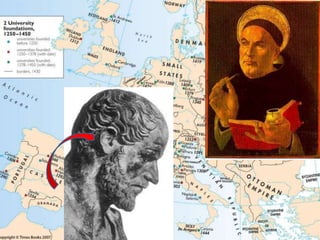
  • #25 Intellectual life originally based on Catholic Church: training for priesthood. Aristotle comes into fashion after Greek texts return to prominence after their ‘rediscovery’ through Spain Emphasis on the ability of human reason to understand the divine Aquinas: Italian; finishes studies at Univ. of Paris; faith and philosophy. Influence of Greek texts returning to prominence This thinking was not meant to question faith – logic & philosophy would operate in the service of Christ. BUT European intellectuals begin to apply their confidence to other studies, like law, medicine, and the world of nature.