Making the most of
your opportunities
SCF Webinar 5
Russell Cummings
28 January 2019
Opportunity
• “Difficulties mastered are opportunities won” -
Winston Churchill
• “Business opportunities are like buses, there's
always another one coming.” - Richard Branson
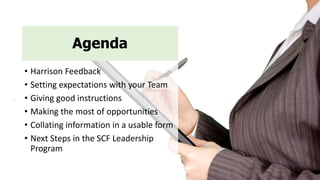
Agenda
• Harrison Feedback
• Setting expectations with your Team
• Giving good instructions
• Making the most of opportunities
• Collating information in a usable form
• Next Steps in the SCF Leadership
Program
A quick Summary of
the Harrison Issues
Inconclusive
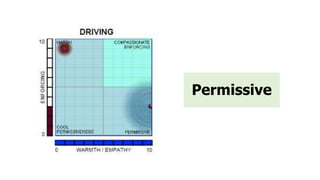
Permissive
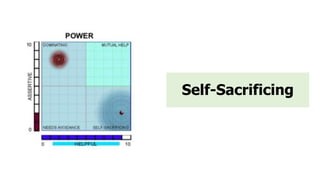
Self-Sacrificing
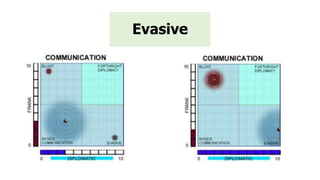
Evasive
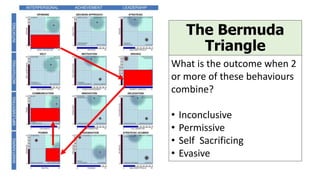
The Bermuda
Triangle
What is the outcome when 2
or more of these behaviours
combine?
• Inconclusive
• Permissive
• Self Sacrificing
• Evasive
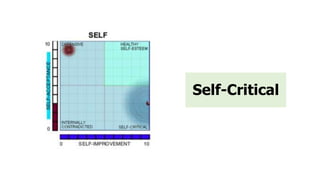
Self-Critical
The Solution
• Be aware that this can potentially
be an issue for you
• Set better expectations with your
Team
• Give better instructions
Setting better
expectations
Tips for more clarity
What sort of things do you need to
set expectations for?
5 Tips for Setting
Expectations
1. Write them down – clarify your thoughts
2. Set Foundational and Personal Expectations
3. Engage the Team to ensure joint expectations
4. Focus on the “What” not the “How”
5. Ensure they have the resources they require to
meet your expectations
Giving Good
Instructions
The Lost Art
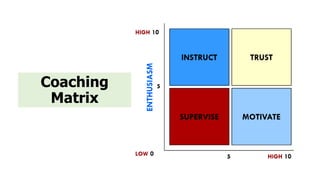
Coaching
Matrix
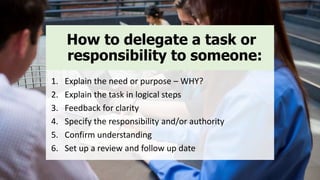
1. Explain the need or purpose – WHY?
2. Explain the task in logical steps
3. Feedback for clarity
4. Specify the responsibility and/or authority
5. Confirm understanding
6. Set up a review and follow up date
How to delegate a task or
responsibility to someone:
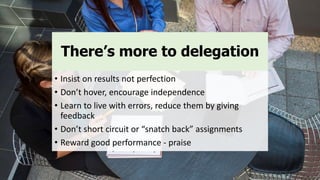
There’s more to delegation
• Insist on results not perfection
• Don’t hover, encourage independence
• Learn to live with errors, reduce them by giving
feedback
• Don’t short circuit or “snatch back” assignments
• Reward good performance - praise
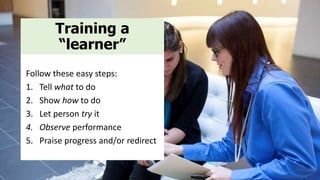
Training a
“learner”
Follow these easy steps:
1. Tell what to do
2. Show how to do
3. Let person try it
4. Observe performance
5. Praise progress and/or redirect
Feedback
• We are usually very poor at giving feedback – either
positive or negative
• Feedback works well in an environment when you tell
people from the start that you are going to tell them
how they are going
• Why do we need to give feedback?
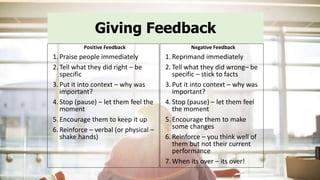
Giving Feedback
Positive Feedback
1. Praise people immediately
2. Tell what they did right – be
specific
3. Put it into context – why was
important?
4. Stop (pause) – let them feel the
moment
5. Encourage them to keep it up
6. Reinforce – verbal (or physical –
shake hands)
Negative Feedback
1. Reprimand immediately
2. Tell what they did wrong– be
specific – stick to facts
3. Put it into context – why was
important?
4. Stop (pause) – let them feel
the moment
5. Encourage them to make
some changes
6. Reinforce – you think well of
them but not their current
performance
7. When its over – its over!
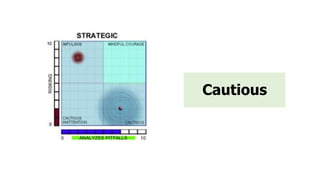
Keeping an Open Mind
Cautious
Tips for being mindful
• Its OK for there to be a better way – be open
• Listen to your self talk – if its negative – what are you
shutting down?
• What more do I need to understand before I can
eliminate this?
• What elements of the concept are applicable to us?
What would you need to change to make it work at
home?
• What good ideas can you borrow from other industries
that we could use in horticulture?
Tips for being mindful
• What would stop this from working at home?
How do we overcome them?
• Most good innovation comes from the
“fringes”, often where businesses or processes
connect – look closely at these spaces.
• Allocate specific areas for focus – have some
general focus categories, as well.
Collecting information
• Use your phone and take photos, videos and make notes.
• Use a tool like OneNote (or Evernote) to store your
information and to sort and collate it. Set up a shared
notebook that everyone at the event can add their
information to.
• Store common information in OneDrive, Dropbox, Google
Drive.
• Keep a written journal – update it every day/night.
• Stop and reflect on your notes every few days and take
stock.
• Summarise at the end.
• What did I learn today? What changes do I need to make?
What actions will I take?
• Complete your online Training Courses
• Book a call with Russ
• Complete the Survey
Thank You
Russell Cummings
Business Consultant
M: 0414 929 585
W: www.shifft.com.au
E: russell@shifft.com.au

190129 SCF Webinar 5 - Opportunities - FINAL

  • 1.
    Making the mostof your opportunities SCF Webinar 5 Russell Cummings 28 January 2019
  • 2.
    Opportunity • “Difficulties masteredare opportunities won” - Winston Churchill • “Business opportunities are like buses, there's always another one coming.” - Richard Branson
  • 3.
    Agenda • Harrison Feedback •Setting expectations with your Team • Giving good instructions • Making the most of opportunities • Collating information in a usable form • Next Steps in the SCF Leadership Program
  • 4.
    A quick Summaryof the Harrison Issues
  • 5.
  • 6.
  • 7.
  • 8.
  • 9.
    The Bermuda Triangle What isthe outcome when 2 or more of these behaviours combine? • Inconclusive • Permissive • Self Sacrificing • Evasive
  • 10.
  • 11.
    The Solution • Beaware that this can potentially be an issue for you • Set better expectations with your Team • Give better instructions
  • 12.
  • 13.
    What sort ofthings do you need to set expectations for?
  • 14.
    5 Tips forSetting Expectations 1. Write them down – clarify your thoughts 2. Set Foundational and Personal Expectations 3. Engage the Team to ensure joint expectations 4. Focus on the “What” not the “How” 5. Ensure they have the resources they require to meet your expectations
  • 15.
  • 16.
  • 17.
    1. Explain theneed or purpose – WHY? 2. Explain the task in logical steps 3. Feedback for clarity 4. Specify the responsibility and/or authority 5. Confirm understanding 6. Set up a review and follow up date How to delegate a task or responsibility to someone:
  • 18.
    There’s more todelegation • Insist on results not perfection • Don’t hover, encourage independence • Learn to live with errors, reduce them by giving feedback • Don’t short circuit or “snatch back” assignments • Reward good performance - praise
  • 19.
    Training a “learner” Follow theseeasy steps: 1. Tell what to do 2. Show how to do 3. Let person try it 4. Observe performance 5. Praise progress and/or redirect
  • 20.
    Feedback • We areusually very poor at giving feedback – either positive or negative • Feedback works well in an environment when you tell people from the start that you are going to tell them how they are going • Why do we need to give feedback?
  • 21.
    Giving Feedback Positive Feedback 1.Praise people immediately 2. Tell what they did right – be specific 3. Put it into context – why was important? 4. Stop (pause) – let them feel the moment 5. Encourage them to keep it up 6. Reinforce – verbal (or physical – shake hands) Negative Feedback 1. Reprimand immediately 2. Tell what they did wrong– be specific – stick to facts 3. Put it into context – why was important? 4. Stop (pause) – let them feel the moment 5. Encourage them to make some changes 6. Reinforce – you think well of them but not their current performance 7. When its over – its over!
  • 22.
  • 23.
  • 24.
    Tips for beingmindful • Its OK for there to be a better way – be open • Listen to your self talk – if its negative – what are you shutting down? • What more do I need to understand before I can eliminate this? • What elements of the concept are applicable to us? What would you need to change to make it work at home? • What good ideas can you borrow from other industries that we could use in horticulture?
  • 25.
    Tips for beingmindful • What would stop this from working at home? How do we overcome them? • Most good innovation comes from the “fringes”, often where businesses or processes connect – look closely at these spaces. • Allocate specific areas for focus – have some general focus categories, as well.
  • 26.
    Collecting information • Useyour phone and take photos, videos and make notes. • Use a tool like OneNote (or Evernote) to store your information and to sort and collate it. Set up a shared notebook that everyone at the event can add their information to. • Store common information in OneDrive, Dropbox, Google Drive. • Keep a written journal – update it every day/night. • Stop and reflect on your notes every few days and take stock. • Summarise at the end. • What did I learn today? What changes do I need to make? What actions will I take?
  • 27.
    • Complete youronline Training Courses • Book a call with Russ • Complete the Survey
  • 28.
    Thank You Russell Cummings BusinessConsultant M: 0414 929 585 W: www.shifft.com.au E: russell@shifft.com.au