Downloaded 38 times
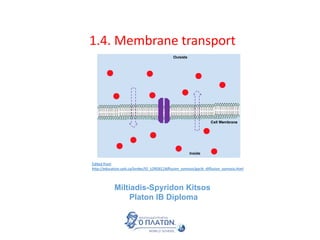
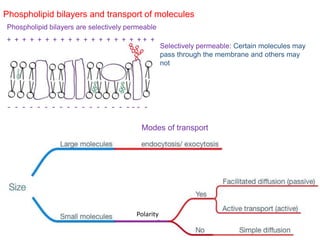
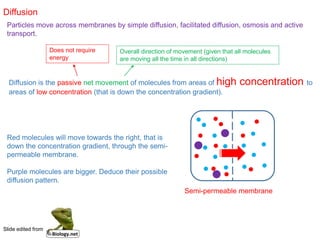
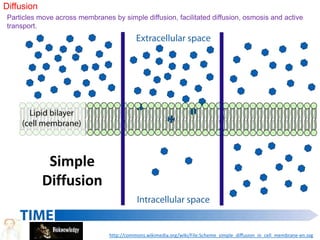
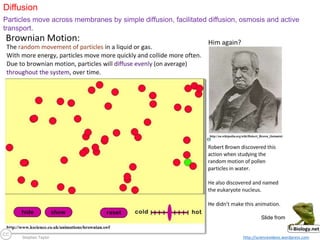
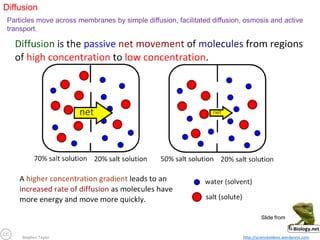
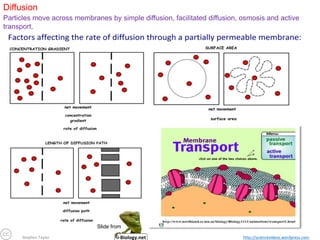
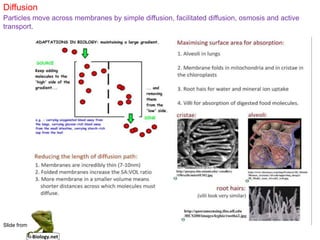
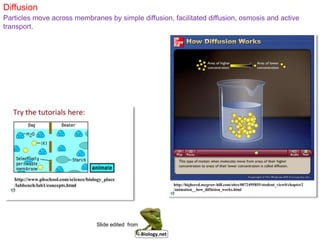
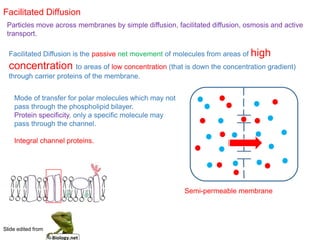
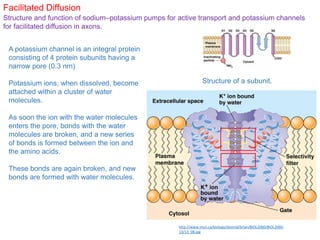
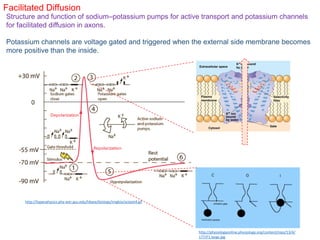
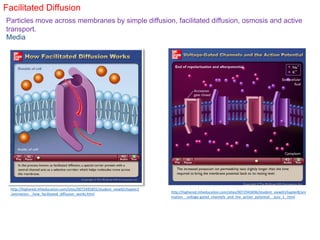
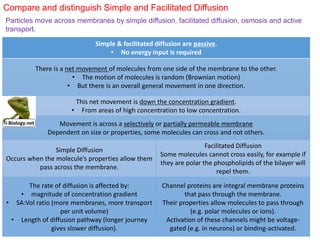
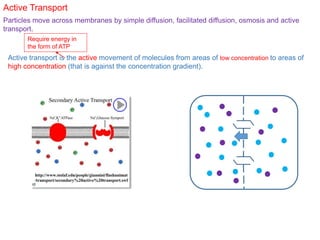
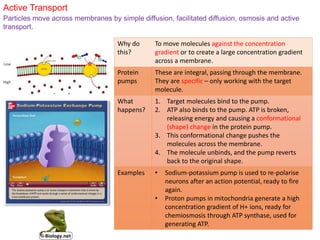
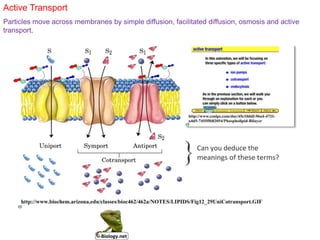
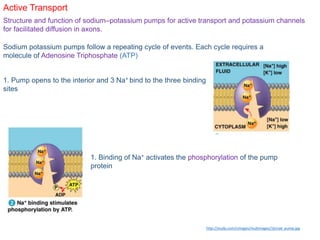
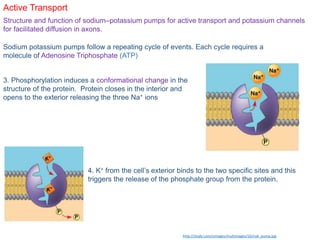
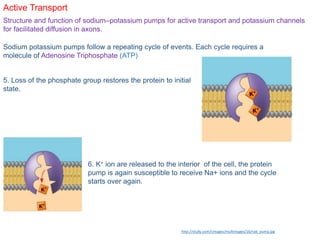
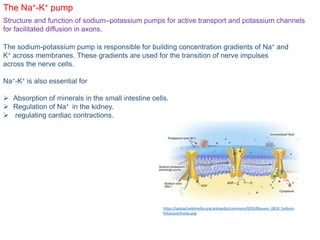
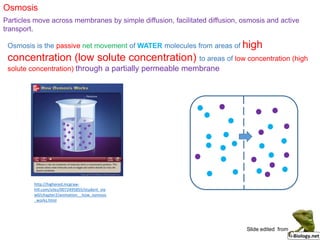
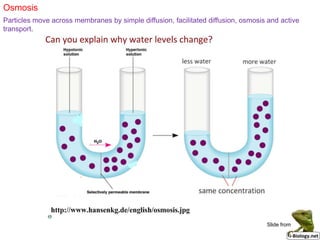
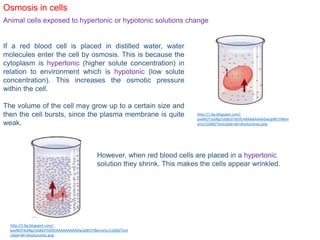

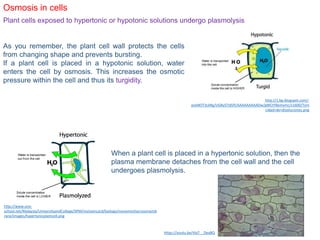
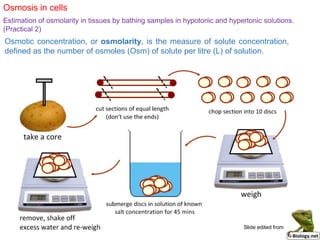
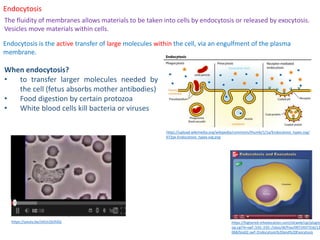
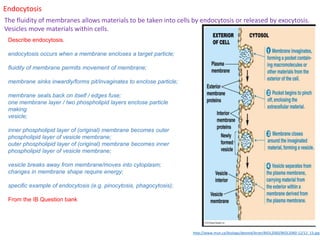
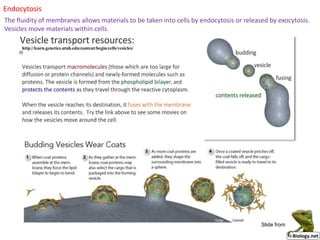
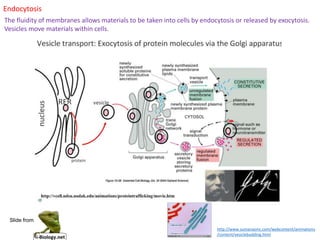
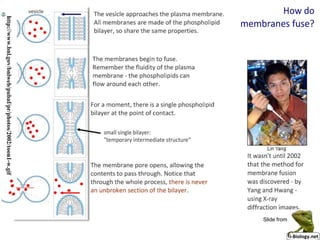
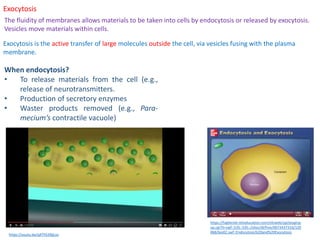


Phospholipid bilayers are selectively permeable membranes that control the movement of molecules into and out of cells through passive and active transport mechanisms. Passive transport includes diffusion, facilitated diffusion, and osmosis, which allow molecules to move down their concentration gradients without energy expenditure. Active transport requires energy in the form of ATP to move molecules against their concentration gradients, such as sodium-potassium pumps that repolarize neurons after firing. Membrane transport is essential for cellular functions like nutrient absorption, waste removal, and nerve signal transmission.


![2227_Unit 1Transport accross membrane [Autosaved].pptx](https://cdn.slidesharecdn.com/ss_thumbnails/2227unit1transportaccrossmembraneautosaved-240928020700-6080a822-thumbnail.jpg?width=640&height=640&fit=bounds)


