











A bit about me…
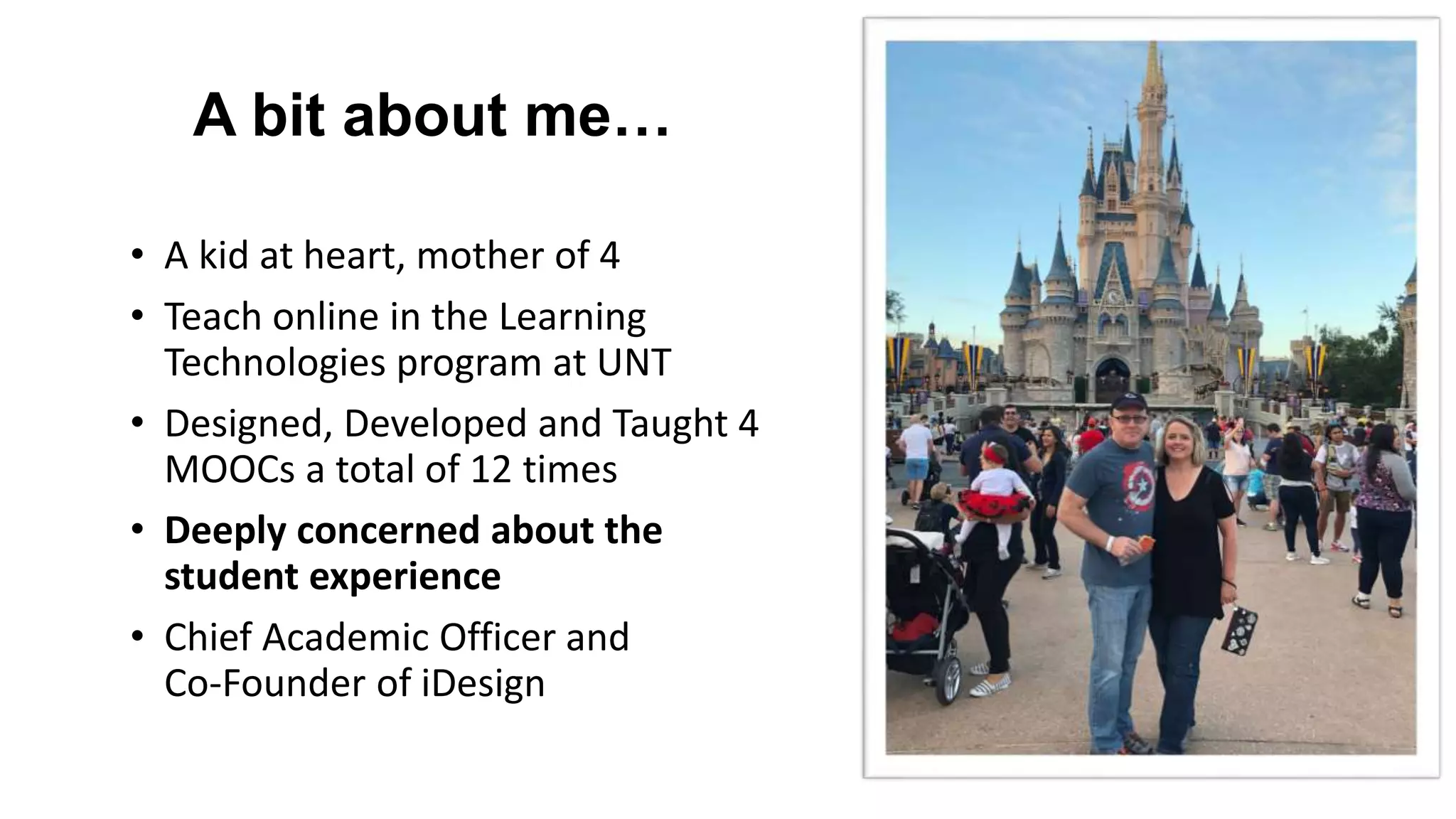
• A kid at heart, mother of 4
• Teach online in the Learning
Technologies program at UNT
• Designed, Developed and Taught 4
MOOCs a total of 12 times
• Deeply concerned about the
student experience
• Chief Academic Officer and
Co-Founder of iDesign
iDesignPartners
Recently misunderstood….
● The move to online and digital learning has depersonalized
the learning experience
● The affordances of technology have advanced our ability to
connect digitally since the advent of online/blended
learning
● We MUST focus on the teaching and learning first AND
THEN choose the right tool for the job
Humanizing Digital
Learning
HumanizinginaMOOC?
o Taught in 5 times since
2013
o Promoted by EDUCAUSE
as an ELI course in 2017
o Focus: Community of
Inquiry framework &
Emerging Technologies
2800+ enrolled
Faculty, Instructional
Designers, Directors of
Online Programs, Provosts
& Staff
The #HumanMOOC
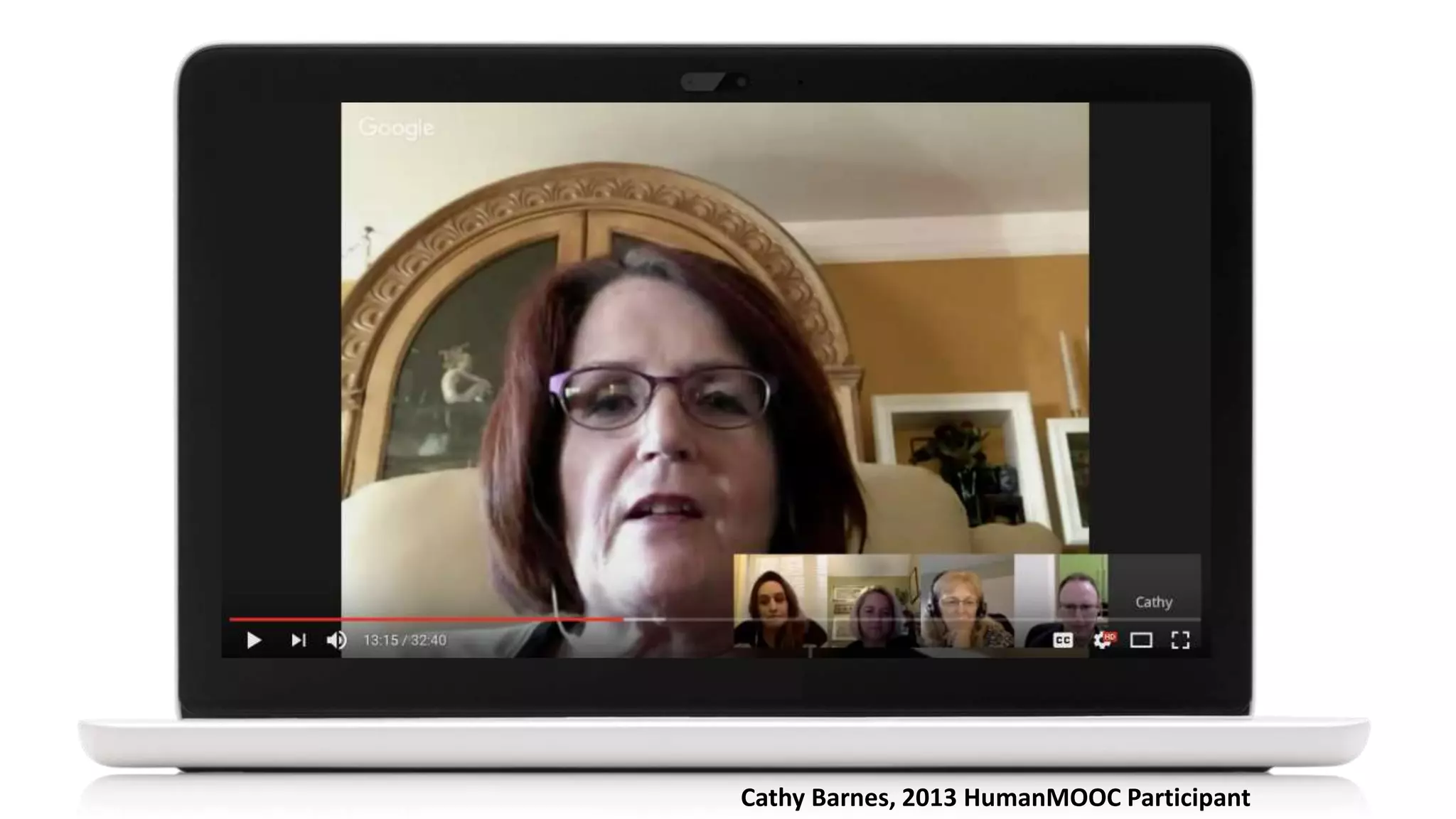
Cathy Barnes, 2013 HumanMOOC Participant
“(HumanMOOC) gave me all sorts of confidence.
I think you tell students we are trying this, or this is
the time I've done this, as long as I was trying to do
something with the goal being to humanize my class,
to make it more real and relevant and engaging.”
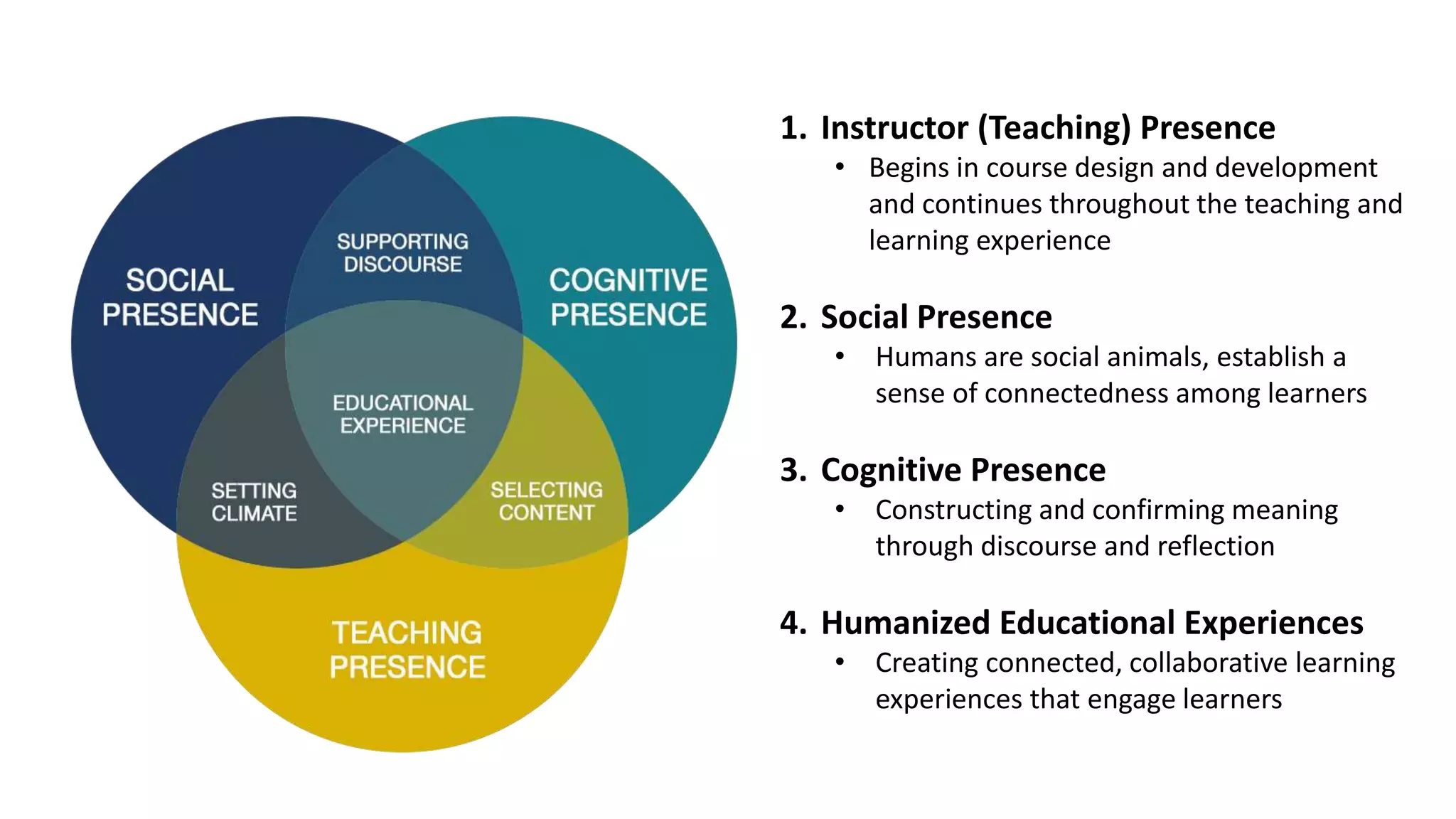
1. Instructor (Teaching) Presence
• Begins in course design and development
and continues throughout the teaching and
learning experience
2. Social Presence
• Humans are social animals, establish a
sense of connectedness among learners
3. Cognitive Presence
• Constructing and confirming meaning
through discourse and reflection
4. Humanized Educational Experiences
• Creating connected, collaborative learning
experiences that engage learners
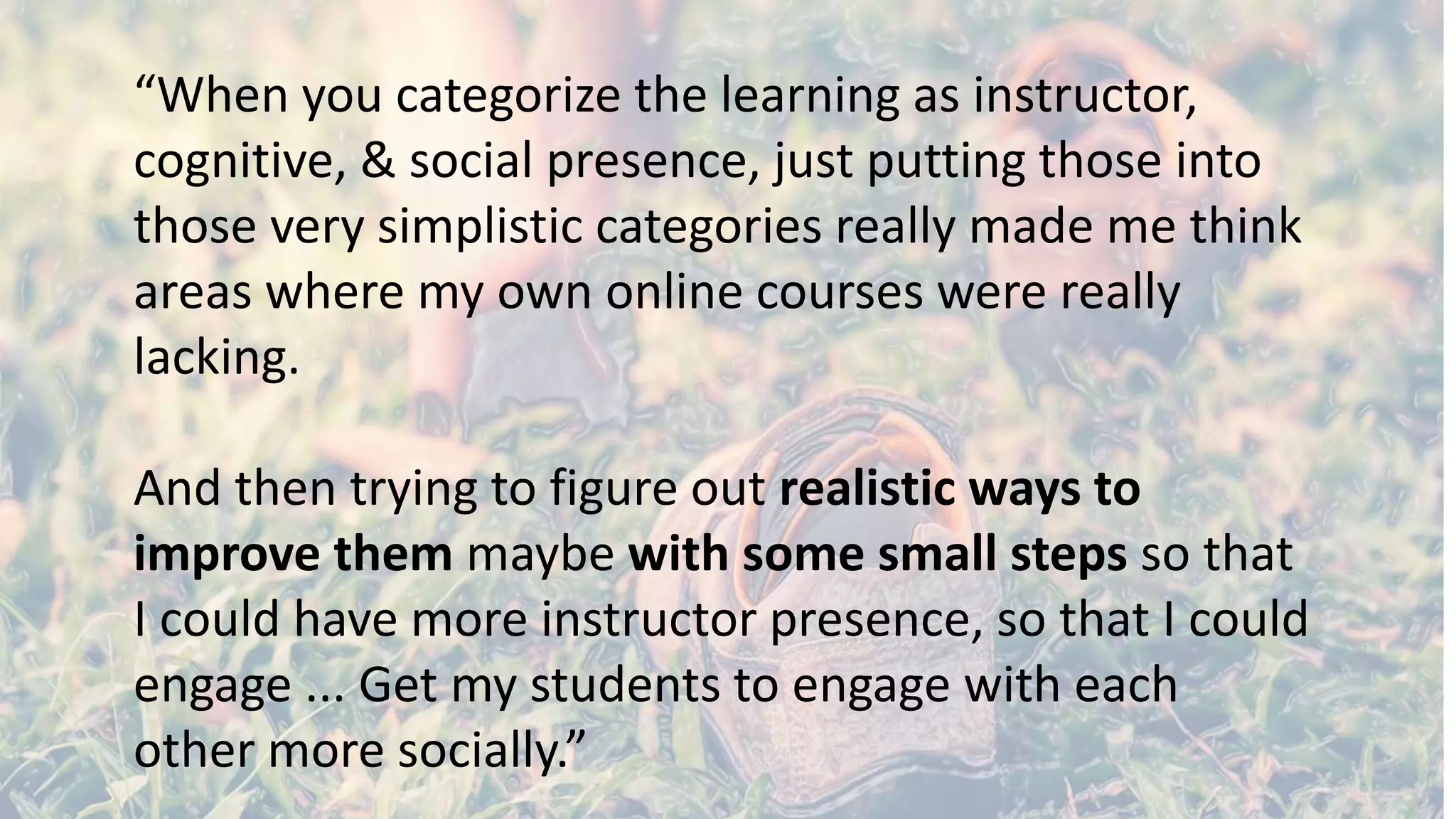
“When you categorize the learning as instructor,
cognitive, & social presence, just putting those into
those very simplistic categories really made me think
areas where my own online courses were really
lacking.
And then trying to figure out realistic ways to
improve them maybe with some small steps so that
I could have more instructor presence, so that I could
engage ... Get my students to engage with each
other more socially.”
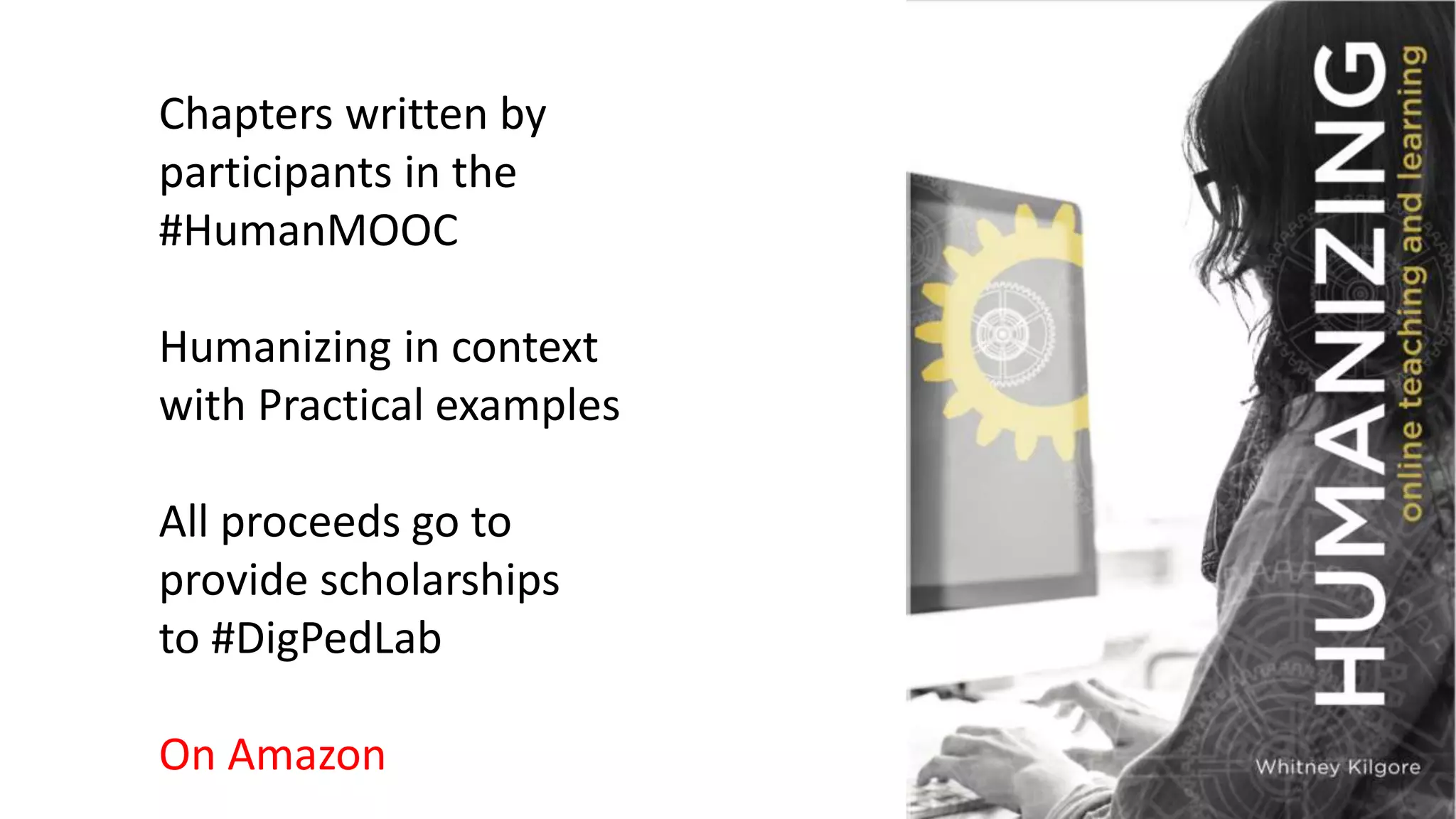
Chapters written by
participants in the
#HumanMOOC
Humanizing in context
with Practical examples
All proceeds go to
provide scholarships
to #DigPedLab
On Amazon
The internet is doing for
education what electricity
did for the industrial
revolution.
Learner Experience Design Model
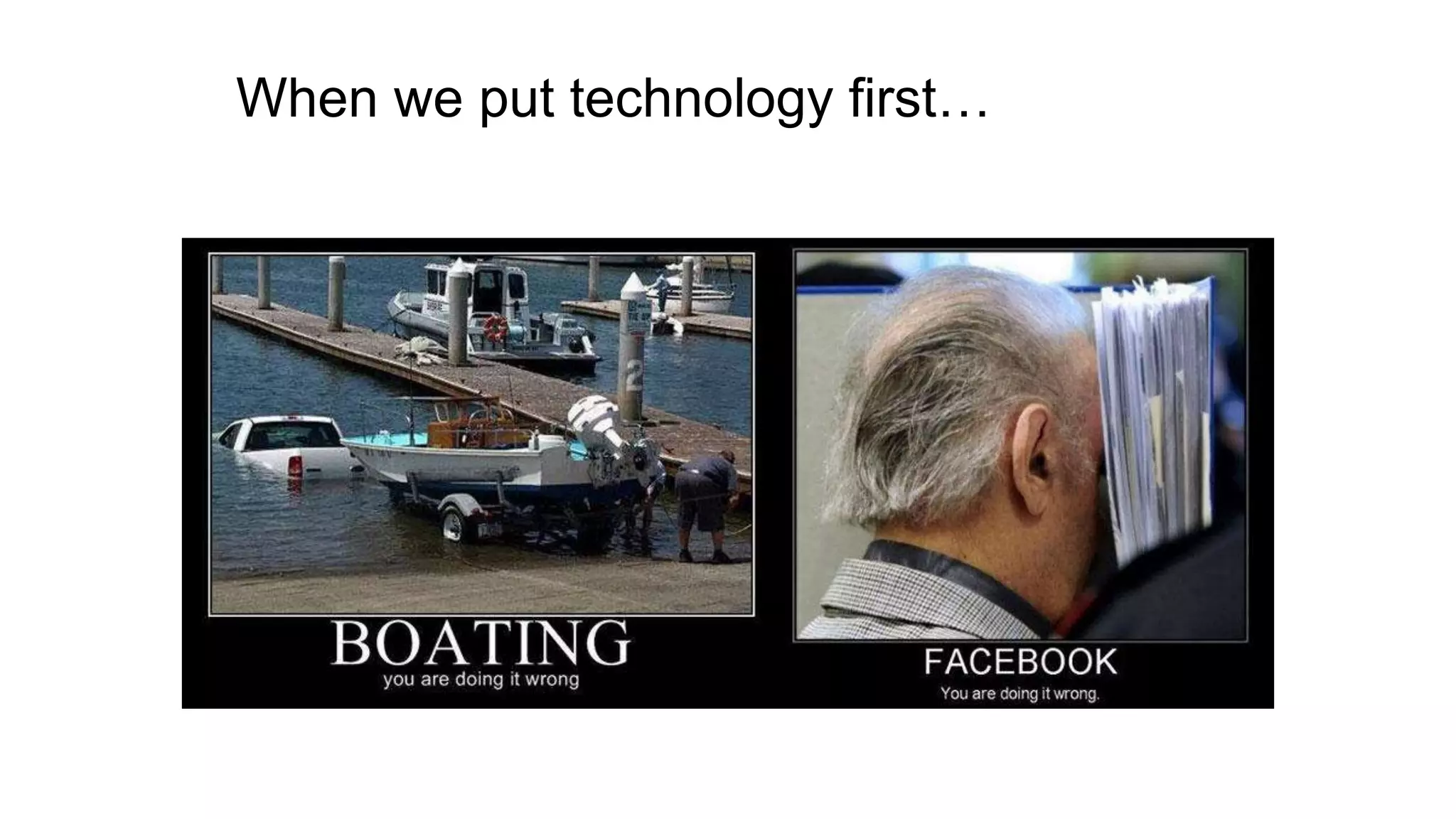
When we put technology first…
Ideas you can implement today
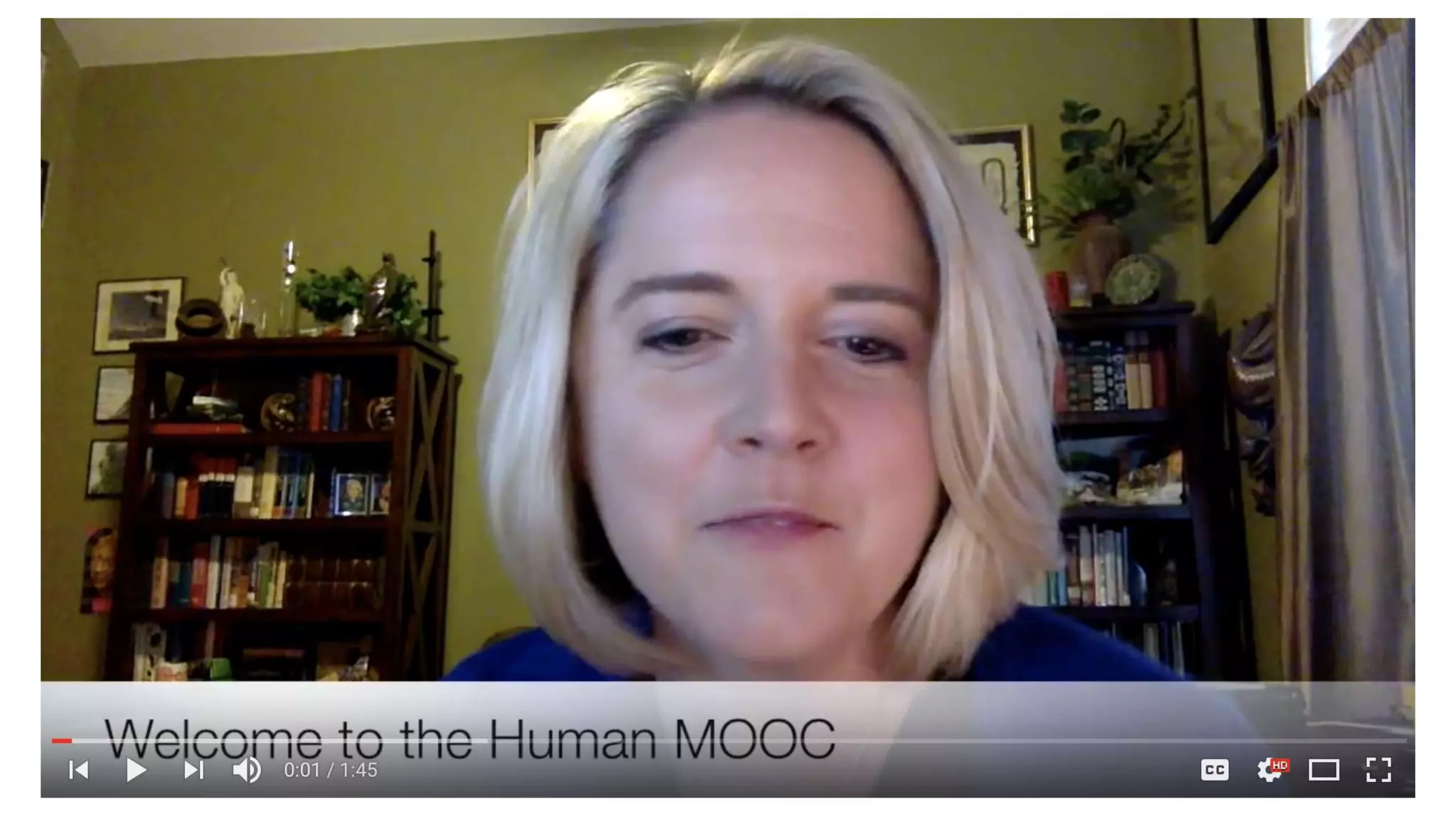
Establish your Instructor Presence early with Video
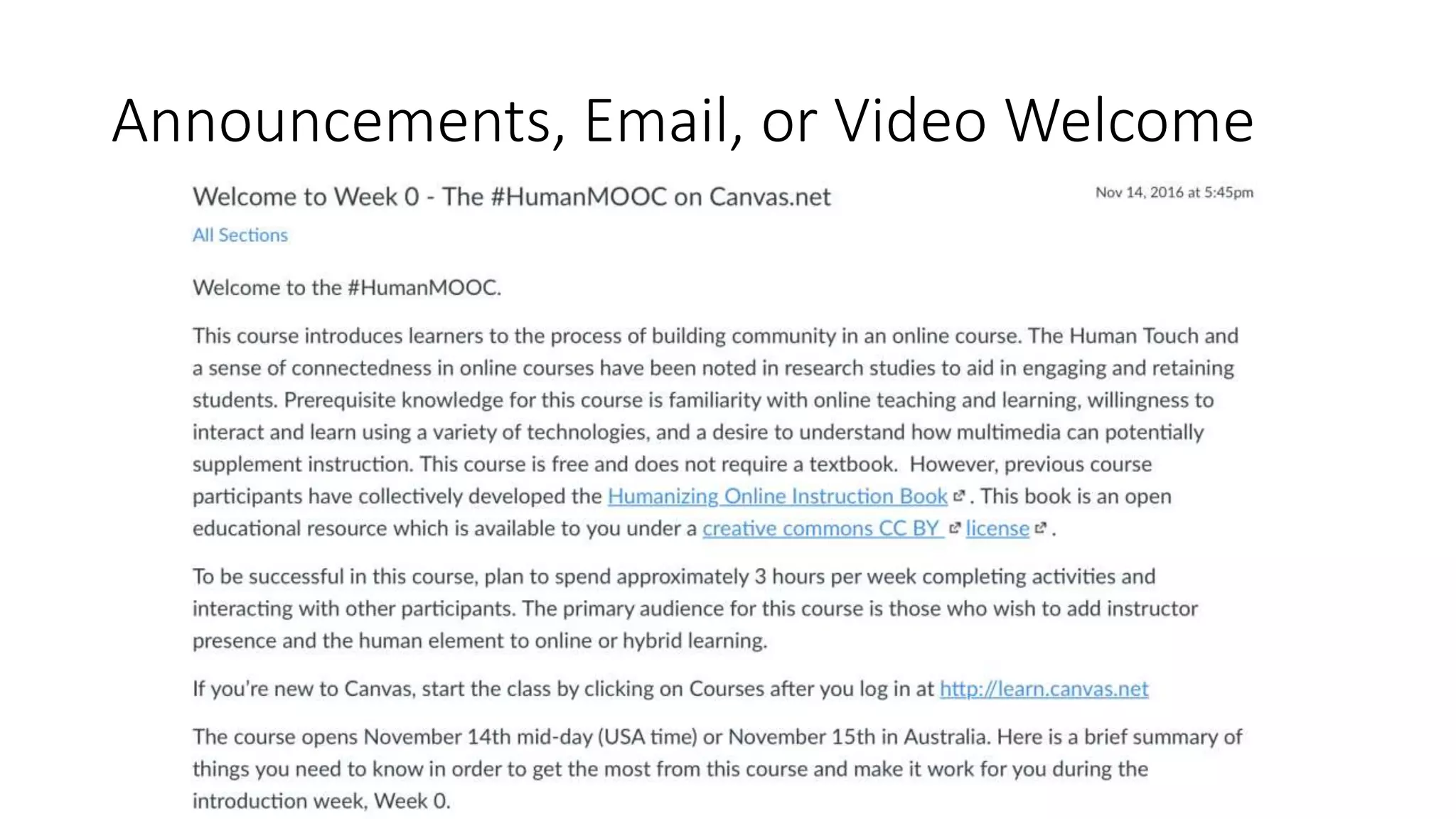
Connect with your students before the class begins (announcements or email)
Video Discussions (great for introductions)
Student Blogs as Publishing
Podcasting (Instructors and Students)
Voice and Video Feedback on assignments
1
2
3
4
5
6
You want me
to do what?
OnlineCourseVideo
Announcements, Email, or Video Welcome
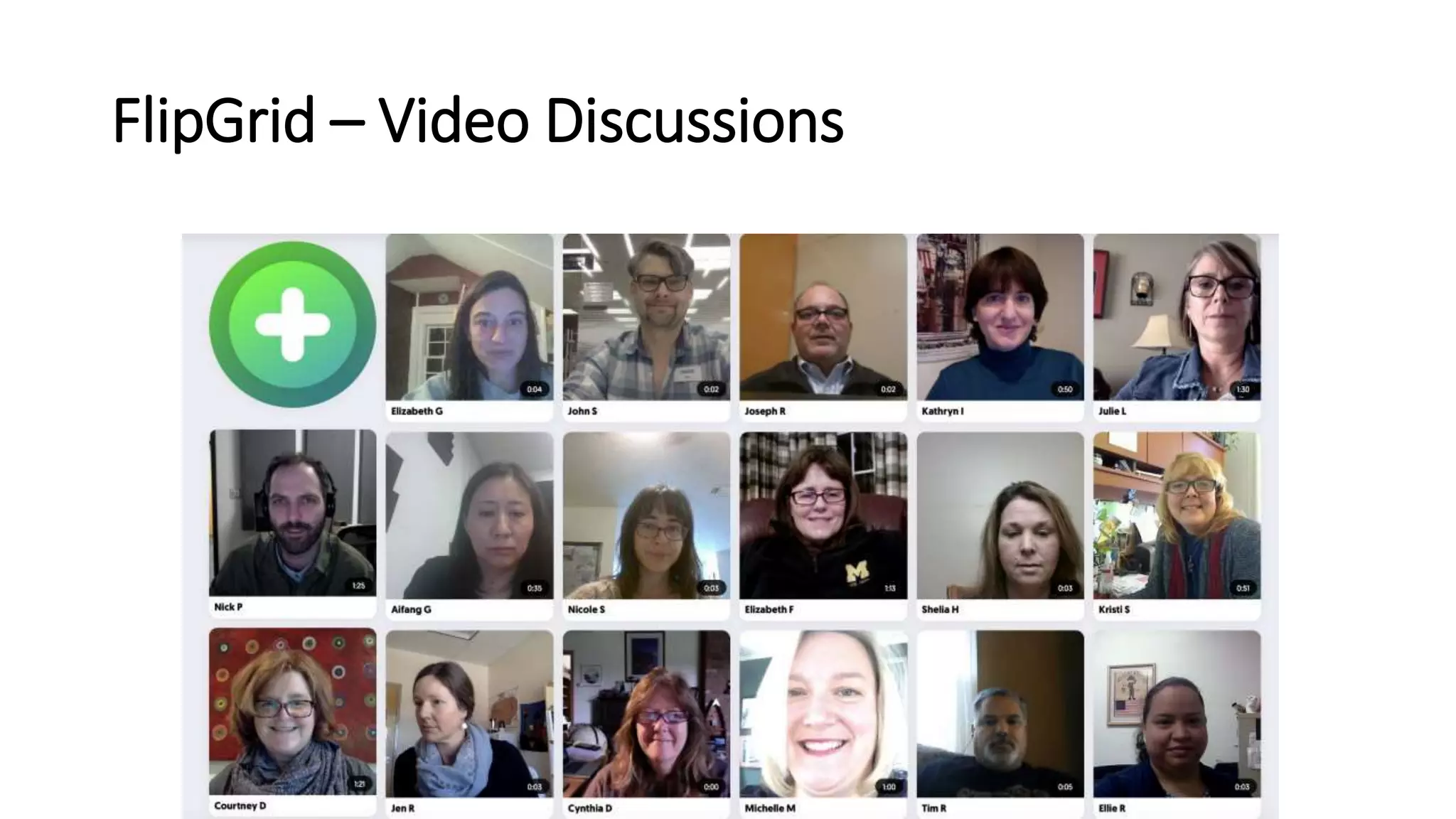
Video Discussions
“I still remember very vividly that ritual where
you go in and you do your introductions, and you
guys were promoting a video recording tool to do
that. I was running into people I knew, people I
hadn’t seen for a while, people who I knew their
blogs, and thought, this is so cool. Here’s a little
video of them.”
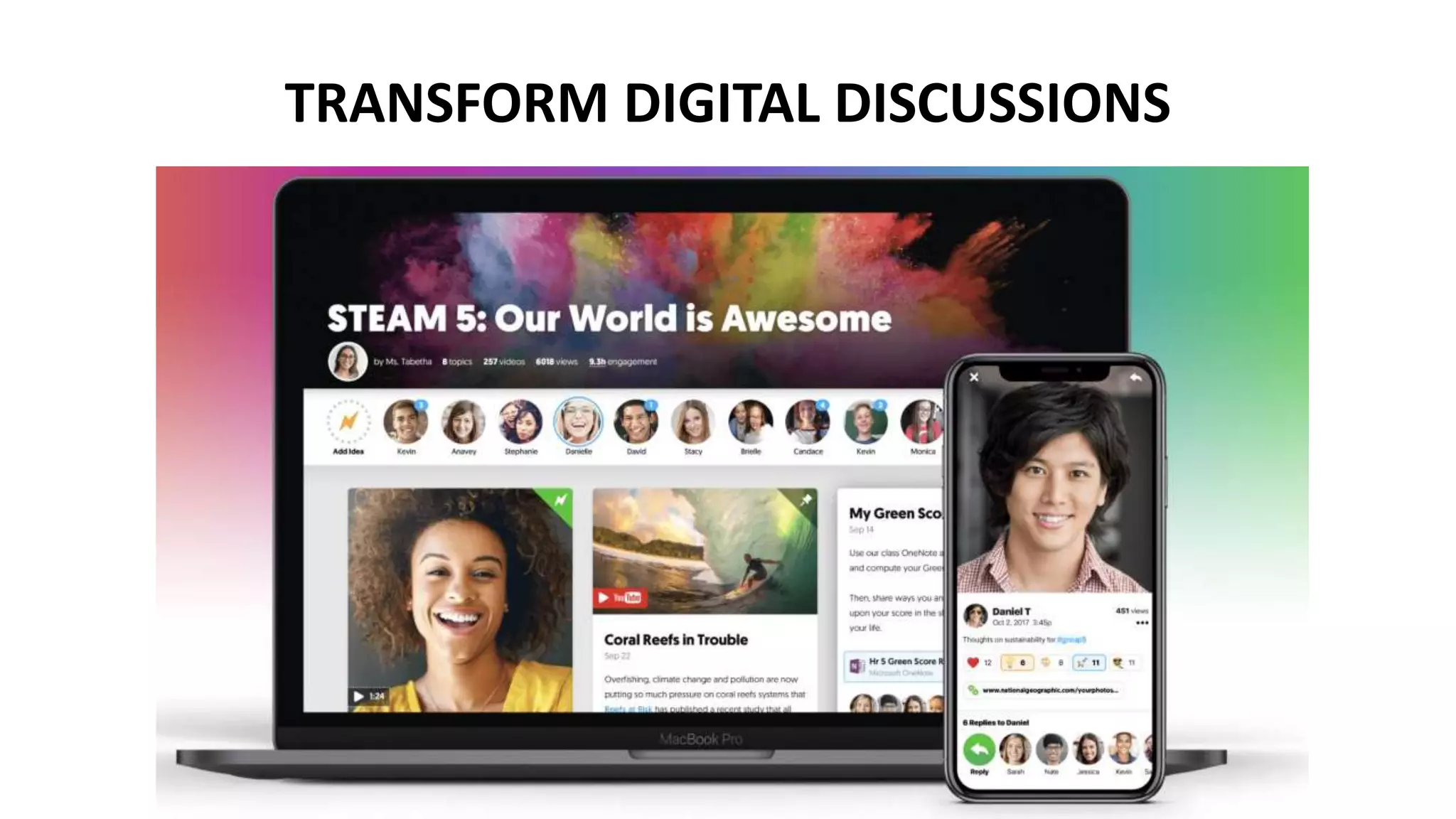
TRANSFORM DIGITAL DISCUSSIONS
FlipGrid – Video Discussions
It’s accessible too!
35
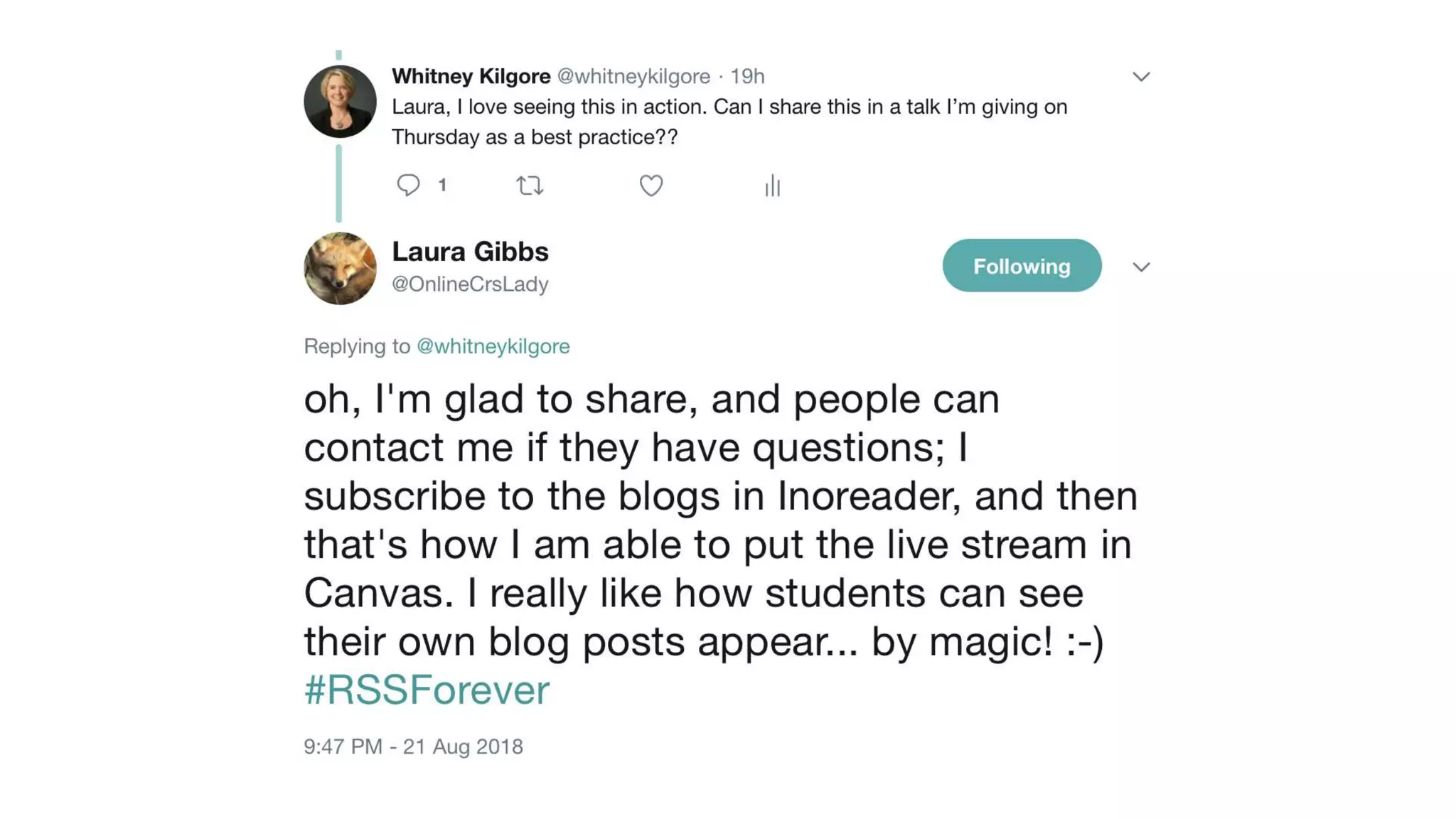
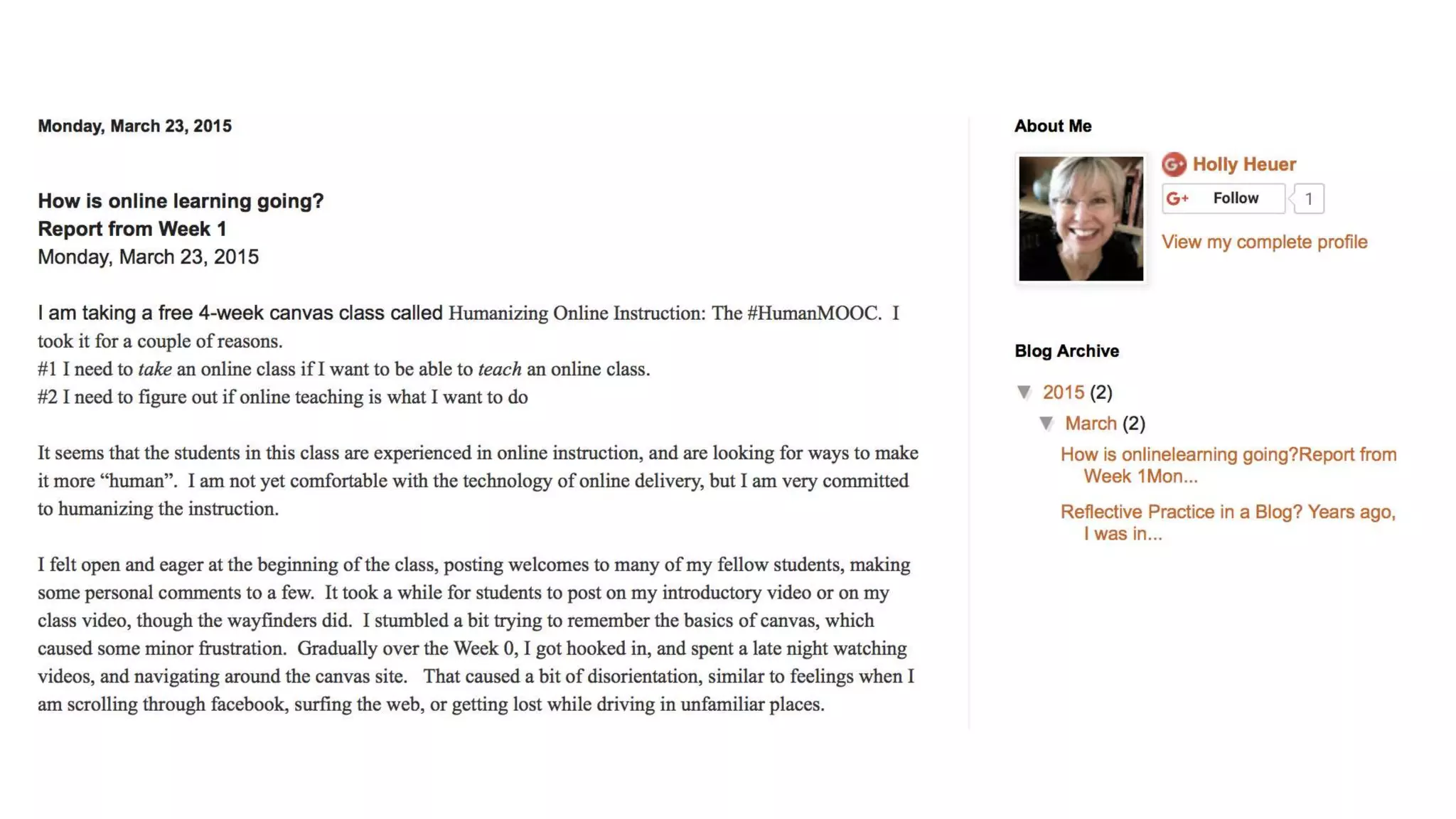
Blogs as
Student Voice
-Laura Gibbs
https://www.inoreader.com
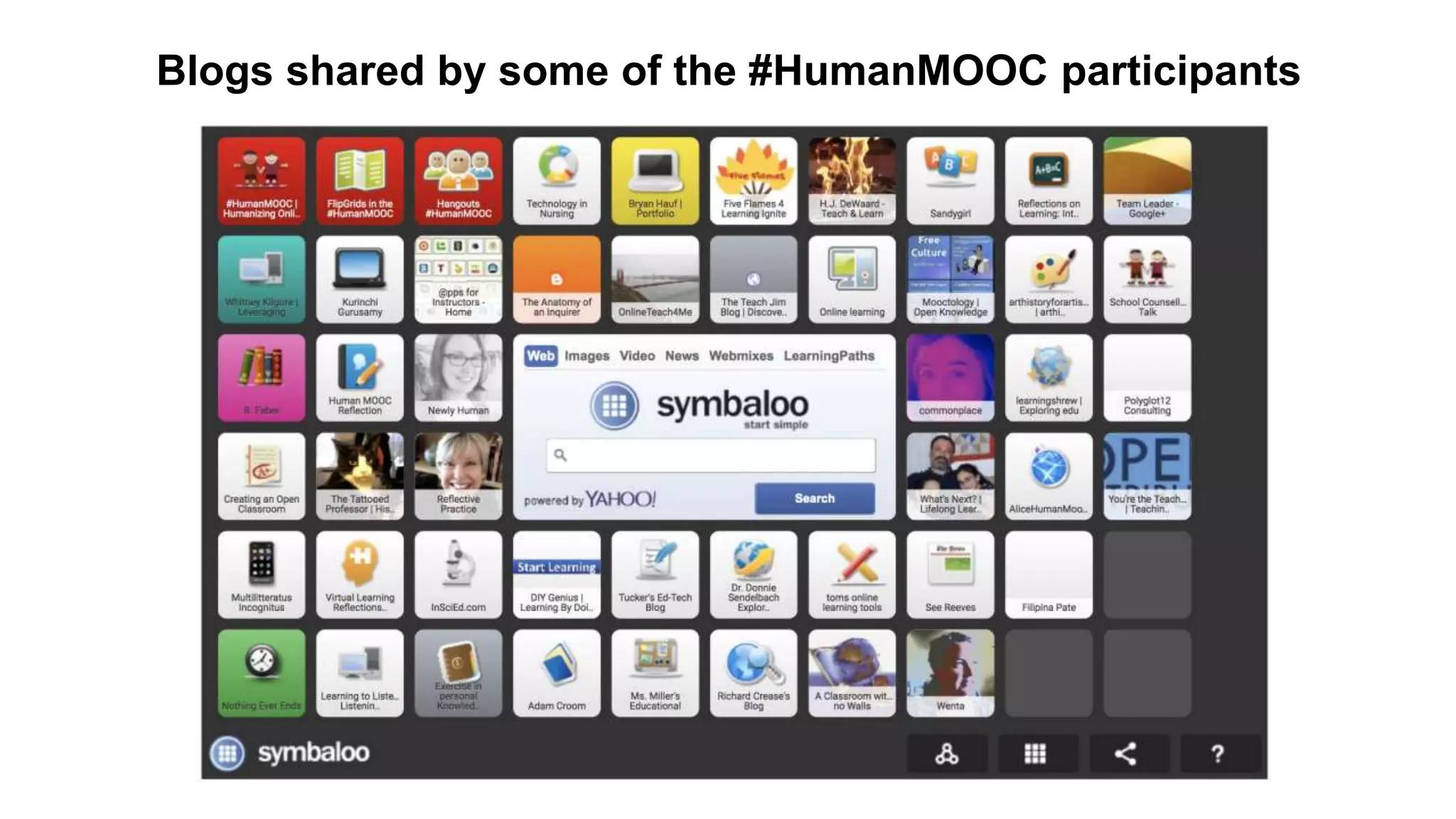
Blogs shared by some of the #HumanMOOC participants
Helen DeWaard’s Blog http://www.hjdewaard.com/humanmooc.html
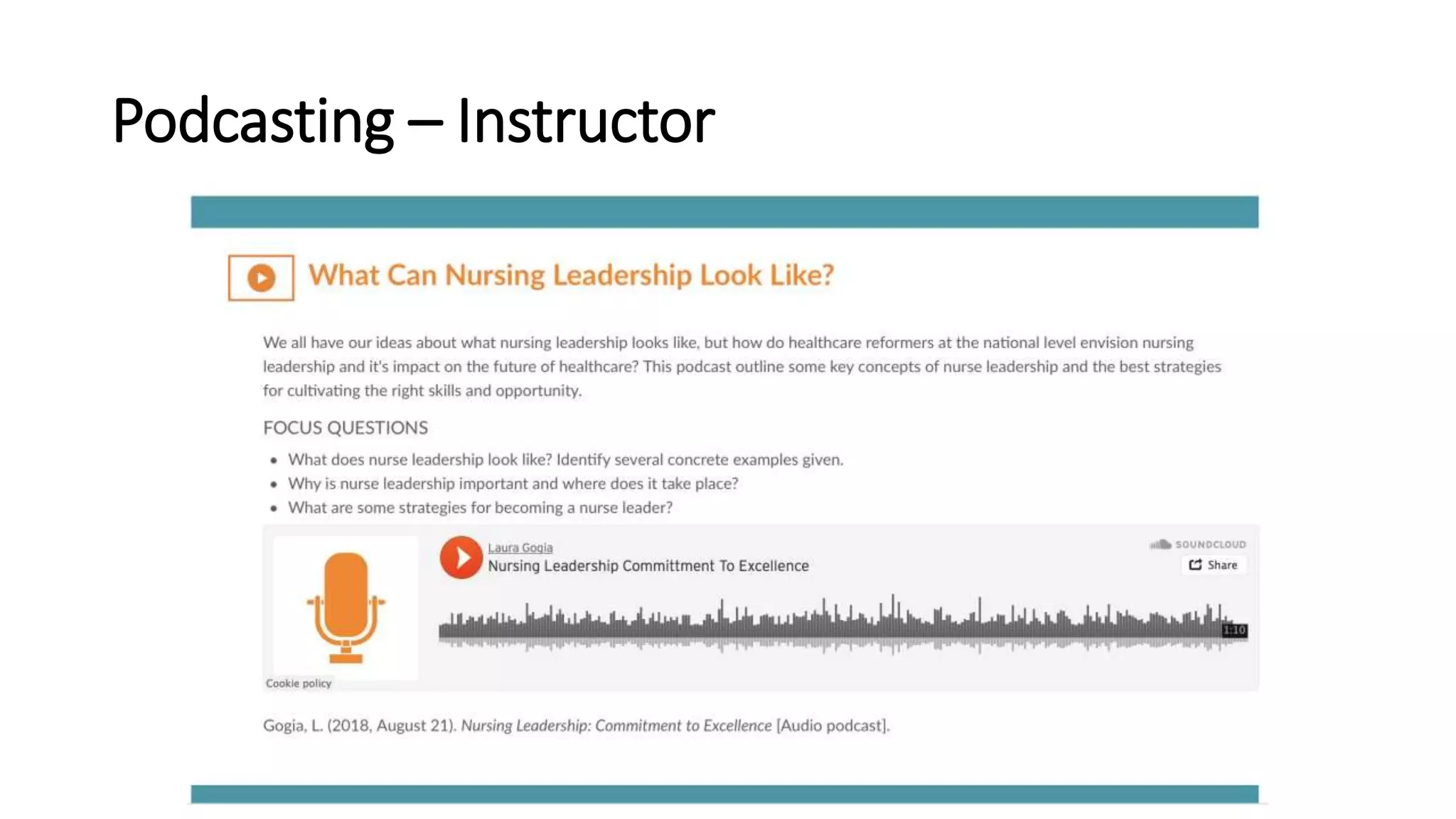
Podcasting
Vodcasting
Vlogging
Podcasting – Instructor
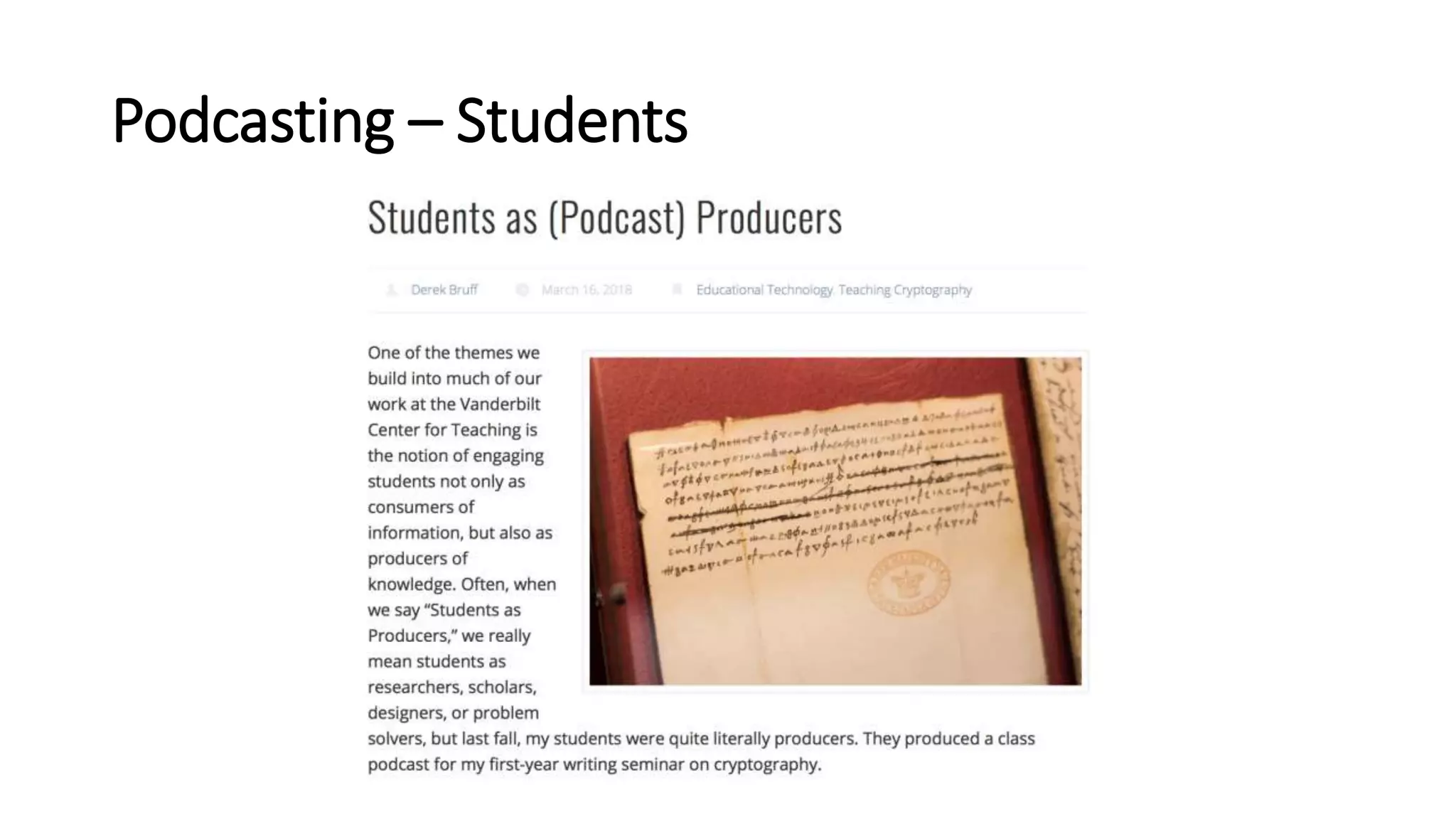
Podcasting – Students
Create the Space for Social Learning to
occur
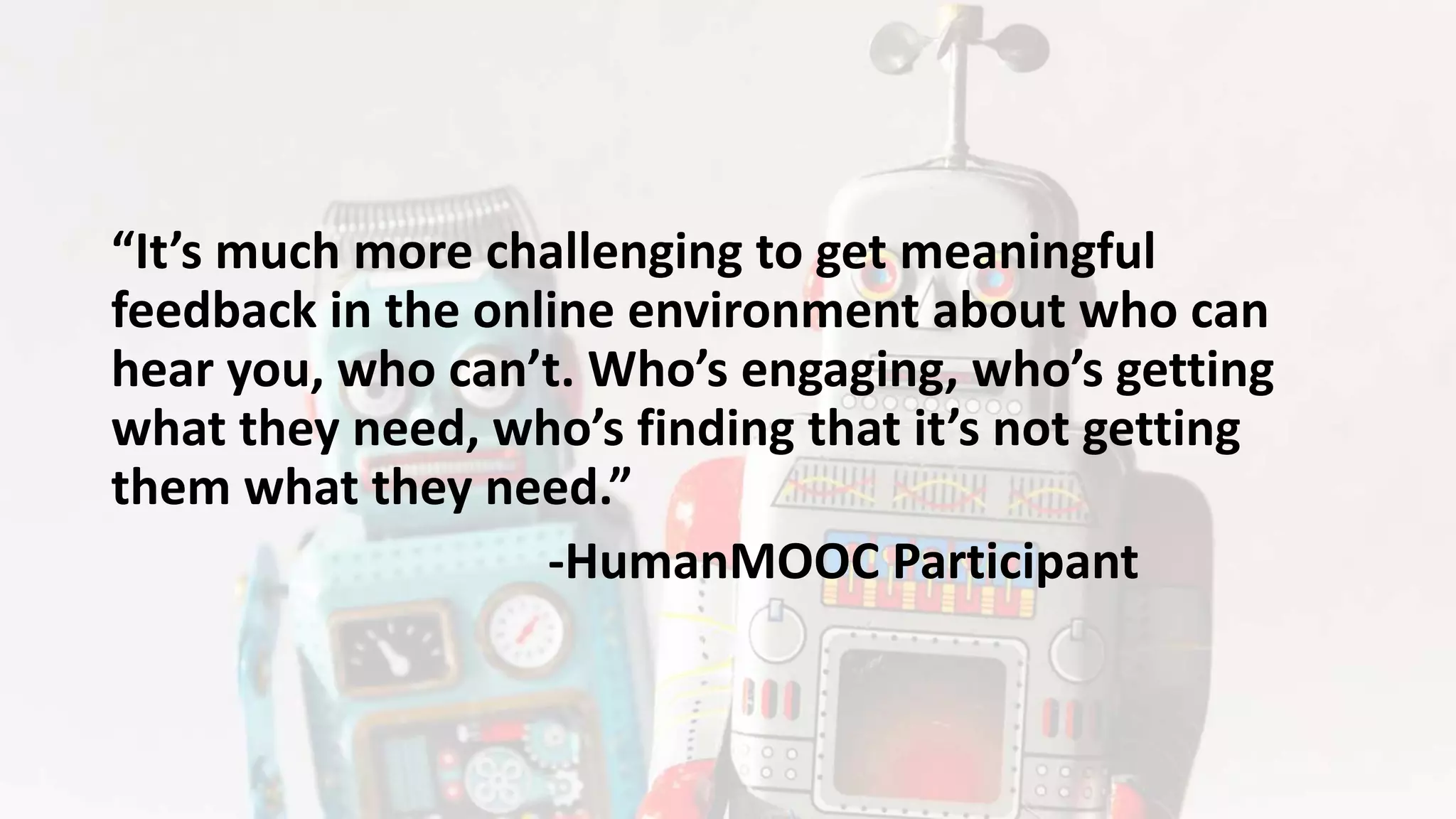
“It’s much more challenging to get meaningful
feedback in the online environment about who can
hear you, who can’t. Who’s engaging, who’s getting
what they need, who’s finding that it’s not getting
them what they need.”
-HumanMOOC Participant
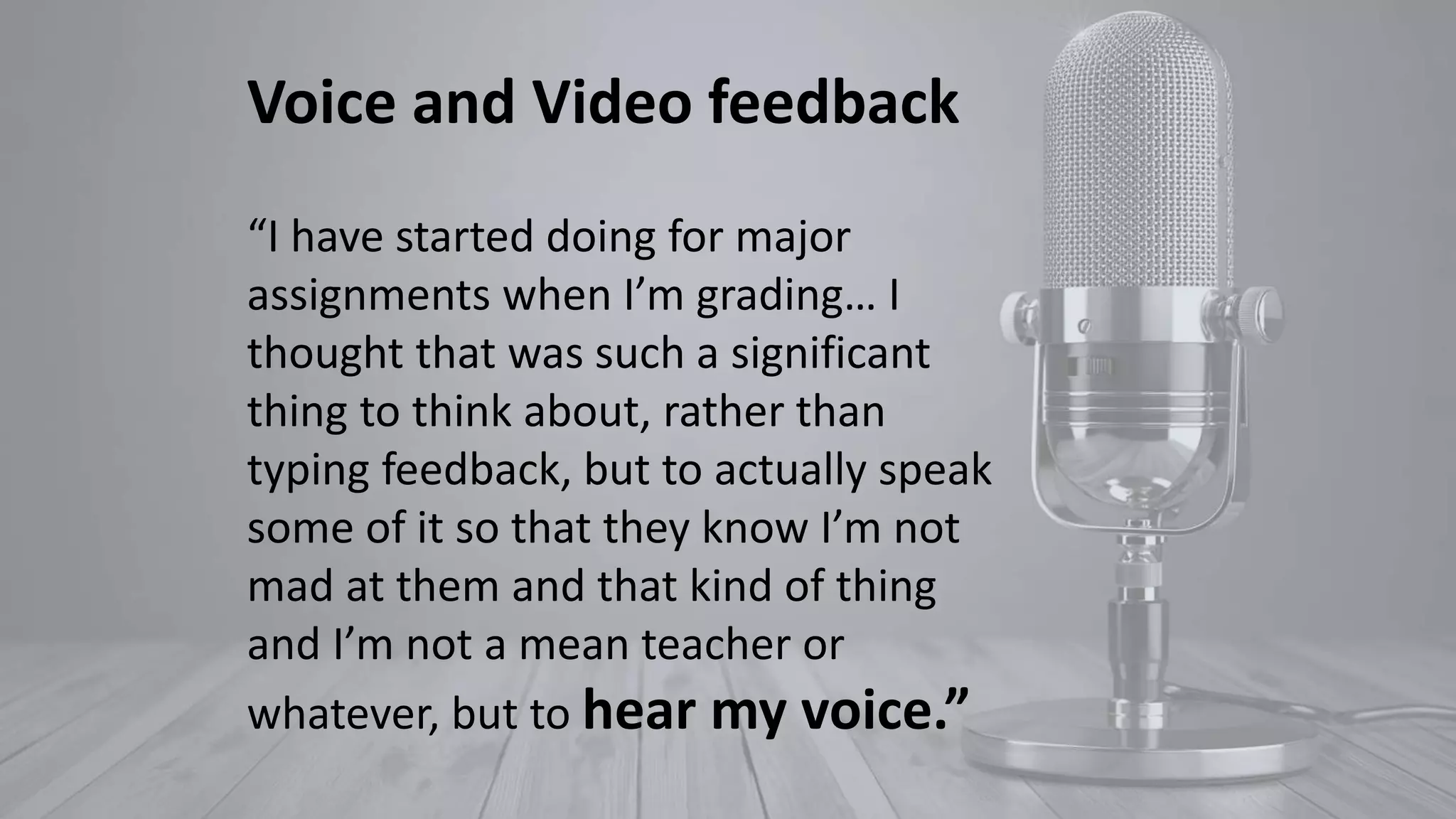
Voice and Video feedback
“I have started doing for major
assignments when I’m grading… I
thought that was such a significant
thing to think about, rather than
typing feedback, but to actually speak
some of it so that they know I’m not
mad at them and that kind of thing
and I’m not a mean teacher or
whatever, but to hear my voice.”
ImpacttoPractice!
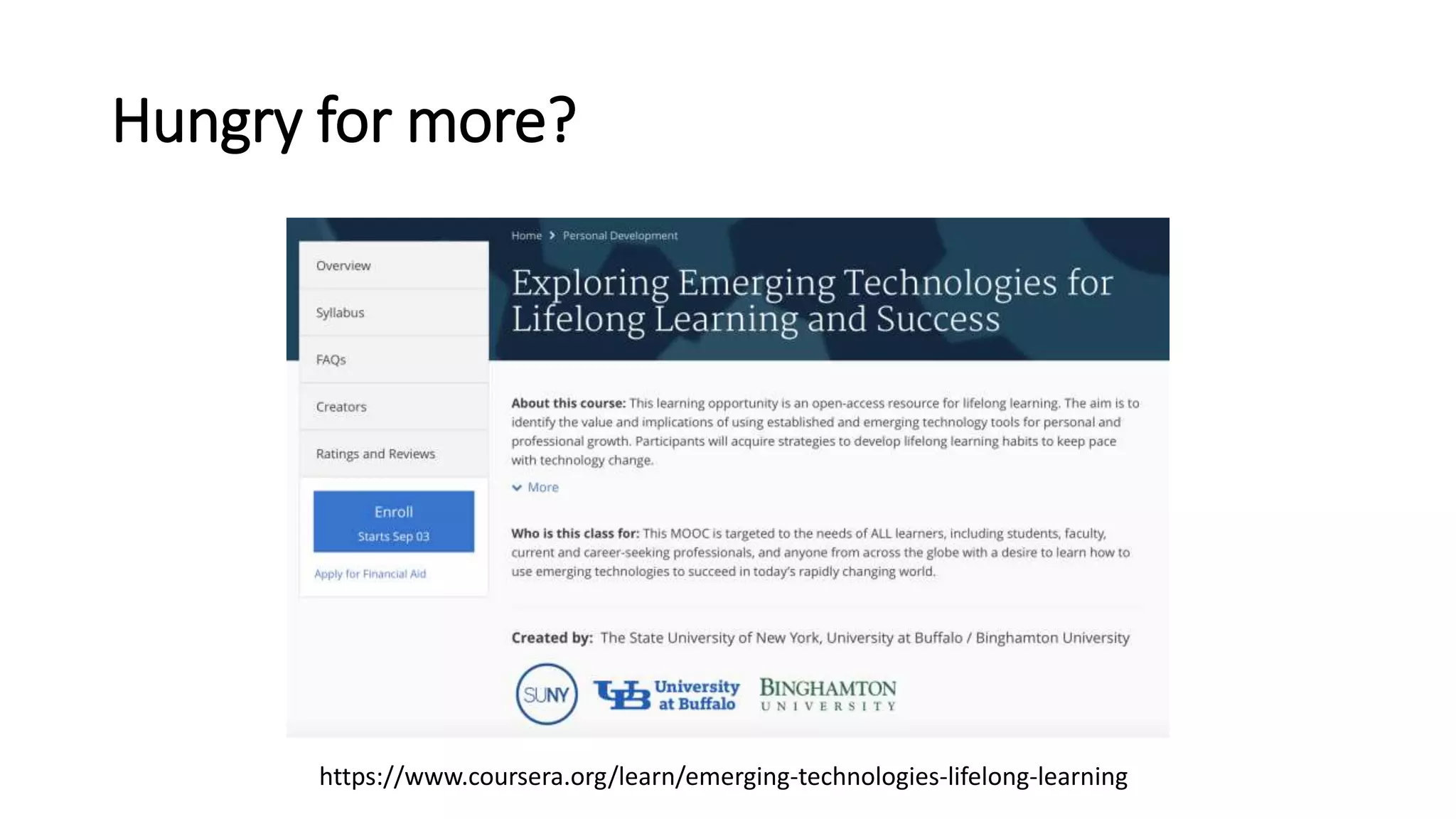
Hungry for more?
https://www.coursera.org/learn/emerging-technologies-lifelong-learning
Virtually Connecting (dot) org
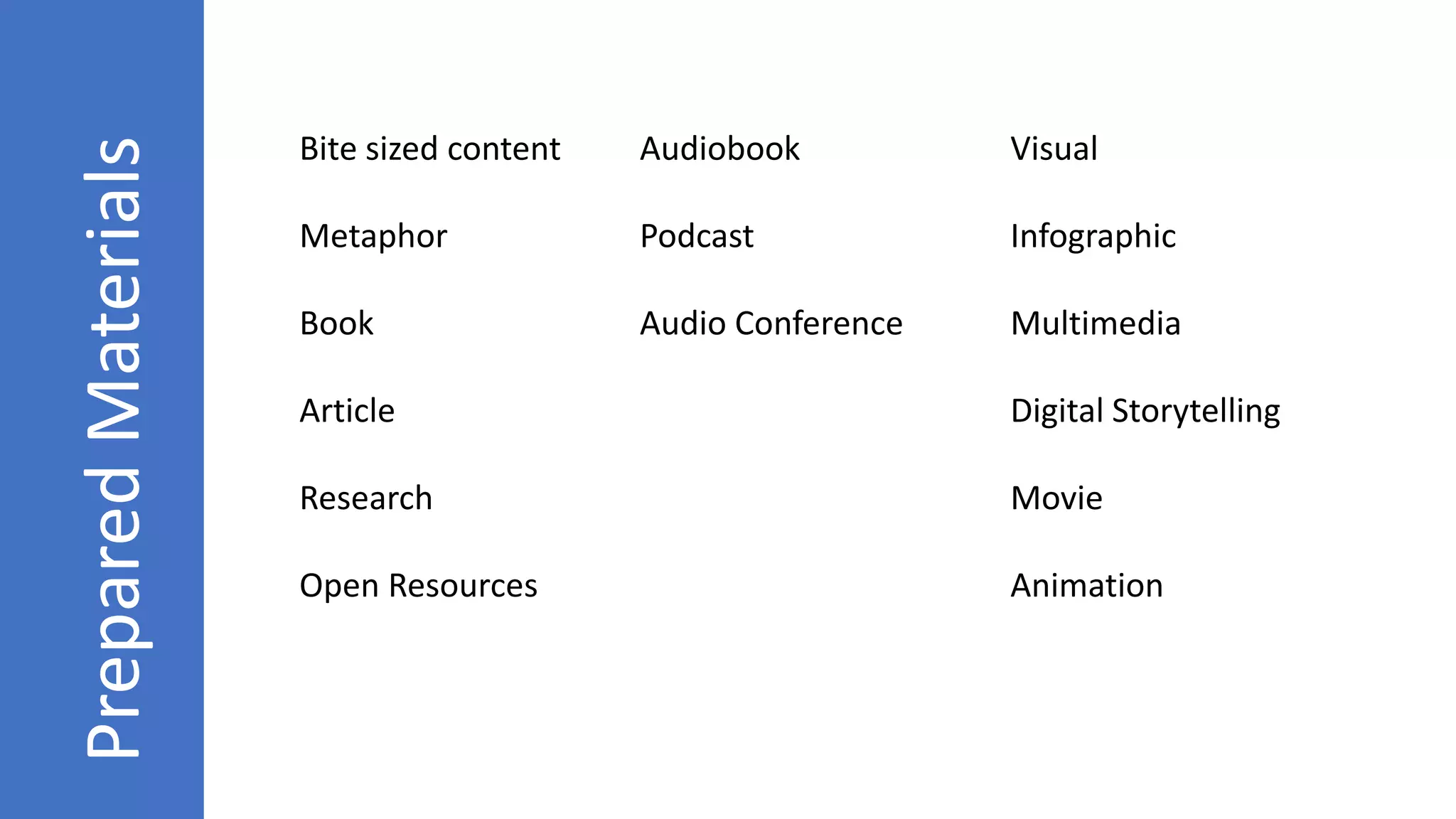
PreparedMaterials Bite sized content
Metaphor
Book
Article
Research
Open Resources
Audiobook
Podcast
Audio Conference
Visual
Infographic
Multimedia
Digital Storytelling
Movie
Animation
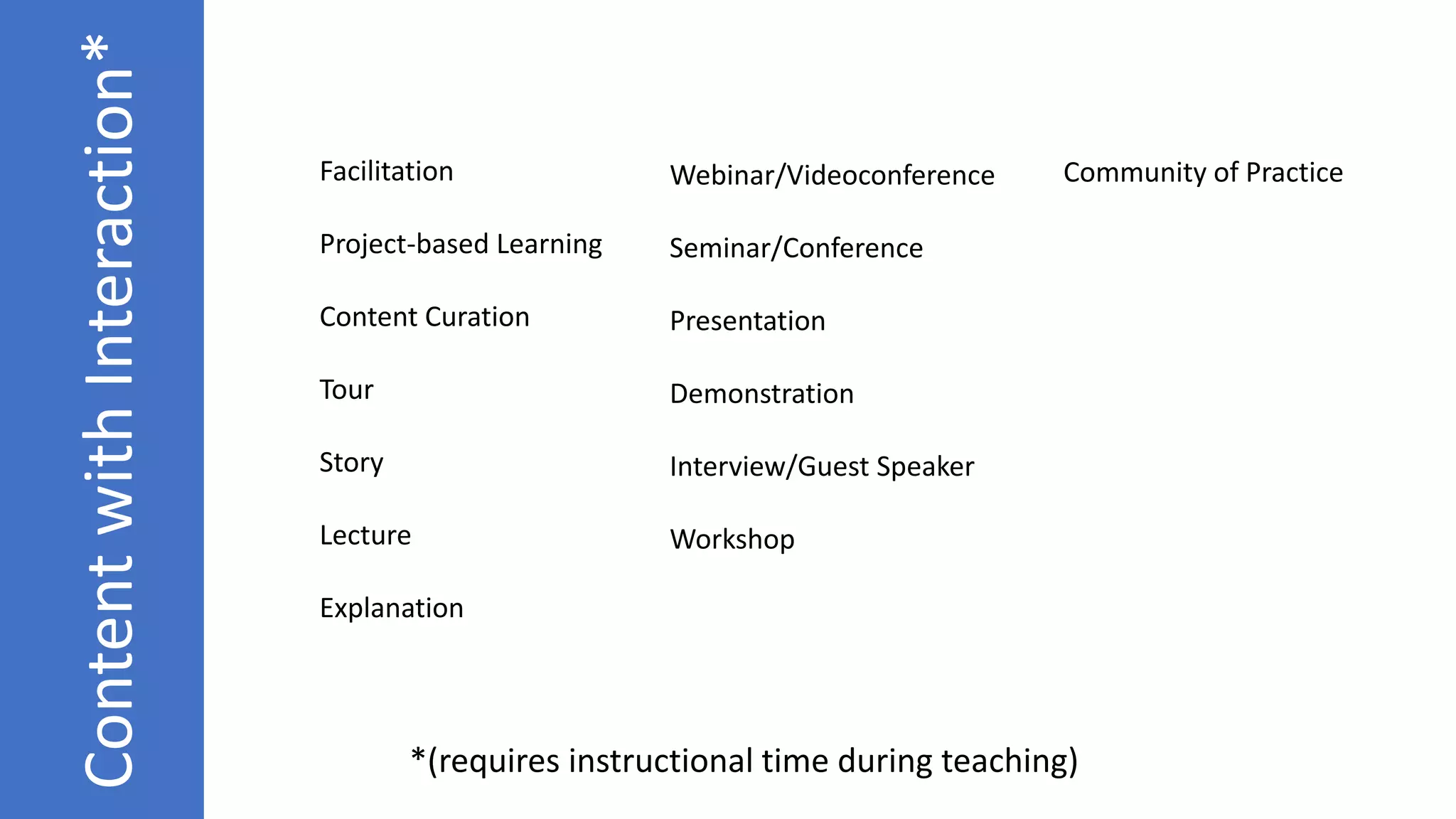
ContentwithInteraction*
Facilitation
Project-based Learning
Content Curation
Tour
Story
Lecture
Explanation
Webinar/Videoconference
Seminar/Conference
Presentation
Demonstration
Interview/Guest Speaker
Workshop
Community of Practice
*(requires instructional time during teaching)
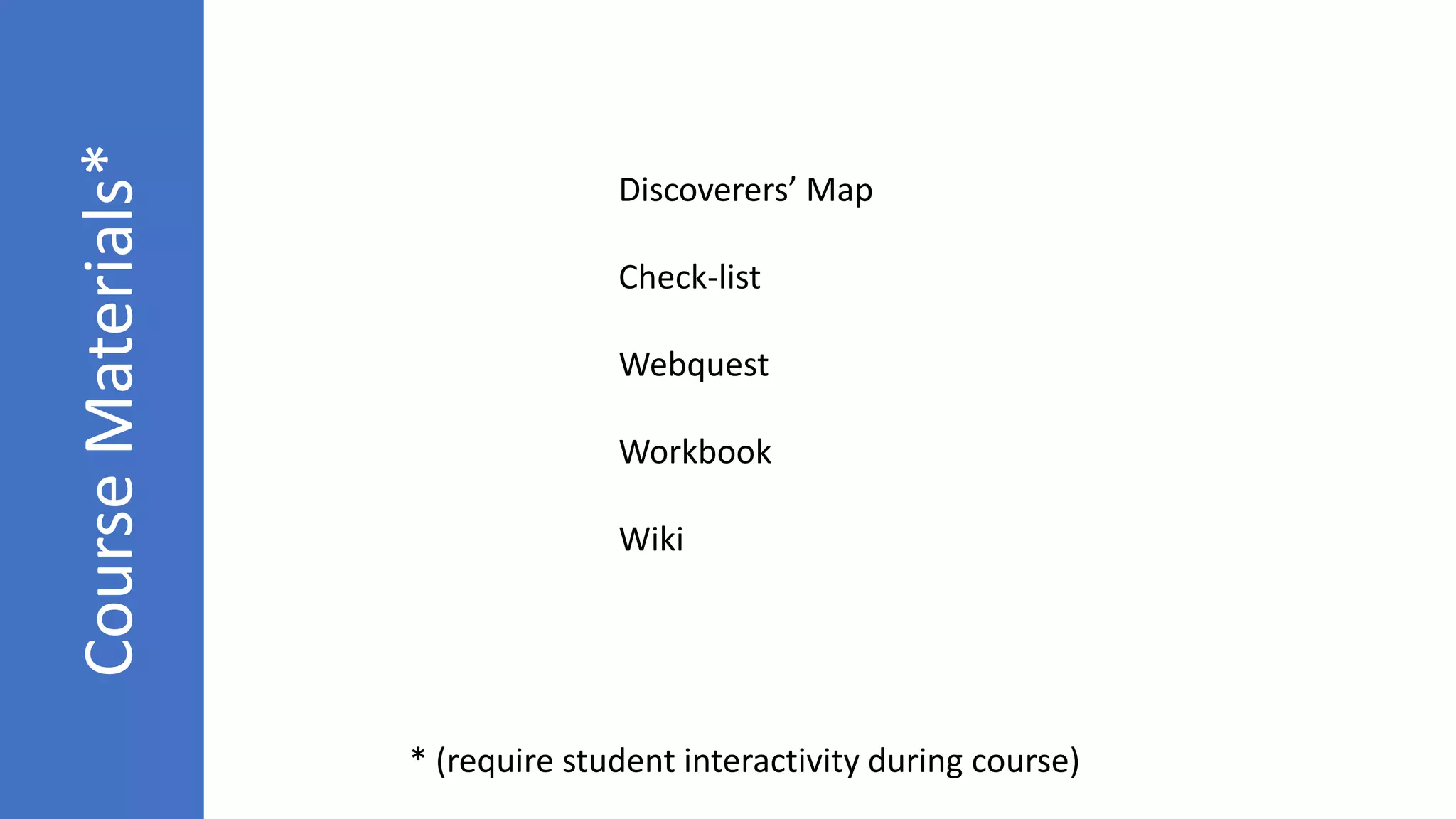
CourseMaterials*
* (require student interactivity during course)
Discoverers’ Map
Check-list
Webquest
Workbook
Wiki
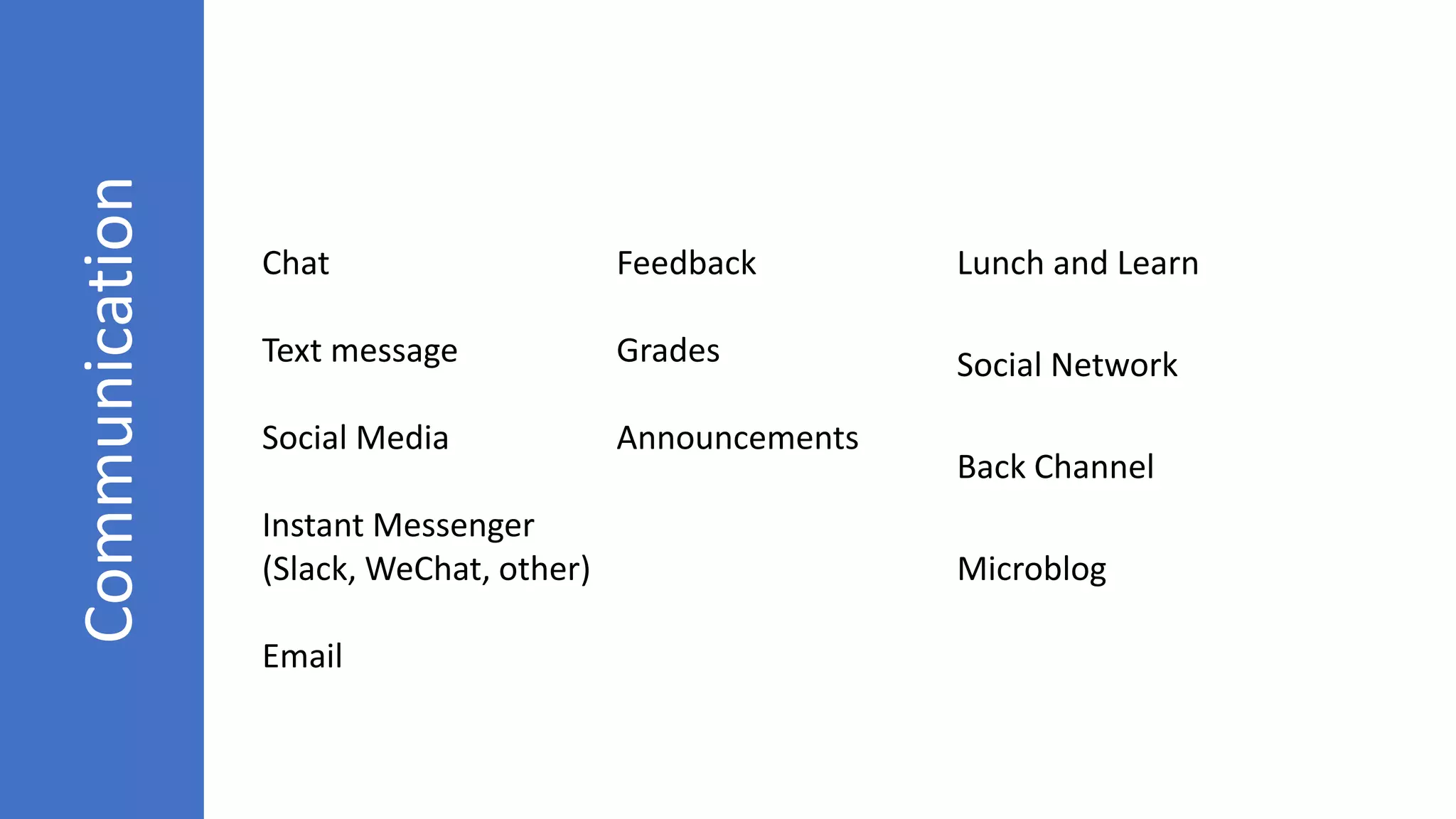
Communication
Chat
Text message
Social Media
Instant Messenger
(Slack, WeChat, other)
Email
Feedback
Grades
Announcements
Lunch and Learn
Social Network
Back Channel
Microblog
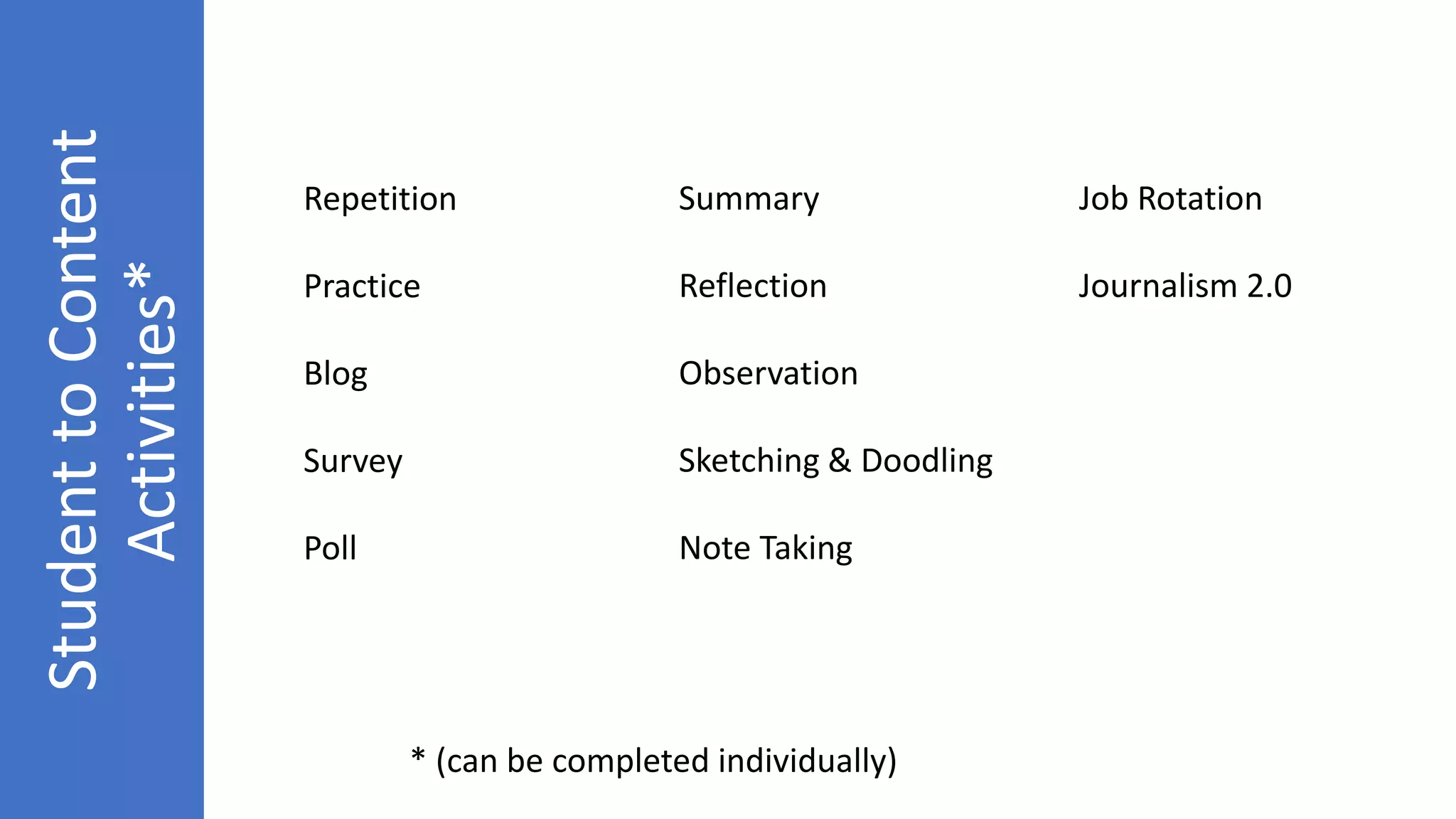
StudenttoContent
Activities*
* (can be completed individually)
Repetition
Practice
Blog
Survey
Poll
Summary
Reflection
Observation
Sketching & Doodling
Note Taking
Job Rotation
Journalism 2.0
StudenttoStudent
Assignments*
* (collaborative)
Threaded Discussion
Group Assignment
Discussion
Case Study
Simulation
Mystery Shopping
Teach Back
Shadowing
Focus Group
Role Play
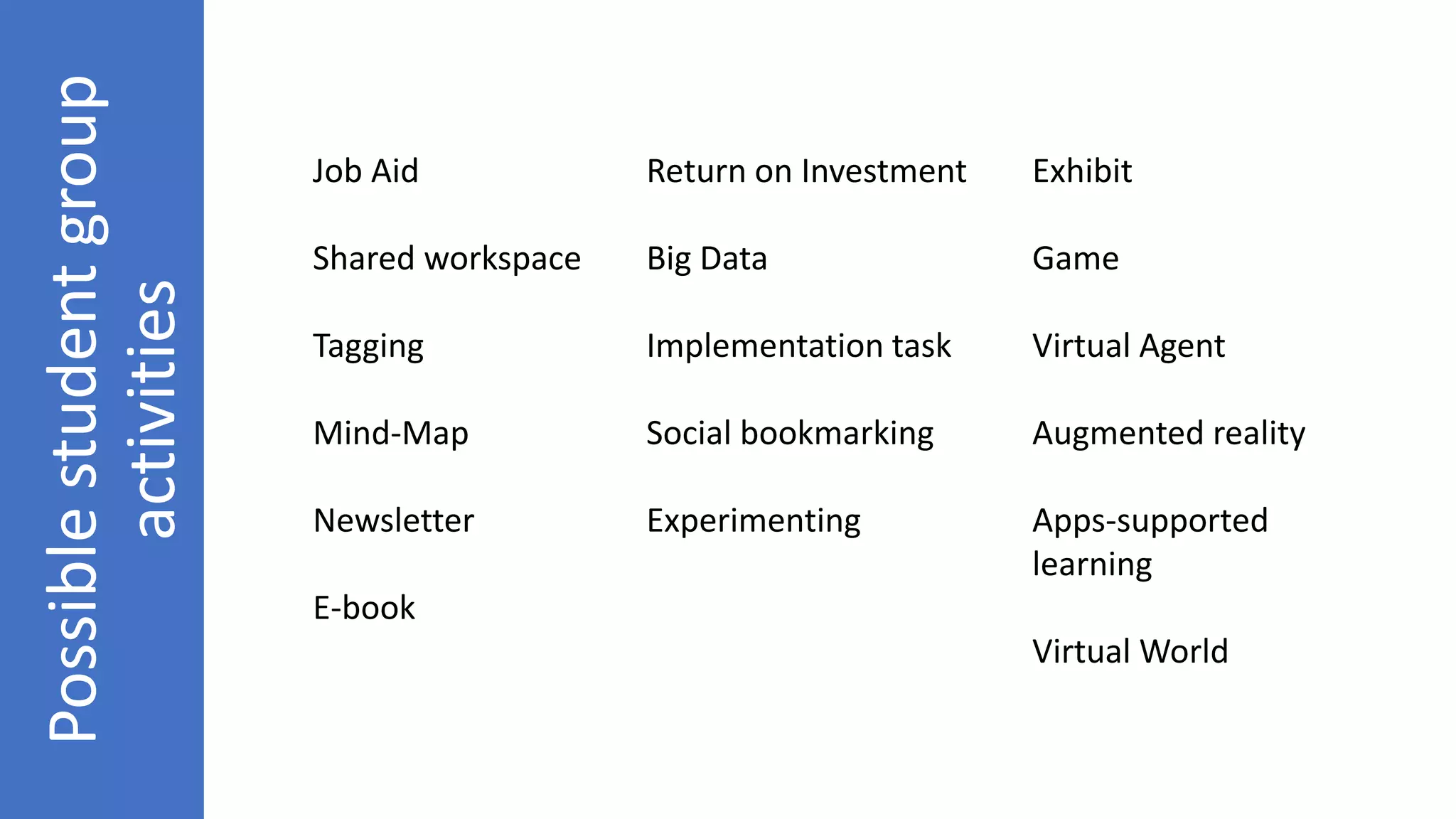
Possiblestudentgroup
activities Job Aid
Shared workspace
Tagging
Mind-Map
Newsletter
E-book
Return on Investment
Big Data
Implementation task
Social bookmarking
Experimenting
Exhibit
Game
Virtual Agent
Augmented reality
Apps-supported
learning
Virtual World
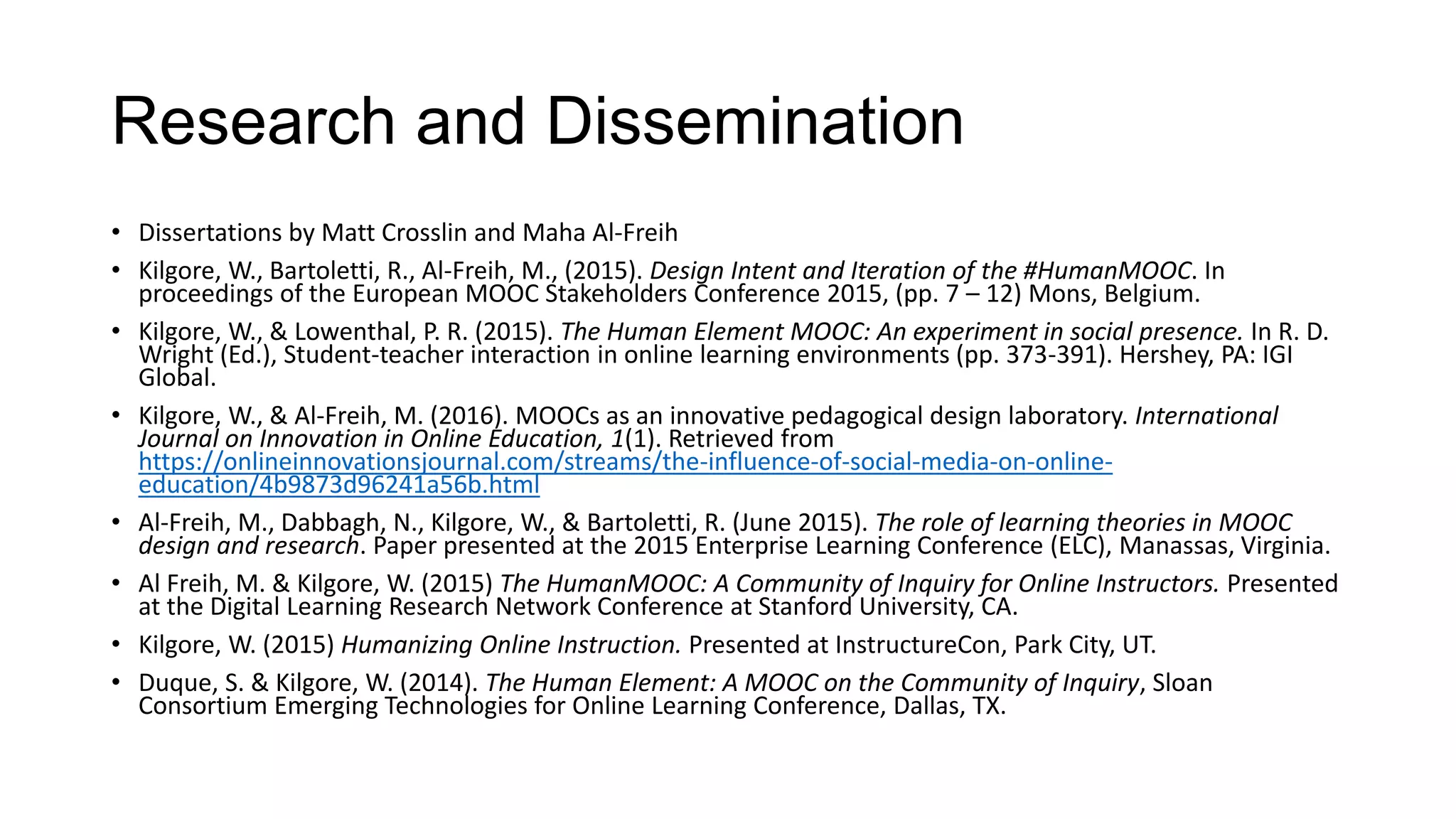
Research and Dissemination
• Dissertations by Matt Crosslin and Maha Al-Freih
• Kilgore, W., Bartoletti, R., Al-Freih, M., (2015). Design Intent and Iteration of the #HumanMOOC. In
proceedings of the European MOOC Stakeholders Conference 2015, (pp. 7 – 12) Mons, Belgium.
• Kilgore, W., & Lowenthal, P. R. (2015). The Human Element MOOC: An experiment in social presence. In R. D.
Wright (Ed.), Student-teacher interaction in online learning environments (pp. 373-391). Hershey, PA: IGI
Global.
• Kilgore, W., & Al-Freih, M. (2016). MOOCs as an innovative pedagogical design laboratory. International
Journal on Innovation in Online Education, 1(1). Retrieved from
https://onlineinnovationsjournal.com/streams/the-influence-of-social-media-on-online-
education/4b9873d96241a56b.html
• Al-Freih, M., Dabbagh, N., Kilgore, W., & Bartoletti, R. (June 2015). The role of learning theories in MOOC
design and research. Paper presented at the 2015 Enterprise Learning Conference (ELC), Manassas, Virginia.
• Al Freih, M. & Kilgore, W. (2015) The HumanMOOC: A Community of Inquiry for Online Instructors. Presented
at the Digital Learning Research Network Conference at Stanford University, CA.
• Kilgore, W. (2015) Humanizing Online Instruction. Presented at InstructureCon, Park City, UT.
• Duque, S. & Kilgore, W. (2014). The Human Element: A MOOC on the Community of Inquiry, Sloan
Consortium Emerging Technologies for Online Learning Conference, Dallas, TX.
Be an Innovator!
Try something new in your
course THIS SEMESTER.
What will you try?
Establish your Instructor Presence early with Video
Connect with your students before the class begins (announcements or email)
Video Discussions (great for introductions)
Student Blogs as Publishing
Podcasting (Instructors and Students)
Voice and Video Feedback on assignments
1
2
3
4
5
6
Student Centered Learning by Design

Student Centered Learning by Design

  • 2.
    A bit aboutme… • A kid at heart, mother of 4 • Teach online in the Learning Technologies program at UNT • Designed, Developed and Taught 4 MOOCs a total of 12 times • Deeply concerned about the student experience • Chief Academic Officer and Co-Founder of iDesign
  • 3.
  • 4.
  • 6.
    ● The moveto online and digital learning has depersonalized the learning experience ● The affordances of technology have advanced our ability to connect digitally since the advent of online/blended learning ● We MUST focus on the teaching and learning first AND THEN choose the right tool for the job Humanizing Digital Learning
  • 7.
    HumanizinginaMOOC? o Taught in5 times since 2013 o Promoted by EDUCAUSE as an ELI course in 2017 o Focus: Community of Inquiry framework & Emerging Technologies 2800+ enrolled Faculty, Instructional Designers, Directors of Online Programs, Provosts & Staff The #HumanMOOC
  • 8.
    Cathy Barnes, 2013HumanMOOC Participant
  • 10.
    “(HumanMOOC) gave meall sorts of confidence. I think you tell students we are trying this, or this is the time I've done this, as long as I was trying to do something with the goal being to humanize my class, to make it more real and relevant and engaging.”
  • 11.
    1. Instructor (Teaching)Presence • Begins in course design and development and continues throughout the teaching and learning experience 2. Social Presence • Humans are social animals, establish a sense of connectedness among learners 3. Cognitive Presence • Constructing and confirming meaning through discourse and reflection 4. Humanized Educational Experiences • Creating connected, collaborative learning experiences that engage learners
  • 16.
    “When you categorizethe learning as instructor, cognitive, & social presence, just putting those into those very simplistic categories really made me think areas where my own online courses were really lacking. And then trying to figure out realistic ways to improve them maybe with some small steps so that I could have more instructor presence, so that I could engage ... Get my students to engage with each other more socially.”
  • 17.
    Chapters written by participantsin the #HumanMOOC Humanizing in context with Practical examples All proceeds go to provide scholarships to #DigPedLab On Amazon
  • 18.
    The internet isdoing for education what electricity did for the industrial revolution.
  • 20.
  • 22.
    When we puttechnology first…
  • 23.
    Ideas you canimplement today Establish your Instructor Presence early with Video Connect with your students before the class begins (announcements or email) Video Discussions (great for introductions) Student Blogs as Publishing Podcasting (Instructors and Students) Voice and Video Feedback on assignments 1 2 3 4 5 6
  • 24.
  • 25.
  • 27.
  • 30.
    Video Discussions “I stillremember very vividly that ritual where you go in and you do your introductions, and you guys were promoting a video recording tool to do that. I was running into people I knew, people I hadn’t seen for a while, people who I knew their blogs, and thought, this is so cool. Here’s a little video of them.”
  • 31.
  • 32.
    FlipGrid – VideoDiscussions
  • 33.
  • 35.
  • 36.
  • 38.
    Blogs shared bysome of the #HumanMOOC participants
  • 39.
    Helen DeWaard’s Bloghttp://www.hjdewaard.com/humanmooc.html
  • 41.
  • 42.
  • 43.
  • 44.
    Create the Spacefor Social Learning to occur
  • 47.
    “It’s much morechallenging to get meaningful feedback in the online environment about who can hear you, who can’t. Who’s engaging, who’s getting what they need, who’s finding that it’s not getting them what they need.” -HumanMOOC Participant
  • 48.
    Voice and Videofeedback “I have started doing for major assignments when I’m grading… I thought that was such a significant thing to think about, rather than typing feedback, but to actually speak some of it so that they know I’m not mad at them and that kind of thing and I’m not a mean teacher or whatever, but to hear my voice.”
  • 49.
  • 51.
  • 52.
  • 53.
    PreparedMaterials Bite sizedcontent Metaphor Book Article Research Open Resources Audiobook Podcast Audio Conference Visual Infographic Multimedia Digital Storytelling Movie Animation
  • 54.
  • 55.
    CourseMaterials* * (require studentinteractivity during course) Discoverers’ Map Check-list Webquest Workbook Wiki
  • 56.
    Communication Chat Text message Social Media InstantMessenger (Slack, WeChat, other) Email Feedback Grades Announcements Lunch and Learn Social Network Back Channel Microblog
  • 57.
    StudenttoContent Activities* * (can becompleted individually) Repetition Practice Blog Survey Poll Summary Reflection Observation Sketching & Doodling Note Taking Job Rotation Journalism 2.0
  • 58.
    StudenttoStudent Assignments* * (collaborative) Threaded Discussion GroupAssignment Discussion Case Study Simulation Mystery Shopping Teach Back Shadowing Focus Group Role Play
  • 59.
    Possiblestudentgroup activities Job Aid Sharedworkspace Tagging Mind-Map Newsletter E-book Return on Investment Big Data Implementation task Social bookmarking Experimenting Exhibit Game Virtual Agent Augmented reality Apps-supported learning Virtual World
  • 60.
    Research and Dissemination •Dissertations by Matt Crosslin and Maha Al-Freih • Kilgore, W., Bartoletti, R., Al-Freih, M., (2015). Design Intent and Iteration of the #HumanMOOC. In proceedings of the European MOOC Stakeholders Conference 2015, (pp. 7 – 12) Mons, Belgium. • Kilgore, W., & Lowenthal, P. R. (2015). The Human Element MOOC: An experiment in social presence. In R. D. Wright (Ed.), Student-teacher interaction in online learning environments (pp. 373-391). Hershey, PA: IGI Global. • Kilgore, W., & Al-Freih, M. (2016). MOOCs as an innovative pedagogical design laboratory. International Journal on Innovation in Online Education, 1(1). Retrieved from https://onlineinnovationsjournal.com/streams/the-influence-of-social-media-on-online- education/4b9873d96241a56b.html • Al-Freih, M., Dabbagh, N., Kilgore, W., & Bartoletti, R. (June 2015). The role of learning theories in MOOC design and research. Paper presented at the 2015 Enterprise Learning Conference (ELC), Manassas, Virginia. • Al Freih, M. & Kilgore, W. (2015) The HumanMOOC: A Community of Inquiry for Online Instructors. Presented at the Digital Learning Research Network Conference at Stanford University, CA. • Kilgore, W. (2015) Humanizing Online Instruction. Presented at InstructureCon, Park City, UT. • Duque, S. & Kilgore, W. (2014). The Human Element: A MOOC on the Community of Inquiry, Sloan Consortium Emerging Technologies for Online Learning Conference, Dallas, TX.
  • 61.
    Be an Innovator! Trysomething new in your course THIS SEMESTER.
  • 62.
    What will youtry? Establish your Instructor Presence early with Video Connect with your students before the class begins (announcements or email) Video Discussions (great for introductions) Student Blogs as Publishing Podcasting (Instructors and Students) Voice and Video Feedback on assignments 1 2 3 4 5 6

Editor's Notes

  • #4 Introductions 5 mins
  • #8 5-7 min activity! Hand-written sticky notes. Pass them out and have people stick them on the wall.
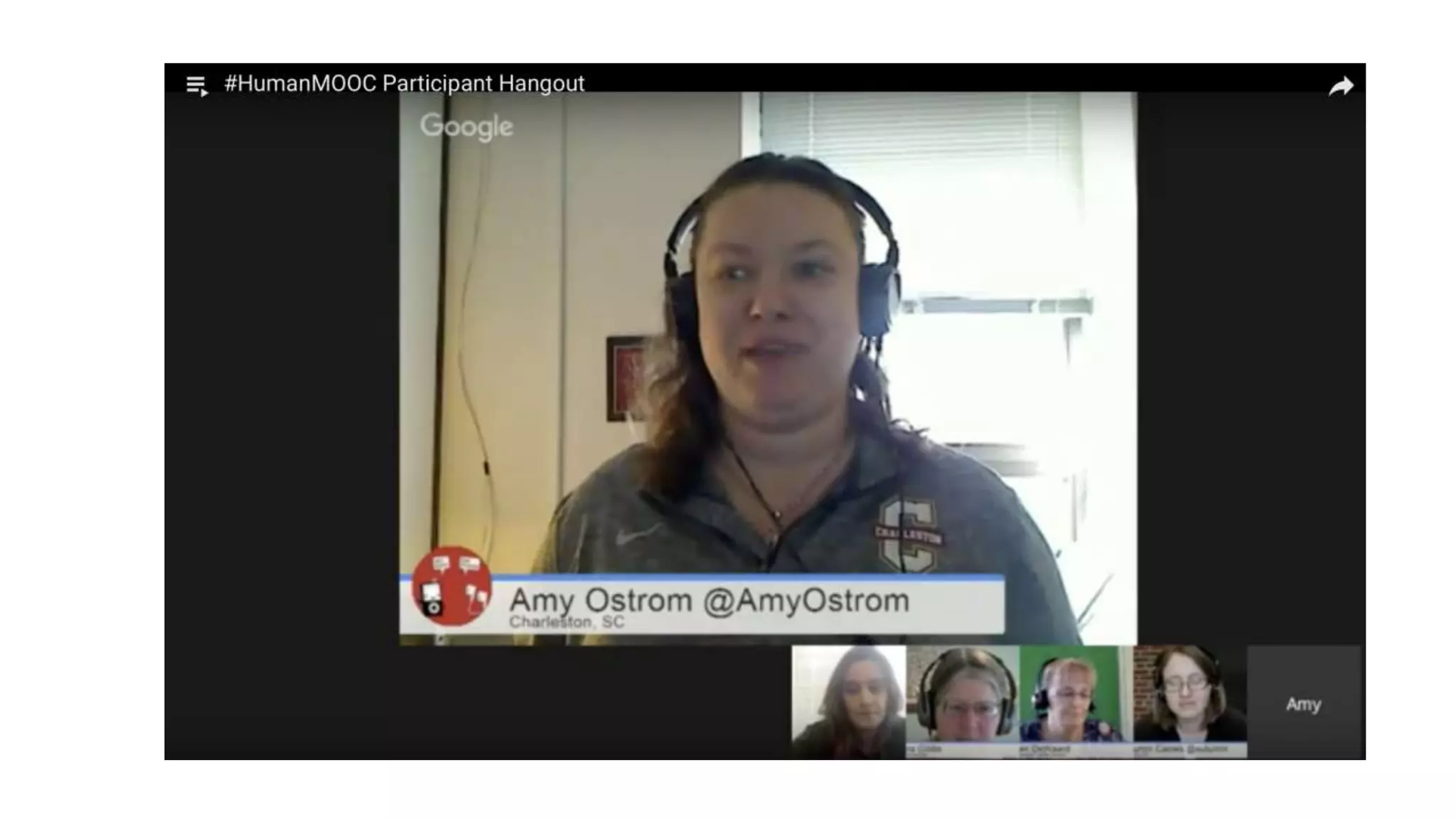
  • #9 https://youtu.be/EoEHAg86igU?t=12m34s Until 14:40
  • #26 https://youtu.be/xjHp_mkwrus?t=8m18s. Until 9:40
  • #29 https://www.youtube.com/watch?v=qgN920VOOa8&index=10&list=PLI1jY4h3b8GDNCSyfwh7popz8v7XYPCJ3
  • #30 https://idesignedu.instructure.com/courses/35/discussion_topics/305?module_item_id=2961
  • #33 https://flipgrid.com/a44af53a
  • #36 Diane 1-2 min
  • #44 http://derekbruff.org/?p=3309
  • #47 https://youtu.be/LizdmE4E0YA Until 3:31
  • #50 https://youtu.be/EoEHAg86igU?t=14m54s Until 16:54
  • #54 Introductions 5 mins
  • #55 Introductions 5 mins
  • #56 Introductions 5 mins
  • #57 Introductions 5 mins
  • #58 Introductions 5 mins
  • #59 Introductions 5 mins
  • #60 Introductions 5 mins
  • #64 5-10 mins