Design
Thinking
Revathy Rajasekaran
What is design Thinking?
 Redefining Problems- is an attempt to find
better solutions.
 Creating new and innovative ideas and
solving problem.
 Human centered approach
 Solution based approach
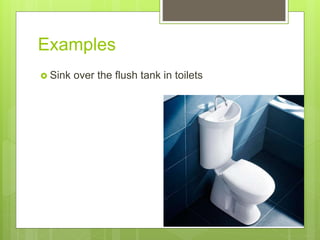
Examples
 Sink over the flush tank in toilets
Why Design Thinking?
 Edge over competitors
 Creative & efficient solutions
 Used in top companies
 Taught in Top University
Phases of Design Thinking
 People via Empathy
 Problem via Analyze
 Solution via Create
 Concept via Test
Iterative Process
Step 1- Empathize
 Putting yourself in someone's shoe
 Methods
 Observation
 Interview
 Imitate
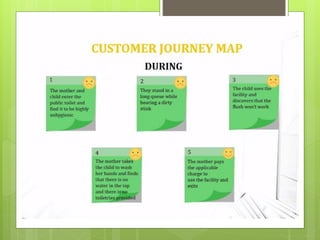
 Tool- Customer Journey Mapping
Customer Journey Mapping
 An interview based sticky note technique for
mapping the process that someone is going
through.
 Before
 During
 After
Steps in CJM
1. Identify the persona-Age, Geography, their
experience
2. Write the major steps of customers
experience
3. Use one sticky note per step
4. Arrange the note in chronological order
5. Interview real customer
6. Correct the procedure based on new
insights
7. Mark the notes with emotions
Step-2 Analyze
 Analyze the problem to find the root cause
 Tools
 Multi Why Analysis
 Conflict of Interest
Multi Why Analysis
 Get to the bottom of the problem
 Now the root cause of the problem
 To know what exact problem to be solved
Example
 Student comes late to Class- Why?
 He woke up late- Why?
 He went to bed late- Why?
 Too many deadlines- Why?
 To many course enrolled.
Example
 Student get distracted- Why?
 Fast Teaching- Why?
 Lot of Syllabus- Why?
 Government Syllabus
Conflict of Interest
 Analyzing the conflict of interest between the
parties…
 The conflict of interest is one you have to
solve.
Example
 3 Musketeers
Examples-Conflict of Interest
To be continued….
Step-3 Solve
 Alchuler –Problem solving is an formula or
Algorithm
 ARIZ-Algorithm for inventive problem solving
 40 Principles
 Guides you in thinking to solve the problem
 Solve the conflict of interest.
Example
 The other way round- Invert the action to
solve the problem
 Flip Class
 Students Seminar
 Online Class
Step-4 Test
 Test the solution in actual environment before
implementation.
 Build a prototype to test with customer
 Take your prototype to the customer and note
how react to it
 Get the feedback
 Iterative process – Back to square 1
Conclusion
“Design Thinking a tool for
extraordinary solutions for
ordinary problem”

Design thinking

  • 1.
  • 2.
    What is designThinking?  Redefining Problems- is an attempt to find better solutions.  Creating new and innovative ideas and solving problem.  Human centered approach  Solution based approach
  • 3.
    Examples  Sink overthe flush tank in toilets
  • 4.
    Why Design Thinking? Edge over competitors  Creative & efficient solutions  Used in top companies  Taught in Top University
  • 5.
    Phases of DesignThinking  People via Empathy  Problem via Analyze  Solution via Create  Concept via Test Iterative Process
  • 6.
    Step 1- Empathize Putting yourself in someone's shoe  Methods  Observation  Interview  Imitate  Tool- Customer Journey Mapping
  • 7.
    Customer Journey Mapping An interview based sticky note technique for mapping the process that someone is going through.  Before  During  After
  • 8.
    Steps in CJM 1.Identify the persona-Age, Geography, their experience 2. Write the major steps of customers experience 3. Use one sticky note per step 4. Arrange the note in chronological order 5. Interview real customer 6. Correct the procedure based on new insights 7. Mark the notes with emotions
  • 12.
    Step-2 Analyze  Analyzethe problem to find the root cause  Tools  Multi Why Analysis  Conflict of Interest
  • 13.
    Multi Why Analysis Get to the bottom of the problem  Now the root cause of the problem  To know what exact problem to be solved
  • 14.
    Example  Student comeslate to Class- Why?  He woke up late- Why?  He went to bed late- Why?  Too many deadlines- Why?  To many course enrolled.
  • 16.
    Example  Student getdistracted- Why?  Fast Teaching- Why?  Lot of Syllabus- Why?  Government Syllabus
  • 17.
    Conflict of Interest Analyzing the conflict of interest between the parties…  The conflict of interest is one you have to solve.
  • 18.
  • 19.
  • 20.
  • 21.
  • 22.
    Step-3 Solve  Alchuler–Problem solving is an formula or Algorithm  ARIZ-Algorithm for inventive problem solving  40 Principles  Guides you in thinking to solve the problem  Solve the conflict of interest.
  • 23.
    Example  The otherway round- Invert the action to solve the problem  Flip Class  Students Seminar  Online Class
  • 24.
    Step-4 Test  Testthe solution in actual environment before implementation.  Build a prototype to test with customer  Take your prototype to the customer and note how react to it  Get the feedback  Iterative process – Back to square 1
  • 25.
    Conclusion “Design Thinking atool for extraordinary solutions for ordinary problem”