
PewInternet.org
The State of Digital
Marketing in the Networked Age
Mid-Atlantic Marketing Summit
April 19, 2013
Lee Rainie: Director, Pew Internet Project
Email: Lrainie@pewinternet.org
Twitter: @Lrainie
The new media ecosystem and the
Boston bombing
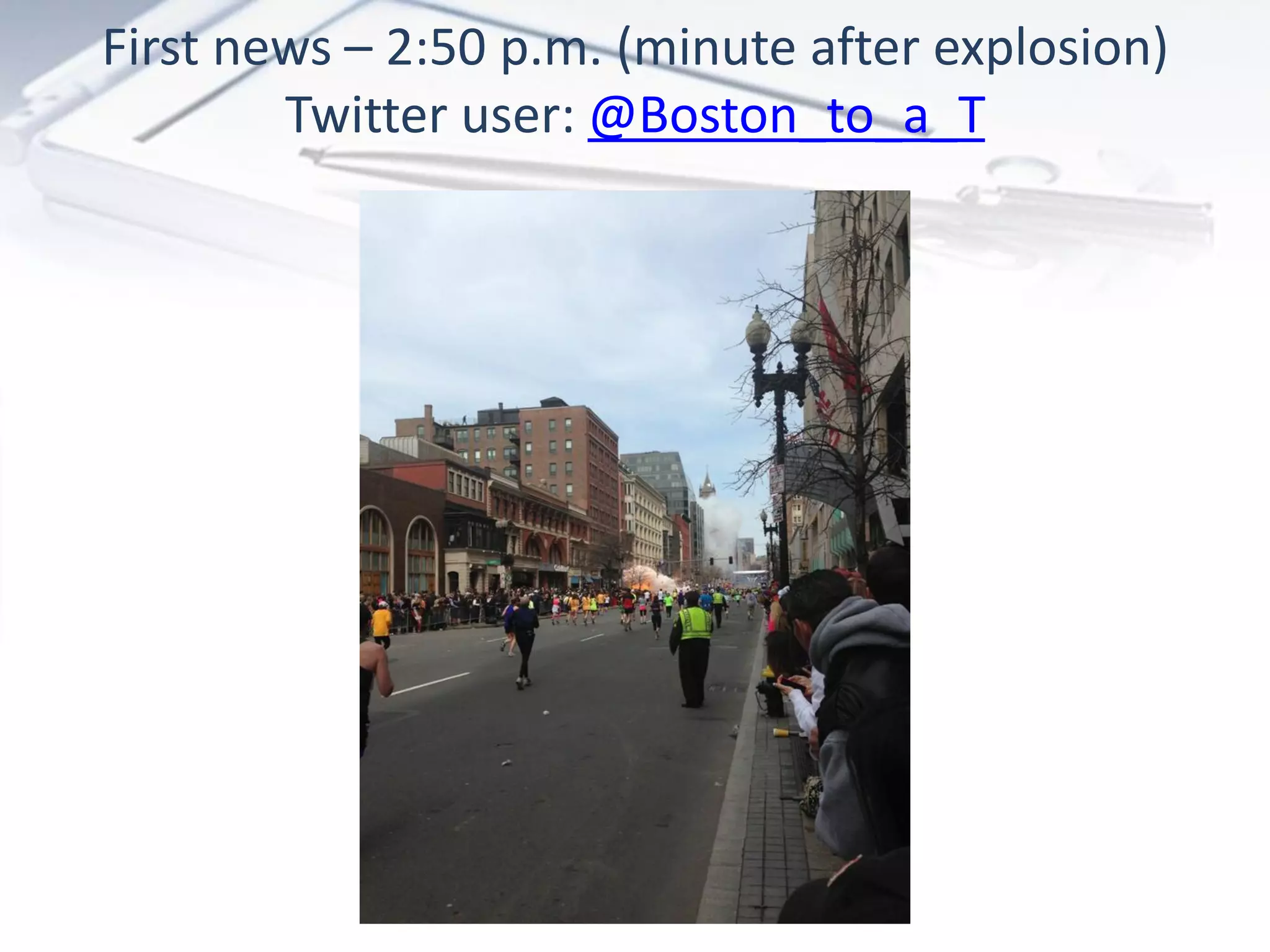
First news – 2:50 p.m. (minute after explosion)
Twitter user: @Boston_to_a_T
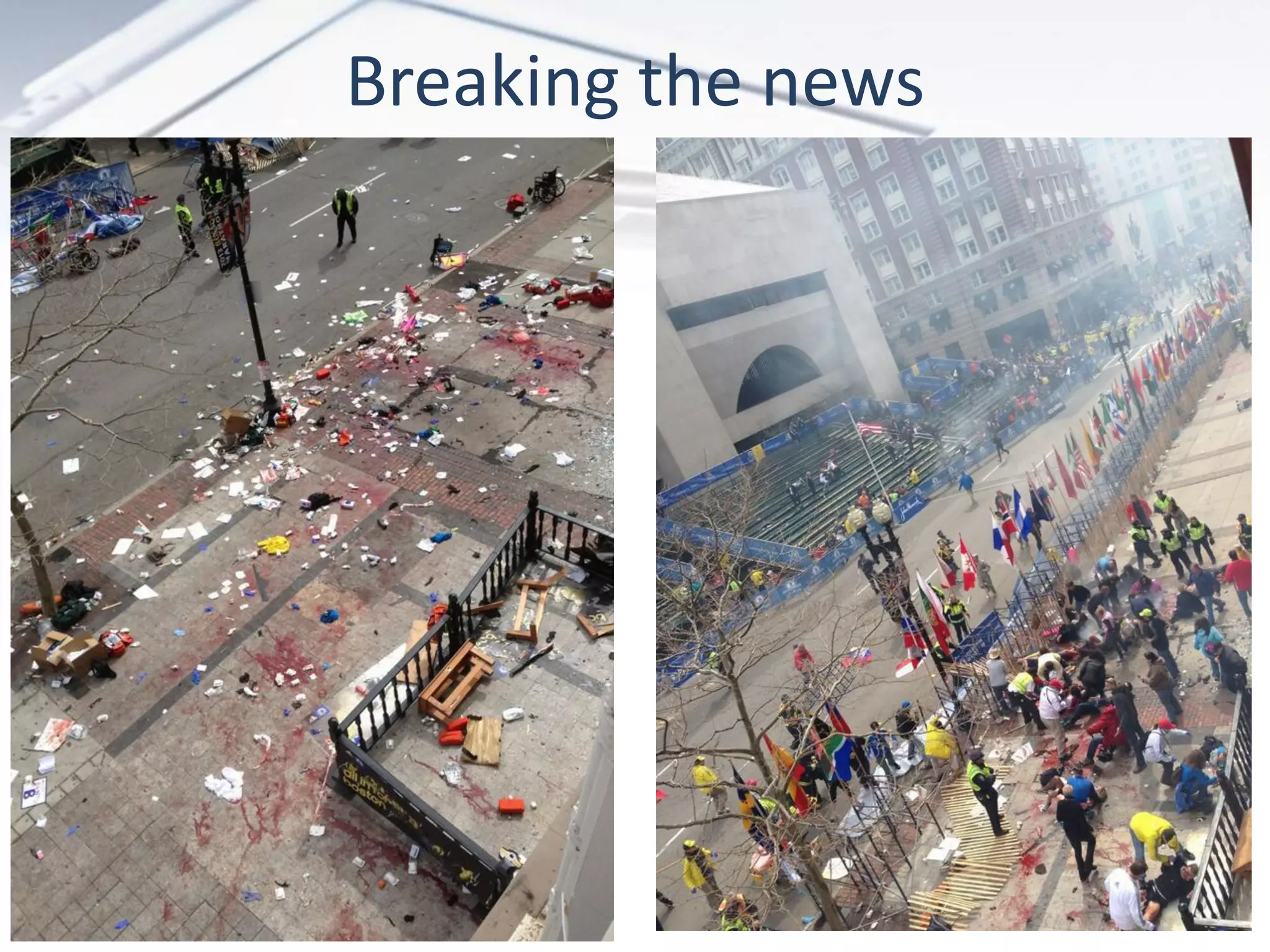
Breaking the news
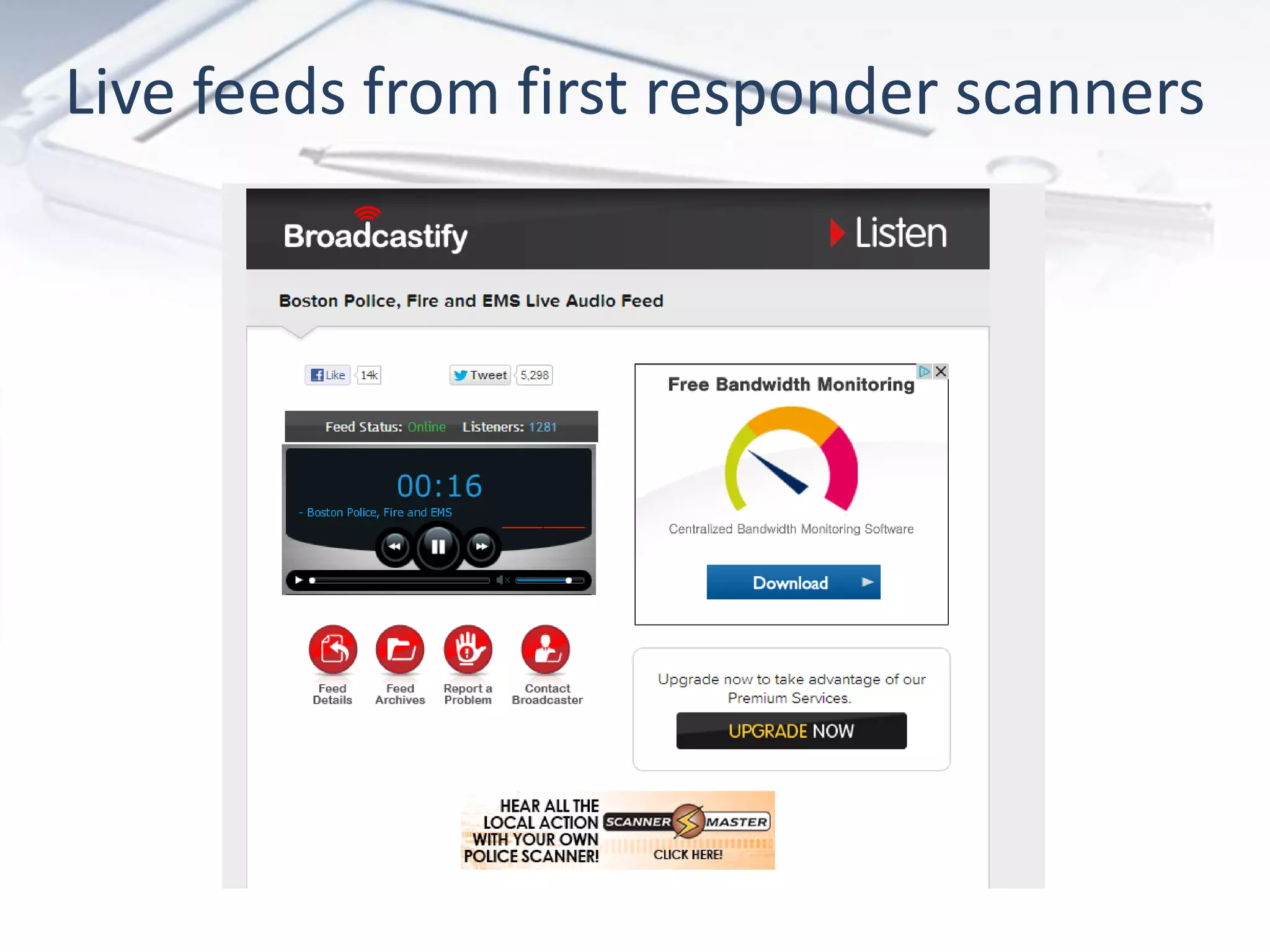
Live feeds from first responder scanners
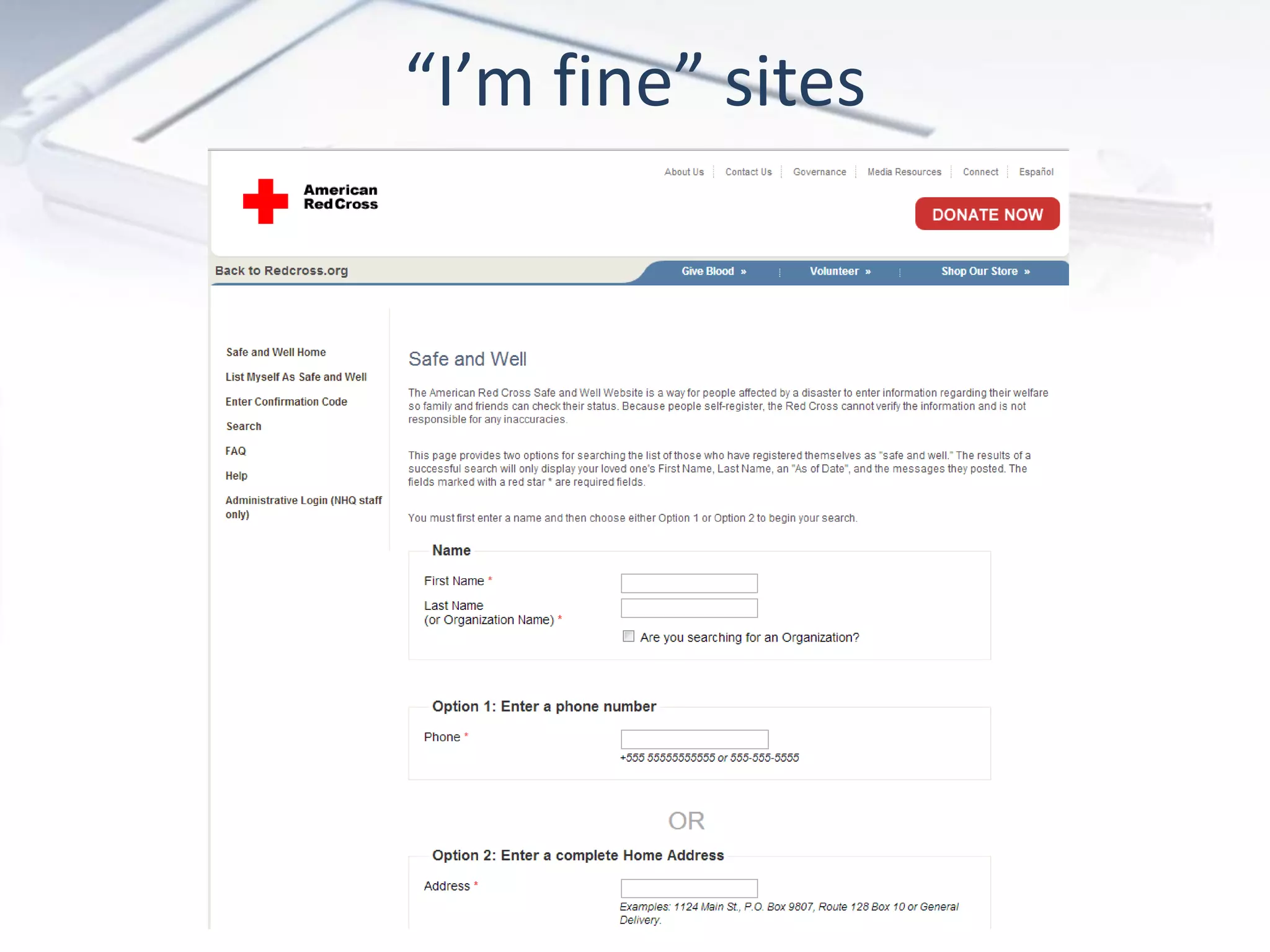
“I’m fine” sites
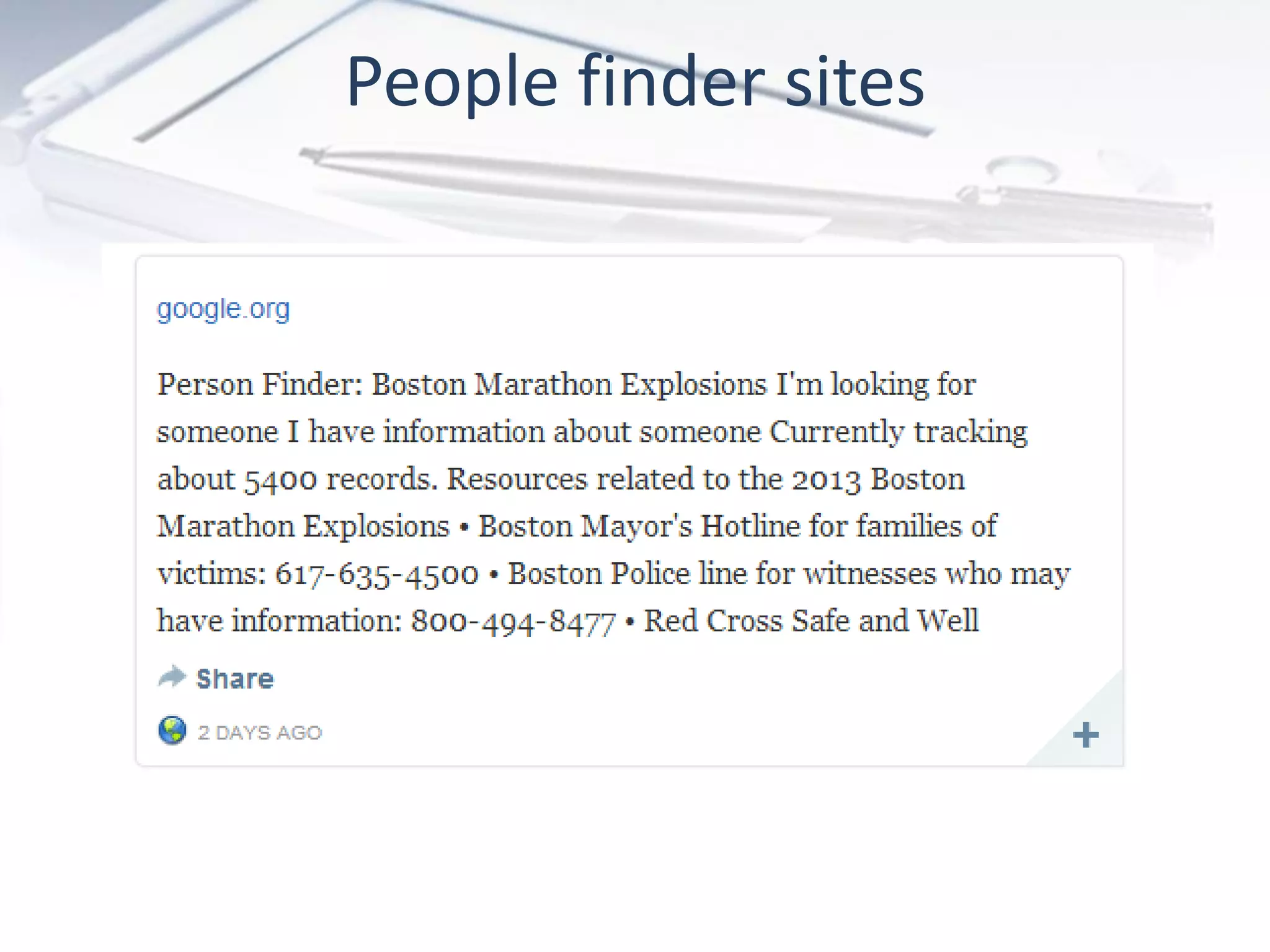
People finder sites
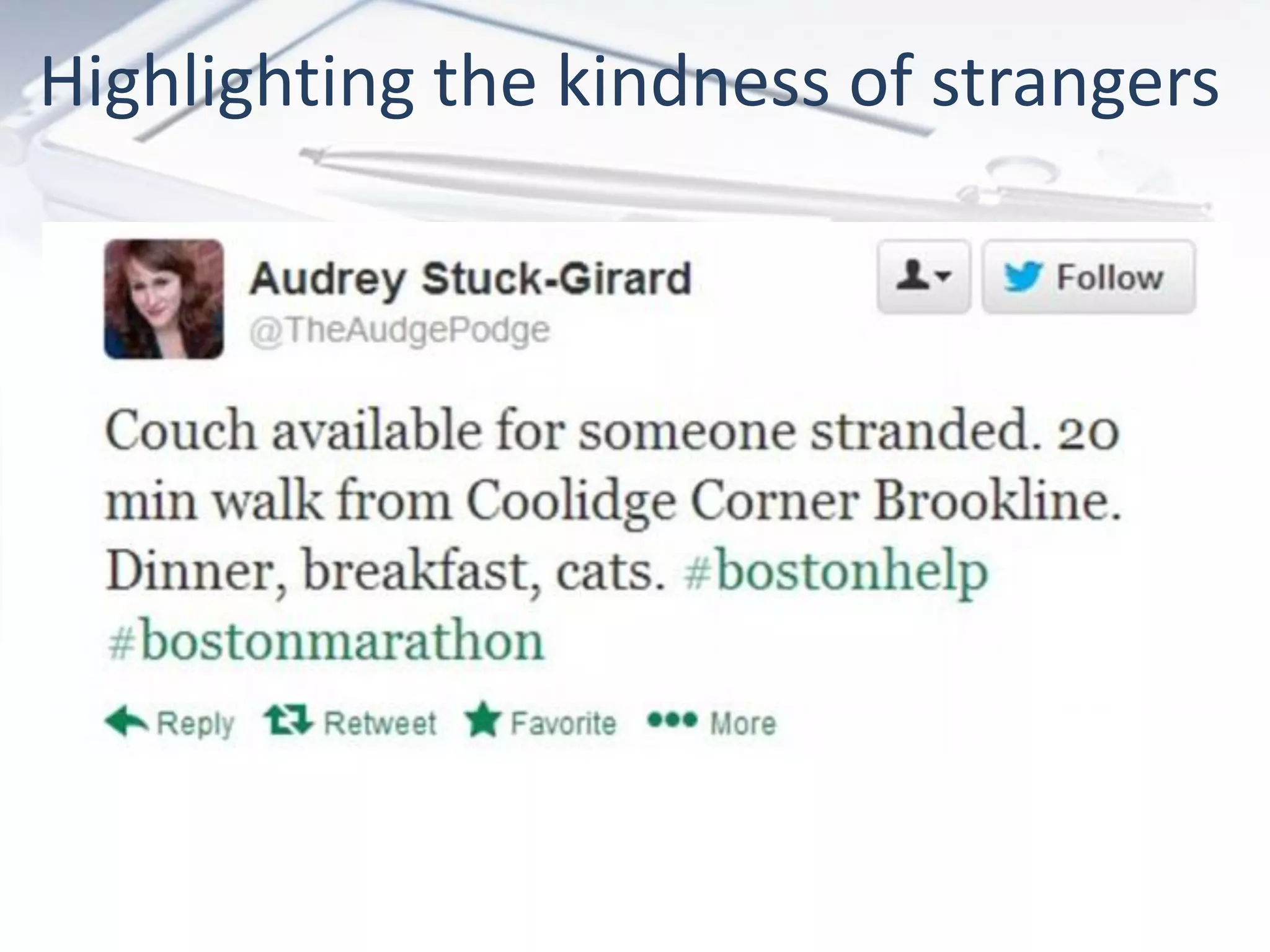
Highlighting the kindness of strangers
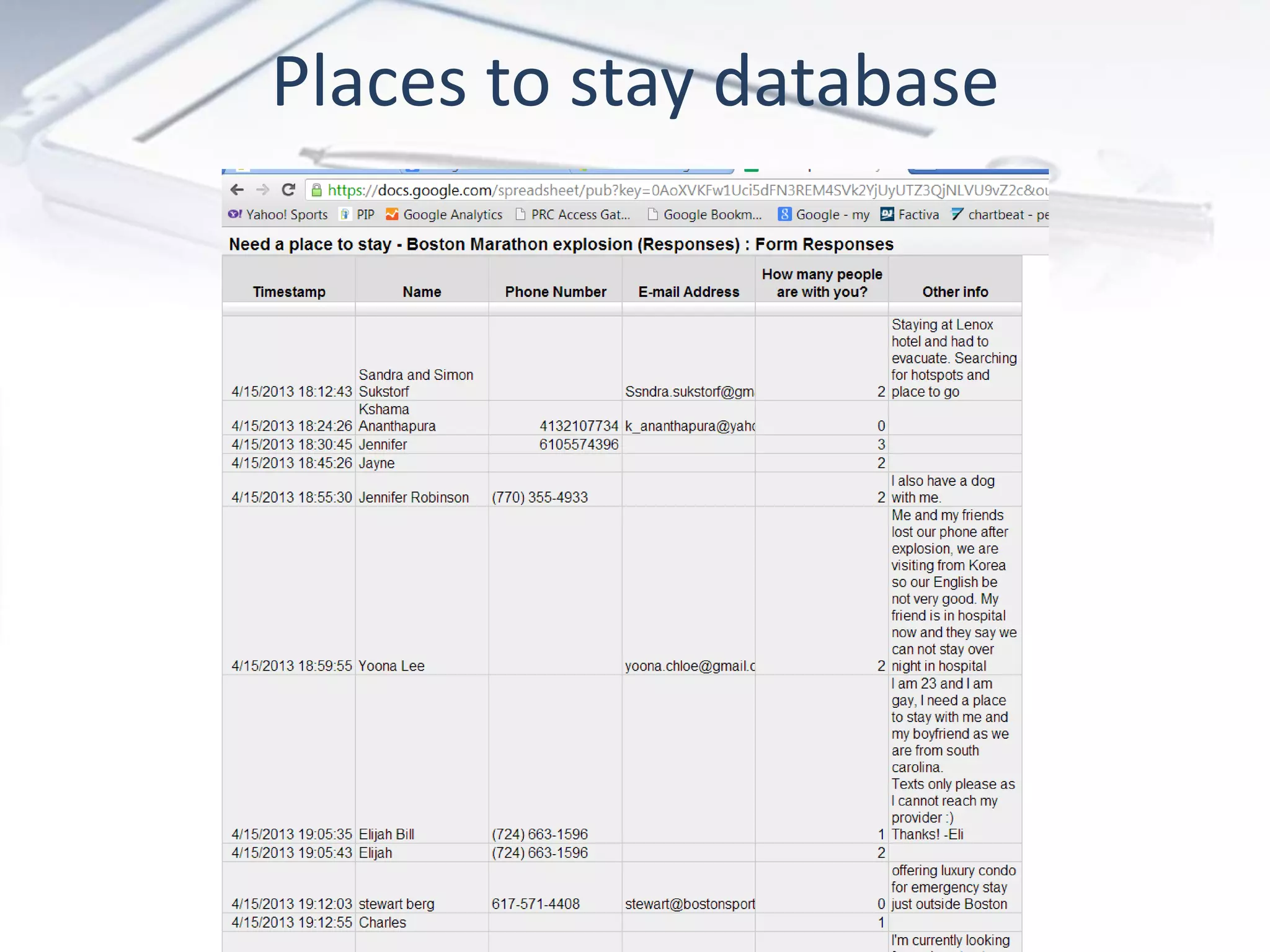
Places to stay database
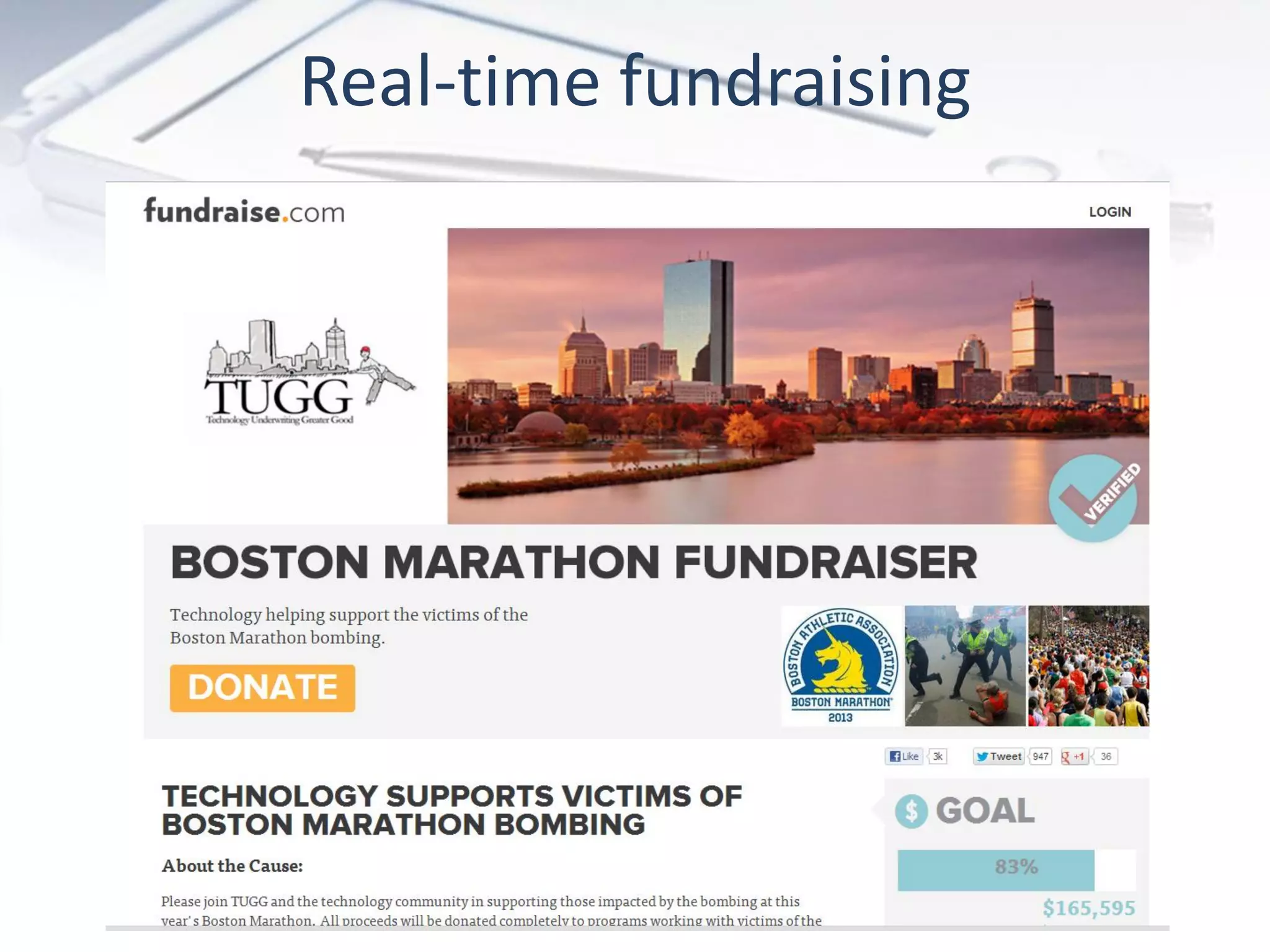
Real-time fundraising
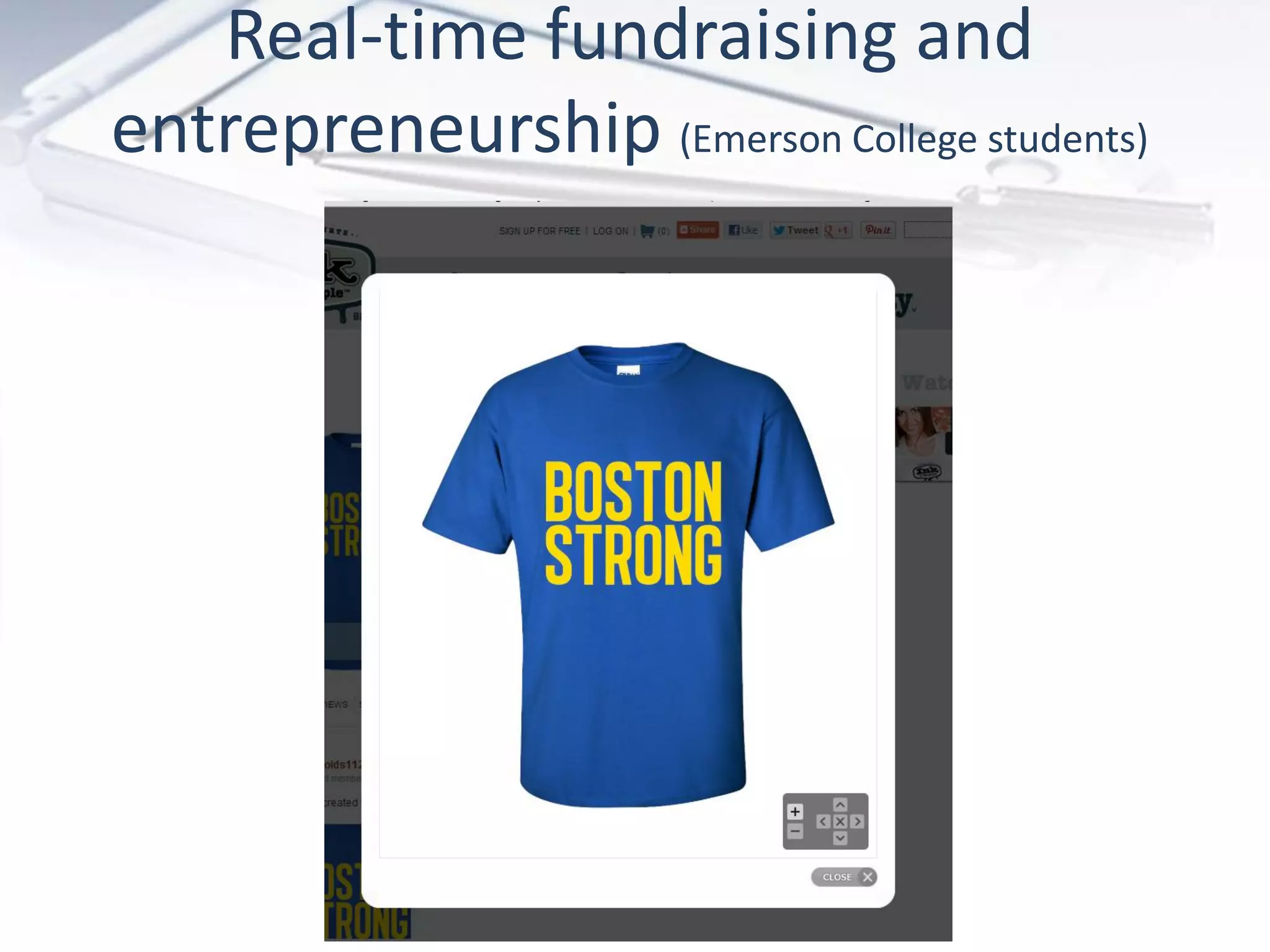
Real-time fundraising and
entrepreneurship (Emerson College students)
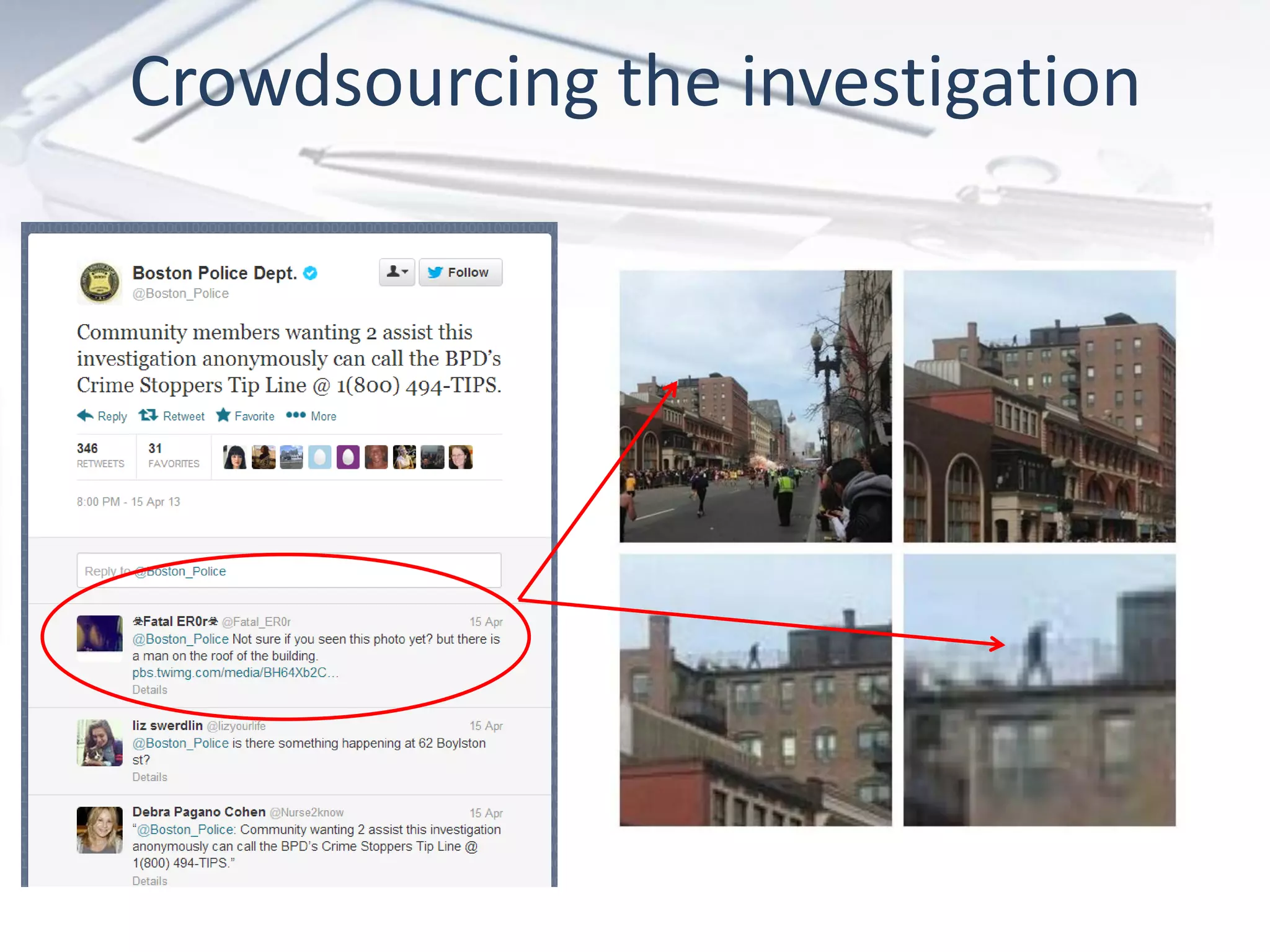
Crowdsourcing the investigation
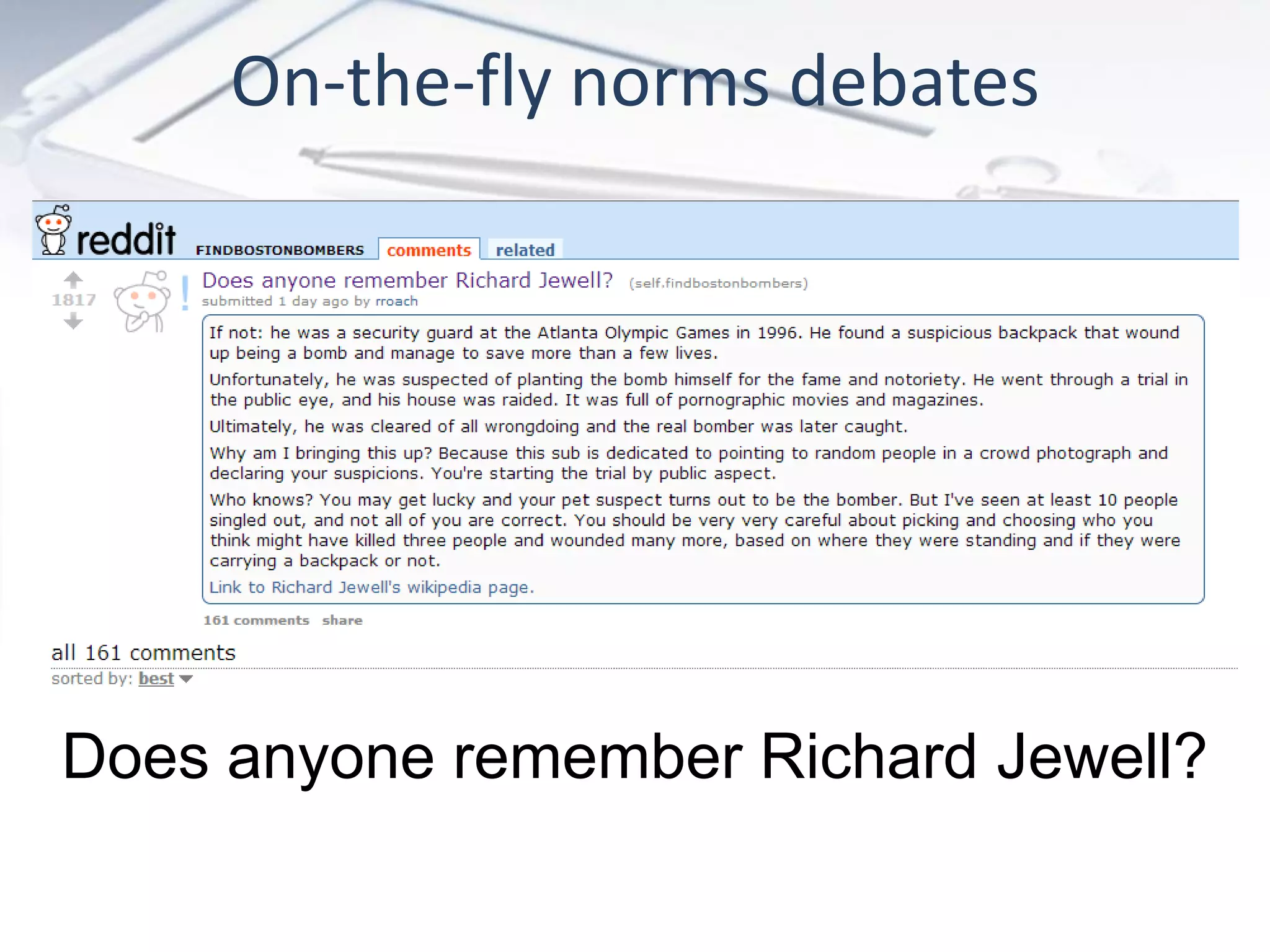
On-the-fly norms debates
Does anyone remember Richard Jewell?
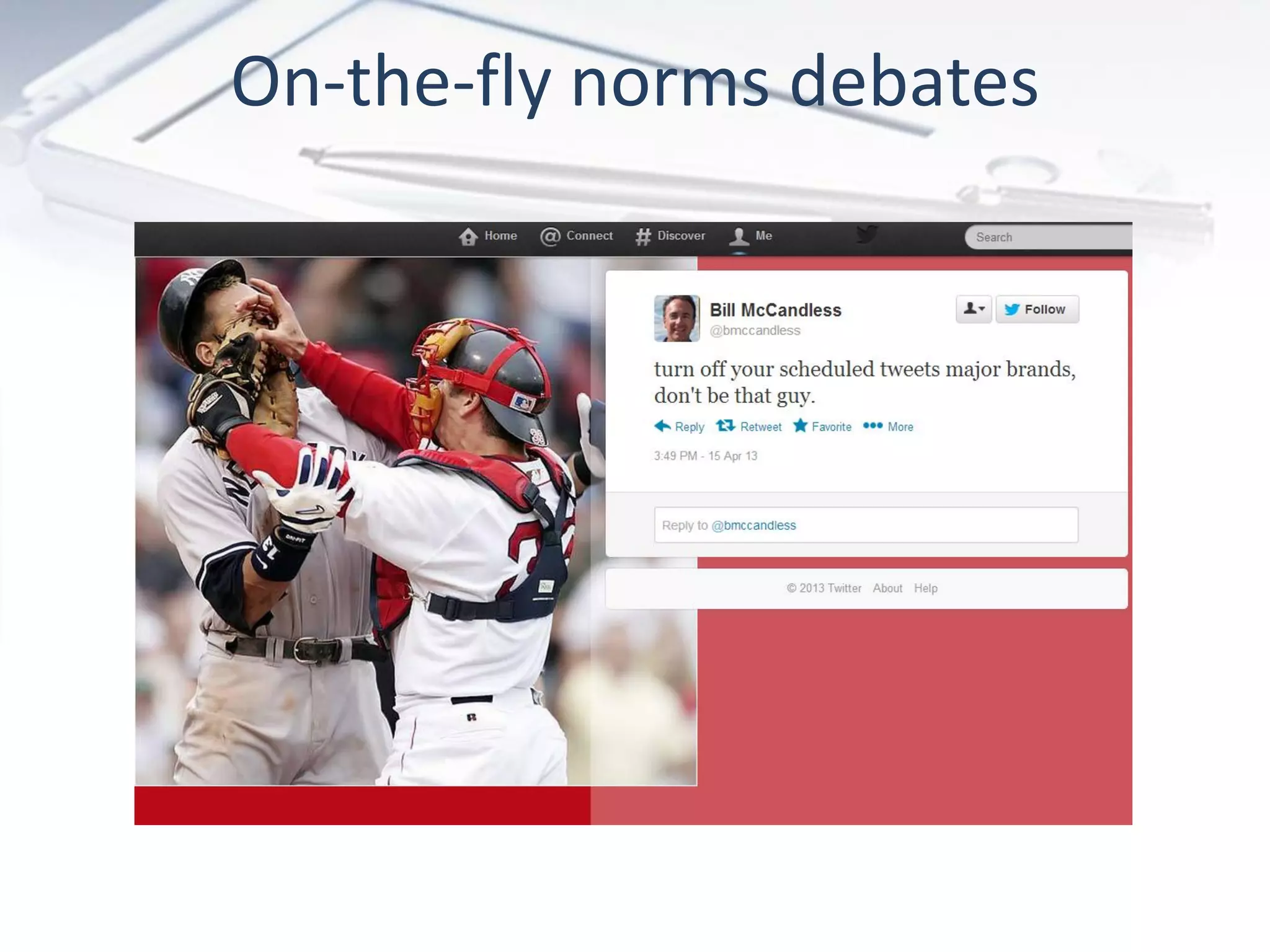
On-the-fly norms debates
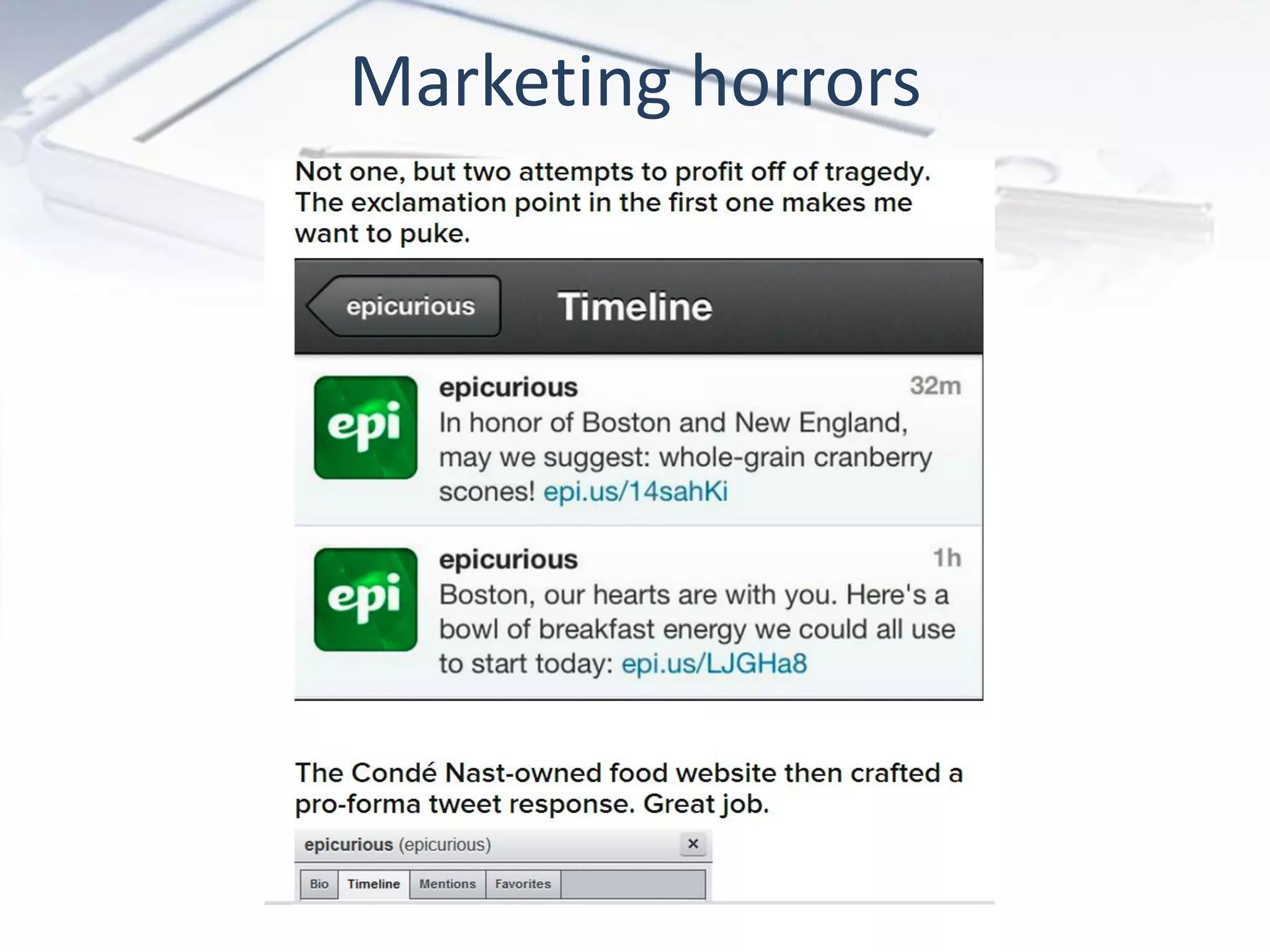
Marketing horrors
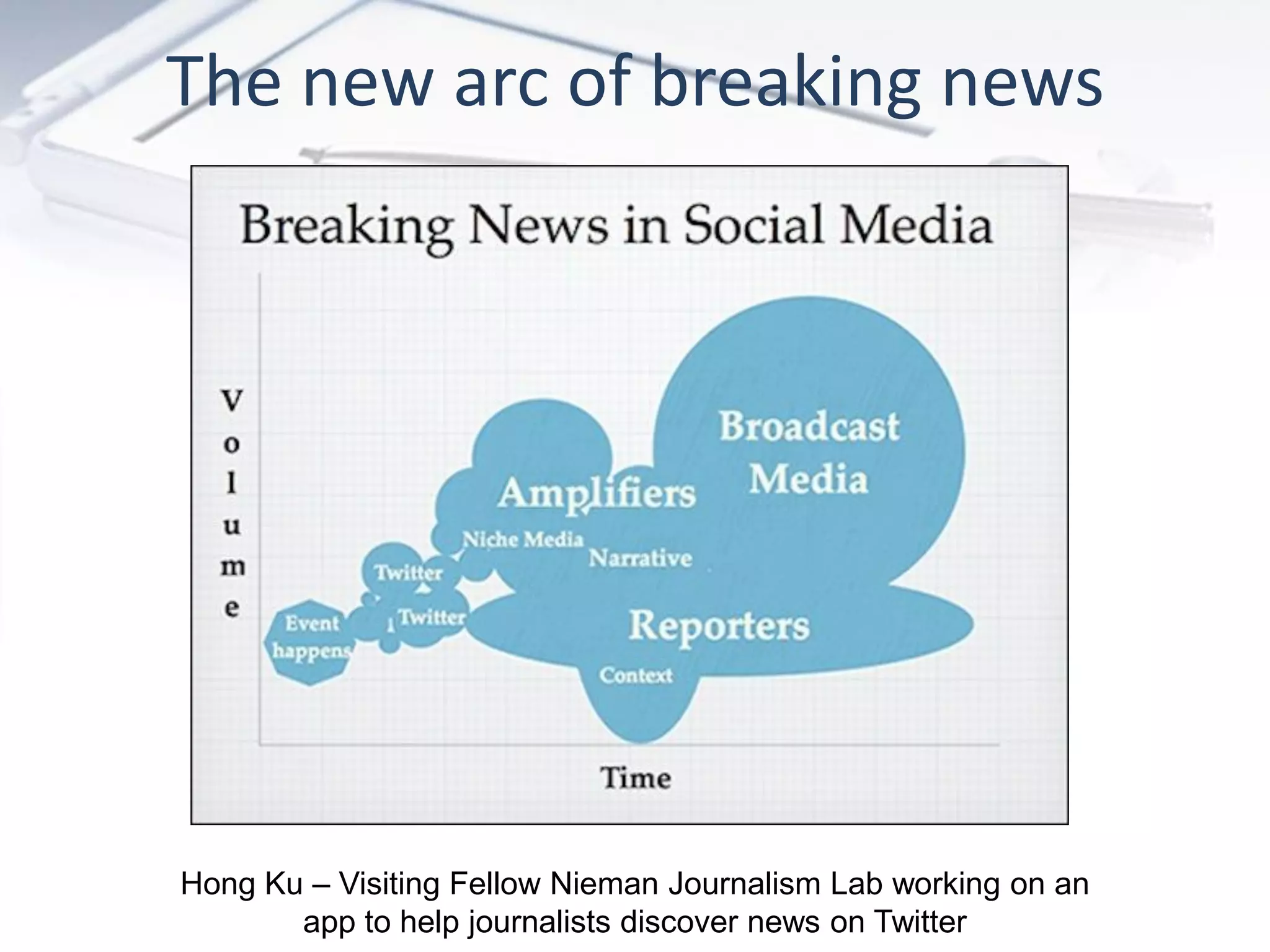
The new arc of breaking news
Hong Ku – Visiting Fellow Nieman Journalism Lab working on an
app to help journalists discover news on Twitter
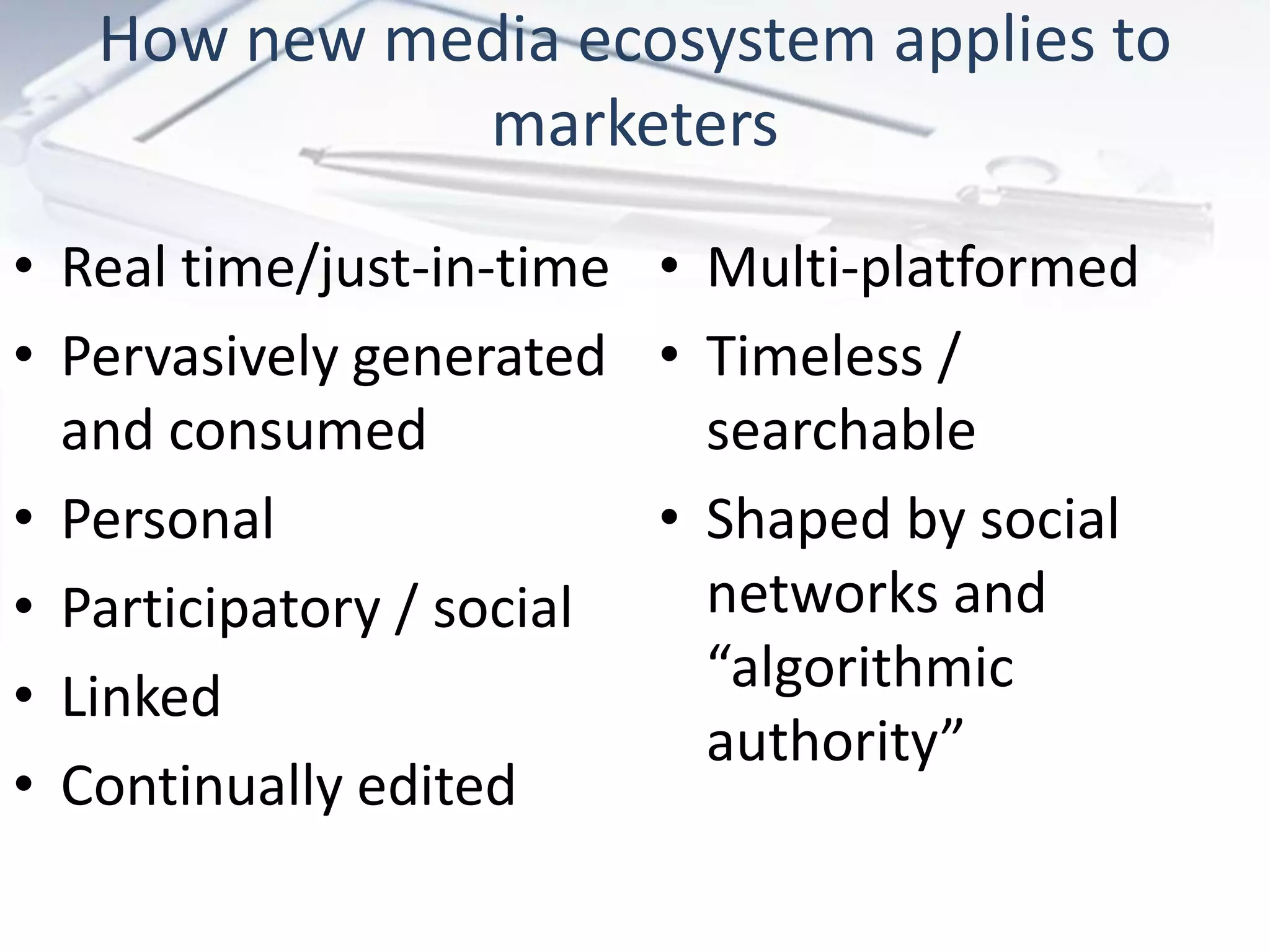
How new media ecosystem applies to
marketers
• Real time/just-in-time
• Pervasively generated
and consumed
• Personal
• Participatory / social
• Linked
• Continually edited
• Multi-platformed
• Timeless /
searchable
• Shaped by social
networks and
“algorithmic
authority”
Networked individualism and the
triple revolution
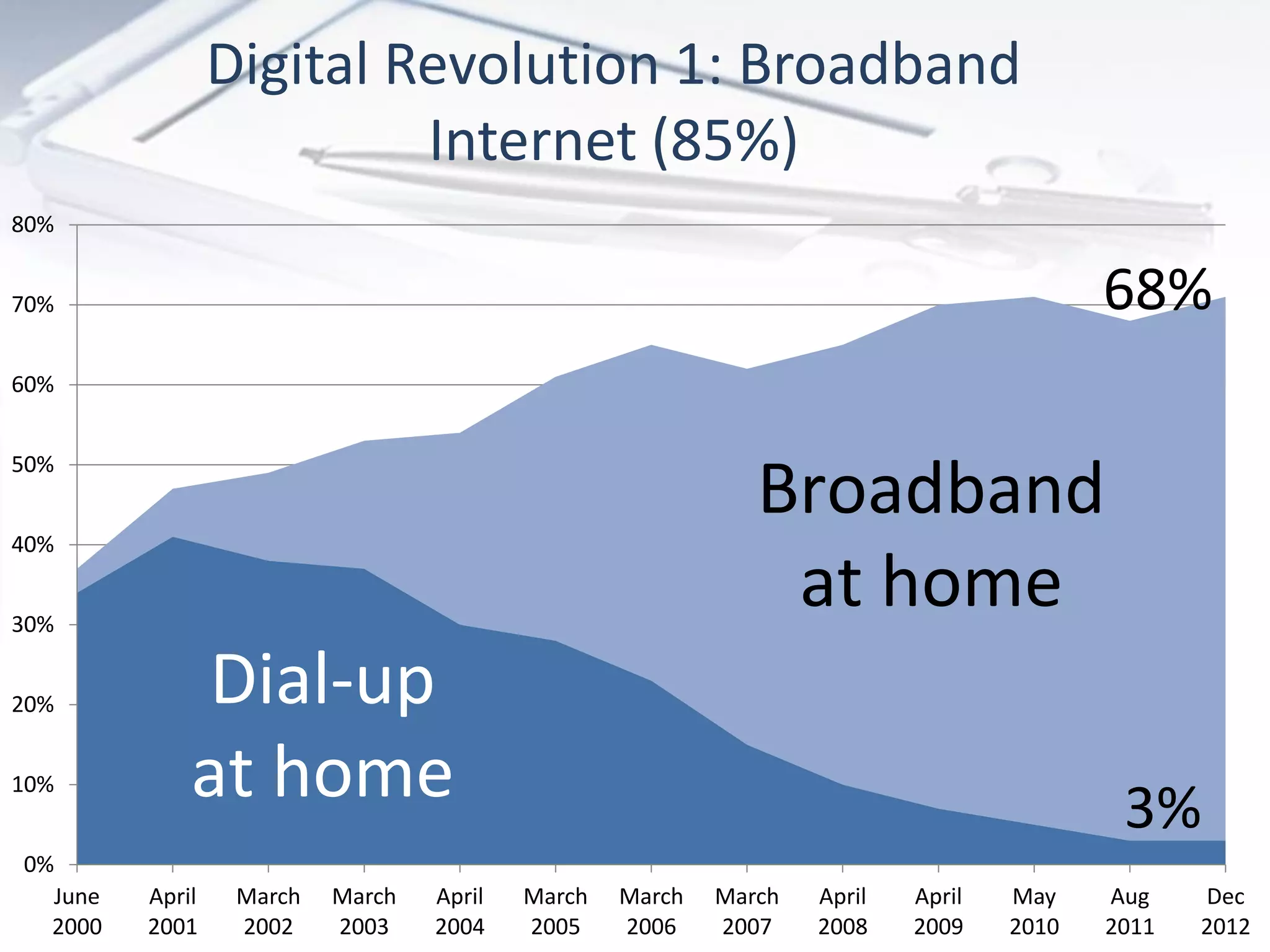
Digital Revolution 1: Broadband
Internet (85%)
0%
10%
20%
30%
40%
50%
60%
70%
80%
June
2000
April
2001
March
2002
March
2003
April
2004
March
2005
March
2006
March
2007
April
2008
April
2009
May
2010
Aug
2011
Dec
2012
Broadband
at home
Dial-up
at home
68%
3%
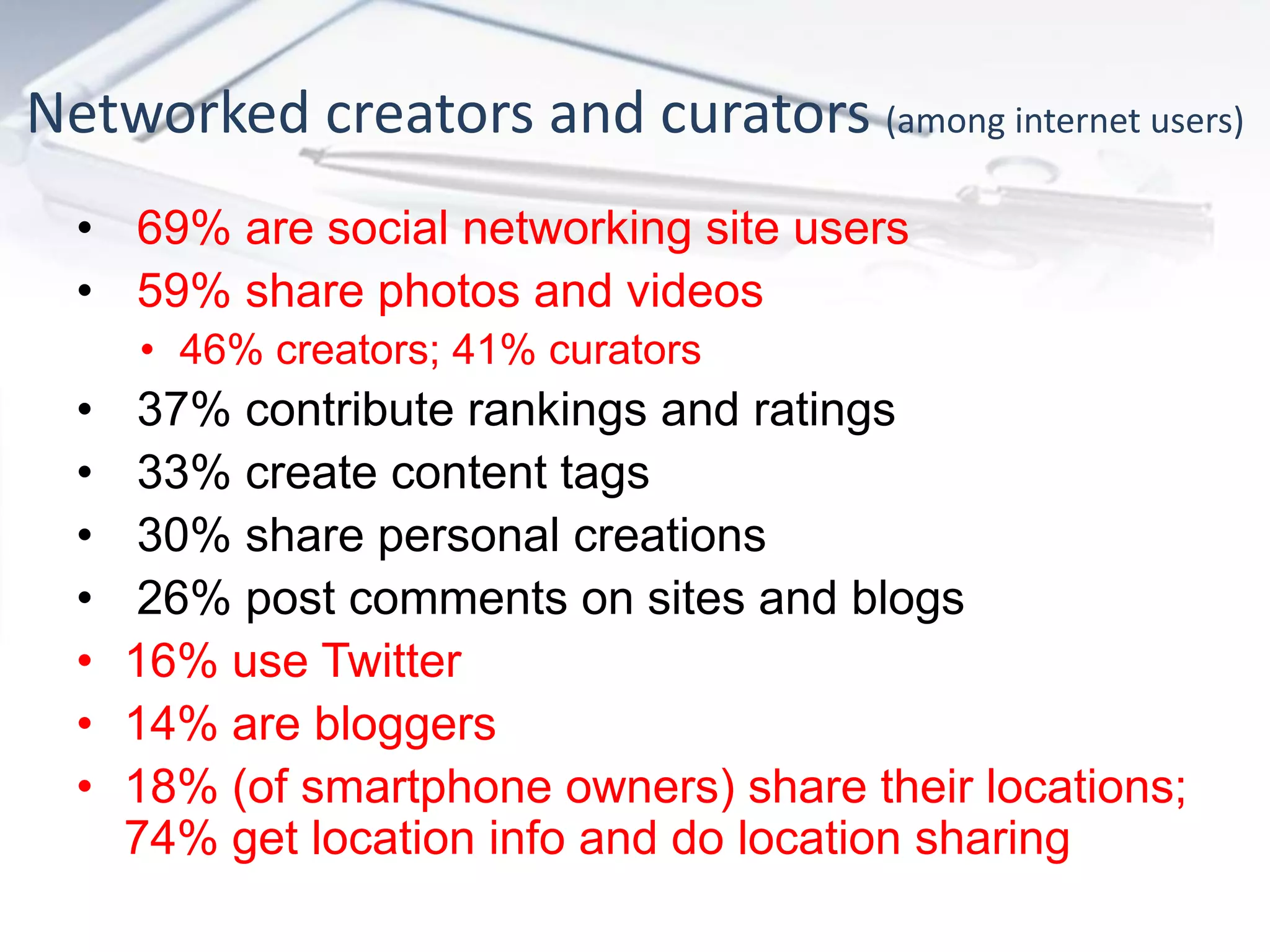
Networked creators and curators (among internet users)
• 69% are social networking site users
• 59% share photos and videos
• 46% creators; 41% curators
• 37% contribute rankings and ratings
• 33% create content tags
• 30% share personal creations
• 26% post comments on sites and blogs
• 16% use Twitter
• 14% are bloggers
• 18% (of smartphone owners) share their locations;
74% get location info and do location sharing
Impact on marketing
• More volume, velocity, and variety of
information
• New pathways to customers
• Rise of “fifth estate” of civic and community
actors (including citizen “vigilantes”) – harder
to control message
• More arguments
• Collapsed contexts of messaging
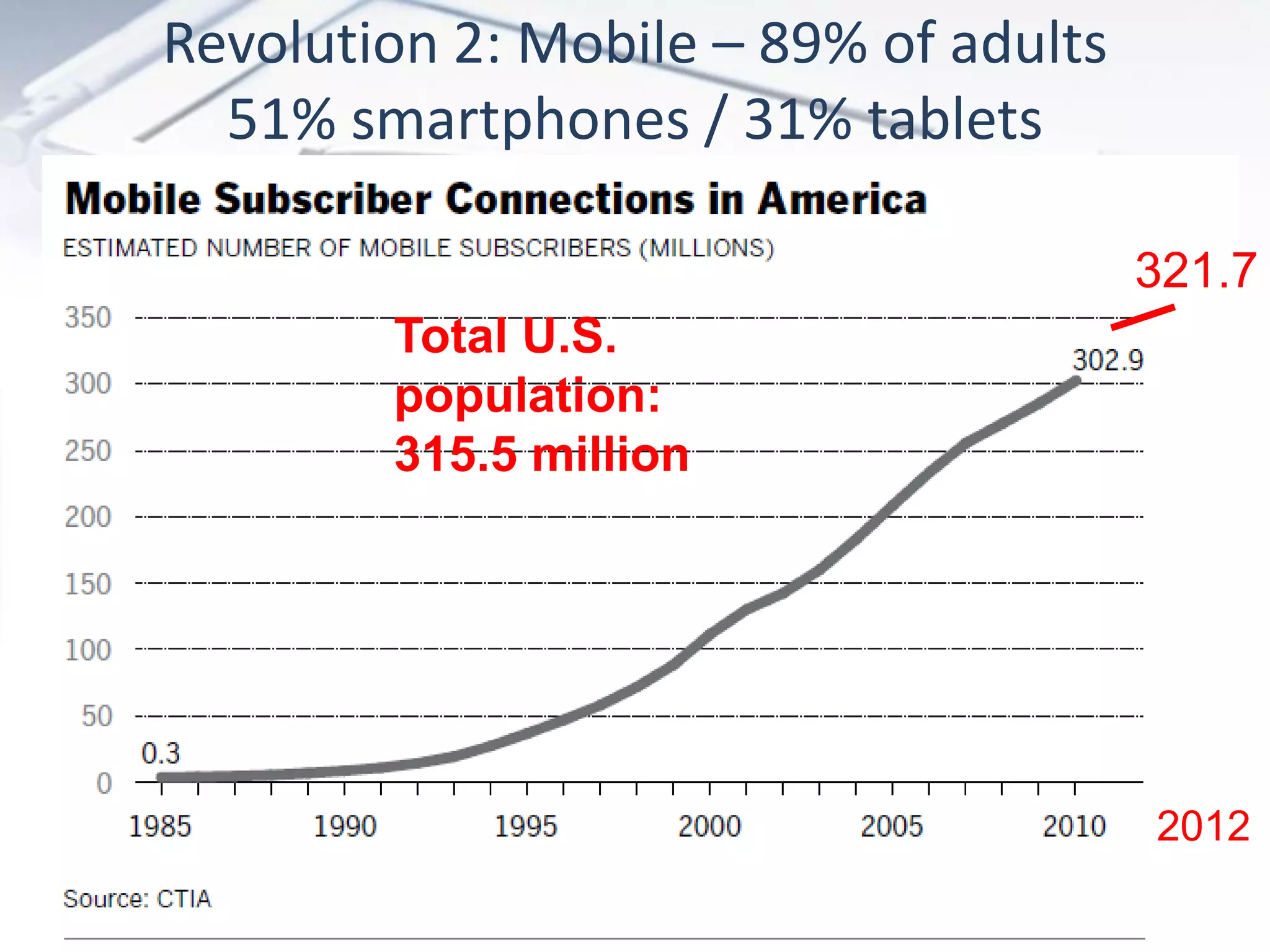
Revolution 2: Mobile – 89% of adults
51% smartphones / 31% tablets
321.7
Total U.S.
population:
315.5 million
2012
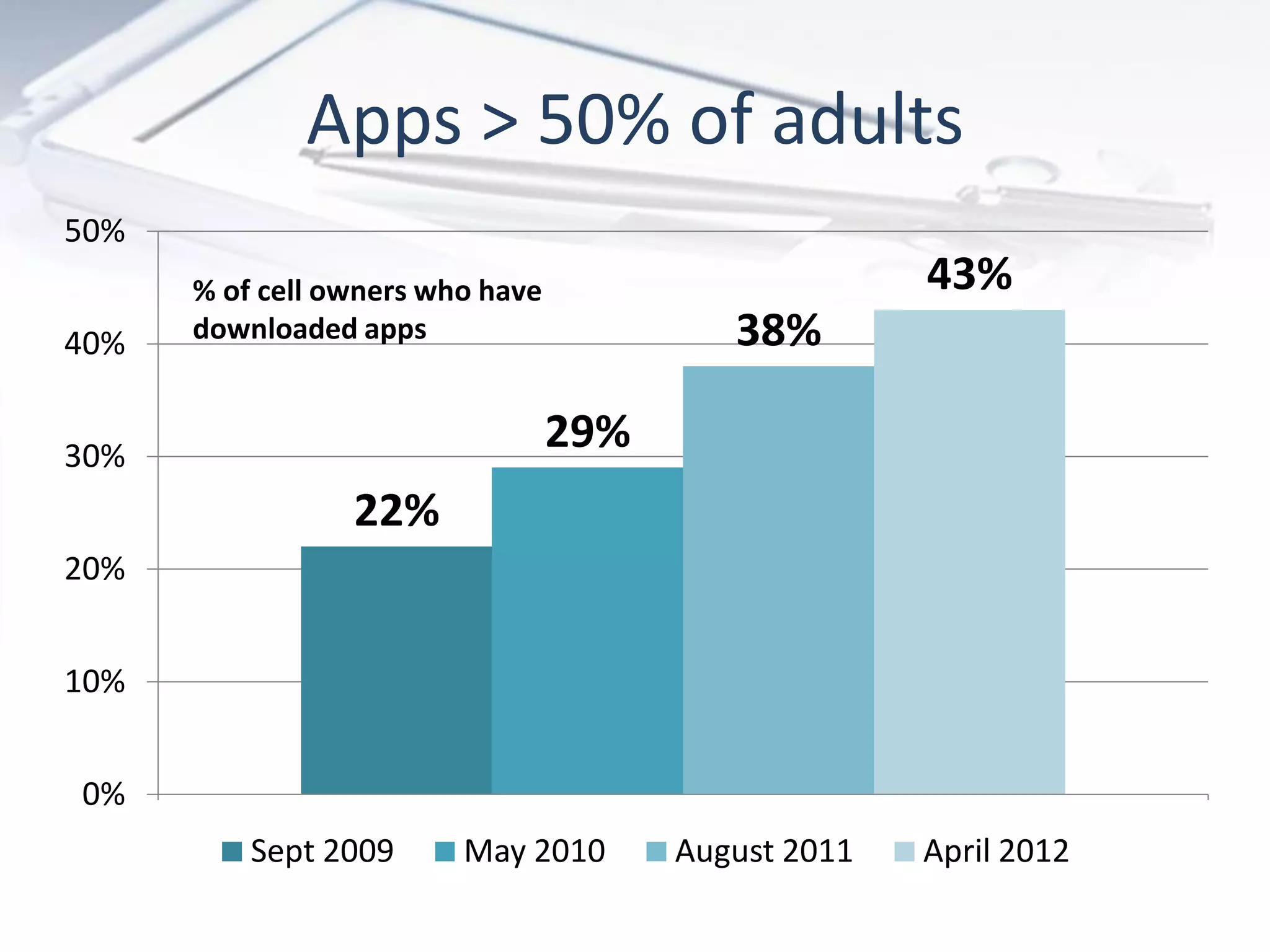
Apps > 50% of adults
22%
29%
38%
43%
0%
10%
20%
30%
40%
50%
Sept 2009 May 2010 August 2011 April 2012
% of cell owners who have
downloaded apps
• Attention zones change
– “Continuous partial attention”
– Deep dives
– Info snacking
• Real-time, just-in-time searches and availability
change process of acquiring and using
information
– Spontaneous activities
– Be “ready for your closeup”
• Augmented reality highlights the merger of data
world and real world
Impact on marketing
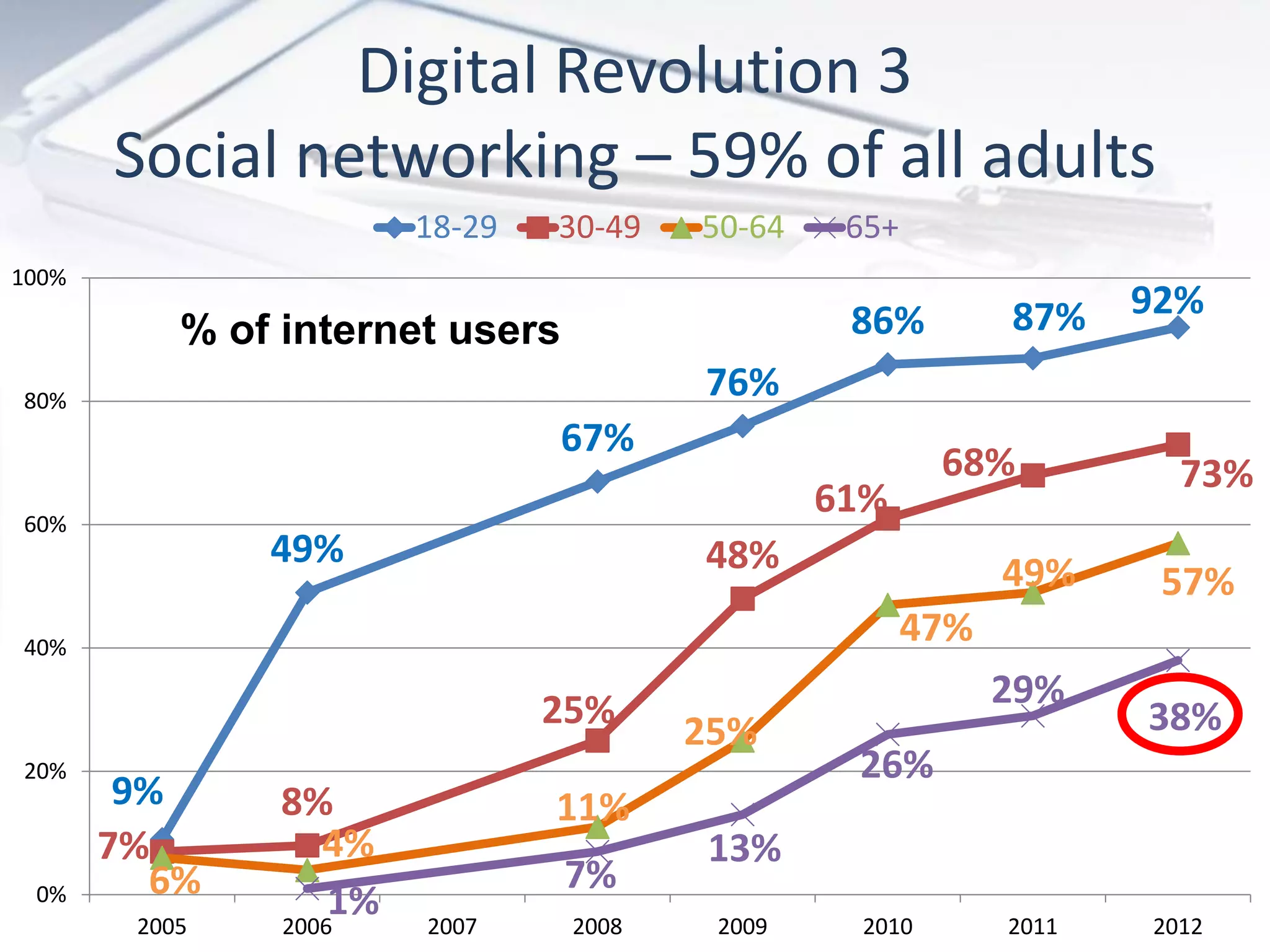
9%
49%
67%
76%
86% 87% 92%
7%
8%
25%
48%
61%
68% 73%
6%
4%
11%
25%
47%
49% 57%
1%
7%
13%
26%
29%
38%
0%
20%
40%
60%
80%
100%
2005 2006 2007 2008 2009 2010 2011 2012
18-29 30-49 50-64 65+
Digital Revolution 3
Social networking – 59% of all adults
% of internet users
• Composition and character of people’s social
networks changes AND networks become
important channels of …
– learning
– trust
– influence
• Organizations can become media companies
themselves …
• … and “helper nodes” in people’s networks
Impact on marketing
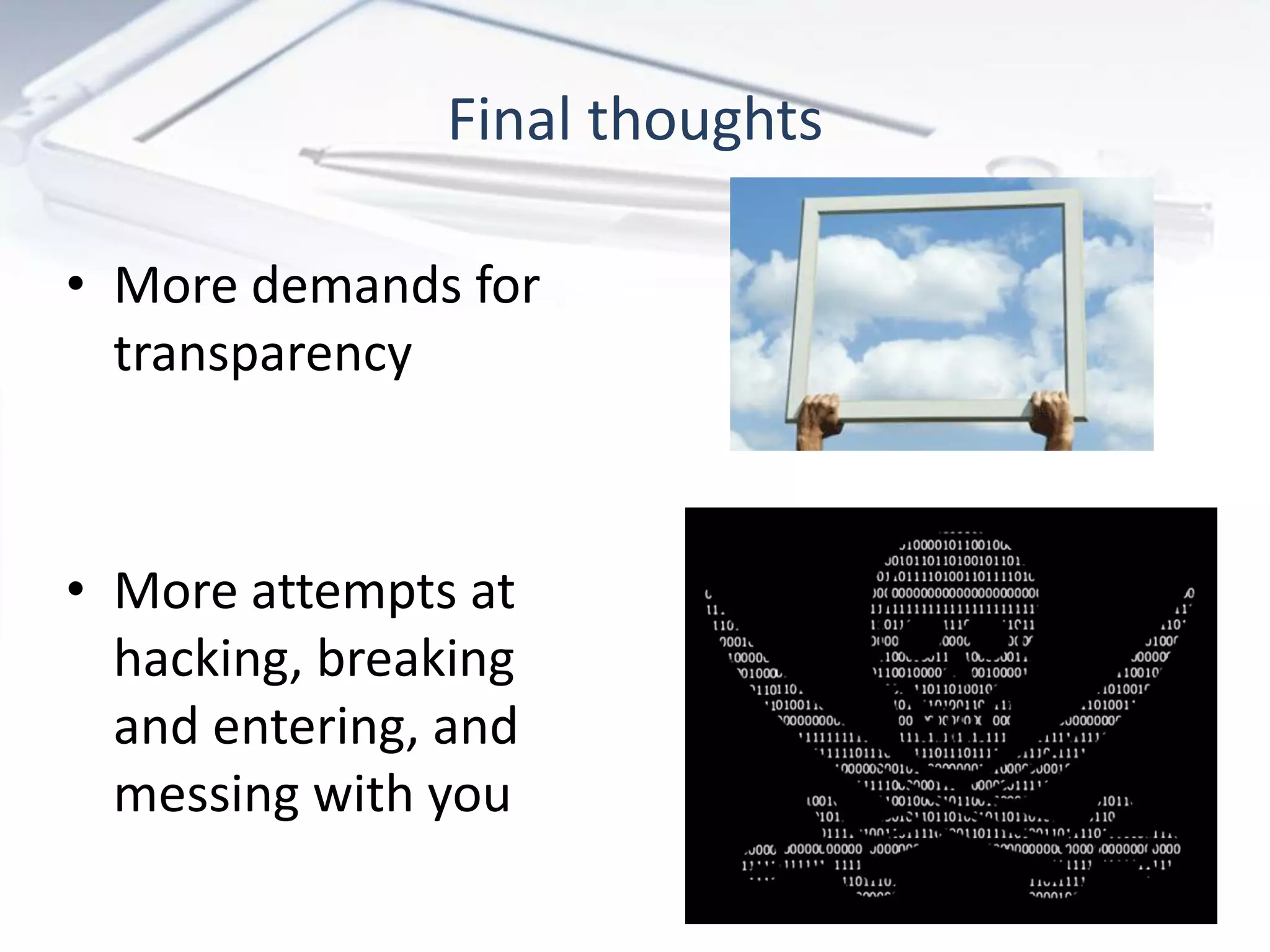
• More demands for
transparency
Final thoughts
• More attempts at
hacking, breaking
and entering, and
messing with you
Thank you!

The State of Digital Marketing in the Networked Age

  • 1.
    PewInternet.org The State ofDigital Marketing in the Networked Age Mid-Atlantic Marketing Summit April 19, 2013 Lee Rainie: Director, Pew Internet Project Email: Lrainie@pewinternet.org Twitter: @Lrainie
  • 2.
    The new mediaecosystem and the Boston bombing
  • 3.
    First news –2:50 p.m. (minute after explosion) Twitter user: @Boston_to_a_T
  • 4.
  • 5.
    Live feeds fromfirst responder scanners
  • 6.
  • 7.
  • 8.
  • 9.
  • 10.
  • 11.
  • 12.
  • 13.
    On-the-fly norms debates Doesanyone remember Richard Jewell?
  • 14.
  • 15.
  • 16.
    The new arcof breaking news Hong Ku – Visiting Fellow Nieman Journalism Lab working on an app to help journalists discover news on Twitter
  • 17.
    How new mediaecosystem applies to marketers • Real time/just-in-time • Pervasively generated and consumed • Personal • Participatory / social • Linked • Continually edited • Multi-platformed • Timeless / searchable • Shaped by social networks and “algorithmic authority”
  • 18.
    Networked individualism andthe triple revolution
  • 19.
    Digital Revolution 1:Broadband Internet (85%) 0% 10% 20% 30% 40% 50% 60% 70% 80% June 2000 April 2001 March 2002 March 2003 April 2004 March 2005 March 2006 March 2007 April 2008 April 2009 May 2010 Aug 2011 Dec 2012 Broadband at home Dial-up at home 68% 3%
  • 20.
    Networked creators andcurators (among internet users) • 69% are social networking site users • 59% share photos and videos • 46% creators; 41% curators • 37% contribute rankings and ratings • 33% create content tags • 30% share personal creations • 26% post comments on sites and blogs • 16% use Twitter • 14% are bloggers • 18% (of smartphone owners) share their locations; 74% get location info and do location sharing
  • 21.
    Impact on marketing •More volume, velocity, and variety of information • New pathways to customers • Rise of “fifth estate” of civic and community actors (including citizen “vigilantes”) – harder to control message • More arguments • Collapsed contexts of messaging
  • 22.
    Revolution 2: Mobile– 89% of adults 51% smartphones / 31% tablets 321.7 Total U.S. population: 315.5 million 2012
  • 23.
    Apps > 50%of adults 22% 29% 38% 43% 0% 10% 20% 30% 40% 50% Sept 2009 May 2010 August 2011 April 2012 % of cell owners who have downloaded apps
  • 24.
    • Attention zoneschange – “Continuous partial attention” – Deep dives – Info snacking • Real-time, just-in-time searches and availability change process of acquiring and using information – Spontaneous activities – Be “ready for your closeup” • Augmented reality highlights the merger of data world and real world Impact on marketing
  • 25.
    9% 49% 67% 76% 86% 87% 92% 7% 8% 25% 48% 61% 68%73% 6% 4% 11% 25% 47% 49% 57% 1% 7% 13% 26% 29% 38% 0% 20% 40% 60% 80% 100% 2005 2006 2007 2008 2009 2010 2011 2012 18-29 30-49 50-64 65+ Digital Revolution 3 Social networking – 59% of all adults % of internet users
  • 26.
    • Composition andcharacter of people’s social networks changes AND networks become important channels of … – learning – trust – influence • Organizations can become media companies themselves … • … and “helper nodes” in people’s networks Impact on marketing
  • 27.
    • More demandsfor transparency Final thoughts • More attempts at hacking, breaking and entering, and messing with you
  • 28.