

Joining Accessibility and UX for 
Accessible UX 
Sarah Horton and David Sloan 
Webvisions Chicago 
September 26 2014
People are people
What do you need to know?
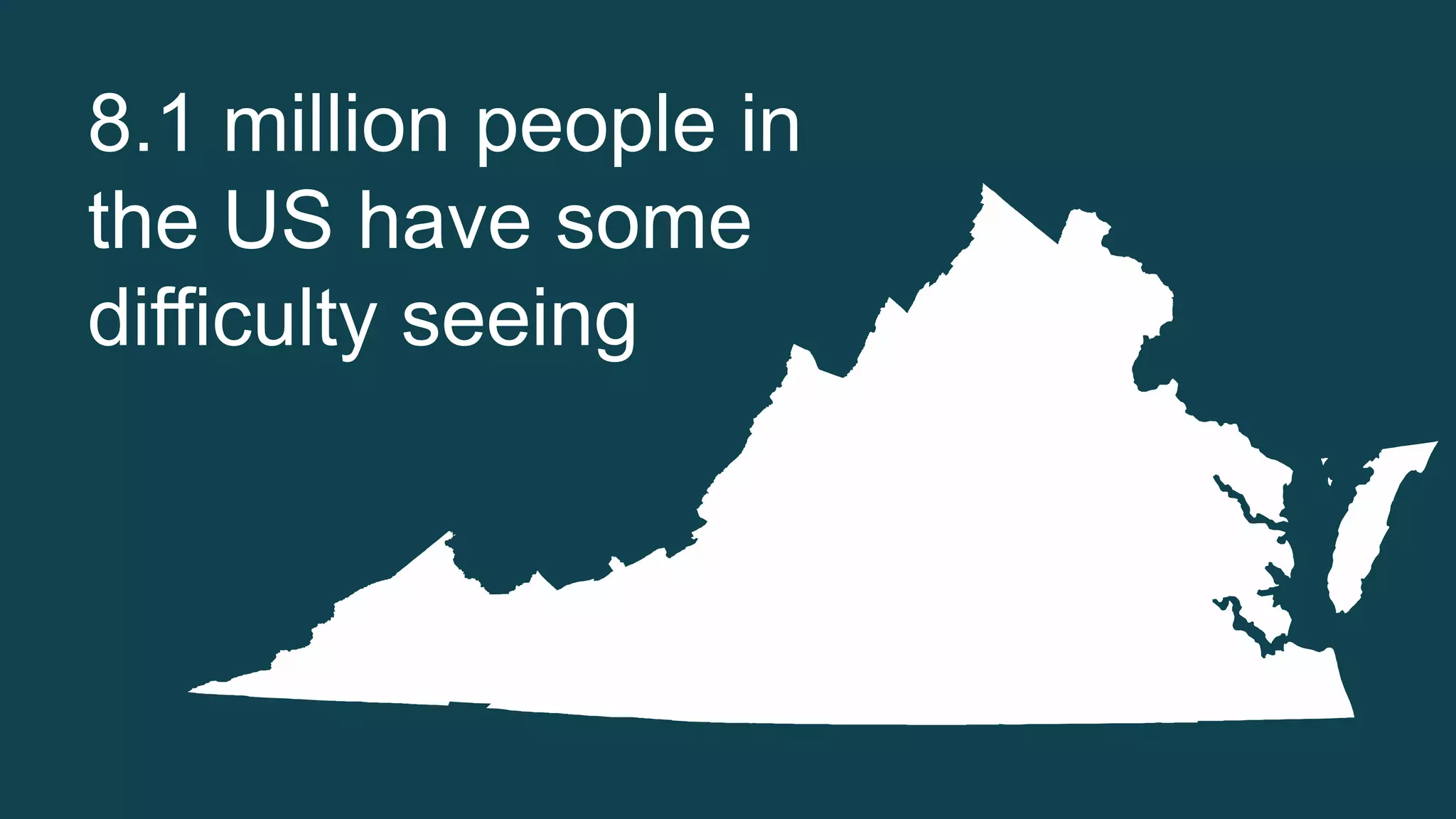
8.1 million people in 
the US have some 
difficulty seeing
Sister Daughter 
Brother 
Mother Me 
Father 
Husband 
Wife 
Colleague 
Friend 
Son
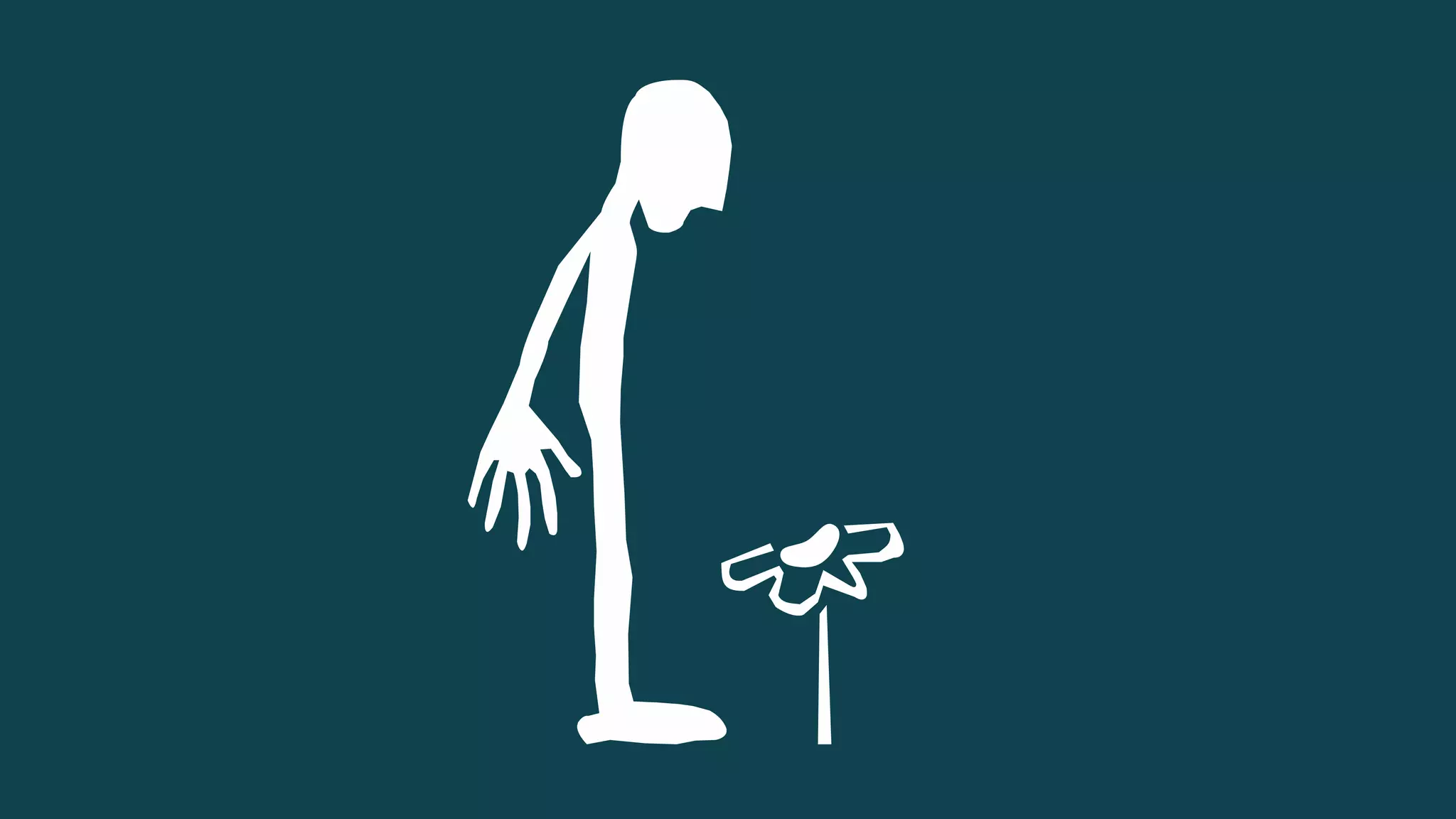
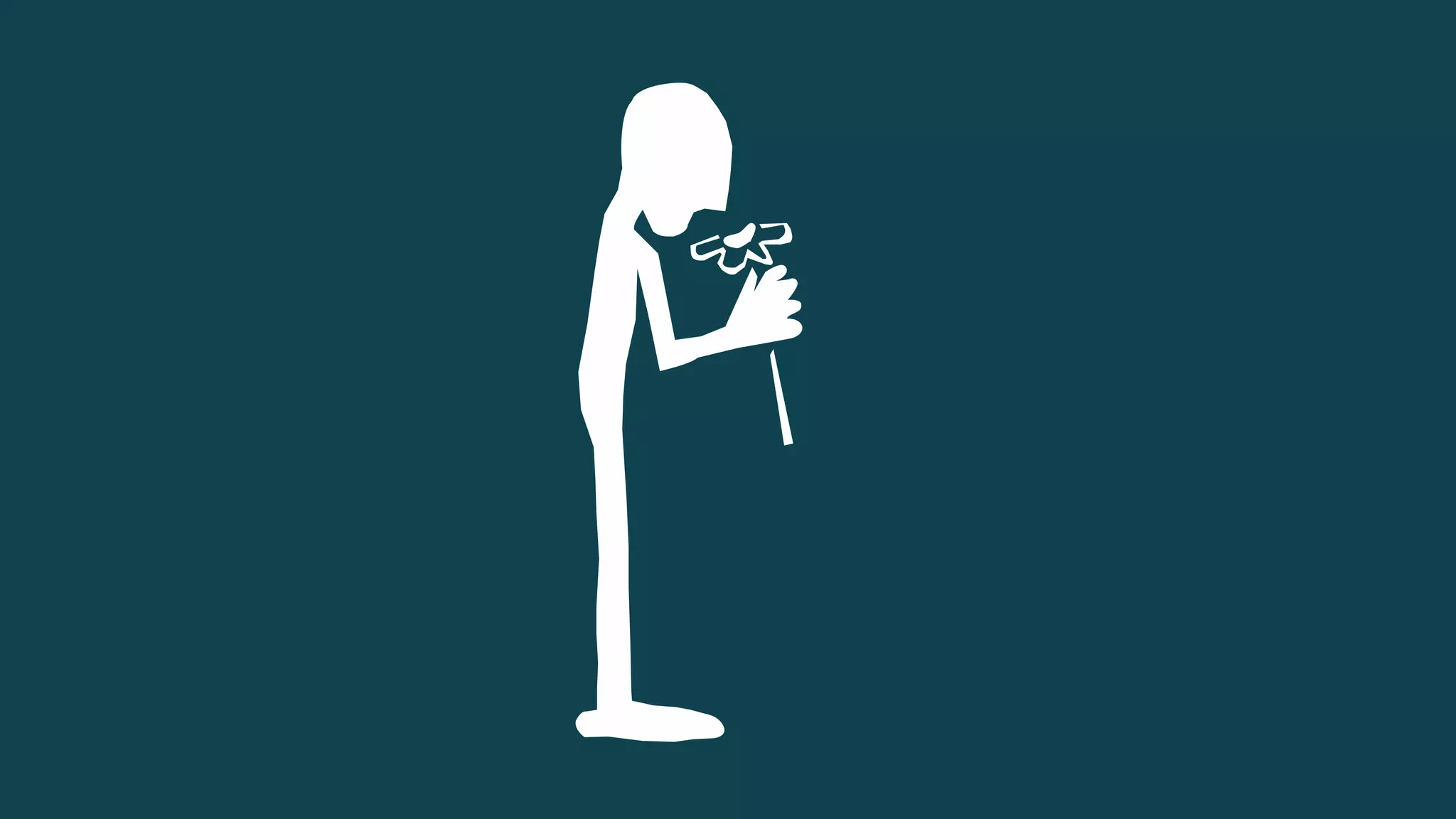
You feelin’ it?
We believe: 
Successful engagement with digital 
information and services is an individual and 
societal imperative
We believe: 
Reliance on digital technologies without due 
regard to accessible user experience could 
worsen social and economic exclusion
We believe: 
Inattention to accessibility fundamentally 
compromises quality and user experience
We believe: 
Truly advancing accessibility requires 
change, for people, processes, and 
technologies
We believe: 
We will all reap benefits if we collectively 
commit to accessibility and accessible user 
experiences
We recognize: 
Many environmental factors influence 
accessibility needs
We recognize: 
As human beings, our capabilities and 
preferences are unique and variable
We recognize: 
There is no easy and direct path toward 
accessibility
We recognize: 
The accessibility roadmap we have been 
following has shortcomings
We will: 
Build a culture of accessibility in every 
organization we work with
We will: 
Commit to helping all stakeholder groups 
understand accessibility
We will: 
Prioritize engagement with people with 
disabilities
We will: 
Commit to continuous improvement in 
knowledge and practice of accessible UX
We will: 
Focus on accessible UX as a commitment to 
making the best possible digital experiences 
for more people
Sarah Horton @gradualclearing 
David Sloan @sloandr
Joining Accessibility and UX for Accessible UX

Joining Accessibility and UX for Accessible UX

Editor's Notes

  • #3 This is at the root of accessibility, and of user experience.
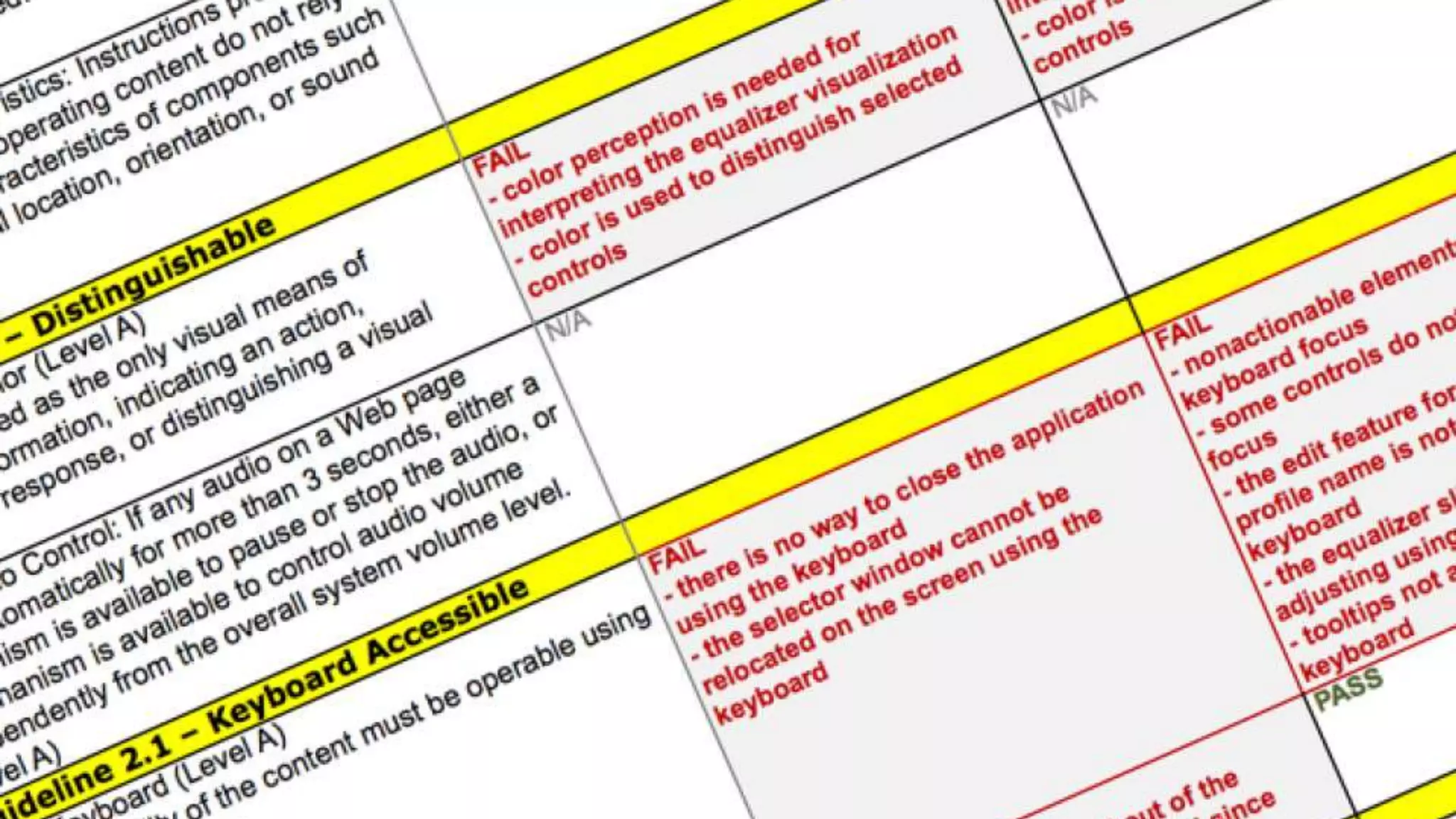
  • #4 When accessibility happens too late, and happens as an exercise in compliance, invariably the results are negative.
  • #5 Demoralising; demotivational; helplessness: “where do I start?”
  • #6 Let’s think about accessibility in a new way.
  • #7 There are several ways to motivate people to do more about accessibility, and embrace it as a real UX challenge.
  • #8 Motivation with data – and visualizing that data in a recognizable way. In this example, 8.1m is the population of the state of Virginia.
  • #9 Motivation through a personal connection – you or someone you know will benefit from accessibility.
  • #10 Motivation through watching someone benefit from accessible technology. Example – using an app to check public transport timetable and location info, and accessibility of stations.
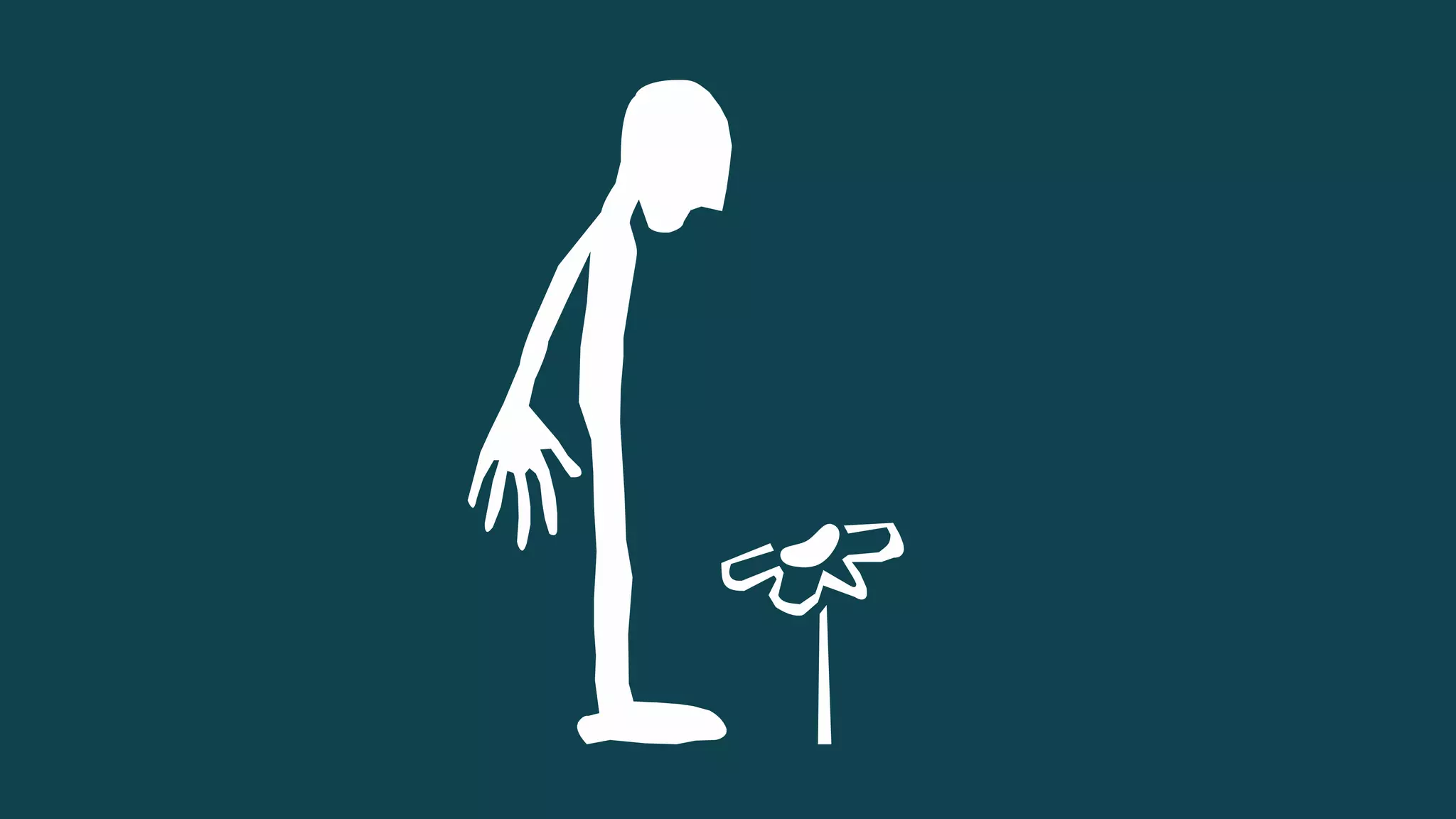
  • #11 Motivation through watching someone experience problems trying to use a system – maybe one you have a personal involvement in producing and can act on to improve things.
  • #14 Let’s set out some basic ideas of where we are, and where we could be.