Pattern recognition algorithms generally aim to provide a reasonable
answer for all possible inputs and to perform "most likely" matching of
the inputs, taking into account their statistical variation. This is
opposed to pattern matching algorithms, which look for exact matches
in the input with pre-existing patterns.
Pattern recognition is studied in many fields,
including psychology, psychiatry, ethology, cognitive
science, traffic flow and computer science.
 Pattern recognition is generally categorized according
to the types of learning procedure used to generate
output values.
 learning procedure used to generate the output value.
 Unlabeled data:- This basically consist of sample of
natural or human created artifact that can be obtained
easily. e.g photograph, video ,audio.
 Labeled data:- It typically takes set of unlabeled data
and augments it with some tag or class or label. e.g
whether a photograph contain a man or woman. Or
what kind of action are taken in video.
 Learning machine basically consist of set of algorithm
that gradually learns from a set of input data and
predict an output.
e.g 1. Keyboard found on smart phone can learn from
the words which we type and suggest us a set of words
based on our writing pattern.
 The unsupervised equivalent of classification is normally known
as clustering. Supervised vs Unsupervised learning
 Supervised learning assumes that a set of training data (the training
set) has been provided, consisting of a set of instances that have been
properly labeled by hand with the correct output.
 Unsupervised learning, on the other hand, assumes training data that
has not been hand-labeled, and attempts to find inherent patterns in
the data that can then be used to determine the correct output value for
new data instances.
 A combination of the two that has recently been explored is semi-
supervised learning, which uses a combination of labeled and
unlabeled data (typically a small set of labeled data combined with a
large amount of unlabeled data). Note that in cases of unsupervised
learning, there may be no training data at all to speak of; in other
words, the data to be labeled is the training data.
 Algorithms for pattern recognition depend on the type
of label output, on whether learning is supervised or
unsupervised, and on whether the algorithm is
statistical or non-statistical in nature. Statistical
algorithms can further be categorized as generative or
discriminate.
 Many common pattern recognition algorithms are
probabilistic in nature.
 They use statistical interference to find the best
label for a given instance.
 Probabilistic algorithms have many advantages over
non-probabilistic algorithms.
 They output a confidence value associated with their
choice.
 They can abstain when the confidence of choosing
any particular output is too low.
 Feature Selection algorithms, attempt to directly prune
out redundant or irrelevant features.
 The complexity of feature-selection is, because of its non-
monotonous character.
 Techniques to transform the raw feature extraction are
sometimes used prior to application of the pattern-
matching algorithm.
 The distinction between feature selectionand feature
extraction is that the resulting features after feature
extraction has taken place are of a different sort than the
original features and may not easily be interpretable, while
the features left after feature selection are simply a subset
of the original features.
 Within medical science, pattern recognition is the basis
for computer-aided diagnosis(CAD) systems. CAD
describes a procedure that supports the doctor's
interpretations and findings.
 Pattern recognition techniques are automatic speech
recognition,
 Classification of text into several categories(e.g.,
spam/non-spam email messages),
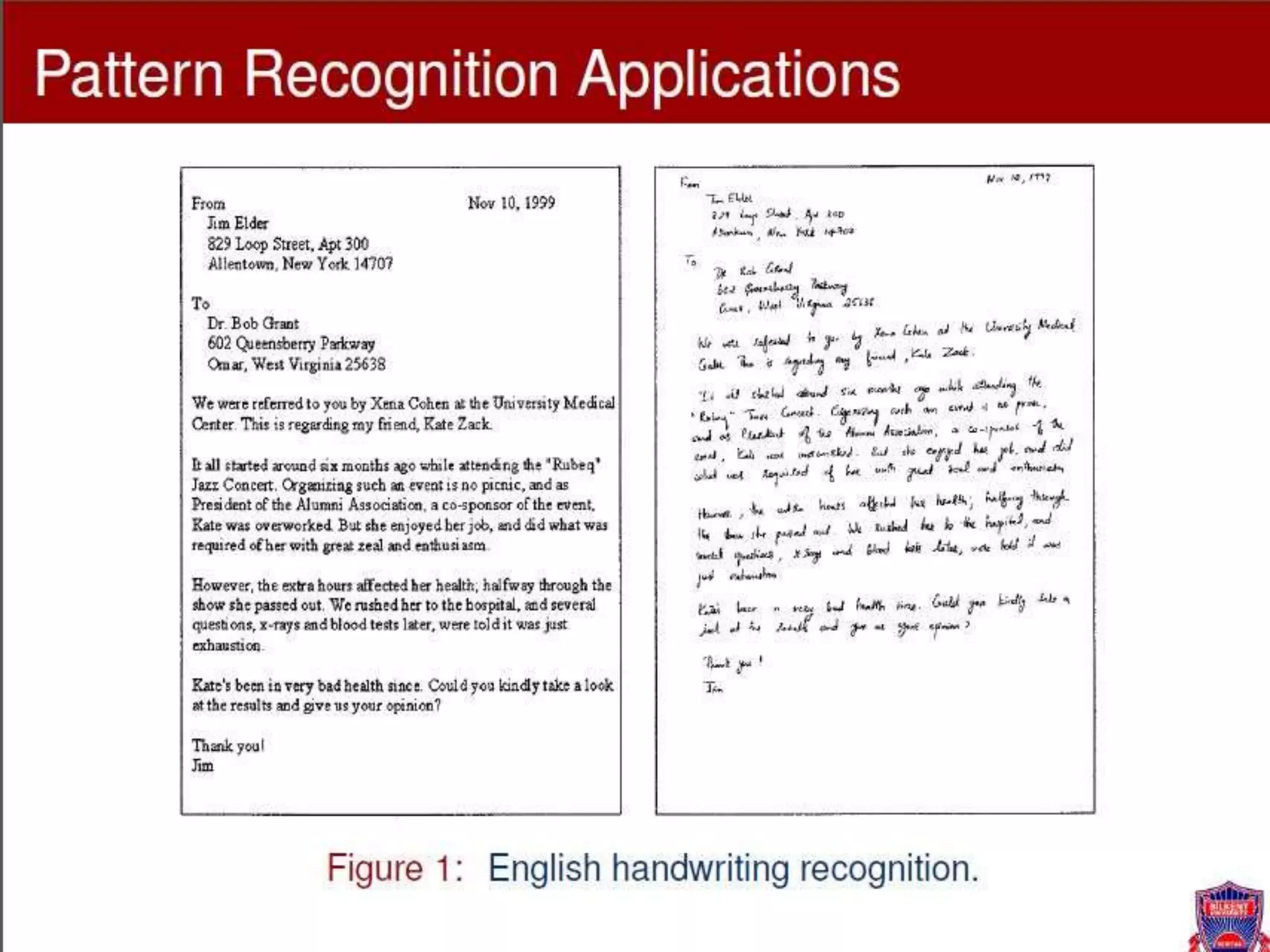
 the Automatic recognition of handwritten postal codes on
postal envelopes, automatic recognition of images of
human faces, or handwriting image extraction from
medical forms.
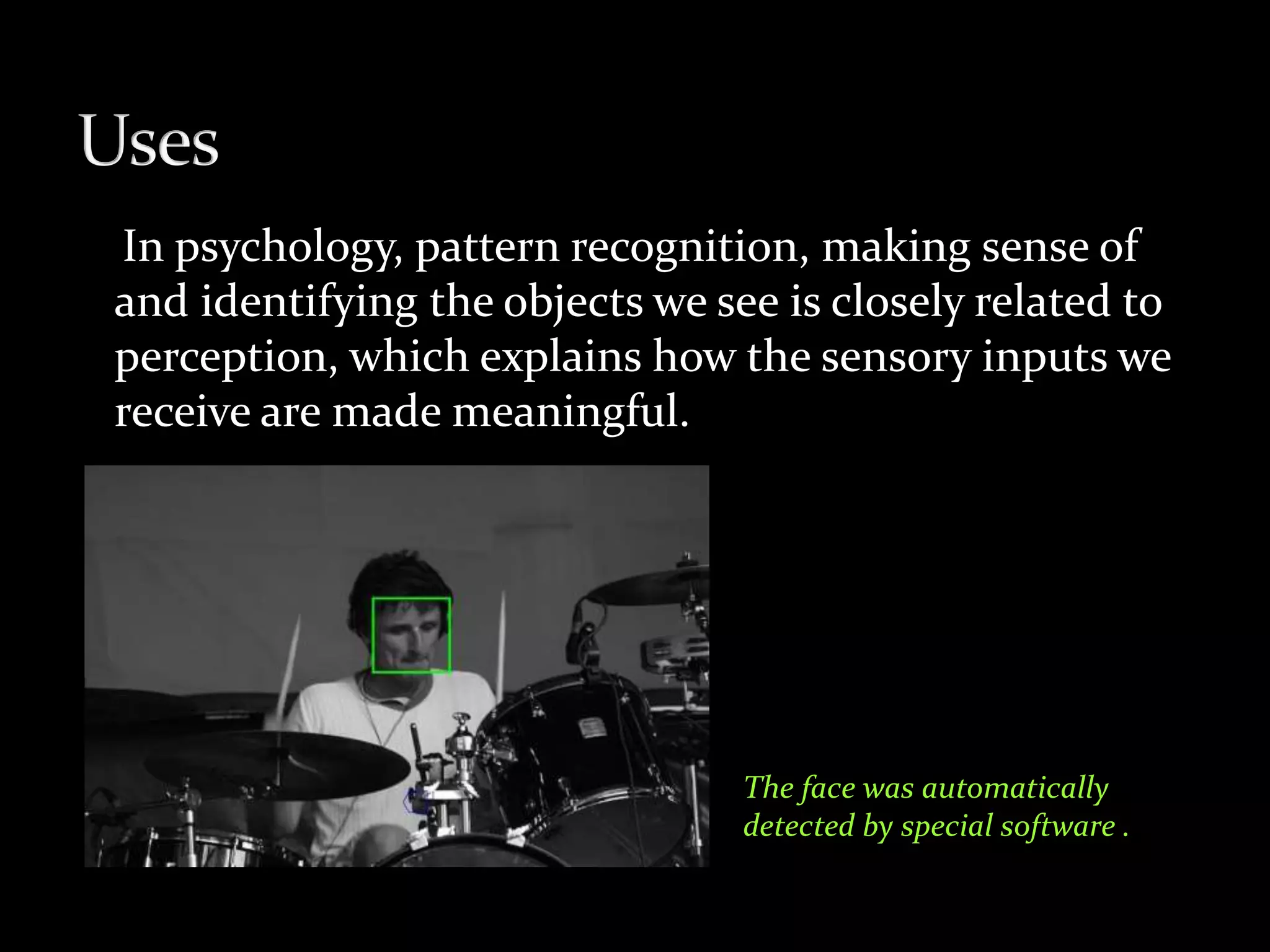
In psychology, pattern recognition, making sense of
and identifying the objects we see is closely related to
perception, which explains how the sensory inputs we
receive are made meaningful.
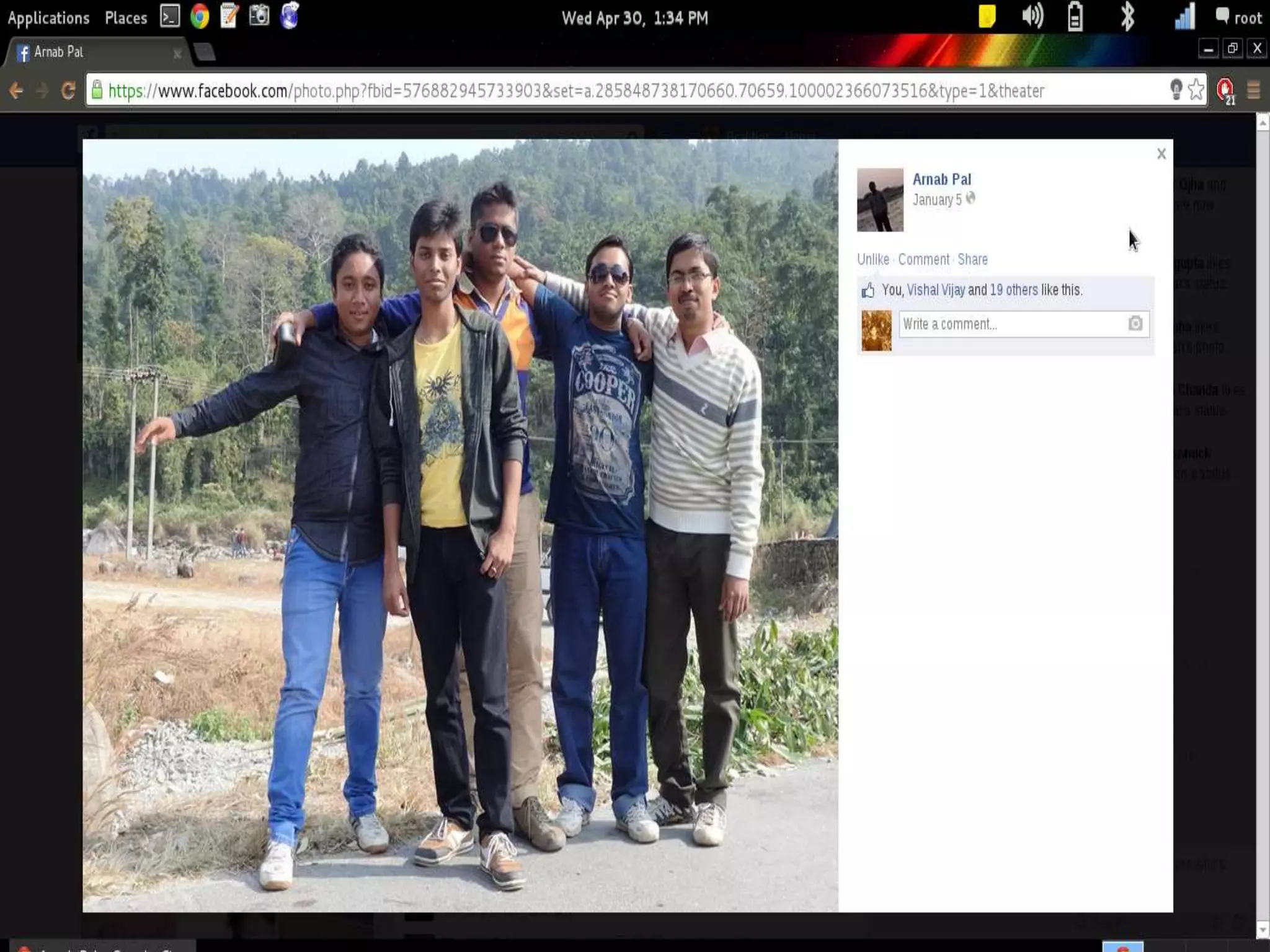
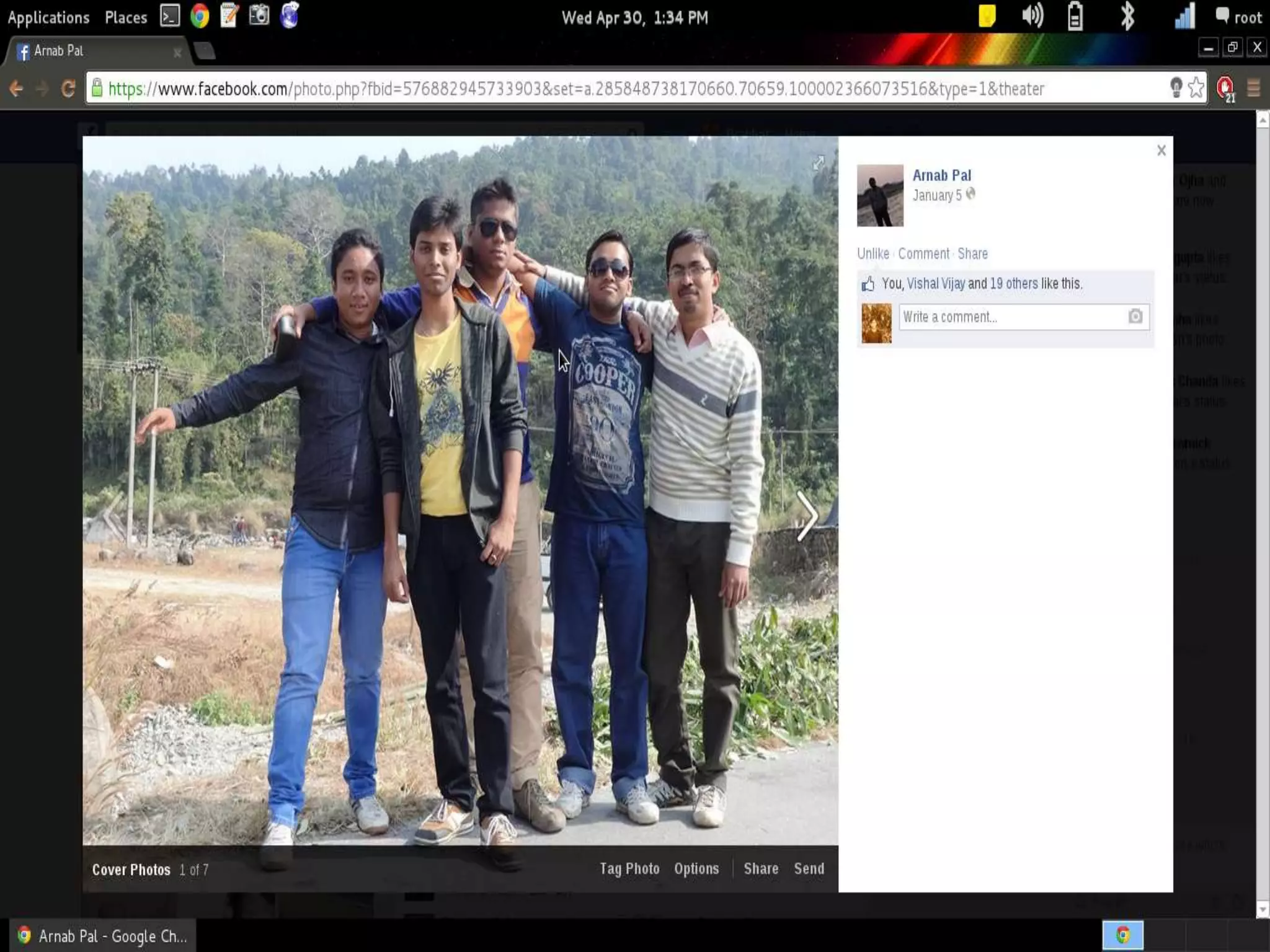
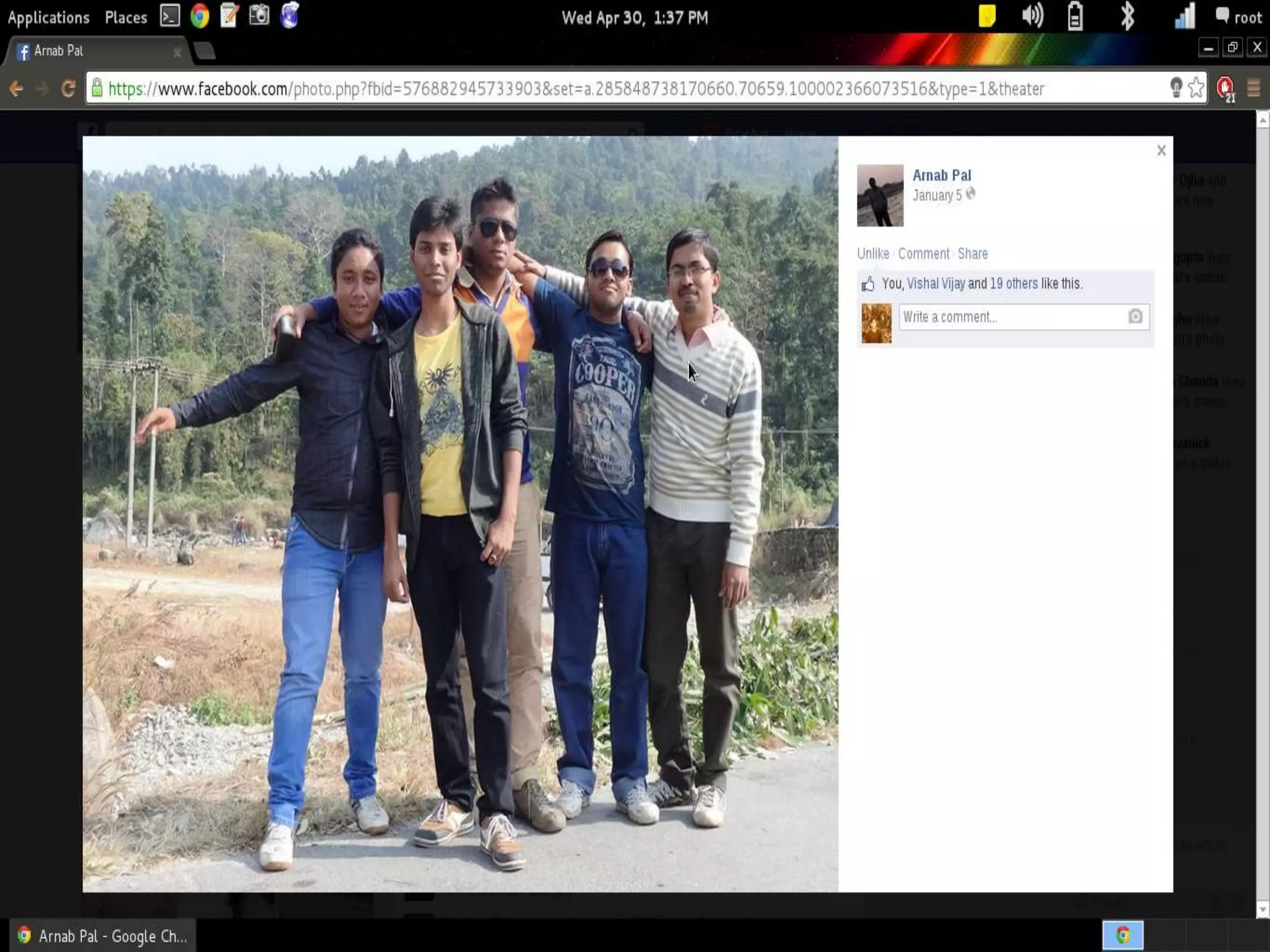
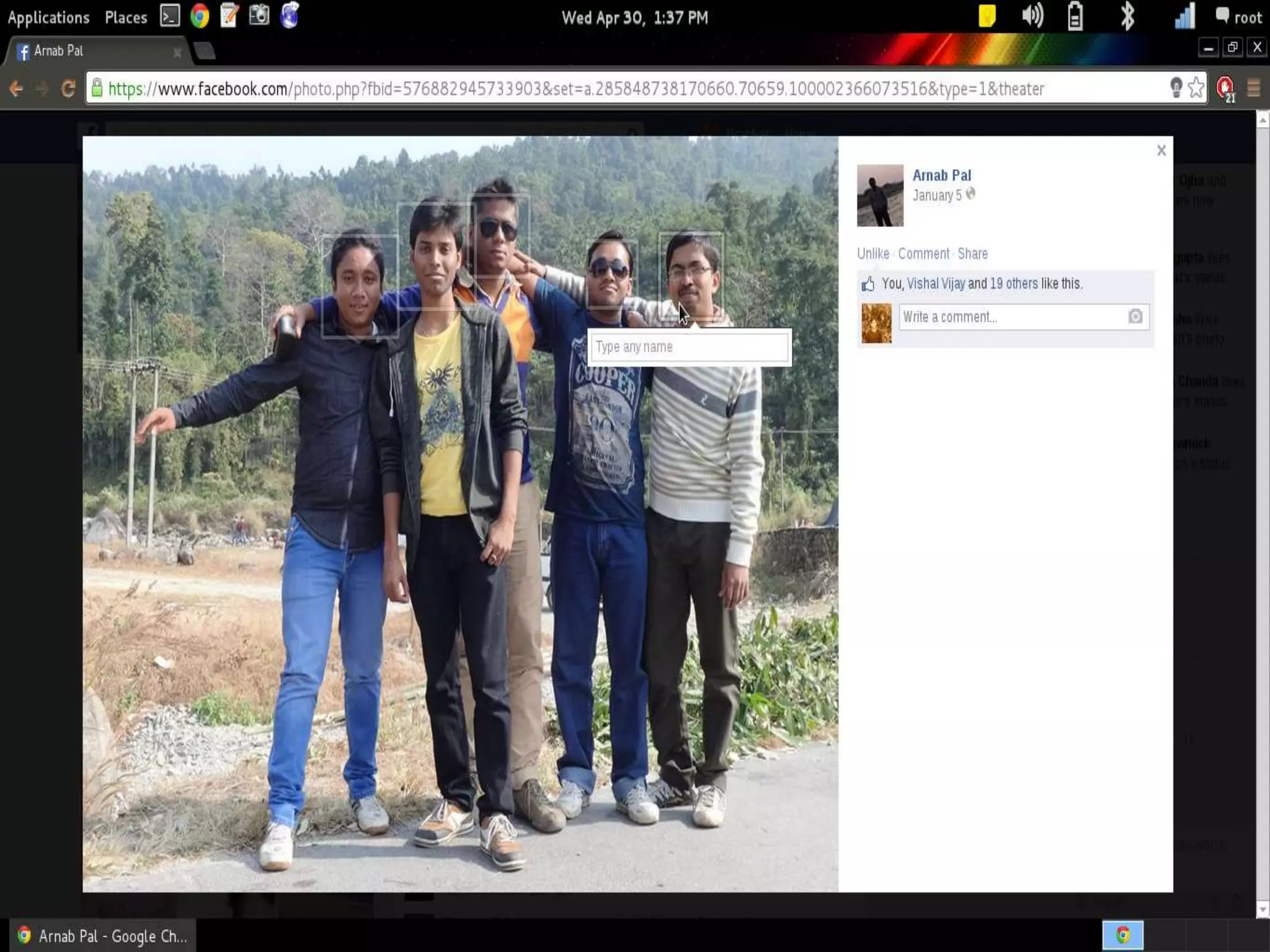
The face was automatically
detected by special software .
Optical character recognition is a classic example of
the application of a pattern classifier.
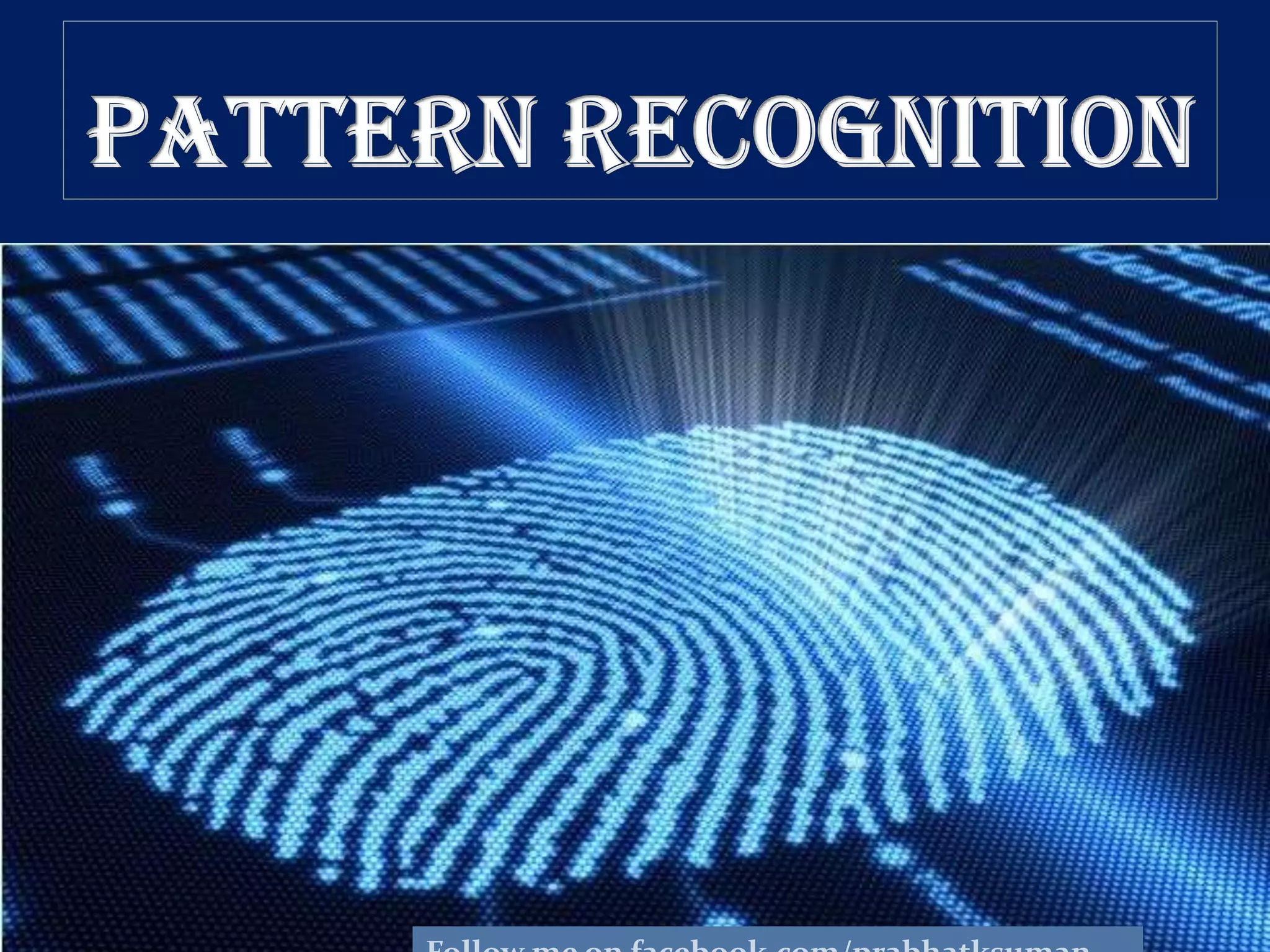
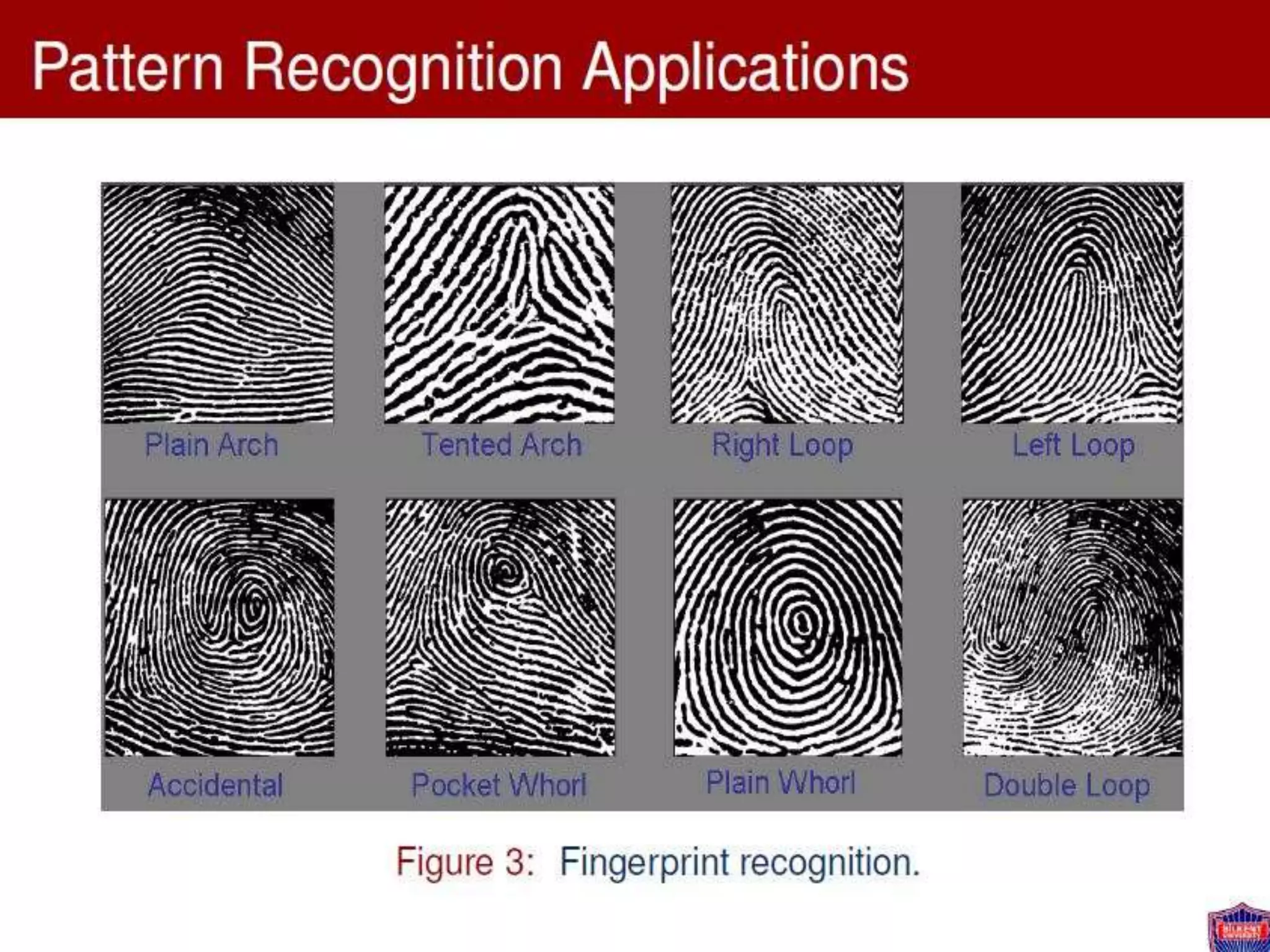
identification and authentication: e.g., license plate
recognition, fingerprint analysis and face
detection/verification.
Pattern recognition

Pattern recognition

  • 2.
    Pattern recognition algorithmsgenerally aim to provide a reasonable answer for all possible inputs and to perform "most likely" matching of the inputs, taking into account their statistical variation. This is opposed to pattern matching algorithms, which look for exact matches in the input with pre-existing patterns.
  • 3.
    Pattern recognition isstudied in many fields, including psychology, psychiatry, ethology, cognitive science, traffic flow and computer science.
  • 8.
     Pattern recognitionis generally categorized according to the types of learning procedure used to generate output values.  learning procedure used to generate the output value.  Unlabeled data:- This basically consist of sample of natural or human created artifact that can be obtained easily. e.g photograph, video ,audio.  Labeled data:- It typically takes set of unlabeled data and augments it with some tag or class or label. e.g whether a photograph contain a man or woman. Or what kind of action are taken in video.
  • 9.
     Learning machinebasically consist of set of algorithm that gradually learns from a set of input data and predict an output. e.g 1. Keyboard found on smart phone can learn from the words which we type and suggest us a set of words based on our writing pattern.
  • 10.
     The unsupervisedequivalent of classification is normally known as clustering. Supervised vs Unsupervised learning  Supervised learning assumes that a set of training data (the training set) has been provided, consisting of a set of instances that have been properly labeled by hand with the correct output.  Unsupervised learning, on the other hand, assumes training data that has not been hand-labeled, and attempts to find inherent patterns in the data that can then be used to determine the correct output value for new data instances.  A combination of the two that has recently been explored is semi- supervised learning, which uses a combination of labeled and unlabeled data (typically a small set of labeled data combined with a large amount of unlabeled data). Note that in cases of unsupervised learning, there may be no training data at all to speak of; in other words, the data to be labeled is the training data.
  • 12.
     Algorithms forpattern recognition depend on the type of label output, on whether learning is supervised or unsupervised, and on whether the algorithm is statistical or non-statistical in nature. Statistical algorithms can further be categorized as generative or discriminate.
  • 13.
     Many commonpattern recognition algorithms are probabilistic in nature.  They use statistical interference to find the best label for a given instance.  Probabilistic algorithms have many advantages over non-probabilistic algorithms.  They output a confidence value associated with their choice.  They can abstain when the confidence of choosing any particular output is too low.
  • 14.
     Feature Selectionalgorithms, attempt to directly prune out redundant or irrelevant features.  The complexity of feature-selection is, because of its non- monotonous character.  Techniques to transform the raw feature extraction are sometimes used prior to application of the pattern- matching algorithm.  The distinction between feature selectionand feature extraction is that the resulting features after feature extraction has taken place are of a different sort than the original features and may not easily be interpretable, while the features left after feature selection are simply a subset of the original features.
  • 15.
     Within medicalscience, pattern recognition is the basis for computer-aided diagnosis(CAD) systems. CAD describes a procedure that supports the doctor's interpretations and findings.  Pattern recognition techniques are automatic speech recognition,  Classification of text into several categories(e.g., spam/non-spam email messages),  the Automatic recognition of handwritten postal codes on postal envelopes, automatic recognition of images of human faces, or handwriting image extraction from medical forms.
  • 16.
    In psychology, patternrecognition, making sense of and identifying the objects we see is closely related to perception, which explains how the sensory inputs we receive are made meaningful. The face was automatically detected by special software .
  • 17.
    Optical character recognitionis a classic example of the application of a pattern classifier. identification and authentication: e.g., license plate recognition, fingerprint analysis and face detection/verification.