 Legal concept i.e. breach of law
 All civilized societies have codified penal
codes what constitute crime.
 These penal codes have explained
punishment for particular crime.
 Punishment should be delivered to culprit
and innocent should be saved that’s
why Criminal Investigations are done
with help of forensic scientific methods to
apprehend criminals.
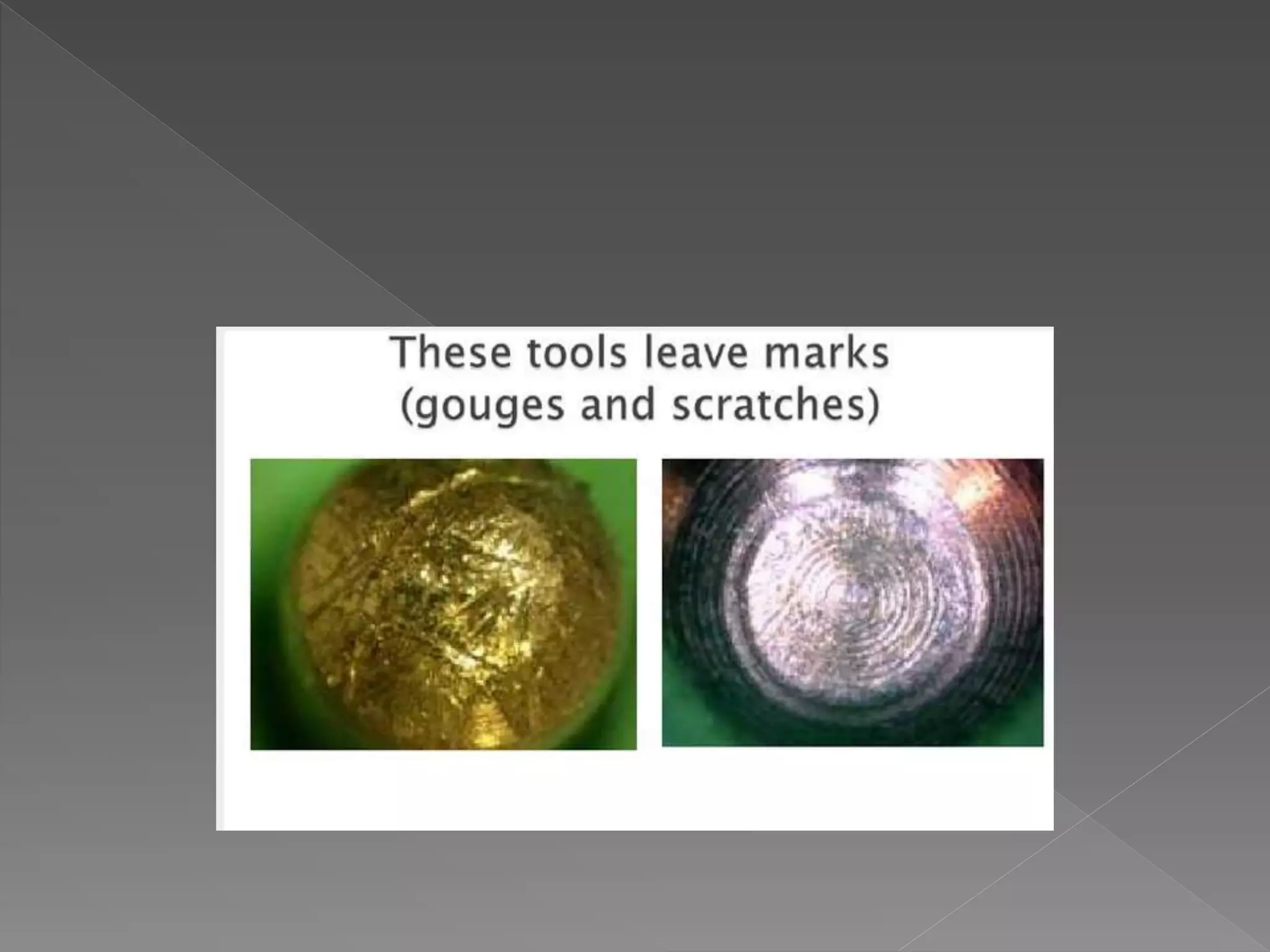
 A tool mark is defined as the mark left by
the forcible contact of any implement
with a softer surface. The nature and
quality of the tool mark can be
determined by;
 Relative hardness
 Magnitude of force applied
 Relative motion of one surface over the
other
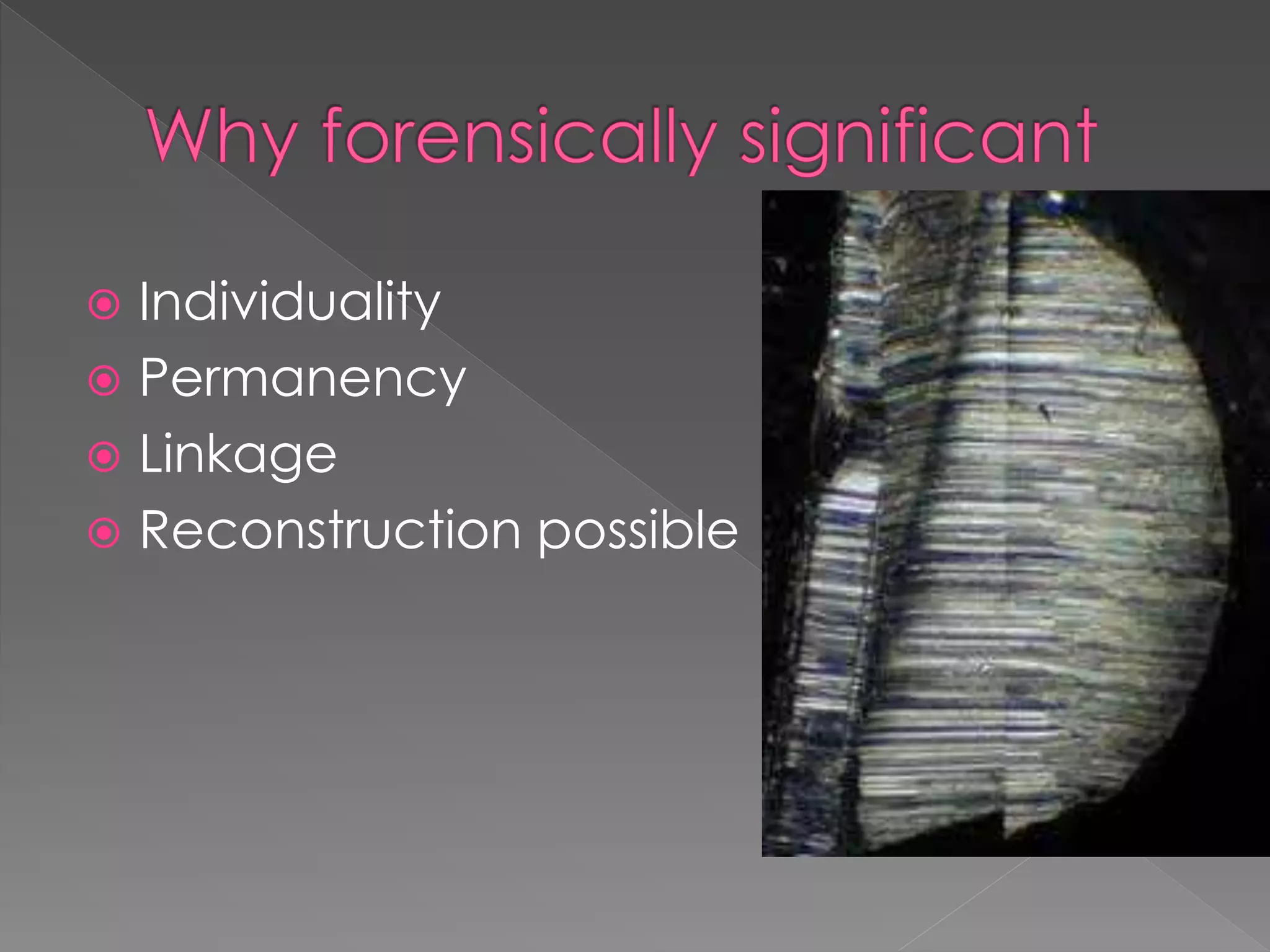
 Individuality
 Permanency
 Linkage
 Reconstruction possible
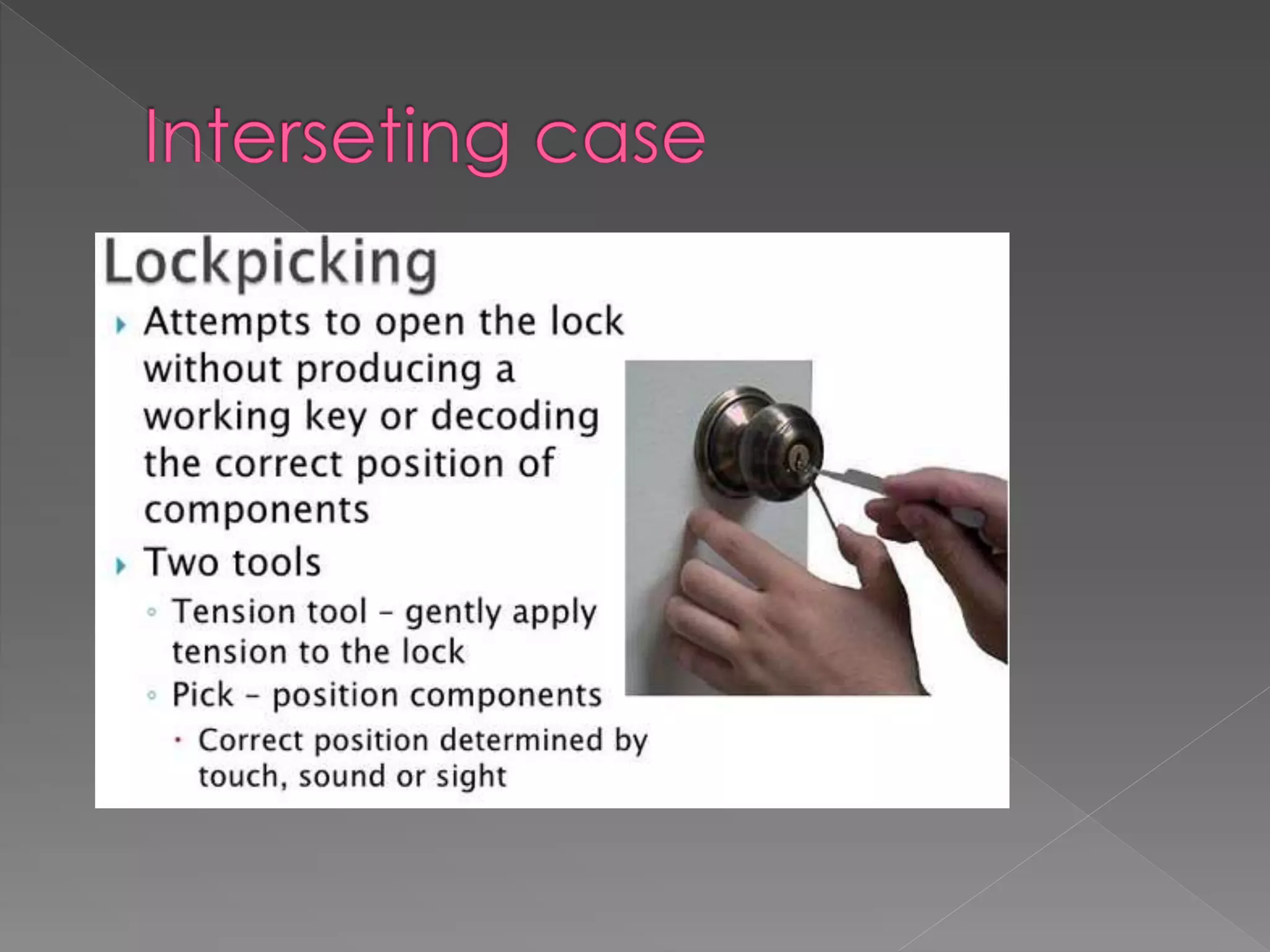
 Criminal often uses some sort of tools to
commit crimes
Like:
 Entering a house
 Steeling electric wires
 Hit and run cases
 Removal of expensive parts from
vehicles
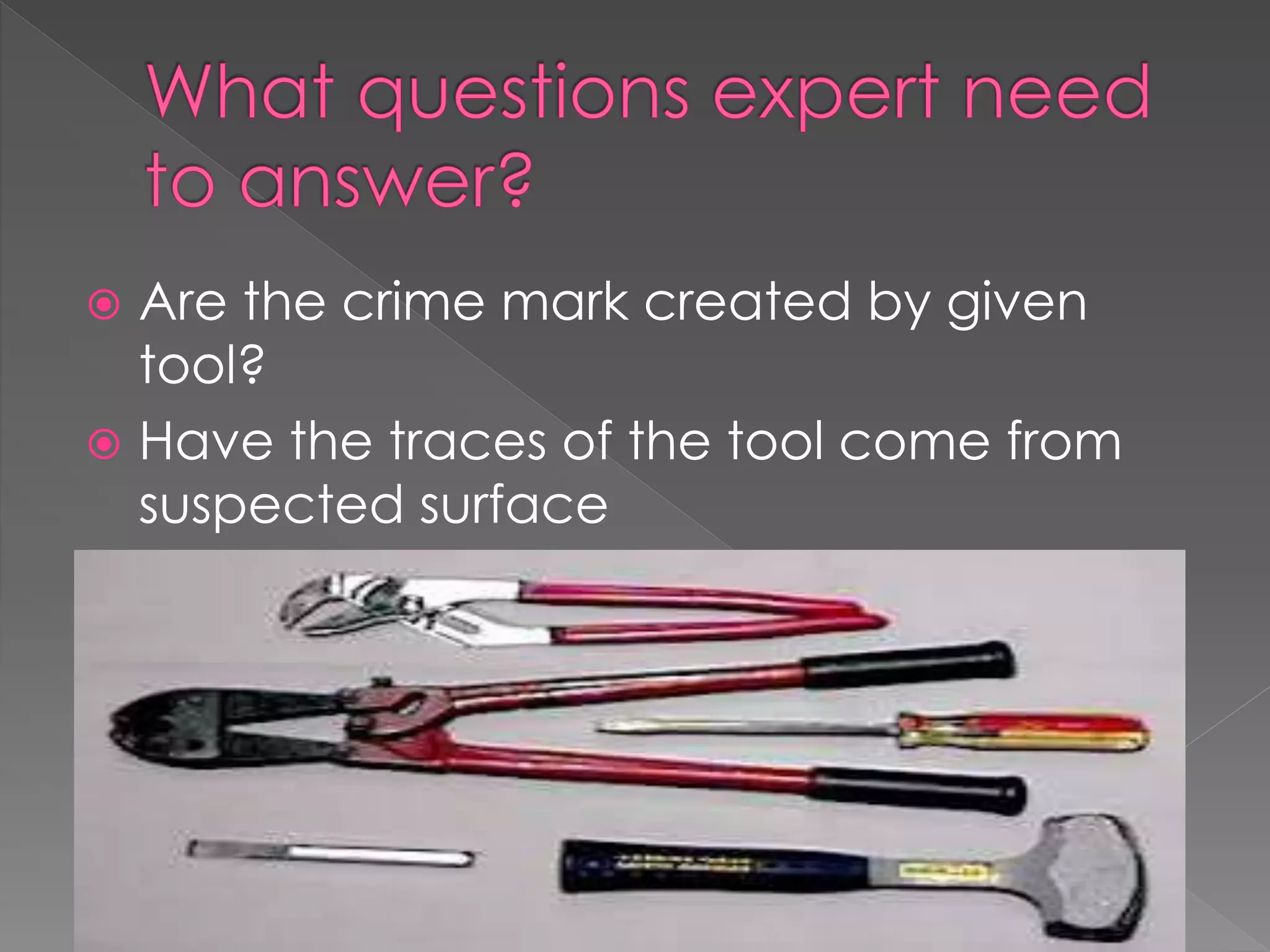
 Are the crime mark created by given
tool?
 Have the traces of the tool come from
suspected surface
person A said he was just trying to frigten
the victim by aiming a loaded gun. But
person B gave a sword blow due to
which shot was fired…….
What do u thing what can help in these
kind of cases…..
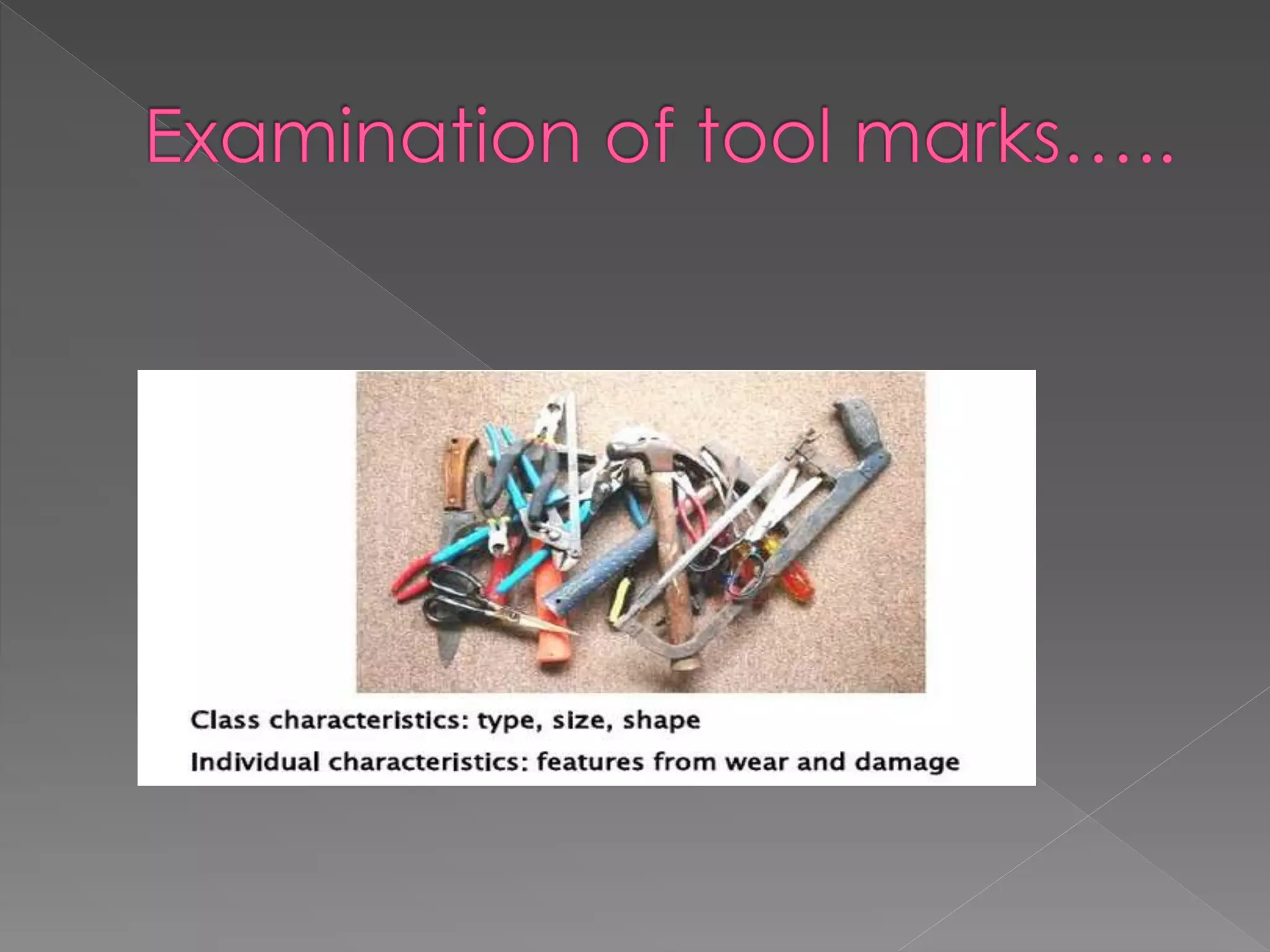
 Screw driver
 Ghost key master key
 Axe
 Saw
 Drill
 Shovel spade
 Crow bars
 Wire cutters
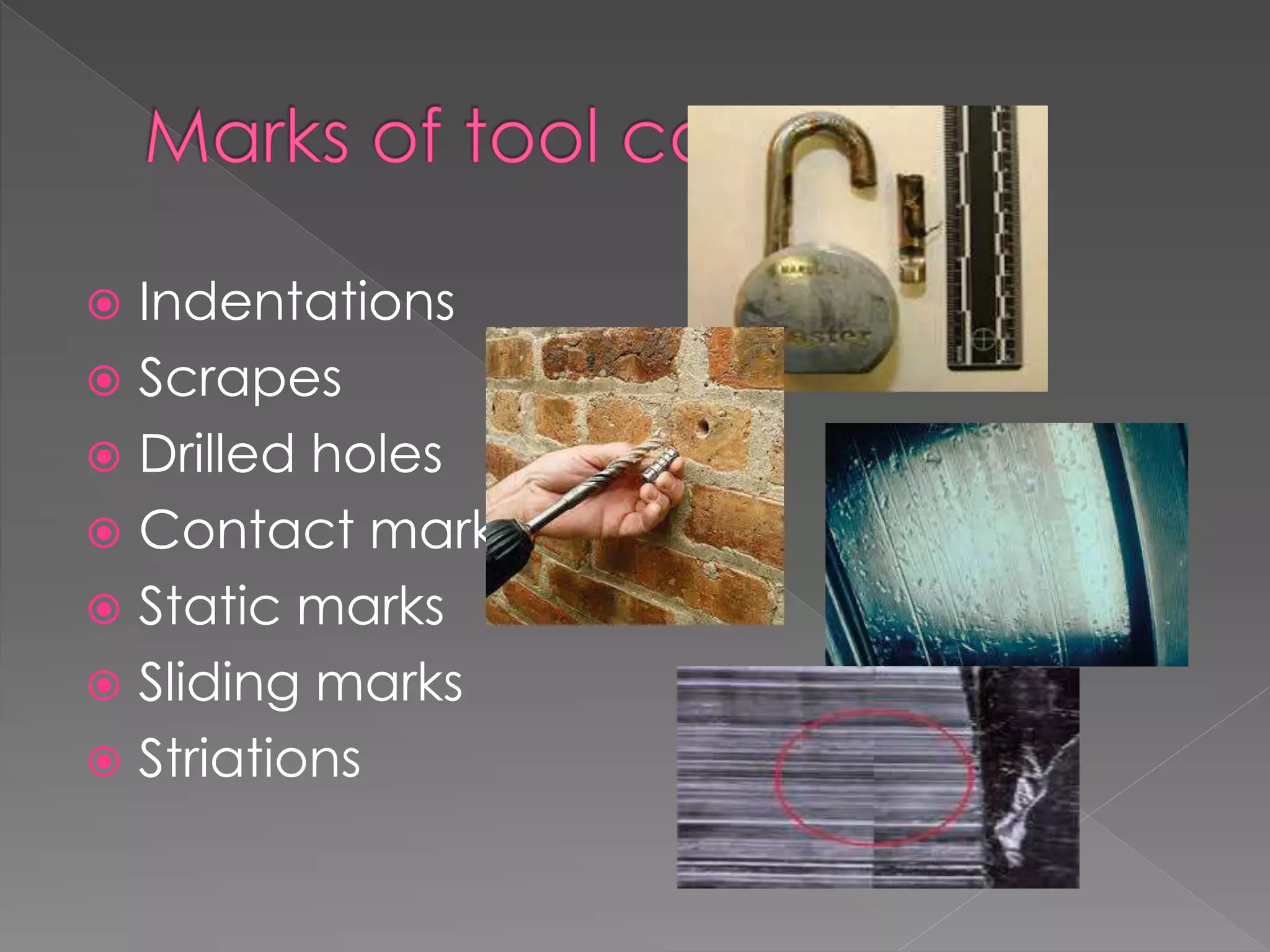
 Indentations
 Scrapes
 Drilled holes
 Contact marks
 Static marks
 Sliding marks
 Striations
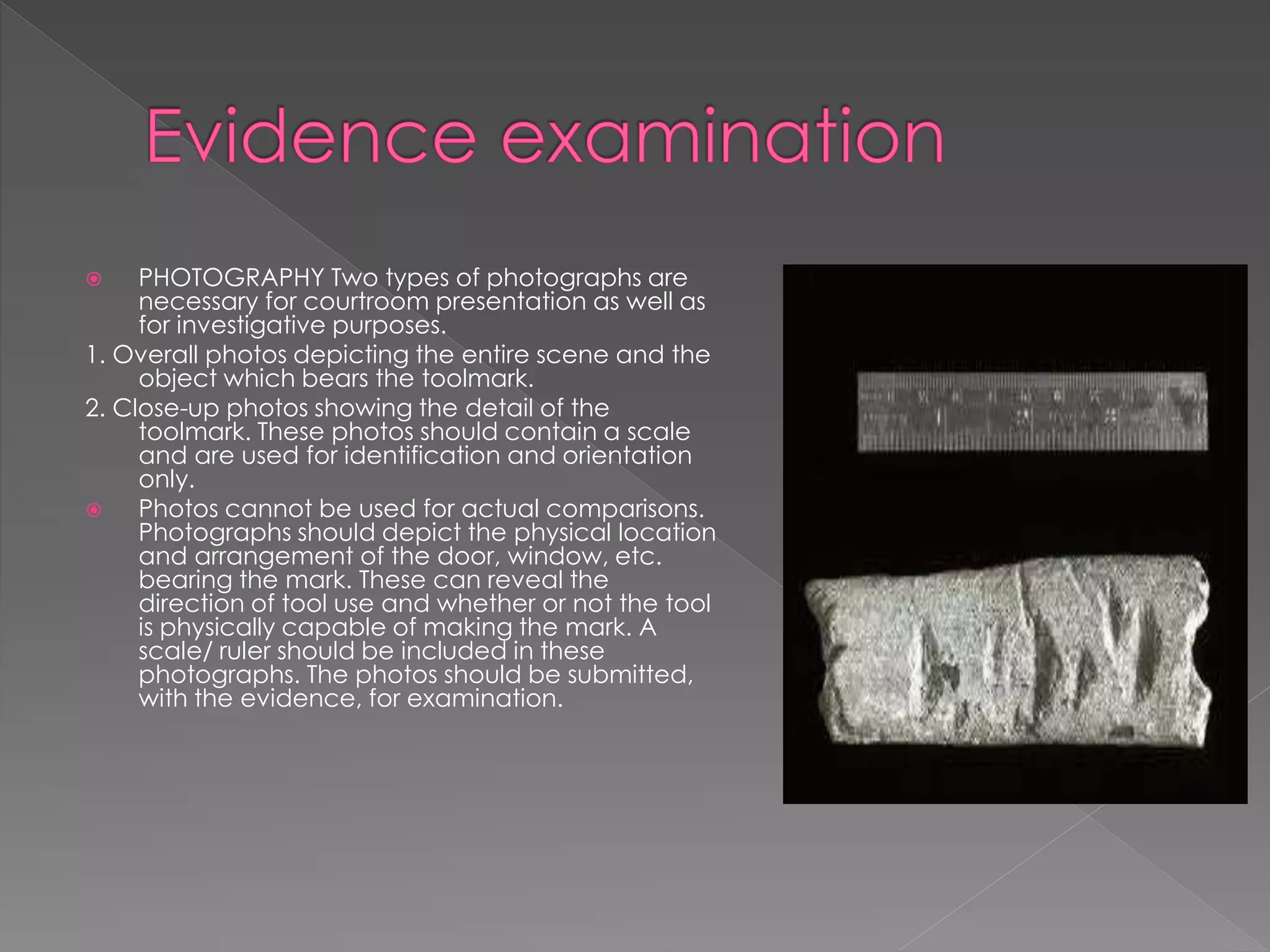
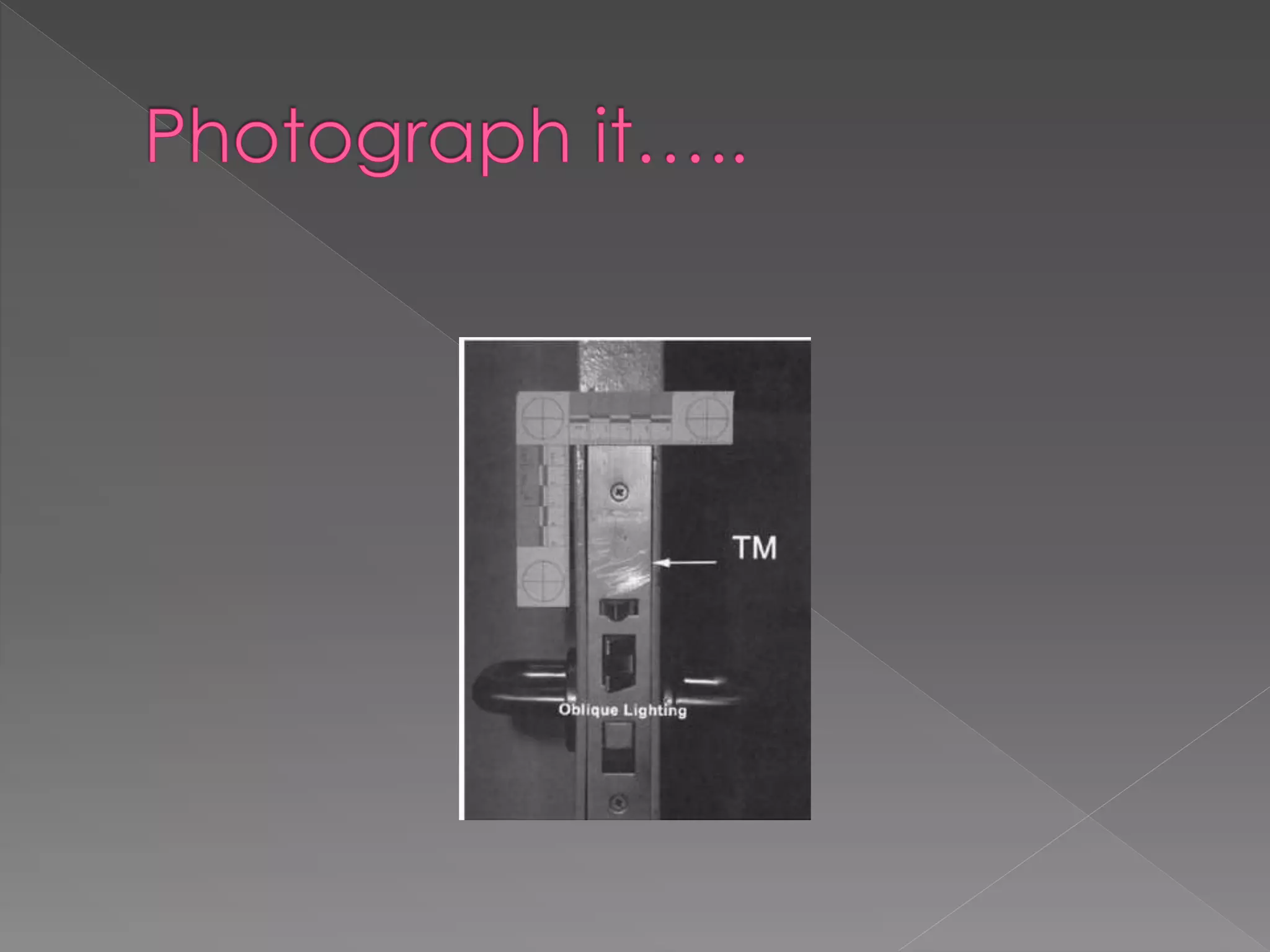
 PHOTOGRAPHY Two types of photographs are
necessary for courtroom presentation as well as
for investigative purposes.
1. Overall photos depicting the entire scene and the
object which bears the toolmark.
2. Close-up photos showing the detail of the
toolmark. These photos should contain a scale
and are used for identification and orientation
only.
 Photos cannot be used for actual comparisons.
Photographs should depict the physical location
and arrangement of the door, window, etc.
bearing the mark. These can reveal the
direction of tool use and whether or not the tool
is physically capable of making the mark. A
scale/ ruler should be included in these
photographs. The photos should be submitted,
with the evidence, for examination.
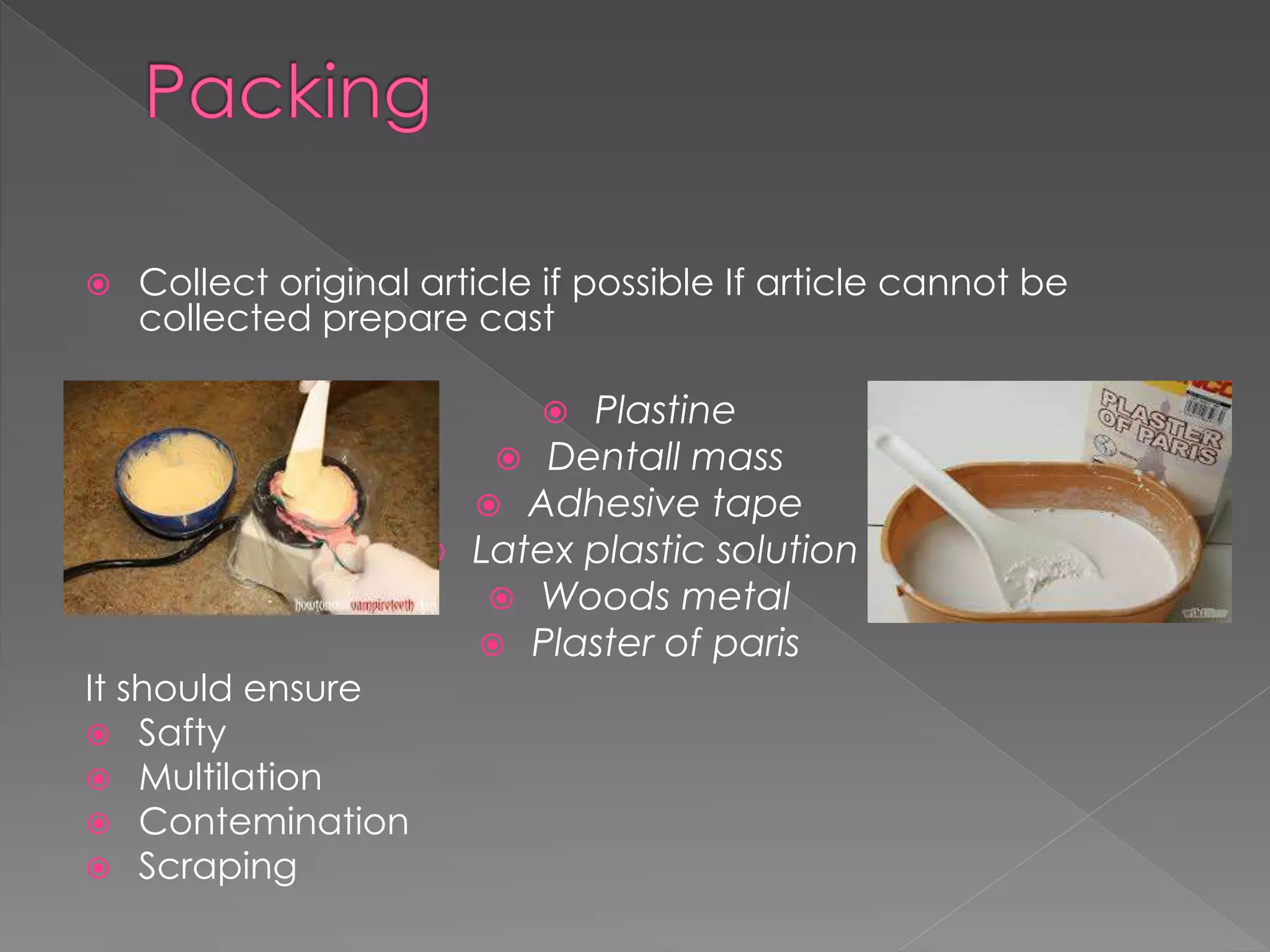
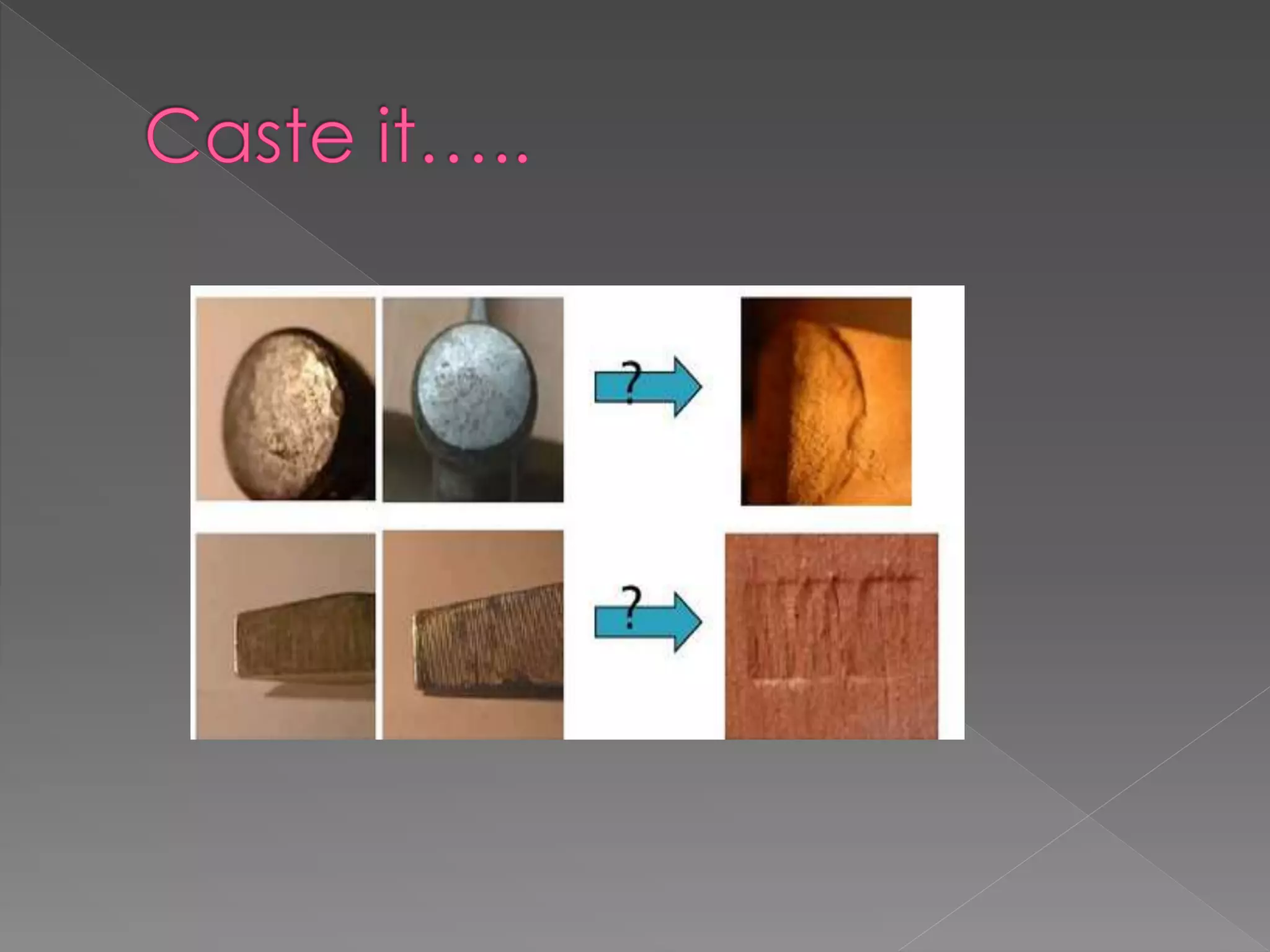
 Collect original article if possible If article cannot be
collected prepare cast
 Plastine
 Dentall mass
 Adhesive tape
 Latex plastic solution
 Woods metal
 Plaster of paris
It should ensure
 Safty
 Multilation
 Contemination
 Scraping
 Test marks are prepared by varying
angle from 15 degree
 Mechanical fit
 Side by side matching
 Composite match
 Juxtaposition match
 Super imposition
Thank you so much

Tool marks and its forensic significance

  • 2.
     Legal concepti.e. breach of law  All civilized societies have codified penal codes what constitute crime.  These penal codes have explained punishment for particular crime.
  • 3.
     Punishment shouldbe delivered to culprit and innocent should be saved that’s why Criminal Investigations are done with help of forensic scientific methods to apprehend criminals.
  • 4.
     A toolmark is defined as the mark left by the forcible contact of any implement with a softer surface. The nature and quality of the tool mark can be determined by;  Relative hardness  Magnitude of force applied  Relative motion of one surface over the other
  • 5.
     Individuality  Permanency Linkage  Reconstruction possible
  • 6.
     Criminal oftenuses some sort of tools to commit crimes Like:  Entering a house  Steeling electric wires  Hit and run cases  Removal of expensive parts from vehicles
  • 7.
     Are thecrime mark created by given tool?  Have the traces of the tool come from suspected surface
  • 8.
    person A saidhe was just trying to frigten the victim by aiming a loaded gun. But person B gave a sword blow due to which shot was fired……. What do u thing what can help in these kind of cases…..
  • 9.
     Screw driver Ghost key master key  Axe  Saw  Drill  Shovel spade  Crow bars  Wire cutters
  • 10.
     Indentations  Scrapes Drilled holes  Contact marks  Static marks  Sliding marks  Striations
  • 11.
     PHOTOGRAPHY Twotypes of photographs are necessary for courtroom presentation as well as for investigative purposes. 1. Overall photos depicting the entire scene and the object which bears the toolmark. 2. Close-up photos showing the detail of the toolmark. These photos should contain a scale and are used for identification and orientation only.  Photos cannot be used for actual comparisons. Photographs should depict the physical location and arrangement of the door, window, etc. bearing the mark. These can reveal the direction of tool use and whether or not the tool is physically capable of making the mark. A scale/ ruler should be included in these photographs. The photos should be submitted, with the evidence, for examination.
  • 12.
     Collect originalarticle if possible If article cannot be collected prepare cast  Plastine  Dentall mass  Adhesive tape  Latex plastic solution  Woods metal  Plaster of paris It should ensure  Safty  Multilation  Contemination  Scraping
  • 13.
     Test marksare prepared by varying angle from 15 degree
  • 17.
     Mechanical fit Side by side matching  Composite match  Juxtaposition match  Super imposition
  • 20.