Zhou Dynasty
1027-256 B.C.E
   Textbook pages 80-82
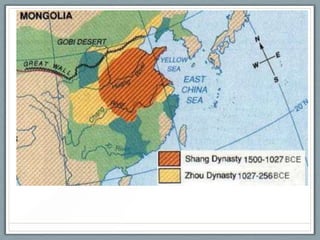
Zhou Conquers Shang

• 1027- around this time, Zhou replaced Shang
  Dynasty

• Zhou defended their attack on the Shang said
  the Shang lost the Mandate of Heaven

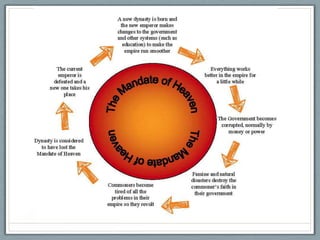
• Mandate of Heaven: idea that the emperor, the
  son of Heaven, has the support of the gods, as
  long as he rules correctly
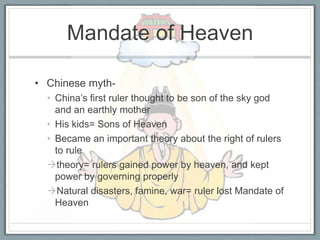
Mandate of Heaven

• Chinese myth-
  • China’s first ruler thought to be son of the sky god
    and an earthly mother
  • His kids= Sons of Heaven
  • Became an important theory about the right of rulers
    to rule
  theory= rulers gained power by heaven, and kept
    power by governing properly
  Natural disasters, famine, war= ruler lost Mandate of
    Heaven
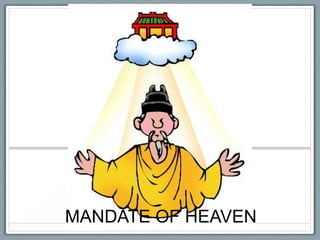
MANDATE OF HEAVEN
Feudal State

• Feudal state similar to Shang
  • Land divided into territories, that were ruled by lords
China Grows

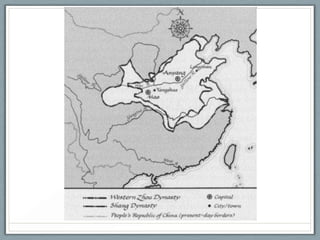
• Zhou extended Chinese boundaries through
  central China
  • As far south as Chang Jiang River
Social Classes

• Two classes: upper and lower
  • Upper class: kings and lords
  • Lower class: peasants, merchants, and artisans

• Monarchs acted as priest
  • Ancestor worship, important agricultural ceremonies
Culture

• Adopted Shang culture, but not as skilled
  • But because of Zhou Dynasty’s long rule, Chinese
    culture and technology developed to new heights
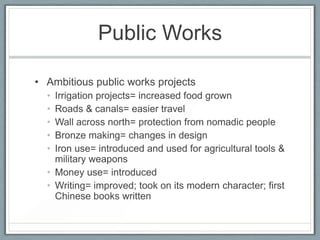
Public Works

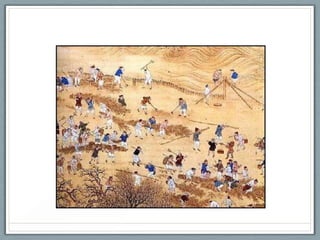
• Ambitious public works projects
  • Irrigation projects= increased food grown
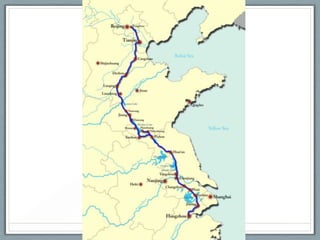
  • Roads & canals= easier travel
  • Wall across north= protection from nomadic people
  • Bronze making= changes in design
  • Iron use= introduced and used for agricultural tools &
    military weapons
  • Money use= introduced
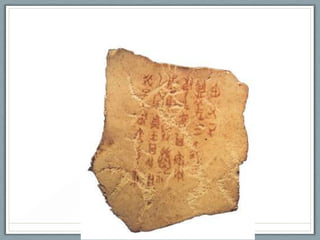
  • Writing= improved; took on its modern character; first
    Chinese books written
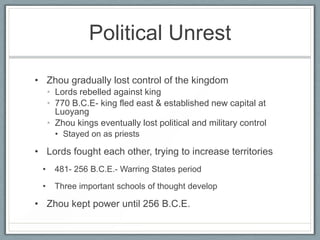
Political Unrest

• Zhou gradually lost control of the kingdom
     • Lords rebelled against king
     • 770 B.C.E- king fled east & established new capital at
       Luoyang
     • Zhou kings eventually lost political and military control
       • Stayed on as priests

• Lords fought each other, trying to increase territories
 •     481- 256 B.C.E.- Warring States period

 •     Three important schools of thought develop

• Zhou kept power until 256 B.C.E.

Zhou Dynasty PPT

  • 1.
    Zhou Dynasty 1027-256 B.C.E Textbook pages 80-82
  • 2.
    Zhou Conquers Shang •1027- around this time, Zhou replaced Shang Dynasty • Zhou defended their attack on the Shang said the Shang lost the Mandate of Heaven • Mandate of Heaven: idea that the emperor, the son of Heaven, has the support of the gods, as long as he rules correctly
  • 5.
    Mandate of Heaven •Chinese myth- • China’s first ruler thought to be son of the sky god and an earthly mother • His kids= Sons of Heaven • Became an important theory about the right of rulers to rule theory= rulers gained power by heaven, and kept power by governing properly Natural disasters, famine, war= ruler lost Mandate of Heaven
  • 6.
  • 8.
    Feudal State • Feudalstate similar to Shang • Land divided into territories, that were ruled by lords
  • 9.
    China Grows • Zhouextended Chinese boundaries through central China • As far south as Chang Jiang River
  • 11.
    Social Classes • Twoclasses: upper and lower • Upper class: kings and lords • Lower class: peasants, merchants, and artisans • Monarchs acted as priest • Ancestor worship, important agricultural ceremonies
  • 12.
    Culture • Adopted Shangculture, but not as skilled • But because of Zhou Dynasty’s long rule, Chinese culture and technology developed to new heights
  • 14.
    Public Works • Ambitiouspublic works projects • Irrigation projects= increased food grown • Roads & canals= easier travel • Wall across north= protection from nomadic people • Bronze making= changes in design • Iron use= introduced and used for agricultural tools & military weapons • Money use= introduced • Writing= improved; took on its modern character; first Chinese books written
  • 18.
    Political Unrest • Zhougradually lost control of the kingdom • Lords rebelled against king • 770 B.C.E- king fled east & established new capital at Luoyang • Zhou kings eventually lost political and military control • Stayed on as priests • Lords fought each other, trying to increase territories • 481- 256 B.C.E.- Warring States period • Three important schools of thought develop • Zhou kept power until 256 B.C.E.