THE REASONS FOR A FLOWER 
Grade Level: Grade 1 
Description 
In this activity students will look closely at some flowers in the garden and classroom to see the 
connections between the flower and the fruits. They will then work together to write a poem to tell the 
reason for a flower. 
Guiding Question 
What is the purpose for a flower? What does the flower do for the plant? 
Big Idea 
Each plant has a distinctive flower that is unique to that plant. The flower is especially designed 
to provide a way for the pollen from one flower to reach the eggs in another flower. If this transfer 
is successful, then the eggs will grow into seeds and a part of the flower will grow into a fruit that 
encloses and protects those seeds. Since plants are unable to move on their own, they need help to 
transport their pollen. Some flowers utilize the wind or water, while many others are pollinated by 
insects such as honey bees, bumble bees, wasps, flies, butterflies, moths and many others. Additional 
flowers may be pollinated by hummingbirds and bats. Once pollination occurs and the pollen reaches 
the egg in the ovary of the flower to fertilize the egg, the flower petals will drop from the plant and the 
fertilized egg will grow into a seed and the ovary will ripen into a fruit that encloses and protects the 
seed. On some flowers such as bean and strawberries, it is possible to see the beginnings of the fruit 
that will develop, or to see all the stages from flower to fruit at the same time. 
Learning Objectives 
To understand that flower petals are designed to attract pollinators. Once pollinated, the flower petals 
will drop off, but part of the flower will continue to grow and produce a fruit. Inside the fruit are the 
seeds of a new plant. 
Materials 
* Paper 
* Pencils 
* An assortment of flowers with matching fruits such as peas, beans, scarlet runner beans, purple 
hyacinth beans, strawberries, alpine strawberries, squash, dill, sunflowers or apples. 
* mature beans, apples, squash and strawberry fruits from the store. 
* Knife 
* Pictures of flowers and matching fruits 
Lesson supported by a Specialty Crops Grant from the Massachusetts 
Department of Agricultural Resources.
Preparation 
Go out into the garden or schoolyard and look for examples of flowers that have an associated fruit. 
In some cases such as the strawberry and squash and bean you can see a miniature version of the 
fruit that will develop. In the cases of apples and other plants as the petals drop off, you can see the 
beginnings of the fruit and the mature fruit will show remnants of the flower parts. Collect pictures of 
flowers and fruits. 
Introducing the Lesson 
Activate prior knowledge: Ask students what is the purpose of the flower? How does it benefit the 
plant. Ask them if they have ever seed a dandelion flower. What happens to the dandelion flower the 
day after it blooms. What about a strawberry flower. Where does the fruit develop on the strawberry? 
How does the sunflower turn into a sunflower head full of seeds? 
Engage Student Interest: 
Tell them you are going to investigate flowers to see what happens to them once the petals drop off. 
Procedure Total Time approximately forty five minutes. 
In the Garden: 
1. Take students into the garden or schoolyard to explore flowers. Divide the class into small working 
groups and set each group up to investigate a specific flower in the garden. Use flowers of plants that 
show different levels of maturity at the same time: bean with flowers and pods; dill or coriander with 
flowers and also seeds; peas with flowers and pods, strawberries or alpine strawberries with flowers 
and fruits. 
2. Ask them to look closely at the assigned flower and watch it quietly for several minutes. Does 
anything come to visit the flower? What do they notice about the flower and the fruits? 
3. Ask each group to tell you one or more words that describe the experience of observing flowers 
and fruits. Ask them what they saw, heard, touched or smelled. Write down the words and bring them 
back to the classroom. Bring samples of the flowers and fruits back into the classroom. (15 minutes) 
Tip: If you grow plants such as alpine strawberries that bloom and produce fruit from May to frost, 
this lesson can be conducted at anytime. Purple Hyacinth beans, and scarlet runner beans will also 
bloom while at the same time showing different stages producing fruit from mid-summer to frost. 
Plant a crop of early peas for spring or plant fall peas or beans to offer this lesson in the fall. 
This lesson supported by a Specialty Crops Grant from the Massachusetts 
Department of Agricultural Resources.
In the Classroom: 
1. Using the samples of the flowers from the school yard or garden and any associated fruits. Also 
use the mature fruit from the store and photographs, show the students each of the flowers. In the case 
of the bean seed they should be able to see the bean flower; a developing pod with petals attached; a 
larger pod with no petals and then a mature pod. Open the pod to show the bean seeds inside. Show 
the strawberry sample with a flower, and then the strawberry fruit developing as the petals drop. If 
a female squash flower is available show the squash flower with the ovary that resembles a tiny 
squash. Then cut open a ripe fruit from the garden or store to show the seeds inside. If there are apple 
blossoms in the schoolyard you can show apple flowers and then the fruit with the remnant calyxes. 
Cut open the apples to show the fruit inside. Discuss how the flowers and the fruits connected. (15 
minutes) 
Part 2 
Write a Flower Poem. 
1. Write a poem to describe the experience of visiting flowers and fruits in the garden or looking a 
flowers and fruits in the classroom. 
2. Write the words on the board that the students suggested while in the garden visiting their flowers. 
Add any additional words that express a color, shape, texture, scent, sound, feeling or action. 
3. Work with the students to write a poem from these words. Give the poem a one word title. This 
will be the first line of the poem. Continue filling in the outline below (15 minutes) 
Line 1 ______________________________________________________ 
One word to give title 
Line 2 _______________________________________________________ 
Two words to describe the title 
Line 3 _______________________________________________________ 
Three action words about the title 
Line 4 ________________________________________________________ 
Four words that express the feeling about the title 
Line 5 _________________________________________________________ 
One word that renames the title 
Lesson supported by a Specialty Crops Grant from the Massachusetts 
Department of Agricultural Resources.
Wrap Up 
Read the poem and review the flowers and fruits. Ask the class what they think is the purpose of the 
flowers. How are the fruits and flowers connected? (10 minutes) 
Assessing Student Knowledge: 
Show students a picture of a pineapple with a flower. Ask them what common fruit do they think will 
grow from this flower. Show them other pictures of flowers that have ovaries that resemble the fruit 
that will develop. 
Extensions 
Bring in a number of different fruits (including vegetables that are fruits such as peppers and tomatoes 
and pumpkins) and ask the students where the seeds will be. Cut the fruits open and look inside for 
the seeds. Be aware that some hybrids plants such as bananas and seedless watermelon are sterile and 
will not produce seeds) 
* MA Department of Education Standards in this lesson * 
Life Science Standard 3. Recognize that plants and animals have life cycles... 
Writing Standard 7. Participate in shared research writing projects 
Language Standard 5. Vocabulary acquisition and use: demonstrate understanding of word relationships 
Books and Resources 
Massachusetts Agriculture in the Classroom Newsletter on Pollination 
http://aginclassroom.org/Newsletter/spring2004.html 
Botany for All Ages by Jorie Hunken, Globe Pequot Press, 1993. 
Project Seasons by Deborah Parrella, Shelburne Farms, VT, 1995. 
Please visit the Massachusetts Agriculture in the Classroom website at www.aginclassroom.org 
to tell us how you used this Pollination Garden-Based Lesson 
Lesson supported by a Specialty Crops Grant from the Massachusetts 
Department of Agricultural Resources.
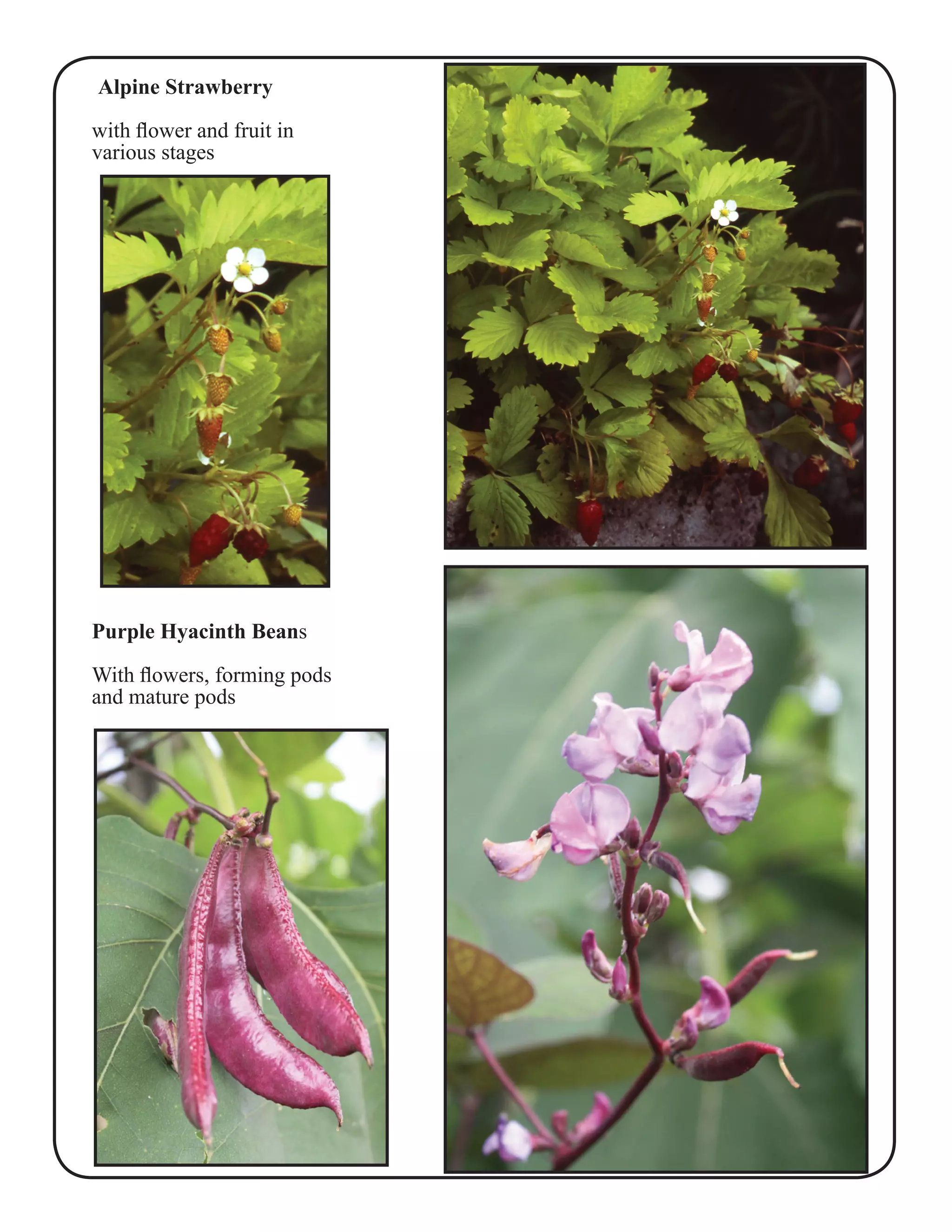
Alpine Strawberry 
with flower and fruit in 
various stages 
Purple Hyacinth Beans 
With flowers, forming pods 
and mature pods
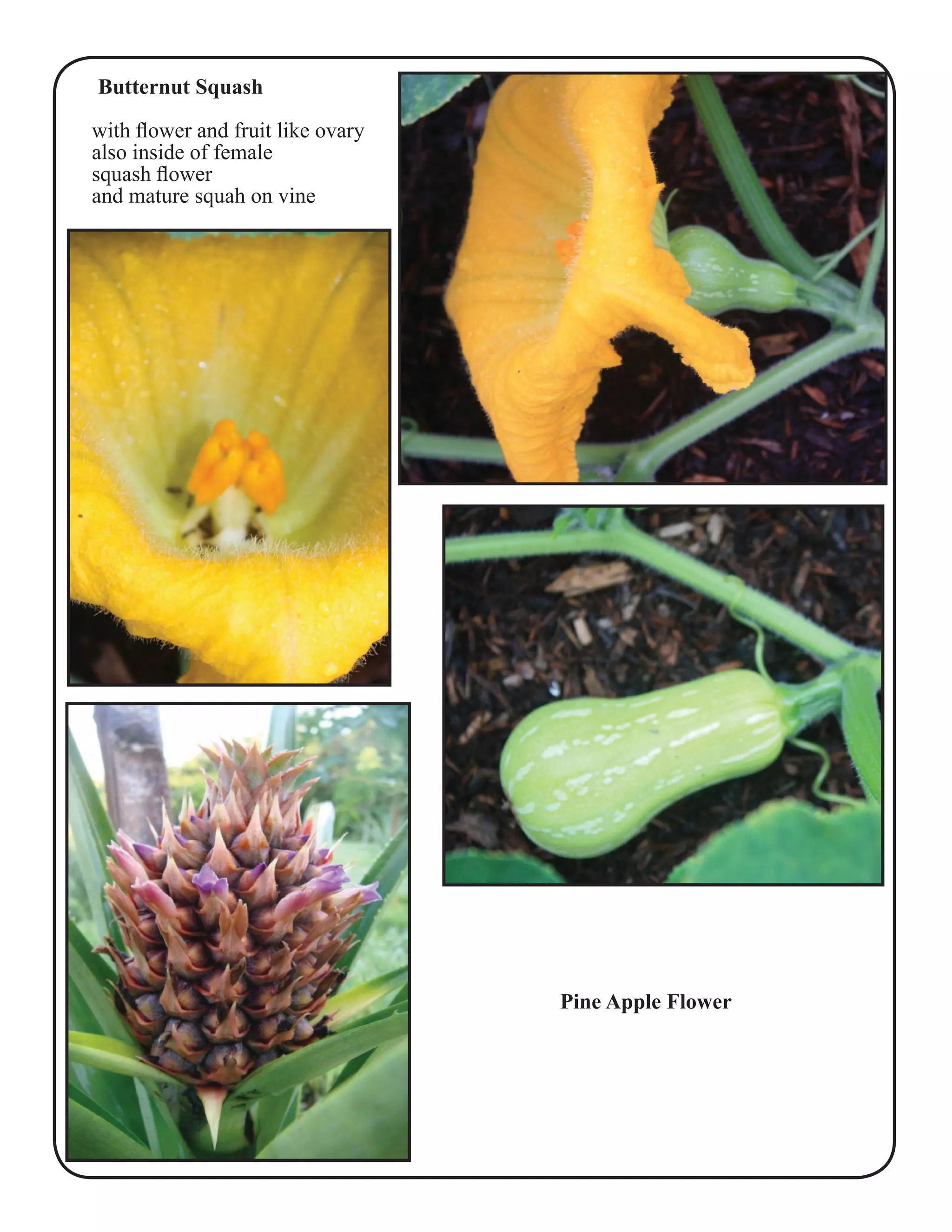
Butternut Squash 
with flower and fruit like ovary 
also inside of female 
squash flower 
and mature squah on vine 
Pine Apple Flower
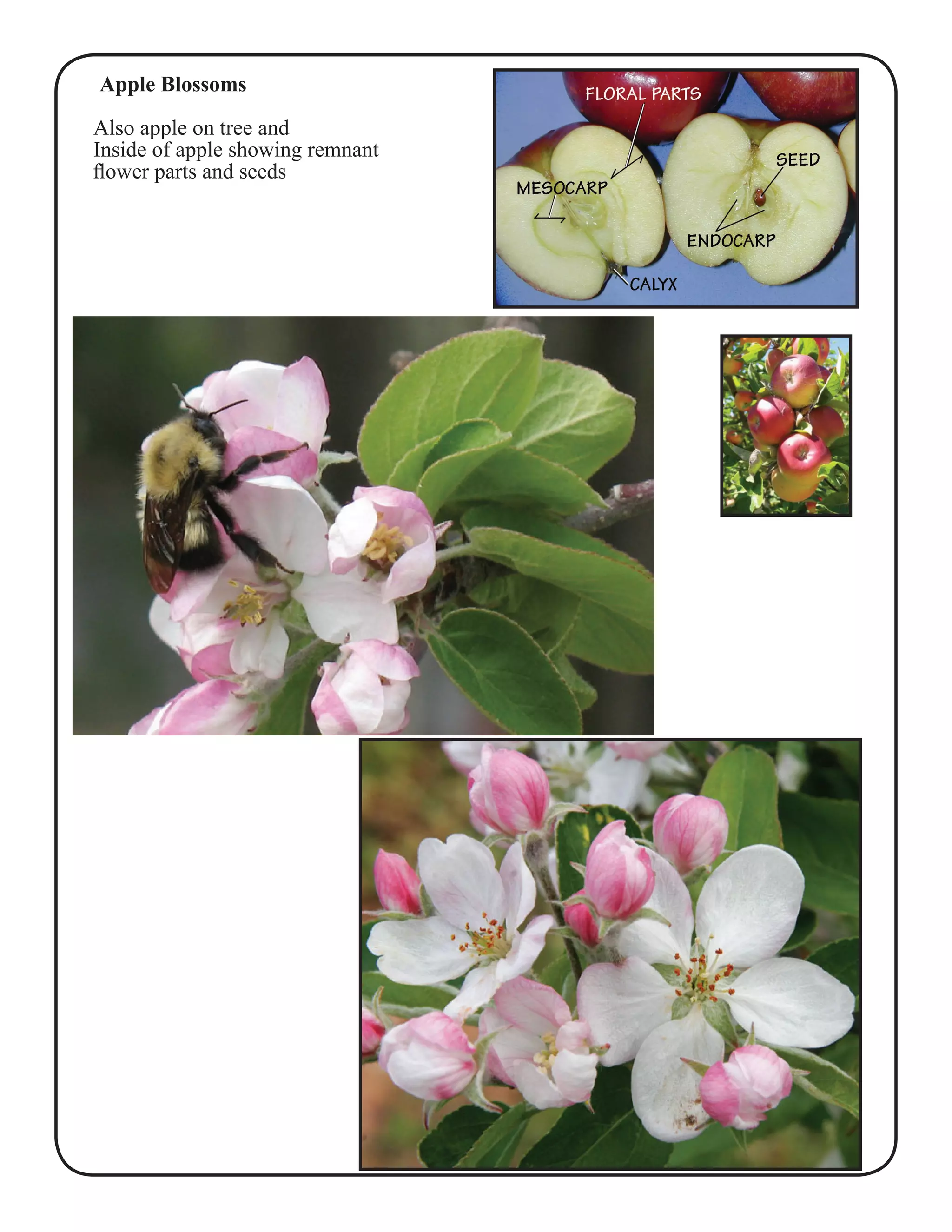
Apple Blossoms 
Also apple on tree and 
Inside of apple showing remnant 
flower parts and seeds

Grade 1 School Garden Lesson Plan - Pollination Lesson; Reason for a Flower ~ Massachusetts

  • 1.
    THE REASONS FORA FLOWER Grade Level: Grade 1 Description In this activity students will look closely at some flowers in the garden and classroom to see the connections between the flower and the fruits. They will then work together to write a poem to tell the reason for a flower. Guiding Question What is the purpose for a flower? What does the flower do for the plant? Big Idea Each plant has a distinctive flower that is unique to that plant. The flower is especially designed to provide a way for the pollen from one flower to reach the eggs in another flower. If this transfer is successful, then the eggs will grow into seeds and a part of the flower will grow into a fruit that encloses and protects those seeds. Since plants are unable to move on their own, they need help to transport their pollen. Some flowers utilize the wind or water, while many others are pollinated by insects such as honey bees, bumble bees, wasps, flies, butterflies, moths and many others. Additional flowers may be pollinated by hummingbirds and bats. Once pollination occurs and the pollen reaches the egg in the ovary of the flower to fertilize the egg, the flower petals will drop from the plant and the fertilized egg will grow into a seed and the ovary will ripen into a fruit that encloses and protects the seed. On some flowers such as bean and strawberries, it is possible to see the beginnings of the fruit that will develop, or to see all the stages from flower to fruit at the same time. Learning Objectives To understand that flower petals are designed to attract pollinators. Once pollinated, the flower petals will drop off, but part of the flower will continue to grow and produce a fruit. Inside the fruit are the seeds of a new plant. Materials * Paper * Pencils * An assortment of flowers with matching fruits such as peas, beans, scarlet runner beans, purple hyacinth beans, strawberries, alpine strawberries, squash, dill, sunflowers or apples. * mature beans, apples, squash and strawberry fruits from the store. * Knife * Pictures of flowers and matching fruits Lesson supported by a Specialty Crops Grant from the Massachusetts Department of Agricultural Resources.
  • 2.
    Preparation Go outinto the garden or schoolyard and look for examples of flowers that have an associated fruit. In some cases such as the strawberry and squash and bean you can see a miniature version of the fruit that will develop. In the cases of apples and other plants as the petals drop off, you can see the beginnings of the fruit and the mature fruit will show remnants of the flower parts. Collect pictures of flowers and fruits. Introducing the Lesson Activate prior knowledge: Ask students what is the purpose of the flower? How does it benefit the plant. Ask them if they have ever seed a dandelion flower. What happens to the dandelion flower the day after it blooms. What about a strawberry flower. Where does the fruit develop on the strawberry? How does the sunflower turn into a sunflower head full of seeds? Engage Student Interest: Tell them you are going to investigate flowers to see what happens to them once the petals drop off. Procedure Total Time approximately forty five minutes. In the Garden: 1. Take students into the garden or schoolyard to explore flowers. Divide the class into small working groups and set each group up to investigate a specific flower in the garden. Use flowers of plants that show different levels of maturity at the same time: bean with flowers and pods; dill or coriander with flowers and also seeds; peas with flowers and pods, strawberries or alpine strawberries with flowers and fruits. 2. Ask them to look closely at the assigned flower and watch it quietly for several minutes. Does anything come to visit the flower? What do they notice about the flower and the fruits? 3. Ask each group to tell you one or more words that describe the experience of observing flowers and fruits. Ask them what they saw, heard, touched or smelled. Write down the words and bring them back to the classroom. Bring samples of the flowers and fruits back into the classroom. (15 minutes) Tip: If you grow plants such as alpine strawberries that bloom and produce fruit from May to frost, this lesson can be conducted at anytime. Purple Hyacinth beans, and scarlet runner beans will also bloom while at the same time showing different stages producing fruit from mid-summer to frost. Plant a crop of early peas for spring or plant fall peas or beans to offer this lesson in the fall. This lesson supported by a Specialty Crops Grant from the Massachusetts Department of Agricultural Resources.
  • 3.
    In the Classroom: 1. Using the samples of the flowers from the school yard or garden and any associated fruits. Also use the mature fruit from the store and photographs, show the students each of the flowers. In the case of the bean seed they should be able to see the bean flower; a developing pod with petals attached; a larger pod with no petals and then a mature pod. Open the pod to show the bean seeds inside. Show the strawberry sample with a flower, and then the strawberry fruit developing as the petals drop. If a female squash flower is available show the squash flower with the ovary that resembles a tiny squash. Then cut open a ripe fruit from the garden or store to show the seeds inside. If there are apple blossoms in the schoolyard you can show apple flowers and then the fruit with the remnant calyxes. Cut open the apples to show the fruit inside. Discuss how the flowers and the fruits connected. (15 minutes) Part 2 Write a Flower Poem. 1. Write a poem to describe the experience of visiting flowers and fruits in the garden or looking a flowers and fruits in the classroom. 2. Write the words on the board that the students suggested while in the garden visiting their flowers. Add any additional words that express a color, shape, texture, scent, sound, feeling or action. 3. Work with the students to write a poem from these words. Give the poem a one word title. This will be the first line of the poem. Continue filling in the outline below (15 minutes) Line 1 ______________________________________________________ One word to give title Line 2 _______________________________________________________ Two words to describe the title Line 3 _______________________________________________________ Three action words about the title Line 4 ________________________________________________________ Four words that express the feeling about the title Line 5 _________________________________________________________ One word that renames the title Lesson supported by a Specialty Crops Grant from the Massachusetts Department of Agricultural Resources.
  • 4.
    Wrap Up Readthe poem and review the flowers and fruits. Ask the class what they think is the purpose of the flowers. How are the fruits and flowers connected? (10 minutes) Assessing Student Knowledge: Show students a picture of a pineapple with a flower. Ask them what common fruit do they think will grow from this flower. Show them other pictures of flowers that have ovaries that resemble the fruit that will develop. Extensions Bring in a number of different fruits (including vegetables that are fruits such as peppers and tomatoes and pumpkins) and ask the students where the seeds will be. Cut the fruits open and look inside for the seeds. Be aware that some hybrids plants such as bananas and seedless watermelon are sterile and will not produce seeds) * MA Department of Education Standards in this lesson * Life Science Standard 3. Recognize that plants and animals have life cycles... Writing Standard 7. Participate in shared research writing projects Language Standard 5. Vocabulary acquisition and use: demonstrate understanding of word relationships Books and Resources Massachusetts Agriculture in the Classroom Newsletter on Pollination http://aginclassroom.org/Newsletter/spring2004.html Botany for All Ages by Jorie Hunken, Globe Pequot Press, 1993. Project Seasons by Deborah Parrella, Shelburne Farms, VT, 1995. Please visit the Massachusetts Agriculture in the Classroom website at www.aginclassroom.org to tell us how you used this Pollination Garden-Based Lesson Lesson supported by a Specialty Crops Grant from the Massachusetts Department of Agricultural Resources.
  • 5.
    Alpine Strawberry withflower and fruit in various stages Purple Hyacinth Beans With flowers, forming pods and mature pods
  • 6.
    Butternut Squash withflower and fruit like ovary also inside of female squash flower and mature squah on vine Pine Apple Flower
  • 7.
    Apple Blossoms Alsoapple on tree and Inside of apple showing remnant flower parts and seeds