Downloaded 25 times




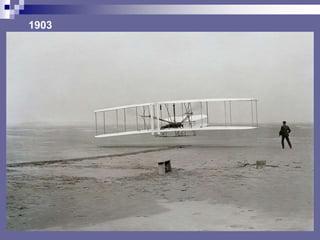



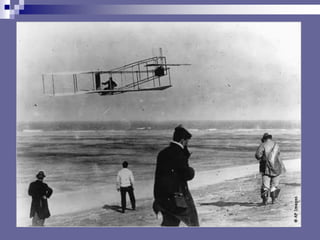

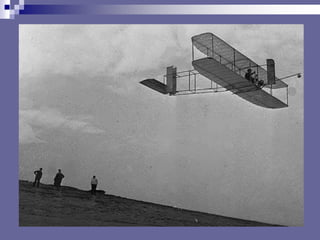


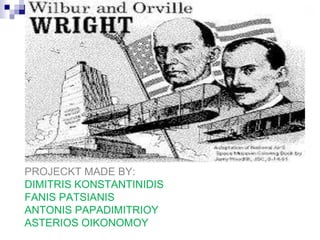

The Wright brothers, Orville and Wilbur, were American inventors and aviation pioneers credited with inventing and building the world's first successful airplane and making the first controlled, powered and sustained heavier-than-air human flight on December 17, 1903 near Kitty Hawk, North Carolina. Through extensive testing of gliders and use of a wind tunnel to study wing designs, they developed a method of aircraft control using wing warping that enabled safe and reliable flight. After building and testing the Wright Flyer, they achieved four controlled flights that day, with the first flight lasting 12 seconds and traveling 120 feet. Their achievement marked the beginning of the aviation age.


![Wright Brothers Story |short version| by.. [Mikee & CO]](https://cdn.slidesharecdn.com/ss_thumbnails/wright-brotherspps-1228215333812512-9-thumbnail.jpg?width=640&height=640&fit=bounds)
![Wright Brothers History |short ver.| by.. [Mikee & CO]](https://cdn.slidesharecdn.com/ss_thumbnails/wright-brotherspps-1228214663468488-9-thumbnail.jpg?width=640&height=640&fit=bounds)


