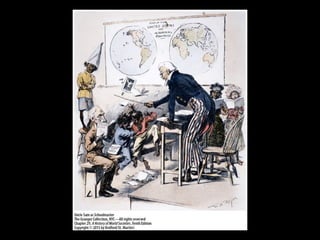
CHAPTER 29
Nationalism
in Asia,
1914–1939
Why did modern nationalism appear in
Asia between I and II?
Asian Reaction to the War in Europe
1. Political promises-false, self-rule, Nationalist Genie
2. National self-determination- 1918, 14 Points,
educated Asians
The Mandates System
1. Permanent Mandates Commission, Germany,
Ottoman Empire, “Well-being”
2. Spoils of war-implementation to colonial powers
3. Soviet land grab-1917 Lenin in power, Asians in
Russia equal
WWI 1914-1918
WWII 1939-1945
Let’s make Nationalism Look Good!
Us vs. Them or We vs. They
1. Three Bright Reasons/Three Dark Reasons
a.anti-imperialist resistance
b.Change old
c.vision
Result, states fought each other? Why?
The Arab Revolt-1916
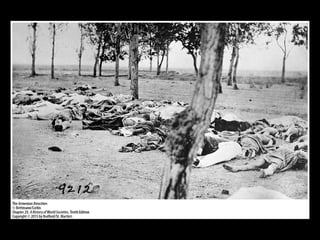
1. Armenian holocaust-ethnic intolerance, slaughter
Armenian Christians-Young Turks-1908 revolution, hold
Syria
2. Arab-British allies- to get unified Arab state
3. Sykes-Picot Agreement-secret pact
4. The Jewish homeland- Palestine-1917 Balfour
Declaration
5. 1919-General Syrian Congress-Treaty of Versailles
nothing, make own
Middle East Nationalism
The Turkish Revolution
1. Mustafa Kemal aka Ataturk,-modern Turkey
2. The Treaty of Lausanne- 1923, independence
3. Westernization-one party govt
Modernization Efforts in Persia (Iran 1935) and Afghanistan
1. British/Russian competition-Majlis-national assembly
2. Reza Shah Pahlavi-military dictator 1925-1941
3. Ethnic influences-Kurds, Arab tribesman, Anglo-Persian Oil
4. Afghan holy war-1919 Amanullah Khan, no British
control, tribal wars, Islam religion/law
Independence and Tensions
Gradual Independence in the Arab States
1. Iraq-Fasal bin Hussein-King, oil fields, 1932
Independent but long term British military alliance
2. Egypt-1882 British, 1936-British in Suez
3. Syria and Lebanon-French 1926, 1936 Syria
w/French friendship treaty
Arab-Jewish Tensions in Palestine
1. Zionism-Jewish nationalism, Theodor Herzl,
Palestine, 1921 preferred U.S.
2. Jewish National Fund-absentee Arab owners
3. Immigration restrictions-nativism, KKK, Balfour
Declaration,
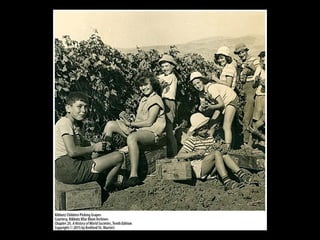
4. The kibbutz
India works towards Self-Rule
What Role did Gandhi play in
independence from Britain?
British Promises and Repression
1. Lucknow Pact-1916 alliance Hindus and Muslims
2. (Reaction Video) Rowlatt Acts-1919 “emergency
measures” unrest, conspiracy
3. Amritsar Massacre- Sikh religious festival, no public
meetings, Gen. Reginald Dyer, fire until ammo runs out!
India on the brink of terrorism and guerrilla war.
The Roots of Militant Nonviolence
1. Gandhi 1869-1948, “coolie” lawyer, Natal, South Africa,
2. Satyagraha-suh-chah-grew-hah, soul-force, nonviolent
resistance
3. South African protests-1914, no discriminatory taxes,
free movement, non-Christian marriages legal
Gandhi Resists-1920 National
Campaign
1. Gandhi’s boycott-jobs, goods, honors, taxes, cloth,
liquor
2. Lower caste appeal-illiterate and educated
3. Indian National Congress reforms-Muslim minority,
4. Jawaharlal Nehru-splintered, one year independence
5. 1935 Government of India Act-parliamentary rep.
6. Religious split-more Hindu than Muslim
7. Muslim nationalism-Pakistan “land of the pure.”
The Rise of Nationalist China
1. Yuan Shigai-power, dictatorship, You had one job!
2. May Fourth Movement, 1919 , Bolshevik and Marxist
3. Sun Yatsen-Nationalist Party=Guomindang
4. The Nationalist Party-nationalism,democracy,
livelihood
5. Jiang Jieshi (Chiang Kai-shek)-Nanjing
6. The Nationalists-Communists play hide and seek
Intellectualism to Ultranationalism
China’s Intellectual Revolution 1911-1929
1. New Culture Movement-anti Confucian, govt, science,
language
2. 1893-1976 Mao Zedong- Marxism-Leninism, Peasants
Unite!
3. Autumn Harvest Uprising 1927-failed peasant revolt
From Liberalism to Ultranationalism in Japan
1. Population increase-large, no resources, no colonial
holdings
2. Rapid industrial development-zaibatsu-financial
combines
3. Anti-Western ultranationalists- anti-Western, “Asia for
Asians”
Nationalist Struggles in East
and Southeast Asia
Japan Against China
1. Manchuria and Manchukuo-secret excuse, Japan left
League, puppet state, conquest model
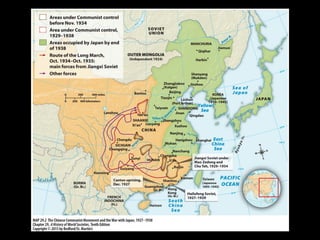
2. The Long March-Communists vs Nationalists-China,
6,000 mile retreat
3. The “Rape of Nanjing”- 7 weeks, 200,000-300,00 Chinese
murdered, 20,000-80,000 women raped
Striving for Independence in Southeast Asia
1. French Indochina-Declaration of Rights for us, not for
you
2. Ho Chi Minh- 1890-1969-led Communist opposition,
3. The Philippines-Catholicism, nationalist movement
success, self-rule, sugar, Subic Bay, Japanese threat
Wh29nonotes
Wh29nonotes
Wh29nonotes

Wh29nonotes

  • 1.
  • 2.
    Why did modernnationalism appear in Asia between I and II? Asian Reaction to the War in Europe 1. Political promises-false, self-rule, Nationalist Genie 2. National self-determination- 1918, 14 Points, educated Asians The Mandates System 1. Permanent Mandates Commission, Germany, Ottoman Empire, “Well-being” 2. Spoils of war-implementation to colonial powers 3. Soviet land grab-1917 Lenin in power, Asians in Russia equal WWI 1914-1918 WWII 1939-1945
  • 3.
    Let’s make NationalismLook Good! Us vs. Them or We vs. They 1. Three Bright Reasons/Three Dark Reasons a.anti-imperialist resistance b.Change old c.vision Result, states fought each other? Why?
  • 4.
    The Arab Revolt-1916 1.Armenian holocaust-ethnic intolerance, slaughter Armenian Christians-Young Turks-1908 revolution, hold Syria 2. Arab-British allies- to get unified Arab state 3. Sykes-Picot Agreement-secret pact 4. The Jewish homeland- Palestine-1917 Balfour Declaration 5. 1919-General Syrian Congress-Treaty of Versailles nothing, make own
  • 6.
    Middle East Nationalism TheTurkish Revolution 1. Mustafa Kemal aka Ataturk,-modern Turkey 2. The Treaty of Lausanne- 1923, independence 3. Westernization-one party govt Modernization Efforts in Persia (Iran 1935) and Afghanistan 1. British/Russian competition-Majlis-national assembly 2. Reza Shah Pahlavi-military dictator 1925-1941 3. Ethnic influences-Kurds, Arab tribesman, Anglo-Persian Oil 4. Afghan holy war-1919 Amanullah Khan, no British control, tribal wars, Islam religion/law
  • 9.
    Independence and Tensions GradualIndependence in the Arab States 1. Iraq-Fasal bin Hussein-King, oil fields, 1932 Independent but long term British military alliance 2. Egypt-1882 British, 1936-British in Suez 3. Syria and Lebanon-French 1926, 1936 Syria w/French friendship treaty Arab-Jewish Tensions in Palestine 1. Zionism-Jewish nationalism, Theodor Herzl, Palestine, 1921 preferred U.S. 2. Jewish National Fund-absentee Arab owners 3. Immigration restrictions-nativism, KKK, Balfour Declaration, 4. The kibbutz
  • 12.
    India works towardsSelf-Rule What Role did Gandhi play in independence from Britain? British Promises and Repression 1. Lucknow Pact-1916 alliance Hindus and Muslims 2. (Reaction Video) Rowlatt Acts-1919 “emergency measures” unrest, conspiracy 3. Amritsar Massacre- Sikh religious festival, no public meetings, Gen. Reginald Dyer, fire until ammo runs out! India on the brink of terrorism and guerrilla war. The Roots of Militant Nonviolence 1. Gandhi 1869-1948, “coolie” lawyer, Natal, South Africa, 2. Satyagraha-suh-chah-grew-hah, soul-force, nonviolent resistance 3. South African protests-1914, no discriminatory taxes, free movement, non-Christian marriages legal
  • 14.
    Gandhi Resists-1920 National Campaign 1.Gandhi’s boycott-jobs, goods, honors, taxes, cloth, liquor 2. Lower caste appeal-illiterate and educated 3. Indian National Congress reforms-Muslim minority, 4. Jawaharlal Nehru-splintered, one year independence 5. 1935 Government of India Act-parliamentary rep. 6. Religious split-more Hindu than Muslim 7. Muslim nationalism-Pakistan “land of the pure.”
  • 18.
    The Rise ofNationalist China 1. Yuan Shigai-power, dictatorship, You had one job! 2. May Fourth Movement, 1919 , Bolshevik and Marxist 3. Sun Yatsen-Nationalist Party=Guomindang 4. The Nationalist Party-nationalism,democracy, livelihood 5. Jiang Jieshi (Chiang Kai-shek)-Nanjing 6. The Nationalists-Communists play hide and seek
  • 19.
    Intellectualism to Ultranationalism China’sIntellectual Revolution 1911-1929 1. New Culture Movement-anti Confucian, govt, science, language 2. 1893-1976 Mao Zedong- Marxism-Leninism, Peasants Unite! 3. Autumn Harvest Uprising 1927-failed peasant revolt From Liberalism to Ultranationalism in Japan 1. Population increase-large, no resources, no colonial holdings 2. Rapid industrial development-zaibatsu-financial combines 3. Anti-Western ultranationalists- anti-Western, “Asia for Asians”
  • 23.
    Nationalist Struggles inEast and Southeast Asia Japan Against China 1. Manchuria and Manchukuo-secret excuse, Japan left League, puppet state, conquest model 2. The Long March-Communists vs Nationalists-China, 6,000 mile retreat 3. The “Rape of Nanjing”- 7 weeks, 200,000-300,00 Chinese murdered, 20,000-80,000 women raped Striving for Independence in Southeast Asia 1. French Indochina-Declaration of Rights for us, not for you 2. Ho Chi Minh- 1890-1969-led Communist opposition, 3. The Philippines-Catholicism, nationalist movement success, self-rule, sugar, Subic Bay, Japanese threat

Editor's Notes

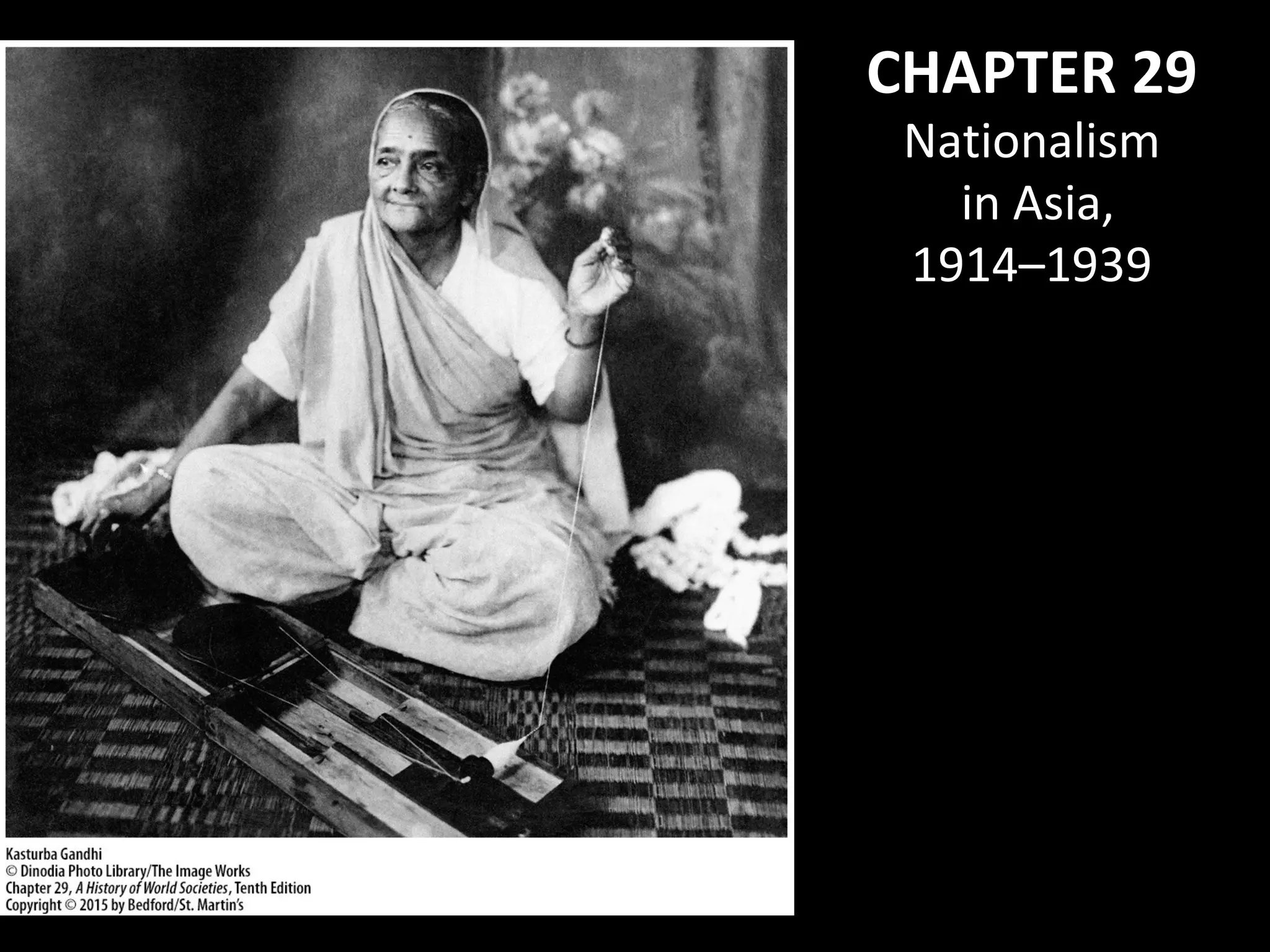
  • #2 Kasturba Gandhi Wife of Mohandas Gandhi She was 14 and he was 13 when they were married. She supported Gandi as they sought Indian Independence Spinning cotton here, example of being self sufficient-own cloth, don’t need British goods, rejection of industrialization
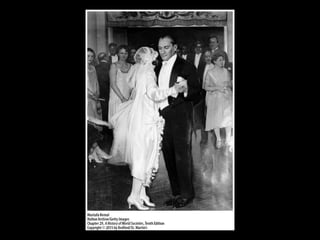
  • #8 Mustafa Kamal and adopted daughter at her high society wedding. This is partly how he chose to move Turkey forward, by dressing in western clothing, dancing, and breaking with traditional Islamic culture and teachings. Part of his thinking was that my getting rid of the blatant identity of westerners and Muslims, you could blend cultures.
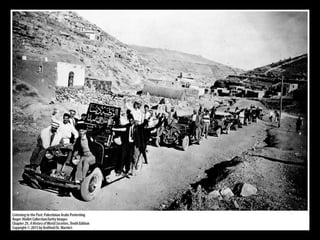
  • #9 Palestinian Arabs protesting against the large scale Jewish migration into Palestine
  • #11 This is Kfar-Blum in Israel in Northern Galilee, a kibbutz kind of like a commune, where everybody contributes
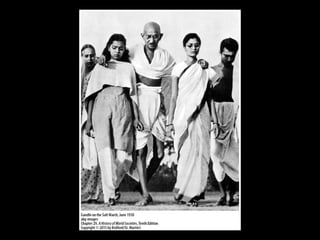
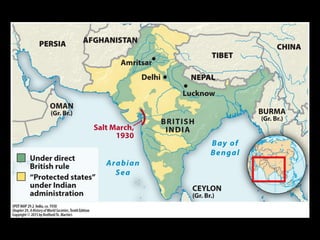
  • #16 British had monopoly on salt, which every Indian needed in the heat and humidity of the country. From March 12th to April 6th, Gandhi led 50,000 people in a march to the sea and made his own salt to defy British law.
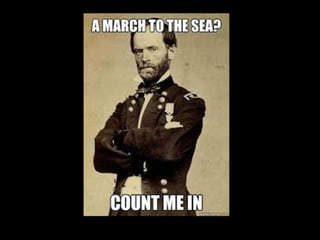
  • #17 General Tecumseh Sherman, 1864 Civil War
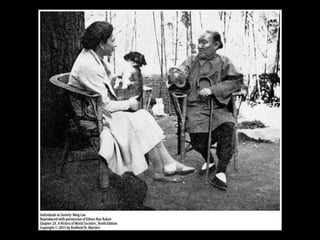
  • #21 After the 1911 cultural movement revolution, Chinese Women had more freedom and equality No more footbinding Arranged marriages/polygamy declined Had more educational and economic opportunities Here Ning Lao was born in 1967, footbinding done at age 9, married at 14, addict husband sold her 4 year old daughter, so she fled with other daughter. Became servant and cook, eventually returned to husband and always lived only for her family.
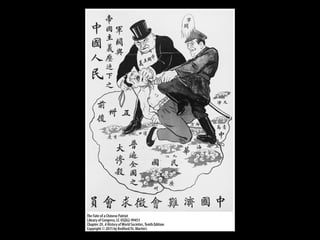
  • #22 The Fate of a Chinese Patriot May 30th, 1925, Shanghai police open fired on Chinese demonstrators protesting unfair labor practices, wages, and foreign imperialist presence. Police killed 9 causing nationwide and international protests and attacks on foreign offices.   1. Approximately 4/5 of the Chinese population was illiterate at the time this cartoon was published. Could an illiterate person have understood this image? (Answer: In all probability, yes. At least in Chinese cities, the image of the archetypal capitalist, with top hat and suit, would have been familiar. Similarly people would have easily understood the uniformed figure as a warlord from news photos and the warlords’ own self-presentation as victorious generals. Finally the shirtless figure in Chinese trousers and shoes would have been easily recognizable as a Chinese working man. The story of the massacre of demonstrators in Shanghai would have spread widely through oral channels and illiterate people would not have had difficulty connecting the cartoon to the event.)   2. Can you connect this cartoon to the appeal of Communism in China? (Answer: The reality was that China had been attacked and plundered by foreign imperialist powers throughout the nineteenth and early twentieth centuries and these assaults had contributed to the collapse of the central Chinese state and the decline into civil war. At the same time, Chinese leaders were seen by many Chinese as ineffectual or even complicit in this crisis. Warlords had foreign, especially Japanese, sponsors. The Bolshevik revolutionaries in Russia had seized control of the Russian state, itself broken by imperialist war, and rebuilt it, defending it against assault from many of the same foreign imperial powers that menaced China. This was the appeal of Communism – that Communists could overthrow corrupt and incompetent native elites, establish a central government able to maintain order, and defend China against outside attack and exploitation. )
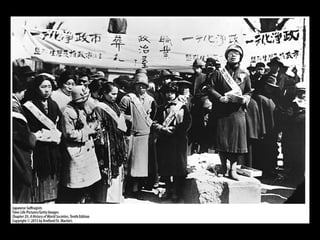
  • #23 Japanese suffragists started agitating for right to vote in 1920s, but would not get until 1946. Comparatively, not as long as American women agitated, approximately 50 plus years.
  • #25 This is where Mao went in the war with Japan in 1927-1938 After Stalin’s urban uprisings failed in 1927, Mao went to southern China Nationalist attacks 1930-34 force Long March to Yan’an, allowing Communists to become well fortified for guerrilla warfare against Japanese
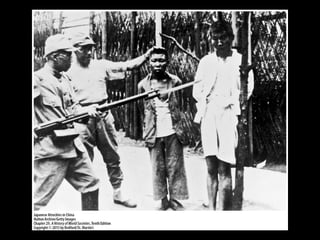
  • #26 1938, Japanese soldiers play at killing Chinese prisoners before execution.
  • #27 This cartoon appeared in Harper’s Weekly 1898, Cuban ex patriot and a guerilla fighter are disciplined by uncles sam’s Self government lesson. The man reading is Jose Miguel Gomes, a Cuban revolutionary hero, Note in the corner, wearing a dunce cap, is Filipino insurrectionist Emilio Aguinaldo. The obedient girls are Hawaii and Puerto Rico