AASS FFiillmm SSttuuddiieess 
UUnniitt FFMM11 
IInnttrroodduuccttiioonn ttoo MMiiccrroo FFeeaattuurreess:: 
MMiissee EEnn SScceennee
LLeessssoonn AAiimmss 
By the end of the lesson you will be able to: 
• Understand the concept of ‘mise en scene’ 
• Apply the concept to a film extract
DDeeffiinniittiioonn:: MMiissee EEnn SScceennee 
• A French term meaning 
what is put into a scene or 
frame 
• Visual information in front 
of the camera 
• Communicates essential 
information to the 
audience 
• Made up of particular 
elements: Remind me of 
what they are? 
Everything that we see on screen has 
been deliberately put there to make the 
meaning - the furniture we see in a 
room or the costume that a character is 
wearing, or something more subtle such 
as the make-up that an actor wears.
Because the phrase ‘mise en scène’ 
describes ‘puttin g’ something in the pi cture, 
it reinforces the idea that films are 
constructed – nothing appears by chance in 
the filmic frame. Everything we see is placed 
carefully so that the audie nce enters and 
un derstands that filmic world – the 
characters that we see acting out that story 
and the time and place where the story is 
set.
The 5 Elements ooff MMiissee eenn SScceennee 
Each aspect of mise-en-scene 
has hidden meanings within a 
film and sends signals to the 
audience about how we are 
supposed to feel at a certain 
• Settings 
• Props 
point 
• Costume, Hair & Make Up 
• Facial Expressions & Body Language (performance) 
• Lighting & Colour 
• Positioning of characters/objects within the frame
11.. SSeettttiinnggss && PPrrooppss 
• Settings & Locations play an important part in film-making 
and are not just ‘backgrounds’ 
• Sets are either built from scratch or a great deal of time is 
spent to find a setting which already exists 
• Settings can manipulate an audience by building certain 
expectations and then taking a different turn 
• TASK: What settings and props you would find in: 
1. A Science Fiction Film 
2. An Action Fiction 
3. A Horror Film 
Setting can also 
suggest the genre, or 
type, of film
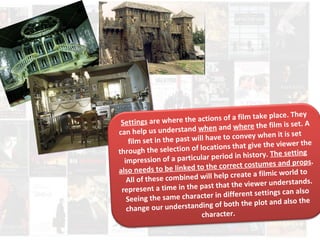
Settings are where the actions of a film take place. They 
can help us understand when and where th e film is set. A 
film set in the past will have to con vey when it is set 
through the selection of locations that give the viewer the 
impression of a parti cular period in history. The settin g 
also needs to be lin ked to the correct costumes and props. 
All of these combined will help create a filmic world to 
represent a time in the past that the viewer understands. 
Seeing the same character in different settings can also 
change our understanding of both the plot and also the 
character.
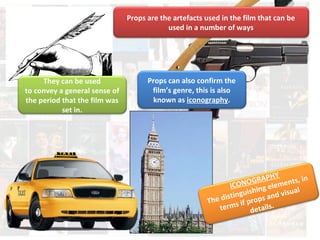
Props are the artefacts used in the film that can be 
used in a number of ways 
They can be used 
to convey a general sense of 
the period that the film was 
set in. 
Props can also confirm the 
film’s genre, this is also 
known as iconography. 
ICONOGRAPHY 
The distinguishing elements, in 
terms if props and visual 
details.
SSEETTTTIINNGG
SSEETTTTIINNGGSS 
• The scene that you have just watched takes place in a number of locations: 
• a) The streets of London 
• b) The courtyard of Devonshire House 
• c) The hallway of Devonshire House 
• d) The bedroom where the Duchess awaits the arrival of her new husband 
• 1. Why do you think that the sequence begins with a shot through an archway? 
• 2. As the Duke and Duchess drive through the streets of London, what images of the streets are we 
shown? What do we see in the streets? 
• 3. Why do you think we are shown so many shots of marketplaces? 
• 4. How does the courtyard of Devonshire House contrast with what we have previously seen? 
• 5. There are two more shots of archways in the scene – firstly as they enter the courtyard in their 
carriage and secondly as they enter the house. Why do you think that these two ‘archways’ were 
chosen? 
• 6. As they enter the hallway, what feelings and ideas are suggested by the look of the room, in the 
eyes of the Duchess and in the eyes of the audience? 
• 7. As the Duchess goes up the staircase what impression is given by the arrangement in the frame of 
the footmen standing in the hallway? 
• 8. How does the look of the bedroom contrast with what we have seen of the rest of Devonshire 
House? 
• If this scene shows the journey from wedding ceremony to wedding night, how do the various 
settings that you see build up a sense of moving from the public to the private?
SSEETTTTIINNGGSS 
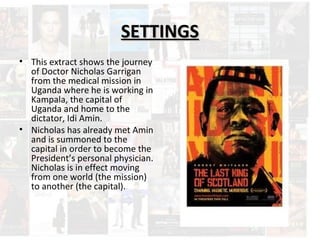
• This extract shows the journey 
of Doctor Nicholas Garrigan 
from the medical mission in 
Uganda where he is working in 
Kampala, the capital of 
Uganda and home to the 
dictator, Idi Amin. 
• Nicholas has already met Amin 
and is summoned to the 
capital in order to become the 
President’s personal physician. 
Nicholas is in effect moving 
from one world (the mission) 
to another (the capital).
SSEETTTTIINNGGSS 
• Why do you think that the first shot is of a mosquito on 
Nicholas’ arm? 
• Activity 1: 
• Describe the mission station where the journey begins. 
What impressions do you have about the mission? 
• Activity 2: 
• As Nicholas drives to Kampala, what other locations are we 
shown as he looks out of the window of the car? How does 
each location that he sees build up to his arrival in the 
capital? 
• Activity 3: 
• How does the capital at the end of his journey contrast 
with the mission where he started his journey?
22.. CCoossttuummee,, HHaaiirr && MMaakkee UUpp 
• Costume, Hair & Make Up act as an instant 
indicator to us of a character’s personality, status 
& job 
• It tells us immediately whether the film is set in the 
present and what society/or culture it will centre 
around 
• Certain costumes can signify certain individuals 
(i.e. black cloak of a vampire, Spidey’s Spiderman 
suit)
CCOOSSTTUUMMEE
CCOOSSTTUUMMEE 
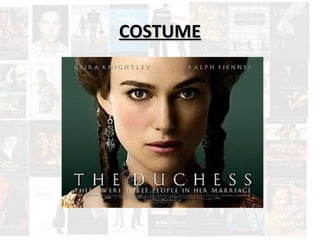
• 1. Towards the beginning of the scene, we are shown a view of the 
people attending the ball. Describe the way in which they are 
dressed. What are the predominant colours of their costumes? 
• 2. In this shot, pay particular attention to the women’s dresses, 
their hairstyles and their jewellery. 
• 3. As the Duchess appears, how is she instantly recognised as what 
we would nowadays call a ‘fashion icon’? List the ways in which her 
costume, hair style, jewellery and make up are different to those of 
the women we have seen in the crowd. 
• 4. How does the Duchess’ costume help her to stand out in the 
dance scene? 
• 5. Lady Bess Foster enters into the scene. How does her dress make 
us realise she is a key character? 
• 6. As Bess and the Duchess talk to each other, how does what they 
are wearing help us to make decisions as to their characters?
3. FFaacciiaall EExxpprreessssiioonnss && BBooddyy 
LLaanngguuaaggee 
• Facial Expressions provide a clear indicator of how someone 
is feeling 
• If someone is smiling broadly, we assume they are happy 
but we may get a different feeling if this is accompanied by 
scary music 
• Body Language may also indicate how a character feels 
towards another character or may reflect the state of their 
relationship 
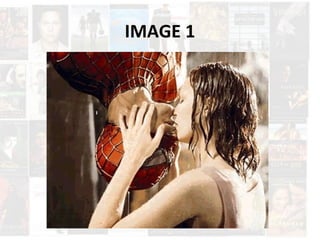
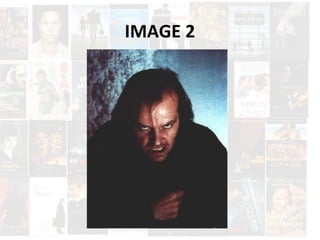
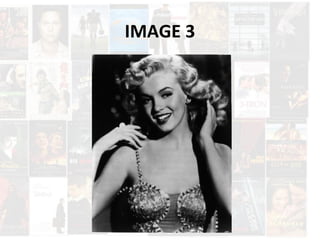
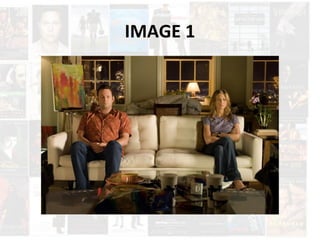
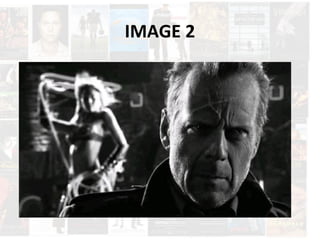
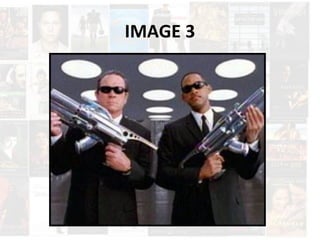
• TASK: What meanings/emotions do the following images 
convey:
IMAGE 1
IMAGE 2
IMAGE 3
4. Positioning ooff CChhaarraacctteerrss && OObbjjeeccttss 
wwiitthhiinn aa ffrraammee 
• Positioning within a frame can draw our 
attention to an important character/object 
• A film-maker can use positioning to indicate 
relationships between people 
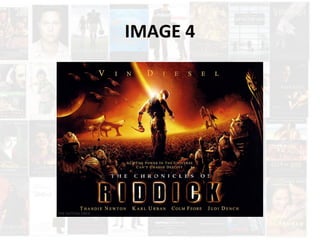
• TASK: What does the positioning in the 
following images reveal about the 
characters/film:
IMAGE 1
IMAGE 2
IMAGE 3
IMAGE 4
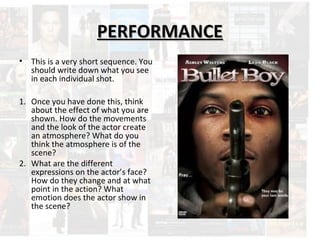
PPEERRFFOORRMMAANNCCEE 
• This is a very short sequence. You 
should write down what you see 
in each individual shot. 
1. Once you have done this, think 
about the effect of what you are 
shown. How do the movements 
and the look of the actor create 
an atmosphere? What do you 
think the atmosphere is of the 
scene? 
2. What are the different 
expressions on the actor’s face? 
How do they change and at what 
point in the action? What 
emotion does the actor show in 
the scene?
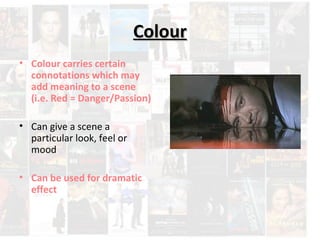
CCoolloouurr 
• Colour carries certain 
connotations which may 
add meaning to a scene 
(i.e. Red = Danger/Passion) 
• Can give a scene a 
particular look, feel or 
mood 
• Can be used for dramatic 
effect
55.. LLiigghhttiinngg && CCoolloouurr 
Lighting & Colour can be used to achieve a variety of effects: 
• To highlight important characters or objects 
within the frame 
• To make characters look mysterious by 
shading sections of the face & body 
• To reflect a characters mental state/hidden 
emotions (i.e. bright = happy, dark = 
disturbed, strobe effect = confused
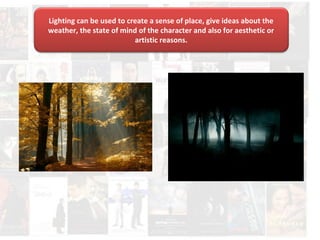
Lighting can be used to create a sense of place, give ideas about the 
weather, the state of mind of the character and also for aesthetic or 
artistic reasons.
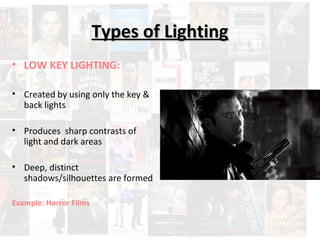
TTyyppeess ooff LLiigghhttiinngg 
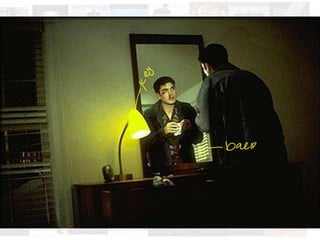
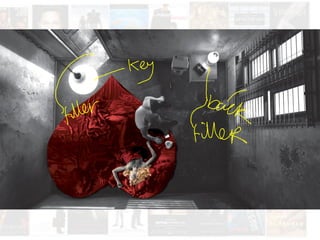
• LOW KEY LIGHTING: 
• Created by using only the key & 
back lights 
• Produces sharp contrasts of 
light and dark areas 
• Deep, distinct 
shadows/silhouettes are formed 
Example: Horror Films
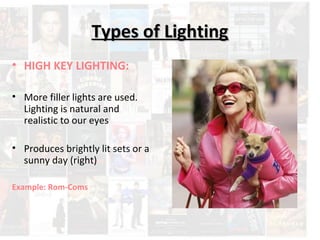
TTyyppeess ooff LLiigghhttiinngg 
• HIGH KEY LIGHTING: 
• More filler lights are used. 
Lighting is natural and 
realistic to our eyes 
• Produces brightly lit sets or a 
sunny day (right) 
Example: Rom-Coms
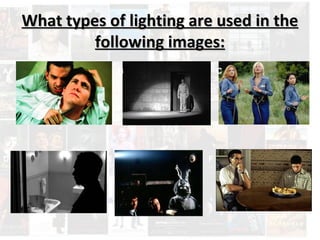
What types of lighting aarree uusseedd iinn tthhee 
ffoolllloowwiinngg iimmaaggeess:: 
A 
D F 
C 
E 
B
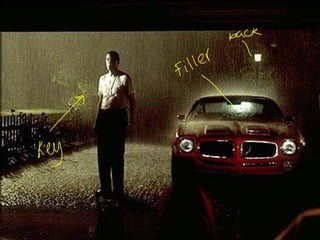
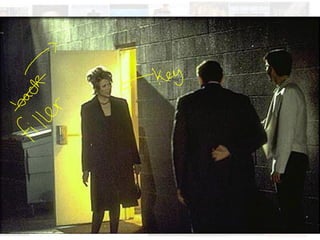
TASK: For each iimmaaggee,, aannsswweerr tthhee 
ffoolllloowwiinngg qquueessttiioonnss:: 
1. What type of lighting is used in each image (High 
or Low Key)? 
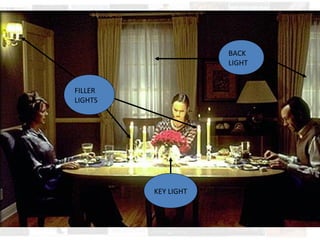
2. Where are the KEY LIGHTS, FILLER LIGHTS & BACK 
LIGHTS in each image? 
3. What effects/meanings does the lighting suggest?
KEY LIGHT 
FILLER 
LIGHTS 
BACK 
LIGHT
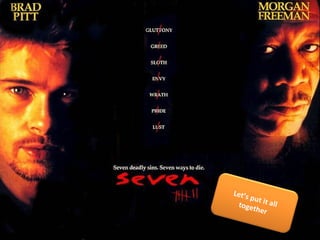
Let’s put it all 
together
HHOOMMEEWWOORRKK 
• Write 500 words on a short sequence of film 
and analyse how MISE-EN-SCENE has been 
used to create meaning 
• You will be expected to show your clips in 
class next week 
• If you have the technical know how you could 
create a voice over commentary analysis 
• DUE TUESDAY 16TH SEPTEMBER
MMIISSEE--EENN--SSCCEENNEE 
• When we analyse a sequence in terms of mise 
en scène, we need to look at how all the 
different elements and techniques work 
together to: 
• - Tell a story 
• - Evoke an atmosphere 
• - Give the audience information 
• - Provoke an audience response 
• - Highlight key themes

Micro Features Intro: Mise-en-scene

  • 1.
    AASS FFiillmm SSttuuddiieess UUnniitt FFMM11 IInnttrroodduuccttiioonn ttoo MMiiccrroo FFeeaattuurreess:: MMiissee EEnn SScceennee
  • 2.
    LLeessssoonn AAiimmss Bythe end of the lesson you will be able to: • Understand the concept of ‘mise en scene’ • Apply the concept to a film extract
  • 3.
    DDeeffiinniittiioonn:: MMiissee EEnnSScceennee • A French term meaning what is put into a scene or frame • Visual information in front of the camera • Communicates essential information to the audience • Made up of particular elements: Remind me of what they are? Everything that we see on screen has been deliberately put there to make the meaning - the furniture we see in a room or the costume that a character is wearing, or something more subtle such as the make-up that an actor wears.
  • 4.
    Because the phrase‘mise en scène’ describes ‘puttin g’ something in the pi cture, it reinforces the idea that films are constructed – nothing appears by chance in the filmic frame. Everything we see is placed carefully so that the audie nce enters and un derstands that filmic world – the characters that we see acting out that story and the time and place where the story is set.
  • 5.
    The 5 Elementsooff MMiissee eenn SScceennee Each aspect of mise-en-scene has hidden meanings within a film and sends signals to the audience about how we are supposed to feel at a certain • Settings • Props point • Costume, Hair & Make Up • Facial Expressions & Body Language (performance) • Lighting & Colour • Positioning of characters/objects within the frame
  • 6.
    11.. SSeettttiinnggss &&PPrrooppss • Settings & Locations play an important part in film-making and are not just ‘backgrounds’ • Sets are either built from scratch or a great deal of time is spent to find a setting which already exists • Settings can manipulate an audience by building certain expectations and then taking a different turn • TASK: What settings and props you would find in: 1. A Science Fiction Film 2. An Action Fiction 3. A Horror Film Setting can also suggest the genre, or type, of film
  • 7.
    Settings are wherethe actions of a film take place. They can help us understand when and where th e film is set. A film set in the past will have to con vey when it is set through the selection of locations that give the viewer the impression of a parti cular period in history. The settin g also needs to be lin ked to the correct costumes and props. All of these combined will help create a filmic world to represent a time in the past that the viewer understands. Seeing the same character in different settings can also change our understanding of both the plot and also the character.
  • 8.
    Props are theartefacts used in the film that can be used in a number of ways They can be used to convey a general sense of the period that the film was set in. Props can also confirm the film’s genre, this is also known as iconography. ICONOGRAPHY The distinguishing elements, in terms if props and visual details.
  • 9.
  • 10.
    SSEETTTTIINNGGSS • Thescene that you have just watched takes place in a number of locations: • a) The streets of London • b) The courtyard of Devonshire House • c) The hallway of Devonshire House • d) The bedroom where the Duchess awaits the arrival of her new husband • 1. Why do you think that the sequence begins with a shot through an archway? • 2. As the Duke and Duchess drive through the streets of London, what images of the streets are we shown? What do we see in the streets? • 3. Why do you think we are shown so many shots of marketplaces? • 4. How does the courtyard of Devonshire House contrast with what we have previously seen? • 5. There are two more shots of archways in the scene – firstly as they enter the courtyard in their carriage and secondly as they enter the house. Why do you think that these two ‘archways’ were chosen? • 6. As they enter the hallway, what feelings and ideas are suggested by the look of the room, in the eyes of the Duchess and in the eyes of the audience? • 7. As the Duchess goes up the staircase what impression is given by the arrangement in the frame of the footmen standing in the hallway? • 8. How does the look of the bedroom contrast with what we have seen of the rest of Devonshire House? • If this scene shows the journey from wedding ceremony to wedding night, how do the various settings that you see build up a sense of moving from the public to the private?
  • 11.
    SSEETTTTIINNGGSS • Thisextract shows the journey of Doctor Nicholas Garrigan from the medical mission in Uganda where he is working in Kampala, the capital of Uganda and home to the dictator, Idi Amin. • Nicholas has already met Amin and is summoned to the capital in order to become the President’s personal physician. Nicholas is in effect moving from one world (the mission) to another (the capital).
  • 12.
    SSEETTTTIINNGGSS • Whydo you think that the first shot is of a mosquito on Nicholas’ arm? • Activity 1: • Describe the mission station where the journey begins. What impressions do you have about the mission? • Activity 2: • As Nicholas drives to Kampala, what other locations are we shown as he looks out of the window of the car? How does each location that he sees build up to his arrival in the capital? • Activity 3: • How does the capital at the end of his journey contrast with the mission where he started his journey?
  • 13.
    22.. CCoossttuummee,, HHaaiirr&& MMaakkee UUpp • Costume, Hair & Make Up act as an instant indicator to us of a character’s personality, status & job • It tells us immediately whether the film is set in the present and what society/or culture it will centre around • Certain costumes can signify certain individuals (i.e. black cloak of a vampire, Spidey’s Spiderman suit)
  • 14.
  • 15.
    CCOOSSTTUUMMEE • 1.Towards the beginning of the scene, we are shown a view of the people attending the ball. Describe the way in which they are dressed. What are the predominant colours of their costumes? • 2. In this shot, pay particular attention to the women’s dresses, their hairstyles and their jewellery. • 3. As the Duchess appears, how is she instantly recognised as what we would nowadays call a ‘fashion icon’? List the ways in which her costume, hair style, jewellery and make up are different to those of the women we have seen in the crowd. • 4. How does the Duchess’ costume help her to stand out in the dance scene? • 5. Lady Bess Foster enters into the scene. How does her dress make us realise she is a key character? • 6. As Bess and the Duchess talk to each other, how does what they are wearing help us to make decisions as to their characters?
  • 16.
    3. FFaacciiaall EExxpprreessssiioonnss&& BBooddyy LLaanngguuaaggee • Facial Expressions provide a clear indicator of how someone is feeling • If someone is smiling broadly, we assume they are happy but we may get a different feeling if this is accompanied by scary music • Body Language may also indicate how a character feels towards another character or may reflect the state of their relationship • TASK: What meanings/emotions do the following images convey:
  • 17.
  • 18.
  • 19.
  • 20.
    4. Positioning ooffCChhaarraacctteerrss && OObbjjeeccttss wwiitthhiinn aa ffrraammee • Positioning within a frame can draw our attention to an important character/object • A film-maker can use positioning to indicate relationships between people • TASK: What does the positioning in the following images reveal about the characters/film:
  • 21.
  • 22.
  • 23.
  • 24.
  • 25.
    PPEERRFFOORRMMAANNCCEE • Thisis a very short sequence. You should write down what you see in each individual shot. 1. Once you have done this, think about the effect of what you are shown. How do the movements and the look of the actor create an atmosphere? What do you think the atmosphere is of the scene? 2. What are the different expressions on the actor’s face? How do they change and at what point in the action? What emotion does the actor show in the scene?
  • 26.
    CCoolloouurr • Colourcarries certain connotations which may add meaning to a scene (i.e. Red = Danger/Passion) • Can give a scene a particular look, feel or mood • Can be used for dramatic effect
  • 27.
    55.. LLiigghhttiinngg &&CCoolloouurr Lighting & Colour can be used to achieve a variety of effects: • To highlight important characters or objects within the frame • To make characters look mysterious by shading sections of the face & body • To reflect a characters mental state/hidden emotions (i.e. bright = happy, dark = disturbed, strobe effect = confused
  • 28.
    Lighting can beused to create a sense of place, give ideas about the weather, the state of mind of the character and also for aesthetic or artistic reasons.
  • 29.
    TTyyppeess ooff LLiigghhttiinngg • LOW KEY LIGHTING: • Created by using only the key & back lights • Produces sharp contrasts of light and dark areas • Deep, distinct shadows/silhouettes are formed Example: Horror Films
  • 30.
    TTyyppeess ooff LLiigghhttiinngg • HIGH KEY LIGHTING: • More filler lights are used. Lighting is natural and realistic to our eyes • Produces brightly lit sets or a sunny day (right) Example: Rom-Coms
  • 31.
    What types oflighting aarree uusseedd iinn tthhee ffoolllloowwiinngg iimmaaggeess:: A D F C E B
  • 32.
    TASK: For eachiimmaaggee,, aannsswweerr tthhee ffoolllloowwiinngg qquueessttiioonnss:: 1. What type of lighting is used in each image (High or Low Key)? 2. Where are the KEY LIGHTS, FILLER LIGHTS & BACK LIGHTS in each image? 3. What effects/meanings does the lighting suggest?
  • 33.
    KEY LIGHT FILLER LIGHTS BACK LIGHT
  • 38.
    Let’s put itall together
  • 39.
    HHOOMMEEWWOORRKK • Write500 words on a short sequence of film and analyse how MISE-EN-SCENE has been used to create meaning • You will be expected to show your clips in class next week • If you have the technical know how you could create a voice over commentary analysis • DUE TUESDAY 16TH SEPTEMBER
  • 40.
    MMIISSEE--EENN--SSCCEENNEE • Whenwe analyse a sequence in terms of mise en scène, we need to look at how all the different elements and techniques work together to: • - Tell a story • - Evoke an atmosphere • - Give the audience information • - Provoke an audience response • - Highlight key themes

Editor's Notes

  • #5 Because the phrase ‘mise en scène’ describes ‘putting’ something in the picture, it reinforces the idea that films are constructed – nothing appears by chance in the filmic frame. Everything we see is placed carefully so that the audience enters and understands that filmic world – the characters that we see acting out that story and the time and place where the story is set. Exemplify this by creating a freeze frame using volunteer students and costumes and ask the other students to say what’s happening
  • #17 Do a little role play – as an exmaple of body language