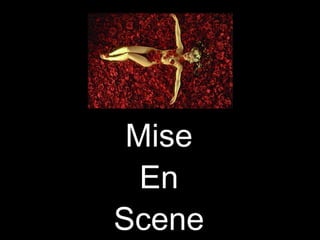
Mise
  En
Scene
Session Aims

By the end of the session you will be able to:

• Understand the concept of ‘mise en scene’
  in order to be able to apply within your
  own practical pieces.
Definition: Mise En Scene
• A French term meaning what is put into a scene or frame

• Visual information in front of the camera

• Communicates essential information to the audience

• Made up of 5 elements:
The 5 Elements of Mise en Scene

• Settings & Props                            Each aspect of mise-en-scene has hidden
                                              meanings within a film and sends signals
                                                 to the audience about how we are
                                                 supposed to feel at a certain point
• Costume, Hair & Make Up

• Facial Expressions & Body Language

• Lighting & Colour

• Positioning of characters/objects within the frame
1. Settings & Props
• Settings & Locations play an important part in film-making and are not just
  ‘backgrounds’

• Sets are either built from scratch or a great deal of time is spent to find a
  setting which already exists


•    TASK: What settings and props you would find in:
1.   A Science Fiction Film
2.   A Romantic Comedy
3.   A Horror Film
2. Costume, Hair & Make Up
• Costume, Hair & Make Up act as an instant indicator to us of a
  character’s personality, status & job

• It tells us immediately whether the film is set in the present and what
  society/or culture it will centre around

• Certain costumes can signify certain individuals (i.e. black cloak of a
  vampire, Spidey’s Spiderman suit)
3. Facial Expressions & Body Language
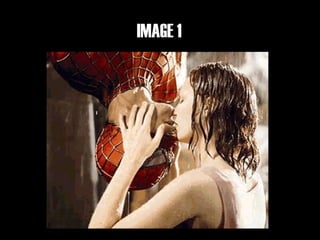
• Facial Expressions provide a clear indicator of how someone is feeling

• If someone is smiling broadly, we assume they are happy but we may get a
  different feeling if this is accompanied by scary music

• Body Language may also indicate how a character feels towards another
  character or may reflect the state of their relationship

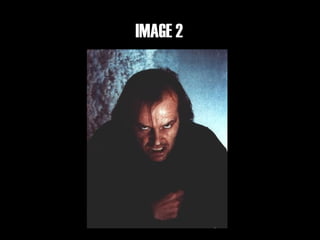
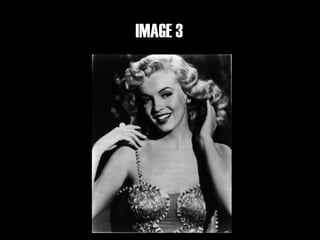
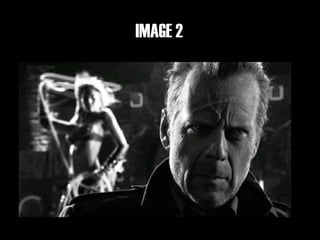
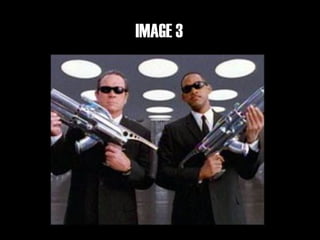
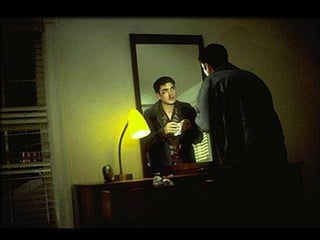
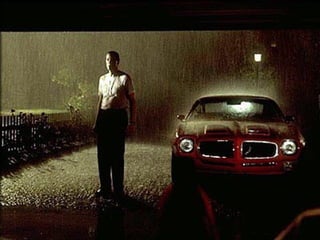
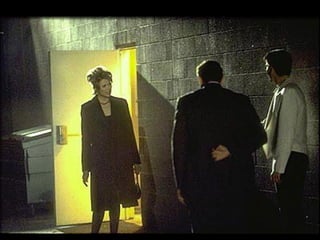
• TASK: What meanings/emotions do the following images convey:
IMAGE 1
IMAGE 2
IMAGE 3
4. Positioning of Characters & Objects within a
                         frame
• Positioning within a frame can draw our attention to an
  important character/object

• A film-maker can use positioning to indicate relationships
  between people

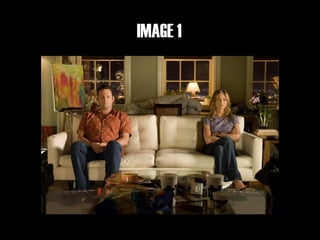
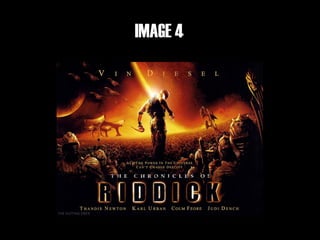
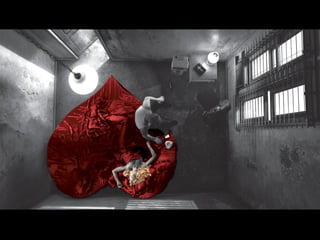
• TASK: What does the positioning in the following images reveal
  about the characters/film:
IMAGE 1
IMAGE 2
IMAGE 3
IMAGE 4
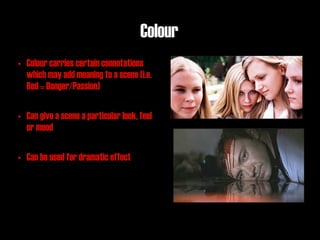
Colour
• Colour carries certain connotations
  which may add meaning to a scene (i.e.
  Red = Danger/Passion)

• Can give a scene a particular look, feel
  or mood

• Can be used for dramatic effect
5. Lighting & Colour
Lighting & Colour can be used to achieve a variety of effects:

• To highlight important characters or objects within the frame
• To make characters look mysterious by shading sections of
  the face & body
• To reflect a characters mental state/hidden emotions (i.e.
  bright = happy, dark = disturbed, strobe effect = confused
18
Types of Lighting
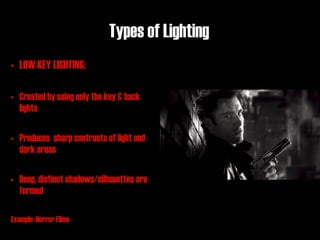
• LOW KEY LIGHTING:

• Created by using only the key & back
  lights

• Produces sharp contrasts of light and
  dark areas

• Deep, distinct shadows/silhouettes are
  formed

Example: Horror Films
Types of Lighting
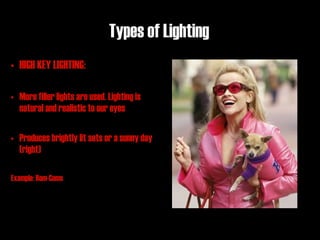
• HIGH KEY LIGHTING:

• More filler lights are used. Lighting is
  natural and realistic to our eyes

• Produces brightly lit sets or a sunny day
  (right)

Example: Rom-Coms
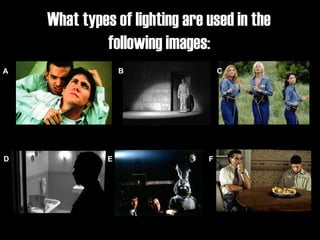
What types of lighting are used in the
             following images:
A                 B                C


D             E                F
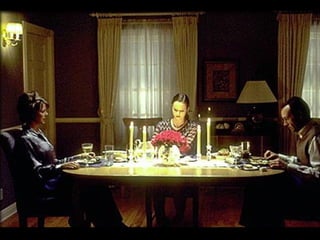
TASK: For the next few images, answer the
                 following questions:
1.    What type of lighting is used in each image (High or Low Key)?

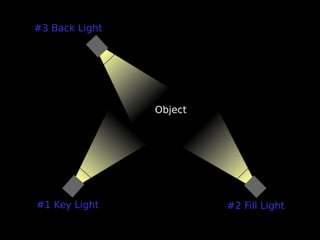
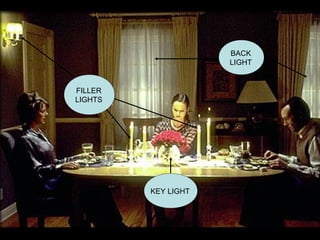
2.    Where are the KEY LIGHTS, FILLER LIGHTS & BACK LIGHTS in each image?

3.    What effects/meanings does the lighting suggest?
BACK
                     LIGHT


FILLER
LIGHTS


         KEY LIGHT
BIG
CHUNKY
 TASK    29
Perform a ‘textual analysis’ concentrating on mise en scene. Find an excerpt/still
from a movie and analyze the usage of mise en scene.

Remember, you will need to comment on:

•Settings & Props

•Costume, Hair & Make Up

•Facial Expressions & Body Language

•Lighting & Colour

•Positioning of characters/objects within the frame
You should attempt to explain any meaning that you think the filmmaker is
attempting to put across to the audience.
Post this onto your posterous blog                                        30

6163554 mise en-scene_powerpoint

  • 1.
  • 2.
    Session Aims By theend of the session you will be able to: • Understand the concept of ‘mise en scene’ in order to be able to apply within your own practical pieces.
  • 3.
    Definition: Mise EnScene • A French term meaning what is put into a scene or frame • Visual information in front of the camera • Communicates essential information to the audience • Made up of 5 elements:
  • 4.
    The 5 Elementsof Mise en Scene • Settings & Props Each aspect of mise-en-scene has hidden meanings within a film and sends signals to the audience about how we are supposed to feel at a certain point • Costume, Hair & Make Up • Facial Expressions & Body Language • Lighting & Colour • Positioning of characters/objects within the frame
  • 5.
    1. Settings &Props • Settings & Locations play an important part in film-making and are not just ‘backgrounds’ • Sets are either built from scratch or a great deal of time is spent to find a setting which already exists • TASK: What settings and props you would find in: 1. A Science Fiction Film 2. A Romantic Comedy 3. A Horror Film
  • 6.
    2. Costume, Hair& Make Up • Costume, Hair & Make Up act as an instant indicator to us of a character’s personality, status & job • It tells us immediately whether the film is set in the present and what society/or culture it will centre around • Certain costumes can signify certain individuals (i.e. black cloak of a vampire, Spidey’s Spiderman suit)
  • 7.
    3. Facial Expressions& Body Language • Facial Expressions provide a clear indicator of how someone is feeling • If someone is smiling broadly, we assume they are happy but we may get a different feeling if this is accompanied by scary music • Body Language may also indicate how a character feels towards another character or may reflect the state of their relationship • TASK: What meanings/emotions do the following images convey:
  • 8.
  • 9.
  • 10.
  • 11.
    4. Positioning ofCharacters & Objects within a frame • Positioning within a frame can draw our attention to an important character/object • A film-maker can use positioning to indicate relationships between people • TASK: What does the positioning in the following images reveal about the characters/film:
  • 12.
  • 13.
  • 14.
  • 15.
  • 16.
    Colour • Colour carriescertain connotations which may add meaning to a scene (i.e. Red = Danger/Passion) • Can give a scene a particular look, feel or mood • Can be used for dramatic effect
  • 17.
    5. Lighting &Colour Lighting & Colour can be used to achieve a variety of effects: • To highlight important characters or objects within the frame • To make characters look mysterious by shading sections of the face & body • To reflect a characters mental state/hidden emotions (i.e. bright = happy, dark = disturbed, strobe effect = confused
  • 18.
  • 19.
    Types of Lighting •LOW KEY LIGHTING: • Created by using only the key & back lights • Produces sharp contrasts of light and dark areas • Deep, distinct shadows/silhouettes are formed Example: Horror Films
  • 20.
    Types of Lighting •HIGH KEY LIGHTING: • More filler lights are used. Lighting is natural and realistic to our eyes • Produces brightly lit sets or a sunny day (right) Example: Rom-Coms
  • 21.
    What types oflighting are used in the following images: A B C D E F
  • 22.
    TASK: For thenext few images, answer the following questions: 1. What type of lighting is used in each image (High or Low Key)? 2. Where are the KEY LIGHTS, FILLER LIGHTS & BACK LIGHTS in each image? 3. What effects/meanings does the lighting suggest?
  • 24.
    BACK LIGHT FILLER LIGHTS KEY LIGHT
  • 29.
  • 30.
    Perform a ‘textualanalysis’ concentrating on mise en scene. Find an excerpt/still from a movie and analyze the usage of mise en scene. Remember, you will need to comment on: •Settings & Props •Costume, Hair & Make Up •Facial Expressions & Body Language •Lighting & Colour •Positioning of characters/objects within the frame You should attempt to explain any meaning that you think the filmmaker is attempting to put across to the audience. Post this onto your posterous blog 30