WEB PROJECT MANAGEMENT
How to Successfully Structure Web Projects


Business Academy Aarhus - ITDays October 2012

Jarne W. Beutnagel
jwb@eaaa.dk

www.beutnagel.dk/itdays2012/
OVERVIEW
The purpose and structure of this presentation
1) PROJECT COMPONENTS
Logical and controllable division of the project
(WHAT, HOW & WHEN)
2) ROLES & RESPONSIBILITIES
Division of areas of responsibilities
(WHO)
WHAT IS PROJECT MANAGEMENT?
Achieve alignment, create momentum and ensure
value delivery

Planning and structuring resources

Issue handling
WHAT IS A WEB PROJECT?
Projects whose output exist in an online
environment
  •   Web applications
  •   eCommerce / Webshop Solutions
  •   Websites
  •   Etc
1) A SIMPLIFIED
PROJECT MODEL
The components of a Web Project
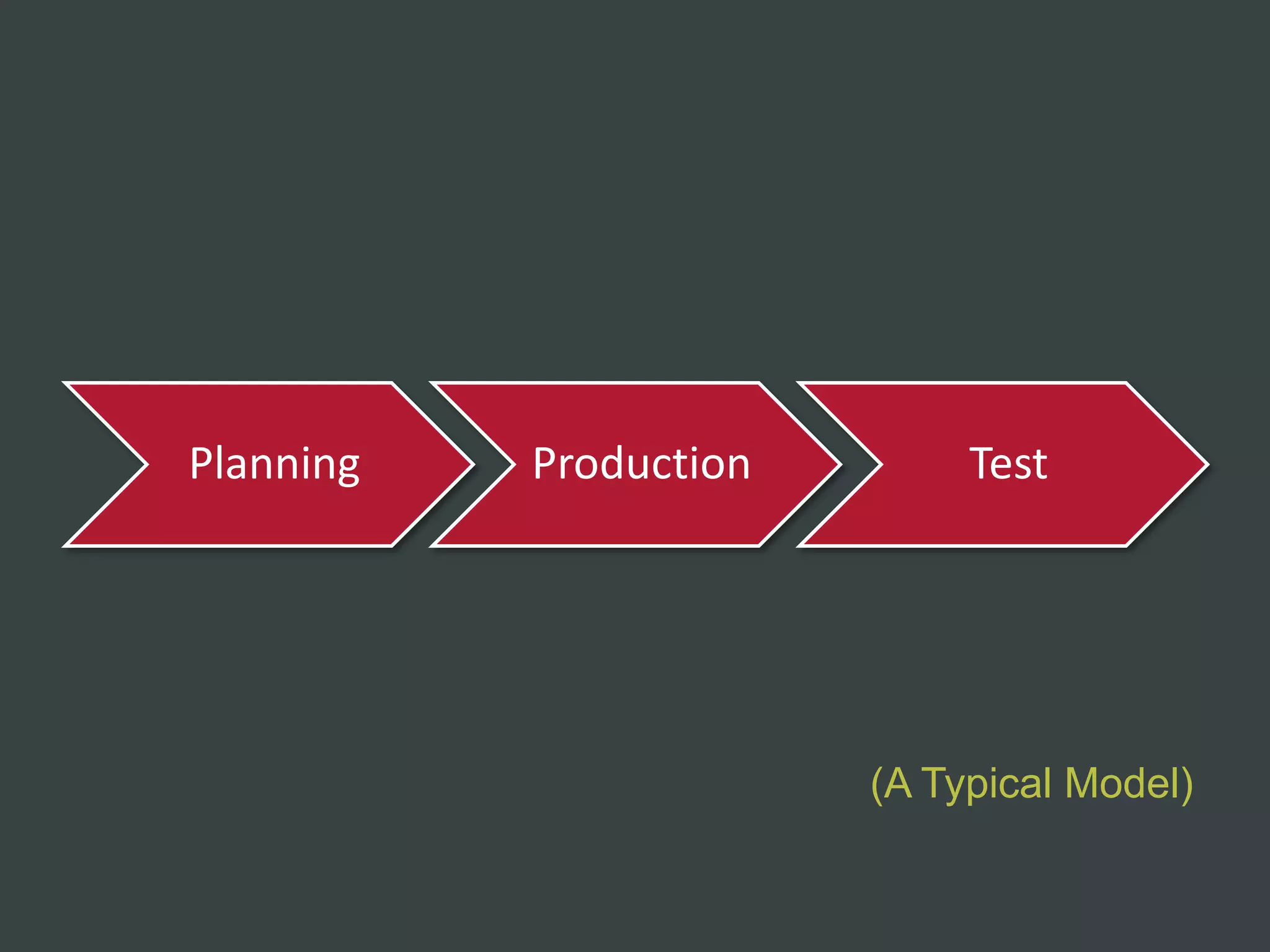
Planning   Production        Test


                        (A Typical Model)
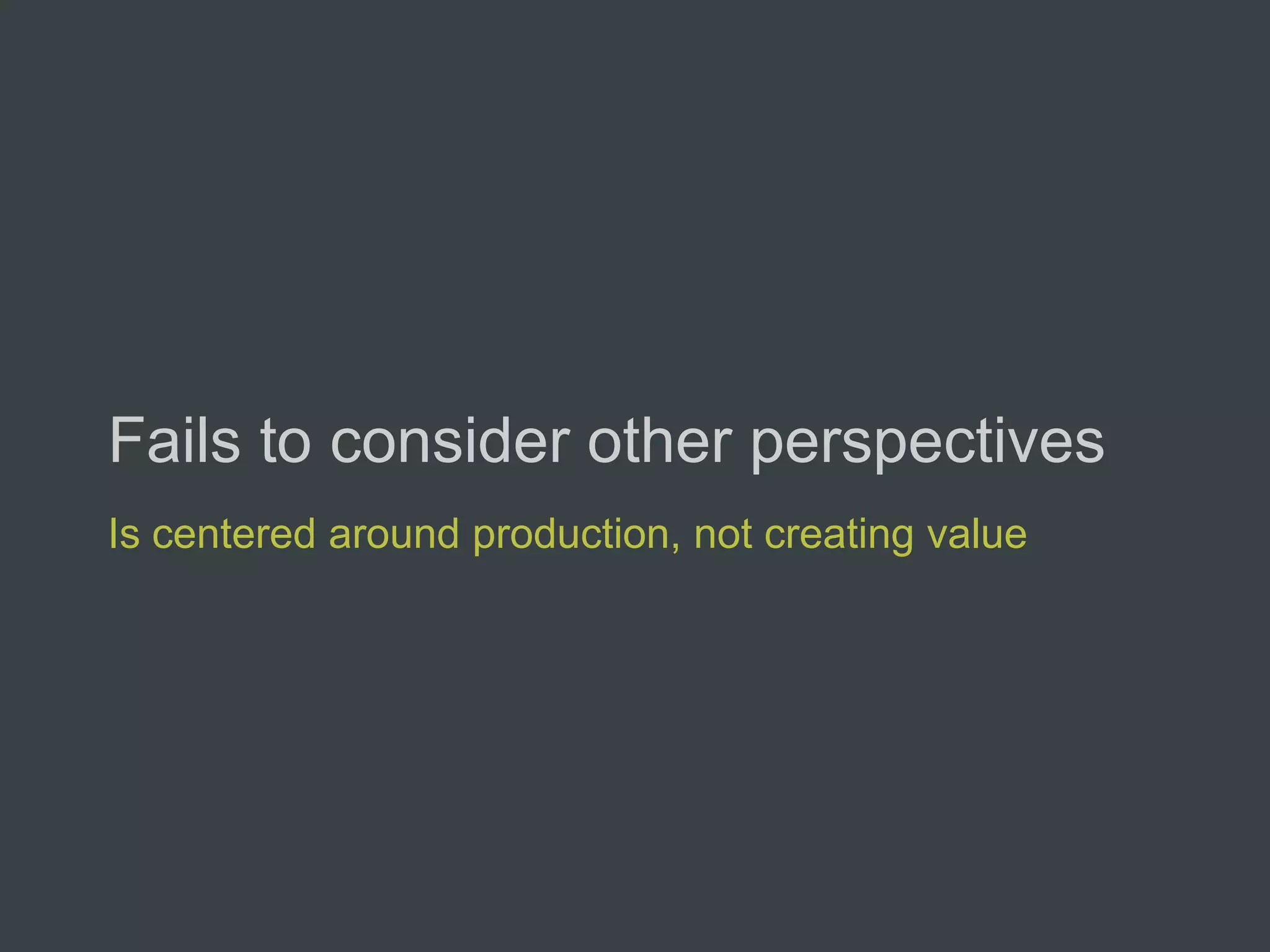
Fails to consider other perspectives
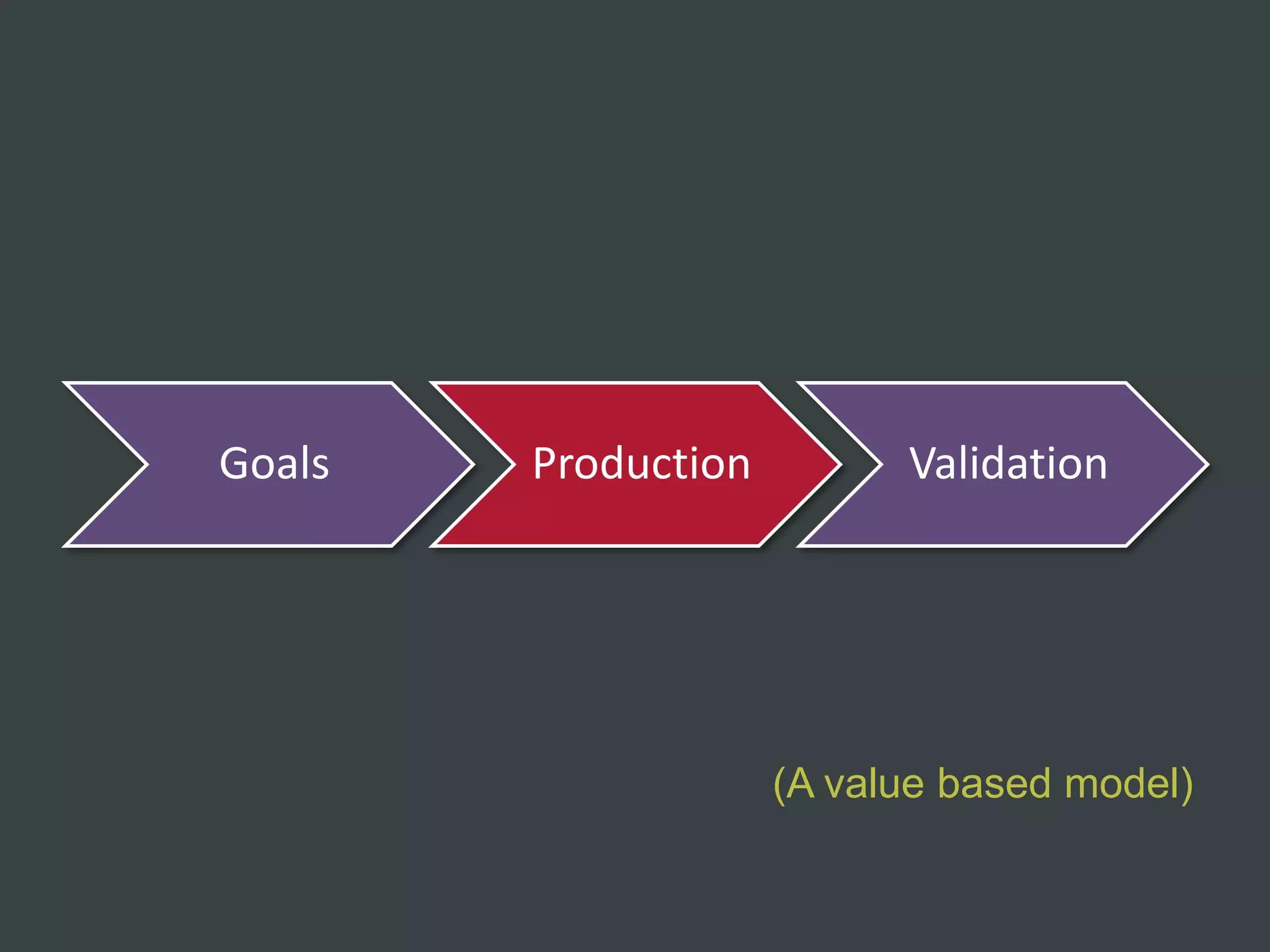
Is centered around production, not creating value
Goals   Production         Validation


                     (A value based model)
Oversimplifies the process
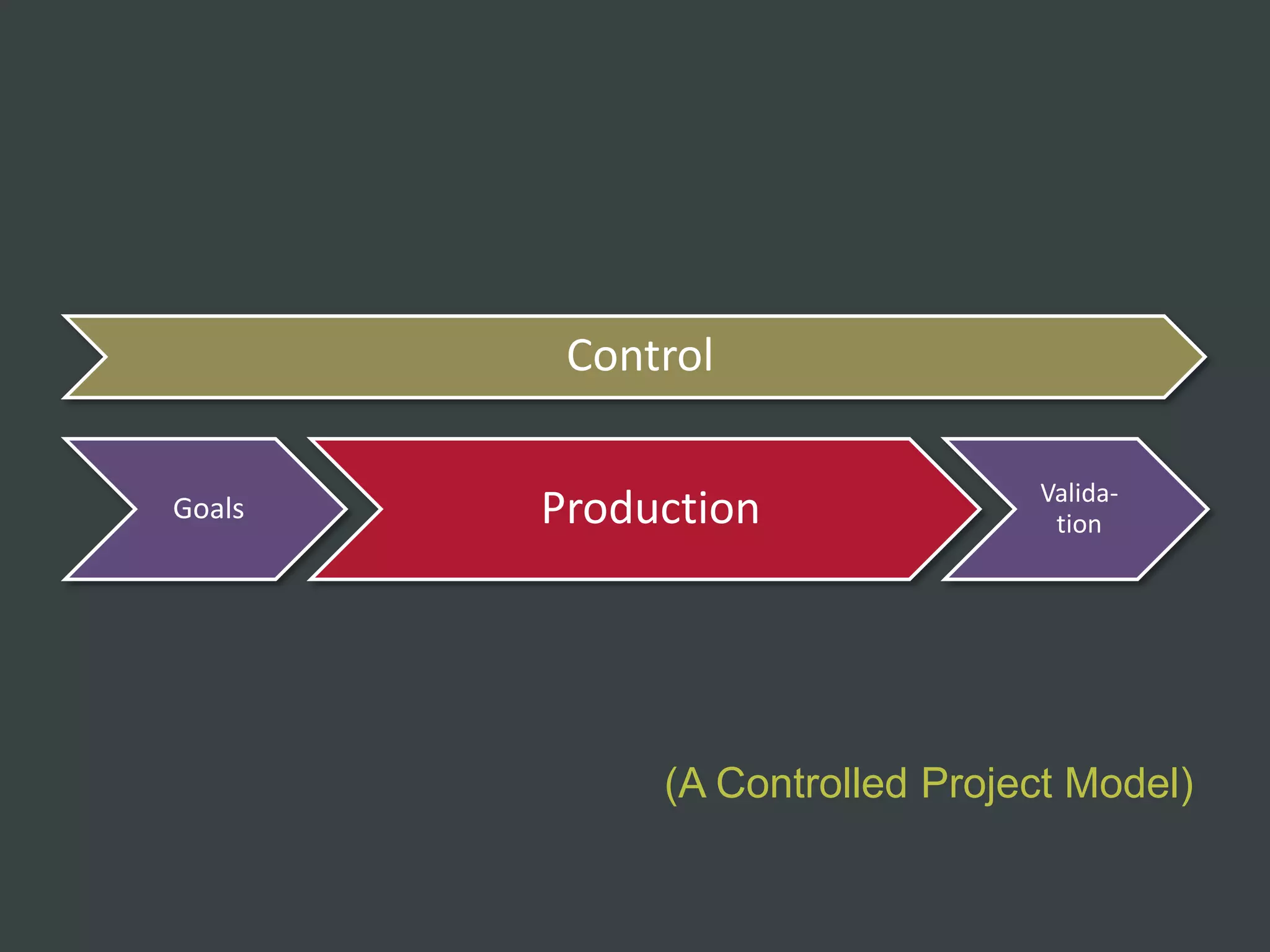
Does not contain control structures
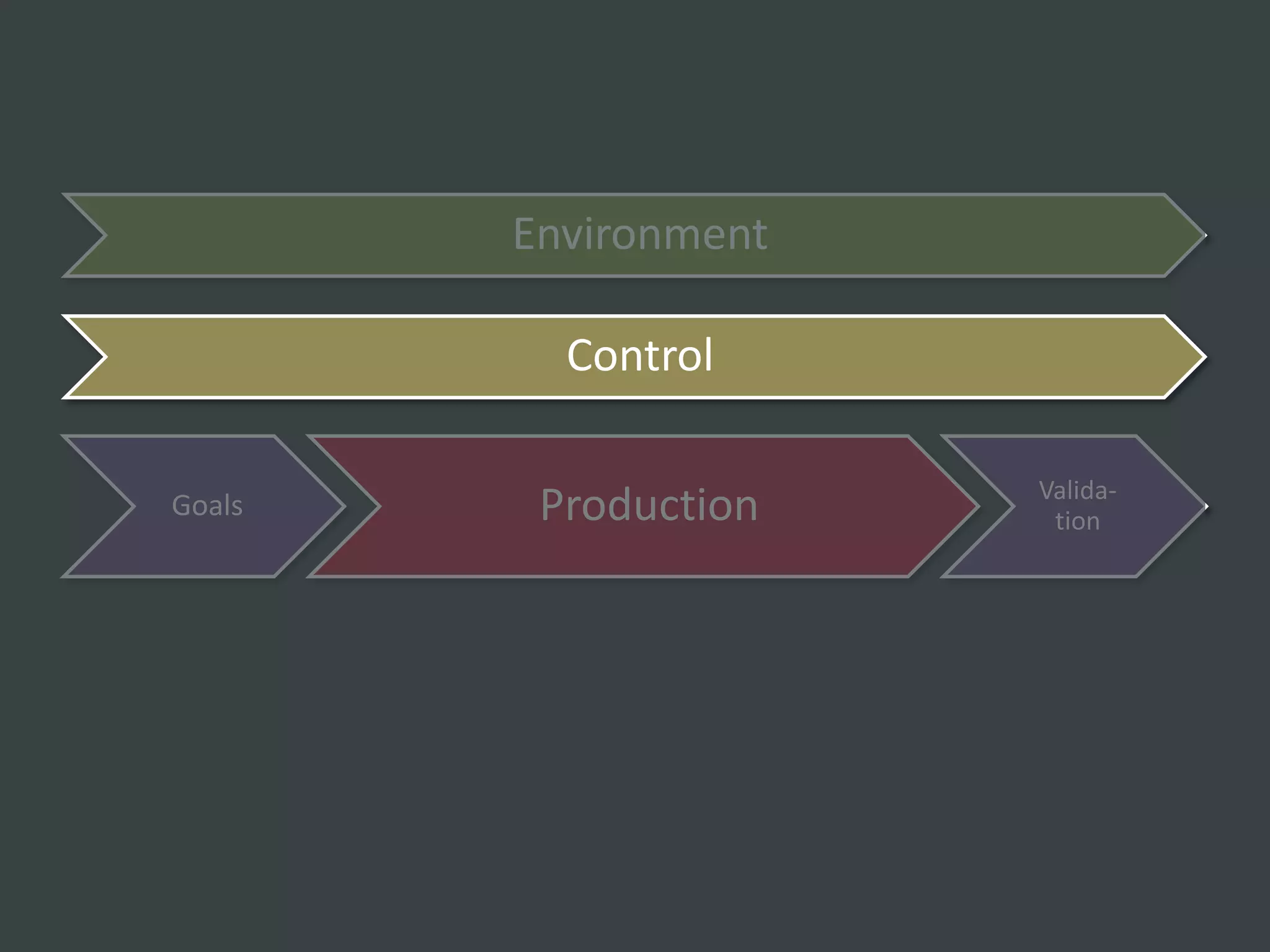
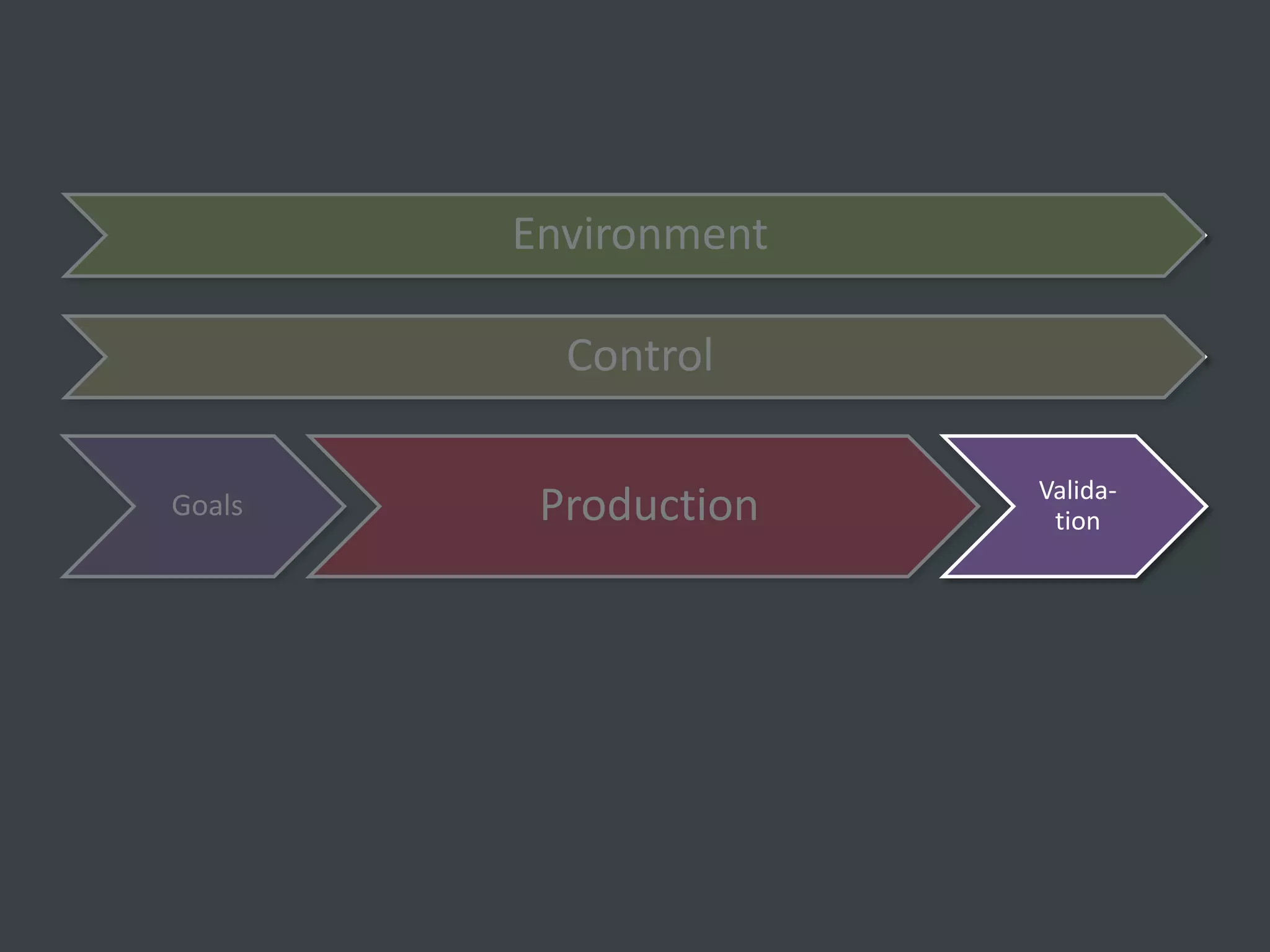
Control

                                Valida-
Goals   Production               tion


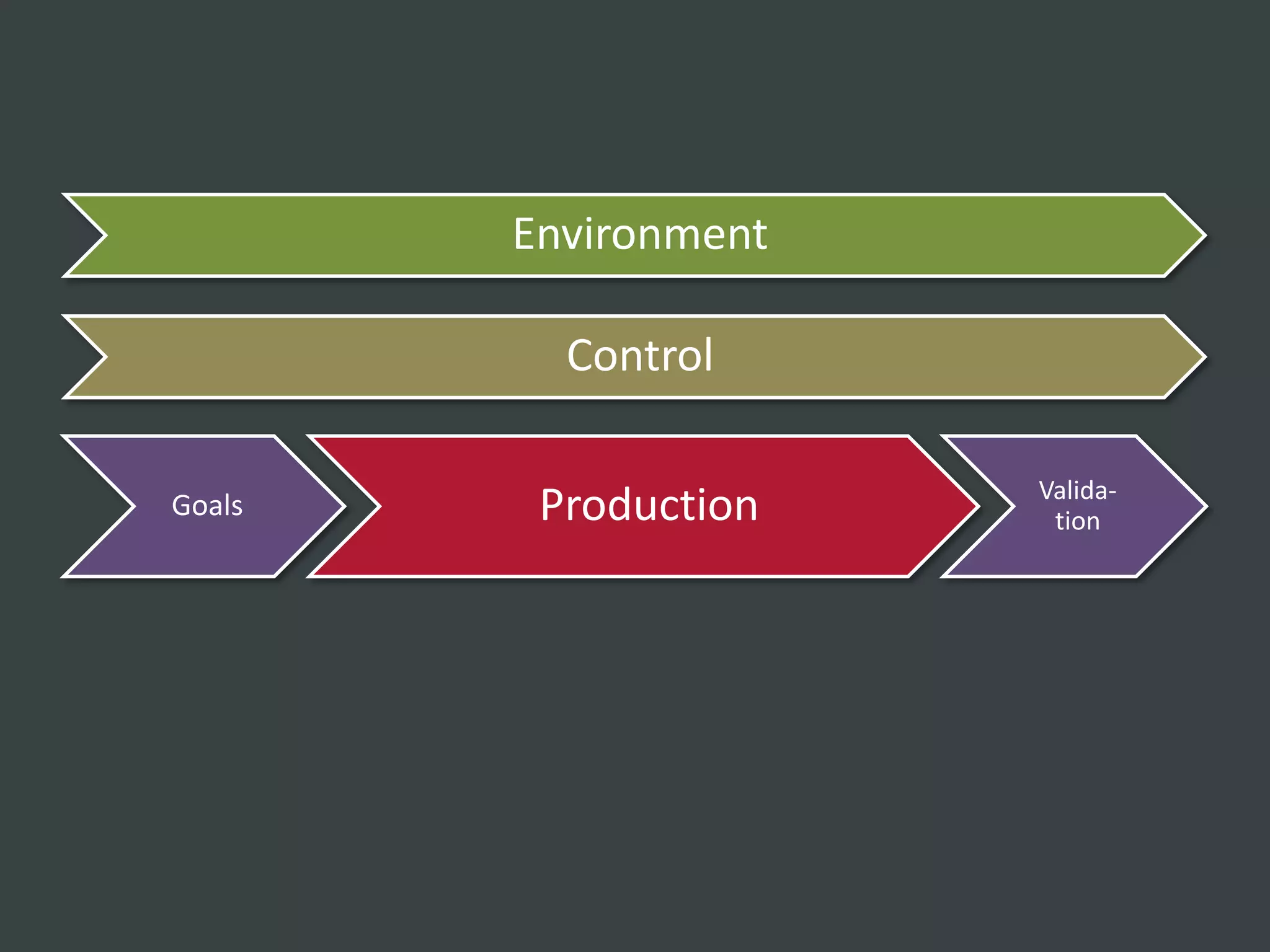
             (A Controlled Project Model)
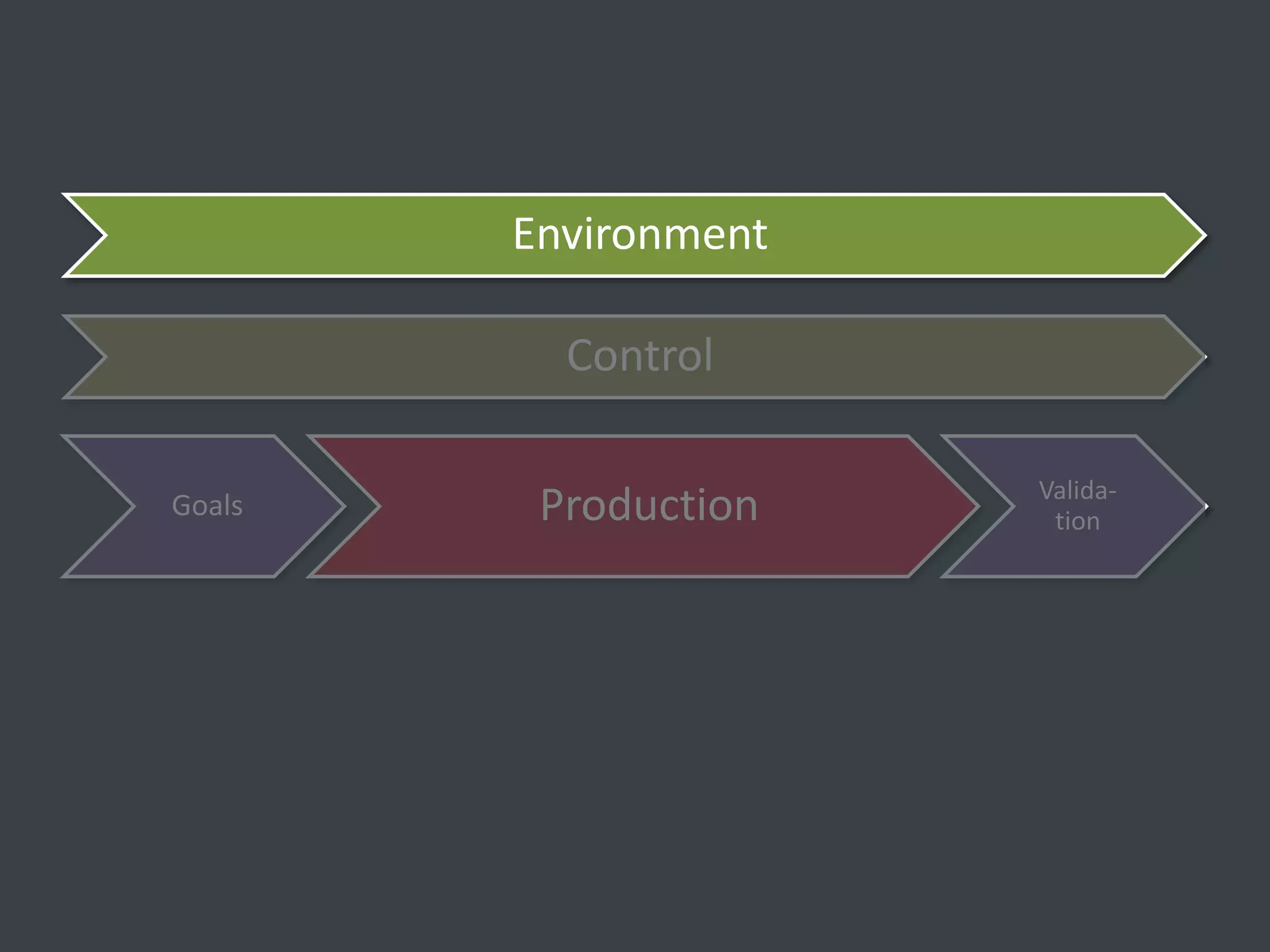
Project is not grounded
The environment the project exists in has to be taken into
consideration
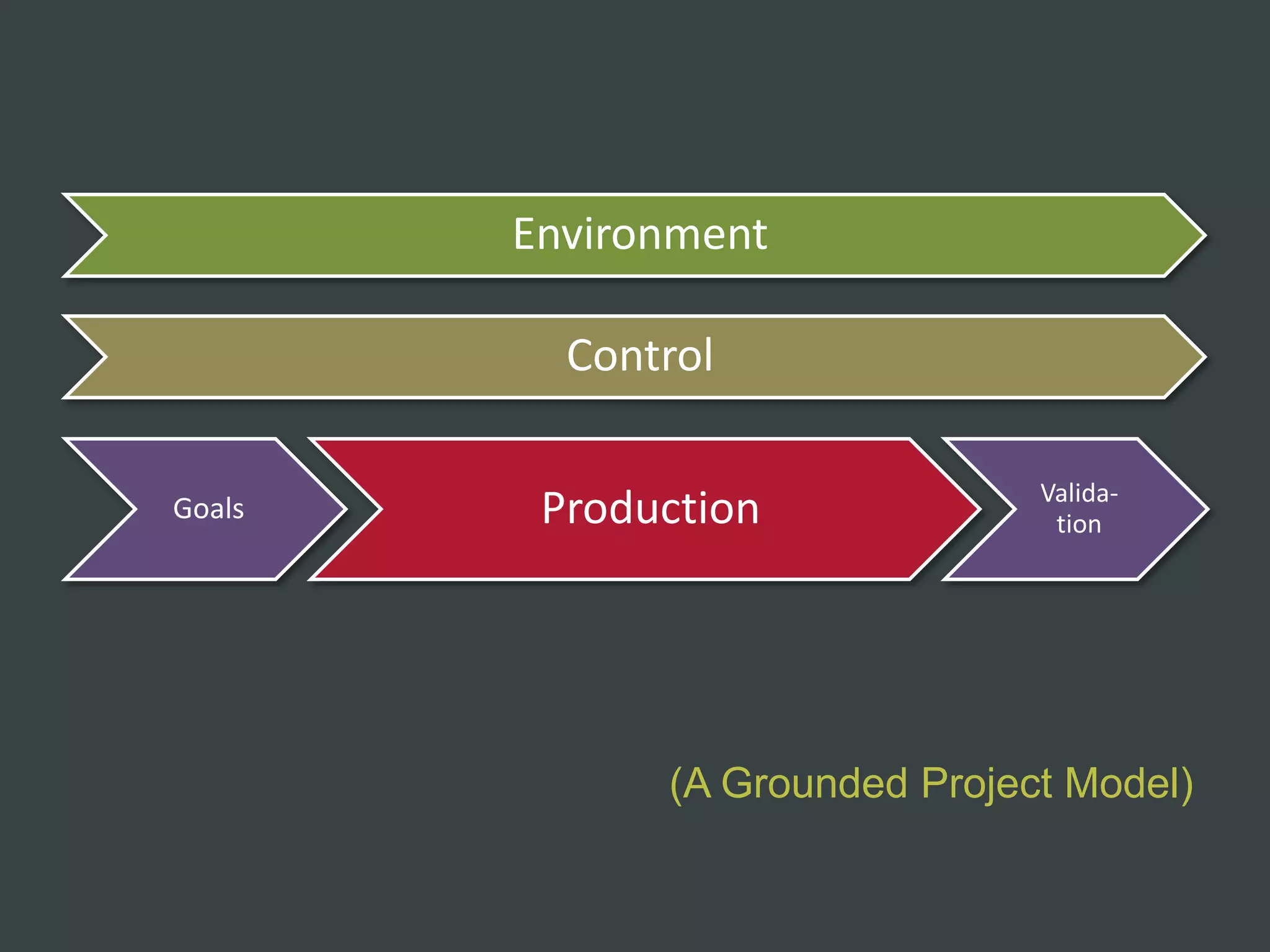
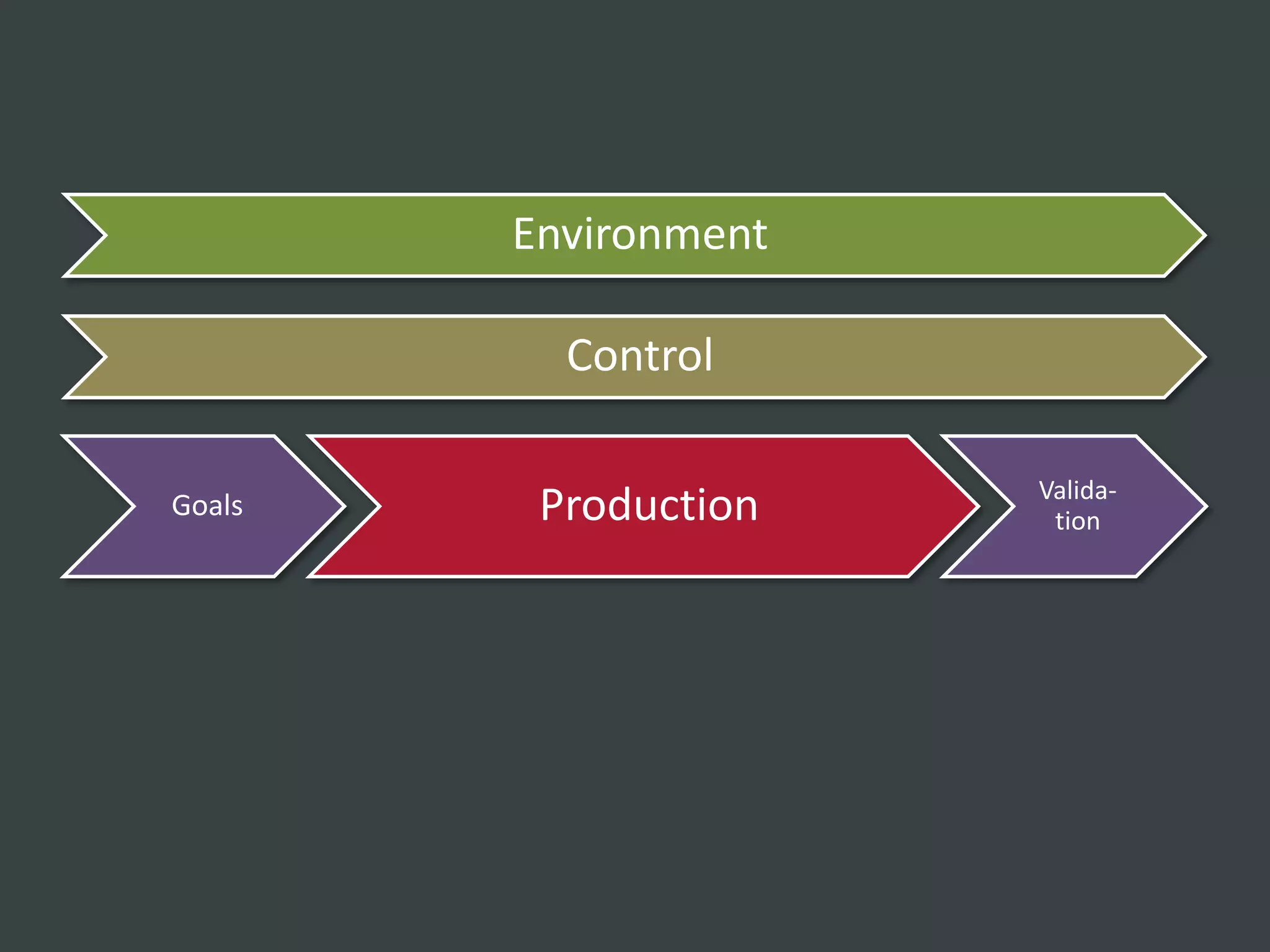
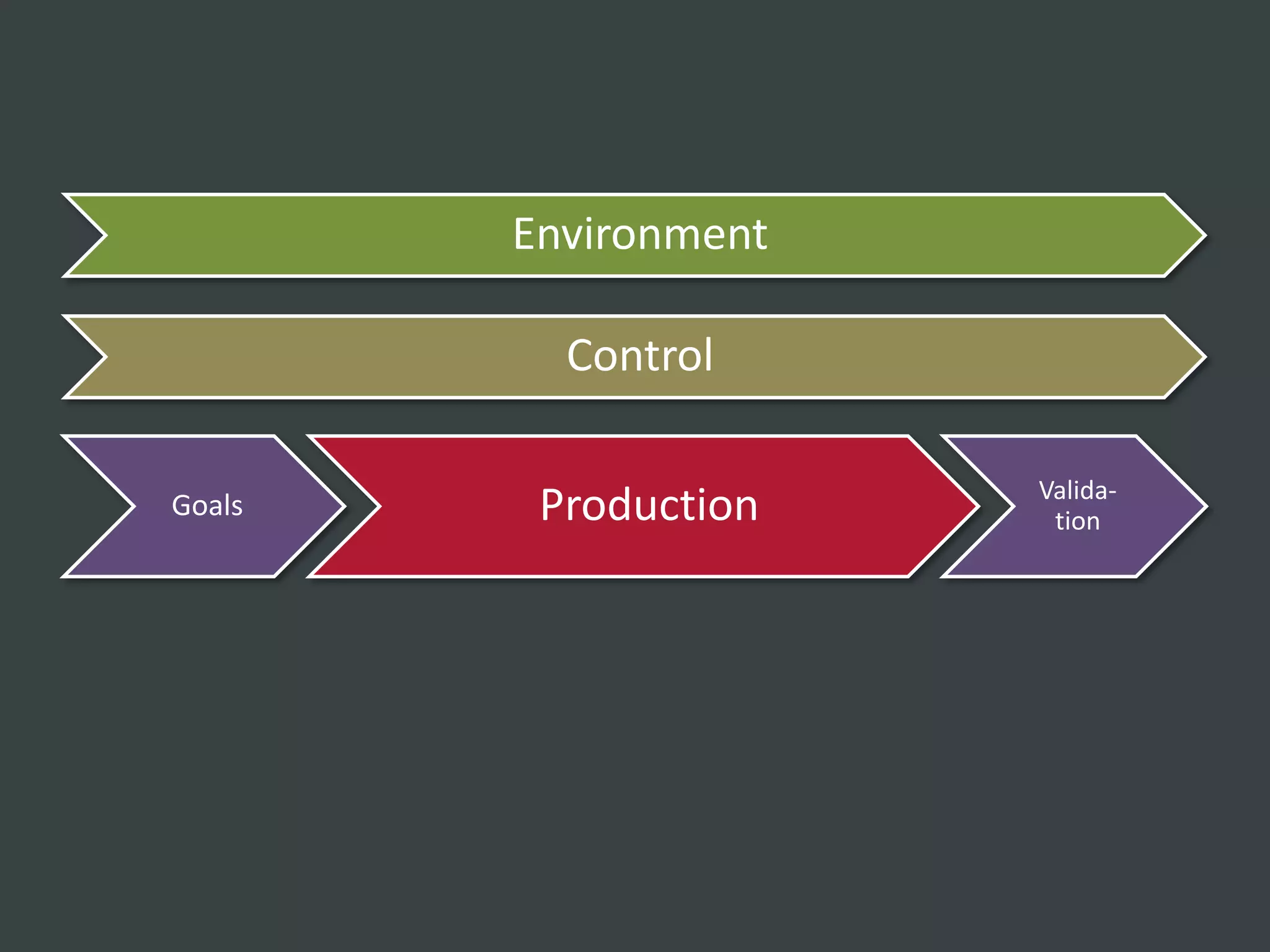
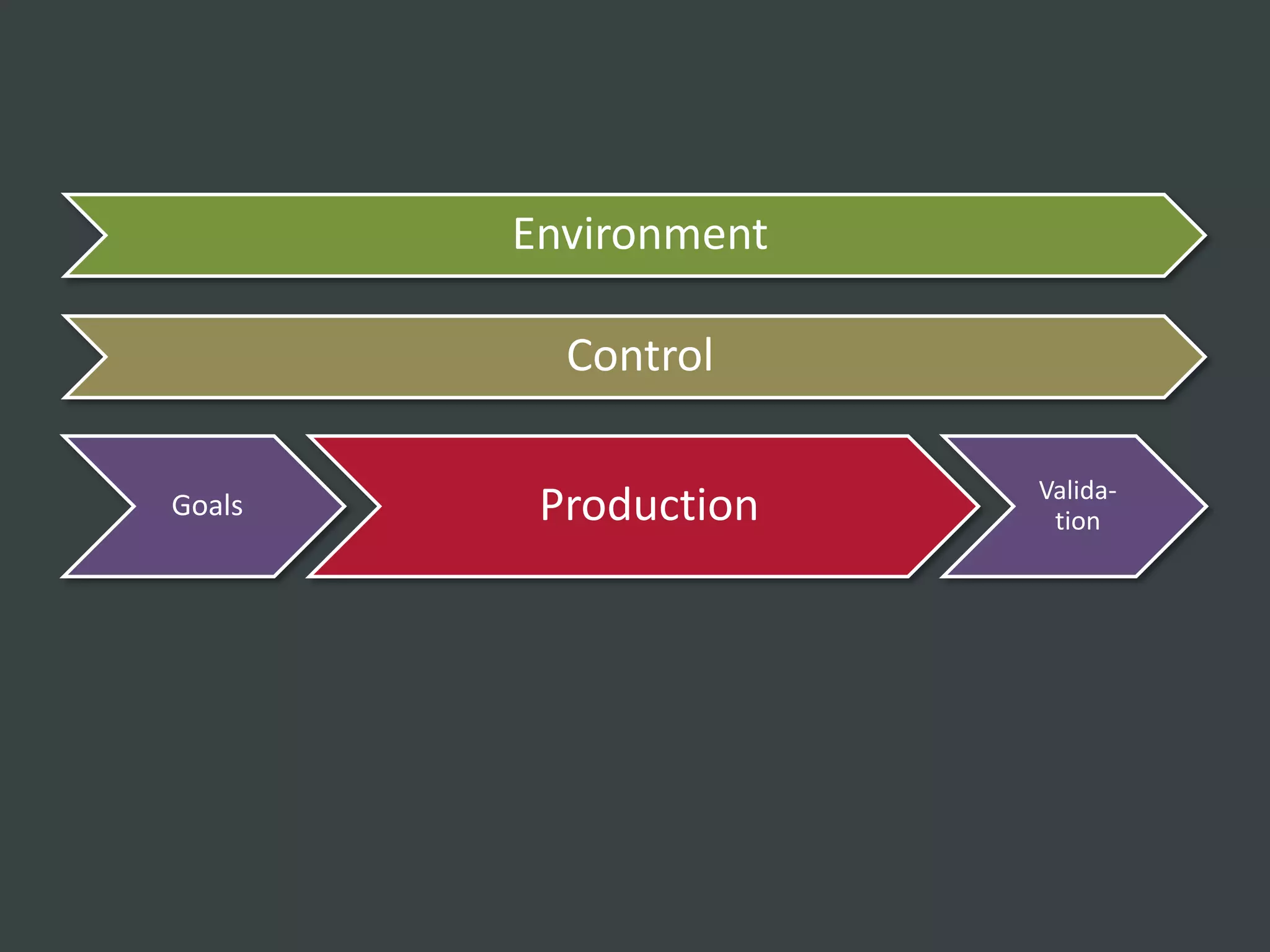
Environment

          Control

                                Valida-
Goals    Production              tion


              (A Grounded Project Model)
REALITY:
NOT SYNCHRONOUS
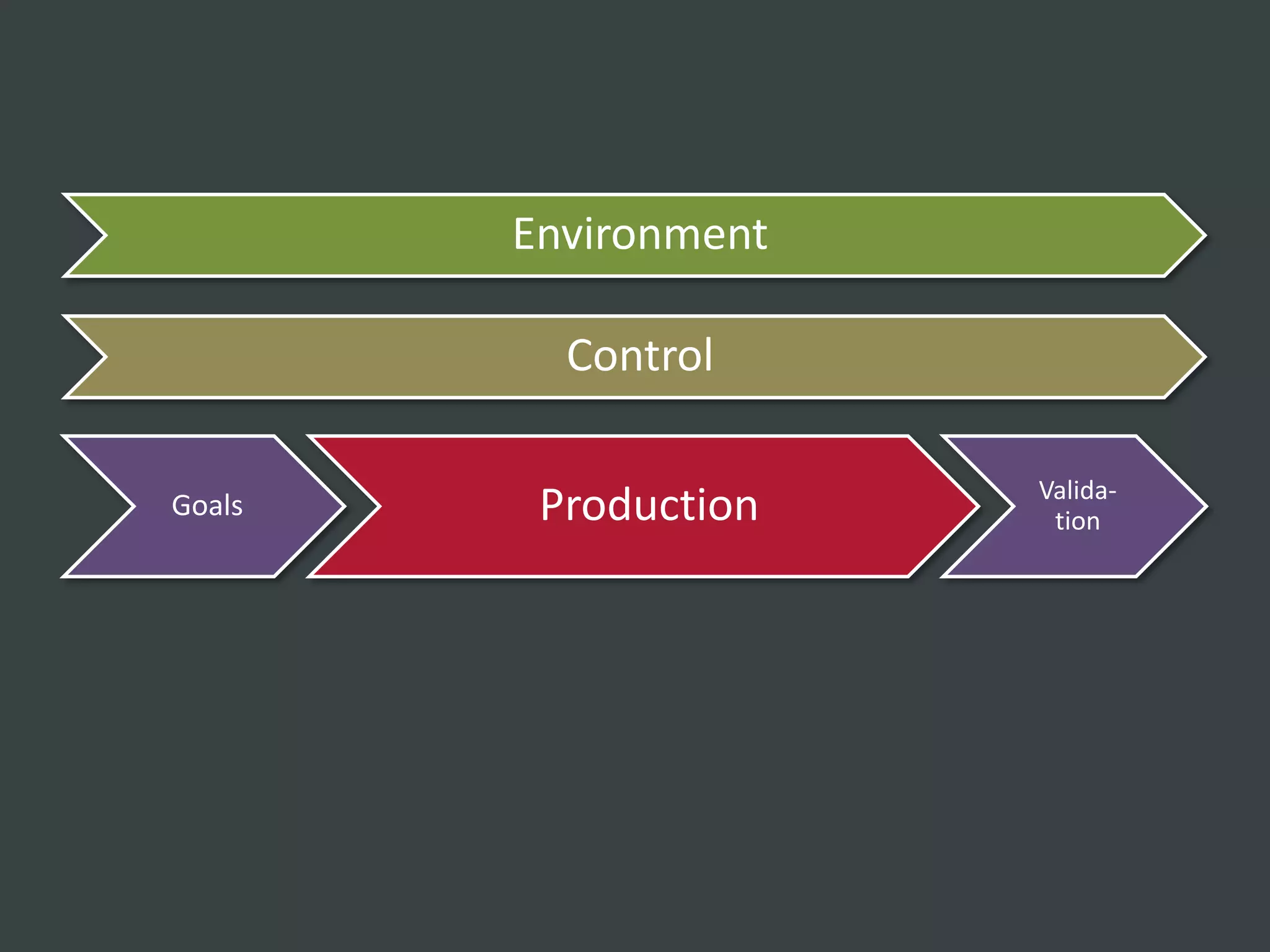
Several phases are often ongoing at the same time
Environment

          Control

                      Valida-
Goals    Production    tion
Environment

          Control

                      Valida-
Goals    Production    tion
THE PROJECT ENVIRONMENT
Understanding the project framing
There are two distinct
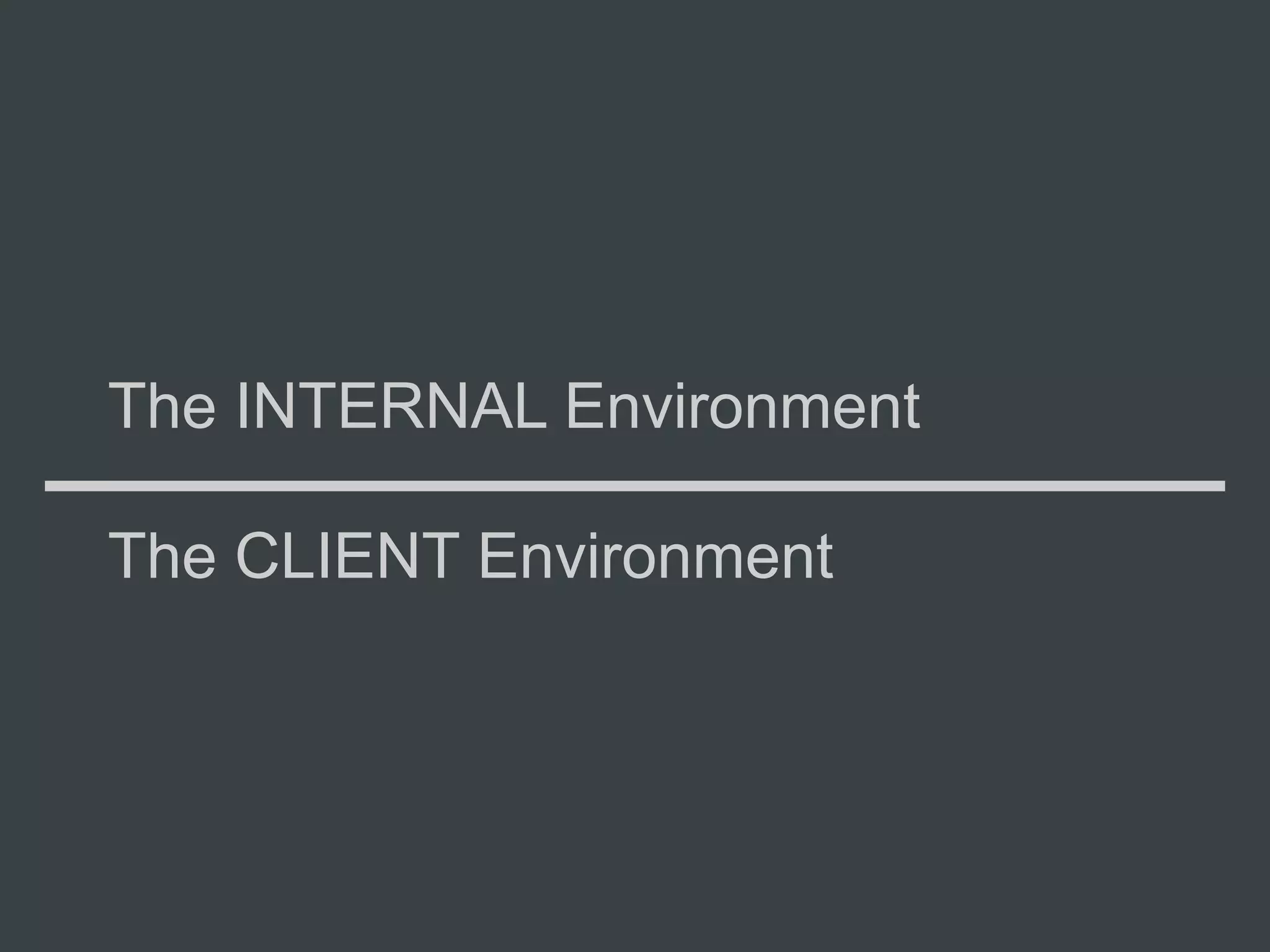
   environments
The INTERNAL Environment

The CLIENT Environment
(even if it is an internal project)
The INTERNAL Environment
Knowing the hard limitations of business reality
What to take into consideration (internal perspective)

  Business Environment
  • Business Goals
  • Customer Retention Goals
  • Placement in the Program Structure
What to take into consideration (internal perspective)

  Resource Availability
  • Internal Budget
  • Time Constraints
  • Skills
  • People
What to take into consideration (internal perspective)

  Motivation
  • Incentives
  • Motives
  • Desired Outcome
What to take into consideration (internal perspective)

  Attitude / Opinions
  • Preconceptions
  • Past Relations with Client
  • Role of Project Management
What to take into consideration (internal perspective)

  Support Structures
  • Infrastructure
     • Tools
     • Company Culture
  • Methodology
    • Agile Development (e.g. Scrum)
    • PRINCE2
The CLIENT Environment
Understanding the Client Needs
What to take into consideration (client perspective)

  Business Environment
  • Project Incentives
     • Program Structure
     • Career Importance
  • Stakeholders
     • Internal / External
What to take into consideration (client perspective)

  Strategic Goals
  • Business Goals
  • User Goals
  • User Needs
What to take into consideration (client perspective)

  Constraints
  • Quality
  • Project Budget
  • Maintenance costs
  • Timeframe
  • Required involvement
  • Security
What to take into consideration (client perspective)

  Pre-Project
  • Expectations
  • Knowledge
  • Experience
  • Trust
  • Guaranties
  • Availability
What to take into consideration (client perspective)

  Controlling
  • Transparency
  • Level of Involvement
  • Support / Consultation
What to take into consideration (client perspective)

  Post-Project
  • Measurability / Metrics
  • Maintainability
  • Governance
Environment

          Control

                      Valida-
Goals    Production    tion
Environment

          Control

                      Valida-
Goals    Production    tion
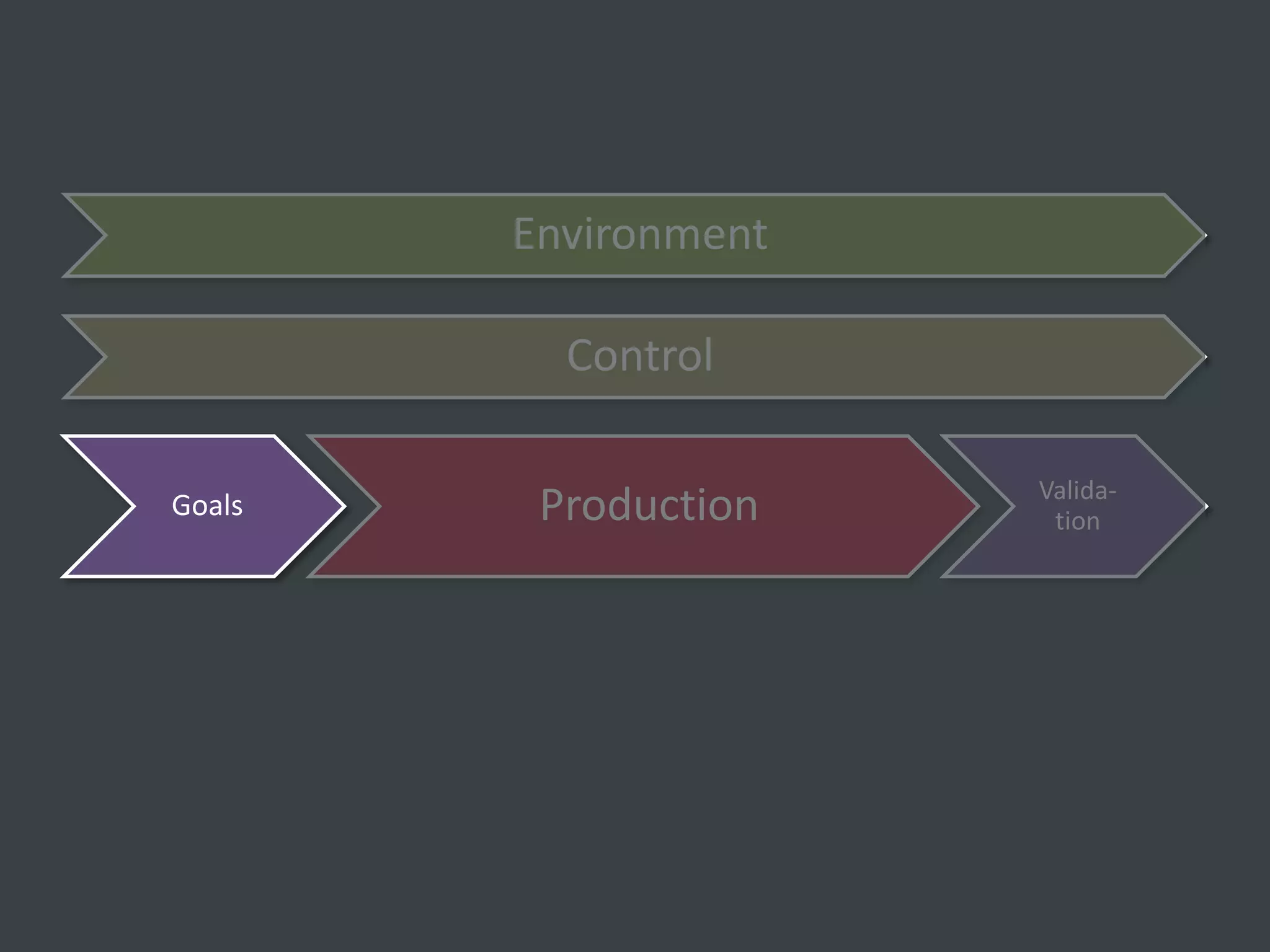
GOALS
Laying the foundation by strategic alignment and defining
expected value delivery
Purpose: Ensure Measurable
    Strategic Alignment
PROJECT DOCUMENTS

 Business Case
 Reasons for undertaking the project, Goals and
 Future Life

 Project Brief
 Outline of the project structure, Functionality
 and User Description
PROJECT DOCUMENTS

 Technical Specs
 Detailed description of implementation of
 functionality

 Test Plan
 Quality Criteria that have to be approved for
 final signoff
Business Case
• Description of Business Goals
• Measurable Metrics
• Post-Project Existence
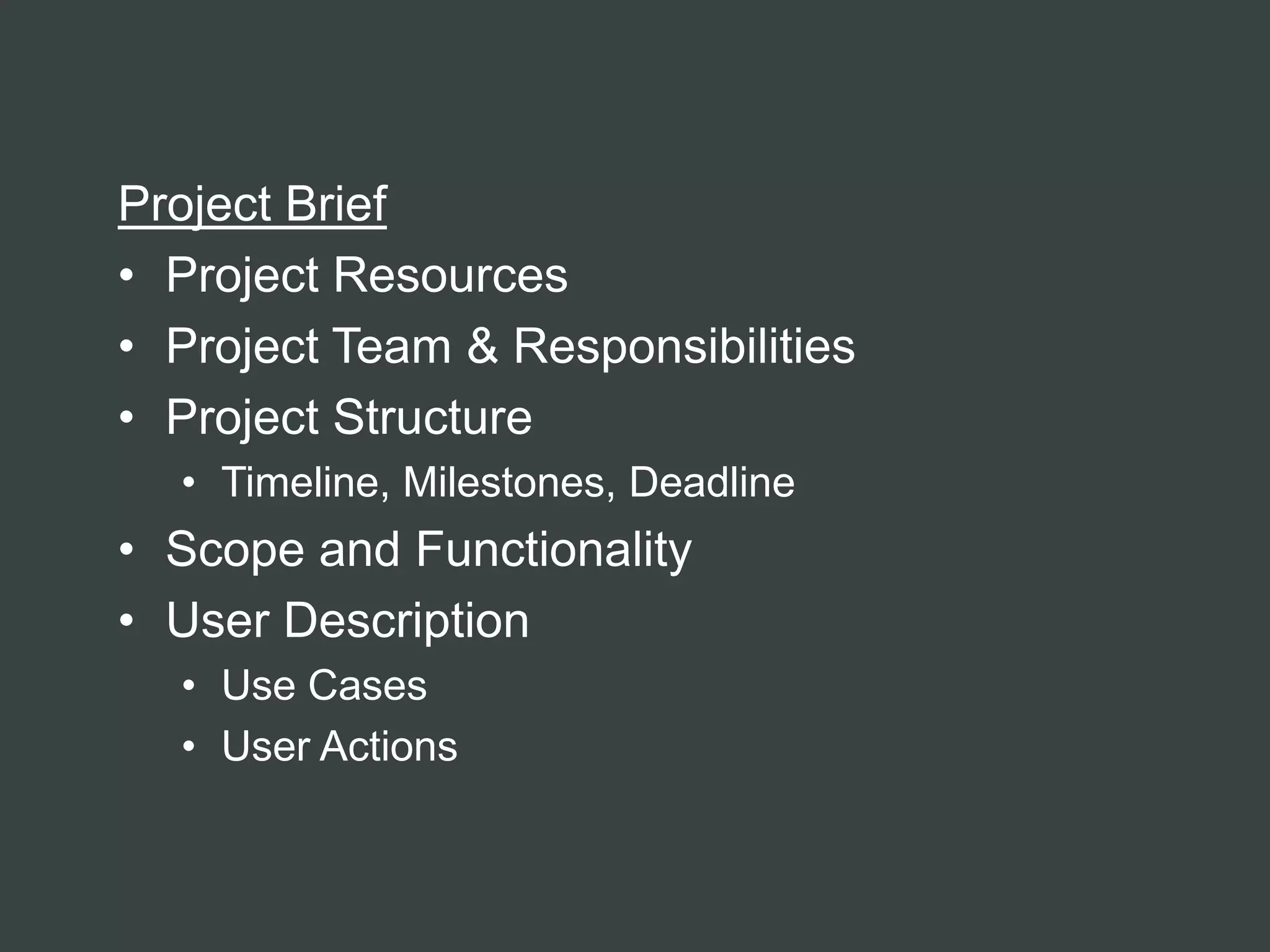
Project Brief
• Project Resources
• Project Team & Responsibilities
• Project Structure
  • Timeline, Milestones, Deadline
• Scope and Functionality
• User Description
  • Use Cases
  • User Actions
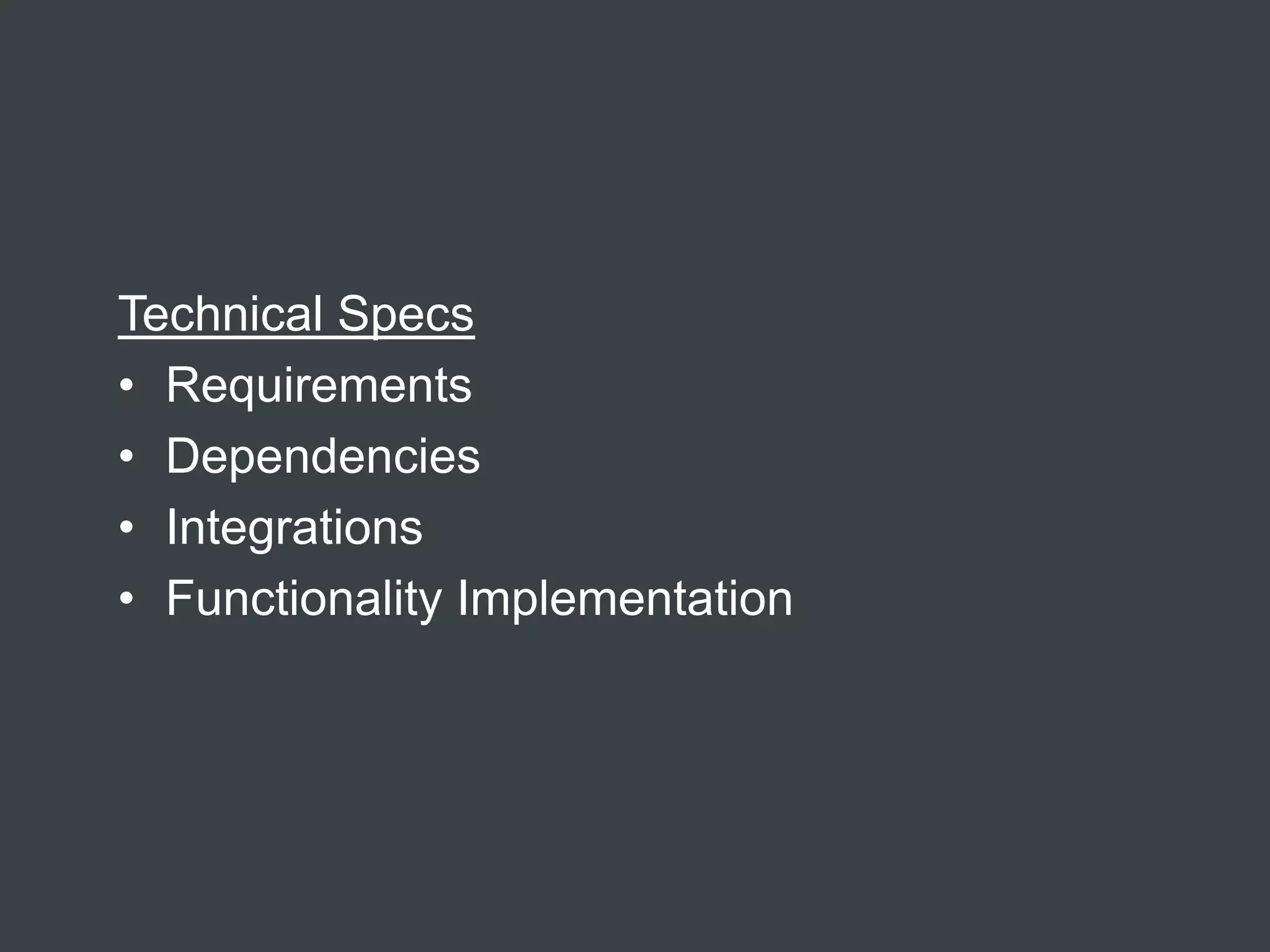
Technical Specs
• Requirements
• Dependencies
• Integrations
• Functionality Implementation
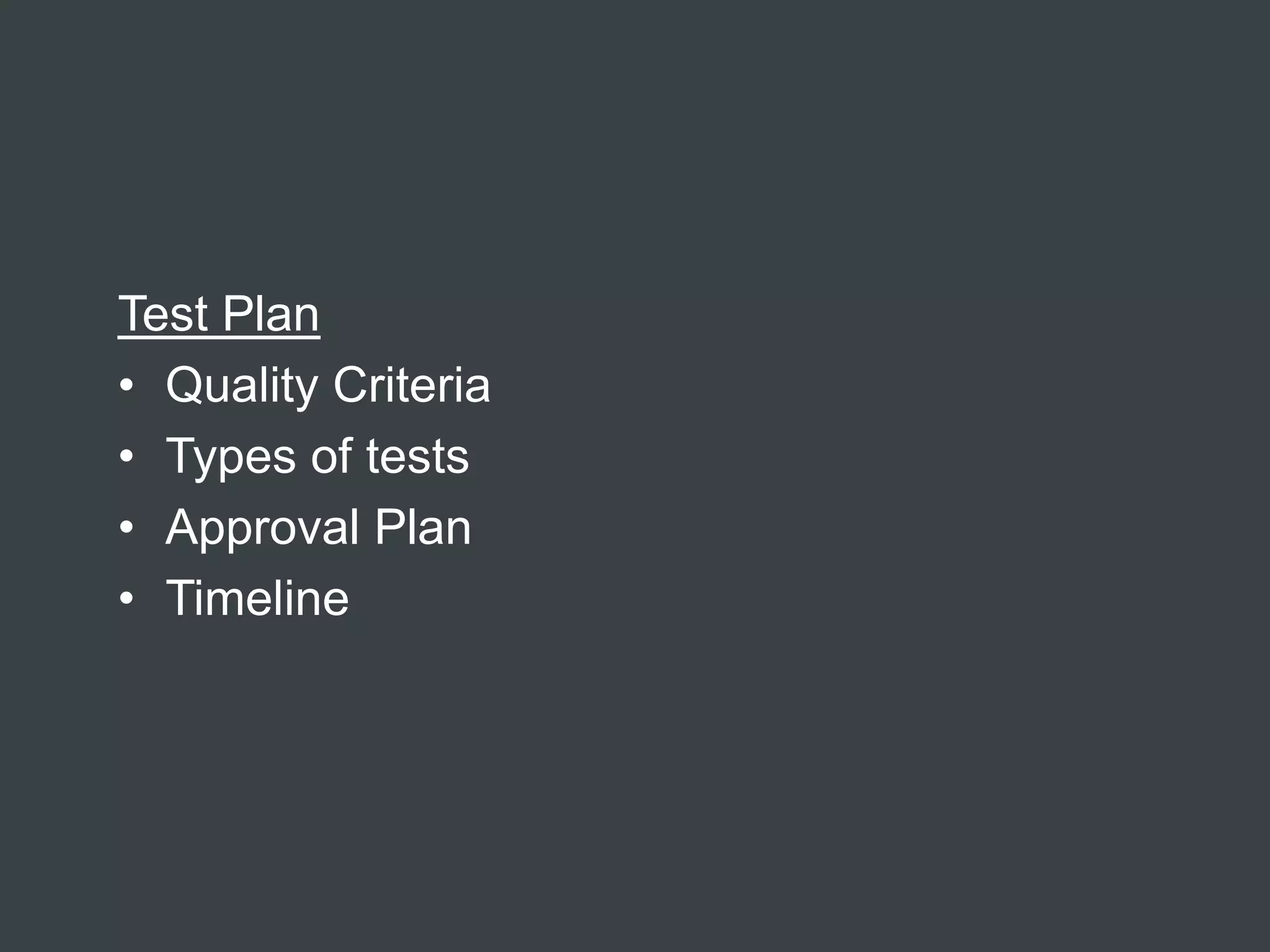
Test Plan
• Quality Criteria
• Types of tests
• Approval Plan
• Timeline
Environment

          Control

                      Valida-
Goals    Production    tion
Environment

          Control

                      Valida-
Goals    Production    tion
CONTROL STRUCTURES
Controlling the processes and activities
Purpose: Enable steering of the
   project and ensure client
         involvement
PROJECT TOOLS

 Status Meetings
 Reoccurring client meetings to discuss the
 status and handle issues

 Project Tracker
 Central document keeping track of progress
 and logging hours
PROJECT TOOLS

 Issue Log
 List of issues that arise, their status and plan of
 action

 Document Storage
 A space where project, design and production
 documents are shared with the team and the
 client
Environment

          Control

                      Valida-
Goals    Production    tion
Environment

          Control

                      Valida-
Goals    Production    tion
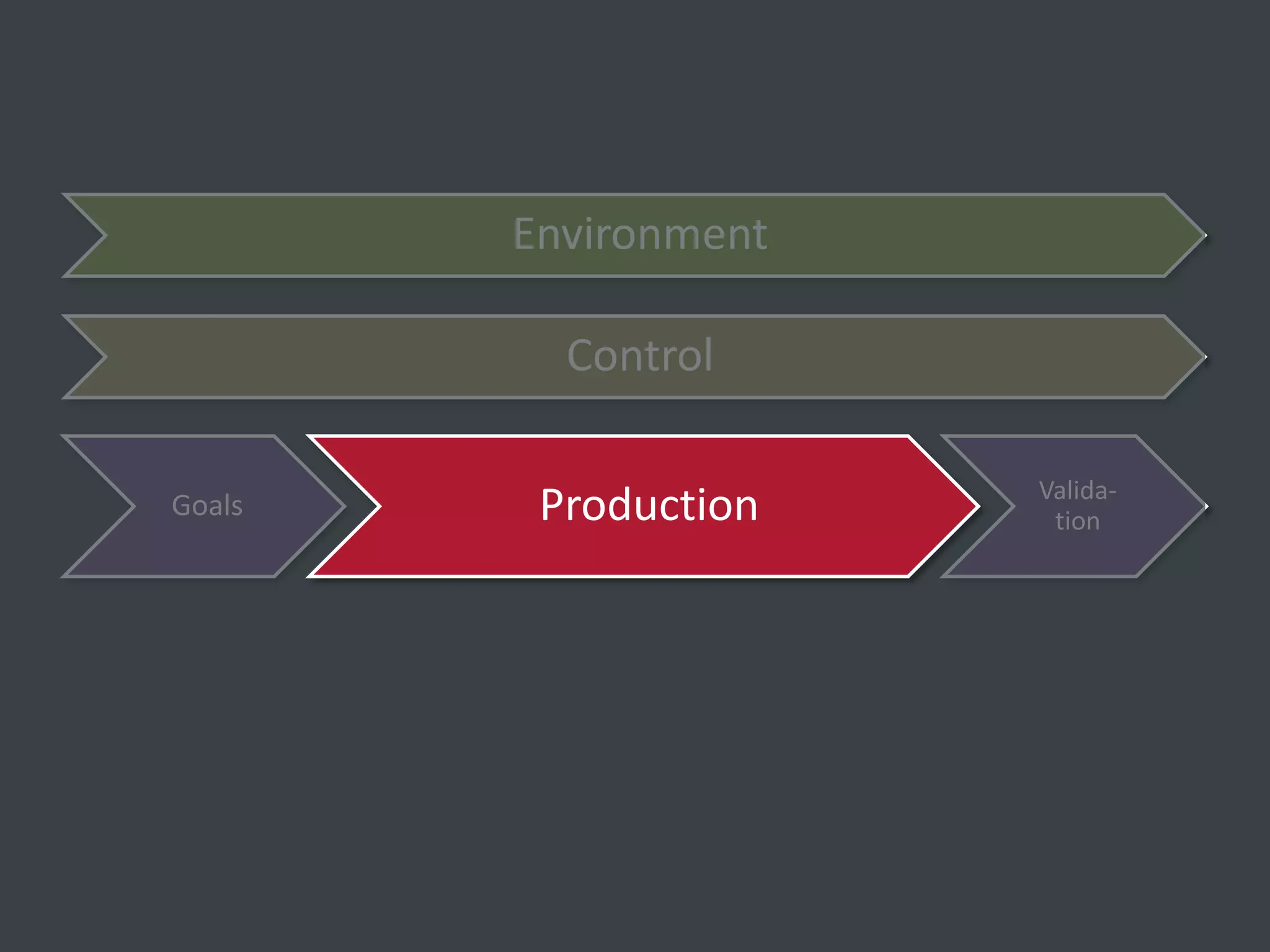
PRODUCTION
The processes and activities that generates the project
output
Purpose: To structure the build
process to ensure that the right
       value is created
PROJECT TOOLS

 Design Plan
 This plan outlines the design phases and
 dictates which processes will be used and the
 number of iterations sent for approval
 Prototyping Plan
 This plan outline what is included in the
 prototyping process
PROJECT TOOLS

 Phases Plan
 The production must be broken down to
 manageable phases and their structure laid out
 Development Methodology
 This defines the development process and
 framework. For instance, Agile development
Environment

          Control

                      Valida-
Goals    Production    tion
Environment

          Control

                      Valida-
Goals    Production    tion
VALIDATION
Finalizing the project by ensuring that goal were met
Purpose: Confirm that business
  goals were met and ensure
   successful project signoff
PROJECT TOOLS

 Client Acceptance Test
 The client approves that all use cases and user
 activities have been satisfyingly implemented

 Post-Project Deliveries
 A plan of how the project is to be handed over,
 including documentation
PROJECT TOOLS

 Live Plan
 An overview over the requirements for putting
 the project live and a detailed timeframe for it

 Bug Period
 A timeframe for which bugs that are reported
 after going live will be included in the project
 scope
PROJECT TOOLS

 Signoff
 A meeting where the client official confirms that
 all goals and criteria have been satisfyingly met

 Celebration
 A gathering where the successful delivery of
 the project is celebrated and internally
 showcased
2) ROLES &
RESONSIBILITIES
The division of the project team
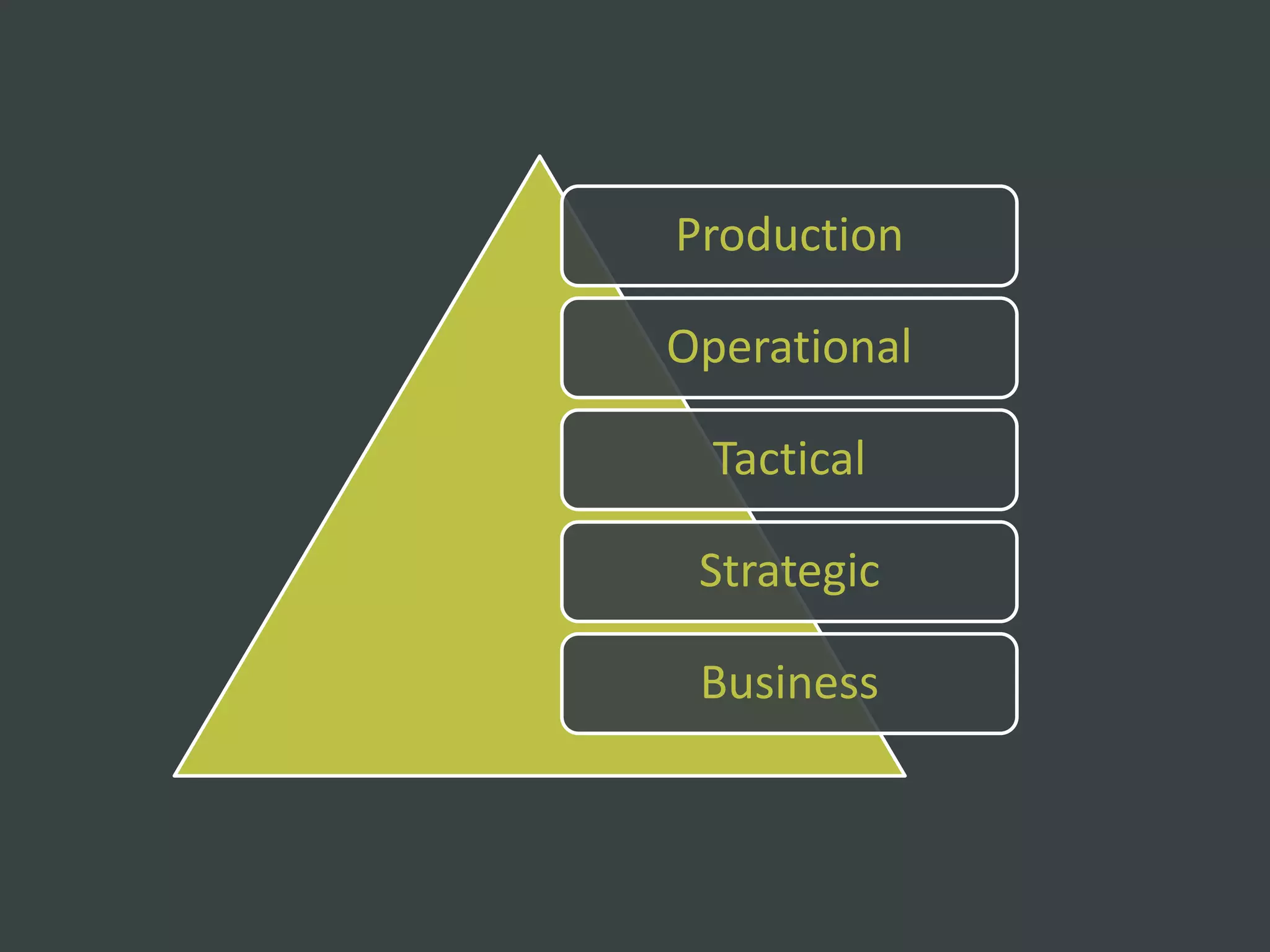
ORGANIZATIONAL LEVELS

 The different team members function at
 different levels, each with their own specific
 purpose
Production

Operational

  Tactical

 Strategic

 Business
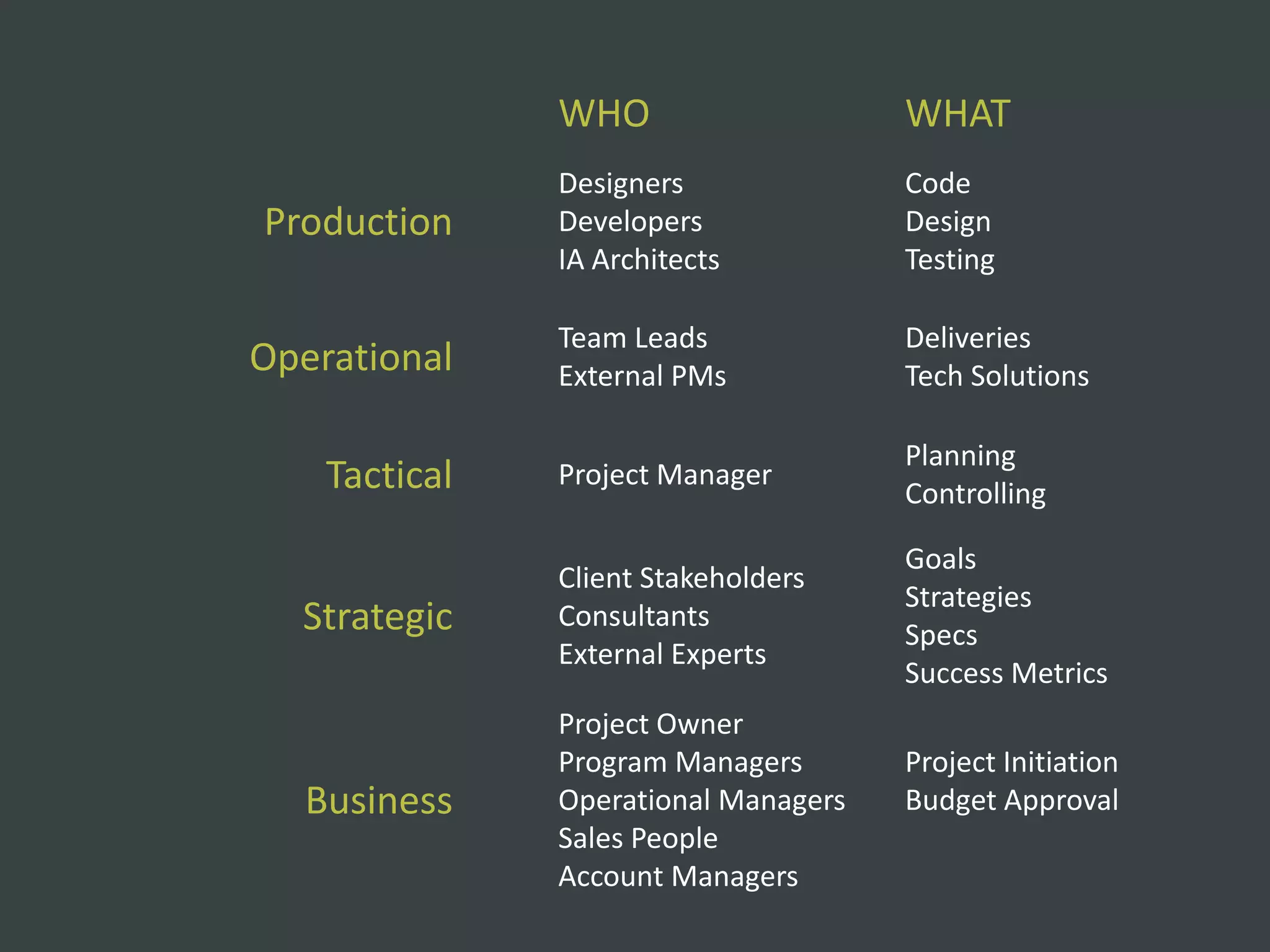
WHO                    WHAT
               Designers              Code
Production     Developers             Design
               IA Architects          Testing

               Team Leads             Deliveries
Operational    External PMs           Tech Solutions

                                      Planning
    Tactical   Project Manager
                                      Controlling

                                      Goals
               Client Stakeholders
                                      Strategies
  Strategic    Consultants
                                      Specs
               External Experts
                                      Success Metrics
               Project Owner
               Program Managers       Project Initiation
   Business    Operational Managers   Budget Approval
               Sales People
               Account Managers
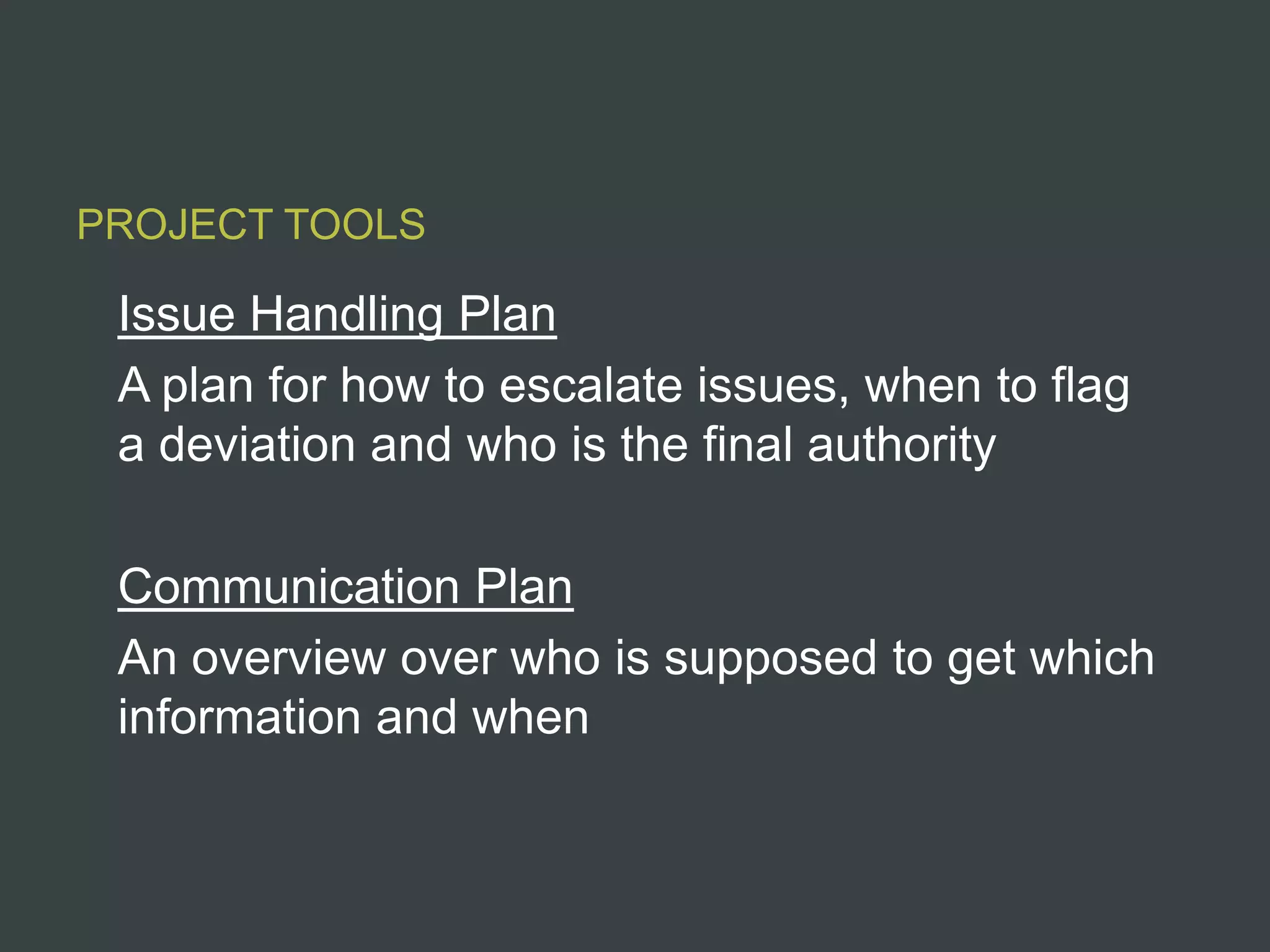
PROJECT TOOLS

 Issue Handling Plan
 A plan for how to escalate issues, when to flag
 a deviation and who is the final authority

 Communication Plan
 An overview over who is supposed to get which
 information and when
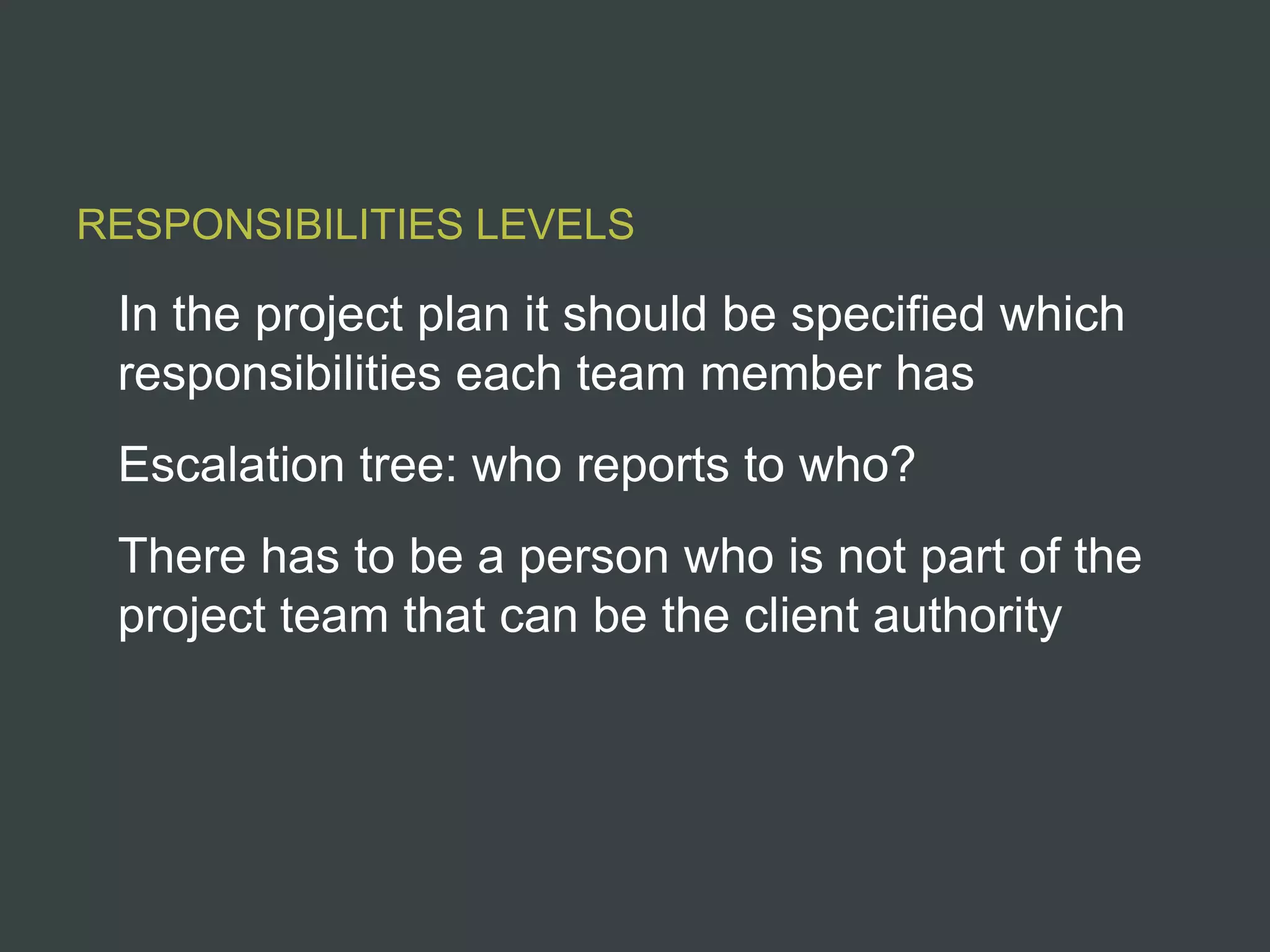
RESPONSIBILITIES LEVELS

 In the project plan it should be specified which
 responsibilities each team member has
 Escalation tree: who reports to who?
 There has to be a person who is not part of the
 project team that can be the client authority
TEAM SUPPORT

 It is imperative that each team member
 understands their own role and that of the other
 team members
 There has to be support for the project
 structure, both internally and externally
 Responsibility areas has to be respected!
CONCLUSION
SUCCESSFUL PROJECTS
Requires understanding of all the components in
the project

Ensuring that the right value is created, delivered
and measured
Careful application of roles and responsibilities
Questions?
Thank you
Slides are available at beutnagel.dk/itdays2012/

Web project management

  • 1.
    WEB PROJECT MANAGEMENT Howto Successfully Structure Web Projects Business Academy Aarhus - ITDays October 2012 Jarne W. Beutnagel jwb@eaaa.dk www.beutnagel.dk/itdays2012/
  • 2.
    OVERVIEW The purpose andstructure of this presentation
  • 3.
    1) PROJECT COMPONENTS Logicaland controllable division of the project (WHAT, HOW & WHEN)
  • 4.
    2) ROLES &RESPONSIBILITIES Division of areas of responsibilities (WHO)
  • 5.
    WHAT IS PROJECTMANAGEMENT? Achieve alignment, create momentum and ensure value delivery Planning and structuring resources Issue handling
  • 6.
    WHAT IS AWEB PROJECT? Projects whose output exist in an online environment • Web applications • eCommerce / Webshop Solutions • Websites • Etc
  • 7.
    1) A SIMPLIFIED PROJECTMODEL The components of a Web Project
  • 8.
    Planning Production Test (A Typical Model)
  • 9.
    Fails to considerother perspectives Is centered around production, not creating value
  • 10.
    Goals Production Validation (A value based model)
  • 11.
    Oversimplifies the process Doesnot contain control structures
  • 12.
    Control Valida- Goals Production tion (A Controlled Project Model)
  • 13.
    Project is notgrounded The environment the project exists in has to be taken into consideration
  • 14.
    Environment Control Valida- Goals Production tion (A Grounded Project Model)
  • 15.
    REALITY: NOT SYNCHRONOUS Several phasesare often ongoing at the same time
  • 16.
    Environment Control Valida- Goals Production tion
  • 17.
    Environment Control Valida- Goals Production tion
  • 18.
  • 19.
    There are twodistinct environments
  • 20.
    The INTERNAL Environment TheCLIENT Environment
  • 21.
    (even if itis an internal project)
  • 22.
    The INTERNAL Environment Knowingthe hard limitations of business reality
  • 23.
    What to takeinto consideration (internal perspective) Business Environment • Business Goals • Customer Retention Goals • Placement in the Program Structure
  • 24.
    What to takeinto consideration (internal perspective) Resource Availability • Internal Budget • Time Constraints • Skills • People
  • 25.
    What to takeinto consideration (internal perspective) Motivation • Incentives • Motives • Desired Outcome
  • 26.
    What to takeinto consideration (internal perspective) Attitude / Opinions • Preconceptions • Past Relations with Client • Role of Project Management
  • 27.
    What to takeinto consideration (internal perspective) Support Structures • Infrastructure • Tools • Company Culture • Methodology • Agile Development (e.g. Scrum) • PRINCE2
  • 28.
  • 29.
    What to takeinto consideration (client perspective) Business Environment • Project Incentives • Program Structure • Career Importance • Stakeholders • Internal / External
  • 30.
    What to takeinto consideration (client perspective) Strategic Goals • Business Goals • User Goals • User Needs
  • 31.
    What to takeinto consideration (client perspective) Constraints • Quality • Project Budget • Maintenance costs • Timeframe • Required involvement • Security
  • 32.
    What to takeinto consideration (client perspective) Pre-Project • Expectations • Knowledge • Experience • Trust • Guaranties • Availability
  • 33.
    What to takeinto consideration (client perspective) Controlling • Transparency • Level of Involvement • Support / Consultation
  • 34.
    What to takeinto consideration (client perspective) Post-Project • Measurability / Metrics • Maintainability • Governance
  • 35.
    Environment Control Valida- Goals Production tion
  • 36.
    Environment Control Valida- Goals Production tion
  • 37.
    GOALS Laying the foundationby strategic alignment and defining expected value delivery
  • 38.
    Purpose: Ensure Measurable Strategic Alignment
  • 39.
    PROJECT DOCUMENTS BusinessCase Reasons for undertaking the project, Goals and Future Life Project Brief Outline of the project structure, Functionality and User Description
  • 40.
    PROJECT DOCUMENTS TechnicalSpecs Detailed description of implementation of functionality Test Plan Quality Criteria that have to be approved for final signoff
  • 41.
    Business Case • Descriptionof Business Goals • Measurable Metrics • Post-Project Existence
  • 42.
    Project Brief • ProjectResources • Project Team & Responsibilities • Project Structure • Timeline, Milestones, Deadline • Scope and Functionality • User Description • Use Cases • User Actions
  • 43.
    Technical Specs • Requirements •Dependencies • Integrations • Functionality Implementation
  • 44.
    Test Plan • QualityCriteria • Types of tests • Approval Plan • Timeline
  • 45.
    Environment Control Valida- Goals Production tion
  • 46.
    Environment Control Valida- Goals Production tion
  • 47.
    CONTROL STRUCTURES Controlling theprocesses and activities
  • 48.
    Purpose: Enable steeringof the project and ensure client involvement
  • 49.
    PROJECT TOOLS StatusMeetings Reoccurring client meetings to discuss the status and handle issues Project Tracker Central document keeping track of progress and logging hours
  • 50.
    PROJECT TOOLS IssueLog List of issues that arise, their status and plan of action Document Storage A space where project, design and production documents are shared with the team and the client
  • 51.
    Environment Control Valida- Goals Production tion
  • 52.
    Environment Control Valida- Goals Production tion
  • 53.
    PRODUCTION The processes andactivities that generates the project output
  • 54.
    Purpose: To structurethe build process to ensure that the right value is created
  • 55.
    PROJECT TOOLS DesignPlan This plan outlines the design phases and dictates which processes will be used and the number of iterations sent for approval Prototyping Plan This plan outline what is included in the prototyping process
  • 56.
    PROJECT TOOLS PhasesPlan The production must be broken down to manageable phases and their structure laid out Development Methodology This defines the development process and framework. For instance, Agile development
  • 57.
    Environment Control Valida- Goals Production tion
  • 58.
    Environment Control Valida- Goals Production tion
  • 59.
    VALIDATION Finalizing the projectby ensuring that goal were met
  • 60.
    Purpose: Confirm thatbusiness goals were met and ensure successful project signoff
  • 61.
    PROJECT TOOLS ClientAcceptance Test The client approves that all use cases and user activities have been satisfyingly implemented Post-Project Deliveries A plan of how the project is to be handed over, including documentation
  • 62.
    PROJECT TOOLS LivePlan An overview over the requirements for putting the project live and a detailed timeframe for it Bug Period A timeframe for which bugs that are reported after going live will be included in the project scope
  • 63.
    PROJECT TOOLS Signoff A meeting where the client official confirms that all goals and criteria have been satisfyingly met Celebration A gathering where the successful delivery of the project is celebrated and internally showcased
  • 64.
    2) ROLES & RESONSIBILITIES Thedivision of the project team
  • 65.
    ORGANIZATIONAL LEVELS Thedifferent team members function at different levels, each with their own specific purpose
  • 66.
  • 67.
    WHO WHAT Designers Code Production Developers Design IA Architects Testing Team Leads Deliveries Operational External PMs Tech Solutions Planning Tactical Project Manager Controlling Goals Client Stakeholders Strategies Strategic Consultants Specs External Experts Success Metrics Project Owner Program Managers Project Initiation Business Operational Managers Budget Approval Sales People Account Managers
  • 68.
    PROJECT TOOLS IssueHandling Plan A plan for how to escalate issues, when to flag a deviation and who is the final authority Communication Plan An overview over who is supposed to get which information and when
  • 69.
    RESPONSIBILITIES LEVELS Inthe project plan it should be specified which responsibilities each team member has Escalation tree: who reports to who? There has to be a person who is not part of the project team that can be the client authority
  • 70.
    TEAM SUPPORT Itis imperative that each team member understands their own role and that of the other team members There has to be support for the project structure, both internally and externally Responsibility areas has to be respected!
  • 71.
  • 72.
    SUCCESSFUL PROJECTS Requires understandingof all the components in the project Ensuring that the right value is created, delivered and measured Careful application of roles and responsibilities
  • 73.
  • 74.
    Thank you Slides areavailable at beutnagel.dk/itdays2012/