Using Social
Media for
Advancing
Emergency
Care in
Oman
Al Yaqdhan Al Atbi, MD
EM Resident, PGY 3
Outline
• What is social media? Forms of social media
• Available social resources
• Tips for using social media
• Summary
Social Media
“A group of Internet-based
applications that build on the
ideological and technological
foundations of Web 2.0, and
that allow the creation and
exchange of user-generated
content.“
Kaplan, Andreas M. and Michael Haenlein . "Users of the world, unite! The challenges and
opportunities of social media," Business Horizons, 2010, 53 (1), 59 - 68
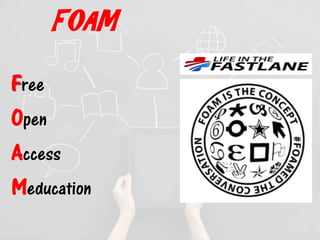
FOAM
Free
Open
Access
Meducation
FOAM is the
concept
#FOAMed is the
twitter hashtag.
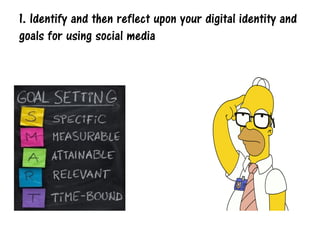
1. Identify and then reflect upon your digital identity and
goals for using social media
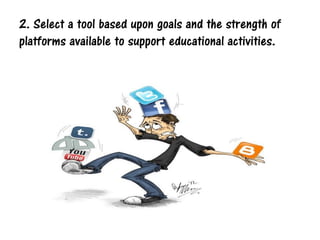
2. Select a tool based upon goals and the strength of
platforms available to support educational activities.
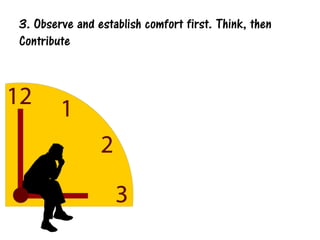
3. Observe and establish comfort first. Think, then
Contribute
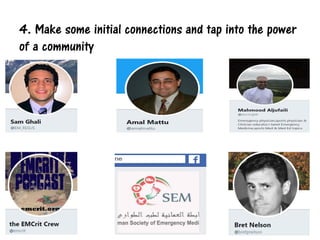
4. Make some initial connections and tap into the power
of a community
5. Know and apply existing social media guidelines for
the responsible use of social media
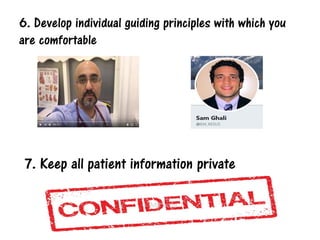
6. Develop individual guiding principles with which you
are comfortable
7. Keep all patient information private
9. Share credible information: disseminate evidence
based health information, enhancing public health
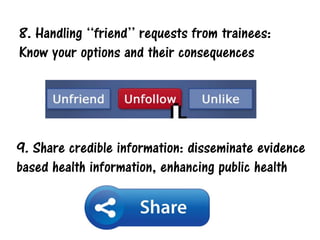
8. Handling ‘‘friend’’ requests from trainees:
Know your options and their consequences
10. Engage, learn, reflect, and teach
11. Research: Advance your academic productivity
by expanding your professional network
12. Mentor and be mentored: demonstrate
responsible social media use
Home message
• Using social media should be guided by your
goals
• Once you get familiar with social media by
identifying your goals and establishing
comfort, you can contribute, connect, and
share.
• Be part of the FOAM community 
REFERENCES:
• Mallin, M et al. A survey of the current utilization of asynchronous education among emergency
medicine residents in the United States. Acad Med. 2014 Apr;89(4):598-601.
• Kietzmann, J et al. Social media? Get serious! Understanding the functional building blocks of social
media. Business Horizons. Volume 54, Isuue 3, May-June 2011, 241-251
• Kaplan, Andreas M. and Michael Haenlein . "Users of the world, unite! The challenges and
opportunities of social media," Business Horizons, 2010, 53 (1), 59 – 68
• Nickson, C and Cadogan, M. Free Open Access Medical education (FOAM) for the emergency
physician. Emergency Medicine Australasia. 2014 26, 76-83
• Thoma B et al. Implementing peer review at an emergency medicine blog: bridging the gap
between educators and clinical experts. CJEM. 2014 Apr 1;16(0):1-4.
• https://emergencymedicinecases.com/episode-46-social-media-emergency-medicine-learning/
• KindT, et al. Twelve tips for using social media as a medical educator. Medical teacher. 2014; 36:
284–290.
Using social media for advancing emergency care

Using social media for advancing emergency care

  • 1.
    Using Social Media for Advancing Emergency Carein Oman Al Yaqdhan Al Atbi, MD EM Resident, PGY 3
  • 2.
    Outline • What issocial media? Forms of social media • Available social resources • Tips for using social media • Summary
  • 3.
    Social Media “A groupof Internet-based applications that build on the ideological and technological foundations of Web 2.0, and that allow the creation and exchange of user-generated content.“ Kaplan, Andreas M. and Michael Haenlein . "Users of the world, unite! The challenges and opportunities of social media," Business Horizons, 2010, 53 (1), 59 - 68
  • 5.
  • 6.
    FOAM is the concept #FOAMedis the twitter hashtag.
  • 11.
    1. Identify andthen reflect upon your digital identity and goals for using social media
  • 12.
    2. Select atool based upon goals and the strength of platforms available to support educational activities.
  • 13.
    3. Observe andestablish comfort first. Think, then Contribute
  • 14.
    4. Make someinitial connections and tap into the power of a community
  • 15.
    5. Know andapply existing social media guidelines for the responsible use of social media
  • 16.
    6. Develop individualguiding principles with which you are comfortable 7. Keep all patient information private
  • 17.
    9. Share credibleinformation: disseminate evidence based health information, enhancing public health 8. Handling ‘‘friend’’ requests from trainees: Know your options and their consequences
  • 18.
    10. Engage, learn,reflect, and teach 11. Research: Advance your academic productivity by expanding your professional network 12. Mentor and be mentored: demonstrate responsible social media use
  • 19.
    Home message • Usingsocial media should be guided by your goals • Once you get familiar with social media by identifying your goals and establishing comfort, you can contribute, connect, and share. • Be part of the FOAM community 
  • 20.
    REFERENCES: • Mallin, Met al. A survey of the current utilization of asynchronous education among emergency medicine residents in the United States. Acad Med. 2014 Apr;89(4):598-601. • Kietzmann, J et al. Social media? Get serious! Understanding the functional building blocks of social media. Business Horizons. Volume 54, Isuue 3, May-June 2011, 241-251 • Kaplan, Andreas M. and Michael Haenlein . "Users of the world, unite! The challenges and opportunities of social media," Business Horizons, 2010, 53 (1), 59 – 68 • Nickson, C and Cadogan, M. Free Open Access Medical education (FOAM) for the emergency physician. Emergency Medicine Australasia. 2014 26, 76-83 • Thoma B et al. Implementing peer review at an emergency medicine blog: bridging the gap between educators and clinical experts. CJEM. 2014 Apr 1;16(0):1-4. • https://emergencymedicinecases.com/episode-46-social-media-emergency-medicine-learning/ • KindT, et al. Twelve tips for using social media as a medical educator. Medical teacher. 2014; 36: 284–290.