BY
MUHAMMAD SHOKAT ZAMAN
M.A (Education), M.Phil (Education)
(Scholar)
EST
F G Public Middle School Shorkot Cantt
WHAT IS GLOBLIZATION?
WHAT DO YOU KNOW ABOUT COMPUTER?
Definition of ICT
ICT Integration in Science
Four Common Rationales for Science Education
Benefits of ICT in science Education
THE Importance of ICT in Science
Education
A GOLDEN SAYING
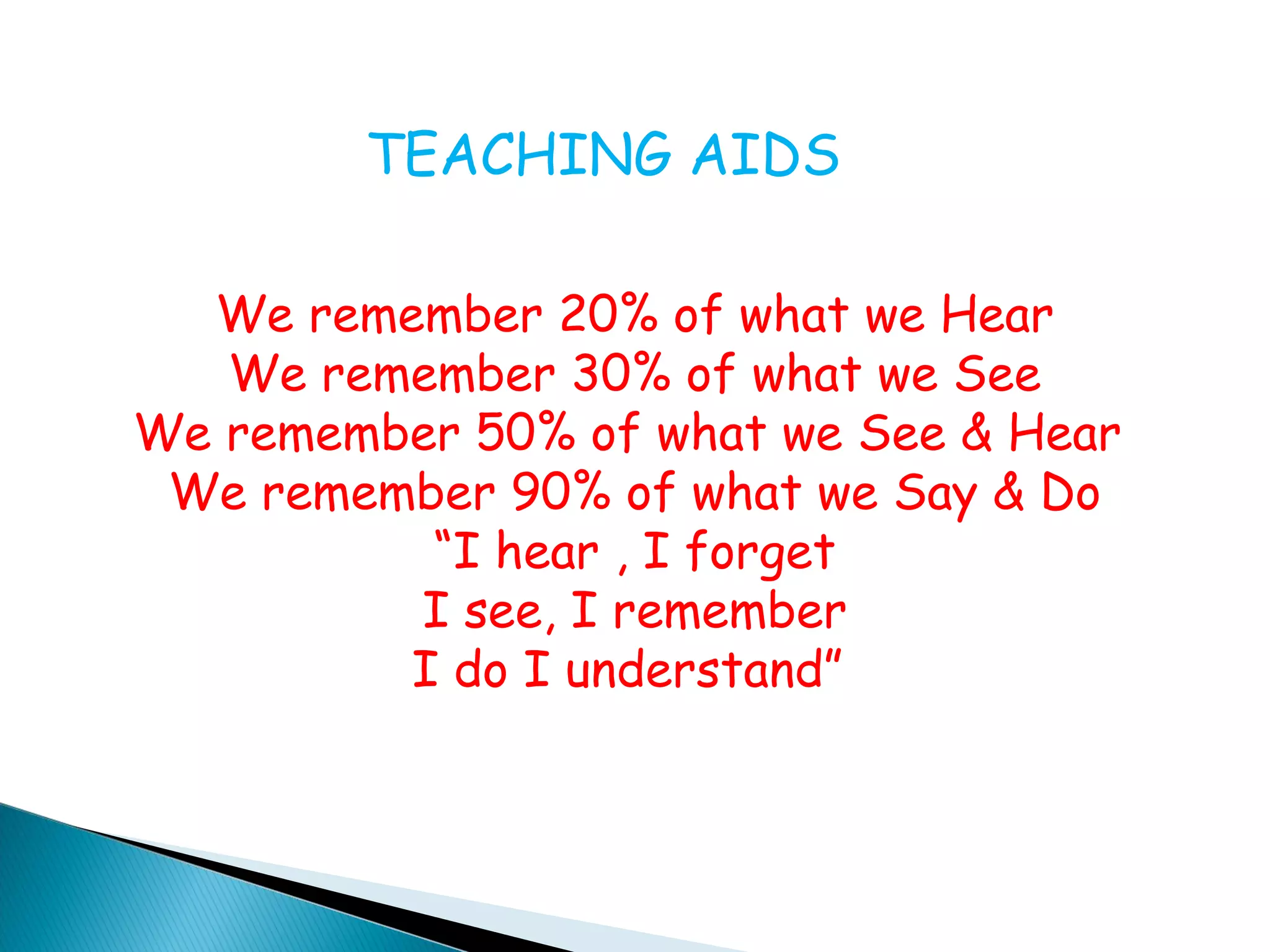
TEACHING AIDS
We remember 20% of what we Hear
We remember 30% of what we See
We remember 50% of what we See & Hear
We remember 90% of what we Say & Do
“I hear , I forget
I see, I remember
I do I understand”
 Information and communications Technology (ICT)
is an extensional term for information technology(IT)
that stresses the role of unified communications and
the integration of telecommunications (telephone
lines and wireless signals) and computers, as well as
necessary enterprise software , middleware, storage
and audiovisual systems, that enable users to
access, store, transmit, and manipulate information.
 Ability to work with information and
communication technologies (ICT) is
recognized as one of the key competencies
necessary for success in life.
 In the past two decades, there has been a
growing understanding of the important role of
ICT, not only for business and economics, but
also for learning and teaching.
Four Common Rationales for Science Education
The Utilitarian: the view that knowledge of science is practically useful to
everyone
The Economic: the view that we must ensure an adequate supply of
scientifically trained individual to sustain and develop on advance industrial
society.
The Cultural Argument: the view that science and technology are one, if not
the greatest, achievement of contemporary society and that a knowledge
thereof is an essential prerequisites for the educated individual.
The Democratic: the argument that many of the political and dilemmas posed
by contemporary society are of scientific nature. Participating in the debate
surrounding there resolution requires knowledge of some aspects of science
and technology. Hence, educating the populace in science and technology is
an essential requirement to sustain a healthy democratic society. (Osborne
et’al 2003).
BENEFITS OF ICT IN SCIENCE
EDUCATION
ICT removes problems concerning space and time.
The students can communicate anywhere anytime.
The students can contact the teacher anywhere, anytime.
The student can collect and exchange information.
ICT gives access to knowledge .
ICT makes serving and sharing knowledge easier.
Global access to knowledge.
Instant sharing of experience and best practice.
Self paced and self based learning.
Learning become interactive and joyful through multimedia tools.
Stimulations of experiential learning.
Opening windows for new thinking, an atmosphere of innovation.
Bringing excitement and motivation, proving and owing technology,
feeling of in a way being ahead of time.
ICT makes serving and sharing
knowledge easier.
The students can individually and
or together create records notes
and presentation and thus, register
their progress and use it and
examinations
This way they are also trained for
future participation global research
communication.
.
THE
IMPORTANCE OF
ICT IN
EDUCATION
>> Promoting students intellectual qualities through higher order
thinking, problem solving, improved communication skills and deep
understanding of the learning tools and concepts to be taught.
>> Promoting a supportive, interactive teaching and learning
environment by creating broader learning communication and therefore
provide learning tools for students especially those with special needs.
>> Using computer generated graphics to illustrate relationships of all
kinds especially dynamics processes that cannot be illustrated by
individual pictures.
>> Ensuring that more effective interactive learning environment is
created through the use of a learner centered and activity oriented
teaching/ learning approach.
USAGE OF ICT IN SCIENCE EDUCATION
FOR
SCIENCE LABS
SEARCHING
KNOWLEDGE
USE OF COMPUTER
 KEEPING RECORDS
 ANALYSING DATA
Q & A
THE END
THANKS

Use of ICT In Teaching science more effectively

  • 2.
    BY MUHAMMAD SHOKAT ZAMAN M.A(Education), M.Phil (Education) (Scholar) EST F G Public Middle School Shorkot Cantt
  • 3.
    WHAT IS GLOBLIZATION? WHATDO YOU KNOW ABOUT COMPUTER?
  • 4.
    Definition of ICT ICTIntegration in Science Four Common Rationales for Science Education Benefits of ICT in science Education THE Importance of ICT in Science Education
  • 5.
  • 6.
    TEACHING AIDS We remember20% of what we Hear We remember 30% of what we See We remember 50% of what we See & Hear We remember 90% of what we Say & Do “I hear , I forget I see, I remember I do I understand”
  • 7.
     Information andcommunications Technology (ICT) is an extensional term for information technology(IT) that stresses the role of unified communications and the integration of telecommunications (telephone lines and wireless signals) and computers, as well as necessary enterprise software , middleware, storage and audiovisual systems, that enable users to access, store, transmit, and manipulate information.
  • 8.
     Ability towork with information and communication technologies (ICT) is recognized as one of the key competencies necessary for success in life.  In the past two decades, there has been a growing understanding of the important role of ICT, not only for business and economics, but also for learning and teaching.
  • 9.
    Four Common Rationalesfor Science Education
  • 10.
    The Utilitarian: theview that knowledge of science is practically useful to everyone The Economic: the view that we must ensure an adequate supply of scientifically trained individual to sustain and develop on advance industrial society. The Cultural Argument: the view that science and technology are one, if not the greatest, achievement of contemporary society and that a knowledge thereof is an essential prerequisites for the educated individual. The Democratic: the argument that many of the political and dilemmas posed by contemporary society are of scientific nature. Participating in the debate surrounding there resolution requires knowledge of some aspects of science and technology. Hence, educating the populace in science and technology is an essential requirement to sustain a healthy democratic society. (Osborne et’al 2003).
  • 11.
    BENEFITS OF ICTIN SCIENCE EDUCATION
  • 12.
    ICT removes problemsconcerning space and time. The students can communicate anywhere anytime. The students can contact the teacher anywhere, anytime. The student can collect and exchange information. ICT gives access to knowledge . ICT makes serving and sharing knowledge easier. Global access to knowledge. Instant sharing of experience and best practice. Self paced and self based learning. Learning become interactive and joyful through multimedia tools. Stimulations of experiential learning. Opening windows for new thinking, an atmosphere of innovation. Bringing excitement and motivation, proving and owing technology, feeling of in a way being ahead of time.
  • 13.
    ICT makes servingand sharing knowledge easier. The students can individually and or together create records notes and presentation and thus, register their progress and use it and examinations This way they are also trained for future participation global research communication. .
  • 14.
  • 15.
    >> Promoting studentsintellectual qualities through higher order thinking, problem solving, improved communication skills and deep understanding of the learning tools and concepts to be taught. >> Promoting a supportive, interactive teaching and learning environment by creating broader learning communication and therefore provide learning tools for students especially those with special needs. >> Using computer generated graphics to illustrate relationships of all kinds especially dynamics processes that cannot be illustrated by individual pictures. >> Ensuring that more effective interactive learning environment is created through the use of a learner centered and activity oriented teaching/ learning approach.
  • 16.
    USAGE OF ICTIN SCIENCE EDUCATION FOR SCIENCE LABS SEARCHING KNOWLEDGE USE OF COMPUTER  KEEPING RECORDS  ANALYSING DATA
  • 17.
  • 18.