URINARY DIVERSION 
& 
URINARY BLADDER SUBSITUTION 
Bikash Bk. Thapa
Overview 
• History n Types of urinary diversion 
• Principle of surgical techniques 
• Selection criteria 
• Complications 
• Modifications in conventional techniques 
• Recent advances
Introduction 
• Diversion of urinary pathway from its natural path 
• Types: 
– Temporary/Permanent 
– External /Internal 
– Continent / Incontinent 
– Definitive/Palliative 
– Orthotropic / Heterotropic subsitution
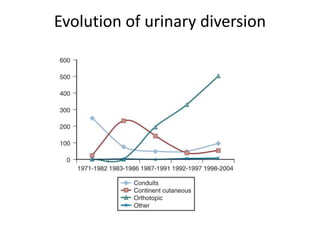
Evolution of urinary diversion
History 
• First attempted urinary diversion by Simon in 1852 
• Urterosigmoidostomy is the oldest 
• Zaayer in 1911 started ileal conduit and it was gold 
standard through 1990’s 
• Kock and associates reintroduced continent cutaneous 
diversion in 1982 
• In 1979, Camey and Le Duc reported their pioneer 
othrotopic neobladder
Limitation for selection 
• Neobladder is most commonly used procedure -50% 
• 40% don’t qualify for neobladder 
• Ileal conduit is second choice-30% 
• Anal and continent diversion with catheterizable 
stoma -20% 
• Richard E.Hautmann/J Uro,2003
Indications of permanent urinary diversion 
• When the bladder has to be removed 
• When the sphincters of the bladder & the detrusor muscle 
damaged or have lost their normal neurological control 
• When there is irremovable obstruction in the bladder & distal 
• Ectopic vesicae 
• Incurable vesico- vagina fistula
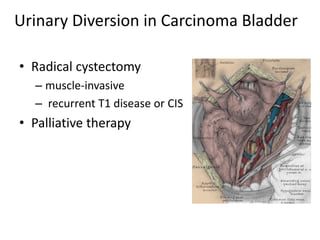
Urinary Diversion in Carcinoma Bladder 
• Radical cystectomy 
– muscle-invasive 
– recurrent T1 disease or CIS 
• Palliative therapy
Goal Directed Diversion 
Maximal tumor control 
Minimal complications 
Best possible QOL
Ideal Urinary Diversion 
Undisturbed body image 
Natural micturation 
Continence 
Safe upper urinary tract
Pre-procedure counselling 
Selection based on Clinical factors 
Inform and honest discussion 
Long and short term risks and benefits 
Intergroup talk 
Possibility of change in diversion method 
Stoma therapist
Selection of Type of Diversion 
Age/ Survival rate 
Comorbidities 
Oncological Extent of disease 
Renal and Hepatic functional status 
Bowel condition 
Patient’s preferences 
Available expertise
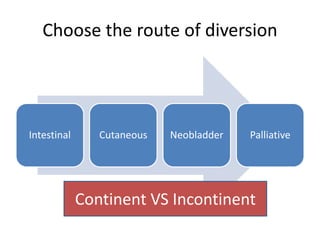
Choose the route of diversion 
Intestinal Cutaneous Neobladder Palliative 
Continent VS Incontinent
Use of Intestinal segment for diversion 
• Surgical anatomy 
• Selection of part of bowel 
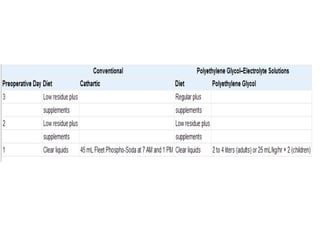
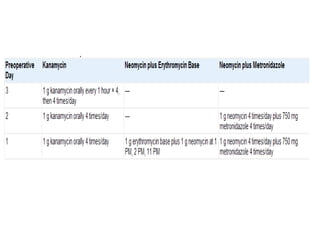
• Bowel preparation 
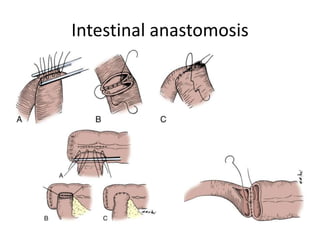
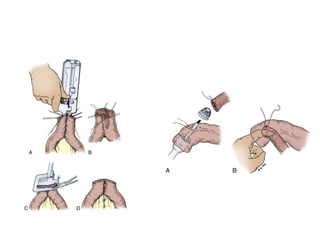
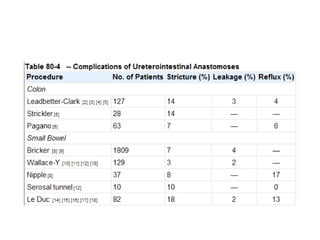
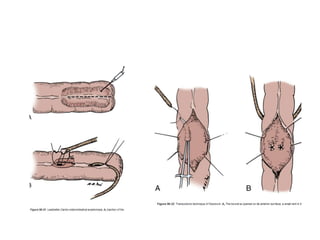
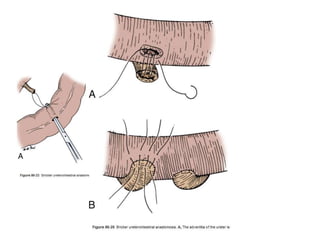
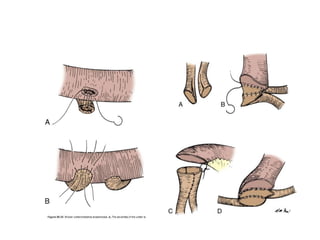
• Intestinal anastamosis 
• Ureterointestinal anastomosis
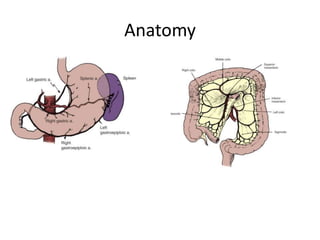
Anatomy
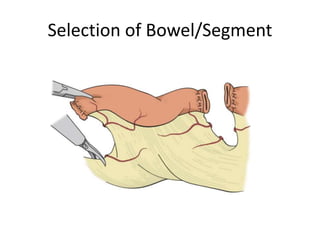
Selection of Bowel/Segment
• There are two portions of the small bowel that may 
lie within the confines of the pelvis and as such may 
be exposed to pelvic irradiation and pelvic disease: 
the last 2 inches of the terminal ileum, which is often 
fixed in the pelvis by ligamentous attachments;and 5 
feet of small bowel beginning approximately 6 feet 
from the ligament of Treitz, the mesentery of which is 
the longest of the entire small bowel, and as such, 
this portion of the small bowel can descend into the 
pelvis. In a postirradiated patient, one should try to 
avoid use of these two segments of the small 
intestine in any reconstructive procedure
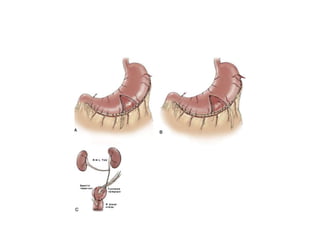
• The advantage of stomach over other intestinal 
segments for urinary intestinal diversion is that it 
is less permeable to urinary solutes, it has a net 
excretion of chloride and protons rather than a 
net absorption of them, and it produces less 
mucus. 
• The jejunum is usually not employed for 
reconstruction of the urinary system because its 
use may result in severe electrolyte imbalance
• The ileum and colon are used most often for urinary tract 
reconstruction and have been employed in all types of 
reconstructive procedures. The ileum is mobile and of small 
diameter, has a constant blood supply, and serves well for ureteral 
replacement and the formation of conduitsLoss of significant 
portions of the ileum results in nutritional problems because of lack 
of vitamin B12 absorption, diarrhea because of lack of bile salt 
reabsorption, and fat malabsorption. On occasion, the mesenteric 
fat is excessive, making mobility and anastomosis difficult. Also, the 
mesentery may be so short that it is difficult to mobilize the ileum 
into the deep pelvis. Postoperative bowel obstruction occurs in 
about 10% of patients who have segments isolated from the ileum 
for urinary tract reconstruction
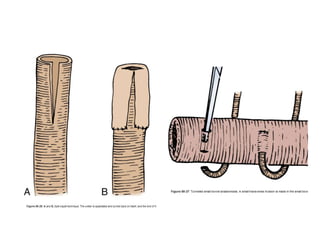
Principle of Anastomosis 
• Adequate exposure 
• Ensure good blood supply 
• Control spillage 
• Accurate apposition of serosa to serosa 
• Ensure tight 
• Realignment of the mesentry
Intestinal anastomosis
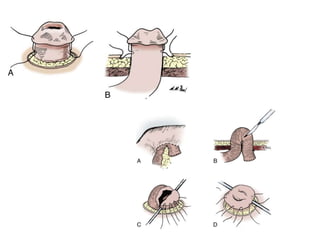
Ureterointestinal Anastomosis 
• Refluxing Vs Antirefluxing 
• Only needed ureter is mobilized 
• Shouldn’t strip the periadvential tissue 
• Bowel should be brought to the ureter not vice 
versa 
• Watertight mucosa to mucaosa anastomosis 
• Anastomosis should be retroperitonealised 
• Soft silastic stent can be used to avoid stricture at
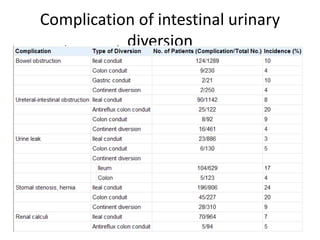
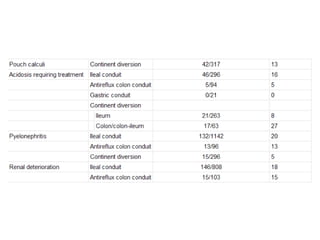
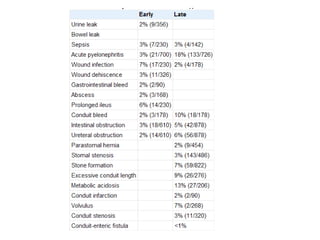
Complication of intestinal urinary 
diversion
Urinary Diversion- Conduit 
• After a cystectomy; because of a diseased 
bladder 
• Before transplantation in a patient who has a 
bladder that cannot adequately receive the 
transplant ureter; 
• dysfunctional bladders 
– persistent bleeding, 
– obstructed ureters, 
– poor compliance with upper tract deterioration, 
– inadequate storage with total urinary incontinence
Ileal conduit 
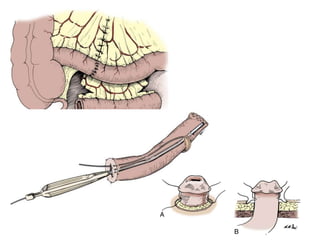
• In this procedure, a portion of distal ileum is chosen. It 
is the simplest type of conduit diversion to perform 
and is associated with the fewest intraoperative and 
immediate postoperative complications. 
• It is not advisable to use ileum for a conduit in patients 
with a short bowel syndrome, in patients with 
inflammatory small bowel disease, and in those whose 
ileum has received extensive irradiation, often as a 
consequence of prior radiation therapy for a pelvic 
malignant neoplasm.
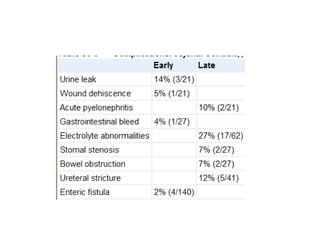
The early and long-term complications are similar 
to those listed for ileal conduit except that the 
electrolyte abnormality is a hyperkalemic, 
hyponatremic metabolic acidosis instead of the 
hyperchloremic metabolic acidosis of ileal diversion 
( Table 80-6 ). The treatment of the jejunal 
syndrome consists of administration of sodium 
chloride and sodium bicarbonate. Thiazides may 
also be used and are helpful in allaying the 
hyperkalemia ( Hasan et al, 1994 ).
Colonic Conduit 
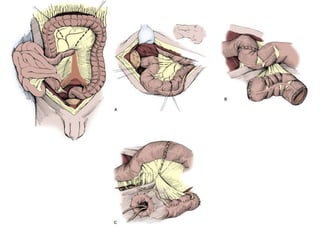
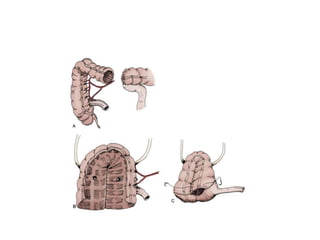
• Three types of colon conduits are commonly used: transverse, sigmoid, and ileocecal. Each has 
specific indications with advantages and disadvantages. 
• The transverse colon is used when one wants to be sure that the segment of conduit employed 
has not been irradiated in individuals who have received extensive pelvic irradiation. It is also an 
excellent segment when an intestinal pyelostomy needs to be performed. The sigmoid conduit is 
a good choice in patients undergoing a pelvic exenteration who will have a colostomy. Thus, no 
bowel anastomosis needs to be made. It also allows nonrefluxing submucosal reimplantation and 
provides for an easily placed left-sided stoma when that is desirable. 
• The use of sigmoid colon is contraindicated with disease of this segment or when the hypogastric 
arteries have been ligated and the rectum has been left in situ. The latter circumstance may result 
in sloughing of the rectum or its mucosa because its blood supply of necessity is interrupted. It is 
also unwise to use this segment in individuals with extensive pelvic irradiation because it has 
probably been included in the radiation fields. 
• An ileocecal conduit has the advantage of providing a long segment of ileum when long segments 
of ureter need replacement as well as the advantage of providing colon for the stoma. It is also 
used in situations in which free reflux of urine from the conduit to the upper tracts is thought to 
be undesirable. Contraindications to the use of transverse, sigmoid, and ileocecal conduits 
include the presence of inflammatory large bowel disease and severe chronic diarrhea
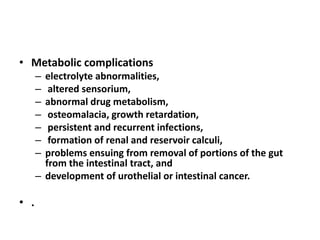
• Metabolic complications 
– electrolyte abnormalities, 
– altered sensorium, 
– abnormal drug metabolism, 
– osteomalacia, growth retardation, 
– persistent and recurrent infections, 
– formation of renal and reservoir calculi, 
– problems ensuing from removal of portions of the gut 
from the intestinal tract, and 
– development of urothelial or intestinal cancer. 
• .
• Many of these complications are a 
consequence of altered solute absorption 
across the intestinal segment. The factors that 
influence the amount of solute and type of 
absorption are the segment of bowel used, 
the surface area of the bowel, the amount of 
time the urine is exposed to the bowel, the 
concentration of solutes in the urine, the renal 
function, and the pH of the fluid.
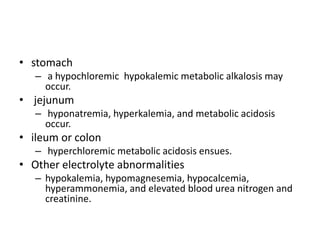
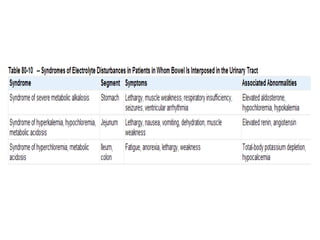
• stomach 
– a hypochloremic hypokalemic metabolic alkalosis may 
occur. 
• jejunum 
– hyponatremia, hyperkalemia, and metabolic acidosis 
occur. 
• ileum or colon 
– hyperchloremic metabolic acidosis ensues. 
• Other electrolyte abnormalities 
– hypokalemia, hypomagnesemia, hypocalcemia, 
hyperammonemia, and elevated blood urea nitrogen and 
creatinine.
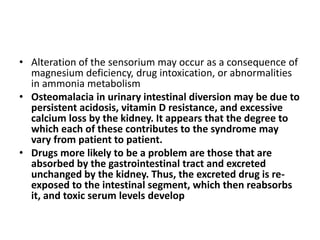
• Alteration of the sensorium may occur as a consequence of 
magnesium deficiency, drug intoxication, or abnormalities 
in ammonia metabolism 
• Osteomalacia in urinary intestinal diversion may be due to 
persistent acidosis, vitamin D resistance, and excessive 
calcium loss by the kidney. It appears that the degree to 
which each of these contributes to the syndrome may 
vary from patient to patient. 
• Drugs more likely to be a problem are those that are 
absorbed by the gastrointestinal tract and excreted 
unchanged by the kidney. Thus, the excreted drug is re-exposed 
to the intestinal segment, which then reabsorbs 
it, and toxic serum levels develop
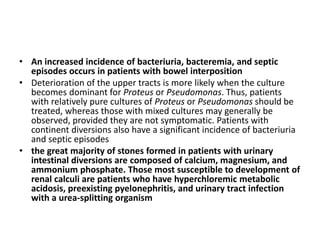
• An increased incidence of bacteriuria, bacteremia, and septic 
episodes occurs in patients with bowel interposition 
• Deterioration of the upper tracts is more likely when the culture 
becomes dominant for Proteus or Pseudomonas. Thus, patients 
with relatively pure cultures of Proteus or Pseudomonas should be 
treated, whereas those with mixed cultures may generally be 
observed, provided they are not symptomatic. Patients with 
continent diversions also have a significant incidence of bacteriuria 
and septic episodes 
• the great majority of stones formed in patients with urinary 
intestinal diversions are composed of calcium, magnesium, and 
ammonium phosphate. Those most susceptible to development of 
renal calculi are patients who have hyperchloremic metabolic 
acidosis, preexisting pyelonephritis, and urinary tract infection 
with a urea-splitting organism
• The incidence of cancer development in 
patients with ureterosigmoidostomy varies 
between 6% and 29%, with a mean of 11% ( 
Schipper and Decter, 1981 ; Stewart et al, 
1982 ; Zabbo and Kay, 1986 ). There is 
generally a 10- to 20-year delay before the 
cancer becomes manifest. On histologic 
examination, the tumors include 
adenocarcinoma, adenomatous polyps, 
sarcomas, and transitional cell carcinoma.
Diversion via Rectum 
• ureterosigmoidostomy
Cutaneous Continent Urinary Diversion 
• Patient selection 
• Patient Preparation 
– Stoma site marking 
– Hepatic and renal function status 
• 60ml/min 
– Well versed with more than one type 
– Consider sigmoidsotomy or colonoscopy 
– Bowel Preparation
• Goodwin et al 1958 
• Best continent is yet to be devised 
• Considerable renal deterioration
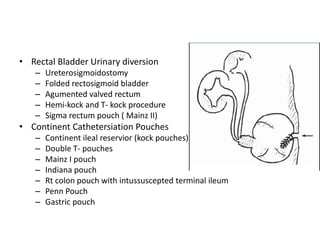
• Rectal Bladder Urinary diversion 
– Ureterosigmoidostomy 
– Folded rectosigmoid bladder 
– Agumented valved rectum 
– Hemi-kock and T- kock procedure 
– Sigma rectum pouch ( Mainz II) 
• Continent Cathetersiation Pouches 
– Continent ileal reservior (kock pouches) 
– Double T- pouches 
– Mainz I pouch 
– Indiana pouch 
– Rt colon pouch with intussuscepted terminal ileum 
– Penn Pouch 
– Gastric pouch
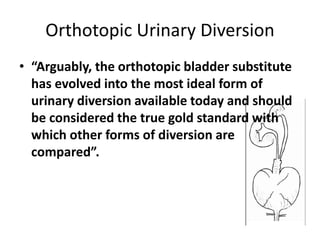
Orthotopic Urinary Diversion 
• “Arguably, the orthotopic bladder substitute 
has evolved into the most ideal form of 
urinary diversion available today and should 
be considered the true gold standard with 
which other forms of diversion are 
compared”.
Patient Selection 
• Able to self cathetersie when needed 
• Creatinine<2.0gm% 
• CR clearance >60ml/min 
• Gastric form of neobladder is appropiate for 
borderline renal function 
• Old age and obesity is not contraindication 
• Accommodate a large volume of urine, under low 
pressure, without the reflux or absorption of 
urinary constituents.
Key points in orthotopic diversion 
• The rhabdosphincter mechanism must 
remain intact to provide a continent means 
of storing urine. 
• Under no circumstance should the cancer 
operation be compromised by reconstruction 
at the urethroenteric anastomosis, retained 
urethra, or surgical margins.
• The innervation of the striated urethral 
rhabdosphincter arises from the branches of the 
pudendal nerve and is most important to 
maintain continence in patients with an 
orthotopic neobladder. ▪ Any pelvic surgery 
intended to maintain the rhabdosphincter 
function and innervation should avoid excessive 
dissection along the pelvic floor where the 
branches of the pudendal nerve course to 
innervate the sphincter complex
Continence preservation 
• The clinical goal of most orthotopic neobladders is to 
allow volitional voiding every 3 to 4 hours with a 
capacity range of 400 to 500 mL. 
• Nocturnal incontinence is observed in approximately 
28% of patients undergoing orthotopic diversion. 
• Factors influencing continence rates include age, 
intestinal segment used, and possibly the application 
of a nerve-sparing technique. 
• Failure to empty or urinary retention has been 
reported in 4% to 25% of patients undergoing 
orthotopic reconstruction and is more common in 
women
Pelvic n Urethral recurrence 
• The overall risk of a urethral recurrence of transitional cell 
carcinoma after cystectomy is approximately 10% in men. ▪ The 
two most important risk factors for a urethral tumor recurrence in 
men are invasive prostatic tumor involvement and the form of 
urinary diversion. ▪ The two most important risk factors in 
women for urethral tumor recurrence are bladder neck 
involvement and anterior vaginal wall involvement with 
tumor. ▪ Intraoperative frozen-section analysis of the distal 
surgical margin in men (apical prostatic urethra) and women 
(proximal urethra) provides an accurate assessment of the urethra 
and appropriately determines candidacy for orthotopic 
diversion. ▪ A local pelvic recurrence rate of approximately 10% 
is seen in patients undergoing radical cystectomy for bladder 
cancer and rarely interferes with the function of the neobladder.
Refluxing or Anti-refluxing neobladder 
• Neobladder accommodate large vol of urine in low 
pressure system 
• Urine constituents in neobladder is sterile 
• Complete emptying is done with Valsalva maneuver 
• Anti-refluxing mechanism is challenging and time 
consuming 
• Antireflux mechanism is assoc with high rate of 
intestinal obstruction 
• Good results have been observed with intermediate 
follow-up with the isoperistaltic long afferent segment 
of an ileal neobladder, known as the Studer pouch 
• ( Studer et al, 1996b ; Thoeny et al, 2002
• The inclusion of an antireflux mechanism in 
the chronically infected continent cutaneous 
reservoir, requiring intermittent 
catheterization, is important and is not a 
source of significant debate
• camey II 
• Vesical ileal pouch 
• S-Bladder 
• Ileal neo bladder (Hautmann) 
• Studer ileal Bladder substitute 
• Orthotropic kock’s ileal reservior 
• T-pouch ileal neobladder 
• Orthotropic Mainz Pouch 
• Ileocolonic (leg Bag) pouch 
• Right colon pouch 
• Sigmoid Pouch
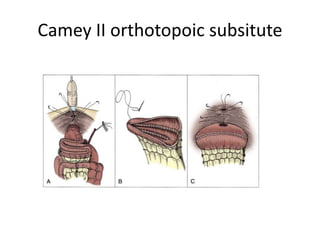
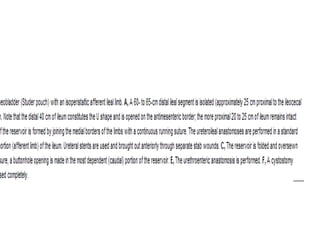
Camey II orthotopoic subsitute
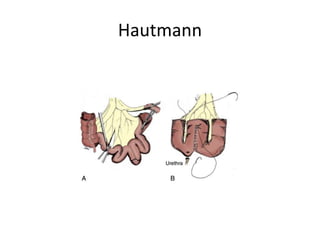
Hautmann
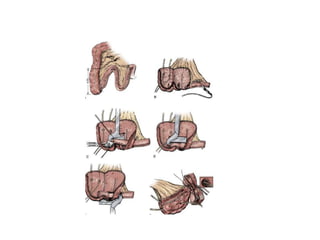
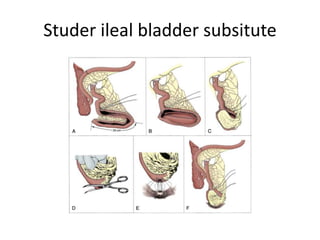
Studer ileal bladder subsitute
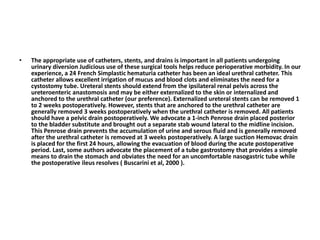
• The appropriate use of catheters, stents, and drains is important in all patients undergoing 
urinary diversion Judicious use of these surgical tools helps reduce perioperative morbidity. In our 
experience, a 24 French Simplastic hematuria catheter has been an ideal urethral catheter. This 
catheter allows excellent irrigation of mucus and blood clots and eliminates the need for a 
cystostomy tube. Ureteral stents should extend from the ipsilateral renal pelvis across the 
ureteroenteric anastomosis and may be either externalized to the skin or internalized and 
anchored to the urethral catheter (our preference). Externalized ureteral stents can be removed 1 
to 2 weeks postoperatively. However, stents that are anchored to the urethral catheter are 
generally removed 3 weeks postoperatively when the urethral catheter is removed. All patients 
should have a pelvic drain postoperatively. We advocate a 1-inch Penrose drain placed posterior 
to the bladder substitute and brought out a separate stab wound lateral to the midline incision. 
This Penrose drain prevents the accumulation of urine and serous fluid and is generally removed 
after the urethral catheter is removed at 3 weeks postoperatively. A large suction Hemovac drain 
is placed for the first 24 hours, allowing the evacuation of blood during the acute postoperative 
period. Last, some authors advocate the placement of a tube gastrostomy that provides a simple 
means to drain the stomach and obviates the need for an uncomfortable nasogastric tube while 
the postoperative ileus resolves ( Buscarini et al, 2000 ).
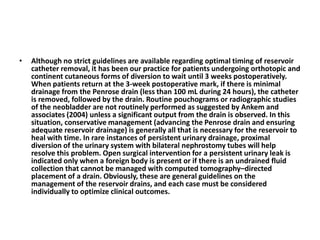
• Although no strict guidelines are available regarding optimal timing of reservoir 
catheter removal, it has been our practice for patients undergoing orthotopic and 
continent cutaneous forms of diversion to wait until 3 weeks postoperatively. 
When patients return at the 3-week postoperative mark, if there is minimal 
drainage from the Penrose drain (less than 100 mL during 24 hours), the catheter 
is removed, followed by the drain. Routine pouchograms or radiographic studies 
of the neobladder are not routinely performed as suggested by Ankem and 
associates (2004) unless a significant output from the drain is observed. In this 
situation, conservative management (advancing the Penrose drain and ensuring 
adequate reservoir drainage) is generally all that is necessary for the reservoir to 
heal with time. In rare instances of persistent urinary drainage, proximal 
diversion of the urinary system with bilateral nephrostomy tubes will help 
resolve this problem. Open surgical intervention for a persistent urinary leak is 
indicated only when a foreign body is present or if there is an undrained fluid 
collection that cannot be managed with computed tomography–directed 
placement of a drain. Obviously, these are general guidelines on the 
management of the reservoir drains, and each case must be considered 
individually to optimize clinical outcomes.
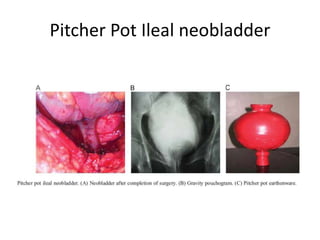
Pitcher Pot Ileal neobladder

Urinary Diversion

  • 1.
    URINARY DIVERSION & URINARY BLADDER SUBSITUTION Bikash Bk. Thapa
  • 2.
    Overview • Historyn Types of urinary diversion • Principle of surgical techniques • Selection criteria • Complications • Modifications in conventional techniques • Recent advances
  • 3.
    Introduction • Diversionof urinary pathway from its natural path • Types: – Temporary/Permanent – External /Internal – Continent / Incontinent – Definitive/Palliative – Orthotropic / Heterotropic subsitution
  • 5.
  • 6.
    History • Firstattempted urinary diversion by Simon in 1852 • Urterosigmoidostomy is the oldest • Zaayer in 1911 started ileal conduit and it was gold standard through 1990’s • Kock and associates reintroduced continent cutaneous diversion in 1982 • In 1979, Camey and Le Duc reported their pioneer othrotopic neobladder
  • 7.
    Limitation for selection • Neobladder is most commonly used procedure -50% • 40% don’t qualify for neobladder • Ileal conduit is second choice-30% • Anal and continent diversion with catheterizable stoma -20% • Richard E.Hautmann/J Uro,2003
  • 8.
    Indications of permanenturinary diversion • When the bladder has to be removed • When the sphincters of the bladder & the detrusor muscle damaged or have lost their normal neurological control • When there is irremovable obstruction in the bladder & distal • Ectopic vesicae • Incurable vesico- vagina fistula
  • 9.
    Urinary Diversion inCarcinoma Bladder • Radical cystectomy – muscle-invasive – recurrent T1 disease or CIS • Palliative therapy
  • 10.
    Goal Directed Diversion Maximal tumor control Minimal complications Best possible QOL
  • 11.
    Ideal Urinary Diversion Undisturbed body image Natural micturation Continence Safe upper urinary tract
  • 12.
    Pre-procedure counselling Selectionbased on Clinical factors Inform and honest discussion Long and short term risks and benefits Intergroup talk Possibility of change in diversion method Stoma therapist
  • 13.
    Selection of Typeof Diversion Age/ Survival rate Comorbidities Oncological Extent of disease Renal and Hepatic functional status Bowel condition Patient’s preferences Available expertise
  • 14.
    Choose the routeof diversion Intestinal Cutaneous Neobladder Palliative Continent VS Incontinent
  • 15.
    Use of Intestinalsegment for diversion • Surgical anatomy • Selection of part of bowel • Bowel preparation • Intestinal anastamosis • Ureterointestinal anastomosis
  • 16.
  • 17.
  • 18.
    • There aretwo portions of the small bowel that may lie within the confines of the pelvis and as such may be exposed to pelvic irradiation and pelvic disease: the last 2 inches of the terminal ileum, which is often fixed in the pelvis by ligamentous attachments;and 5 feet of small bowel beginning approximately 6 feet from the ligament of Treitz, the mesentery of which is the longest of the entire small bowel, and as such, this portion of the small bowel can descend into the pelvis. In a postirradiated patient, one should try to avoid use of these two segments of the small intestine in any reconstructive procedure
  • 19.
    • The advantageof stomach over other intestinal segments for urinary intestinal diversion is that it is less permeable to urinary solutes, it has a net excretion of chloride and protons rather than a net absorption of them, and it produces less mucus. • The jejunum is usually not employed for reconstruction of the urinary system because its use may result in severe electrolyte imbalance
  • 20.
    • The ileumand colon are used most often for urinary tract reconstruction and have been employed in all types of reconstructive procedures. The ileum is mobile and of small diameter, has a constant blood supply, and serves well for ureteral replacement and the formation of conduitsLoss of significant portions of the ileum results in nutritional problems because of lack of vitamin B12 absorption, diarrhea because of lack of bile salt reabsorption, and fat malabsorption. On occasion, the mesenteric fat is excessive, making mobility and anastomosis difficult. Also, the mesentery may be so short that it is difficult to mobilize the ileum into the deep pelvis. Postoperative bowel obstruction occurs in about 10% of patients who have segments isolated from the ileum for urinary tract reconstruction
  • 23.
    Principle of Anastomosis • Adequate exposure • Ensure good blood supply • Control spillage • Accurate apposition of serosa to serosa • Ensure tight • Realignment of the mesentry
  • 24.
  • 26.
    Ureterointestinal Anastomosis •Refluxing Vs Antirefluxing • Only needed ureter is mobilized • Shouldn’t strip the periadvential tissue • Bowel should be brought to the ureter not vice versa • Watertight mucosa to mucaosa anastomosis • Anastomosis should be retroperitonealised • Soft silastic stent can be used to avoid stricture at
  • 33.
    Complication of intestinalurinary diversion
  • 35.
    Urinary Diversion- Conduit • After a cystectomy; because of a diseased bladder • Before transplantation in a patient who has a bladder that cannot adequately receive the transplant ureter; • dysfunctional bladders – persistent bleeding, – obstructed ureters, – poor compliance with upper tract deterioration, – inadequate storage with total urinary incontinence
  • 36.
    Ileal conduit •In this procedure, a portion of distal ileum is chosen. It is the simplest type of conduit diversion to perform and is associated with the fewest intraoperative and immediate postoperative complications. • It is not advisable to use ileum for a conduit in patients with a short bowel syndrome, in patients with inflammatory small bowel disease, and in those whose ileum has received extensive irradiation, often as a consequence of prior radiation therapy for a pelvic malignant neoplasm.
  • 39.
    The early andlong-term complications are similar to those listed for ileal conduit except that the electrolyte abnormality is a hyperkalemic, hyponatremic metabolic acidosis instead of the hyperchloremic metabolic acidosis of ileal diversion ( Table 80-6 ). The treatment of the jejunal syndrome consists of administration of sodium chloride and sodium bicarbonate. Thiazides may also be used and are helpful in allaying the hyperkalemia ( Hasan et al, 1994 ).
  • 40.
    Colonic Conduit •Three types of colon conduits are commonly used: transverse, sigmoid, and ileocecal. Each has specific indications with advantages and disadvantages. • The transverse colon is used when one wants to be sure that the segment of conduit employed has not been irradiated in individuals who have received extensive pelvic irradiation. It is also an excellent segment when an intestinal pyelostomy needs to be performed. The sigmoid conduit is a good choice in patients undergoing a pelvic exenteration who will have a colostomy. Thus, no bowel anastomosis needs to be made. It also allows nonrefluxing submucosal reimplantation and provides for an easily placed left-sided stoma when that is desirable. • The use of sigmoid colon is contraindicated with disease of this segment or when the hypogastric arteries have been ligated and the rectum has been left in situ. The latter circumstance may result in sloughing of the rectum or its mucosa because its blood supply of necessity is interrupted. It is also unwise to use this segment in individuals with extensive pelvic irradiation because it has probably been included in the radiation fields. • An ileocecal conduit has the advantage of providing a long segment of ileum when long segments of ureter need replacement as well as the advantage of providing colon for the stoma. It is also used in situations in which free reflux of urine from the conduit to the upper tracts is thought to be undesirable. Contraindications to the use of transverse, sigmoid, and ileocecal conduits include the presence of inflammatory large bowel disease and severe chronic diarrhea
  • 43.
    • Metabolic complications – electrolyte abnormalities, – altered sensorium, – abnormal drug metabolism, – osteomalacia, growth retardation, – persistent and recurrent infections, – formation of renal and reservoir calculi, – problems ensuing from removal of portions of the gut from the intestinal tract, and – development of urothelial or intestinal cancer. • .
  • 44.
    • Many ofthese complications are a consequence of altered solute absorption across the intestinal segment. The factors that influence the amount of solute and type of absorption are the segment of bowel used, the surface area of the bowel, the amount of time the urine is exposed to the bowel, the concentration of solutes in the urine, the renal function, and the pH of the fluid.
  • 45.
    • stomach –a hypochloremic hypokalemic metabolic alkalosis may occur. • jejunum – hyponatremia, hyperkalemia, and metabolic acidosis occur. • ileum or colon – hyperchloremic metabolic acidosis ensues. • Other electrolyte abnormalities – hypokalemia, hypomagnesemia, hypocalcemia, hyperammonemia, and elevated blood urea nitrogen and creatinine.
  • 47.
    • Alteration ofthe sensorium may occur as a consequence of magnesium deficiency, drug intoxication, or abnormalities in ammonia metabolism • Osteomalacia in urinary intestinal diversion may be due to persistent acidosis, vitamin D resistance, and excessive calcium loss by the kidney. It appears that the degree to which each of these contributes to the syndrome may vary from patient to patient. • Drugs more likely to be a problem are those that are absorbed by the gastrointestinal tract and excreted unchanged by the kidney. Thus, the excreted drug is re-exposed to the intestinal segment, which then reabsorbs it, and toxic serum levels develop
  • 48.
    • An increasedincidence of bacteriuria, bacteremia, and septic episodes occurs in patients with bowel interposition • Deterioration of the upper tracts is more likely when the culture becomes dominant for Proteus or Pseudomonas. Thus, patients with relatively pure cultures of Proteus or Pseudomonas should be treated, whereas those with mixed cultures may generally be observed, provided they are not symptomatic. Patients with continent diversions also have a significant incidence of bacteriuria and septic episodes • the great majority of stones formed in patients with urinary intestinal diversions are composed of calcium, magnesium, and ammonium phosphate. Those most susceptible to development of renal calculi are patients who have hyperchloremic metabolic acidosis, preexisting pyelonephritis, and urinary tract infection with a urea-splitting organism
  • 49.
    • The incidenceof cancer development in patients with ureterosigmoidostomy varies between 6% and 29%, with a mean of 11% ( Schipper and Decter, 1981 ; Stewart et al, 1982 ; Zabbo and Kay, 1986 ). There is generally a 10- to 20-year delay before the cancer becomes manifest. On histologic examination, the tumors include adenocarcinoma, adenomatous polyps, sarcomas, and transitional cell carcinoma.
  • 50.
    Diversion via Rectum • ureterosigmoidostomy
  • 51.
    Cutaneous Continent UrinaryDiversion • Patient selection • Patient Preparation – Stoma site marking – Hepatic and renal function status • 60ml/min – Well versed with more than one type – Consider sigmoidsotomy or colonoscopy – Bowel Preparation
  • 52.
    • Goodwin etal 1958 • Best continent is yet to be devised • Considerable renal deterioration
  • 53.
    • Rectal BladderUrinary diversion – Ureterosigmoidostomy – Folded rectosigmoid bladder – Agumented valved rectum – Hemi-kock and T- kock procedure – Sigma rectum pouch ( Mainz II) • Continent Cathetersiation Pouches – Continent ileal reservior (kock pouches) – Double T- pouches – Mainz I pouch – Indiana pouch – Rt colon pouch with intussuscepted terminal ileum – Penn Pouch – Gastric pouch
  • 57.
    Orthotopic Urinary Diversion • “Arguably, the orthotopic bladder substitute has evolved into the most ideal form of urinary diversion available today and should be considered the true gold standard with which other forms of diversion are compared”.
  • 58.
    Patient Selection •Able to self cathetersie when needed • Creatinine<2.0gm% • CR clearance >60ml/min • Gastric form of neobladder is appropiate for borderline renal function • Old age and obesity is not contraindication • Accommodate a large volume of urine, under low pressure, without the reflux or absorption of urinary constituents.
  • 59.
    Key points inorthotopic diversion • The rhabdosphincter mechanism must remain intact to provide a continent means of storing urine. • Under no circumstance should the cancer operation be compromised by reconstruction at the urethroenteric anastomosis, retained urethra, or surgical margins.
  • 60.
    • The innervationof the striated urethral rhabdosphincter arises from the branches of the pudendal nerve and is most important to maintain continence in patients with an orthotopic neobladder. ▪ Any pelvic surgery intended to maintain the rhabdosphincter function and innervation should avoid excessive dissection along the pelvic floor where the branches of the pudendal nerve course to innervate the sphincter complex
  • 61.
    Continence preservation •The clinical goal of most orthotopic neobladders is to allow volitional voiding every 3 to 4 hours with a capacity range of 400 to 500 mL. • Nocturnal incontinence is observed in approximately 28% of patients undergoing orthotopic diversion. • Factors influencing continence rates include age, intestinal segment used, and possibly the application of a nerve-sparing technique. • Failure to empty or urinary retention has been reported in 4% to 25% of patients undergoing orthotopic reconstruction and is more common in women
  • 62.
    Pelvic n Urethralrecurrence • The overall risk of a urethral recurrence of transitional cell carcinoma after cystectomy is approximately 10% in men. ▪ The two most important risk factors for a urethral tumor recurrence in men are invasive prostatic tumor involvement and the form of urinary diversion. ▪ The two most important risk factors in women for urethral tumor recurrence are bladder neck involvement and anterior vaginal wall involvement with tumor. ▪ Intraoperative frozen-section analysis of the distal surgical margin in men (apical prostatic urethra) and women (proximal urethra) provides an accurate assessment of the urethra and appropriately determines candidacy for orthotopic diversion. ▪ A local pelvic recurrence rate of approximately 10% is seen in patients undergoing radical cystectomy for bladder cancer and rarely interferes with the function of the neobladder.
  • 63.
    Refluxing or Anti-refluxingneobladder • Neobladder accommodate large vol of urine in low pressure system • Urine constituents in neobladder is sterile • Complete emptying is done with Valsalva maneuver • Anti-refluxing mechanism is challenging and time consuming • Antireflux mechanism is assoc with high rate of intestinal obstruction • Good results have been observed with intermediate follow-up with the isoperistaltic long afferent segment of an ileal neobladder, known as the Studer pouch • ( Studer et al, 1996b ; Thoeny et al, 2002
  • 64.
    • The inclusionof an antireflux mechanism in the chronically infected continent cutaneous reservoir, requiring intermittent catheterization, is important and is not a source of significant debate
  • 65.
    • camey II • Vesical ileal pouch • S-Bladder • Ileal neo bladder (Hautmann) • Studer ileal Bladder substitute • Orthotropic kock’s ileal reservior • T-pouch ileal neobladder • Orthotropic Mainz Pouch • Ileocolonic (leg Bag) pouch • Right colon pouch • Sigmoid Pouch
  • 66.
  • 67.
  • 68.
  • 70.
    • The appropriateuse of catheters, stents, and drains is important in all patients undergoing urinary diversion Judicious use of these surgical tools helps reduce perioperative morbidity. In our experience, a 24 French Simplastic hematuria catheter has been an ideal urethral catheter. This catheter allows excellent irrigation of mucus and blood clots and eliminates the need for a cystostomy tube. Ureteral stents should extend from the ipsilateral renal pelvis across the ureteroenteric anastomosis and may be either externalized to the skin or internalized and anchored to the urethral catheter (our preference). Externalized ureteral stents can be removed 1 to 2 weeks postoperatively. However, stents that are anchored to the urethral catheter are generally removed 3 weeks postoperatively when the urethral catheter is removed. All patients should have a pelvic drain postoperatively. We advocate a 1-inch Penrose drain placed posterior to the bladder substitute and brought out a separate stab wound lateral to the midline incision. This Penrose drain prevents the accumulation of urine and serous fluid and is generally removed after the urethral catheter is removed at 3 weeks postoperatively. A large suction Hemovac drain is placed for the first 24 hours, allowing the evacuation of blood during the acute postoperative period. Last, some authors advocate the placement of a tube gastrostomy that provides a simple means to drain the stomach and obviates the need for an uncomfortable nasogastric tube while the postoperative ileus resolves ( Buscarini et al, 2000 ).
  • 71.
    • Although nostrict guidelines are available regarding optimal timing of reservoir catheter removal, it has been our practice for patients undergoing orthotopic and continent cutaneous forms of diversion to wait until 3 weeks postoperatively. When patients return at the 3-week postoperative mark, if there is minimal drainage from the Penrose drain (less than 100 mL during 24 hours), the catheter is removed, followed by the drain. Routine pouchograms or radiographic studies of the neobladder are not routinely performed as suggested by Ankem and associates (2004) unless a significant output from the drain is observed. In this situation, conservative management (advancing the Penrose drain and ensuring adequate reservoir drainage) is generally all that is necessary for the reservoir to heal with time. In rare instances of persistent urinary drainage, proximal diversion of the urinary system with bilateral nephrostomy tubes will help resolve this problem. Open surgical intervention for a persistent urinary leak is indicated only when a foreign body is present or if there is an undrained fluid collection that cannot be managed with computed tomography–directed placement of a drain. Obviously, these are general guidelines on the management of the reservoir drains, and each case must be considered individually to optimize clinical outcomes.
  • 73.

Editor's Notes

  • #18 By use of the gastroepiploic vessels, a pedicle of stomach may be mobilized to the pelvis. The pedicle may consist of the entire antrum pylori or a wedge of the fundus.
  • #40 The early and long-term complications are similar to those listed for ileal conduit except that the electrolyte abnormality is a hyperkalemic, hyponatremic metabolic acidosis instead of the hyperchloremic metabolic acidosis of ileal diversion ( Table 80-6 ). The treatment of the jejunal syndrome consists of administration of sodium chloride and sodium bicarbonate. Thiazides may also be used and are helpful in allaying the hyperkalemia ( Hasan et al, 1994 ).
  • #70 The ileal bladder substitute with a long, afferent, isoperistaltic, tubular ileal segment, described by Studer and colleagues (1989) , has become a popular orthotopic form of diversion