Upper Urinary Tract Calculi Dr Ahmed Rehman FCPS (URO) Assistant Professes of urology
Learning Objectives To  enumerates factors involved in stone formation and describe their role  To describe clinical features of urolithiasis To name investigations to workup a case of calculus To describe different stages of disease  To choose suitable treatment option for each stage of disease
Urolithiasis  Urinary stones are pieces of solid matter formed in the urinary tract out of normal or abnormal urinary constituents.  Calculi are polycrystalline aggregates composed of  varying amounts of crystalloids and organic matrix.
Urolithiasis  Commonest urological problem in Pakistan  3 rd  most common problem in West after infections and prostate Ancient time \ under developed world common stone was bladder Now the trend has shifted to kidneys, thanks to urbanization and civilization  Roughly 3 to 1O% people suffer with a roughly 5O % recurrence in 5 years  Merits higher in Pakistan, than in the West, as a cause of ESRD
Upper Urinary Tract Calculi Etiology  Complex and not exactly known Only1O to 15 % cases cause can be found Rest labeled idiopathic  Is not a single disease entity, end result of many known \ unknown factors Has been called a MULTI SYSTEMIC disease rather than a mere urinary problem  Diseases of other systems set environment ripe for pathological uncontrolled biomineralization( stone formation, which in that case is a manifestation or complication of that disease.  A disease or a symptom of diseases  a big Q
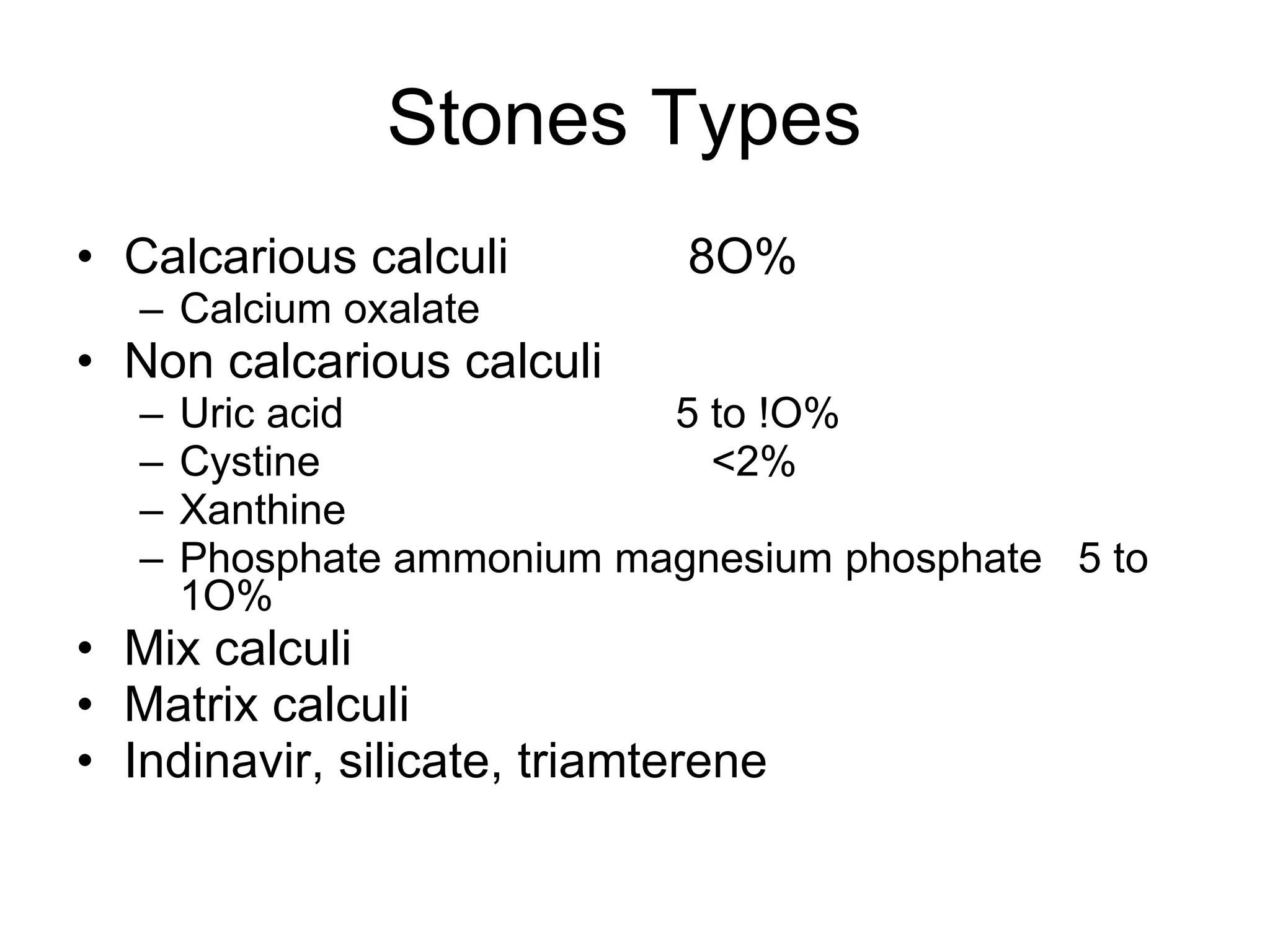
Stones Types  Calcarious calculi  8O% Calcium oxalate  Non calcarious calculi Uric acid  5 to !O% Cystine  <2% Xanthine Phosphate ammonium magnesium phosphate  5 to 1O% Mix calculi  Matrix calculi Indinavir, silicate, triamterene
Etiological factors  Heredity  Age & sex effect Dietary factors Climatic & seasonal factors Geography  Water intake Occupation Social class Obstruction \ stasis  congenital and acquired Infections Altered urinary solutes and  colloids Dehydration Increase conc of promoters or decrease conc of inhibitors Metabolic disorders Hyperparathyroidism Prolonged immobilization
Heredity  Renal tubular acidosis, cystinuria xanthinuria Age  Peak age 2O to 4O Extreme ages  association with obstruction Sex More common in males  3  to 1
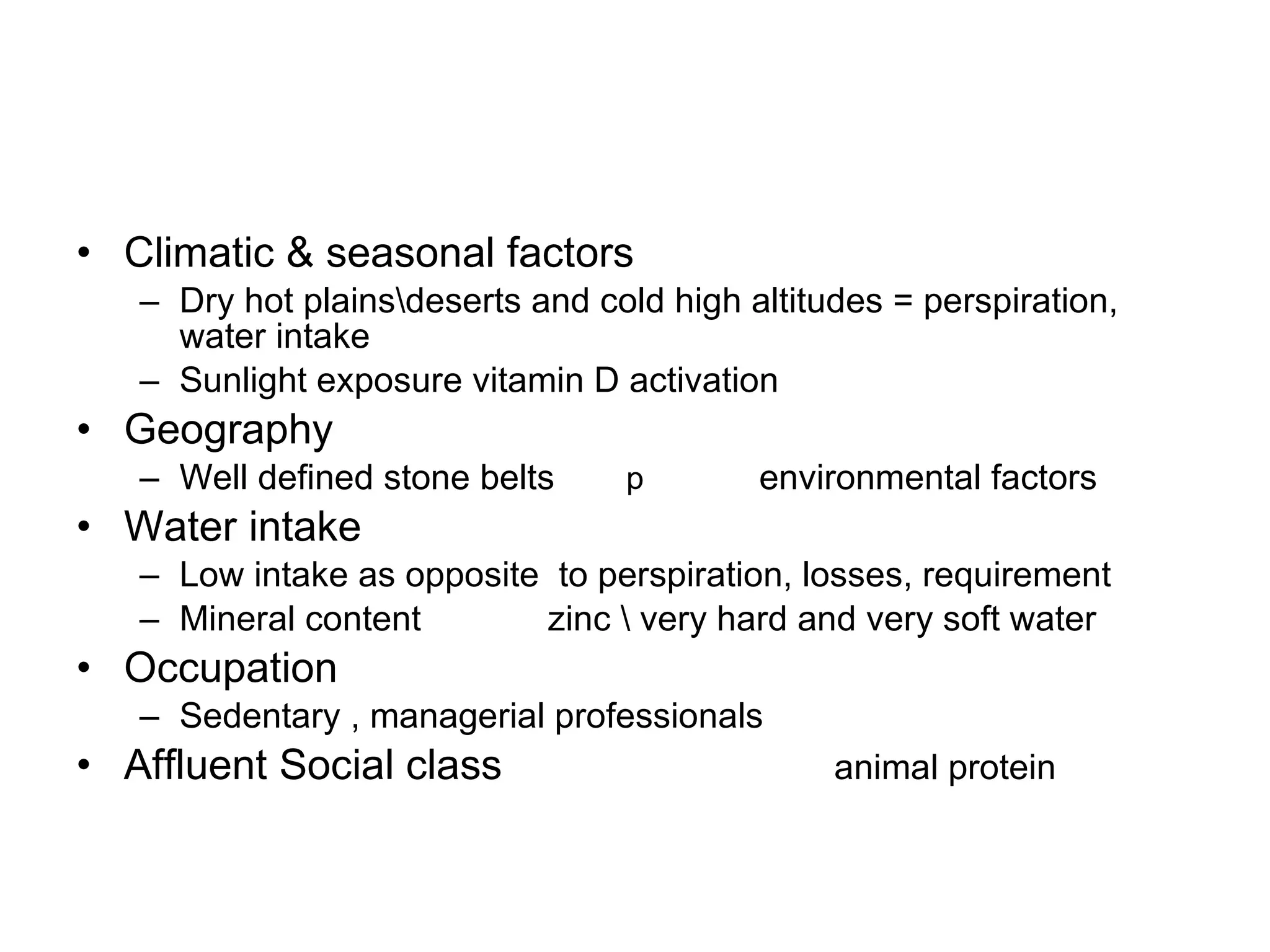
Climatic & seasonal factors Dry hot plains\deserts and cold high altitudes = perspiration, water intake  Sunlight exposure vitamin D activation Geography  Well defined stone belts  environmental factors Water intake Low intake as opposite  to perspiration, losses, requirement  Mineral content  zinc \ very hard and very soft water  Occupation Sedentary , managerial professionals  Affluent Social class  animal protein   p
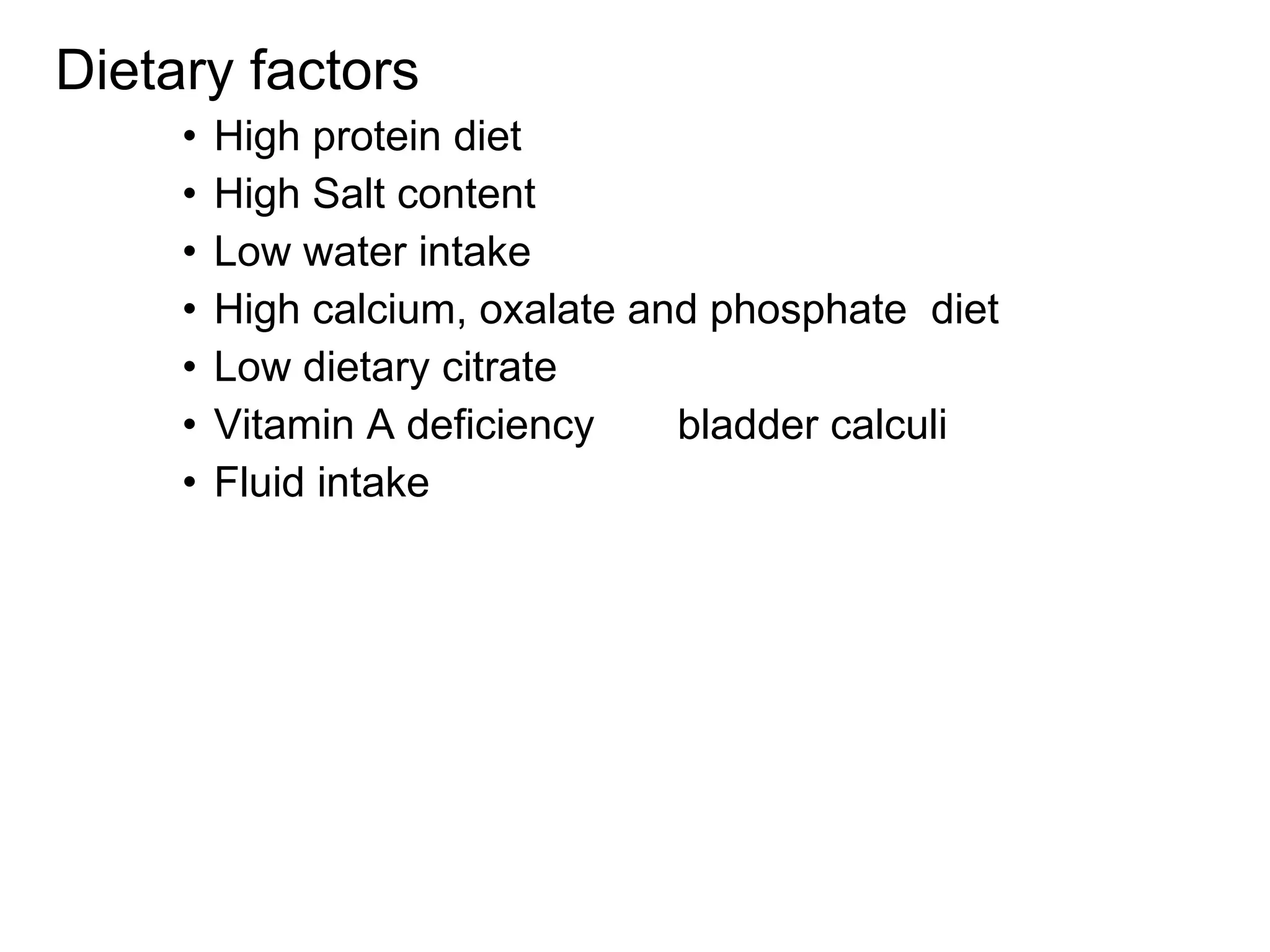
Dietary factors  High protein diet  High Salt content  Low water intake High calcium, oxalate and phosphate  diet Low dietary citrate Vitamin A deficiency  bladder calculi Fluid intake
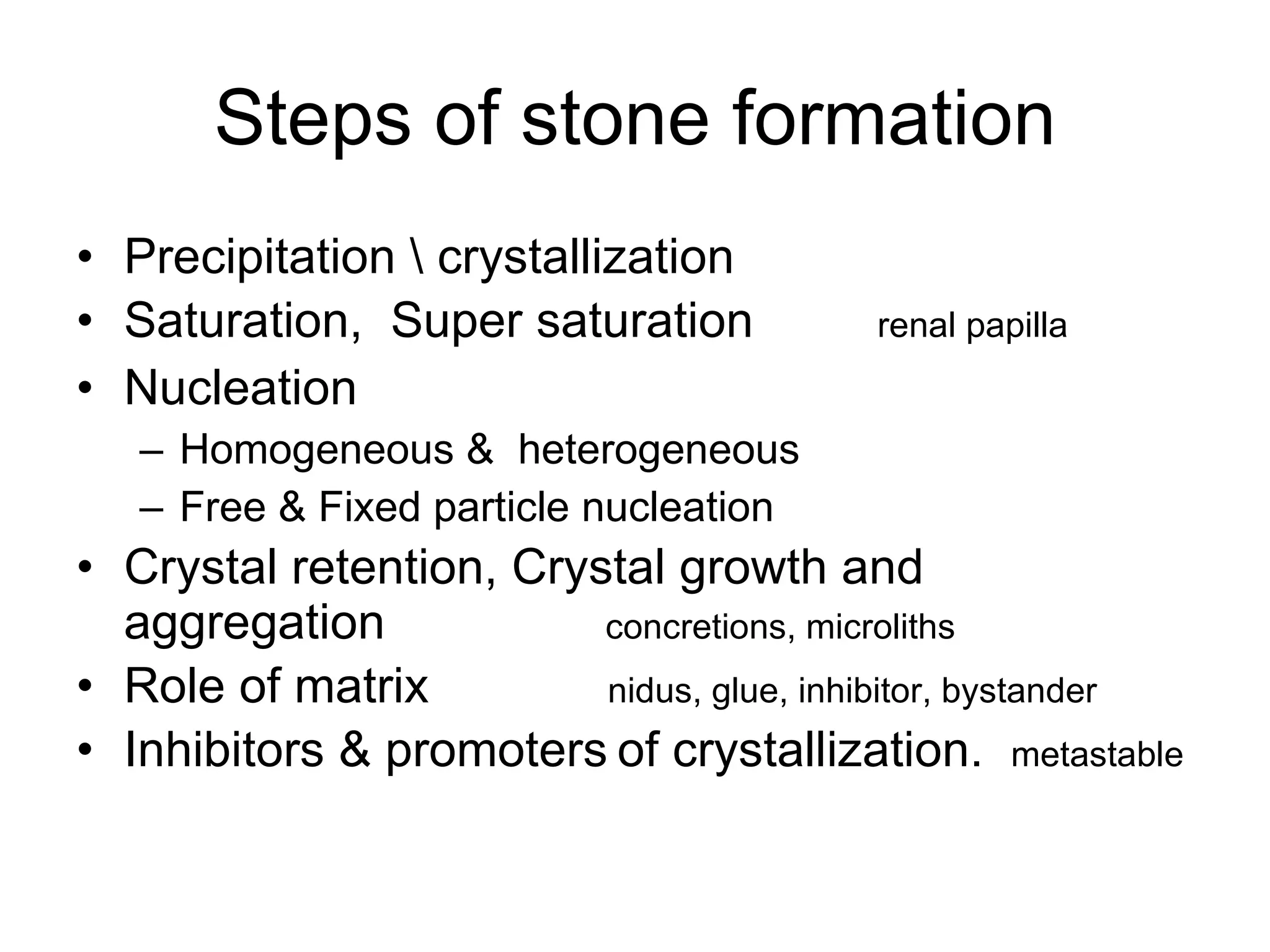
Steps of stone formation Precipitation \ crystallization Saturation,  Super saturation  renal papilla Nucleation Homogeneous &  heterogeneous  Free & Fixed particle nucleation Crystal retention, Crystal growth and aggregation  concretions, microliths Role of matrix  nidus, glue, inhibitor, bystander Inhibitors & promoters   of crystallization.  metastable
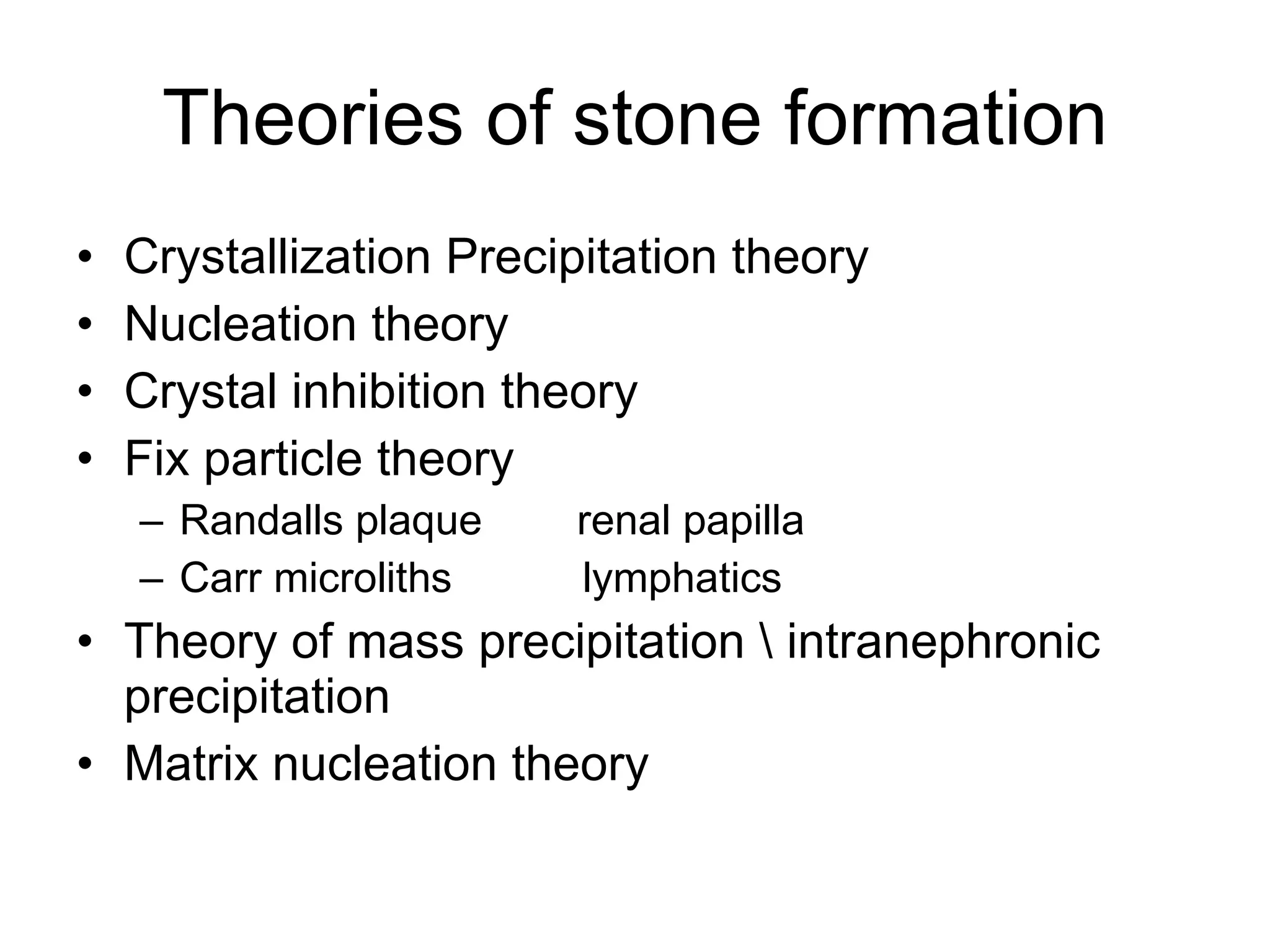
Theories of stone formation Crystallization Precipitation theory  Nucleation theory Crystal inhibition theory Fix particle theory Randalls plaque  renal papilla Carr microliths  lymphatics Theory of mass precipitation \ intranephronic precipitation  Matrix nucleation theory
Calcium calculi  etiology  Hypercalciuria Absorptive  Resorptive  Hyperparathyroidism Renal induced Idiopathic  Hyperuricosuria Hyperoxaluria Chronic diarrhea Enteric  Primary  Hypocitraturia p
Hypercalcemic nehrolithiasis Primary hyperthyroidism Malignancy associated hypercalcemia Granulomatosis \ sarcoidosis Hyperthyroidism Glucocorticoid induced hypercalcemia Pheochromocytoma Immobilization
Hypomagnesuria Renal tubular acidosis and calcium phosphate stones Gout and uric acid stones  Inborn errors of metabolism
Ureteri calculi Origion Nearly always take birth in kidney Exceptions Stones in ureterocele Stones in kinked / dilated ureters Stones in strictured / stenosed ureters Stones in ureteric diverticulae Stones in schistosomiasis affected ureters Encrustations on foreign bodies  Stents sutures
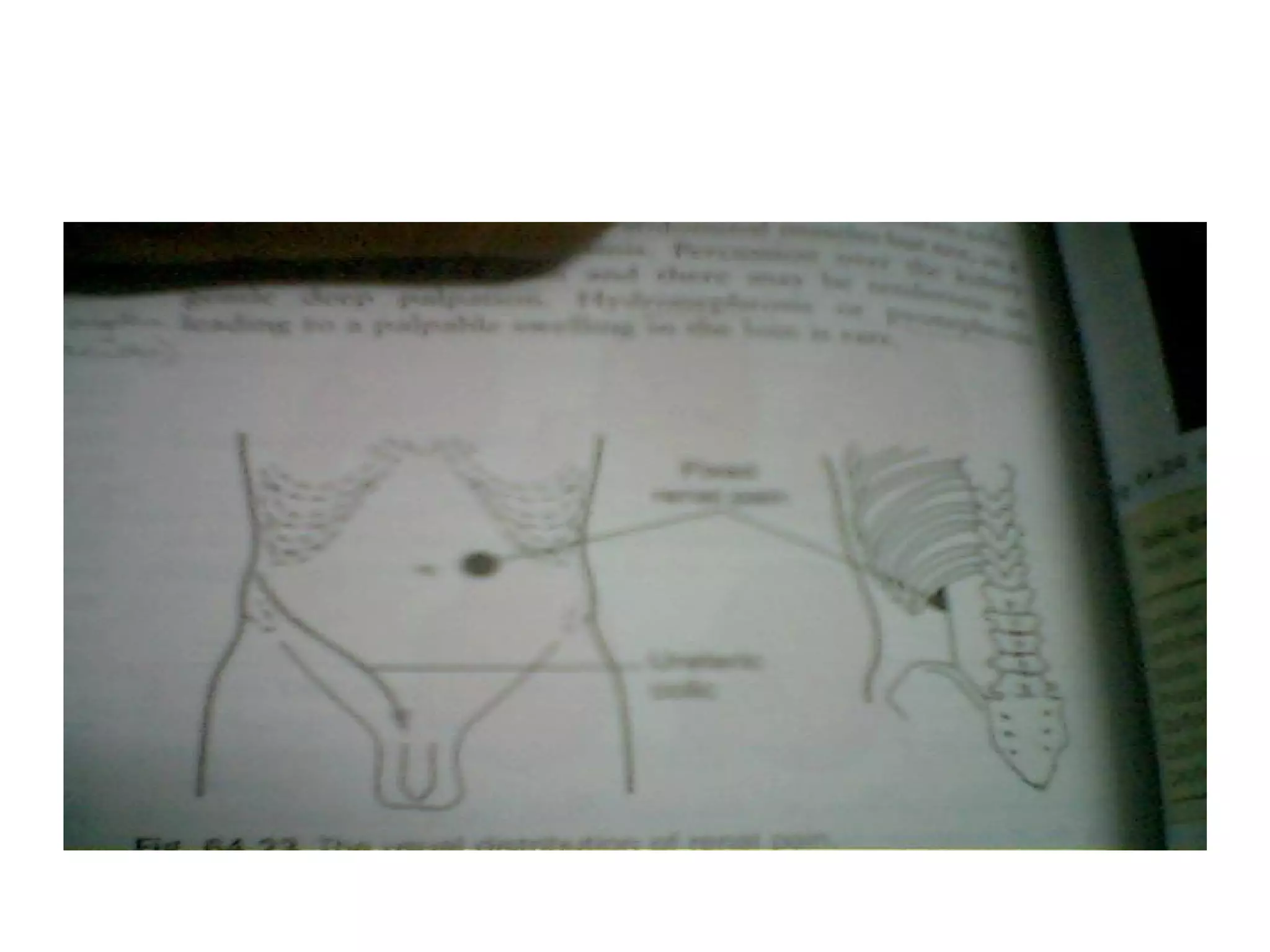
Clinical Features No symptoms  Pain  Renal pain  renal angle > upper abdomen, Ureteric colic Acute, agonizing pain Rolls around as excruciating sharp pain supperimposed uppon a background of continous discomfort (peristalsis pushing stone down). Upper ureter = similar to renal colic Lower down =  loin to groin, genitalia, anterior aspect of thigh, retracted tender testis Intramuural = ref to tip of penis,  strangury (strong  urge  associated with  failure to  void   except a few drops of  blood stained  urine) Dull (renal) ache due to hydronephrosis Consistant dull pain of impected stone, relieved by rest Pyuria,  Haematuria  Microscopic\ gross Fever, abscesses  Infection Nausea & vomiting Acute renal failure \ anuria chronic renal failure Silent loss of kidney Squamous cell carcinoma of renal pelvis  Perforations with fistula formation  external, enteric
 
Clinical Examination No significant sign Some tenderness and rigidity over renal angle or some part of course of ureter Distress, Tachycardia, Fever, hypotension sweating Palpable kidney
Differential diagnosis Skin / subcutaneous tissues ---- Herpes Muscles – spasm, psoss abscess Bones – caries spine, psuedo renal (Radicular ) pain Lungs - Puemonia, plurecy,effusion Liver – hepatitis, abscess,  GB – cholecystitis Appendicitis, typhlitis, large bowl obsruction Salpingitis, ectopic pregnency Ovarion cyst / tortion PID Splenomegaly Hydrnephrosis / renal mass, pyelonephritis Adrenals diseass Mural / extramural ureteric obstruction APD / Inferior wall MI Testicular pain, varicocele malingering
Complications Pyonephrosis Anuria  Abscess Erosion and extravasation of urine Urinary fistulae formaation Loss of kidney / CRF Septicemia Cancer
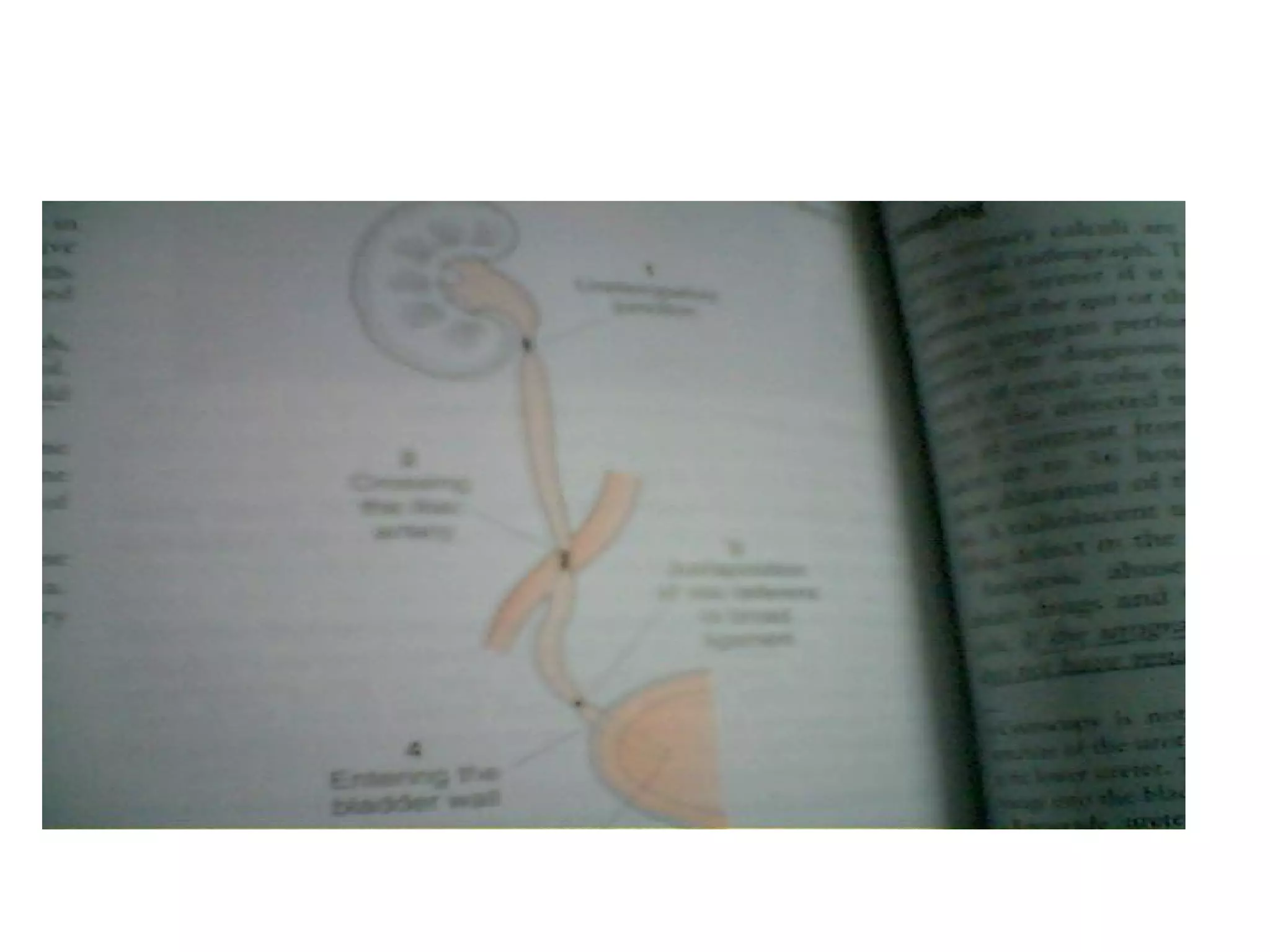
Sites of impaction of ureteric calculi PUJ Iliac artery crossing Juxtaposition to vas or broad ligament Entrance into bladder Ureteric orifice
 
Investigations Baseline  RFTs USG – hydro ureteronephrosis / stone X-ray KUB  ROS false negative – small stone, obscured by gases, bones IVU/ delayed films Spiral CT Retrograde urography Renal scan
Emergency Treatment  Pain relief Control of Infection Control of vomiting Hydration status
Treatment of renal calculi No treatment  <4mm Conservative treatment  < 5 to 8mm Noninvasive treatment  ESWL \ stenting Conventional treatment  Pyelolithotomy,  Extended pyelolithotomy Nephrolithotomy Nephrectomy Minimal invasive treatment  PCNL Sandwich therapy  PCNL >ESWL >PCNL RIRS  \  URS Laparoscopic pyelolithotomy
Treatment of ureteric calculi Expectant \ conservative Definitive therapy  Noninvasive  Minimally invasive Invasive
Expectant treatment Relief of pain Roll of NSAIDS Roll of sposmolytics Roll of IV fluids Roll of diuretic Roll of steroids Roll of edema reducing agens Roll of rest / exercise Roll of urinary alkalization Roll of antibiotics Roll of chemotherapy Roll of homeo therapy / indegenous medicine  assessment of renal function & back pressure Follow up  --  4-6 weeks
Indications to abandon conservative therapy No progress Intractable pain Stone enlarging / too large a stone Fever (UTI) Oligurea / anurea / Renal function deterioration complete obstruction Bilateral Unilateral – solitary kidney Profession
Spontaneous passage Size 1-2mm ---- pass eventually  4-5 mm --- 40-50% >6mm  ---- <5% Site  shape  Degree of hydronephrosis / impection Obstructive lesion
Definitive treatment  Noninvasive ESWL in situ (with out push back) Upper ureter – suppine Lower and mid --- prone Countraindication : impected stone Infected system ( stenting or PCN followed by definative treatment ) Distal obstruction
 
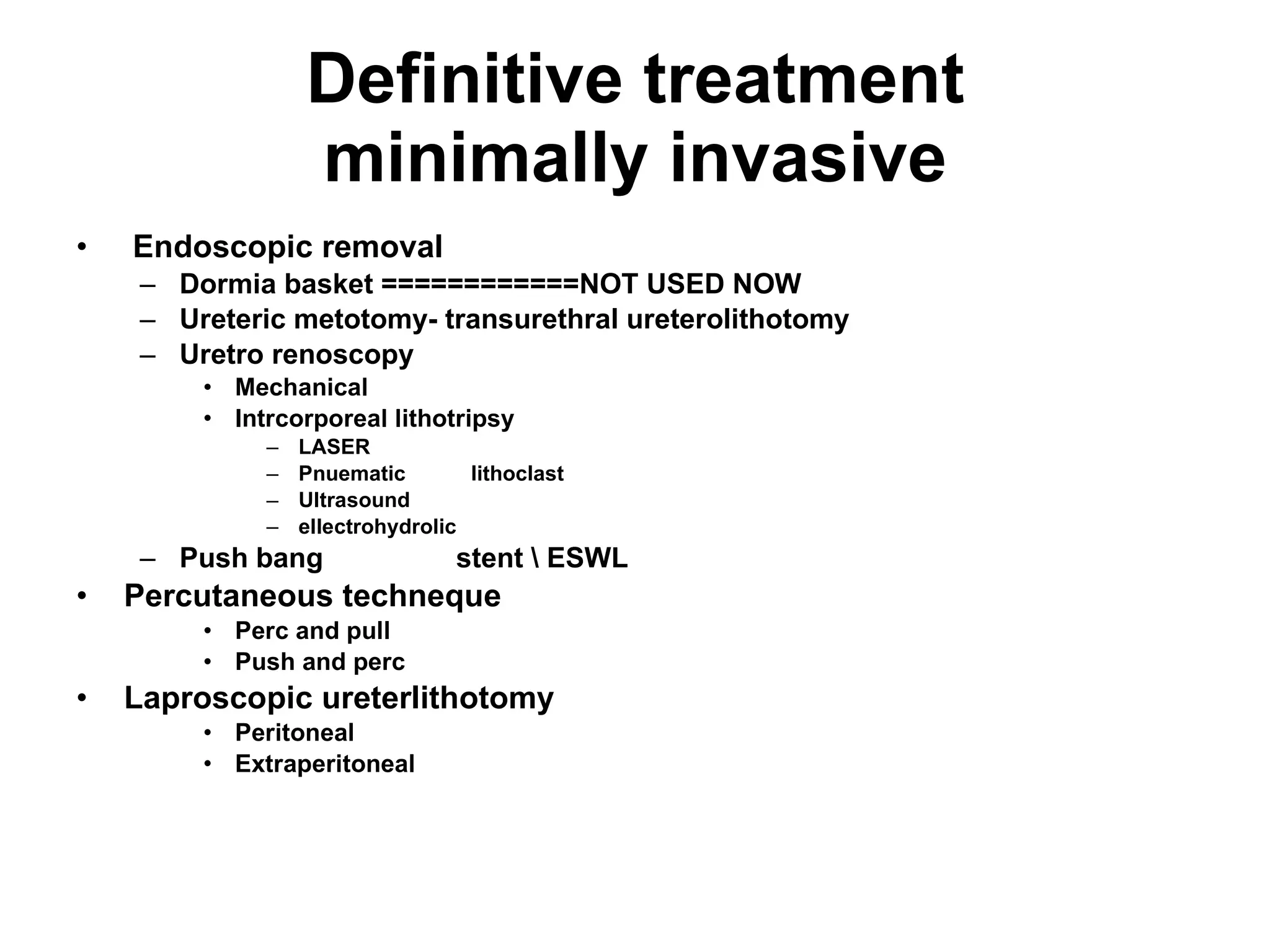
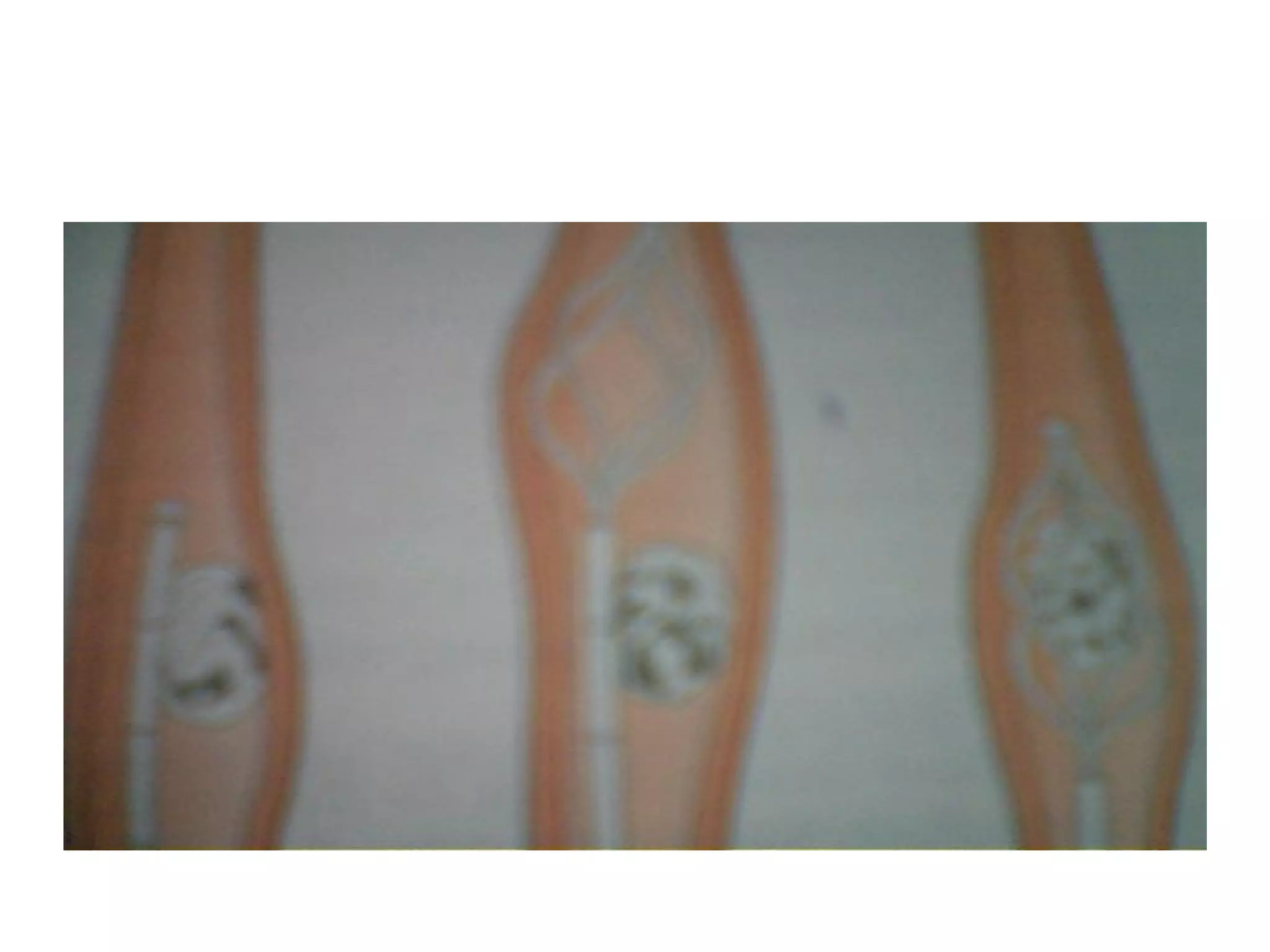
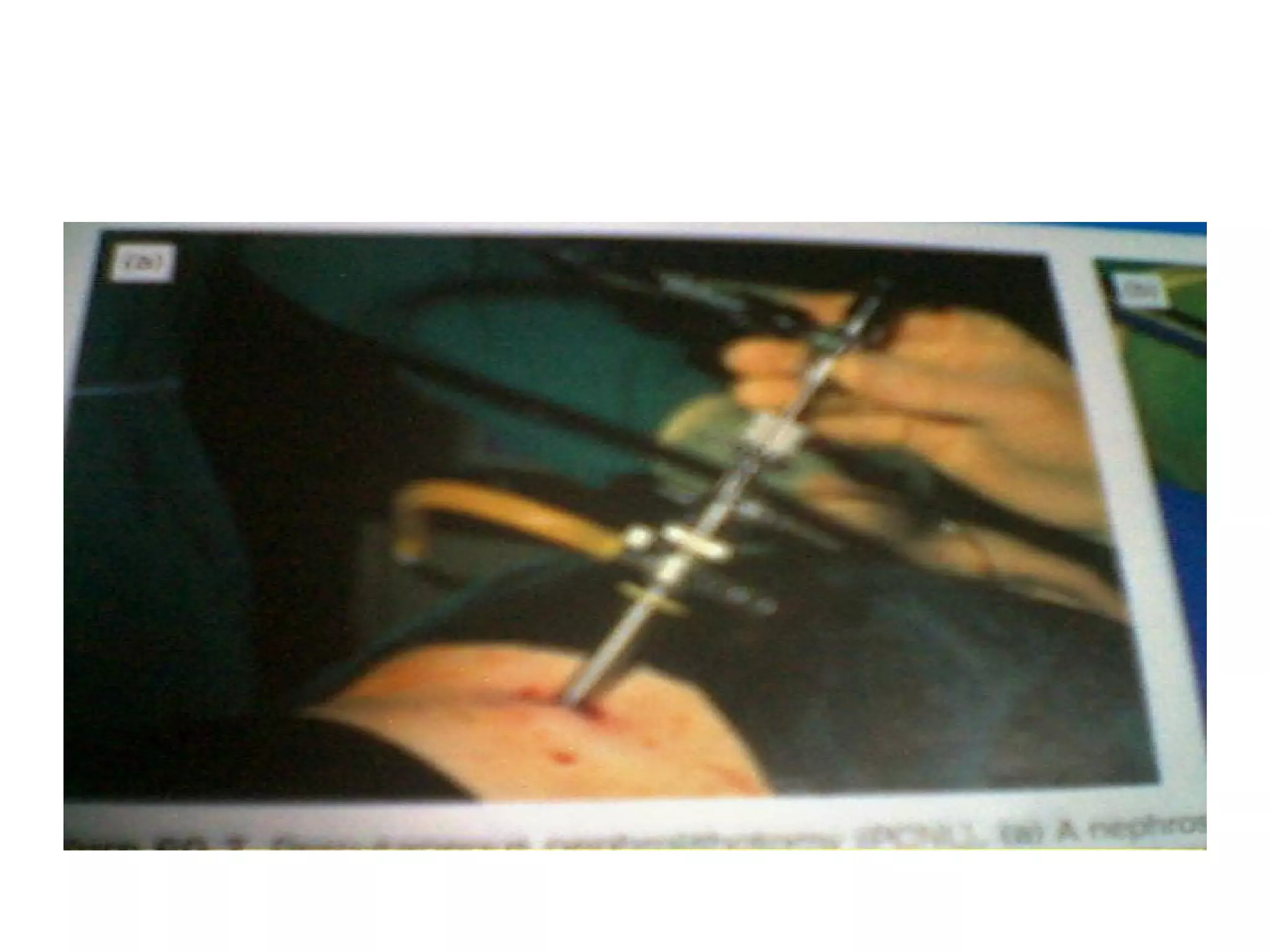
Definitive treatment minimally invasive Endoscopic removal Dormia basket ============NOT USED NOW Ureteric metotomy- transurethral ureterolithotomy Uretro renoscopy Mechanical Intrcorporeal lithotripsy LASER Pnuematic  lithoclast  Ultrasound ellectrohydrolic Push bang  stent \ ESWL Percutaneous techneque  Perc and pull Push and perc Laproscopic ureterlithotomy Peritoneal Extraperitoneal


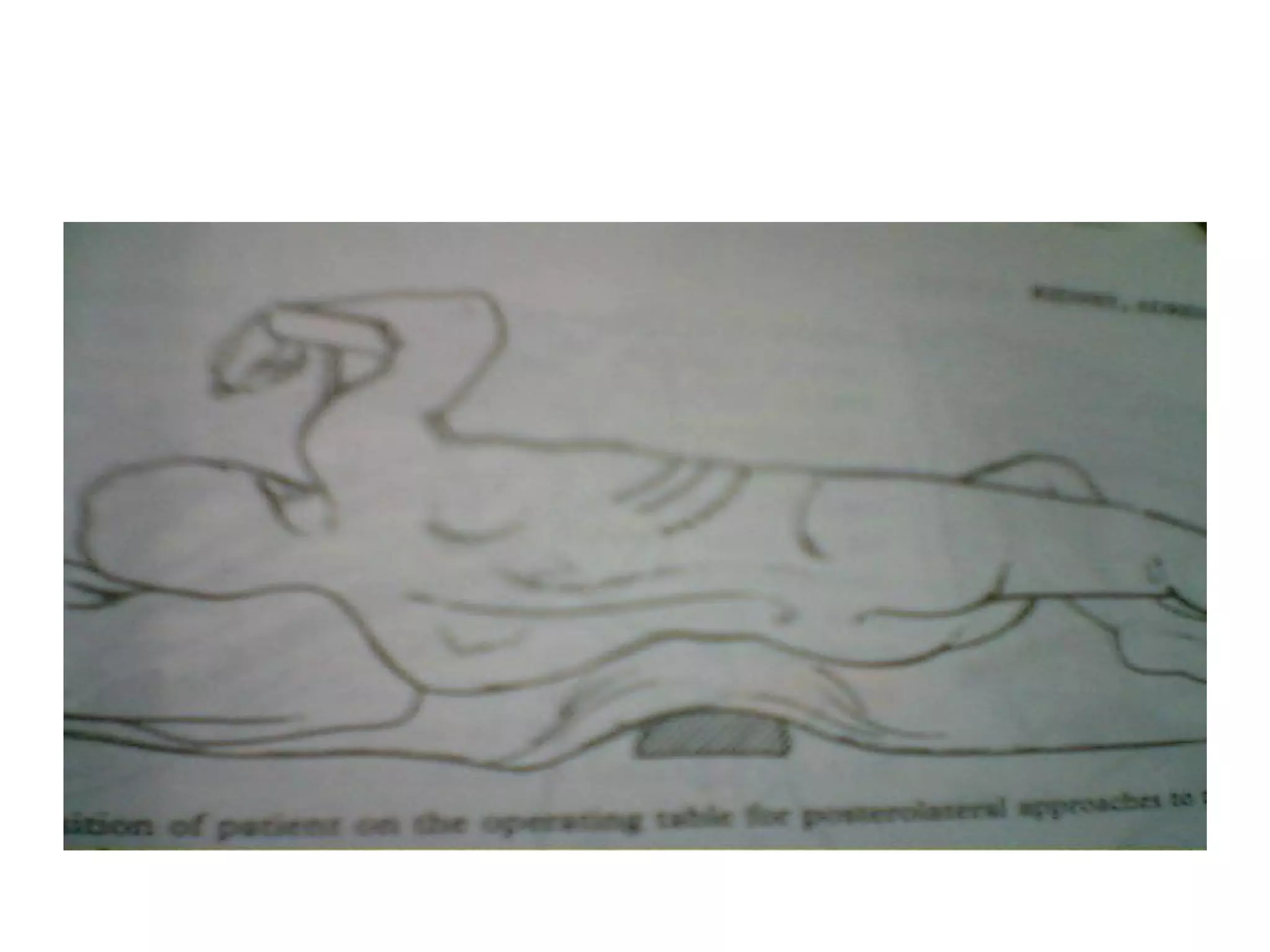
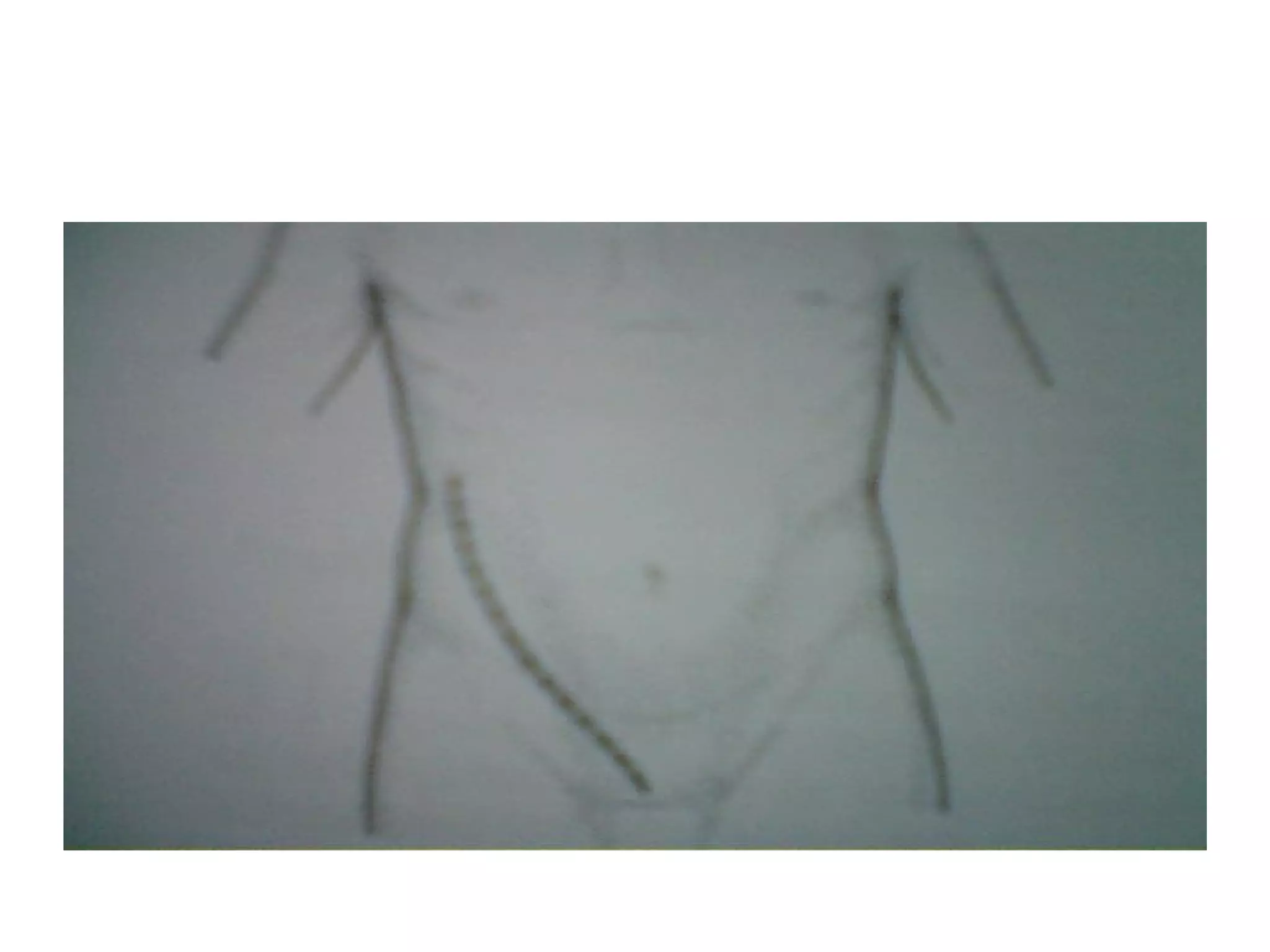
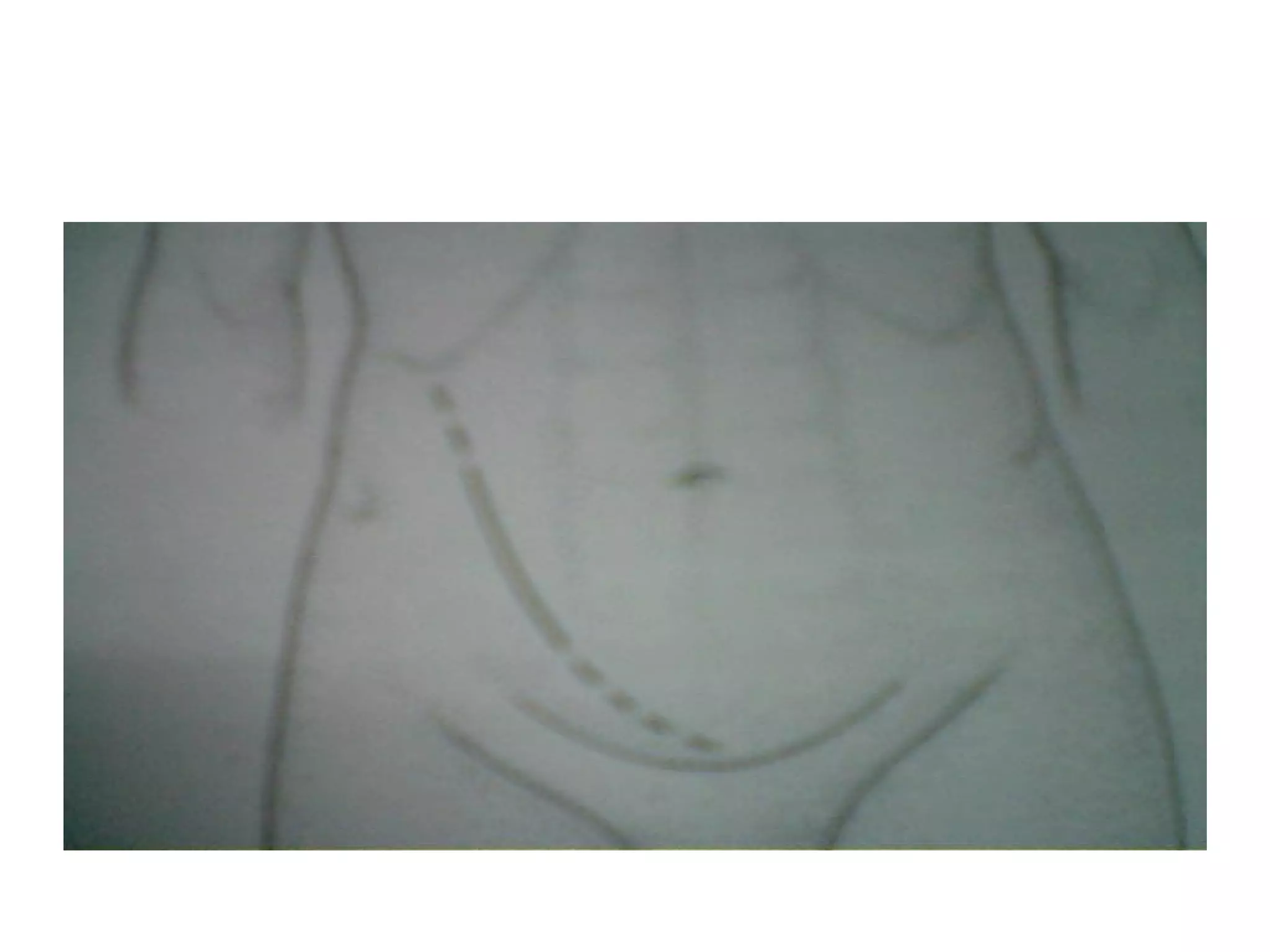
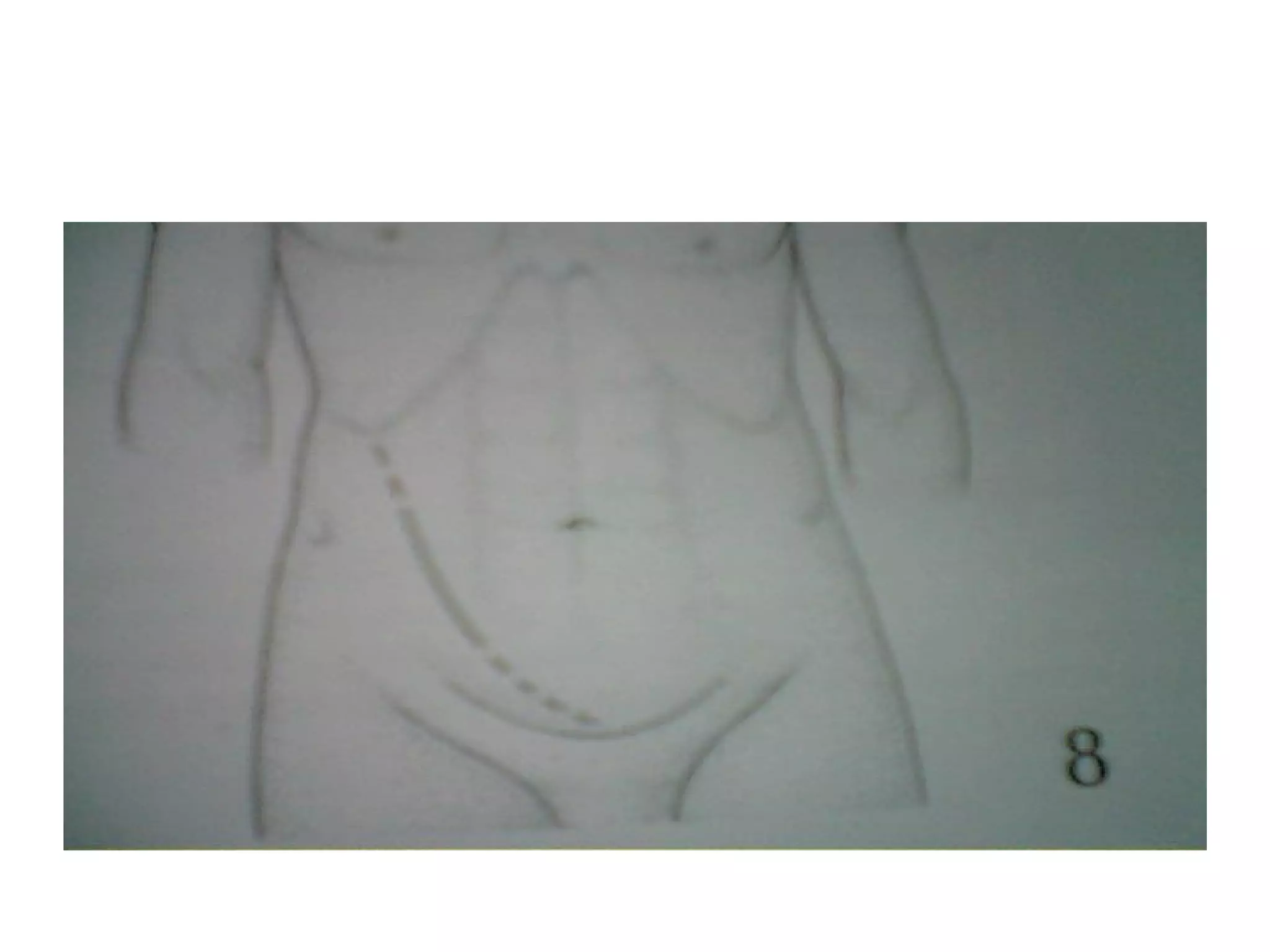
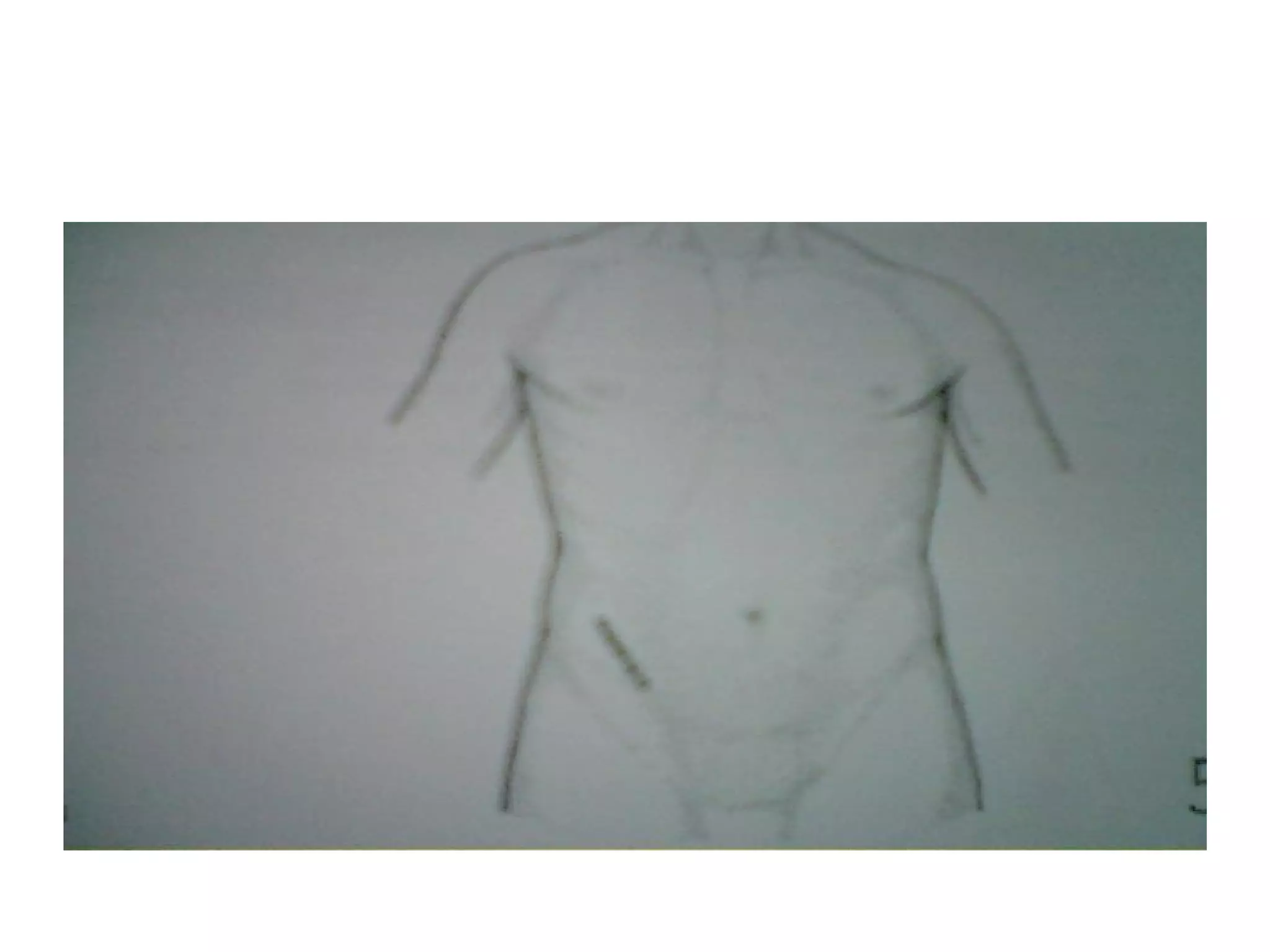
Definitive treatment invasive Uretrolithotomy Upper -------- flank subcostal incision Mid  -------- gibson, grid iron, alaxander Lower ------- pfennesteil, hemi-pfennesteil, midline Transvesical ureterolithotomy Transvaginal ureterolithotomy Stenting Nephrectomy


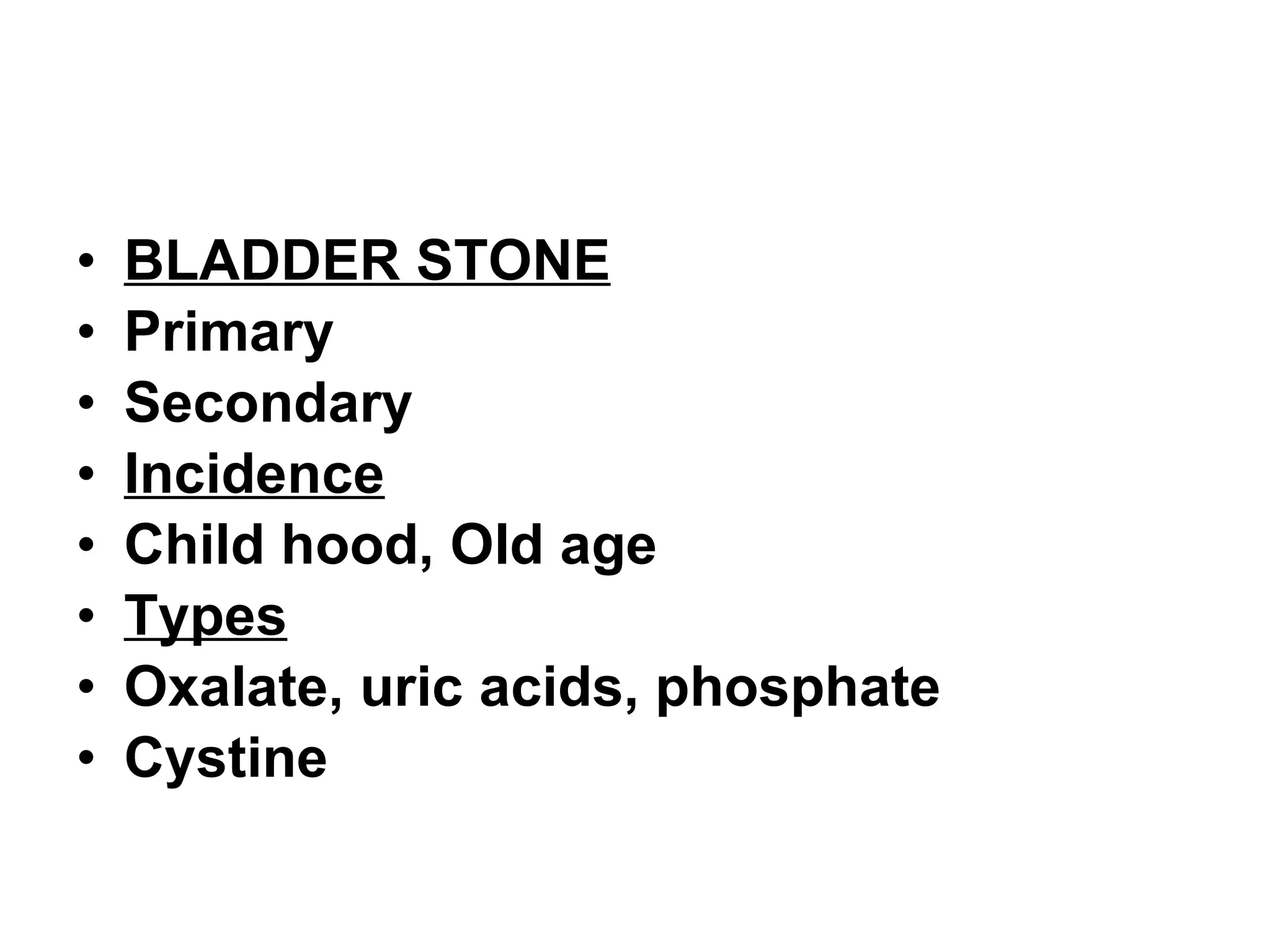
BLADDER STONE Primary Secondary Incidence Child hood, Old age Types Oxalate, uric acids, phosphate Cystine
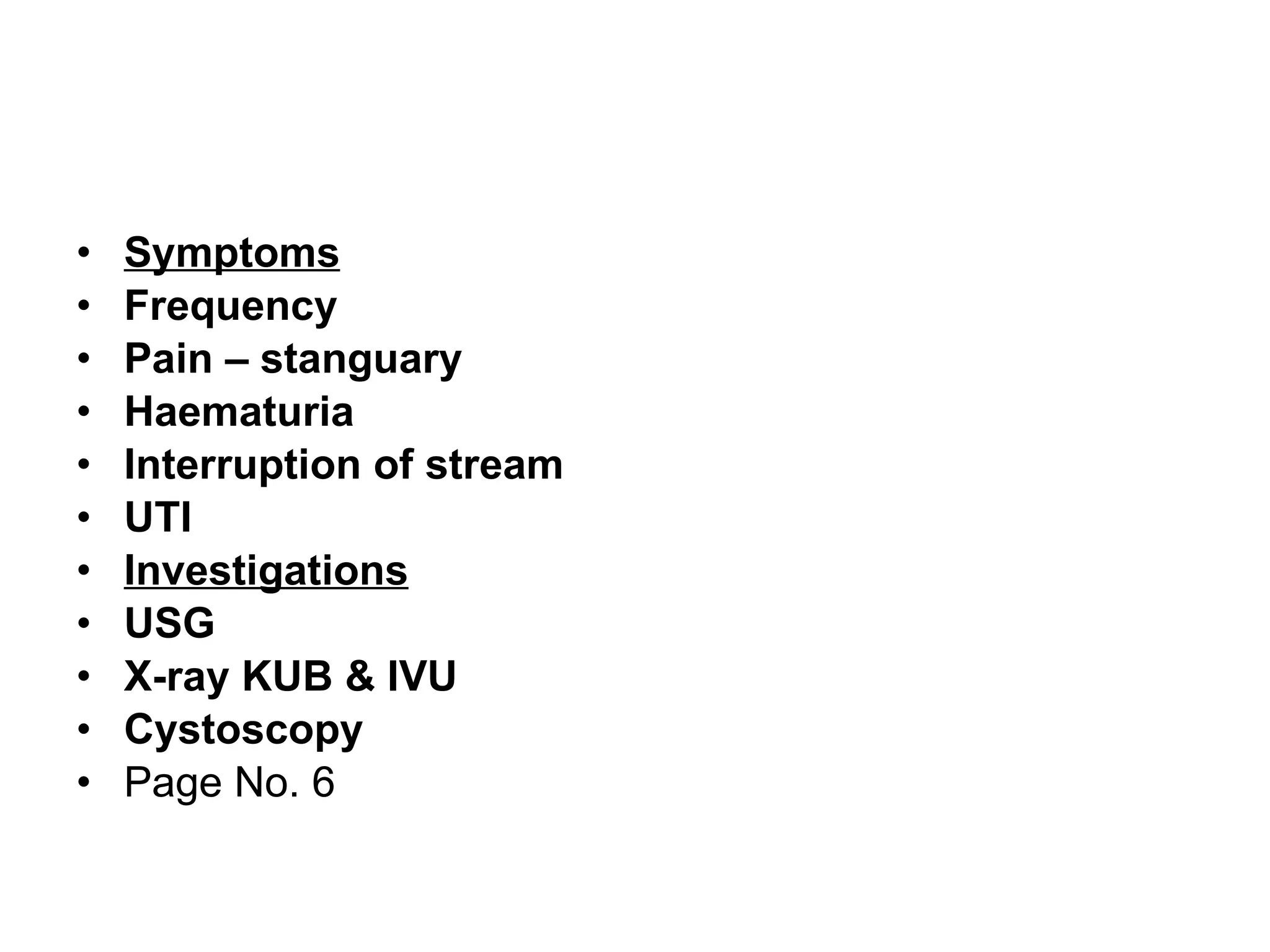
Symptoms Frequency Pain – stanguary Haematuria Interruption of stream  UTI Investigations USG X-ray KUB & IVU Cystoscopy   Page No. 6
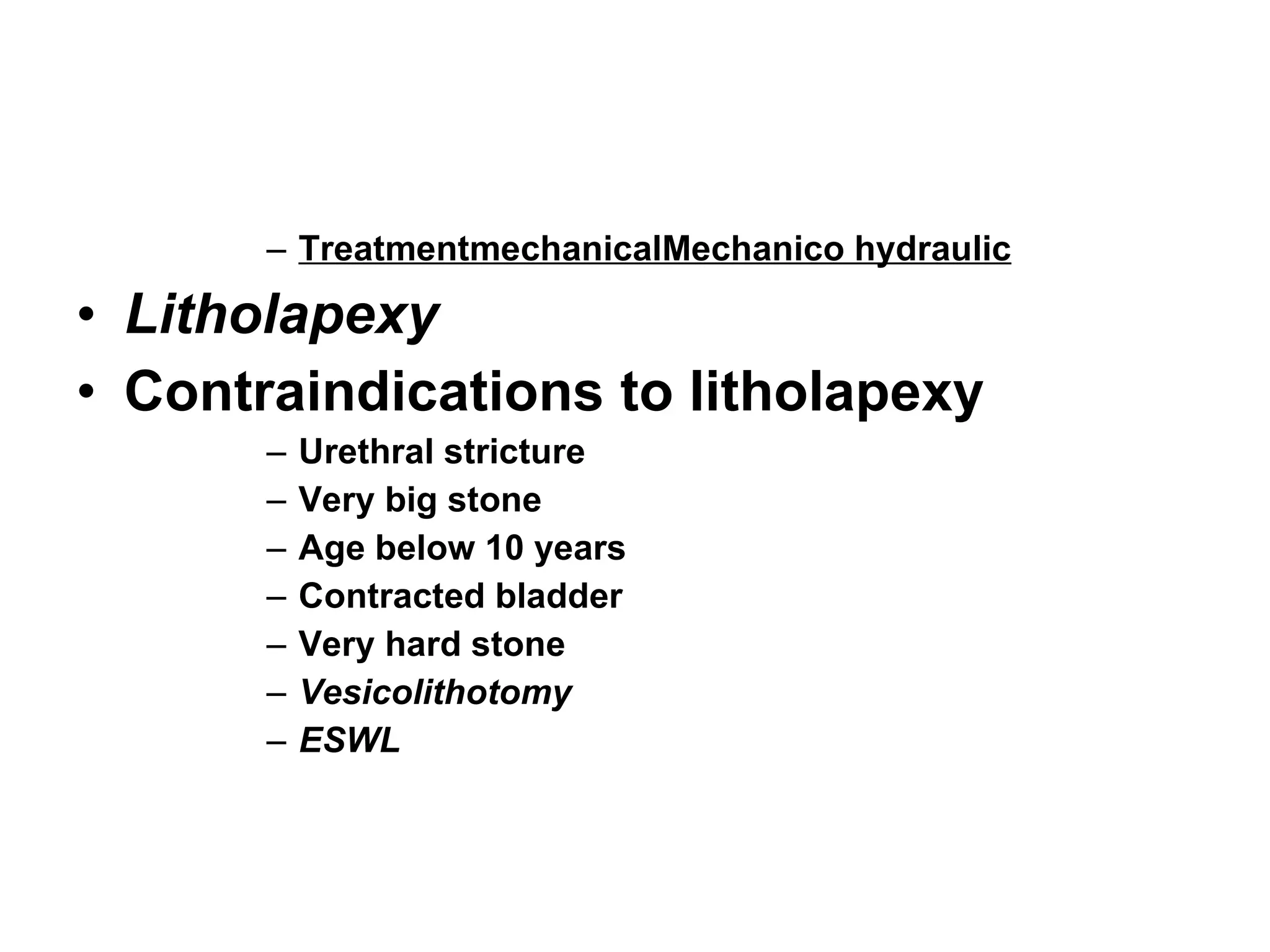
TreatmentmechanicalMechanico hydraulic Litholapexy Contraindications to litholapexy Urethral stricture Very big stone Age below 10 years Contracted bladder Very hard stone Vesicolithotomy ESWL

Upper urinary tract calculi

  • 1.
    Upper Urinary TractCalculi Dr Ahmed Rehman FCPS (URO) Assistant Professes of urology
  • 2.
    Learning Objectives To enumerates factors involved in stone formation and describe their role To describe clinical features of urolithiasis To name investigations to workup a case of calculus To describe different stages of disease To choose suitable treatment option for each stage of disease
  • 3.
    Urolithiasis Urinarystones are pieces of solid matter formed in the urinary tract out of normal or abnormal urinary constituents. Calculi are polycrystalline aggregates composed of varying amounts of crystalloids and organic matrix.
  • 4.
    Urolithiasis Commonesturological problem in Pakistan 3 rd most common problem in West after infections and prostate Ancient time \ under developed world common stone was bladder Now the trend has shifted to kidneys, thanks to urbanization and civilization Roughly 3 to 1O% people suffer with a roughly 5O % recurrence in 5 years Merits higher in Pakistan, than in the West, as a cause of ESRD
  • 5.
    Upper Urinary TractCalculi Etiology Complex and not exactly known Only1O to 15 % cases cause can be found Rest labeled idiopathic Is not a single disease entity, end result of many known \ unknown factors Has been called a MULTI SYSTEMIC disease rather than a mere urinary problem Diseases of other systems set environment ripe for pathological uncontrolled biomineralization( stone formation, which in that case is a manifestation or complication of that disease. A disease or a symptom of diseases a big Q
  • 6.
    Stones Types Calcarious calculi 8O% Calcium oxalate Non calcarious calculi Uric acid 5 to !O% Cystine <2% Xanthine Phosphate ammonium magnesium phosphate 5 to 1O% Mix calculi Matrix calculi Indinavir, silicate, triamterene
  • 7.
    Etiological factors Heredity Age & sex effect Dietary factors Climatic & seasonal factors Geography Water intake Occupation Social class Obstruction \ stasis congenital and acquired Infections Altered urinary solutes and colloids Dehydration Increase conc of promoters or decrease conc of inhibitors Metabolic disorders Hyperparathyroidism Prolonged immobilization
  • 8.
    Heredity Renaltubular acidosis, cystinuria xanthinuria Age Peak age 2O to 4O Extreme ages association with obstruction Sex More common in males 3 to 1
  • 9.
    Climatic & seasonalfactors Dry hot plains\deserts and cold high altitudes = perspiration, water intake Sunlight exposure vitamin D activation Geography Well defined stone belts environmental factors Water intake Low intake as opposite to perspiration, losses, requirement Mineral content zinc \ very hard and very soft water Occupation Sedentary , managerial professionals Affluent Social class animal protein p
  • 10.
    Dietary factors High protein diet High Salt content Low water intake High calcium, oxalate and phosphate diet Low dietary citrate Vitamin A deficiency bladder calculi Fluid intake
  • 11.
    Steps of stoneformation Precipitation \ crystallization Saturation, Super saturation renal papilla Nucleation Homogeneous & heterogeneous Free & Fixed particle nucleation Crystal retention, Crystal growth and aggregation concretions, microliths Role of matrix nidus, glue, inhibitor, bystander Inhibitors & promoters of crystallization. metastable
  • 12.
    Theories of stoneformation Crystallization Precipitation theory Nucleation theory Crystal inhibition theory Fix particle theory Randalls plaque renal papilla Carr microliths lymphatics Theory of mass precipitation \ intranephronic precipitation Matrix nucleation theory
  • 13.
    Calcium calculi etiology Hypercalciuria Absorptive Resorptive Hyperparathyroidism Renal induced Idiopathic Hyperuricosuria Hyperoxaluria Chronic diarrhea Enteric Primary Hypocitraturia p
  • 14.
    Hypercalcemic nehrolithiasis Primaryhyperthyroidism Malignancy associated hypercalcemia Granulomatosis \ sarcoidosis Hyperthyroidism Glucocorticoid induced hypercalcemia Pheochromocytoma Immobilization
  • 15.
    Hypomagnesuria Renal tubularacidosis and calcium phosphate stones Gout and uric acid stones Inborn errors of metabolism
  • 16.
    Ureteri calculi OrigionNearly always take birth in kidney Exceptions Stones in ureterocele Stones in kinked / dilated ureters Stones in strictured / stenosed ureters Stones in ureteric diverticulae Stones in schistosomiasis affected ureters Encrustations on foreign bodies Stents sutures
  • 17.
    Clinical Features Nosymptoms Pain Renal pain renal angle > upper abdomen, Ureteric colic Acute, agonizing pain Rolls around as excruciating sharp pain supperimposed uppon a background of continous discomfort (peristalsis pushing stone down). Upper ureter = similar to renal colic Lower down = loin to groin, genitalia, anterior aspect of thigh, retracted tender testis Intramuural = ref to tip of penis, strangury (strong urge associated with failure to void except a few drops of blood stained urine) Dull (renal) ache due to hydronephrosis Consistant dull pain of impected stone, relieved by rest Pyuria, Haematuria Microscopic\ gross Fever, abscesses Infection Nausea & vomiting Acute renal failure \ anuria chronic renal failure Silent loss of kidney Squamous cell carcinoma of renal pelvis Perforations with fistula formation external, enteric
  • 18.
  • 19.
    Clinical Examination Nosignificant sign Some tenderness and rigidity over renal angle or some part of course of ureter Distress, Tachycardia, Fever, hypotension sweating Palpable kidney
  • 20.
    Differential diagnosis Skin/ subcutaneous tissues ---- Herpes Muscles – spasm, psoss abscess Bones – caries spine, psuedo renal (Radicular ) pain Lungs - Puemonia, plurecy,effusion Liver – hepatitis, abscess, GB – cholecystitis Appendicitis, typhlitis, large bowl obsruction Salpingitis, ectopic pregnency Ovarion cyst / tortion PID Splenomegaly Hydrnephrosis / renal mass, pyelonephritis Adrenals diseass Mural / extramural ureteric obstruction APD / Inferior wall MI Testicular pain, varicocele malingering
  • 21.
    Complications Pyonephrosis Anuria Abscess Erosion and extravasation of urine Urinary fistulae formaation Loss of kidney / CRF Septicemia Cancer
  • 22.
    Sites of impactionof ureteric calculi PUJ Iliac artery crossing Juxtaposition to vas or broad ligament Entrance into bladder Ureteric orifice
  • 23.
  • 24.
    Investigations Baseline RFTs USG – hydro ureteronephrosis / stone X-ray KUB ROS false negative – small stone, obscured by gases, bones IVU/ delayed films Spiral CT Retrograde urography Renal scan
  • 25.
    Emergency Treatment Pain relief Control of Infection Control of vomiting Hydration status
  • 26.
    Treatment of renalcalculi No treatment <4mm Conservative treatment < 5 to 8mm Noninvasive treatment ESWL \ stenting Conventional treatment Pyelolithotomy, Extended pyelolithotomy Nephrolithotomy Nephrectomy Minimal invasive treatment PCNL Sandwich therapy PCNL >ESWL >PCNL RIRS \ URS Laparoscopic pyelolithotomy
  • 27.
    Treatment of uretericcalculi Expectant \ conservative Definitive therapy Noninvasive Minimally invasive Invasive
  • 28.
    Expectant treatment Reliefof pain Roll of NSAIDS Roll of sposmolytics Roll of IV fluids Roll of diuretic Roll of steroids Roll of edema reducing agens Roll of rest / exercise Roll of urinary alkalization Roll of antibiotics Roll of chemotherapy Roll of homeo therapy / indegenous medicine assessment of renal function & back pressure Follow up -- 4-6 weeks
  • 29.
    Indications to abandonconservative therapy No progress Intractable pain Stone enlarging / too large a stone Fever (UTI) Oligurea / anurea / Renal function deterioration complete obstruction Bilateral Unilateral – solitary kidney Profession
  • 30.
    Spontaneous passage Size1-2mm ---- pass eventually 4-5 mm --- 40-50% >6mm ---- <5% Site shape Degree of hydronephrosis / impection Obstructive lesion
  • 31.
    Definitive treatment Noninvasive ESWL in situ (with out push back) Upper ureter – suppine Lower and mid --- prone Countraindication : impected stone Infected system ( stenting or PCN followed by definative treatment ) Distal obstruction
  • 32.
  • 33.
    Definitive treatment minimallyinvasive Endoscopic removal Dormia basket ============NOT USED NOW Ureteric metotomy- transurethral ureterolithotomy Uretro renoscopy Mechanical Intrcorporeal lithotripsy LASER Pnuematic lithoclast Ultrasound ellectrohydrolic Push bang stent \ ESWL Percutaneous techneque Perc and pull Push and perc Laproscopic ureterlithotomy Peritoneal Extraperitoneal
  • 34.
  • 35.
  • 36.
  • 37.
  • 38.
  • 39.
  • 40.
  • 41.
  • 42.
  • 43.
  • 44.
  • 45.
    Definitive treatment invasiveUretrolithotomy Upper -------- flank subcostal incision Mid -------- gibson, grid iron, alaxander Lower ------- pfennesteil, hemi-pfennesteil, midline Transvesical ureterolithotomy Transvaginal ureterolithotomy Stenting Nephrectomy
  • 46.
  • 47.
  • 48.
  • 49.
  • 50.
  • 51.
  • 52.
  • 53.
  • 54.
  • 55.
  • 56.
    BLADDER STONE PrimarySecondary Incidence Child hood, Old age Types Oxalate, uric acids, phosphate Cystine
  • 57.
    Symptoms Frequency Pain– stanguary Haematuria Interruption of stream UTI Investigations USG X-ray KUB & IVU Cystoscopy Page No. 6
  • 58.
    TreatmentmechanicalMechanico hydraulic LitholapexyContraindications to litholapexy Urethral stricture Very big stone Age below 10 years Contracted bladder Very hard stone Vesicolithotomy ESWL