UNIT 3 Constructing Arguments Please Get a Copy of the DA
CLAIMS Any belief the source wishes the receiver to accept.
It is the Focal Point of Persuasion -- The point we want to get across
TYPES of CLAIMS
Designative They are concerned with fact – “Is it?” They get at a belief or what something is or is not.
Did the person driving exceed the posted speed limit? Did the bookstore make money during the last quarter?
Definitive They answer the question “what is it” or “what do we call it?” They get at what something should be called.
Is a 6-win and 5-loss football season a winning season? Is the taking of a life by Mr. Smith “first degree murder?”
Evaluative They are concerned with “what is its quality?” It’s judgment based – is something good or bad
Cheating on an exam is an evil thing. All politicians are treacherous slime.
Advocative They are concerned with policy – “What should be done about that?” They advocate a course of action that should be taken.
How should someone who commits first-degree murder be dealt? Should the US government meddle in other country’s affairs?
ACTIVITY
SUPPORT/DATA This is any belief held by a receiver which may be used to support the claim. Support is useless if the receiver does not believe it.
Types of Support
Receiver Belief Something the receiver already believes IDEAL DATA
Source Credibility If the receiver sees the sources as being credible, then the source can make claims that function as assertions by a credible source.
Evidence from others Opinions and facts attest to by others Depends on source’s credibility and on the credibility of the source of the evidence. Easiest for Receiver to Reject
REASONING Receiver’s judgment of the extent to which the claim is supported by the types of support
SUPPORT CLAIM REASON
Audience Analysis
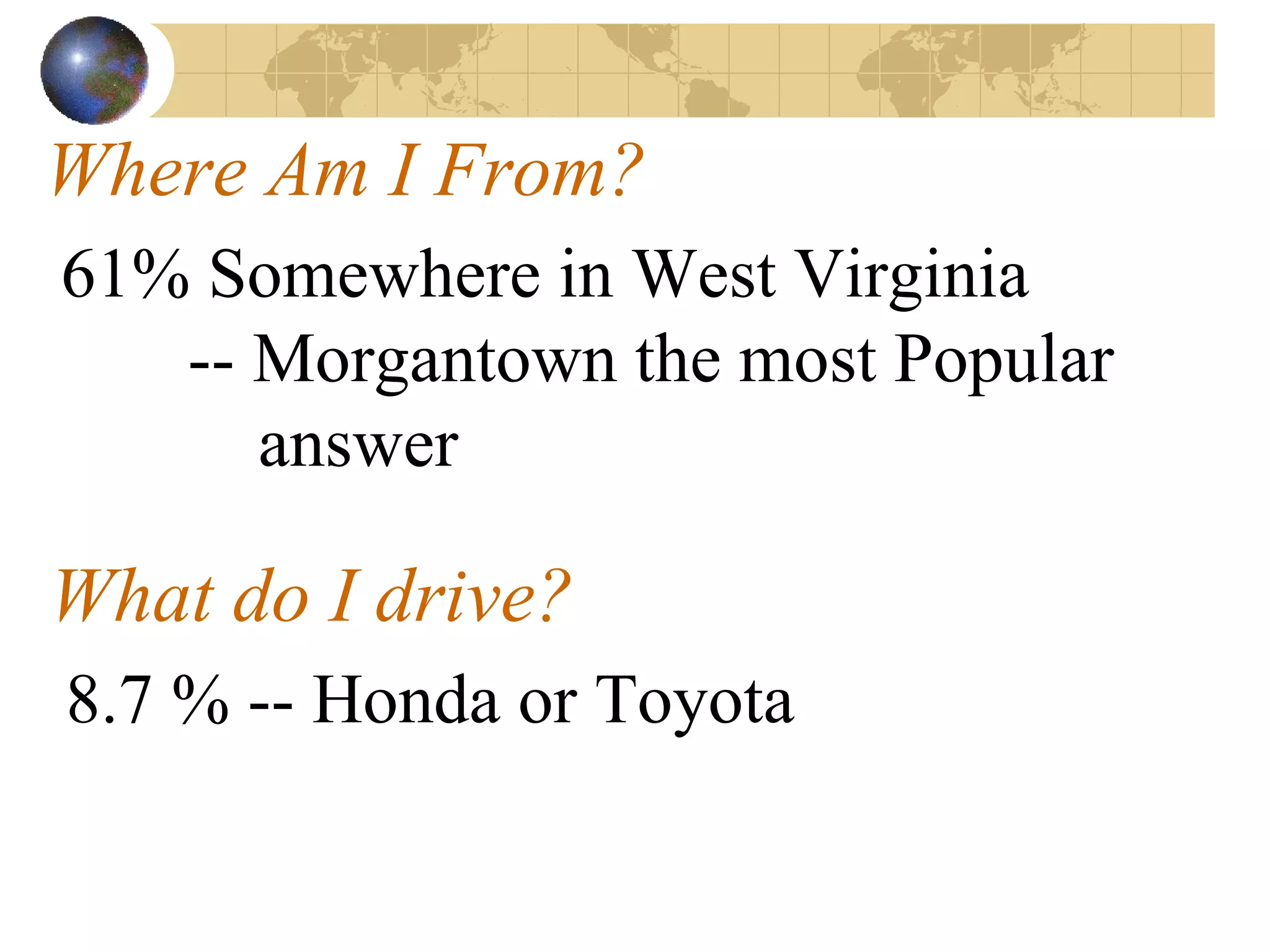
Where Am I From? 61% Somewhere in West Virginia -- Morgantown the most Popular    answer What do I drive? 8.7 % -- Honda or Toyota
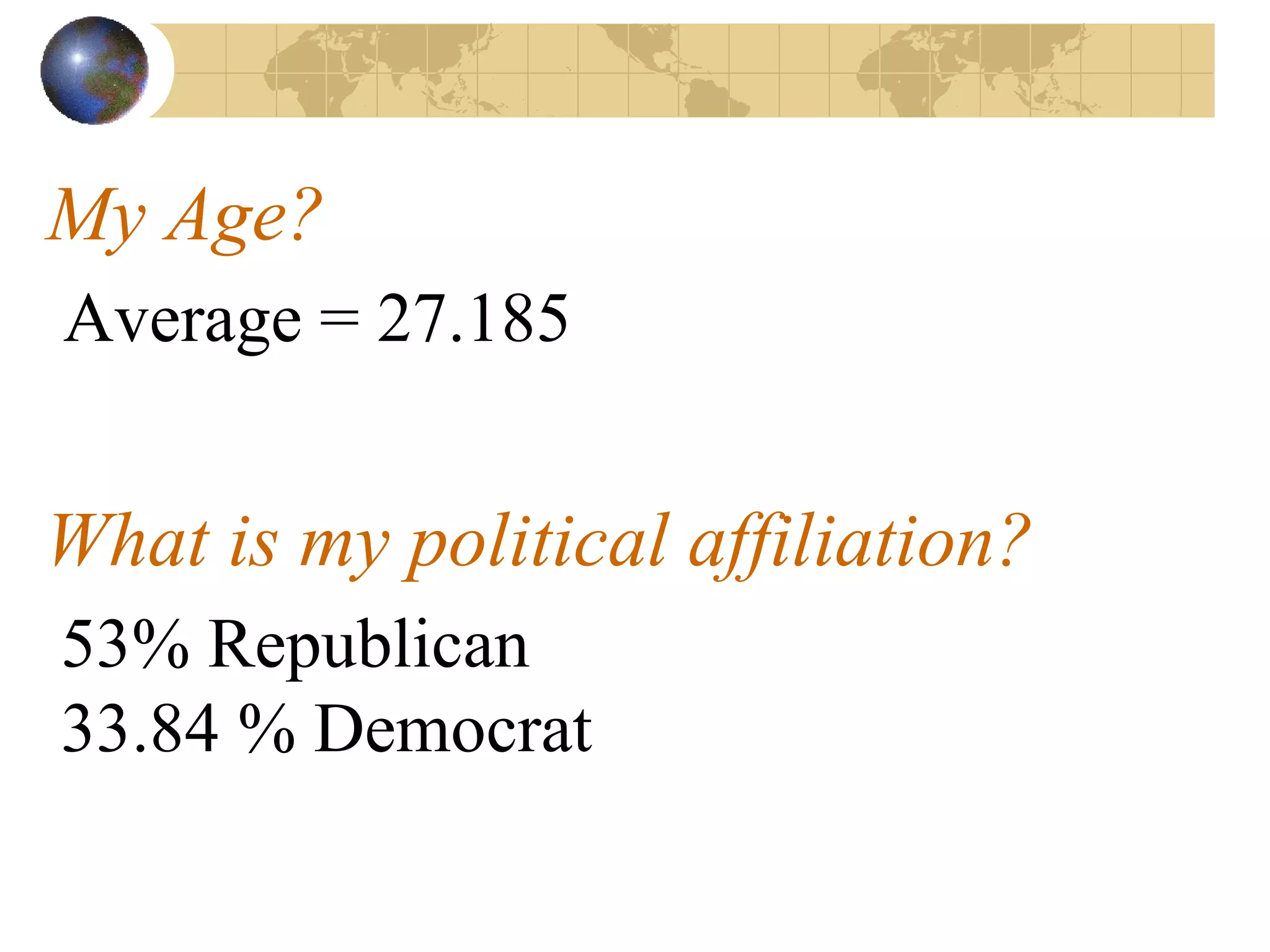
My Age? Average = 27.185 What is my political affiliation? 53% Republican 33.84 % Democrat
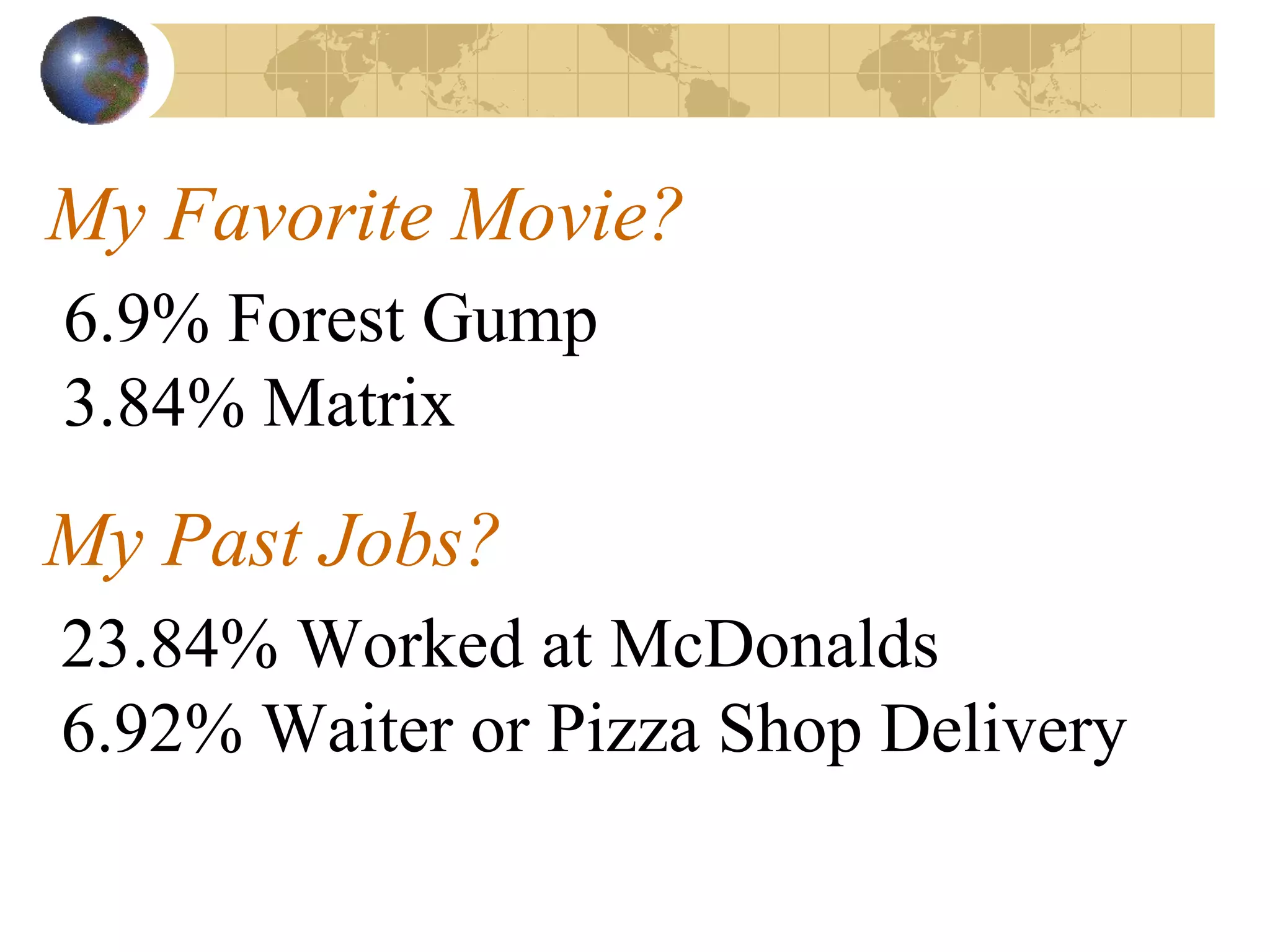
My Favorite Movie? 6.9% Forest Gump 3.84% Matrix My Past Jobs? 23.84% Worked at McDonalds 6.92% Waiter or Pizza Shop Delivery
My favorite Drink? 30.769% Pepsi 36.15% Coke My Religious Affiliation? 39.23% Catholic 18.46% Christian - Protestant
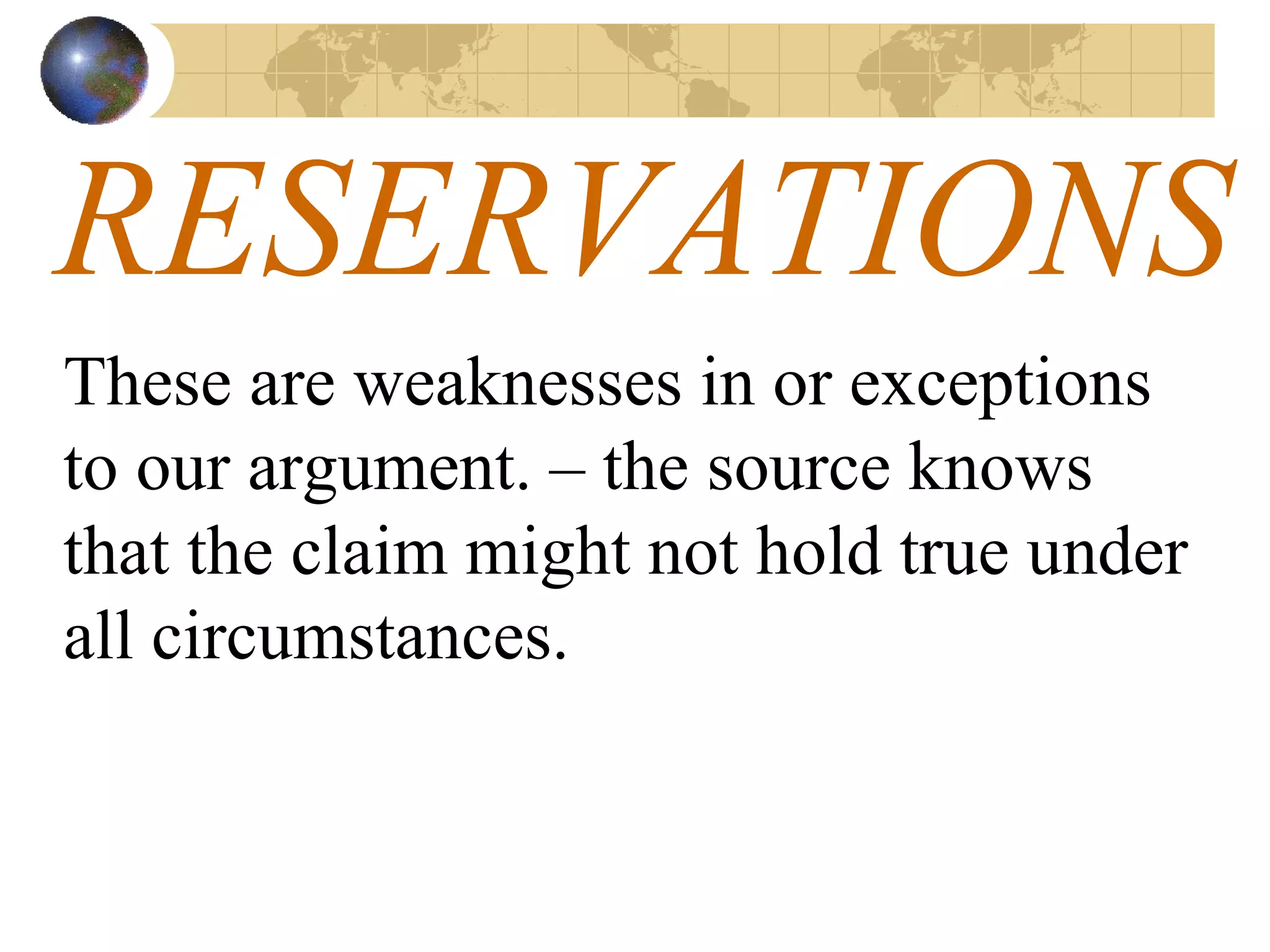
RESERVATIONS These are weaknesses in or exceptions to our argument. – the source knows that the claim might not hold true under all circumstances.
USING ARGUMENTS
Main Argument Start with a main claim or point you want to make. Supporting Arguments From that initial argument, others should follow which support it.
Have Enough Arguments Have enough arguments to overcome reservations.  If you can’t overcome reservations – then the argument is too weak.

Unit 3

  • 1.
    UNIT 3 ConstructingArguments Please Get a Copy of the DA
  • 2.
    CLAIMS Any beliefthe source wishes the receiver to accept.
  • 3.
    It is theFocal Point of Persuasion -- The point we want to get across
  • 4.
  • 5.
    Designative They areconcerned with fact – “Is it?” They get at a belief or what something is or is not.
  • 6.
    Did the persondriving exceed the posted speed limit? Did the bookstore make money during the last quarter?
  • 7.
    Definitive They answerthe question “what is it” or “what do we call it?” They get at what something should be called.
  • 8.
    Is a 6-winand 5-loss football season a winning season? Is the taking of a life by Mr. Smith “first degree murder?”
  • 9.
    Evaluative They areconcerned with “what is its quality?” It’s judgment based – is something good or bad
  • 10.
    Cheating on anexam is an evil thing. All politicians are treacherous slime.
  • 11.
    Advocative They areconcerned with policy – “What should be done about that?” They advocate a course of action that should be taken.
  • 12.
    How should someonewho commits first-degree murder be dealt? Should the US government meddle in other country’s affairs?
  • 13.
  • 14.
    SUPPORT/DATA This isany belief held by a receiver which may be used to support the claim. Support is useless if the receiver does not believe it.
  • 15.
  • 16.
    Receiver Belief Somethingthe receiver already believes IDEAL DATA
  • 17.
    Source Credibility Ifthe receiver sees the sources as being credible, then the source can make claims that function as assertions by a credible source.
  • 18.
    Evidence from othersOpinions and facts attest to by others Depends on source’s credibility and on the credibility of the source of the evidence. Easiest for Receiver to Reject
  • 19.
    REASONING Receiver’s judgmentof the extent to which the claim is supported by the types of support
  • 20.
  • 21.
  • 22.
    Where Am IFrom? 61% Somewhere in West Virginia -- Morgantown the most Popular answer What do I drive? 8.7 % -- Honda or Toyota
  • 23.
    My Age? Average= 27.185 What is my political affiliation? 53% Republican 33.84 % Democrat
  • 24.
    My Favorite Movie?6.9% Forest Gump 3.84% Matrix My Past Jobs? 23.84% Worked at McDonalds 6.92% Waiter or Pizza Shop Delivery
  • 25.
    My favorite Drink?30.769% Pepsi 36.15% Coke My Religious Affiliation? 39.23% Catholic 18.46% Christian - Protestant
  • 26.
    RESERVATIONS These areweaknesses in or exceptions to our argument. – the source knows that the claim might not hold true under all circumstances.
  • 27.
  • 28.
    Main Argument Startwith a main claim or point you want to make. Supporting Arguments From that initial argument, others should follow which support it.
  • 29.
    Have Enough ArgumentsHave enough arguments to overcome reservations. If you can’t overcome reservations – then the argument is too weak.