‘CLIL in Europe and the UK’
(According to Do Coyle)
Dr Do Coyle is a former Head of MFL in a school
and an experienced university teacher trainer
who has been involved in a number of United
Kingdom and European initiatives, particularly in
the area of Content and Language Integrated
Learning (CLIL). She considers the development
of CLIL in Europe and refers to some of the pilot
work in this area in England.
CLIL
What is CLIL?
What are the different CLIL models?
What does it offer us as language
teachers?
What have we learnt from CLIP?
How might it be implemented in my
school?
CLIL
The 4Cs Teaching Framework:
content/subject matter/project/theme
communication/language
cognition/thinking
culture/citizenship
University of Nottingham
Using language
language
content
Using language
content
language
Using language to learn
Learning to use language
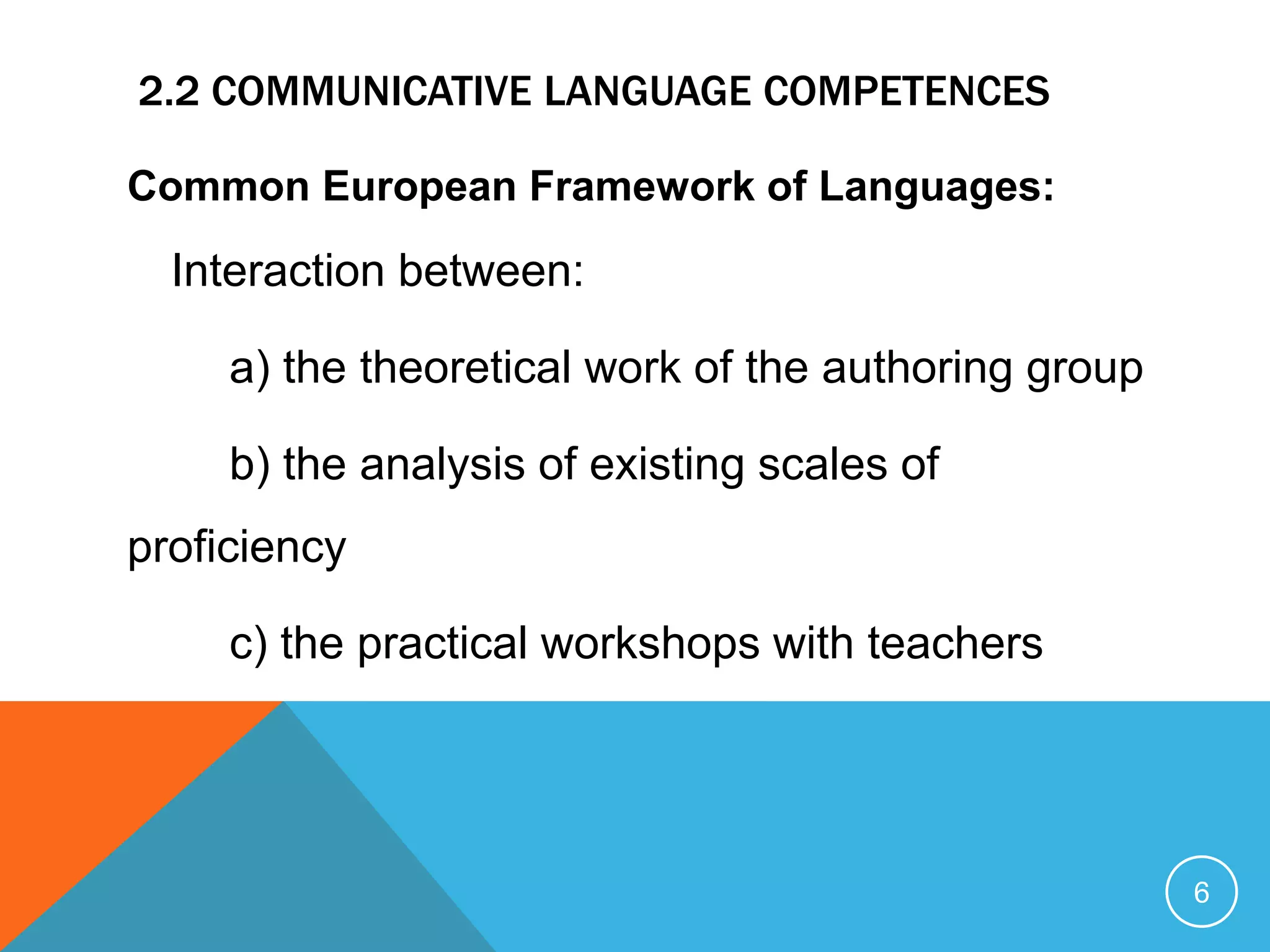
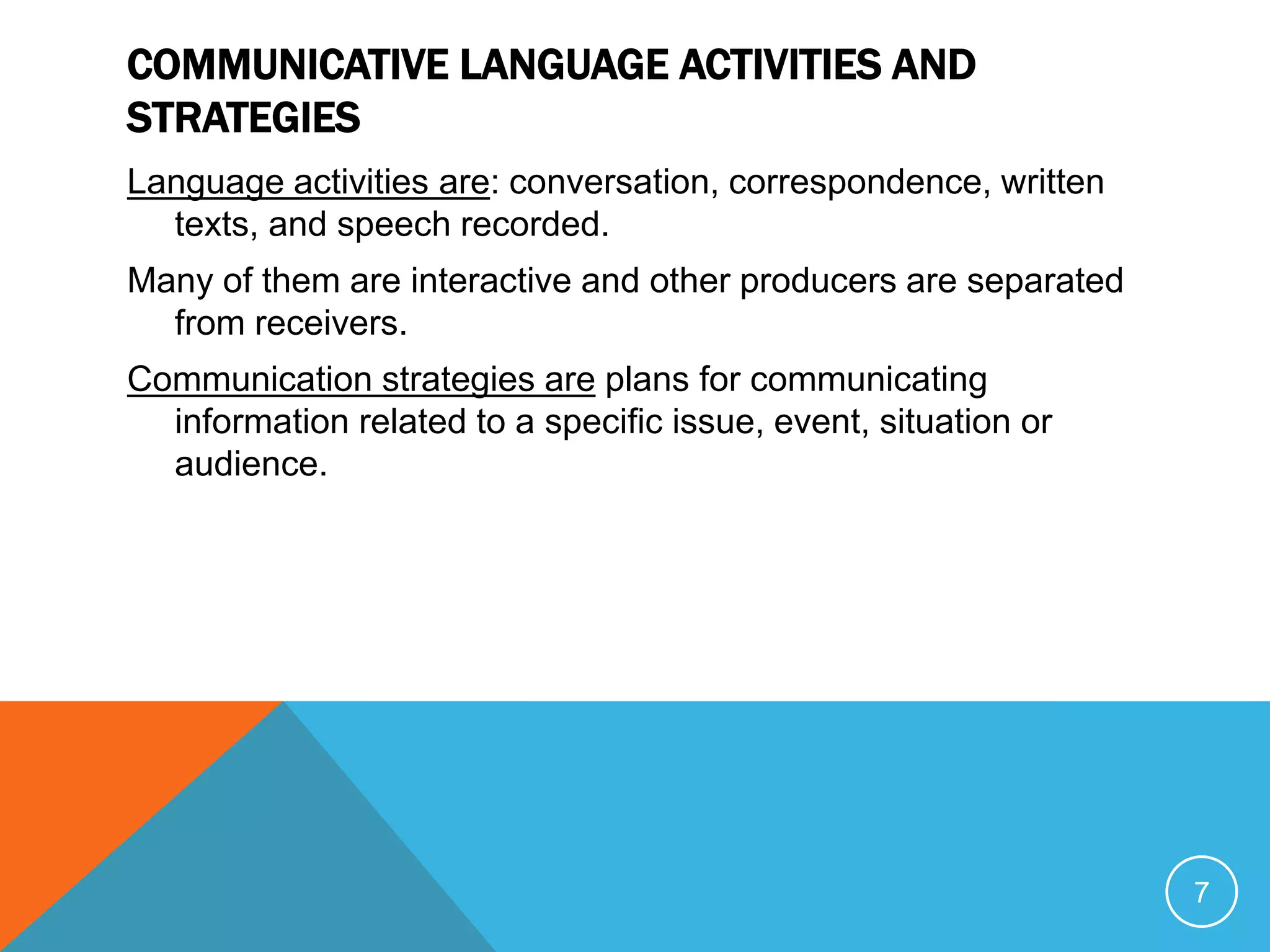
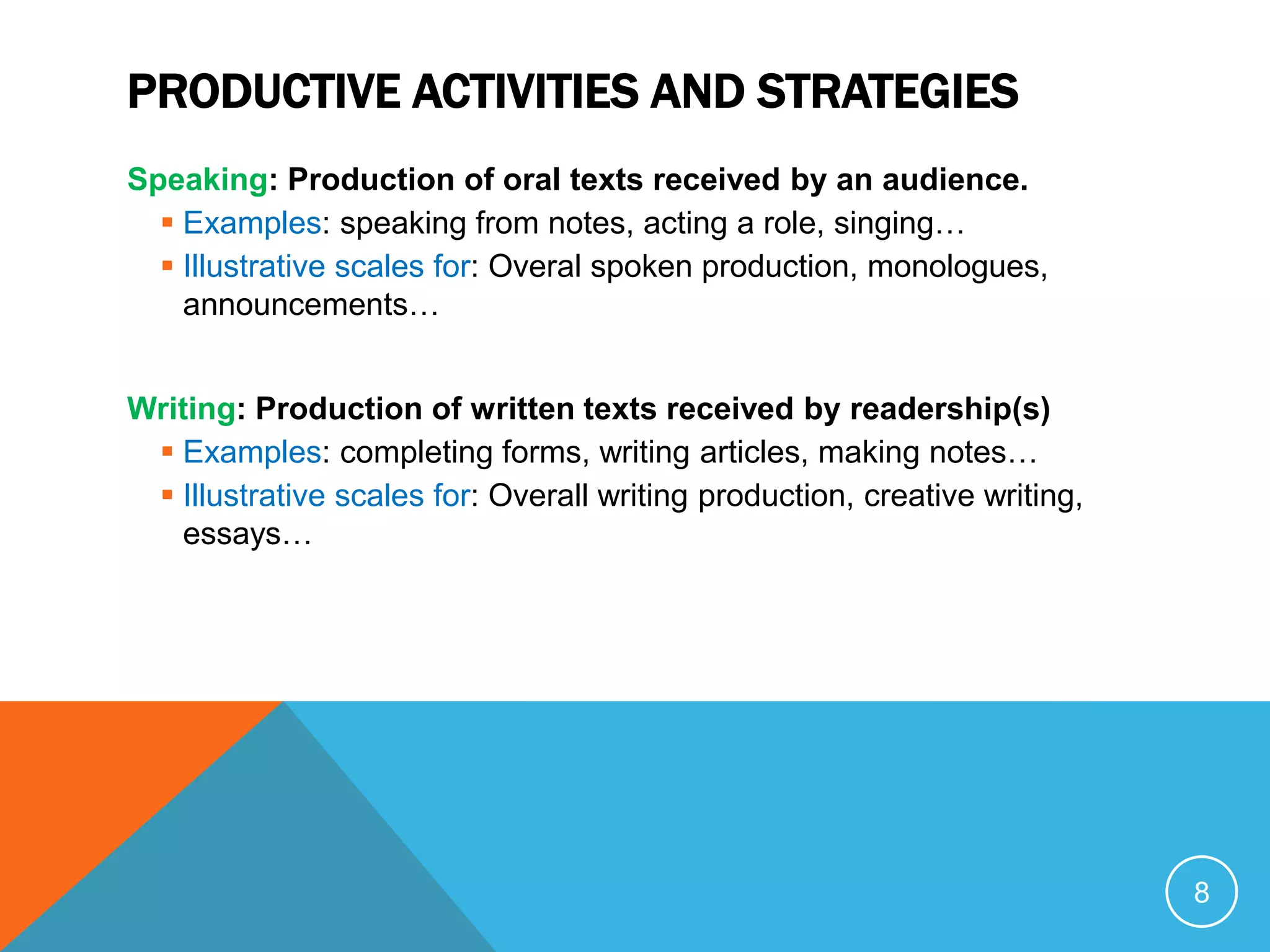
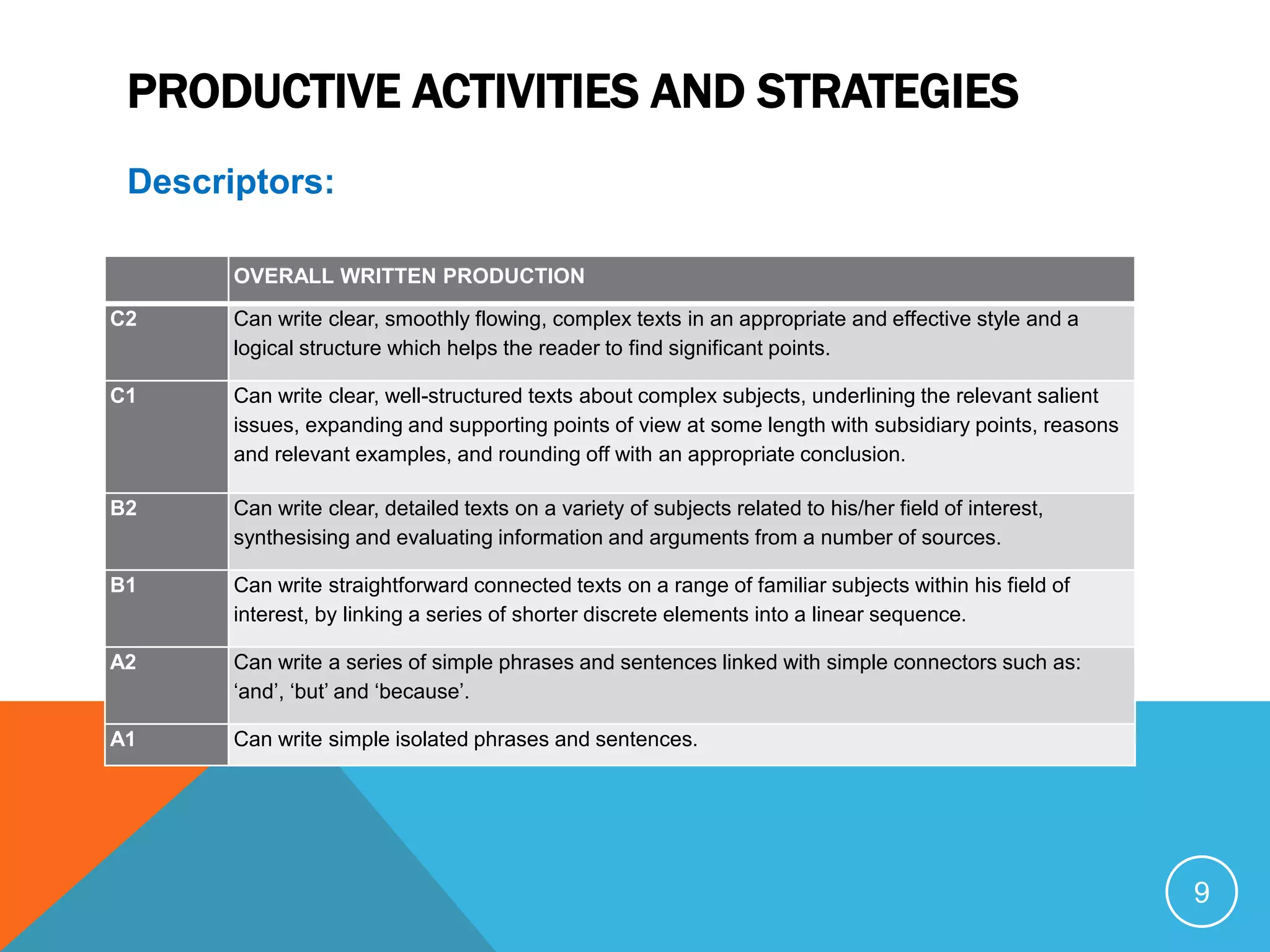
A 4Cs teaching framework requires a
re-conceptualisation of language from
language learning per se towards an
integrated model which actively involves
the learner in using and developing
Language of Learning
Language for Learning
Language through Learning
Foreign Language
learning
Language of learning
Language for learning Language through learning
Reconceptualising
Language Learning
Using language
Demands teachers systematically plan
for, teach, monitor and evaluate:
Language of Learning - linked to an analysis of content,
thematic, syllabus demands - grammar,vocabulary,
structures, functions
Language for Learning - builds up learner repertoire
linked to meta-cognitive skills & talk for learning in
contexts real for the learners
Language through Learning- emergent knowledge
building & skill development, cognitive development,
BICS/CALP
Using language
High cognitive
3 4
Low High
Linguistic Linguistic
2 1
Low cognitive
BLOOM’S Taxonomy of Thinking skills
Analysis: Analyse, Characterise, Classify,
Compare, Contrast, Debate, Deduce,
Diagram, Differentiate, Discriminate,
Distinguish, Examine, Outline, Relate,
Research, Separate,
Synthesis: Compose, Construct, Create,
Design, Develop, Integrate, Invent, Make,
Organise, Perform, Plan, Produce, Propose,
Rewrite
BLOOM’S Taxonomy of Thinking skills
Evaluation: Appraise, Argue, Assess,
Choose, Conclude, Critic, Decide, Evaluate,
Judge, Justify, Predict, Prioritise, Prove,
Rank, Rate, Select
Bloom’s Taxonomy Verbs
Knowledge: count,
define, describe, draw,
enumerate, identify, label,
list, name, quote, recall,
recite, reproduce,
sequence, view
Comprehend: classify,
cite, conclude, convert,
describe, estimate,
generalise, interpret,
locate, makes sense of,
review
Apply: administer,
articulate, assess,
compute, control, establish,
imitate, inform, instruct,
select, transfer, use
Analyse: break down,
characterise, classify,
correlate, differentiate,
discriminate, focus,
illustrate, outline, prioritise
CLIL
What is CLIL?
What are the different CLIL models?
What does it offer us as language
teachers?
What have we learnt from CLIP?
How might it be implemented in my
school?
What we know about CLIL
• Backdoor language teaching or additional
subject teaching
•‘Dumbing down’ of subject content
• Favouring languages at the expense of
the non-language subject
•Threatening subject specialisms from
either perspective
•Trendy or new- it’s been around a long
time
• Aiming at making students bilingual
CLIL is not about:
What we know about CLIL
• Immersion education (eg the Canadian
model) but rather a flexible
European approach which responds
to a very wide range of situational &
contextual demands
• Being elitist and therefore only for more
able students
• Buying in foreign national teachers
• Teaching what students already know but
in a different code ( ie the foreign
language)
CLIL is not about:
CLIL potential: 10 good reasons
1. Revisits effective teaching and learning and
provides new challenges
2. Offers opportunities for connecting elements of
the curriculum in an explicit way- making
connections, building on strengths-motivating
3. Puts literacy at the forefront (Bullock revisited)
as well as communication skills (interaction,
talking rather than speaking)
4. Redefines appropriacy of skills such as reading
texts (DARTS), using writing frames, key
messages
5. Provides excellent opportunities for challenging
all learners-thinking skills
CLIL potential: 10 good reasons
6. Adds meaning to citizenship and global issues
7. Offers infinite ICT opportunities
8. Raises linguistic competence and confidence-
it sense
9. Challenges xenophobia
10. Widens horizons at different levels:
students understanding
school curricular organisation
GCSE options
attainment
cross-curricular approaches
gender issues associated with
specific subjects
What CLIL Research tell us
•Raises linguistic competence and confidence
•Raises teacher and learner expectations
•Involves risk-taking and problems -solving
•Motivates and encourages independence
•Takes students beyond reductive topics
•Improves L1 literacy
•Encourages linguistic spontaneity
•Develops study skills, concentration
•Positive attitudes, gender issues motivation
•Develops thinking skills
•Puts culture back on the agenda
•Increases vocabulary learning skills
Final Comment
There are no prescribed models - schools
are encouraged to contextualise the issues
and formulate their own models. CLIL is
supported by the DfES and CILT.
Cross-curricular projects may be an
excellent starting point along with a
national curriculum audit of connections
between subject and MFL departments.
Do Coyle (2011)

Unit 2

  • 1.
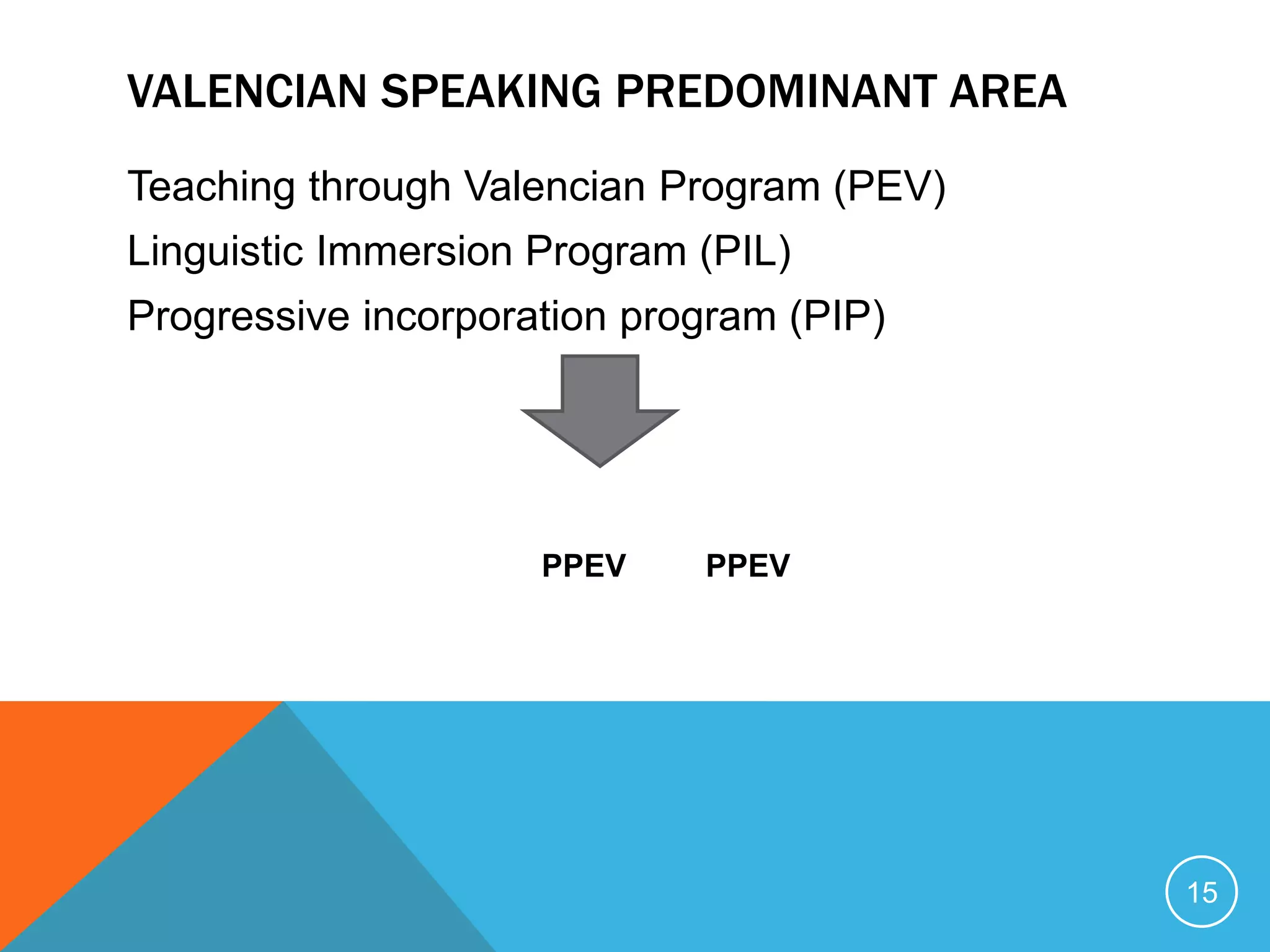
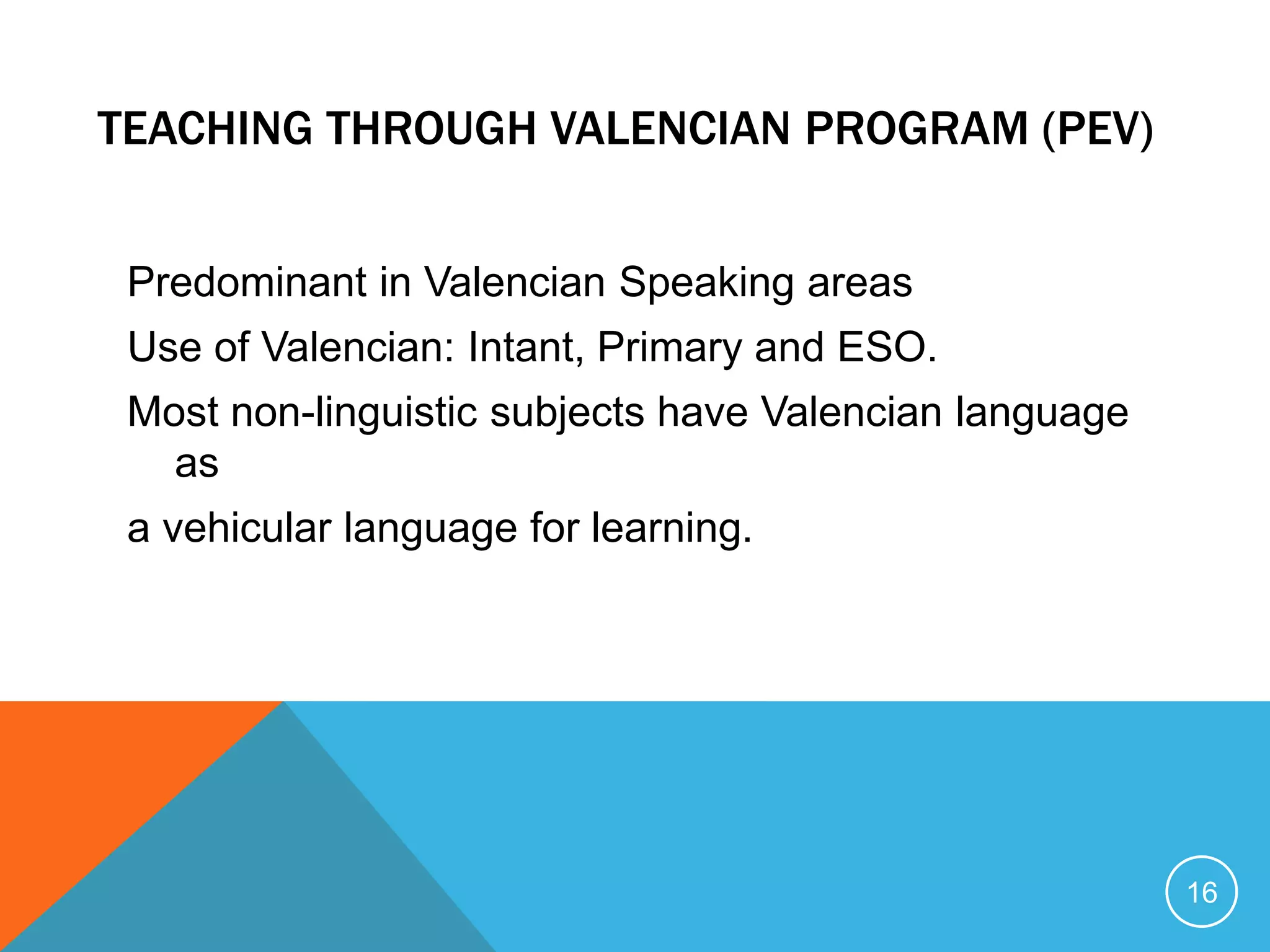
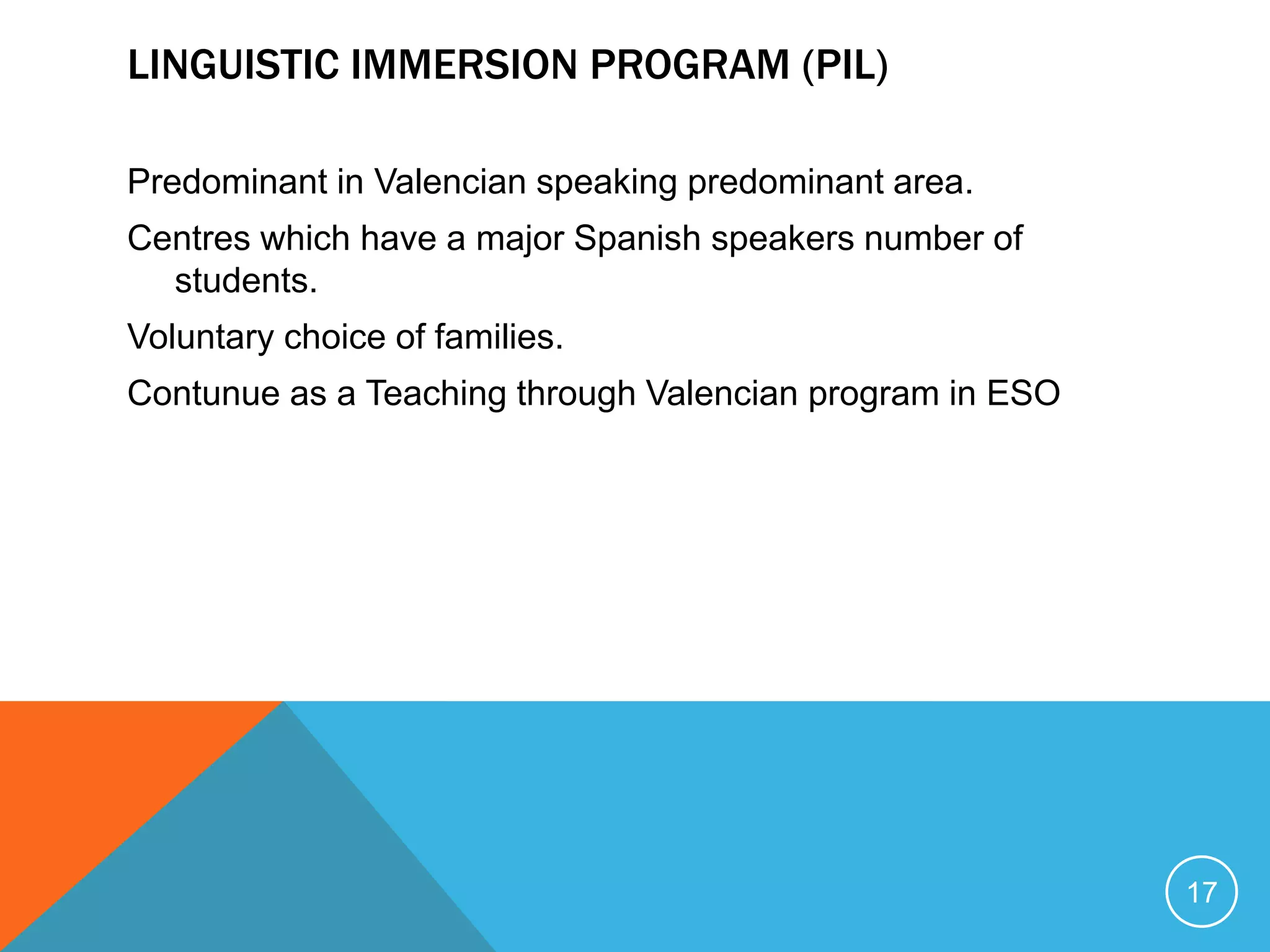
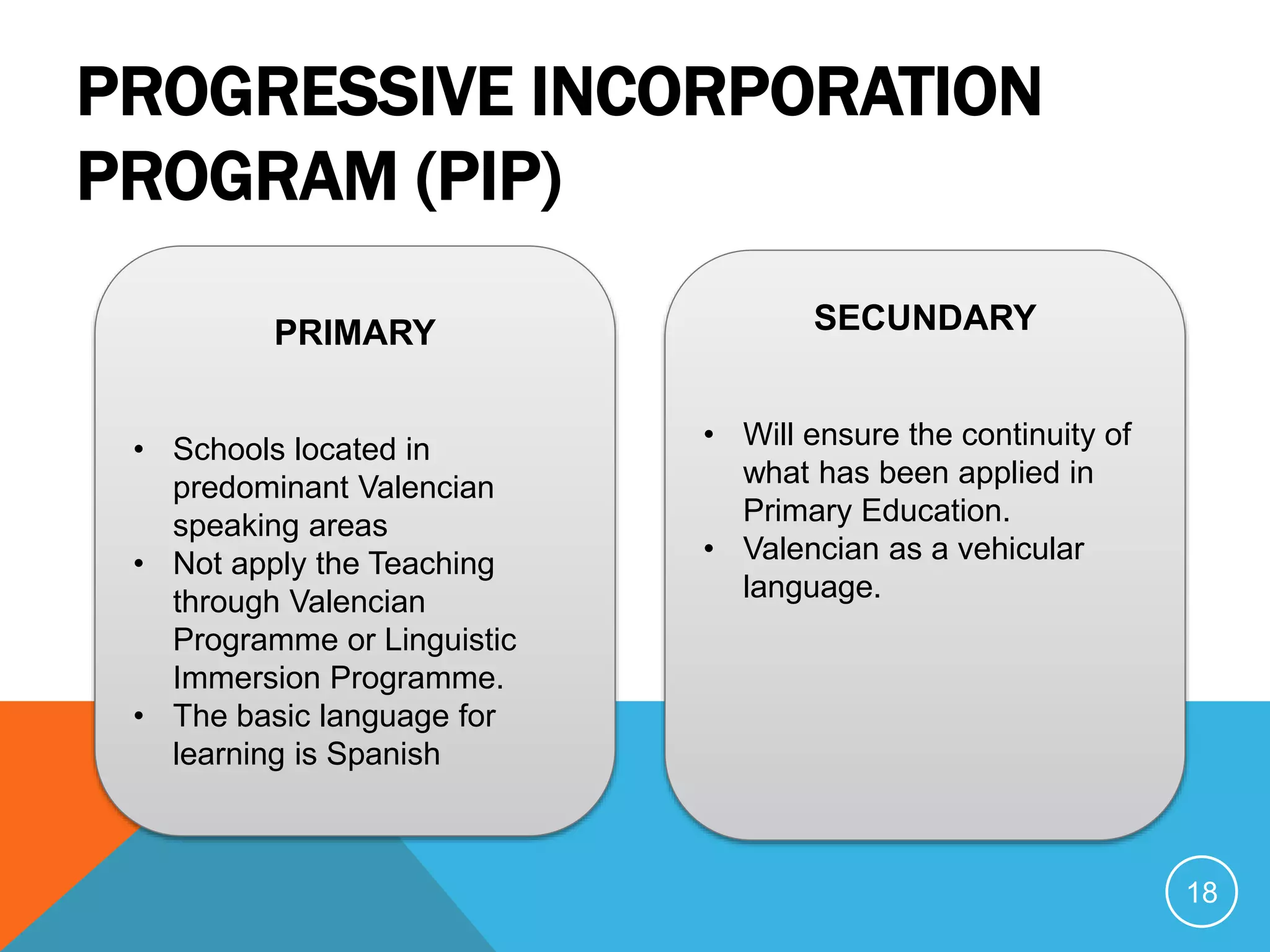
    ‘CLIL in Europeand the UK’ (According to Do Coyle) Dr Do Coyle is a former Head of MFL in a school and an experienced university teacher trainer who has been involved in a number of United Kingdom and European initiatives, particularly in the area of Content and Language Integrated Learning (CLIL). She considers the development of CLIL in Europe and refers to some of the pilot work in this area in England.
  • 2.
    CLIL What is CLIL? Whatare the different CLIL models? What does it offer us as language teachers? What have we learnt from CLIP? How might it be implemented in my school?
  • 3.
    CLIL The 4Cs TeachingFramework: content/subject matter/project/theme communication/language cognition/thinking culture/citizenship University of Nottingham
  • 4.
  • 5.
  • 6.
    Using language tolearn Learning to use language A 4Cs teaching framework requires a re-conceptualisation of language from language learning per se towards an integrated model which actively involves the learner in using and developing Language of Learning Language for Learning Language through Learning
  • 7.
    Foreign Language learning Language oflearning Language for learning Language through learning Reconceptualising Language Learning
  • 8.
    Using language Demands teacherssystematically plan for, teach, monitor and evaluate: Language of Learning - linked to an analysis of content, thematic, syllabus demands - grammar,vocabulary, structures, functions Language for Learning - builds up learner repertoire linked to meta-cognitive skills & talk for learning in contexts real for the learners Language through Learning- emergent knowledge building & skill development, cognitive development, BICS/CALP
  • 9.
    Using language High cognitive 34 Low High Linguistic Linguistic 2 1 Low cognitive
  • 10.
    BLOOM’S Taxonomy ofThinking skills Analysis: Analyse, Characterise, Classify, Compare, Contrast, Debate, Deduce, Diagram, Differentiate, Discriminate, Distinguish, Examine, Outline, Relate, Research, Separate, Synthesis: Compose, Construct, Create, Design, Develop, Integrate, Invent, Make, Organise, Perform, Plan, Produce, Propose, Rewrite
  • 11.
    BLOOM’S Taxonomy ofThinking skills Evaluation: Appraise, Argue, Assess, Choose, Conclude, Critic, Decide, Evaluate, Judge, Justify, Predict, Prioritise, Prove, Rank, Rate, Select
  • 12.
    Bloom’s Taxonomy Verbs Knowledge:count, define, describe, draw, enumerate, identify, label, list, name, quote, recall, recite, reproduce, sequence, view Comprehend: classify, cite, conclude, convert, describe, estimate, generalise, interpret, locate, makes sense of, review Apply: administer, articulate, assess, compute, control, establish, imitate, inform, instruct, select, transfer, use Analyse: break down, characterise, classify, correlate, differentiate, discriminate, focus, illustrate, outline, prioritise
  • 13.
    CLIL What is CLIL? Whatare the different CLIL models? What does it offer us as language teachers? What have we learnt from CLIP? How might it be implemented in my school?
  • 14.
    What we knowabout CLIL • Backdoor language teaching or additional subject teaching •‘Dumbing down’ of subject content • Favouring languages at the expense of the non-language subject •Threatening subject specialisms from either perspective •Trendy or new- it’s been around a long time • Aiming at making students bilingual CLIL is not about:
  • 15.
    What we knowabout CLIL • Immersion education (eg the Canadian model) but rather a flexible European approach which responds to a very wide range of situational & contextual demands • Being elitist and therefore only for more able students • Buying in foreign national teachers • Teaching what students already know but in a different code ( ie the foreign language) CLIL is not about:
  • 16.
    CLIL potential: 10good reasons 1. Revisits effective teaching and learning and provides new challenges 2. Offers opportunities for connecting elements of the curriculum in an explicit way- making connections, building on strengths-motivating 3. Puts literacy at the forefront (Bullock revisited) as well as communication skills (interaction, talking rather than speaking) 4. Redefines appropriacy of skills such as reading texts (DARTS), using writing frames, key messages 5. Provides excellent opportunities for challenging all learners-thinking skills
  • 17.
    CLIL potential: 10good reasons 6. Adds meaning to citizenship and global issues 7. Offers infinite ICT opportunities 8. Raises linguistic competence and confidence- it sense 9. Challenges xenophobia 10. Widens horizons at different levels: students understanding school curricular organisation GCSE options attainment cross-curricular approaches gender issues associated with specific subjects
  • 18.
    What CLIL Researchtell us •Raises linguistic competence and confidence •Raises teacher and learner expectations •Involves risk-taking and problems -solving •Motivates and encourages independence •Takes students beyond reductive topics •Improves L1 literacy •Encourages linguistic spontaneity •Develops study skills, concentration •Positive attitudes, gender issues motivation •Develops thinking skills •Puts culture back on the agenda •Increases vocabulary learning skills
  • 19.
    Final Comment There areno prescribed models - schools are encouraged to contextualise the issues and formulate their own models. CLIL is supported by the DfES and CILT. Cross-curricular projects may be an excellent starting point along with a national curriculum audit of connections between subject and MFL departments. Do Coyle (2011)