UNDERSTANDING SCHOOL CULTURELinda S. NelsonExecutive DirectorNorth Carolina Association of Independent Schools
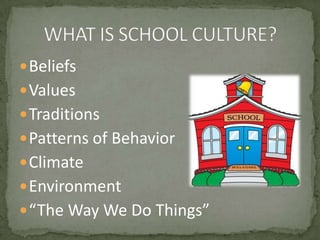
BeliefsValuesTraditionsPatterns of BehaviorClimateEnvironment“The Way We Do Things”WHAT IS SCHOOL CULTURE?
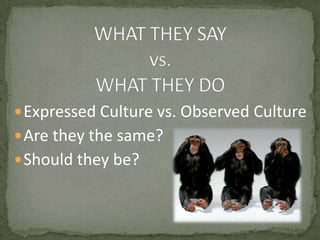
WHAT THEY SAY vs. WHAT THEY DOExpressed Culture vs. Observed CultureAre they the same?Should they be?
THREE LEVELS OF CULTURELevel OneWhat you might see on your first visit – first impressionsLevel TwoValues, beliefs, “the way things should be done”These are “testable” in the physical environmentLevel ThreeFundamental beliefs about school, students, etc.Reason for being
BOARDBroadly defines through Mission and Vision
It’s the head’s role to translate and communicate that “definition” of culture. Heads do not have a choice about whether they communicate; everything they do is a communication. They only have a choice about how and what and how consistently they will communicate. THE HEAD OF SCHOOL IS THE CULTURAL LEADER– LIKE IT or NOT…
The primary methods available to leaders to allow them to shape culture are:Paying attention to some aspect of school lifeChoosing to measure some aspect of school life
AS CULTURAL LEADER…If a head is consistently interested in one thing, it will become a centerpiece of school culture. If a head is inconsistently interested in many things, unclear in communicating with employees, or inconsistent in decision-making or defining priorities, people will spend a lot of time trying to figure out what’s going on. The head’s inconsistency will become a central feature of the school culture. (Understanding School Culture, Michael Thompson
HEAD OF SCHOOL IS:Symbol of CulturePotter who shapes the CulturePoet who uses language to describe the CultureActor who plays out the values and visionHealer who presides over life transitions in the community
HEAD HAS A KEY ROLE IN DETERMINING IF EXPRESSED CULTURE AND OBSERVED CULTURE MATCH
ROLE OF TEACHERS AND ADMINISTRATORSSupporting CastWatchdog vs. Enablers
SKELETONS IN THE CLOSETEvery school has skeletonsThese skeletons become a part of the culture – good or badThe way a community deals with these “skeletons: speaks volumes about its “culture” and commitment to self-improvement
ONE BIG HAPPY FAMILYIndependent Schools as institutions most closely resemble families and churchesEveryone related to the school has a vested interest in what is going on and has strong opinionsPersonal and Professional lines can become blurredStrategic thinking, visioning, values can quickly become “situational”
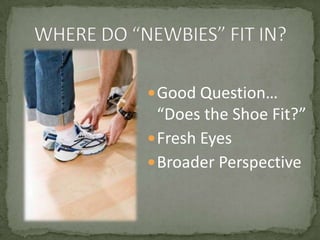
WHERE DO “NEWBIES” FIT IN?Good Question… “Does the Shoe Fit?”Fresh EyesBroader Perspective
QUESTIONS…FINAL THOUGHTS

Understanding School Culture

  • 1.
    UNDERSTANDING SCHOOL CULTURELindaS. NelsonExecutive DirectorNorth Carolina Association of Independent Schools
  • 2.
  • 3.
    WHAT THEY SAYvs. WHAT THEY DOExpressed Culture vs. Observed CultureAre they the same?Should they be?
  • 4.
    THREE LEVELS OFCULTURELevel OneWhat you might see on your first visit – first impressionsLevel TwoValues, beliefs, “the way things should be done”These are “testable” in the physical environmentLevel ThreeFundamental beliefs about school, students, etc.Reason for being
  • 5.
  • 6.
    It’s the head’srole to translate and communicate that “definition” of culture. Heads do not have a choice about whether they communicate; everything they do is a communication. They only have a choice about how and what and how consistently they will communicate. THE HEAD OF SCHOOL IS THE CULTURAL LEADER– LIKE IT or NOT…
  • 7.
    The primary methodsavailable to leaders to allow them to shape culture are:Paying attention to some aspect of school lifeChoosing to measure some aspect of school life
  • 8.
    AS CULTURAL LEADER…Ifa head is consistently interested in one thing, it will become a centerpiece of school culture. If a head is inconsistently interested in many things, unclear in communicating with employees, or inconsistent in decision-making or defining priorities, people will spend a lot of time trying to figure out what’s going on. The head’s inconsistency will become a central feature of the school culture. (Understanding School Culture, Michael Thompson
  • 9.
    HEAD OF SCHOOLIS:Symbol of CulturePotter who shapes the CulturePoet who uses language to describe the CultureActor who plays out the values and visionHealer who presides over life transitions in the community
  • 10.
    HEAD HAS AKEY ROLE IN DETERMINING IF EXPRESSED CULTURE AND OBSERVED CULTURE MATCH
  • 11.
    ROLE OF TEACHERSAND ADMINISTRATORSSupporting CastWatchdog vs. Enablers
  • 12.
    SKELETONS IN THECLOSETEvery school has skeletonsThese skeletons become a part of the culture – good or badThe way a community deals with these “skeletons: speaks volumes about its “culture” and commitment to self-improvement
  • 13.
    ONE BIG HAPPYFAMILYIndependent Schools as institutions most closely resemble families and churchesEveryone related to the school has a vested interest in what is going on and has strong opinionsPersonal and Professional lines can become blurredStrategic thinking, visioning, values can quickly become “situational”
  • 14.
    WHERE DO “NEWBIES”FIT IN?Good Question… “Does the Shoe Fit?”Fresh EyesBroader Perspective
  • 15.