Dr Tim Baker
tim@winnersatwork.com.au
www.winnersatwork.com.au
Tools for Leading
Teams
Unit 1—Characteristics of
High Performing Teams
Unit 2—The Four Stages of
Team Development
Unit 3—Tools for Leading
Teams
Unit 4—The Roles People Play
in Teams
Unit 5—Managing Team
Conflict and Negotiations
Unit 6—Developing Team
Culture
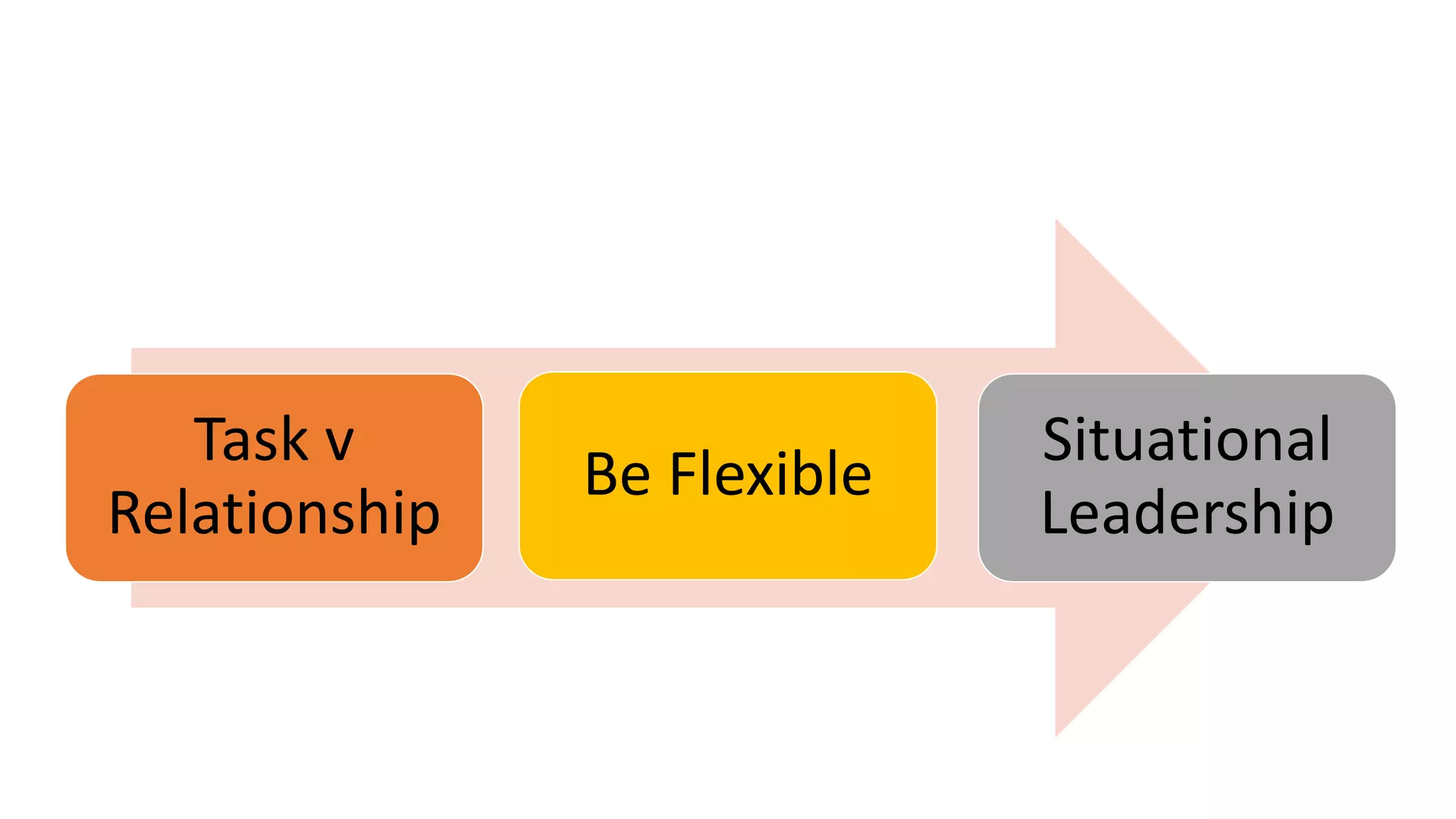
Task v
Relationship
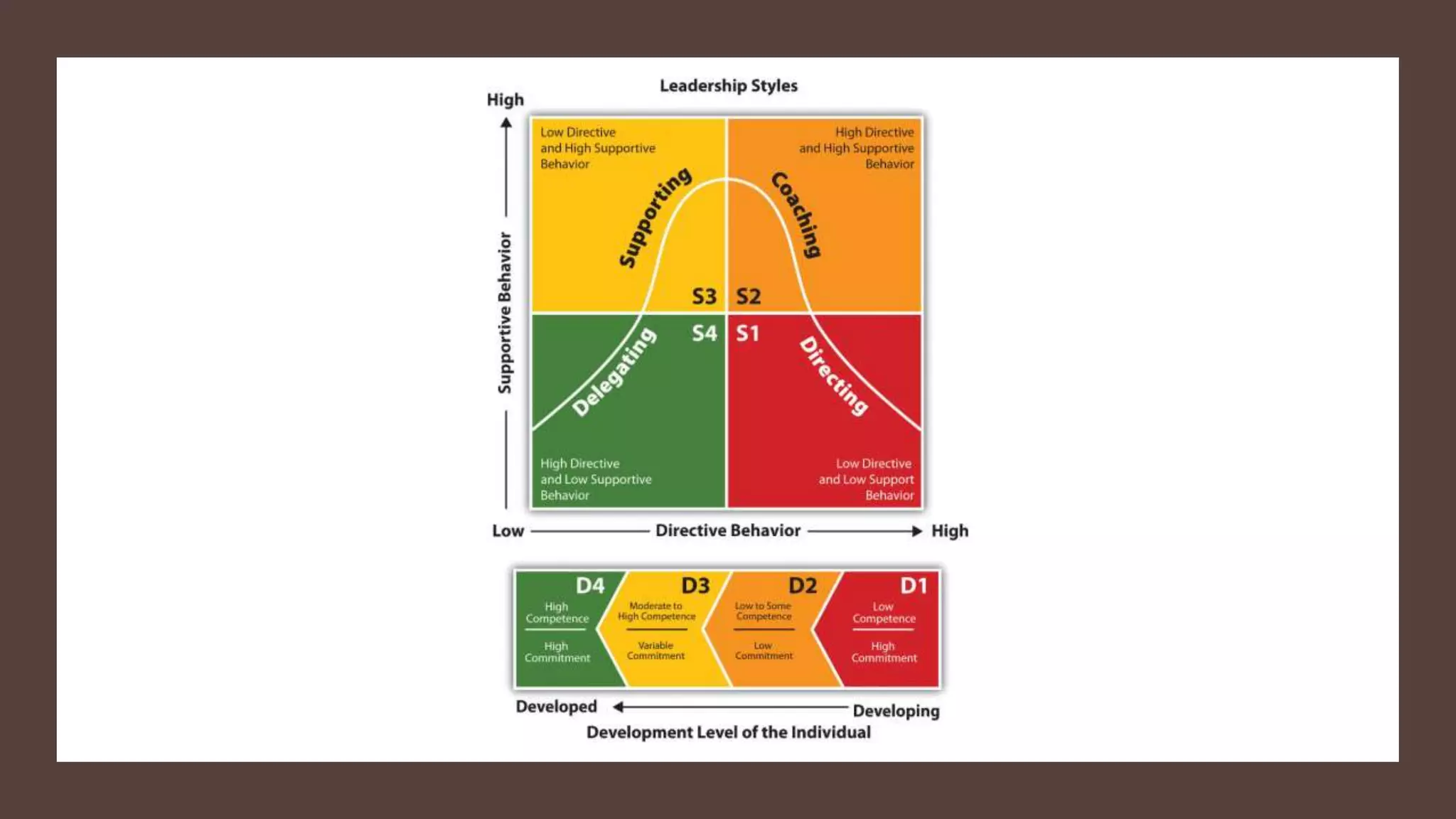
Situational
Leadership
Be Flexible
When applying the Skill / Will model, it is the goal of the leader to develop their team along
the competency spectrum from “Low Skill” to “High Skill” and from dependence on the
leader to autonomy. This means that an important part of your role as a leader is
developing the capability and commitment of the people you lead.
Therefore, when discussing the concept of competence or skill within the framework of the
Skill / Will model, it pays to define what competence is.
BusinessDictionary.com defines competence as:
“A cluster of related abilities, commitments, knowledge, and skills that enables a person (or
an organisation) to act effectively in a job or situation.
Competence indicates sufficiency of knowledge and skills that enable someone to act in a
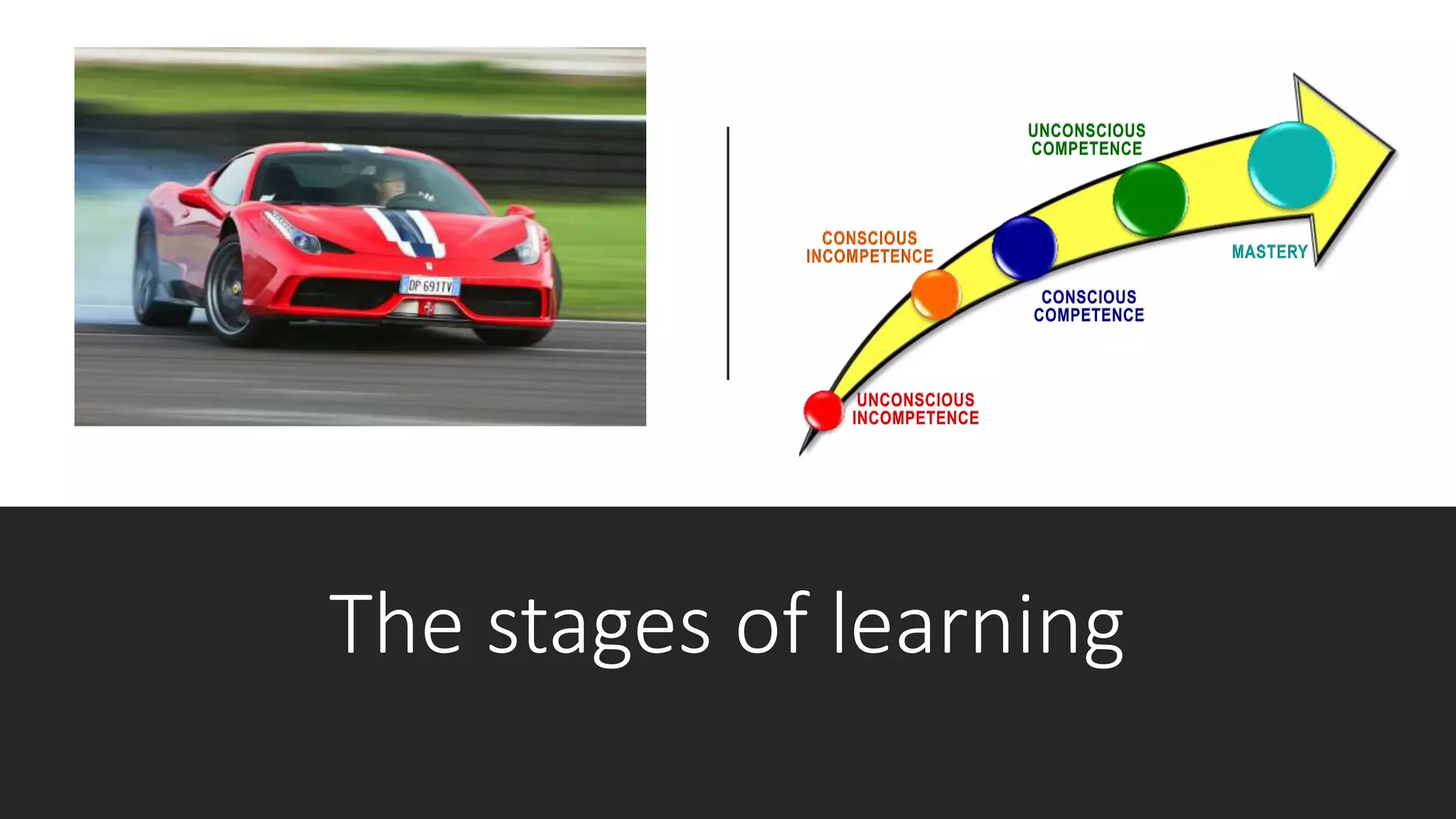
The stages of learning
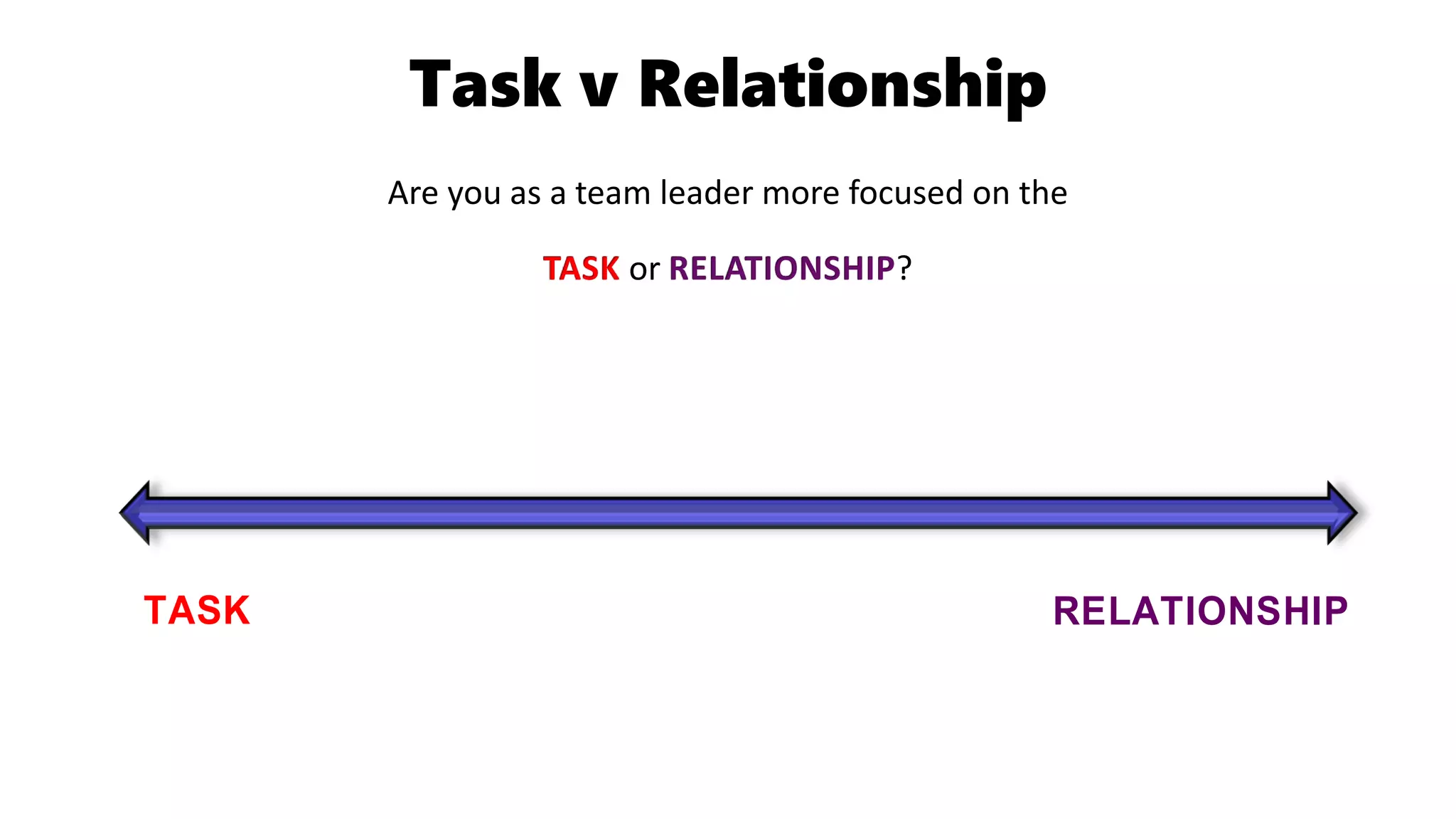
Task v Relationship
Are you as a team leader more focused on the
or ?
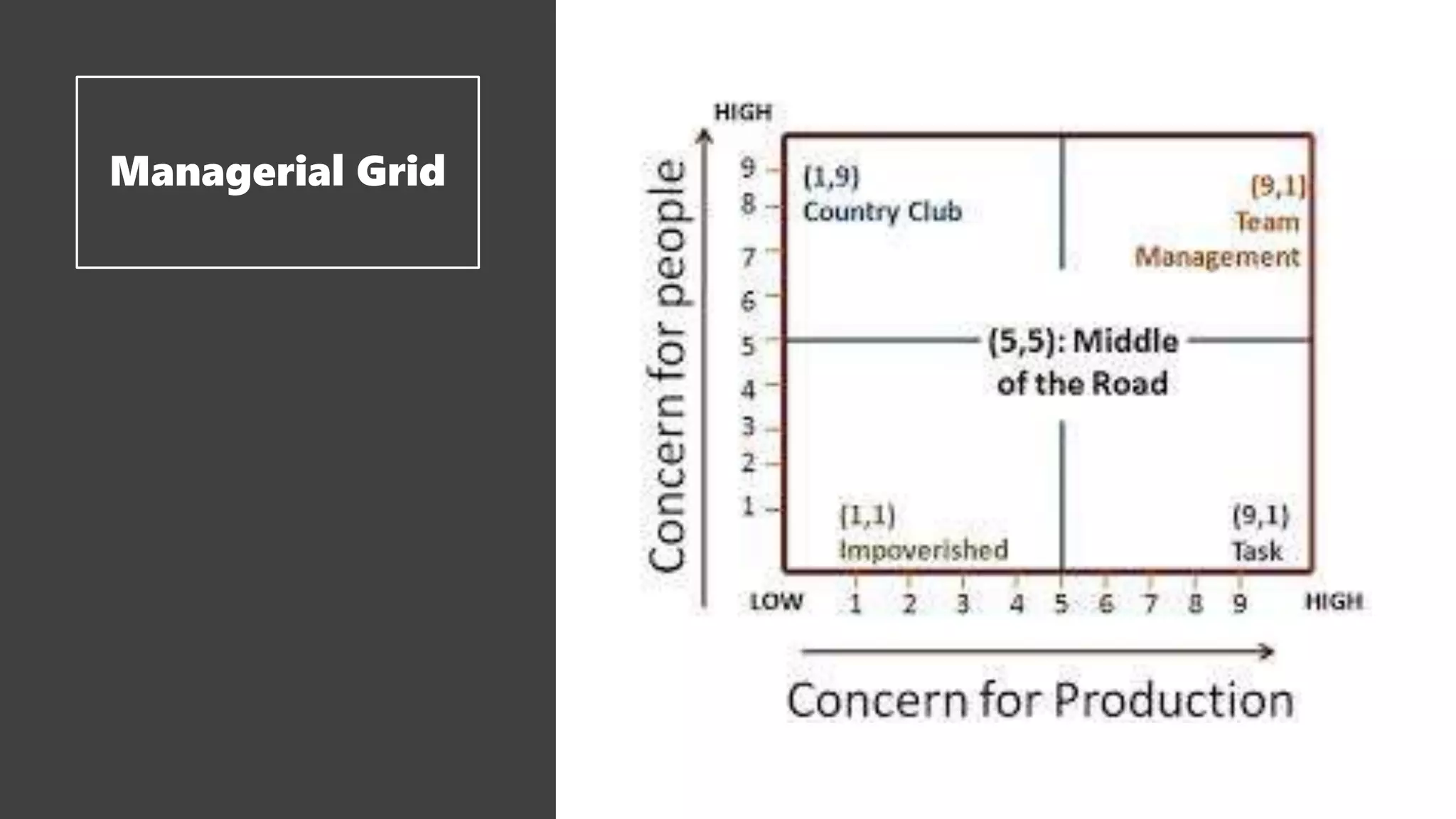
Robert R. Blake and Jane Mouton outlined in their Managerial Grid model (1964) that a
leader’s concern for task is set against their concern for people. These concerns are often
displayed as polar opposites as set out below.
The simple fact is that during your career as a leader, there will be times when the needs
of the team or the individuals far outweigh the needs of the task at hand. And there will
TASK RELATIONSHIP
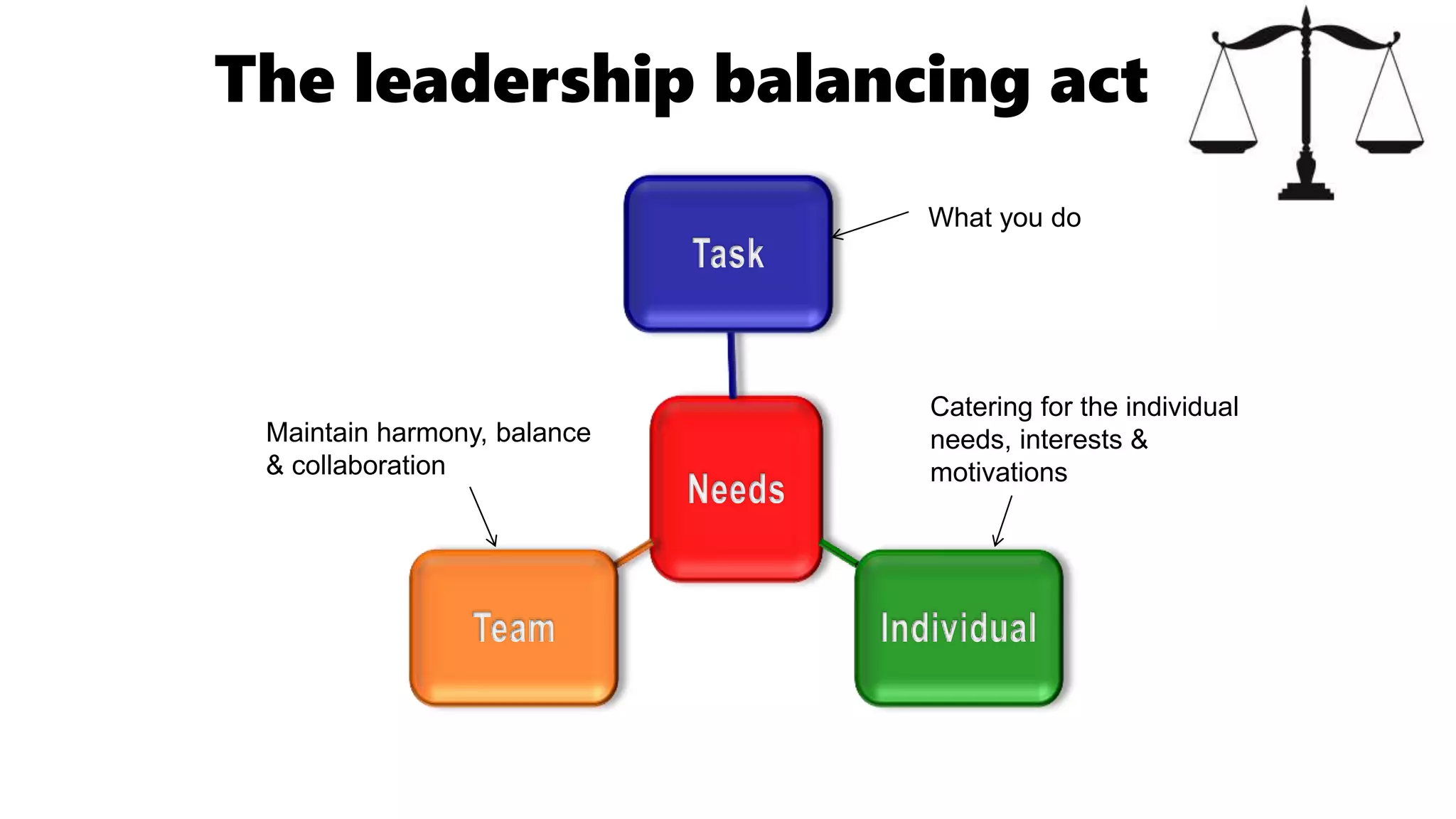
The leadership balancing act
Every leader in every organisation is faced with the same balancing act. This balancing act
is the requirement of the leader to balance the needs of the task, with the needs of the
team and the individuals who comprise those teams.
Robert R. Blake and Jane Mouton outlined in their Managerial Grid model (1964) that a
What you do
Catering for the individual
needs, interests &
motivations
Maintain harmony, balance
& collaboration
Managerial Grid
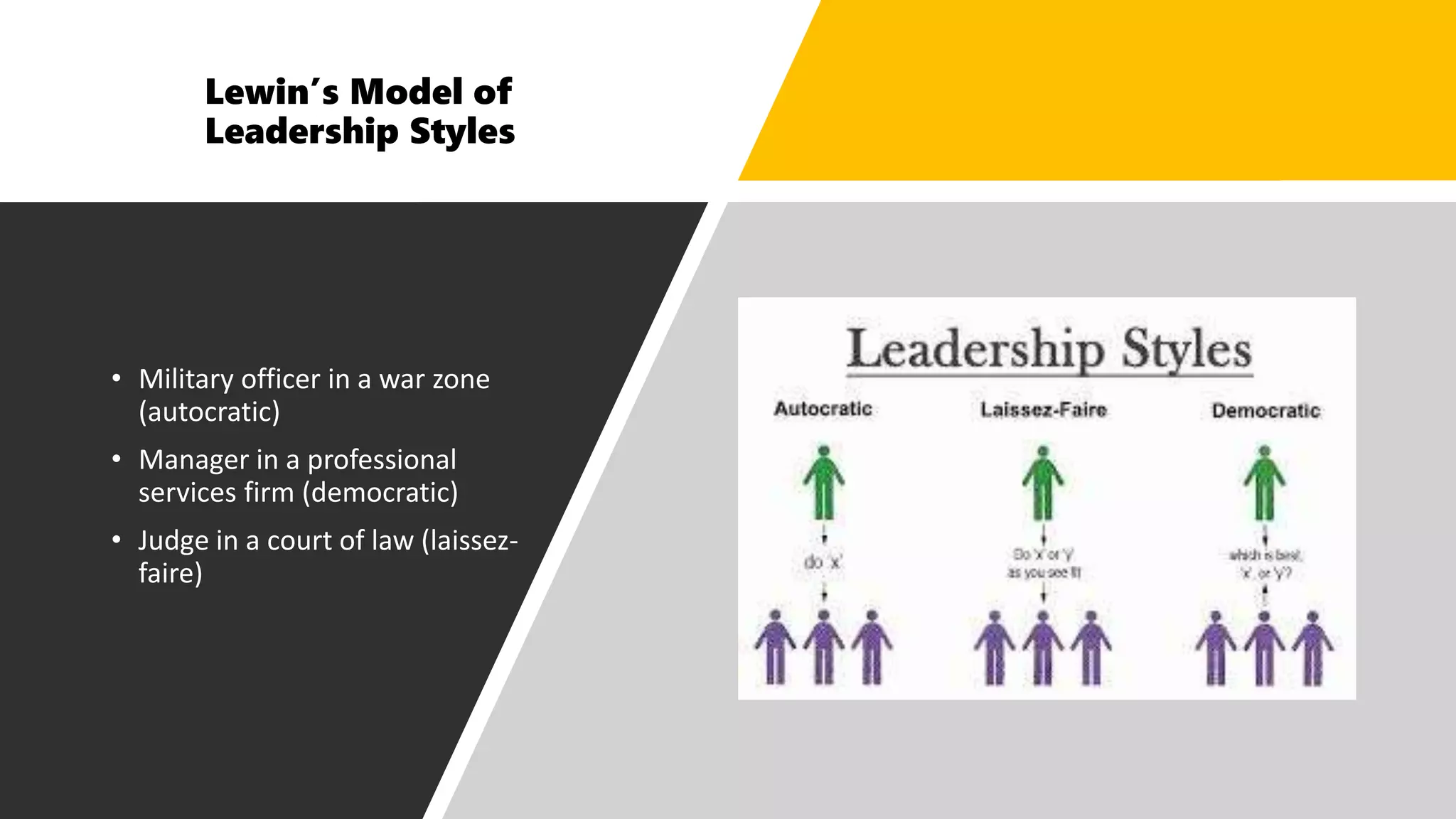
Lewin’s Model of
Leadership Styles
• Military officer in a war zone
(autocratic)
• Manager in a professional
services firm (democratic)
• Judge in a court of law (laissez-
faire)
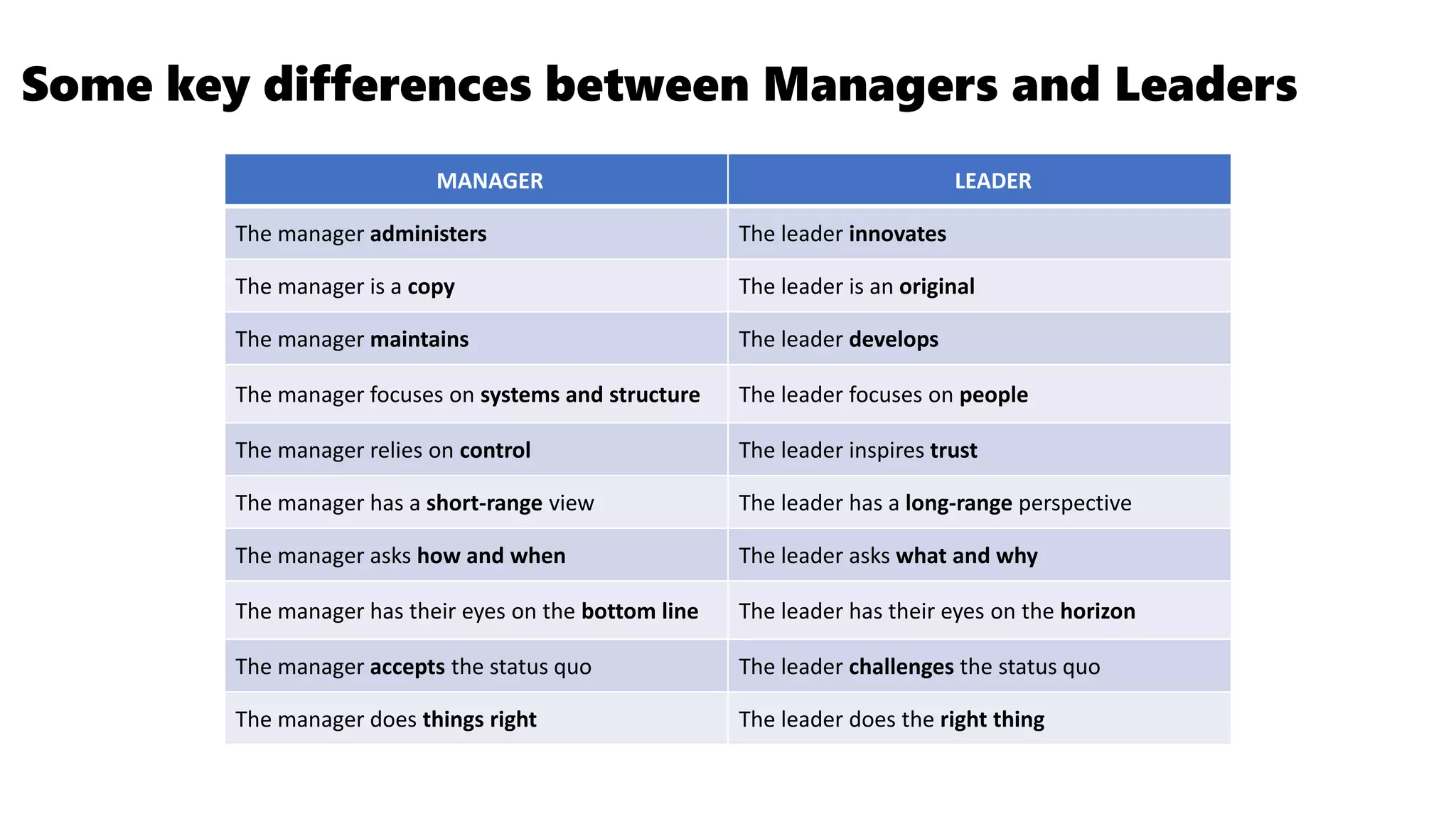
Some key differences between Managers and Leaders
MANAGER LEADER
The manager administers The leader innovates
The manager is a copy The leader is an original
The manager maintains The leader develops
The manager focuses on systems and structure The leader focuses on people
The manager relies on control The leader inspires trust
The manager has a short-range view The leader has a long-range perspective
The manager asks how and when The leader asks what and why
The manager has their eyes on the bottom line The leader has their eyes on the horizon
The manager accepts the status quo The leader challenges the status quo
The manager does things right The leader does the right thing
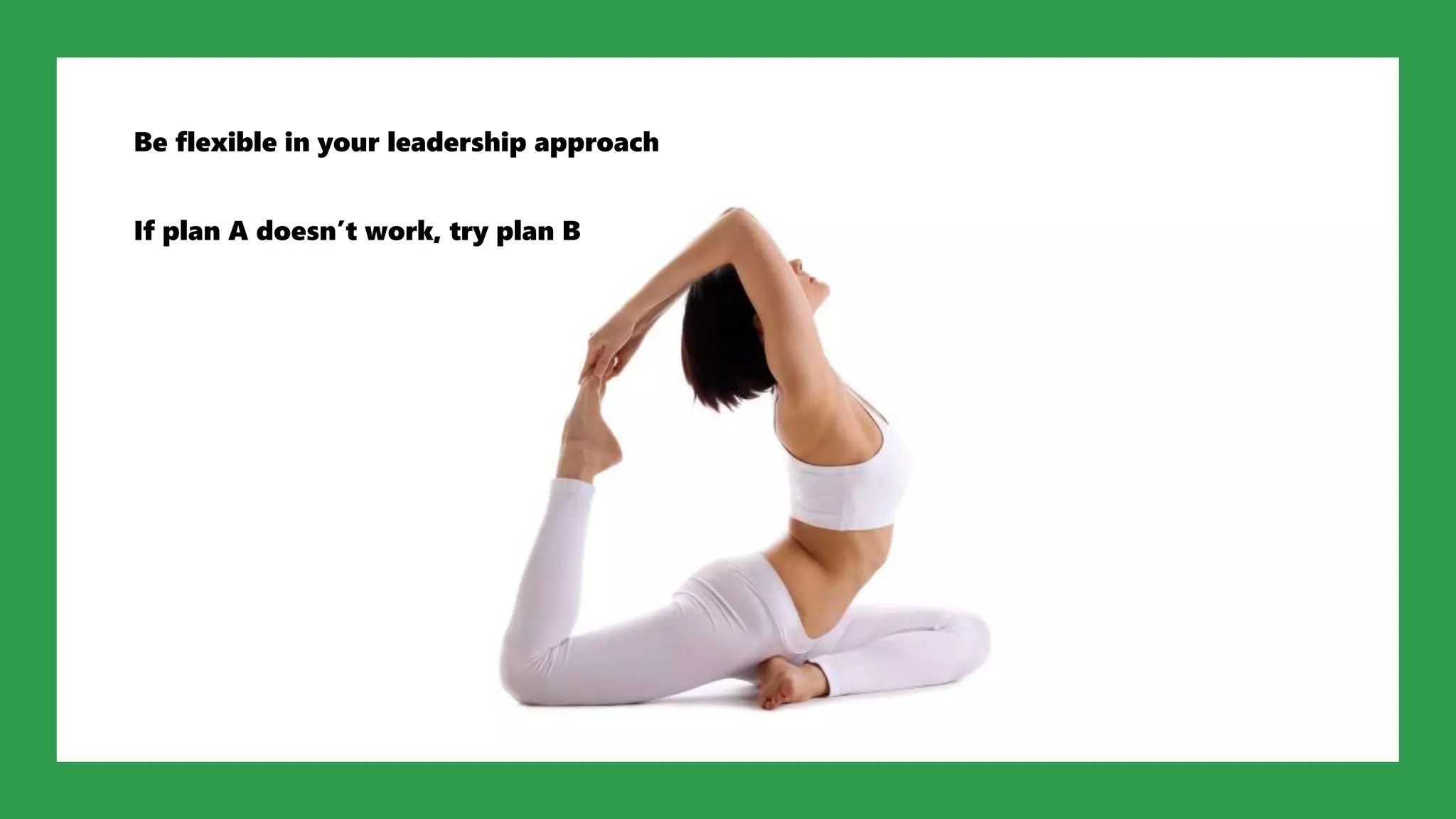
Be flexible in your leadership approach
If plan A doesn’t work, try plan B
Your homework
Take time to consider one of the tools &
apply it for one day. Reflect on it.
Unit 1—Characteristics of
High Performing Teams
Unit 2—The Four Stages of
Team Development
Unit 3—Tools for Leading
Teams
Unit 4—The Roles People Play
in Teams
Unit 5—Managing Team
Conflict and Negotiations
Unit 6—Developing Team
Culture

Tools for Leading Teams

  • 1.
  • 2.
    Unit 1—Characteristics of HighPerforming Teams Unit 2—The Four Stages of Team Development Unit 3—Tools for Leading Teams Unit 4—The Roles People Play in Teams Unit 5—Managing Team Conflict and Negotiations Unit 6—Developing Team Culture
  • 4.
  • 5.
    When applying theSkill / Will model, it is the goal of the leader to develop their team along the competency spectrum from “Low Skill” to “High Skill” and from dependence on the leader to autonomy. This means that an important part of your role as a leader is developing the capability and commitment of the people you lead. Therefore, when discussing the concept of competence or skill within the framework of the Skill / Will model, it pays to define what competence is. BusinessDictionary.com defines competence as: “A cluster of related abilities, commitments, knowledge, and skills that enables a person (or an organisation) to act effectively in a job or situation. Competence indicates sufficiency of knowledge and skills that enable someone to act in a The stages of learning
  • 6.
    Task v Relationship Areyou as a team leader more focused on the or ? Robert R. Blake and Jane Mouton outlined in their Managerial Grid model (1964) that a leader’s concern for task is set against their concern for people. These concerns are often displayed as polar opposites as set out below. The simple fact is that during your career as a leader, there will be times when the needs of the team or the individuals far outweigh the needs of the task at hand. And there will TASK RELATIONSHIP
  • 7.
    The leadership balancingact Every leader in every organisation is faced with the same balancing act. This balancing act is the requirement of the leader to balance the needs of the task, with the needs of the team and the individuals who comprise those teams. Robert R. Blake and Jane Mouton outlined in their Managerial Grid model (1964) that a What you do Catering for the individual needs, interests & motivations Maintain harmony, balance & collaboration
  • 8.
  • 9.
    Lewin’s Model of LeadershipStyles • Military officer in a war zone (autocratic) • Manager in a professional services firm (democratic) • Judge in a court of law (laissez- faire)
  • 10.
    Some key differencesbetween Managers and Leaders MANAGER LEADER The manager administers The leader innovates The manager is a copy The leader is an original The manager maintains The leader develops The manager focuses on systems and structure The leader focuses on people The manager relies on control The leader inspires trust The manager has a short-range view The leader has a long-range perspective The manager asks how and when The leader asks what and why The manager has their eyes on the bottom line The leader has their eyes on the horizon The manager accepts the status quo The leader challenges the status quo The manager does things right The leader does the right thing
  • 13.
    Be flexible inyour leadership approach If plan A doesn’t work, try plan B
  • 14.
    Your homework Take timeto consider one of the tools & apply it for one day. Reflect on it.
  • 15.
    Unit 1—Characteristics of HighPerforming Teams Unit 2—The Four Stages of Team Development Unit 3—Tools for Leading Teams Unit 4—The Roles People Play in Teams Unit 5—Managing Team Conflict and Negotiations Unit 6—Developing Team Culture