

English for Children 
Oktian Fajar Nugroho, S.Pd 
STKIP Panca Sakti 
Tangerang, 2014
 Theories of learning 
 Teaching Media
 To master a spoken language such as 
English, a child must learn: 
◦ Basic sounds 
◦ How words are combined to form meaningful 
statements 
◦ What words and sentences mean
 Children must learn to hear and pronounce 
the phonemes of their language to make 
sense of the speech they hear and to be 
understood when they speak.
 Phonology 
◦ Is the sound system of language, and basic units of 
sound in any given language are its phonemes. Children 
must learn to hear and pronounce the phonemes of 
theirs language. 
 Morphology 
◦ Rules for forming words from sounds. Ex: past tense,etc 
 Syntax 
◦ Rules for forming sentences from words. 
 Semantics 
◦ The aspects of language that concerns meanings. 
 Pragmantics 
◦ Rules specifying how language is used appropriately in 
different social contexts.
 Human communication involves not only 
language but also forms of nonverbal 
communication. 
◦ Facial expressions 
◦ Tone of voice (intonation) 
◦ Gestures
English for Children 
Oktian Fajar Nugroho, S.Pd 
STKIP Panca Sakti 
Tangerang, 2014
Oktian Fajar Nugroho, S.Pd
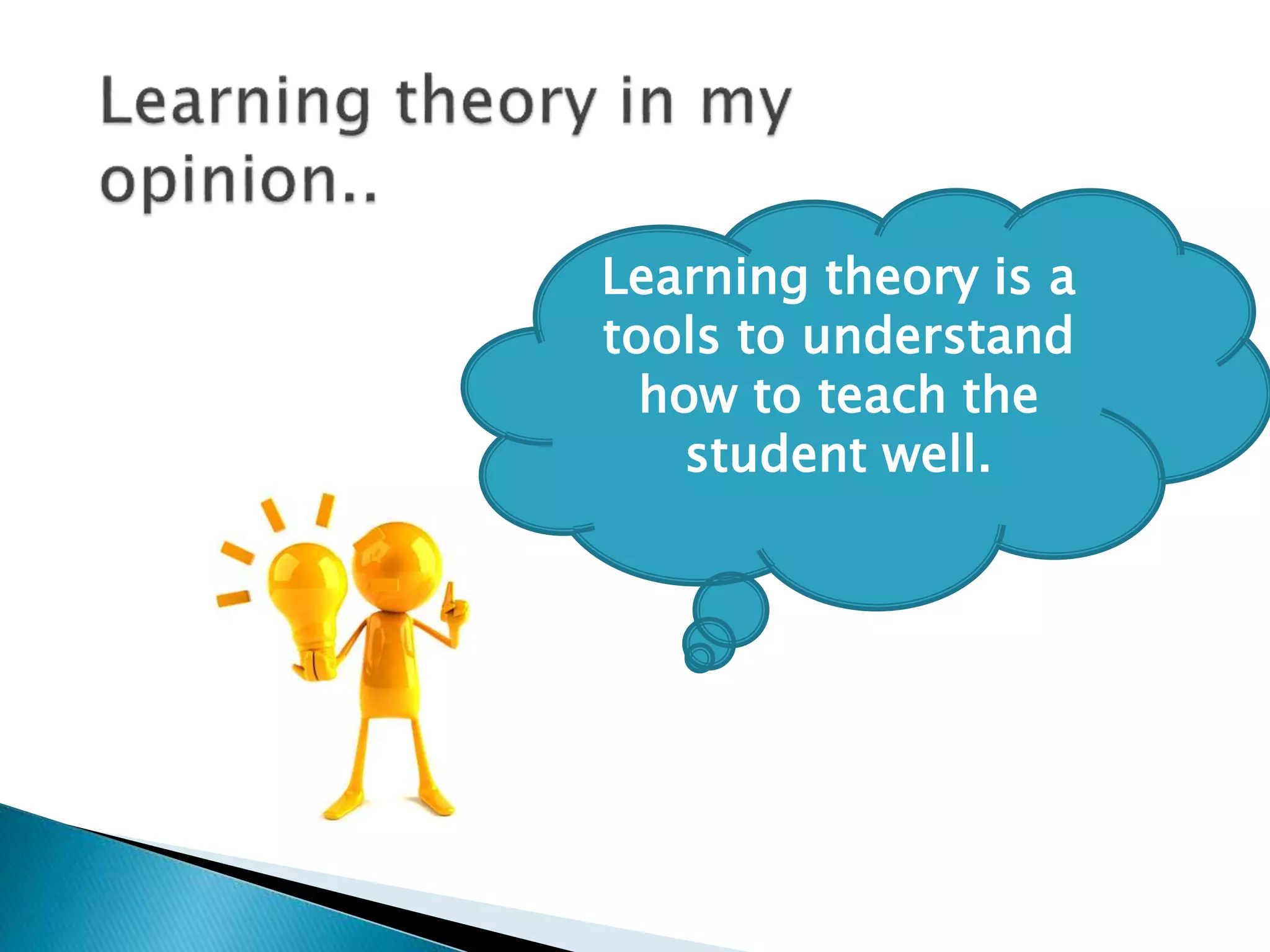
Learning theory is a 
tools to understand 
how to teach the 
student well.
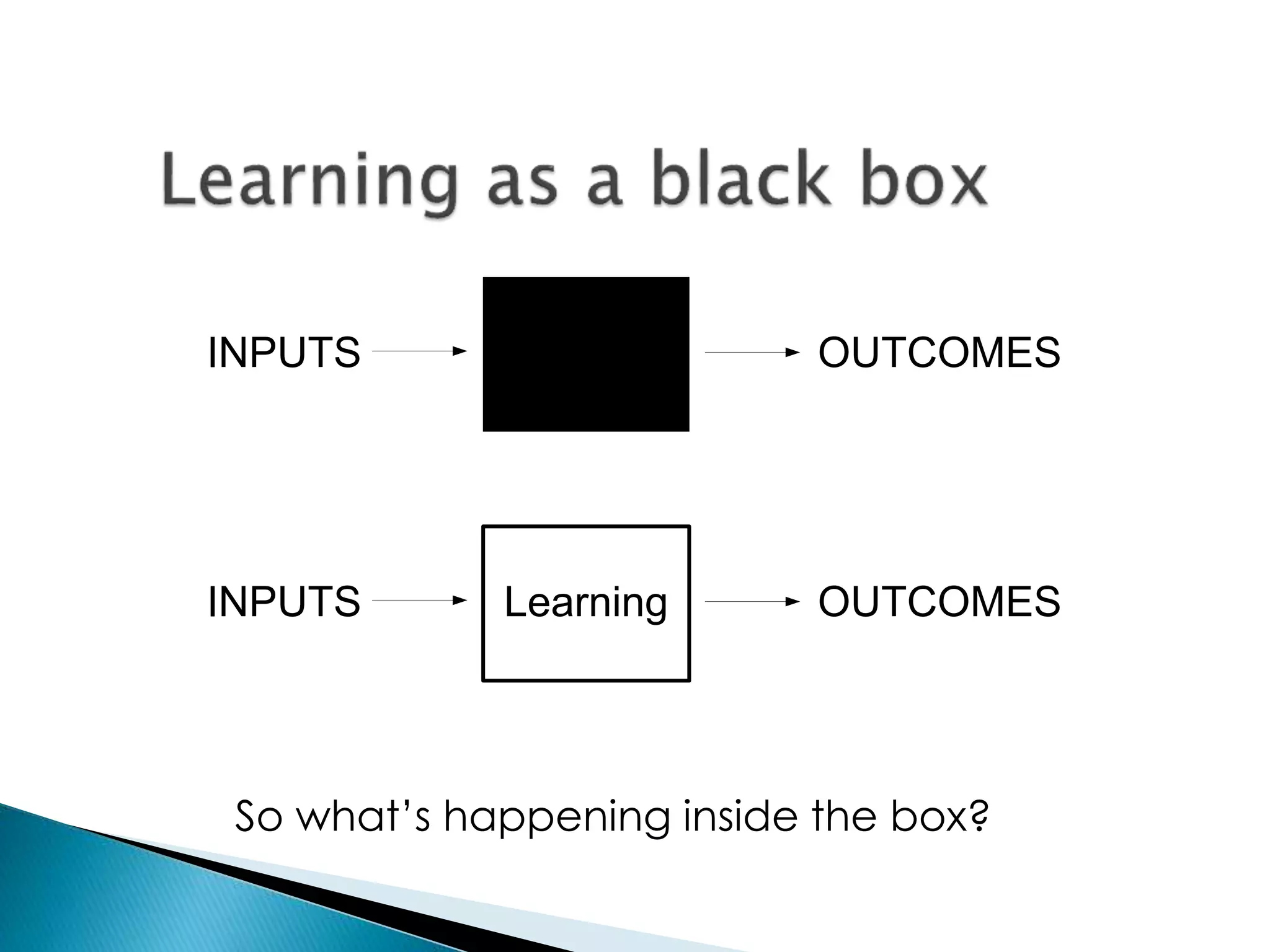
INPUTS OUTCOMES 
INPUTS Learning OUTCOMES 
So what’s happening inside the box?
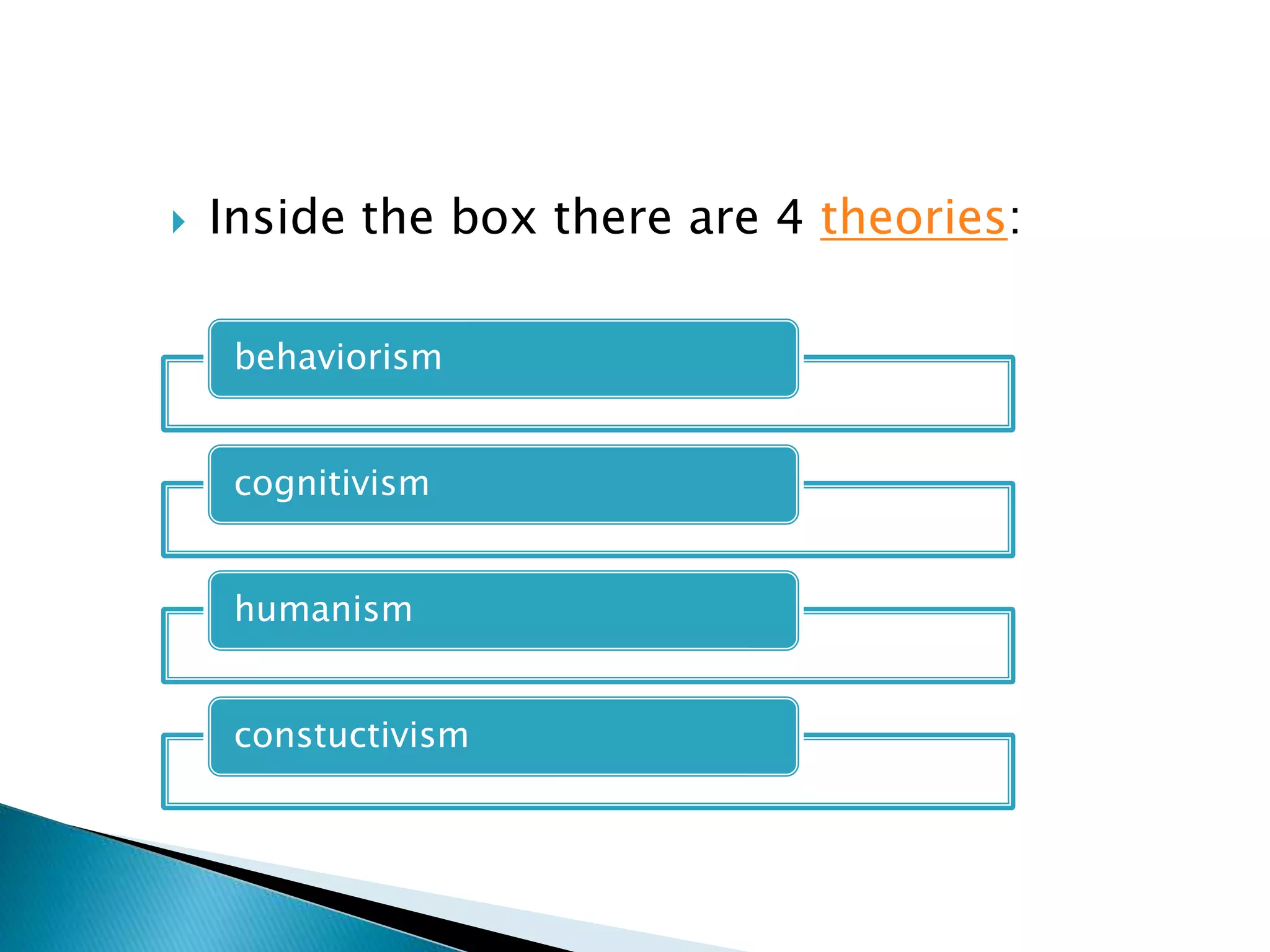
 Inside the box there are 4 theories: 
behaviorism 
cognitivism 
humanism 
constuctivism
 Learning is a change in behavior as a result of 
the interaction between stimulus and 
response. 
 A person is considered to have learned 
something if he is able to demonstrate 
changes in behavior.
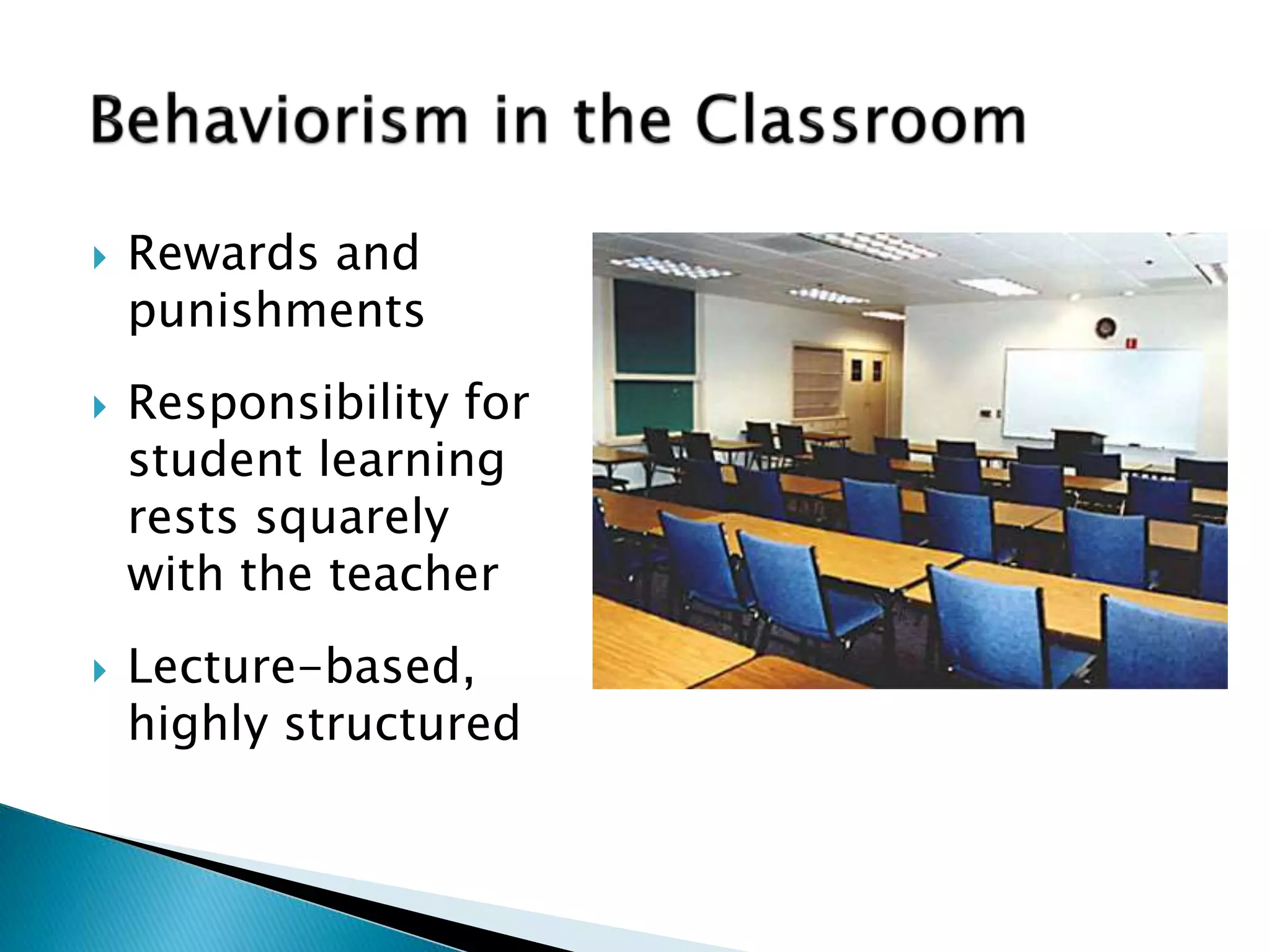
 Rewards and 
punishments 
 Responsibility for 
student learning 
rests squarely 
with the teacher 
 Lecture-based, 
highly structured
 Ausubel argues that 
- teachers should be able to develop the 
cognitive potential of students through 
the meaningful learning process. 
- the learning activities of students, 
especially those in primary education-level 
would be beneficial if they are 
involved in many hands-on activities. 
-
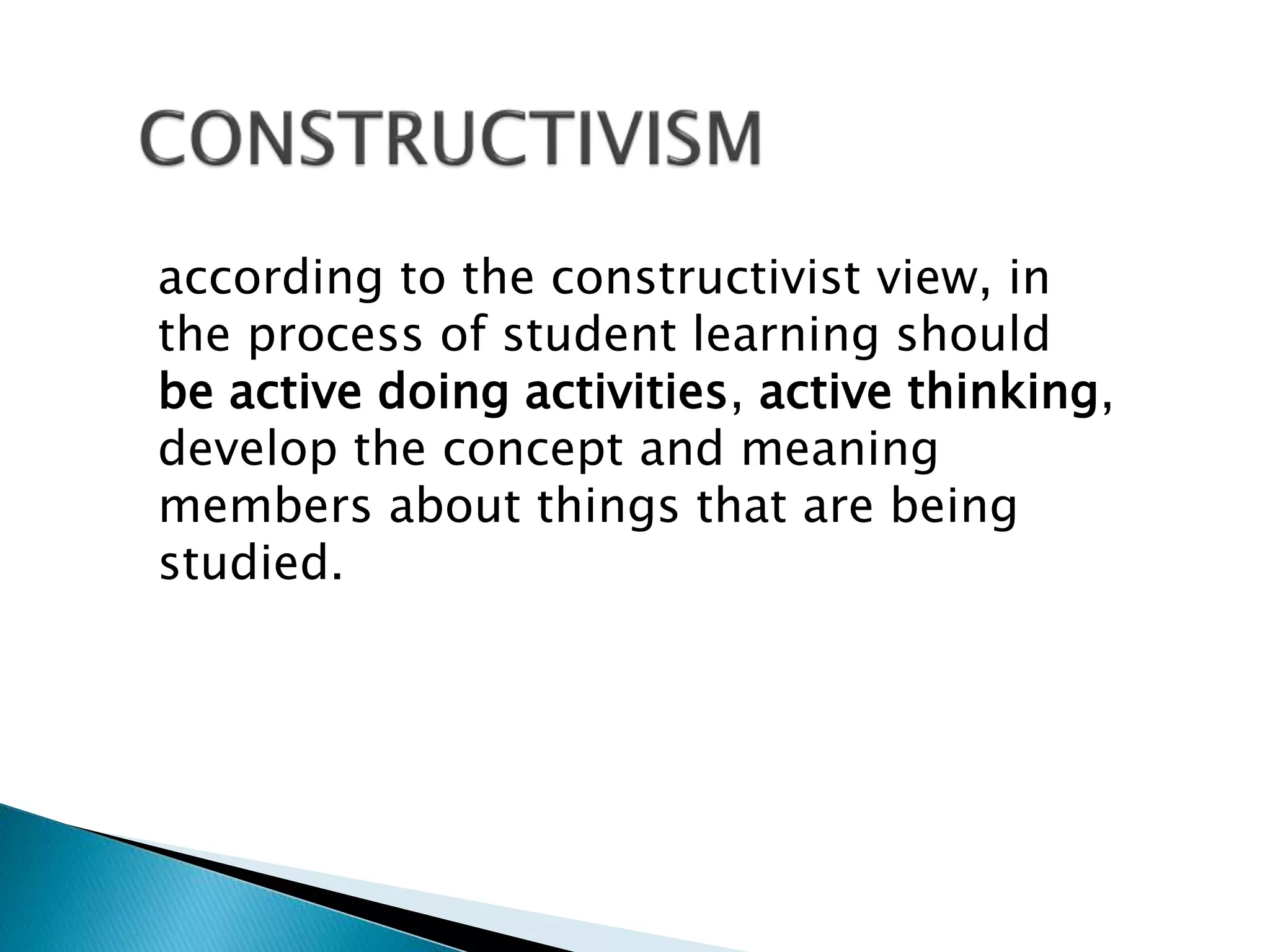
 Inquiry-oriented 
projects 
 Opportunities for the 
testing of hypotheses 
 Curiosity encouraged
according to the constructivist view, in 
the process of student learning should 
be active doing activities, active thinking, 
develop the concept and meaning 
members about things that are being 
studied.
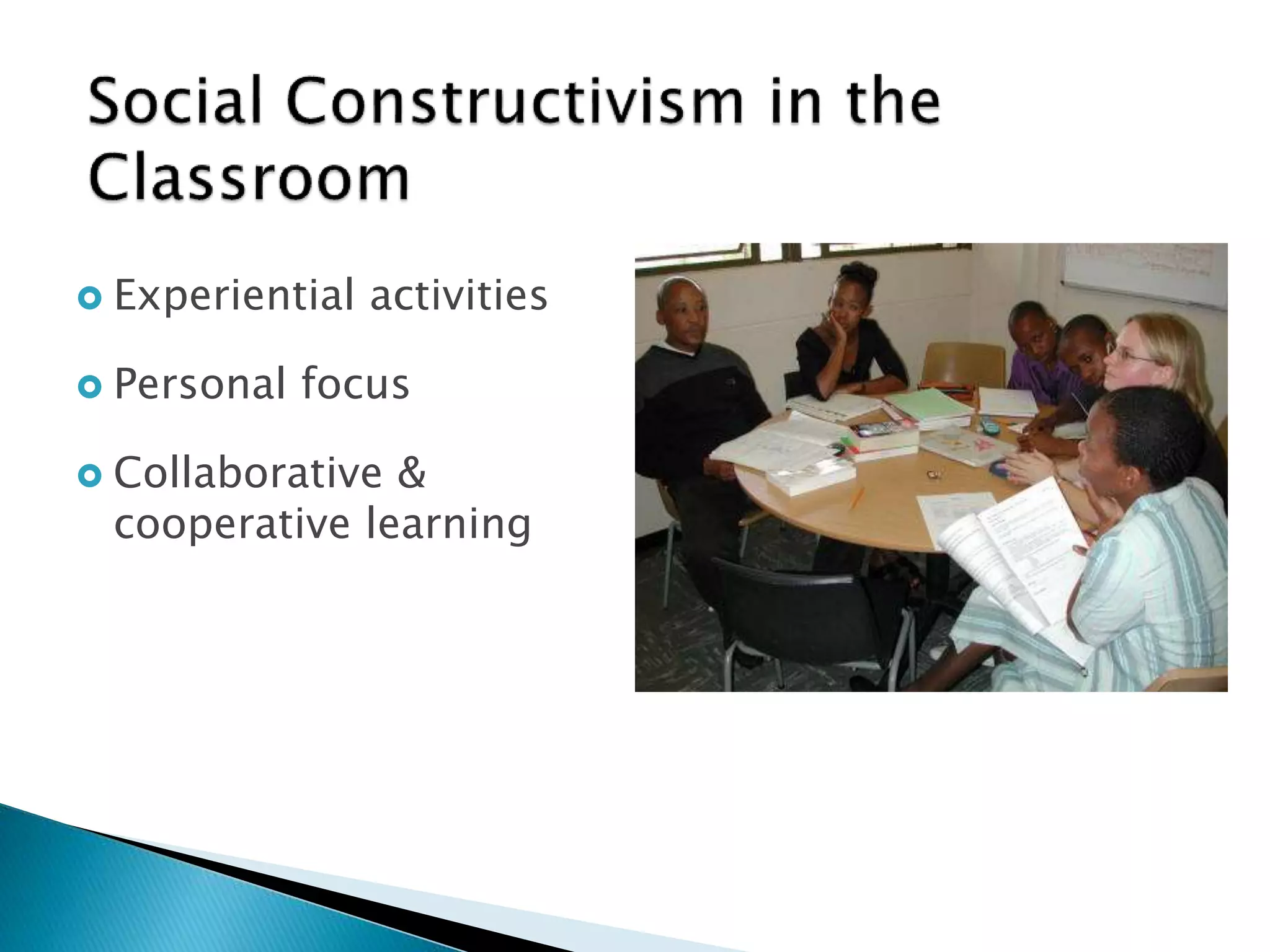
 Experiential activities 
 Personal focus 
 Collaborative & 
cooperative learning
 According to Abraham Maslow and Carl 
Rogers: 
- In humanism, learning is a process of 
learner-centered and personalized, and 
the educator's role is as a facilitator. 
- Affective and cognitive needs are the 
keys, and the goal is to build a human 
being who can actualized themself in a 
cooperative and supportive environment.
1. Open education (choose activity by the 
students) 
2. Cooperative learning (example : cooking, 
find an animals, find a number, find a 
alphabet)
Oktian Fajar Nugroho, S.Pd
Theories of learning and Aspects of Language

Theories of learning and Aspects of Language

  • 1.
    English for Children Oktian Fajar Nugroho, S.Pd STKIP Panca Sakti Tangerang, 2014
  • 2.
     Theories oflearning  Teaching Media
  • 3.
     To mastera spoken language such as English, a child must learn: ◦ Basic sounds ◦ How words are combined to form meaningful statements ◦ What words and sentences mean
  • 4.
     Children mustlearn to hear and pronounce the phonemes of their language to make sense of the speech they hear and to be understood when they speak.
  • 5.
     Phonology ◦Is the sound system of language, and basic units of sound in any given language are its phonemes. Children must learn to hear and pronounce the phonemes of theirs language.  Morphology ◦ Rules for forming words from sounds. Ex: past tense,etc  Syntax ◦ Rules for forming sentences from words.  Semantics ◦ The aspects of language that concerns meanings.  Pragmantics ◦ Rules specifying how language is used appropriately in different social contexts.
  • 6.
     Human communicationinvolves not only language but also forms of nonverbal communication. ◦ Facial expressions ◦ Tone of voice (intonation) ◦ Gestures
  • 7.
    English for Children Oktian Fajar Nugroho, S.Pd STKIP Panca Sakti Tangerang, 2014
  • 8.
  • 9.
    Learning theory isa tools to understand how to teach the student well.
  • 10.
    INPUTS OUTCOMES INPUTSLearning OUTCOMES So what’s happening inside the box?
  • 11.
     Inside thebox there are 4 theories: behaviorism cognitivism humanism constuctivism
  • 12.
     Learning isa change in behavior as a result of the interaction between stimulus and response.  A person is considered to have learned something if he is able to demonstrate changes in behavior.
  • 13.
     Rewards and punishments  Responsibility for student learning rests squarely with the teacher  Lecture-based, highly structured
  • 15.
     Ausubel arguesthat - teachers should be able to develop the cognitive potential of students through the meaningful learning process. - the learning activities of students, especially those in primary education-level would be beneficial if they are involved in many hands-on activities. -
  • 16.
     Inquiry-oriented projects  Opportunities for the testing of hypotheses  Curiosity encouraged
  • 17.
    according to theconstructivist view, in the process of student learning should be active doing activities, active thinking, develop the concept and meaning members about things that are being studied.
  • 18.
     Experiential activities  Personal focus  Collaborative & cooperative learning
  • 19.
     According toAbraham Maslow and Carl Rogers: - In humanism, learning is a process of learner-centered and personalized, and the educator's role is as a facilitator. - Affective and cognitive needs are the keys, and the goal is to build a human being who can actualized themself in a cooperative and supportive environment.
  • 20.
    1. Open education(choose activity by the students) 2. Cooperative learning (example : cooking, find an animals, find a number, find a alphabet)
  • 21.