THEME
 https://www.youtube.com/watch?v=TSdXFYNhJ7
8
 The Theme Based Approach is a way of teaching
and learning, whereby many areas of the
curriculum are connected together and integrated
within a theme.
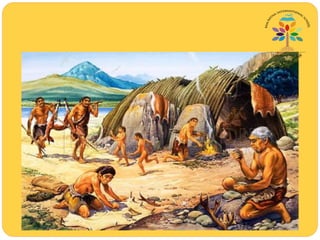
Imagine life without machines
Meaning and concept of
Industrialization
 Process that happens in
countries when they start to
use machines to do work that
was once done by people.
 People adopt easier and
cheaper ways of
manufacturing.
 Better technology; more goods;
less time.
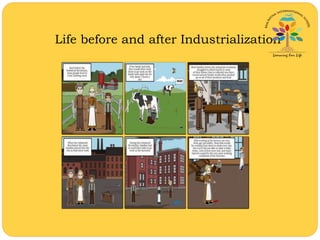
Life before and after Industrialization
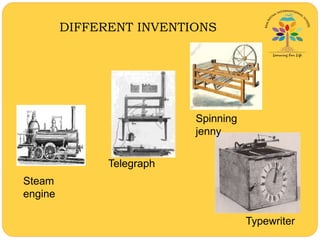
DIFFERENT INVENTIONS
Spinning
jenny
Typewriter
Telegraph
Steam
engine
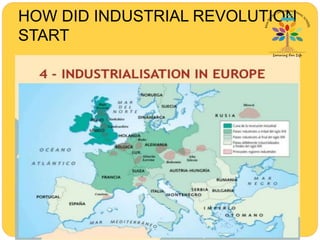
HOW DID INDUSTRIAL REVOLUTION
START
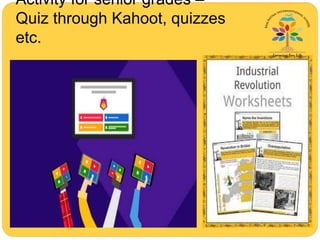
Activity for senior grades –
Quiz through Kahoot, quizzes
etc.
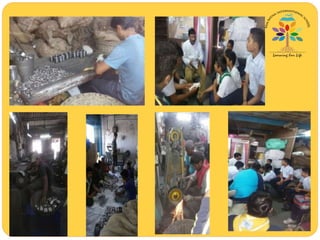
INDUSTRIAL
VISIT
Causes of
Industrialization
Impact of
Industrialization
Consequences of
Industrialization
Analysis on field trip through report
writing
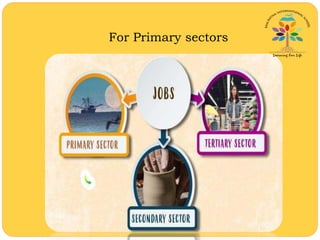
For Primary sectors
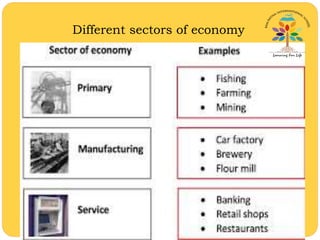
Different sectors of economy
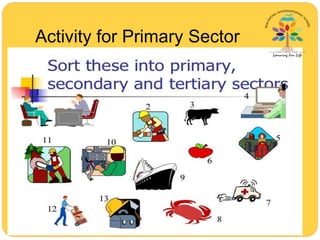
Activity for Primary Sector
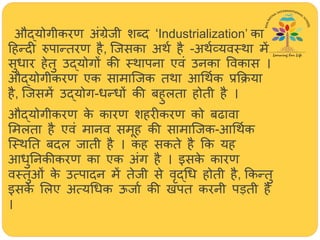
à€”à€Šà„à€Żà„‹à€—à„€à€•à€°à€Ł à€…à€‚à€—à„à€°à„‡à€œà„€ à€¶à€Źà„à€Š ‘Industrialization’ à€•à€Ÿ
à€čà€żà€šà„à€Šà„€ à€°à„à€Șà€Ÿà€šà„à€€à€°à€Ł à€żà„ˆ, à€œà€œà€žà€•à€Ÿ à€…à€°à„à€„ à€żà„ˆ -à€…à€°à„à€„à€”à„à€Żà€”à€žà„à€°à„à€Ÿ à€źà„‡à€‚
à€žà„à€§à€Ÿà€° à€żà„‡à€€à„ à€‰à€Šà„à€Żà„‹à€—à„‹à€‚ à€•à„€ à€žà„à€°à„à€Ÿà€Șà€šà€Ÿ à€à€”à€‚ à€‰à€šà€•à€Ÿ à€”à€”à€•à€Ÿà€ž à„€
à€”à€Šà„à€Żà„‹à€—à„€à€•à€°à€Ł à€à€• à€žà€Ÿà€źà€Ÿà€œà€œà€• à€€à€°à„à€Ÿ à€†à€°à„à€°à„à€„à€• à€Șà„à€°à€•à„à€°à€żà€Żà€Ÿ
à€żà„ˆ, à€œà€œà€žà€źà„‡à€‚ à€‰à€Šà„à€Żà„‹à€—-à€§à€šà„à€§à„‹à€‚ à€•à„€ à€Źà€żà„à€Čà€€à€Ÿ à€żà„‹à€€à„€ à€żà„ˆ à„€
à€”à€Šà„à€Żà„‹à€—à„€à€•à€°à€Ł à€•à„‡ à€•à€Ÿà€°à€Ł à€¶à€żà€°à„€à€•à€°à€Ł à€•à„‹ à€Źà€ąà€Ÿà€”à€Ÿ
à€źà€źà€Čà€€à€Ÿ à€żà„ˆ à€à€”à€‚ à€źà€Ÿà€šà€” à€žà€źà„‚à€ż à€•à„€ à€žà€Ÿà€źà€Ÿà€œà€œà€•-à€†à€°à„à€°à„à€„à€•
à€œà€žà„à€°à„à€€à€€ à€Źà€Šà€Č à€œà€Ÿà€€à„€ à€żà„ˆ à„€ à€•à€ż à€žà€•à€€à„‡ à€żà„ˆ à€•à„à€°à€• à€Żà€ż
à€†à€§à„à€€à€šà€•à„€à€•à€°à€Ł à€•à€Ÿ à€à€• à€…à€‚à€— à€żà„ˆ à„€ à€‡à€žà€•à„‡ à€•à€Ÿà€°à€Ł
à€”à€žà„à€€à„à€“à€‚ à€•à„‡ à€‰à€€à„à€Șà€Ÿà€Šà€š à€źà„‡à€‚ à€€à„‡à€œà„€ à€žà„‡ à€”à„ƒà€Šà„à€°à„à€§ à€żà„‹à€€à„€ à€żà„ˆ, à€•à„à€°à€•à€šà„à€€à„
à€‡à€žà€•à„‡ à€źà€Čà€ à€…à€€à„à€Żà€°à„à€§à€• à€Šà€œà€Ÿà€„ à€•à„€ à€–à€Șà€€ à€•à€°à€šà„€ à€Șà„œà€€à„€ à€żà„ˆ
à„€
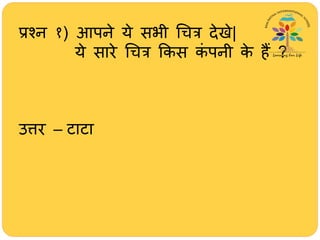
à€Șà„à€°à€¶à„à€š à„§) à€†à€Șà€šà„‡ à€Żà„‡ à€žà€­à„€ à€°à„à€żà€€à„à€° à€Šà„‡à€–à„‡|
à€Żà„‡ à€žà€Ÿà€°à„‡ à€°à„à€żà€€à„à€° à€•à„à€°à€•à€ž à€•à€‚ à€Șà€šà„€ à€•à„‡ à€żà„ˆà€‚ ?
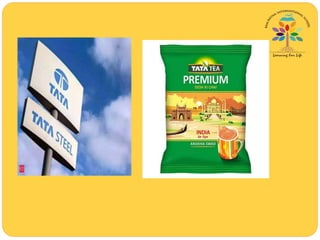
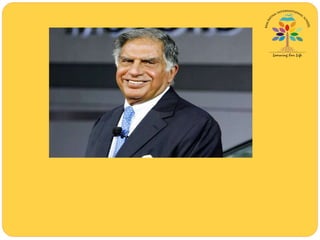
à€‰à€€à„à€€à€° – à€Ÿà€Ÿà€Ÿà€Ÿ
à€†à€œ à€Ÿà€Ÿà€Ÿà€Ÿ à€žà€‚à€ž à€•à€Ÿ à€žà€Ÿà€źà„à€°à€Ÿà€œà„à€Ż à€šà€źà€• à€žà„‡ à€Čà„‡à€•à€°
à€żà€Ÿà€Ż à€€à€•, à€žà„à€Ÿà„€à€Č à€žà„‡ à€Čà„‡à€•à€° à€•à€Ÿà€°-à€Ÿà„à€°à€•à„‹à€‚ à€€à€• à€”à€°
à€”à€”à€€à„à€€ à€žà„‡ à€Čà„‡à€•à€° à€žà„‰à€«à„à€Ÿà€”à„‡à€Żà€° à€€à€• à€żà€° à€•à€żà„€à€‚ à€šà„›à€°
à€†à€€à€Ÿ à€żà„ˆ | à€Ÿà€Ÿà€Ÿà€Ÿ à€žà€źà„‚à€ż à€•à„‡ à€Źà€Ÿà€°à„‡ à€źà„‡à€‚ à€Żà€ż à€•à€°à„à€š
à€•à€żà€Ÿ à€œà€Ÿà€ à€€à„‹ à€…à€€à€€à€¶à€Żà„‹à€œà€€à€€ à€šà€żà„€à€‚ à€żà„‹à€—à„€ à€•à„à€°à€• –
- à€”à€€à€„à€źà€Ÿà€š à€žà€źà€Ż à€źà„‡à€‚ à€Šà„‡à€¶ à€•à€Ÿ à€Șà„à€°à€€à„à€Żà„‡à€• à€šà€Ÿà€—à€°à€°à€• à€‡à€ž
à€•à€‚ à€Șà€šà„€ à€žà„‡ à€‰à€€à„à€Șà€Ÿà€čà€Šà€€ à€”à€žà„à€€à„à€“à€‚ à€žà„‡ à€Čà€Ÿà€­à€Ÿà€œà€šà„à€”à€€ à€żà„‹
à€°à€żà€Ÿ à€żà„ˆ |
- à€•à„à€°à€•à€žà„€ à€š à€•à„à€°à€•à€žà„€ à€°à„‚à€Ș à€źà„‡à€‚ à€żà€° à€­à€Ÿà€°à€€à„€à€Ż à€•à„€ à€œà€œà€‚à€Šà€—à„€
à€•à€Ÿ à€čà€żà€žà„à€žà€Ÿ à€Źà€š à€żà„à€•à€Ÿ à€żà„ˆ |
à€†à€Ș à€Čà„‹à€—à„‹à€‚ à€žà„‡ à€à€• à€Șà„à€°à€¶à„à€š à€Șà„‚à€›à€šà€Ÿ
à€żà€Ÿà€żà€€à„€ à€żà„‚à„‚à€ –
à„§)à€Ÿà€Ÿà€Ÿà€Ÿ à€•à€‚ à€Șà€šà„€ à€•à„€ à€šà„€à€” à€•à„à€°à€•à€žà€šà„‡ à€°à€–à„€
?
à„§)à€Ÿà€Ÿà€Ÿà€Ÿ à€•à€‚ à€Șà€šà„€ à€•à„€ à€žà„à€°à„à€Ÿà€Șà€šà€Ÿ à€•à„à€°à€•à€žà€šà„‡
à€•à„€ ?
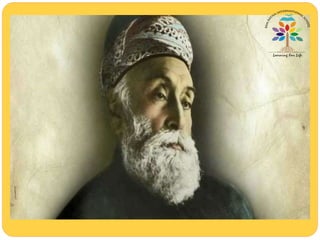
à€œà€źà€¶à„‡à€Š à€œà„€ à€Ÿà€Ÿà€Ÿà€Ÿ à€•à„‡ à€Źà€Ÿà€°à„‡ à€źà„‡à€‚ à€”à€żà€žà„à€€à„ƒà€€
à€œà€Ÿà€šà€•à€Ÿà€°à„€ à€œà„ˆà€žà„‡ –
à€‰à€šà€•à€Ÿ à€œà„€à€”à€š à€Șà€°à€°à€żà€Ż
à€źà€¶à€•à„à€·à€Ÿ à€Șà„à€°à€Ÿà€œà€€à€€
à€Šà„‡à€¶ à€źà„‡à€‚ à€”à€Šà„à€Żà„‹à€—à„€à€•à€°à€Ł à€•à€Ÿ à€€à€šà€źà€Ÿà€„à€Ł
à€€à€°à„à€Ÿ à€”à€”à€žà„à€€à€Ÿà€° |
à€żà€Čà€°à„à€żà€€à„à€° à€čà€Šà€–à€Ÿ à€•à€° à€‰à€šà€•à„‡ à€Żà„‹à€—à€Šà€Ÿà€š à€Șà€°
à€Șà„à€°à€•à€Ÿà€¶ à€Ąà€Ÿà€Čà€šà€Ÿ
à€†à€čà€Š à€œà€Ÿà€šà€•à€Ÿà€°à„€ à€Šà„‡à€šà€Ÿ |
à€à€• à€Źà€Ÿà€° à€Șà„à€š: à€źà„ˆà€‚ à€†à€Ș à€Čà„‹à€—à„‹à€‚ à€žà„‡ à€à€•
à€Șà„à€°à€¶à„à€š à€Șà„‚à€›à€šà€Ÿ à€żà€Ÿà€żà€€à„€ à€żà„‚à„‚à€ –
à€•à„‹à€°à„‹à€šà€Ÿ à€źà€żà€Ÿà€•à€Ÿà€Č à€•à„‡ à€žà€źà€Ż à€Šà„‡à€¶
à€•à„‹ à€žà€Źà€žà„‡ à€œà„à€Żà€Ÿà€Šà€Ÿ à€†à€°à„à€°à„à€„à€• à€°à„‚à€Ș à€žà„‡
à€•à„à€°à€•à€žà€šà„‡ à€źà€Šà€Š à€•à„€ ?
à€Șà„à€°à€•à€Čà„à€Ș ( à€Șà„à€°à„‹à€œà„‡à€€à€Ÿ) – à€Ÿà€Ÿà€Ÿà€Ÿ
à€žà€źà„‚à€ż à€•à„‡ à€žà€­à„€ à€•à„à€·à„‡à€€à„à€°à„‹à€‚ à€•à„‡
à€‰à€€à„à€Șà€Ÿà€Šà€•à„‹à€‚ à€•à„€ à€°à„à€żà€€à„à€° à€•à„‡ à€žà€Ÿà€°à„
à€žà„‚à€żà„€ à€€à„ˆà€Żà€Ÿà€° à€•à„€à€œà€œà€Żà„‡ |
à€•à€•à„à€·à€Ÿ à„Ż à€”à€° à„§à„Š à€•à„‡ à€›à€Ÿà€€à„à€°à„‹à€‚ à€żà„‡à€€à„
à€•à€”à€”à€€à€Ÿ à€•à€Ÿ à€šà€Ÿà€ź
à€”à€Šà„à€Żà„‹à€°à„à€—à€• à€Źà€žà„à€€à„€
à€•à€”à€” – à€…à€œà„à€žà„‡à€Ż à€œà„€
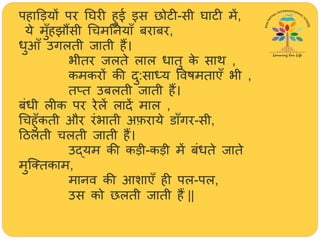
à€Șà€żà€Ÿà€Ąà„œà€Żà„‹à€‚ à€Șà€° à€€à€żà€°à„€ à€żà„à€ˆ à€‡à€ž à€›à„‹à€Ÿà„€-à€žà„€ à€żà€Ÿà€Ÿà„€ à€źà„‡à€‚,
à€Żà„‡ à€źà„à„‚à€à€żà€à„Œà€‚à€žà„€ à€°à„à€żà€źà€€à€šà€Żà€Ÿà„‚à€ à€Źà€°à€Ÿà€Źà€°,
à€§à„à€†à„‚à€ à€‰à€—à€Čà€€à„€ à€œà€Ÿà€€à„€ à€żà„ˆà€‚à„€
à€­à„€à€€à€° à€œà€Čà€€à„‡ à€Čà€Ÿà€Č à€§à€Ÿà€€à„ à€•à„‡ à€žà€Ÿà€°à„ ,
à€•à€źà€•à€°à„‹à€‚ à€•à„€ à€Šà„:à€žà€Ÿà€§à„à€Ż à€”à€”à€·à€źà€€à€Ÿà€à„‚à€ à€­à„€ ,
à€€à€€à€€ à€‰à€Źà€Čà€€à„€ à€œà€Ÿà€€à„€ à€żà„ˆà€‚à„€
à€Źà€‚à€§à„€ à€Čà„€à€• à€Șà€° à€°à„‡à€Čà„‡à€‚ à€Čà€Ÿà€Šà„‡à€‚ à€źà€Ÿà€Č ,
à€°à„à€żà€żà„à„‚à€à€•à€€à„€ à€”à€° à€°à€‚à€­à€Ÿà€€à„€ à€…à€«à€Œà€°à€Ÿà€Żà„‡ à€Ąà€Ÿà„‚à€à€—à€°-à€žà„€,
à€čà€żà€Čà€€à„€ à€żà€Čà€€à„€ à€œà€Ÿà€€à„€ à€żà„ˆà€‚à„€
à€‰à€Šà„à€Żà€ź à€•à„€ à€•à„œà„€-à€•à„œà„€ à€źà„‡à€‚ à€Źà€‚à€§à€€à„‡ à€œà€Ÿà€€à„‡
à€źà„à€œà€€à€€à€•à€Ÿà€ź,
à€źà€Ÿà€šà€” à€•à„€ à€†à€¶à€Ÿà€à„‚à€ à€żà„€ à€Șà€Č-à€Șà€Č,
à€‰à€ž à€•à„‹ à€›à€Čà€€à„€ à€œà€Ÿà€€à„€ à€żà„ˆà€‚ ||
à€—à€€ à€žà€€à€€à€Ÿà€ż à€†à€Ș
à€”à€”à€Šà„à€Żà€Ÿà€Čà€Ż à€•à„€ à€“à€° à€žà„‡
à€¶à„ˆà€•à„à€·à€Łà€Łà€• à€­à„à€°à€źà€Ł à€•à„‡ à€źà€Čà€ ‘
à€žà€źà„à€°à€Ÿà€Ÿ à€žà„à€Ÿà„€à€Č à€•à€‚ à€Șà€šà„€â€™ à€—à€
à€°à„à„‡ | à€…à€Șà€šà„‡ à€‡à€ž à€¶à„ˆà€•à„à€·à€Łà€Łà€•
à€­à„à€°à€źà€Ł à€•à„€ à€œà€Ÿà€šà€•à€Ÿà€°à„€ à€Šà„‡à€€à„‡
à€żà„à€ à€…à€Șà€šà„‡ à€źà€źà€€à„à€° à€•à„‹ à„§à„šà„Š
à€¶à€Źà„à€Šà„‹à€‚ à€źà„‡à€‚ à€ˆà€źà„‡à€Č /à€Șà€€à„à€°
à€źà€Čà€Łà€–à€ |
à€Šà„‹ à€čà€Šà€š à€Șà€żà€Čà„‡ à€†à€Ș à€”à€”à€źà€Ÿà€š à€žà„‡
à€čà€Šà€Čà„à€Čà„€ à€žà„‡ à€źà„à€‚à€Źà€ˆ à€•à„€ à€Żà€Ÿà€€à„à€°à€Ÿ à€€à€Ż à€•à„à€°à€•à€
| à€”à€”à€źà€Ÿà€š à€źà„‡à€‚ à€†à€Șà€•à„‡ à€Șà€Ÿà€ž à€źà€¶à€żà„‚à€°
à€‰à€Šà„à€Żà„‹à€—à€Șà€€à€€ à€°à€€à€š à€Ÿà€Ÿà€Ÿà€Ÿ à€œà„€ à€Źà„ˆà€żà„‡ à€°à„à„‡ |
à€…à€”à€žà€° à€źà€źà€Čà€€à„‡ à€żà„€ à€†à€Șà€šà„‡ à€‰à€šà€•à€Ÿ
à€žà€Ÿà€•à„à€·à€Ÿà€€à„à€•à€Ÿà€° à€źà€Čà€Żà€Ÿ | à€źà€Čà€ à€—à€
à€žà€Ÿà€•à„à€·à€Ÿà€€à„à€•à€Ÿà€° à€•à„‡ à€•à„ à€› à€…à€‚à€¶ à„§à„«à„Š -à„šà„Šà„Š
à€¶à€Źà„à€Šà„‹à€‚ à€źà„‡à€‚ à€źà€Čà€Łà€–à€ |
à€”à€”à€Šà„à€Żà€Ÿà€Čà€Ż à€Šà„à€”à€Ÿà€°à€Ÿ
à€†à€Żà„‹à€œà€œà€€ â€˜à€žà€źà„à€°à€Ÿà€Ÿ à€žà„à€Ÿà„€à€Č
à€•à€‚ à€Șà€šà„€â€™ à€‡à€ž à€¶à„ˆà€•à„à€·à€Łà€Łà€•
à€­à„à€°à€źà€Ł à€•à„‡ à€…à€šà„à€­à€” à€•à„‹
à€…à€Șà€šà„€ à€Ąà€Ÿà€Żà€°à„€ à€źà„‡à€‚ à„§à„«à„Š
à€¶à€Źà„à€Šà„‹à€‚ à€źà„‡à€‚ à€źà€Čà€Łà€–à€ |
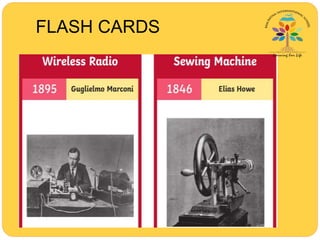
FLASH CARDS
ACTIVITY
 Research about the product how was it invented
and how did this impact the world ? If these had
not be there , what would happen ?
 Mode of presentation:
 Drama
 Poster
 Ppt
Activity 2
 Think about the product invented during modern
industrial revolution and show how it has
impacted us .(or any product which you would like
to invent )
 You can present your work either through :
 Poem
 Rap Song
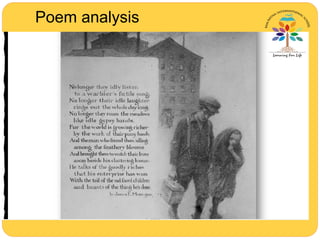
Poem analysis
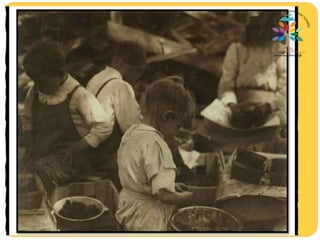
 Which line of the poem do you think stands out the most, or is the
most powerful? Explain.
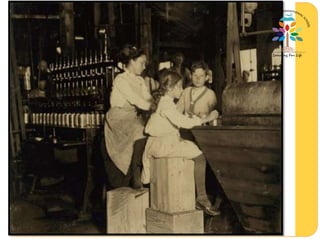
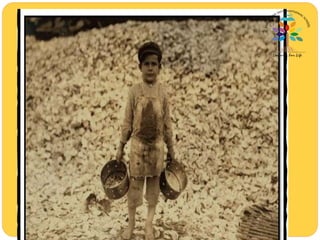
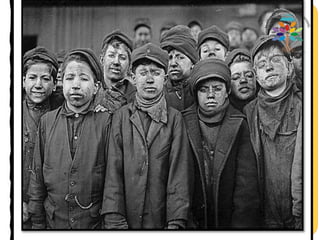
 What imagery does the poem AND the pictures give us to
express what life what like at this point in history?
 How do you think the poet feels about factory owners? How do
you know?
 According to evidence in the poem, why did some people likely
support child labor during the Industrial Revolution?
 What message do you think the poet is trying to express about
child labor? What lines, from the poem, can you use to support
your response?
 Do you think the poem is effective in communicating its
message? Explain.
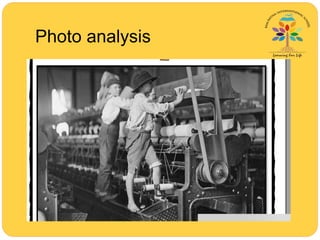
Photo analysis
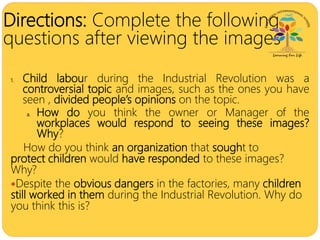
Directions: Complete the following
questions after viewing the images
.
1. Child labour during the Industrial Revolution was a
controversial topic and images, such as the ones you have
seen , divided people’s opinions on the topic.
a. How do you think the owner or Manager of the
workplaces would respond to seeing these images?
Why?
How do you think an organization that sought to
protect children would have responded to these images?
Why?
Despite the obvious dangers in the factories, many children
still worked in them during the Industrial Revolution. Why do
you think this is?
Creative writing task
 For this activity, students will write a short creative story
about the life and working conditions of a child during the
Industrial Revolution. Students will use one of the seven
included images as a “starting point” and write a short story
about the type of life and work that the child in the image likely
lived. Examine one of the images and imagine what kind of
conditions the child likely worked under and how their life was.
 Your story needs to contain:
 Details about how the child’s life would have been
lived and what they likely experienced at home, work and in
their daily life
 What kind of injuries or dangers they would have faced
 How they would have felt about their work and their
workplace managers
 You may want to consider how the child might be
seriously injured or die in your story.
 A short narrative with different characters and
interactions (Be Creative!)
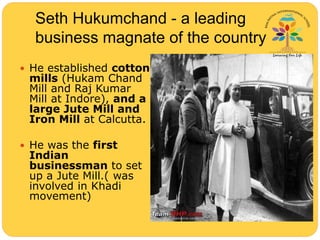
Seth Hukumchand - a leading
business magnate of the country
 He established cotton
mills (Hukam Chand
Mill and Raj Kumar
Mill at Indore), and a
large Jute Mill and
Iron Mill at Calcutta.
 He was the first
Indian
businessman to set
up a Jute Mill.( was
involved in Khadi
movement)
Dwarkanath Tagore – Early
Industrialist
Tagore was a western-
educated Bengali Brahmin and an
acknowledged civic leader of Kolkata who
played a pioneering role in setting up a
string of commercial ventures—
banking, insurance and shipping
companies— in partnership with British
traders. In 1828, he became the first
Indian bank director.
In 1832 Tagore purchased the first
Indian coal mine in Raniganj,[1] which
eventually became the Bengal Coal
Company.
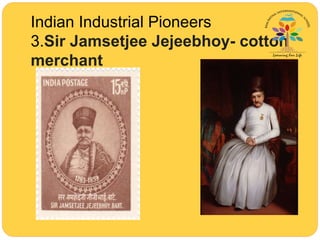
Indian Industrial Pioneers
3.Sir Jamsetjee Jejeebhoy- cotton
merchant
Hot seat
 A new industry is being set up .
 Present our perspective as a/an :
Environmentalist
Industrialist
Common man
Worker
Area commissioner
Property dealer
Persuasive and point of view:
 Imagine you are a merchant writing back to a
salesman who has been trying to persuade to buy
a new machine. Explaining in your letter what you
have heard and why you do not wish to invest in
the new technology .
 Industrialization...
 The little creek where I used to stay and play all day is gone.
Bulldozed over to make way for some new super-store.
The bullfrogs that sang their fat, boastful spring song
on the quiet mist-filled evening air are also gone.
Now only silence fills the darkness of the night.
They didn’t hop away, and find new lodgings.
They were ploughed as under like rubbish.
Midges, tadpoles, red ladybugs and all
lost from that creek that used to be.
The milk from earth’s sweet breast
is gone, and , if you listen
between the beats of your heart
you will hear her weeping,
Mother, are you so really sad?
Why do you cry and shed a tear?
We take the time to kill you softly,
one creek at a time, you needn’t fear.
Rest in your universal cradle while we
renovate, and decorate this boring place.
It’s just one creek that you will hardly miss.
We need those malls for bling and other things.
Please, don’t send your tempests to destroy them.
We will simply build another, don’t waste your time.
Weep no more, dear mother. You know we worship you
Your wild wars with your wastrel children are nearly done.
Who shall win this war of wills, whom shall we say has won?
Industrial REVOLUTION -4
 We stand on the brink of a technological revolution that
will fundamentally alter the way we live, work, and relate to
one another. In its scale, scope, and complexity, the
transformation will be unlike anything humankind has
experienced before.
 The First Industrial Revolution used water and steam
power to mechanize production. The Second used electric
power to create mass production. The Third used
electronics and information technology to automate
production. Now a Fourth Industrial Revolution is building
on the Third, the digital revolution that has been occurring
since the middle of the last century. It is characterized by
a fusion of technologies that is blurring the lines
between the physical, digital, and biological spheres.
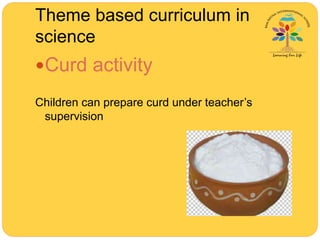
Theme based curriculum in
science
Curd activity
Children can prepare curd under teacher’s
supervision
Make a small research about
industries and collect information
about their journey.
You do
Something refreshing for your heart
https://www.youtube.com/watch?v=nwAYpLVyeFU
REFLECTION
 1. What does the term “random acts of
kindness” (RAK) mean? (Define it in your
own words)
 2. Do you think RAK’s should be done in
secret, or should other people know it
happened? (Or does it matter?) Explain.
 3. Find an article or video about one
specific story of a real person doing a RAK
for someone else.
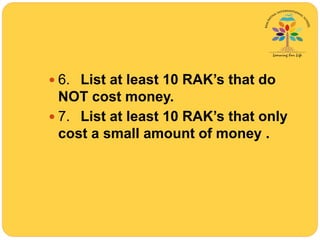
 6. List at least 10 RAK’s that do
NOT cost money.
 7. List at least 10 RAK’s that only
cost a small amount of money .
KINDNESS –EXPERIENCE
PROJECT
 We are often happiest when we achieve balance: when we give to others as
well as take care of ourselves; when we accomplish great things but also
relieve stress; when we live life to the fullest by taking action and not letting
things go unsaid. Therefore, you will be asked to do kind things for yourself
AND others.

 This will be a 3-part experience:
 Make plans for random acts of kindness
 Go out and complete them
 Reflect on the experience (through short pieces of writing)
à€Šà€Żà€Ÿà€Čà„à€€à€Ÿ
(à€Šà€Żà€Ÿ à€•à€°à€šà„‡ à€•à„€ à€Șà„à€°à€”à„ƒà€€à€€ )
à€žà„à€€à„à€°à„€à€źà€Čà€‚à€—
(à€Šà€Żà€Ÿà€Čà„ à€żà„‹à€šà„‡ à€•à„€ à€…à€”à€žà„à€°à„à€Ÿ à€—à„à€Ł à€Żà€Ÿ
à€­à€Ÿà€”à„€)
à€€à€Żà€Ÿ à€żà„ˆ à€Šà€Żà€Ÿà€Čà„à€€à€Ÿ ?
à€à€• à€žà„à€–à€Š à€žà„à€”à€­à€Ÿà€” à€”à€Ÿà€Čà„‡ à€”à€° à€Šà„‚à€žà€°à„‹à€‚ à€•à„‡ à€źà€Čà€
à€°à„à€żà€‚à€€à€Ÿ à€•à€°à€šà„‡ à€”à€Ÿà€Čà„‡ à€”à„à€Żà€œà€€à€€ à€•à„‹ à€Šà€Żà€Ÿà€Čà„ à€żà„‹à€šà€Ÿ à€•à€żà€Ÿ
à€œà€Ÿà€€à€Ÿ à€żà„ˆà„€ à€à€žà„‡ à€Čà„‹à€— à€Šà„‚à€žà€°à„‹à€‚ à€•à„‡ à€Șà„à€°à€€à€€ à€žà€‚à€”à„‡à€Šà€šà€¶à„€à€Č
à€żà„‹à€€à„‡ à€żà„ˆà€‚à„€ à€œà€Ź à€­à„€ à€Čà„‹à€—à„‹à€‚ à€•à„‹ à€‰à€šà€•à„€ à„›à€°à„‚à€°à€€ à€żà„‹à€€à„€
à€żà„ˆ à€”à„‡ à€…à€Șà€šà„‡ à€†à€žà€Șà€Ÿà€ž à€•à„‡ à€Čà„‹à€—à„‹à€‚ à€•à„€ à€źà€Šà€Š à€•à€°à€€à„‡ à€żà„ˆà€‚
à€”à€° à€•à€­à„€ à€­à„€ à€Šà„‚à€žà€°à„‡ à€Čà„‹à€—à„‹à€‚ à€•à„‡ à€żà„‡à€żà€°à„‡ à€Șà€°
à€źà„à€žà„à€•à„ à€°à€Ÿà€żà€Ÿ à€Čà€Ÿà€šà„‡ à€•à„‡ à€źà€Čà€ à€…à€Șà€šà„€ à€žà„€à€źà€Ÿ à€žà„‡ à€Źà€Ÿà€żà€°
à€żà€ź à€Šà€Żà€Ÿà€Čà„ à€Čà„‹à€— à€Źà„œà„€ à€źà„à€œà€¶à„à€•à€Č à€žà„‡ à€źà€źà€Čà€€à„‡ à€żà„ˆà€‚à„€
à€”à€Ÿà€žà„à€€à€” à€źà„‡à€‚ à€…à€—à€° à€żà€ź à€žà„à€”à€Żà€‚ à€•à„‹ à€Šà„‡à€–à„‡à€‚ à€€à„‹ à€€à€Żà€Ÿ
à€żà€ź à€–à„à€Š à€•à„‹ à€Šà€Żà€Ÿà€Čà„ à€•à€żà„‡à€‚à€—à„‡?
à€żà€ź à€…à€Șà€šà„‡ à€†à€ž-à€Șà€Ÿà€ž à€•à„‡ à€Čà„‹à€—à„‹à€‚ à€•à€Ÿ à€Šà€Šà€„ à€źà€żà€žà„‚à€ž
à€•à€°à€€à„‡ à€żà„ˆà€‚ à€Čà„‡à€•à„à€°à€•à€š à€•à„à€°à€•à€€à€šà„€ à€Źà€Ÿà€° à€żà€ź à€‰à€šà€•à„€ à€źà€Šà€Š
à€•à€° à€Șà€Ÿà€€à„‡ à€żà„ˆà€‚?
à€…à€—à€° à€żà€ź à€Żà€ż à€…à€Șà„‡à€•à„à€·à€Ÿ à€•à€°à€€à„‡ à€żà„ˆà€‚ à€•à„à€°à€• à€Šà„‚à€žà€°à„‡ à€Čà„‹à€—
à€żà€źà€Ÿà€°à„‡ à€Șà„à€°à€€à€€ à€Šà€Żà€Ÿà€Čà„ à€żà„‹ à€€à„‹ à€żà€źà„‡à€‚ à€Șà€żà€Čà„‡ à€‡à€ž à€†à€Šà€€
à€•à„‹ à€…à€Șà€šà„‡ à€†à€Ș à€źà„‡à€‚ à€Ąà€Ÿà€Čà€šà€Ÿ à€żà„‹à€—à€Ÿà„€
à€•à€żà€Ÿà€šà„€
Who are Community Helpers?
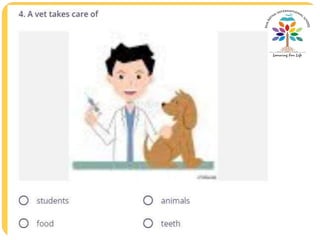
1. Those Who Keep Us Healthy
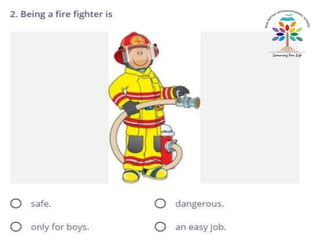
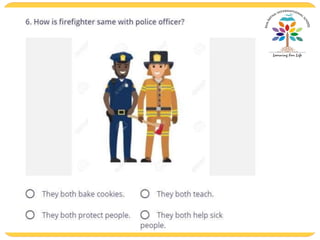
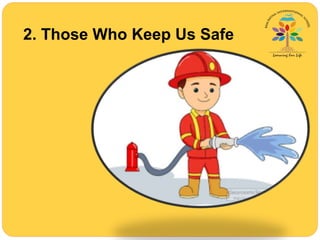
2. Those Who Keep Us Safe
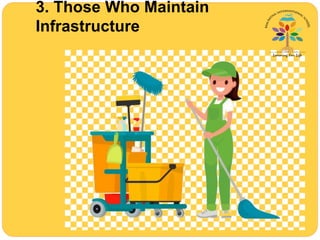
3. Those Who Maintain
Infrastructure
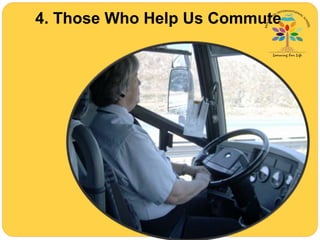
4. Those Who Help Us Commute
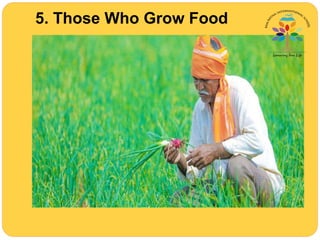
5. Those Who Grow Food
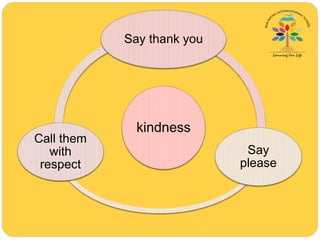
kindness
Say thank you
Say
please
Call them
with
respect
Reflection time
Can you recall a time somebody
was kind to you?
Now change the scenario and
think of a time you were kind to
another person? Call to mind
their reaction and how you
responded.
Theme based learning

Theme based learning

  • 2.
  • 3.
     The ThemeBased Approach is a way of teaching and learning, whereby many areas of the curriculum are connected together and integrated within a theme.
  • 4.
  • 6.
    Meaning and conceptof Industrialization  Process that happens in countries when they start to use machines to do work that was once done by people.  People adopt easier and cheaper ways of manufacturing.  Better technology; more goods; less time.
  • 7.
    Life before andafter Industrialization
  • 8.
  • 9.
    HOW DID INDUSTRIALREVOLUTION START
  • 10.
    Activity for seniorgrades – Quiz through Kahoot, quizzes etc.
  • 11.
  • 13.
  • 14.
    Analysis on fieldtrip through report writing
  • 15.
  • 16.
  • 17.
  • 18.
    à€”à€Šà„à€Żà„‹à€—à„€à€•à€°à€Ł à€…à€‚à€—à„à€°à„‡à€œà„€ à€¶à€Źà„à€Šâ€˜Industrialization’ à€•à€Ÿ à€čà€żà€šà„à€Šà„€ à€°à„à€Șà€Ÿà€šà„à€€à€°à€Ł à€żà„ˆ, à€œà€œà€žà€•à€Ÿ à€…à€°à„à€„ à€żà„ˆ -à€…à€°à„à€„à€”à„à€Żà€”à€žà„à€°à„à€Ÿ à€źà„‡à€‚ à€žà„à€§à€Ÿà€° à€żà„‡à€€à„ à€‰à€Šà„à€Żà„‹à€—à„‹à€‚ à€•à„€ à€žà„à€°à„à€Ÿà€Șà€šà€Ÿ à€à€”à€‚ à€‰à€šà€•à€Ÿ à€”à€”à€•à€Ÿà€ž à„€ à€”à€Šà„à€Żà„‹à€—à„€à€•à€°à€Ł à€à€• à€žà€Ÿà€źà€Ÿà€œà€œà€• à€€à€°à„à€Ÿ à€†à€°à„à€°à„à€„à€• à€Șà„à€°à€•à„à€°à€żà€Żà€Ÿ à€żà„ˆ, à€œà€œà€žà€źà„‡à€‚ à€‰à€Šà„à€Żà„‹à€—-à€§à€šà„à€§à„‹à€‚ à€•à„€ à€Źà€żà„à€Čà€€à€Ÿ à€żà„‹à€€à„€ à€żà„ˆ à„€ à€”à€Šà„à€Żà„‹à€—à„€à€•à€°à€Ł à€•à„‡ à€•à€Ÿà€°à€Ł à€¶à€żà€°à„€à€•à€°à€Ł à€•à„‹ à€Źà€ąà€Ÿà€”à€Ÿ à€źà€źà€Čà€€à€Ÿ à€żà„ˆ à€à€”à€‚ à€źà€Ÿà€šà€” à€žà€źà„‚à€ż à€•à„€ à€žà€Ÿà€źà€Ÿà€œà€œà€•-à€†à€°à„à€°à„à€„à€• à€œà€žà„à€°à„à€€à€€ à€Źà€Šà€Č à€œà€Ÿà€€à„€ à€żà„ˆ à„€ à€•à€ż à€žà€•à€€à„‡ à€żà„ˆ à€•à„à€°à€• à€Żà€ż à€†à€§à„à€€à€šà€•à„€à€•à€°à€Ł à€•à€Ÿ à€à€• à€…à€‚à€— à€żà„ˆ à„€ à€‡à€žà€•à„‡ à€•à€Ÿà€°à€Ł à€”à€žà„à€€à„à€“à€‚ à€•à„‡ à€‰à€€à„à€Șà€Ÿà€Šà€š à€źà„‡à€‚ à€€à„‡à€œà„€ à€žà„‡ à€”à„ƒà€Šà„à€°à„à€§ à€żà„‹à€€à„€ à€żà„ˆ, à€•à„à€°à€•à€šà„à€€à„ à€‡à€žà€•à„‡ à€źà€Čà€ à€…à€€à„à€Żà€°à„à€§à€• à€Šà€œà€Ÿà€„ à€•à„€ à€–à€Șà€€ à€•à€°à€šà„€ à€Șà„œà€€à„€ à€żà„ˆ à„€
  • 21.
    à€Șà„à€°à€¶à„à€š à„§) à€†à€Șà€šà„‡à€Żà„‡ à€žà€­à„€ à€°à„à€żà€€à„à€° à€Šà„‡à€–à„‡| à€Żà„‡ à€žà€Ÿà€°à„‡ à€°à„à€żà€€à„à€° à€•à„à€°à€•à€ž à€•à€‚ à€Șà€šà„€ à€•à„‡ à€żà„ˆà€‚ ? à€‰à€€à„à€€à€° – à€Ÿà€Ÿà€Ÿà€Ÿ
  • 22.
    à€†à€œ à€Ÿà€Ÿà€Ÿà€Ÿ à€žà€‚à€žà€•à€Ÿ à€žà€Ÿà€źà„à€°à€Ÿà€œà„à€Ż à€šà€źà€• à€žà„‡ à€Čà„‡à€•à€° à€żà€Ÿà€Ż à€€à€•, à€žà„à€Ÿà„€à€Č à€žà„‡ à€Čà„‡à€•à€° à€•à€Ÿà€°-à€Ÿà„à€°à€•à„‹à€‚ à€€à€• à€”à€° à€”à€”à€€à„à€€ à€žà„‡ à€Čà„‡à€•à€° à€žà„‰à€«à„à€Ÿà€”à„‡à€Żà€° à€€à€• à€żà€° à€•à€żà„€à€‚ à€šà„›à€° à€†à€€à€Ÿ à€żà„ˆ | à€Ÿà€Ÿà€Ÿà€Ÿ à€žà€źà„‚à€ż à€•à„‡ à€Źà€Ÿà€°à„‡ à€źà„‡à€‚ à€Żà€ż à€•à€°à„à€š à€•à€żà€Ÿ à€œà€Ÿà€ à€€à„‹ à€…à€€à€€à€¶à€Żà„‹à€œà€€à€€ à€šà€żà„€à€‚ à€żà„‹à€—à„€ à€•à„à€°à€• – - à€”à€€à€„à€źà€Ÿà€š à€žà€źà€Ż à€źà„‡à€‚ à€Šà„‡à€¶ à€•à€Ÿ à€Șà„à€°à€€à„à€Żà„‡à€• à€šà€Ÿà€—à€°à€°à€• à€‡à€ž à€•à€‚ à€Șà€šà„€ à€žà„‡ à€‰à€€à„à€Șà€Ÿà€čà€Šà€€ à€”à€žà„à€€à„à€“à€‚ à€žà„‡ à€Čà€Ÿà€­à€Ÿà€œà€šà„à€”à€€ à€żà„‹ à€°à€żà€Ÿ à€żà„ˆ | - à€•à„à€°à€•à€žà„€ à€š à€•à„à€°à€•à€žà„€ à€°à„‚à€Ș à€źà„‡à€‚ à€żà€° à€­à€Ÿà€°à€€à„€à€Ż à€•à„€ à€œà€œà€‚à€Šà€—à„€ à€•à€Ÿ à€čà€żà€žà„à€žà€Ÿ à€Źà€š à€żà„à€•à€Ÿ à€żà„ˆ |
  • 23.
    à€†à€Ș à€Čà„‹à€—à„‹à€‚ à€žà„‡à€à€• à€Șà„à€°à€¶à„à€š à€Șà„‚à€›à€šà€Ÿ à€żà€Ÿà€żà€€à„€ à€żà„‚à„‚à€ – à„§)à€Ÿà€Ÿà€Ÿà€Ÿ à€•à€‚ à€Șà€šà„€ à€•à„€ à€šà„€à€” à€•à„à€°à€•à€žà€šà„‡ à€°à€–à„€ ? à„§)à€Ÿà€Ÿà€Ÿà€Ÿ à€•à€‚ à€Șà€šà„€ à€•à„€ à€žà„à€°à„à€Ÿà€Șà€šà€Ÿ à€•à„à€°à€•à€žà€šà„‡ à€•à„€ ?
  • 25.
    à€œà€źà€¶à„‡à€Š à€œà„€ à€Ÿà€Ÿà€Ÿà€Ÿà€•à„‡ à€Źà€Ÿà€°à„‡ à€źà„‡à€‚ à€”à€żà€žà„à€€à„ƒà€€ à€œà€Ÿà€šà€•à€Ÿà€°à„€ à€œà„ˆà€žà„‡ – à€‰à€šà€•à€Ÿ à€œà„€à€”à€š à€Șà€°à€°à€żà€Ż à€źà€¶à€•à„à€·à€Ÿ à€Șà„à€°à€Ÿà€œà€€à€€ à€Šà„‡à€¶ à€źà„‡à€‚ à€”à€Šà„à€Żà„‹à€—à„€à€•à€°à€Ł à€•à€Ÿ à€€à€šà€źà€Ÿà€„à€Ł à€€à€°à„à€Ÿ à€”à€”à€žà„à€€à€Ÿà€° | à€żà€Čà€°à„à€żà€€à„à€° à€čà€Šà€–à€Ÿ à€•à€° à€‰à€šà€•à„‡ à€Żà„‹à€—à€Šà€Ÿà€š à€Șà€° à€Șà„à€°à€•à€Ÿà€¶ à€Ąà€Ÿà€Čà€šà€Ÿ à€†à€čà€Š à€œà€Ÿà€šà€•à€Ÿà€°à„€ à€Šà„‡à€šà€Ÿ |
  • 26.
    à€à€• à€Źà€Ÿà€° à€Șà„à€š:à€źà„ˆà€‚ à€†à€Ș à€Čà„‹à€—à„‹à€‚ à€žà„‡ à€à€• à€Șà„à€°à€¶à„à€š à€Șà„‚à€›à€šà€Ÿ à€żà€Ÿà€żà€€à„€ à€żà„‚à„‚à€ – à€•à„‹à€°à„‹à€šà€Ÿ à€źà€żà€Ÿà€•à€Ÿà€Č à€•à„‡ à€žà€źà€Ż à€Šà„‡à€¶ à€•à„‹ à€žà€Źà€žà„‡ à€œà„à€Żà€Ÿà€Šà€Ÿ à€†à€°à„à€°à„à€„à€• à€°à„‚à€Ș à€žà„‡ à€•à„à€°à€•à€žà€šà„‡ à€źà€Šà€Š à€•à„€ ?
  • 28.
    à€Șà„à€°à€•à€Čà„à€Ș ( à€Șà„à€°à„‹à€œà„‡à€€à€Ÿ)– à€Ÿà€Ÿà€Ÿà€Ÿ à€žà€źà„‚à€ż à€•à„‡ à€žà€­à„€ à€•à„à€·à„‡à€€à„à€°à„‹à€‚ à€•à„‡ à€‰à€€à„à€Șà€Ÿà€Šà€•à„‹à€‚ à€•à„€ à€°à„à€żà€€à„à€° à€•à„‡ à€žà€Ÿà€°à„ à€žà„‚à€żà„€ à€€à„ˆà€Żà€Ÿà€° à€•à„€à€œà€œà€Żà„‡ |
  • 29.
    à€•à€•à„à€·à€Ÿ à„Ż à€”à€°à„§à„Š à€•à„‡ à€›à€Ÿà€€à„à€°à„‹à€‚ à€żà„‡à€€à„
  • 30.
    à€•à€”à€”à€€à€Ÿ à€•à€Ÿ à€šà€Ÿà€ź à€”à€Šà„à€Żà„‹à€°à„à€—à€•à€Źà€žà„à€€à„€ à€•à€”à€” – à€…à€œà„à€žà„‡à€Ż à€œà„€
  • 31.
    à€Șà€żà€Ÿà€Ąà„œà€Żà„‹à€‚ à€Șà€° à€€à€żà€°à„€à€żà„à€ˆ à€‡à€ž à€›à„‹à€Ÿà„€-à€žà„€ à€żà€Ÿà€Ÿà„€ à€źà„‡à€‚, à€Żà„‡ à€źà„à„‚à€à€żà€à„Œà€‚à€žà„€ à€°à„à€żà€źà€€à€šà€Żà€Ÿà„‚à€ à€Źà€°à€Ÿà€Źà€°, à€§à„à€†à„‚à€ à€‰à€—à€Čà€€à„€ à€œà€Ÿà€€à„€ à€żà„ˆà€‚à„€ à€­à„€à€€à€° à€œà€Čà€€à„‡ à€Čà€Ÿà€Č à€§à€Ÿà€€à„ à€•à„‡ à€žà€Ÿà€°à„ , à€•à€źà€•à€°à„‹à€‚ à€•à„€ à€Šà„:à€žà€Ÿà€§à„à€Ż à€”à€”à€·à€źà€€à€Ÿà€à„‚à€ à€­à„€ , à€€à€€à€€ à€‰à€Źà€Čà€€à„€ à€œà€Ÿà€€à„€ à€żà„ˆà€‚à„€ à€Źà€‚à€§à„€ à€Čà„€à€• à€Șà€° à€°à„‡à€Čà„‡à€‚ à€Čà€Ÿà€Šà„‡à€‚ à€źà€Ÿà€Č , à€°à„à€żà€żà„à„‚à€à€•à€€à„€ à€”à€° à€°à€‚à€­à€Ÿà€€à„€ à€…à€«à€Œà€°à€Ÿà€Żà„‡ à€Ąà€Ÿà„‚à€à€—à€°-à€žà„€, à€čà€żà€Čà€€à„€ à€żà€Čà€€à„€ à€œà€Ÿà€€à„€ à€żà„ˆà€‚à„€ à€‰à€Šà„à€Żà€ź à€•à„€ à€•à„œà„€-à€•à„œà„€ à€źà„‡à€‚ à€Źà€‚à€§à€€à„‡ à€œà€Ÿà€€à„‡ à€źà„à€œà€€à€€à€•à€Ÿà€ź, à€źà€Ÿà€šà€” à€•à„€ à€†à€¶à€Ÿà€à„‚à€ à€żà„€ à€Șà€Č-à€Șà€Č, à€‰à€ž à€•à„‹ à€›à€Čà€€à„€ à€œà€Ÿà€€à„€ à€żà„ˆà€‚ ||
  • 32.
    à€—à€€ à€žà€€à€€à€Ÿà€ż à€†à€Ș à€”à€”à€Šà„à€Żà€Ÿà€Čà€Żà€•à„€ à€“à€° à€žà„‡ à€¶à„ˆà€•à„à€·à€Łà€Łà€• à€­à„à€°à€źà€Ł à€•à„‡ à€źà€Čà€ ‘ à€žà€źà„à€°à€Ÿà€Ÿ à€žà„à€Ÿà„€à€Č à€•à€‚ à€Șà€šà„€â€™ à€—à€ à€°à„à„‡ | à€…à€Șà€šà„‡ à€‡à€ž à€¶à„ˆà€•à„à€·à€Łà€Łà€• à€­à„à€°à€źà€Ł à€•à„€ à€œà€Ÿà€šà€•à€Ÿà€°à„€ à€Šà„‡à€€à„‡ à€żà„à€ à€…à€Șà€šà„‡ à€źà€źà€€à„à€° à€•à„‹ à„§à„šà„Š à€¶à€Źà„à€Šà„‹à€‚ à€źà„‡à€‚ à€ˆà€źà„‡à€Č /à€Șà€€à„à€° à€źà€Čà€Łà€–à€ | à€Šà„‹ à€čà€Šà€š à€Șà€żà€Čà„‡ à€†à€Ș à€”à€”à€źà€Ÿà€š à€žà„‡ à€čà€Šà€Čà„à€Čà„€ à€žà„‡ à€źà„à€‚à€Źà€ˆ à€•à„€ à€Żà€Ÿà€€à„à€°à€Ÿ à€€à€Ż à€•à„à€°à€•à€ | à€”à€”à€źà€Ÿà€š à€źà„‡à€‚ à€†à€Șà€•à„‡ à€Șà€Ÿà€ž à€źà€¶à€żà„‚à€° à€‰à€Šà„à€Żà„‹à€—à€Șà€€à€€ à€°à€€à€š à€Ÿà€Ÿà€Ÿà€Ÿ à€œà„€ à€Źà„ˆà€żà„‡ à€°à„à„‡ | à€…à€”à€žà€° à€źà€źà€Čà€€à„‡ à€żà„€ à€†à€Șà€šà„‡ à€‰à€šà€•à€Ÿ à€žà€Ÿà€•à„à€·à€Ÿà€€à„à€•à€Ÿà€° à€źà€Čà€Żà€Ÿ | à€źà€Čà€ à€—à€ à€žà€Ÿà€•à„à€·à€Ÿà€€à„à€•à€Ÿà€° à€•à„‡ à€•à„ à€› à€…à€‚à€¶ à„§à„«à„Š -à„šà„Šà„Š à€¶à€Źà„à€Šà„‹à€‚ à€źà„‡à€‚ à€źà€Čà€Łà€–à€ | à€”à€”à€Šà„à€Żà€Ÿà€Čà€Ż à€Šà„à€”à€Ÿà€°à€Ÿ à€†à€Żà„‹à€œà€œà€€ â€˜à€žà€źà„à€°à€Ÿà€Ÿ à€žà„à€Ÿà„€à€Č à€•à€‚ à€Șà€šà„€â€™ à€‡à€ž à€¶à„ˆà€•à„à€·à€Łà€Łà€• à€­à„à€°à€źà€Ł à€•à„‡ à€…à€šà„à€­à€” à€•à„‹ à€…à€Șà€šà„€ à€Ąà€Ÿà€Żà€°à„€ à€źà„‡à€‚ à„§à„«à„Š à€¶à€Źà„à€Šà„‹à€‚ à€źà„‡à€‚ à€źà€Čà€Łà€–à€ |
  • 38.
  • 40.
    ACTIVITY  Research aboutthe product how was it invented and how did this impact the world ? If these had not be there , what would happen ?  Mode of presentation:  Drama  Poster  Ppt
  • 41.
    Activity 2  Thinkabout the product invented during modern industrial revolution and show how it has impacted us .(or any product which you would like to invent )  You can present your work either through :  Poem  Rap Song
  • 42.
  • 43.
     Which lineof the poem do you think stands out the most, or is the most powerful? Explain.  What imagery does the poem AND the pictures give us to express what life what like at this point in history?  How do you think the poet feels about factory owners? How do you know?  According to evidence in the poem, why did some people likely support child labor during the Industrial Revolution?  What message do you think the poet is trying to express about child labor? What lines, from the poem, can you use to support your response?  Do you think the poem is effective in communicating its message? Explain.
  • 44.
  • 49.
    Directions: Complete thefollowing questions after viewing the images . 1. Child labour during the Industrial Revolution was a controversial topic and images, such as the ones you have seen , divided people’s opinions on the topic. a. How do you think the owner or Manager of the workplaces would respond to seeing these images? Why? How do you think an organization that sought to protect children would have responded to these images? Why? Despite the obvious dangers in the factories, many children still worked in them during the Industrial Revolution. Why do you think this is?
  • 50.
    Creative writing task For this activity, students will write a short creative story about the life and working conditions of a child during the Industrial Revolution. Students will use one of the seven included images as a “starting point” and write a short story about the type of life and work that the child in the image likely lived. Examine one of the images and imagine what kind of conditions the child likely worked under and how their life was.  Your story needs to contain:  Details about how the child’s life would have been lived and what they likely experienced at home, work and in their daily life  What kind of injuries or dangers they would have faced  How they would have felt about their work and their workplace managers  You may want to consider how the child might be seriously injured or die in your story.  A short narrative with different characters and interactions (Be Creative!)
  • 51.
    Seth Hukumchand -a leading business magnate of the country  He established cotton mills (Hukam Chand Mill and Raj Kumar Mill at Indore), and a large Jute Mill and Iron Mill at Calcutta.  He was the first Indian businessman to set up a Jute Mill.( was involved in Khadi movement)
  • 52.
    Dwarkanath Tagore –Early Industrialist Tagore was a western- educated Bengali Brahmin and an acknowledged civic leader of Kolkata who played a pioneering role in setting up a string of commercial ventures— banking, insurance and shipping companies— in partnership with British traders. In 1828, he became the first Indian bank director. In 1832 Tagore purchased the first Indian coal mine in Raniganj,[1] which eventually became the Bengal Coal Company.
  • 53.
    Indian Industrial Pioneers 3.SirJamsetjee Jejeebhoy- cotton merchant
  • 54.
    Hot seat  Anew industry is being set up .  Present our perspective as a/an : Environmentalist Industrialist Common man Worker Area commissioner Property dealer
  • 55.
    Persuasive and pointof view:  Imagine you are a merchant writing back to a salesman who has been trying to persuade to buy a new machine. Explaining in your letter what you have heard and why you do not wish to invest in the new technology .
  • 56.
     Industrialization...  Thelittle creek where I used to stay and play all day is gone. Bulldozed over to make way for some new super-store. The bullfrogs that sang their fat, boastful spring song on the quiet mist-filled evening air are also gone. Now only silence fills the darkness of the night. They didn’t hop away, and find new lodgings. They were ploughed as under like rubbish. Midges, tadpoles, red ladybugs and all lost from that creek that used to be. The milk from earth’s sweet breast is gone, and , if you listen between the beats of your heart you will hear her weeping, Mother, are you so really sad? Why do you cry and shed a tear? We take the time to kill you softly, one creek at a time, you needn’t fear. Rest in your universal cradle while we renovate, and decorate this boring place. It’s just one creek that you will hardly miss. We need those malls for bling and other things. Please, don’t send your tempests to destroy them. We will simply build another, don’t waste your time. Weep no more, dear mother. You know we worship you Your wild wars with your wastrel children are nearly done. Who shall win this war of wills, whom shall we say has won?
  • 57.
    Industrial REVOLUTION -4 We stand on the brink of a technological revolution that will fundamentally alter the way we live, work, and relate to one another. In its scale, scope, and complexity, the transformation will be unlike anything humankind has experienced before.  The First Industrial Revolution used water and steam power to mechanize production. The Second used electric power to create mass production. The Third used electronics and information technology to automate production. Now a Fourth Industrial Revolution is building on the Third, the digital revolution that has been occurring since the middle of the last century. It is characterized by a fusion of technologies that is blurring the lines between the physical, digital, and biological spheres.
  • 58.
    Theme based curriculumin science Curd activity Children can prepare curd under teacher’s supervision
  • 60.
    Make a smallresearch about industries and collect information about their journey. You do
  • 61.
    Something refreshing foryour heart https://www.youtube.com/watch?v=nwAYpLVyeFU
  • 62.
    REFLECTION  1. Whatdoes the term “random acts of kindness” (RAK) mean? (Define it in your own words)  2. Do you think RAK’s should be done in secret, or should other people know it happened? (Or does it matter?) Explain.  3. Find an article or video about one specific story of a real person doing a RAK for someone else.
  • 63.
     6. Listat least 10 RAK’s that do NOT cost money.  7. List at least 10 RAK’s that only cost a small amount of money .
  • 64.
    KINDNESS –EXPERIENCE PROJECT  Weare often happiest when we achieve balance: when we give to others as well as take care of ourselves; when we accomplish great things but also relieve stress; when we live life to the fullest by taking action and not letting things go unsaid. Therefore, you will be asked to do kind things for yourself AND others.   This will be a 3-part experience:  Make plans for random acts of kindness  Go out and complete them  Reflect on the experience (through short pieces of writing)
  • 66.
    à€Šà€Żà€Ÿà€Čà„à€€à€Ÿ (à€Šà€Żà€Ÿ à€•à€°à€šà„‡ à€•à„€à€Șà„à€°à€”à„ƒà€€à€€ ) à€žà„à€€à„à€°à„€à€źà€Čà€‚à€— (à€Šà€Żà€Ÿà€Čà„ à€żà„‹à€šà„‡ à€•à„€ à€…à€”à€žà„à€°à„à€Ÿ à€—à„à€Ł à€Żà€Ÿ à€­à€Ÿà€”à„€) à€€à€Żà€Ÿ à€żà„ˆ à€Šà€Żà€Ÿà€Čà„à€€à€Ÿ ? à€à€• à€žà„à€–à€Š à€žà„à€”à€­à€Ÿà€” à€”à€Ÿà€Čà„‡ à€”à€° à€Šà„‚à€žà€°à„‹à€‚ à€•à„‡ à€źà€Čà€ à€°à„à€żà€‚à€€à€Ÿ à€•à€°à€šà„‡ à€”à€Ÿà€Čà„‡ à€”à„à€Żà€œà€€à€€ à€•à„‹ à€Šà€Żà€Ÿà€Čà„ à€żà„‹à€šà€Ÿ à€•à€żà€Ÿ à€œà€Ÿà€€à€Ÿ à€żà„ˆà„€ à€à€žà„‡ à€Čà„‹à€— à€Šà„‚à€žà€°à„‹à€‚ à€•à„‡ à€Șà„à€°à€€à€€ à€žà€‚à€”à„‡à€Šà€šà€¶à„€à€Č à€żà„‹à€€à„‡ à€żà„ˆà€‚à„€ à€œà€Ź à€­à„€ à€Čà„‹à€—à„‹à€‚ à€•à„‹ à€‰à€šà€•à„€ à„›à€°à„‚à€°à€€ à€żà„‹à€€à„€ à€żà„ˆ à€”à„‡ à€…à€Șà€šà„‡ à€†à€žà€Șà€Ÿà€ž à€•à„‡ à€Čà„‹à€—à„‹à€‚ à€•à„€ à€źà€Šà€Š à€•à€°à€€à„‡ à€żà„ˆà€‚ à€”à€° à€•à€­à„€ à€­à„€ à€Šà„‚à€žà€°à„‡ à€Čà„‹à€—à„‹à€‚ à€•à„‡ à€żà„‡à€żà€°à„‡ à€Șà€° à€źà„à€žà„à€•à„ à€°à€Ÿà€żà€Ÿ à€Čà€Ÿà€šà„‡ à€•à„‡ à€źà€Čà€ à€…à€Șà€šà„€ à€žà„€à€źà€Ÿ à€žà„‡ à€Źà€Ÿà€żà€°
  • 67.
    à€żà€ź à€Šà€Żà€Ÿà€Čà„ à€Čà„‹à€—à€Źà„œà„€ à€źà„à€œà€¶à„à€•à€Č à€žà„‡ à€źà€źà€Čà€€à„‡ à€żà„ˆà€‚à„€ à€”à€Ÿà€žà„à€€à€” à€źà„‡à€‚ à€…à€—à€° à€żà€ź à€žà„à€”à€Żà€‚ à€•à„‹ à€Šà„‡à€–à„‡à€‚ à€€à„‹ à€€à€Żà€Ÿ à€żà€ź à€–à„à€Š à€•à„‹ à€Šà€Żà€Ÿà€Čà„ à€•à€żà„‡à€‚à€—à„‡? à€żà€ź à€…à€Șà€šà„‡ à€†à€ž-à€Șà€Ÿà€ž à€•à„‡ à€Čà„‹à€—à„‹à€‚ à€•à€Ÿ à€Šà€Šà€„ à€źà€żà€žà„‚à€ž à€•à€°à€€à„‡ à€żà„ˆà€‚ à€Čà„‡à€•à„à€°à€•à€š à€•à„à€°à€•à€€à€šà„€ à€Źà€Ÿà€° à€żà€ź à€‰à€šà€•à„€ à€źà€Šà€Š à€•à€° à€Șà€Ÿà€€à„‡ à€żà„ˆà€‚? à€…à€—à€° à€żà€ź à€Żà€ż à€…à€Șà„‡à€•à„à€·à€Ÿ à€•à€°à€€à„‡ à€żà„ˆà€‚ à€•à„à€°à€• à€Šà„‚à€žà€°à„‡ à€Čà„‹à€— à€żà€źà€Ÿà€°à„‡ à€Șà„à€°à€€à€€ à€Šà€Żà€Ÿà€Čà„ à€żà„‹ à€€à„‹ à€żà€źà„‡à€‚ à€Șà€żà€Čà„‡ à€‡à€ž à€†à€Šà€€ à€•à„‹ à€…à€Șà€šà„‡ à€†à€Ș à€źà„‡à€‚ à€Ąà€Ÿà€Čà€šà€Ÿ à€żà„‹à€—à€Ÿà„€
  • 68.
  • 72.
  • 73.
    1. Those WhoKeep Us Healthy
  • 74.
    2. Those WhoKeep Us Safe
  • 75.
    3. Those WhoMaintain Infrastructure
  • 76.
    4. Those WhoHelp Us Commute
  • 77.
    5. Those WhoGrow Food
  • 78.
  • 79.
    Reflection time Can yourecall a time somebody was kind to you? Now change the scenario and think of a time you were kind to another person? Call to mind their reaction and how you responded.