! 
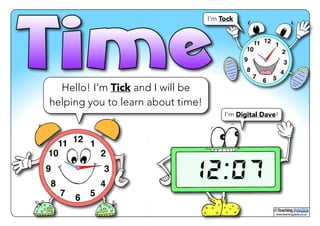
Hello! I’m Tick and I will be 
helping you to learn about time! 
© 
www.teachingpacks.co.uk 
I’m Tock 
I’m Digital Dave!
! 
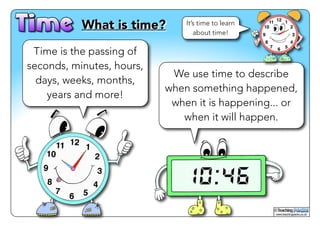
Time is the passing of 
seconds, minutes, hours, 
days, weeks, months, 
years and more! 
www.teachingpacks.co.uk 
What is time? 
It’s time to learn 
about time! 
We use time to describe 
when something happened, 
when it is happening... or 
when it will happen. 
©
! What are the past, 
present and future? 
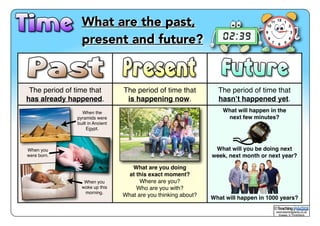
The period of time that! 
has already happened. 
The period of time that! 
is happening now. 
The period of time that! 
hasn’t happened yet. 
When the 
pyramids were 
built in Ancient 
Egypt. 
When you! 
were born. 
When you 
woke up this 
morning. 
What are you doing! 
at this exact moment?! 
Where are you?! 
Who are you with?! 
What are you thinking about? 
What will happen in the 
next few minutes? 
What will you be doing next 
week, next month or next year? 
What will happen in 1000 years? 
© 
www.teachingpacks.co.uk! 
Images: © ThinkStock
! How do we read analogue clocks? 
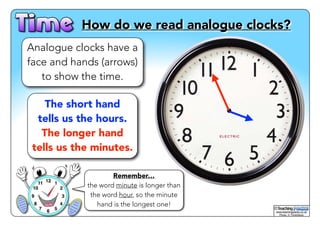
Analogue clocks have a 
face and hands (arrows) 
to show the time. 
The short hand 
tells us the hours. 
The longer hand 
tells us the minutes. 
Remember… 
the word minute is longer than 
the word hour, so the minute 
hand is the longest one! 
www.teachingpacks.co.uk! 
Photo: © ThinkStock 
©
! How do we read analogue clocks? 
© 
www.teachingpacks.co.uk! 
Images: © ThinkStock 
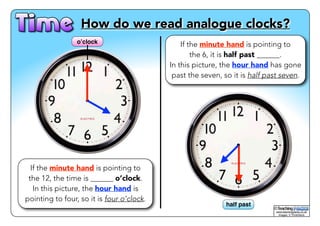
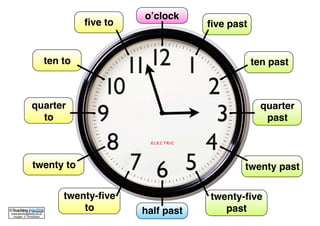
o’clock 
half past 
If the minute hand is pointing to 
the 12, the time is ______ o’clock. 
In this picture, the hour hand is 
pointing to four, so it is four o’clock. 
If the minute hand is pointing to 
the 6, it is half past ______. 
In this picture, the hour hand has gone 
past the seven, so it is half past seven.
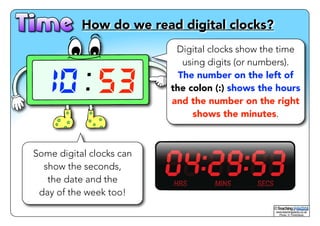
How do we read digital clocks? 
10 53 
Digital clocks show the time 
using digits (or numbers). 
The number on the left of 
the colon (:) shows the hours 
and the number on the right 
shows the minutes. 
Some digital clocks can 
show the seconds, 
the date and the 
day of the week too! 
www.teachingpacks.co.uk! 
Photo: © ThinkStock 
©
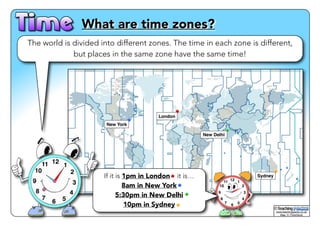
What are time zones? 
The world is divided into different zones. The time in each zone is different, 
but places in the same zone have the same time! 
London 
Sydney 
New York 
New Delhi 
If it is 1pm in London it is… 
8am in New York 
5:30pm in New Delhi 
10pm in Sydney 
www.teachingpacks.co.uk! 
Map: © ThinkStock 
©
© www.teachingpacks.co.uk 
1. 
6:30 
2. 
3:30 
3. 
4. 
7:00 
5. 
11:15 
6. 
1. 
6:30 
2. 
3:30 
3. 
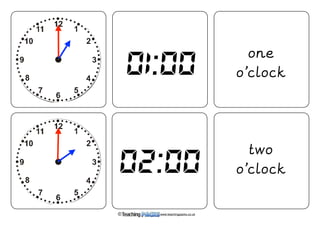
01:00 
02:00 
one 
o’clock 
two 
o’clock
© www.teachingpacks.co.uk 
1. 
6:30 
2. 
3:30 
3. 
4. 
7:00 
5. 
11:15 
6. 
1. 
6:30 
2. 
3:30 
3. 
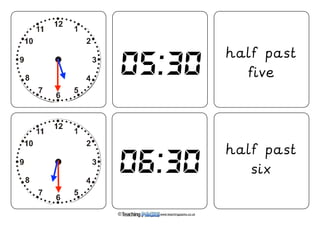
05:30 
06:30 
half past 
five 
half past 
six
© www.teachingpacks.co.uk 
1. 
6:30 
2. 
3:30 
3. 
4. 
7:00 
5. 
11:15 
6. 
1. 
6:30 
2. 
3:30 
3. 
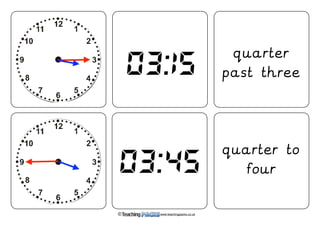
03:15 
03:45 
quarter 
past three 
quarter to 
four
© www.teachingpacks.co.uk 
1. 
6:30 
2. 
3:30 
3. 
4. 
7:00 
5. 
11:15 
6. 
1. 
6:30 
2. 
3:30 
3. 
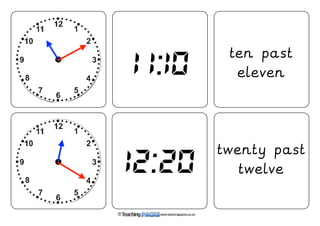
1 1:10 
12:20 
ten past 
eleven 
twenty past 
twelve
© www.teachingpacks.co.uk 
1. 
6:30 
2. 
3:30 
3. 
4. 
7:00 
5. 
11:15 
6. 
1. 
6:30 
2. 
3:30 
3. 
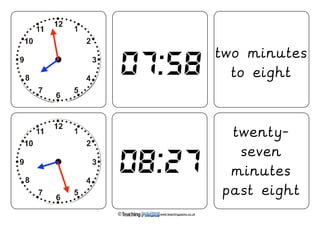
07:58 
08:27 
two minutes 
to eight 
twenty-seven 
minutes 
past eight
o’clock 
five past 
ten past 
quarter 
past 
twenty past 
twenty-five 
half past past 
ten to 
quarter 
twenty-five 
to 
to 
twenty to 
five to 
© 
www.teachingpacks.co.uk 
Images: © ThinkStock
1. 
6:30 
2. 
3:30 
4. 
7:00 
5. 
11:15 
7. 
2:15 
8. 
1:45 
1. 
6:30 
4. 
7:00 
7. 
2:15 
1. 
6:30 
2. 
3:30 
4. 
7:00 
5. 
11:15 
1. 
6:30 
4. 
7:00 
1. 
6:30 
2. 
3:30 
4. 
5. 
1. 
6:30 
4. 
© www.teachingpacks.co.uk
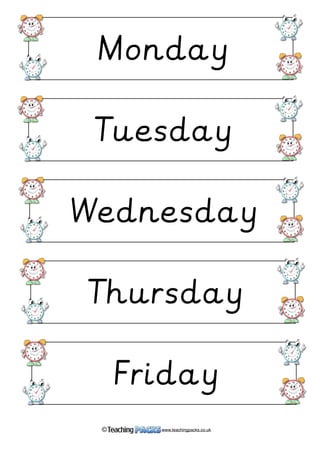
Monday 
Tuesday 
Wednesday 
Thursday 
Friday 
© www.teachingpacks.co.uk
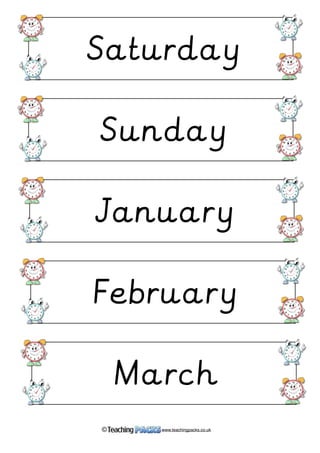
Saturday 
Sunday 
January 
February 
March 
© www.teachingpacks.co.uk
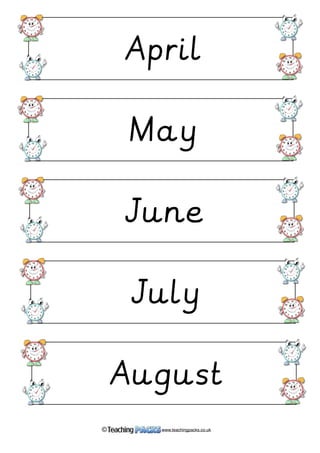
April 
May 
June 
July 
August 
© www.teachingpacks.co.uk
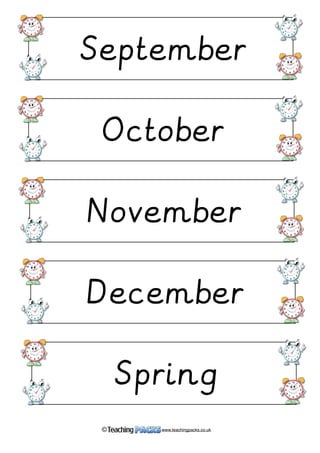
September 
October 
November 
December 
Spring 
© www.teachingpacks.co.uk
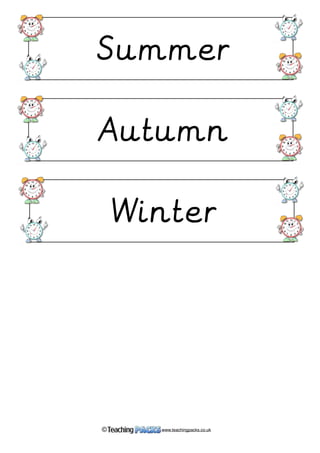
Summer 
Autumn 
Winter 
© www.teachingpacks.co.uk
1. 
6:30 
2. 
3:30 
3. 
12:15 
4. 
7:00 
5. 
11:15 
6. 
9:45 
7. 
8. 
9. 
www.teachingpacks.co.uk 
© 1. 
6:30 
2. 
3:30 
3. 
12:15 
4. 
7:00 
5. 
11:15 
6. 
9:45 
7. 
8. 
9. 
1. 
6:30 
2. 
3:30 
3. 
12:4. 
7:00 
5. 
11:15 
6. 
9:45 
7. 
8. 
9. 
1. 
6:30 
2. 
3:30 
4. 
7:00 
5. 
11:15 
7. 
8. 
1. 
6:30 
4. 
7:00 
7.
1. 
6:30 
2. 
3:30 
3. 
12:15 
4. 
7:00 
5. 
11:15 
6. 
9:45 
7. 
8. 
9. 
www.teachingpacks.co.uk 
Images: © ThinkStock © 
1. 
6:30 
2. 
3:30 
3. 
12:15 
4. 
7:00 
5. 
11:15 
6. 
9:45 
7. 
8. 
9. 
1. 
6:30 
2. 
3:30 
3. 
12:4. 
7:00 
5. 
11:15 
6. 
9:45 
7. 
8. 
9. 
1. 
6:30 
2. 
3:30 
4. 
7:00 
5. 
11:15 
7. 
8. 
1. 
6:30 
4. 
7:00 
7.
www.teachingpacks.co.uk 
Thank you for looking 
at this preview of our 
Telling the Time Pack. 
You can download the complete 
teaching resource pack from 
http://www.teachingpacks.co.uk/ 
the-telling-the-time-pack 
Helen and Mark

The Telling the Time Pack

  • 1.
    ! Hello! I’mTick and I will be helping you to learn about time! © www.teachingpacks.co.uk I’m Tock I’m Digital Dave!
  • 2.
    ! Time isthe passing of seconds, minutes, hours, days, weeks, months, years and more! www.teachingpacks.co.uk What is time? It’s time to learn about time! We use time to describe when something happened, when it is happening... or when it will happen. ©
  • 3.
    ! What arethe past, present and future? The period of time that! has already happened. The period of time that! is happening now. The period of time that! hasn’t happened yet. When the pyramids were built in Ancient Egypt. When you! were born. When you woke up this morning. What are you doing! at this exact moment?! Where are you?! Who are you with?! What are you thinking about? What will happen in the next few minutes? What will you be doing next week, next month or next year? What will happen in 1000 years? © www.teachingpacks.co.uk! Images: © ThinkStock
  • 4.
    ! How dowe read analogue clocks? Analogue clocks have a face and hands (arrows) to show the time. The short hand tells us the hours. The longer hand tells us the minutes. Remember… the word minute is longer than the word hour, so the minute hand is the longest one! www.teachingpacks.co.uk! Photo: © ThinkStock ©
  • 5.
    ! How dowe read analogue clocks? © www.teachingpacks.co.uk! Images: © ThinkStock o’clock half past If the minute hand is pointing to the 12, the time is ______ o’clock. In this picture, the hour hand is pointing to four, so it is four o’clock. If the minute hand is pointing to the 6, it is half past ______. In this picture, the hour hand has gone past the seven, so it is half past seven.
  • 6.
    How do weread digital clocks? 10 53 Digital clocks show the time using digits (or numbers). The number on the left of the colon (:) shows the hours and the number on the right shows the minutes. Some digital clocks can show the seconds, the date and the day of the week too! www.teachingpacks.co.uk! Photo: © ThinkStock ©
  • 7.
    What are timezones? The world is divided into different zones. The time in each zone is different, but places in the same zone have the same time! London Sydney New York New Delhi If it is 1pm in London it is… 8am in New York 5:30pm in New Delhi 10pm in Sydney www.teachingpacks.co.uk! Map: © ThinkStock ©
  • 8.
    © www.teachingpacks.co.uk 1. 6:30 2. 3:30 3. 4. 7:00 5. 11:15 6. 1. 6:30 2. 3:30 3. 01:00 02:00 one o’clock two o’clock
  • 9.
    © www.teachingpacks.co.uk 1. 6:30 2. 3:30 3. 4. 7:00 5. 11:15 6. 1. 6:30 2. 3:30 3. 05:30 06:30 half past five half past six
  • 10.
    © www.teachingpacks.co.uk 1. 6:30 2. 3:30 3. 4. 7:00 5. 11:15 6. 1. 6:30 2. 3:30 3. 03:15 03:45 quarter past three quarter to four
  • 11.
    © www.teachingpacks.co.uk 1. 6:30 2. 3:30 3. 4. 7:00 5. 11:15 6. 1. 6:30 2. 3:30 3. 1 1:10 12:20 ten past eleven twenty past twelve
  • 12.
    © www.teachingpacks.co.uk 1. 6:30 2. 3:30 3. 4. 7:00 5. 11:15 6. 1. 6:30 2. 3:30 3. 07:58 08:27 two minutes to eight twenty-seven minutes past eight
  • 13.
    o’clock five past ten past quarter past twenty past twenty-five half past past ten to quarter twenty-five to to twenty to five to © www.teachingpacks.co.uk Images: © ThinkStock
  • 14.
    1. 6:30 2. 3:30 4. 7:00 5. 11:15 7. 2:15 8. 1:45 1. 6:30 4. 7:00 7. 2:15 1. 6:30 2. 3:30 4. 7:00 5. 11:15 1. 6:30 4. 7:00 1. 6:30 2. 3:30 4. 5. 1. 6:30 4. © www.teachingpacks.co.uk
  • 15.
    Monday Tuesday Wednesday Thursday Friday © www.teachingpacks.co.uk
  • 16.
    Saturday Sunday January February March © www.teachingpacks.co.uk
  • 17.
    April May June July August © www.teachingpacks.co.uk
  • 18.
    September October November December Spring © www.teachingpacks.co.uk
  • 19.
    Summer Autumn Winter © www.teachingpacks.co.uk
  • 20.
    1. 6:30 2. 3:30 3. 12:15 4. 7:00 5. 11:15 6. 9:45 7. 8. 9. www.teachingpacks.co.uk © 1. 6:30 2. 3:30 3. 12:15 4. 7:00 5. 11:15 6. 9:45 7. 8. 9. 1. 6:30 2. 3:30 3. 12:4. 7:00 5. 11:15 6. 9:45 7. 8. 9. 1. 6:30 2. 3:30 4. 7:00 5. 11:15 7. 8. 1. 6:30 4. 7:00 7.
  • 21.
    1. 6:30 2. 3:30 3. 12:15 4. 7:00 5. 11:15 6. 9:45 7. 8. 9. www.teachingpacks.co.uk Images: © ThinkStock © 1. 6:30 2. 3:30 3. 12:15 4. 7:00 5. 11:15 6. 9:45 7. 8. 9. 1. 6:30 2. 3:30 3. 12:4. 7:00 5. 11:15 6. 9:45 7. 8. 9. 1. 6:30 2. 3:30 4. 7:00 5. 11:15 7. 8. 1. 6:30 4. 7:00 7.
  • 22.
    www.teachingpacks.co.uk Thank youfor looking at this preview of our Telling the Time Pack. You can download the complete teaching resource pack from http://www.teachingpacks.co.uk/ the-telling-the-time-pack Helen and Mark