Download to read offline

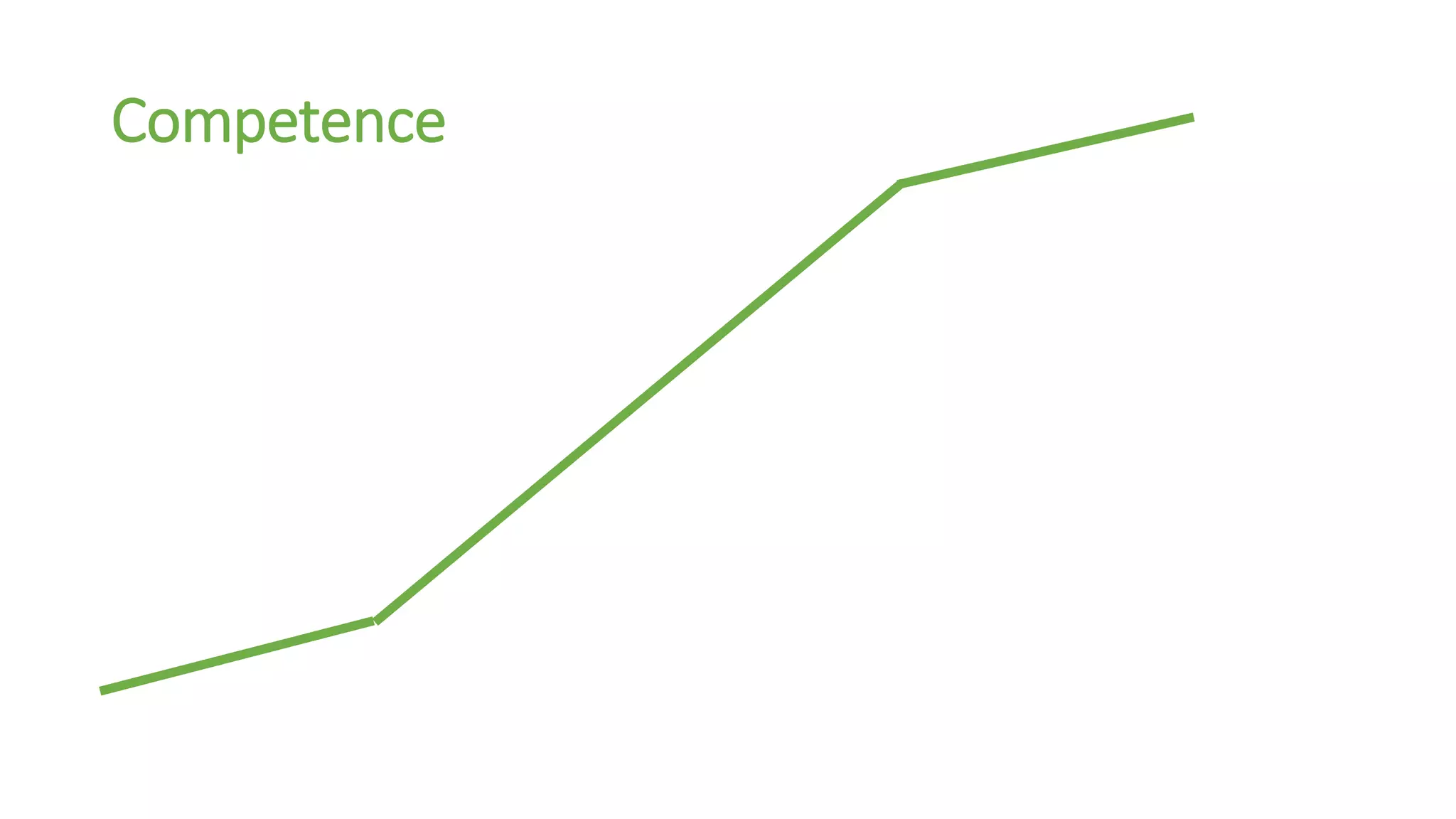
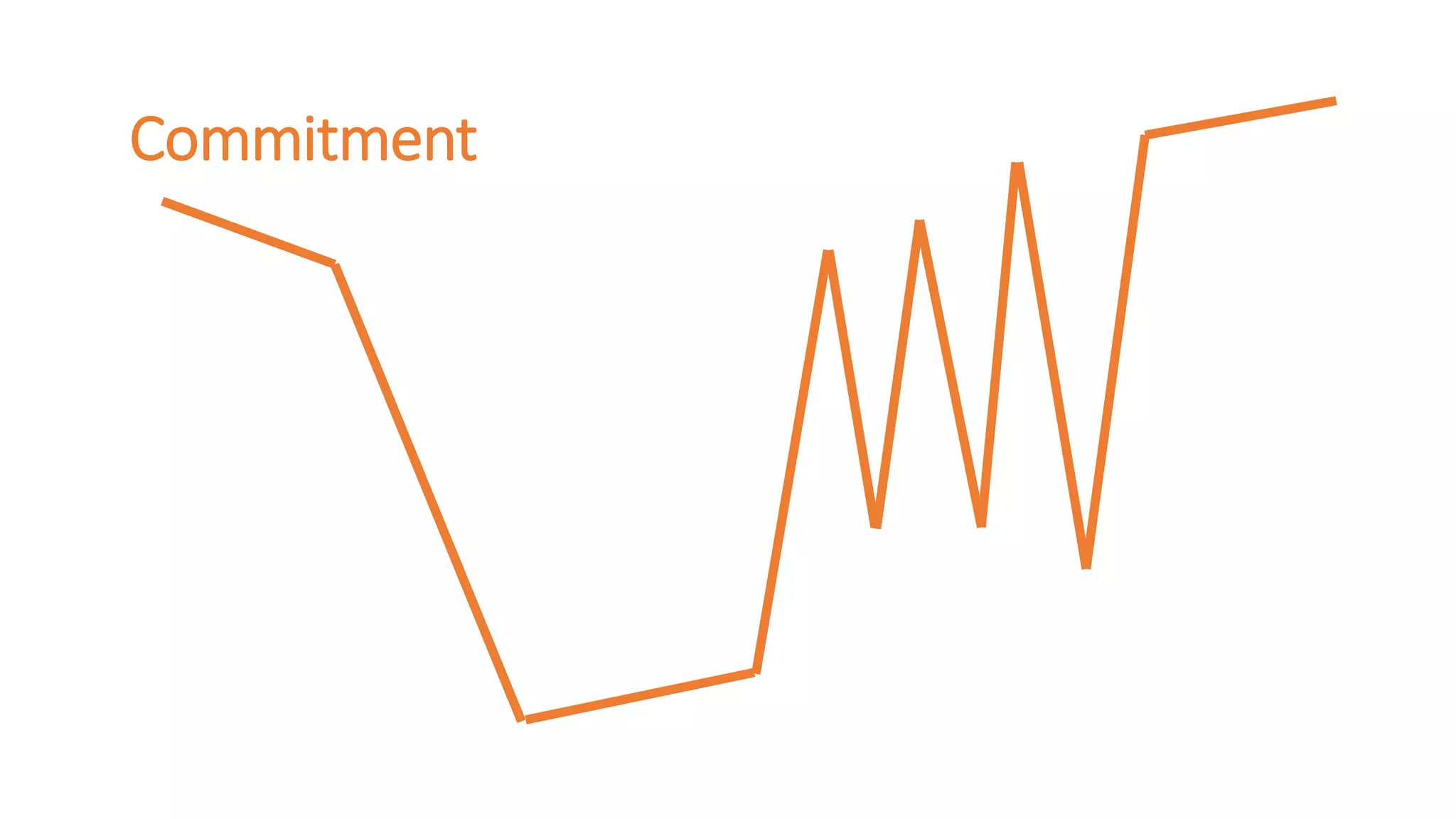
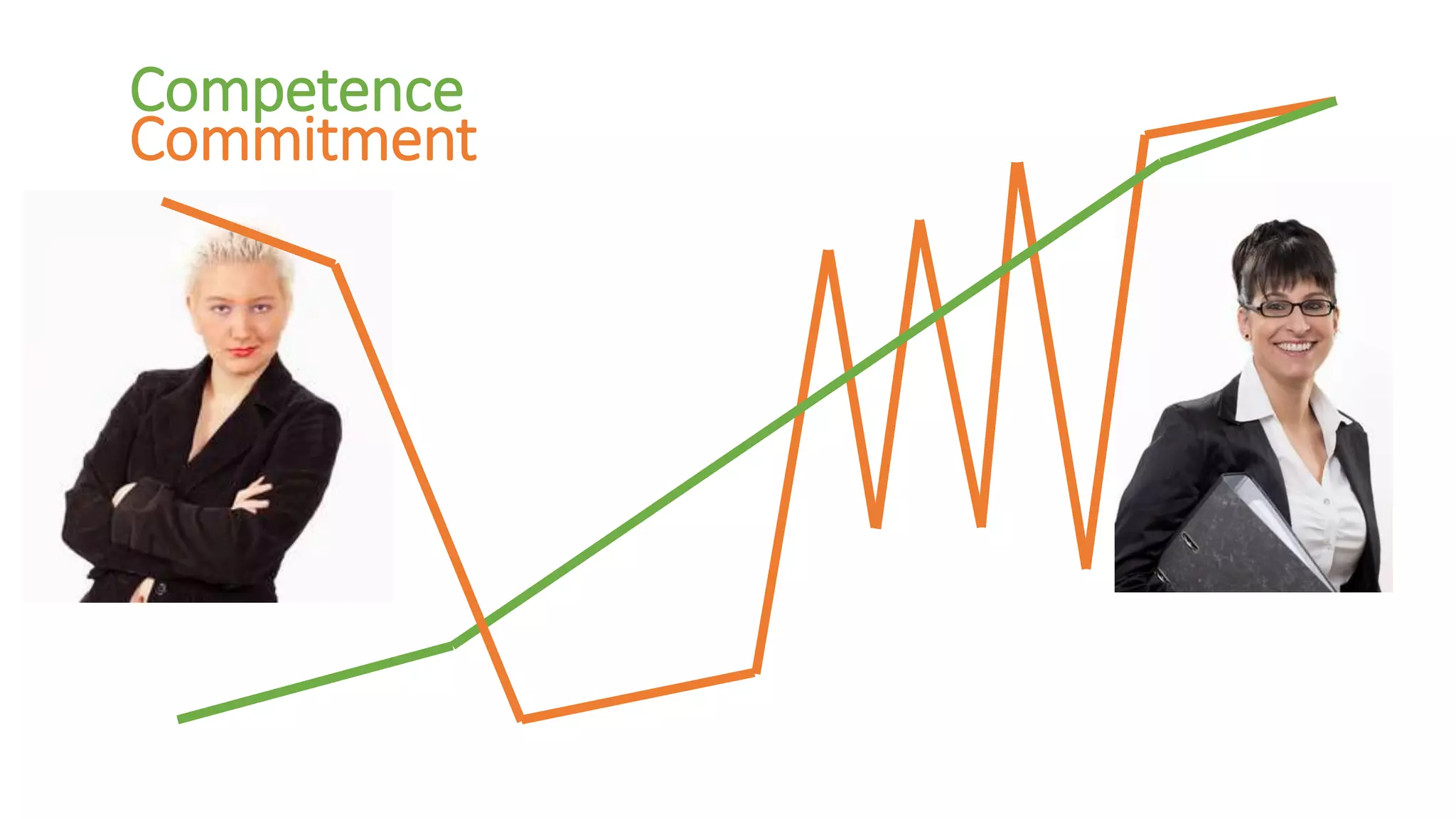
![Ken Blanchard – Situational Leadership
[adapted]
Competence – knowledge and skills
Commitment – motivation and confidence](https://image.slidesharecdn.com/3uwjcl6snijay20fcy1m-signature-be54d2478e07d7621f3968728cee2d4dc7c31ecdf7286c10d455187283db5bff-poli-141101120517-conversion-gate02/75/The-real-learning-curve-6-2048.jpg)
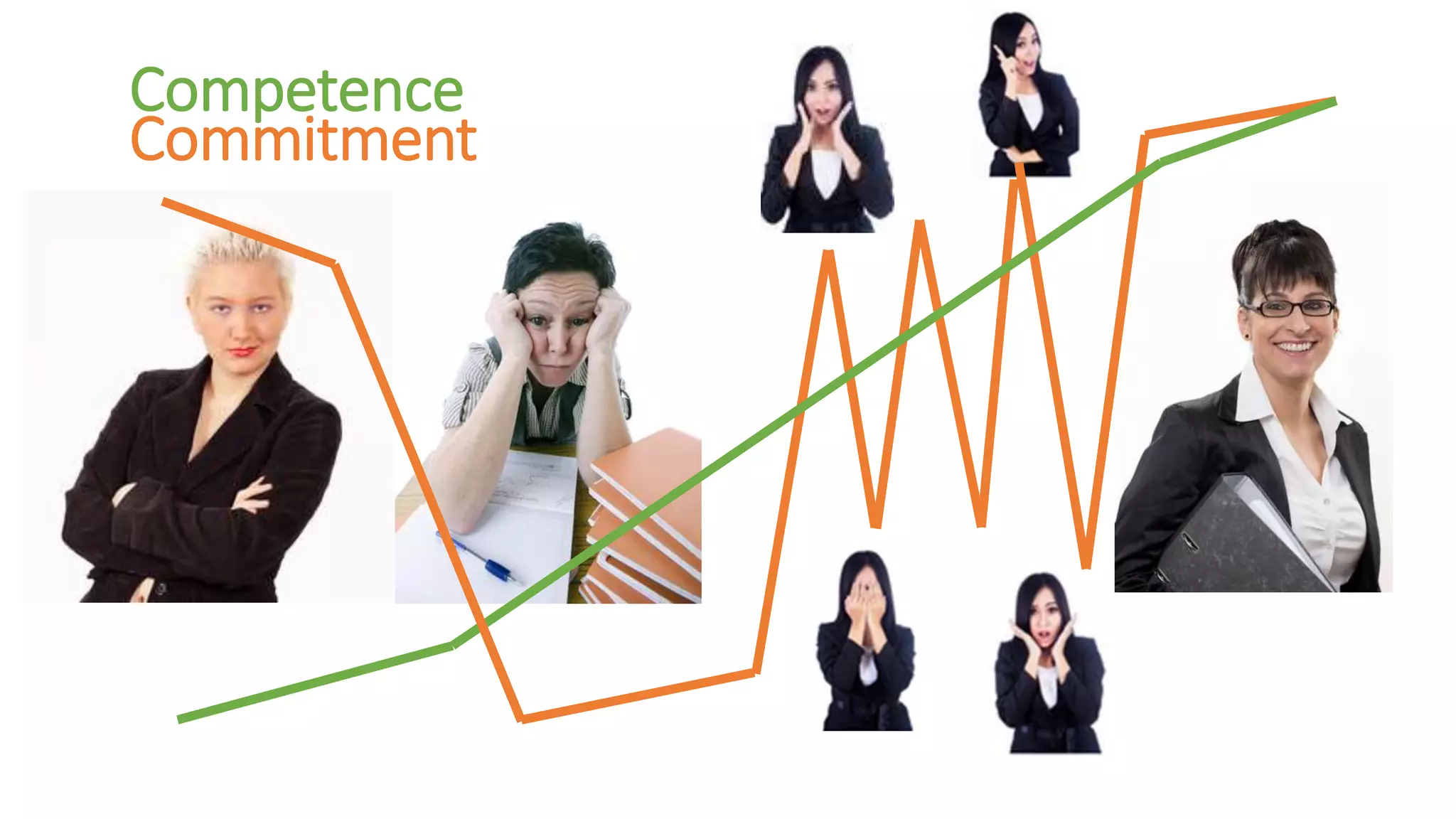
![Adapted from Situational Leadership ii by Ken Blanchard
Commitment
Stages
Low High
X-Axis
Stage 1
Directing
Stage 2
Coaching
20%
Stage 3
Supporting
Stage 4
Delegating
High
Commitment
[Motivation +
confidence]
Competence
[Knowledge
+ skills]
Low
Unconscious
incompetence
Conscious
incompetence
Conscious
Competence
Unconscious
Competence
10/28/2008
Development Stages
10%
formal
10%
formal
significant
person
70%
on the
job](https://image.slidesharecdn.com/3uwjcl6snijay20fcy1m-signature-be54d2478e07d7621f3968728cee2d4dc7c31ecdf7286c10d455187283db5bff-poli-141101120517-conversion-gate02/75/The-real-learning-curve-11-2048.jpg)
![Technology can help us with this process, making it:
• Easier
• More possible/ more frequent [overcoming time/
space barriers]
• More engaging – using rich media and resources
• More effective and efficient
Technology should not be a tool that allows us
[managers] to abdicate responsibility and avoid any
meaningful contact with our staff](https://image.slidesharecdn.com/3uwjcl6snijay20fcy1m-signature-be54d2478e07d7621f3968728cee2d4dc7c31ecdf7286c10d455187283db5bff-poli-141101120517-conversion-gate02/75/The-real-learning-curve-13-2048.jpg)

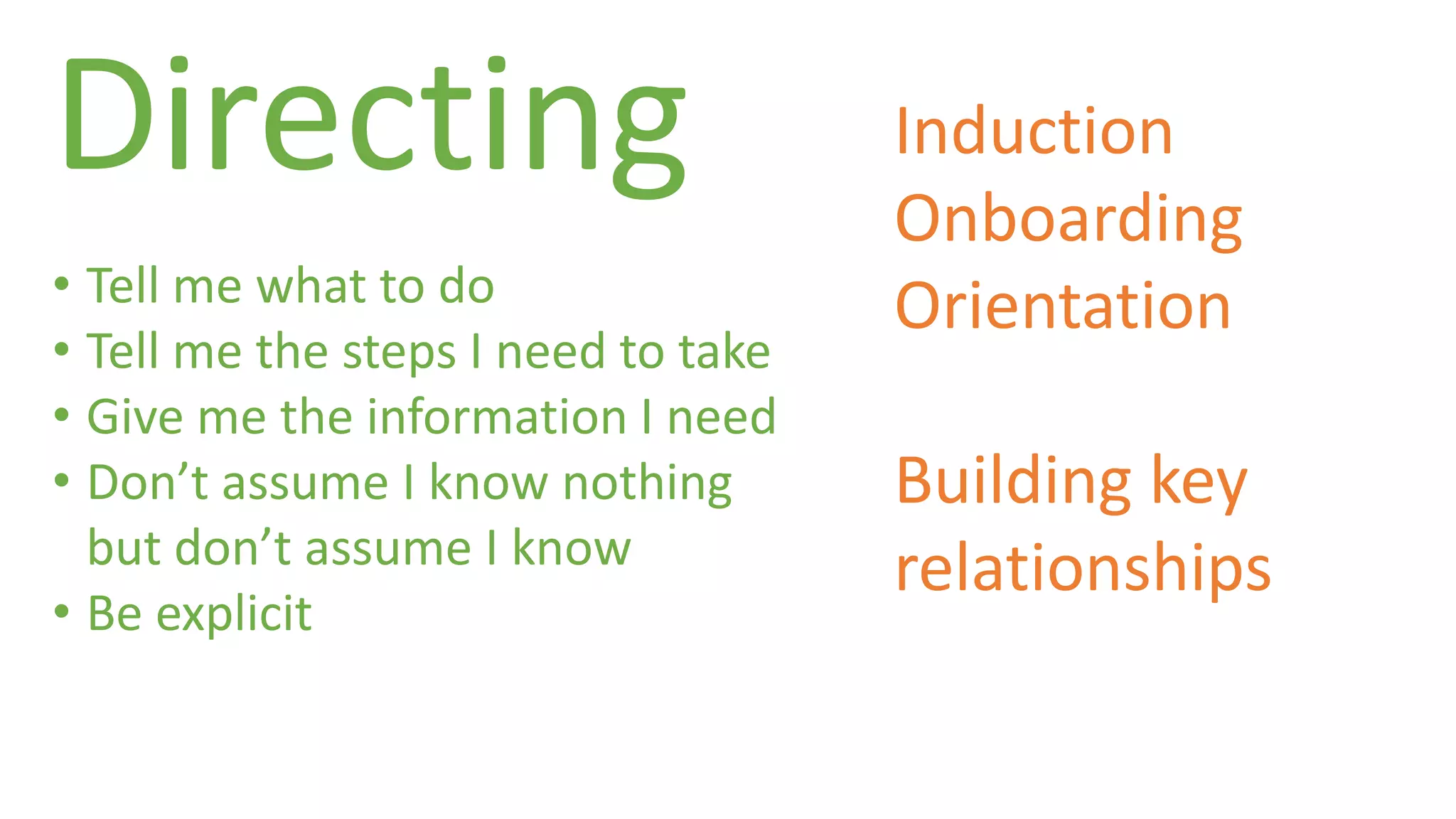
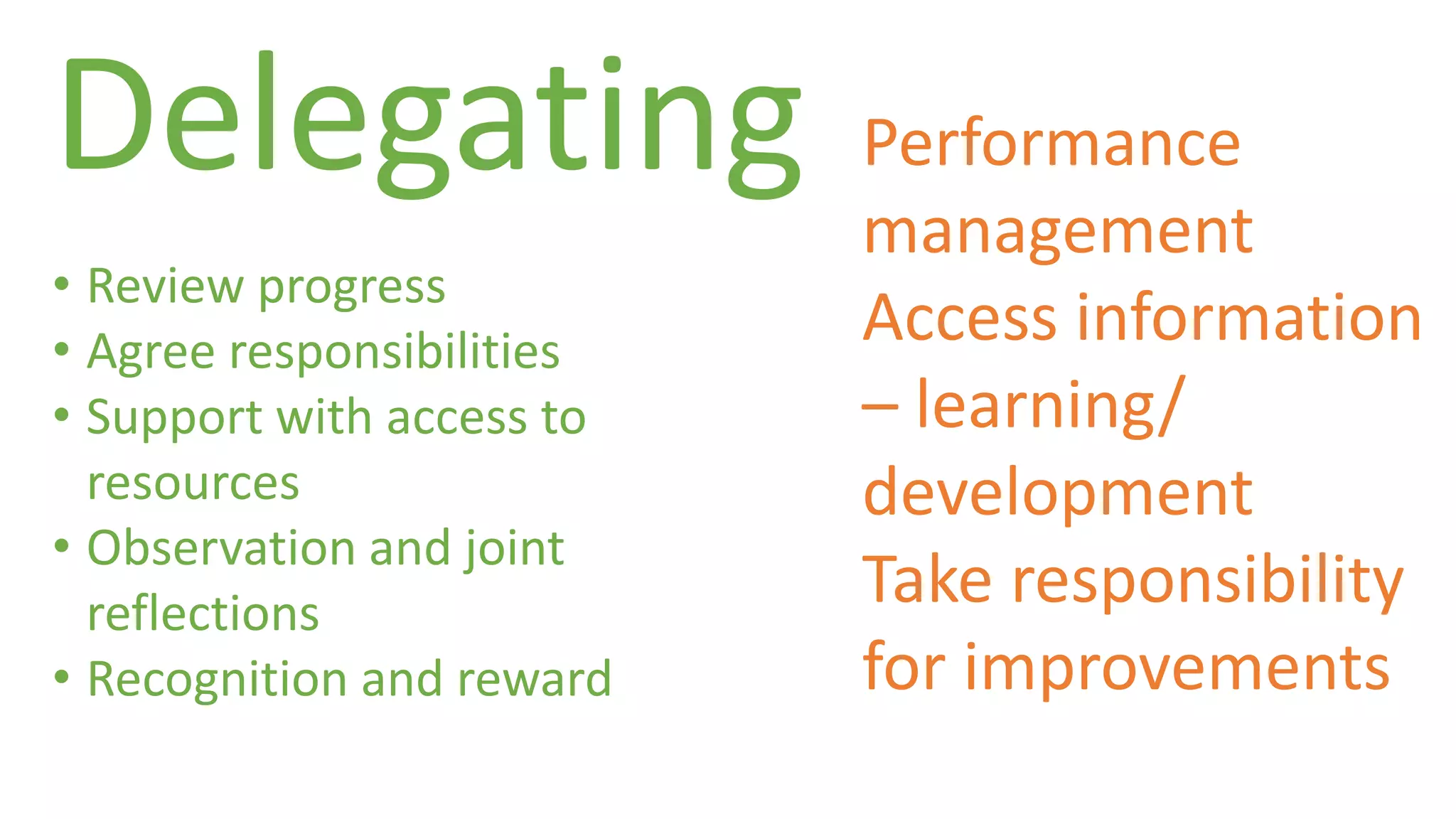
![Directing
Informing
Interpreting
[localising]
Applying
Reviewing
E Learning
generic
local
Video seminars
Webinars
Virtual reality
Simulation
tell
do
Feed
back](https://image.slidesharecdn.com/3uwjcl6snijay20fcy1m-signature-be54d2478e07d7621f3968728cee2d4dc7c31ecdf7286c10d455187283db5bff-poli-141101120517-conversion-gate02/75/The-real-learning-curve-19-2048.jpg)
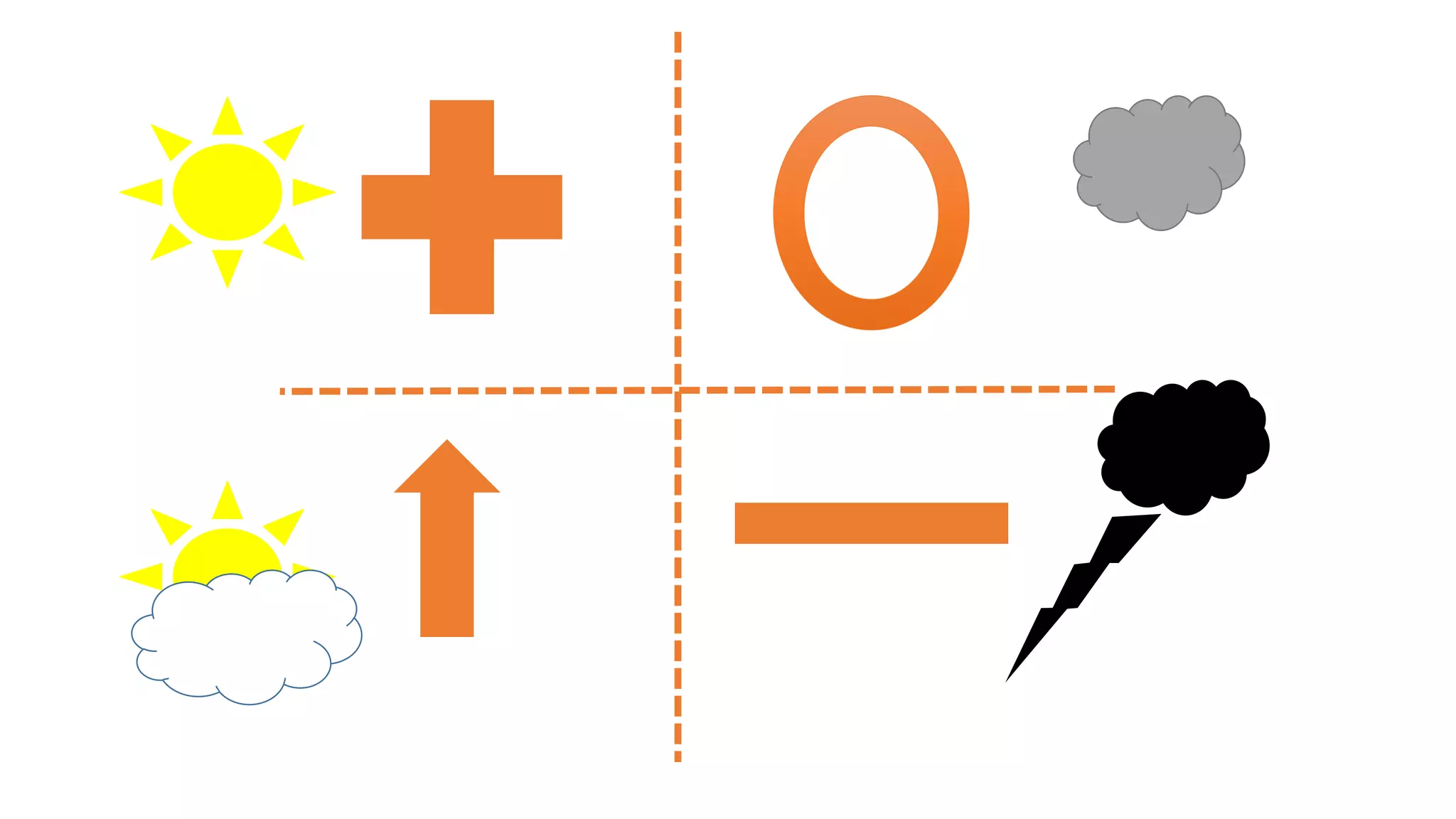
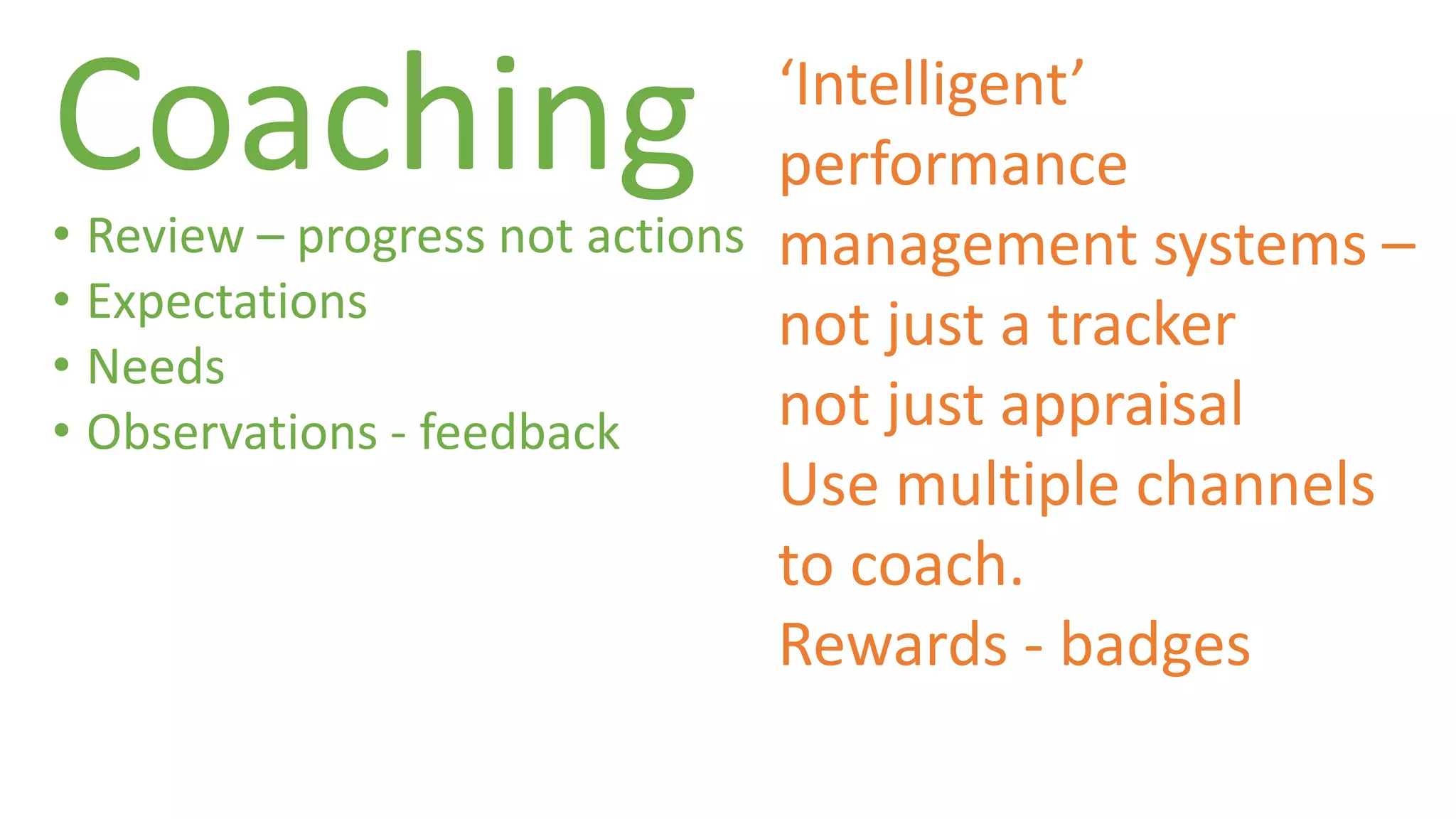
![Coaching
• Agree what needs to be done
[set expectations & get buy in]
• Agree needs [training/
experience/ resources]
• Give feedback – lots of it
• Get feedback
Performance
management
Relationship
building
Learning [on and
offline]](https://image.slidesharecdn.com/3uwjcl6snijay20fcy1m-signature-be54d2478e07d7621f3968728cee2d4dc7c31ecdf7286c10d455187283db5bff-poli-141101120517-conversion-gate02/75/The-real-learning-curve-20-2048.jpg)
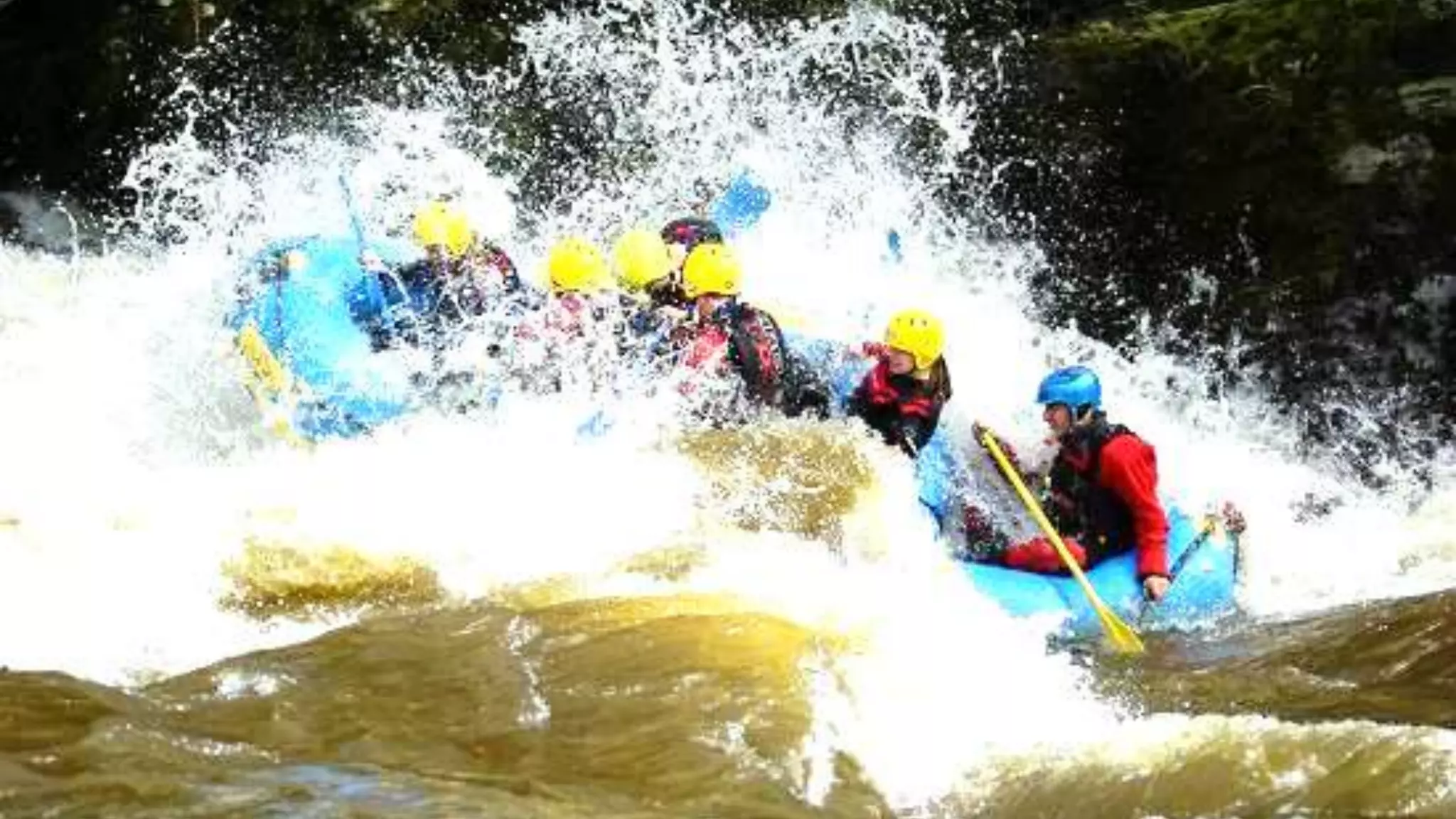
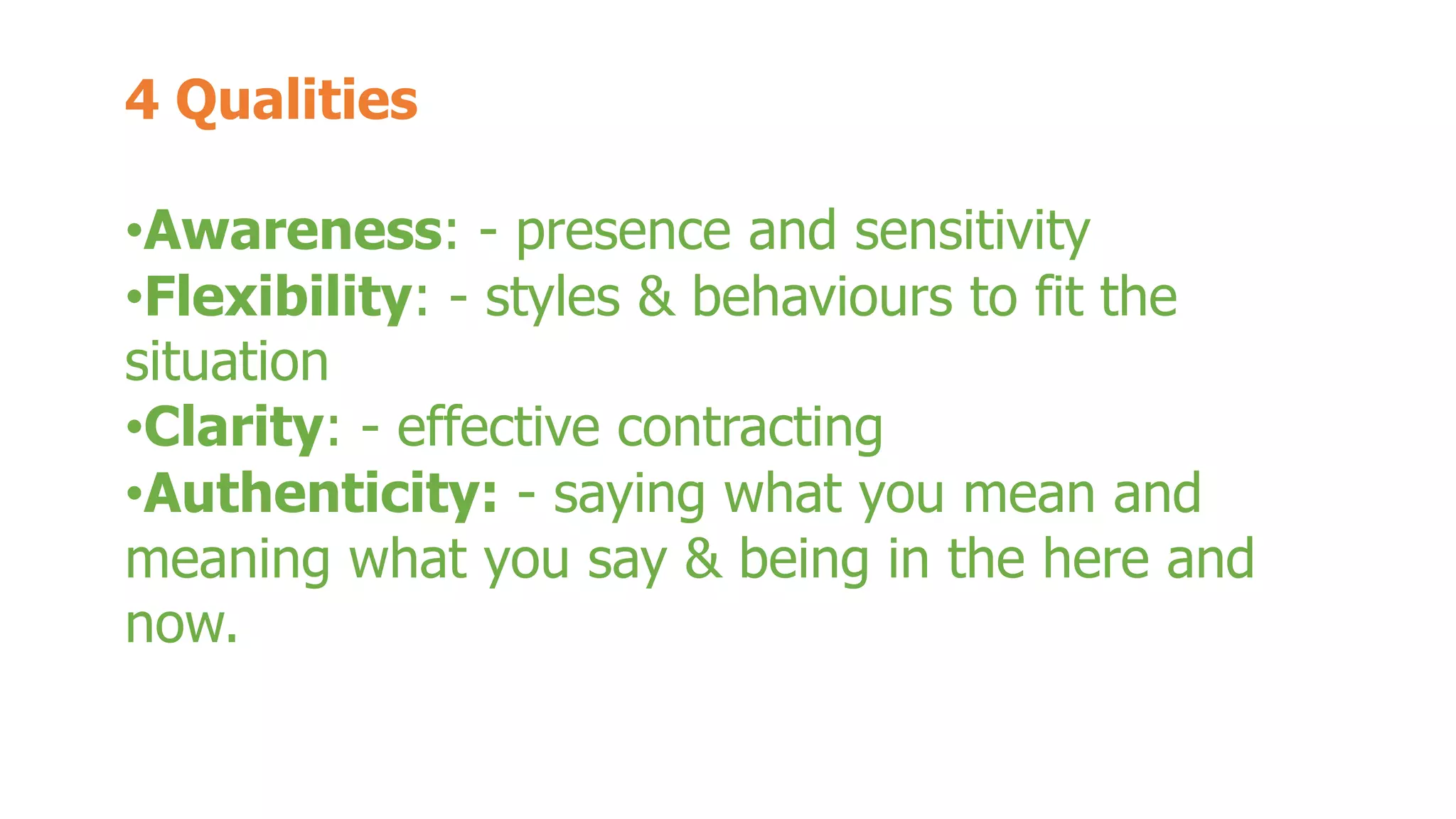
![Supporting [less directive coaching]
• Experimentation
• Research – self guided
learning
• Risk taking [supported]
• Directive and positive
feedback
• Explicit – avoid assumptions
• Ask lots of questions and
prompt lots of questions
Simulation – AR/VR
Gamification
Information/ learning
Small chunk learning
Action learning
Solutions circles](https://image.slidesharecdn.com/3uwjcl6snijay20fcy1m-signature-be54d2478e07d7621f3968728cee2d4dc7c31ecdf7286c10d455187283db5bff-poli-141101120517-conversion-gate02/75/The-real-learning-curve-24-2048.jpg)
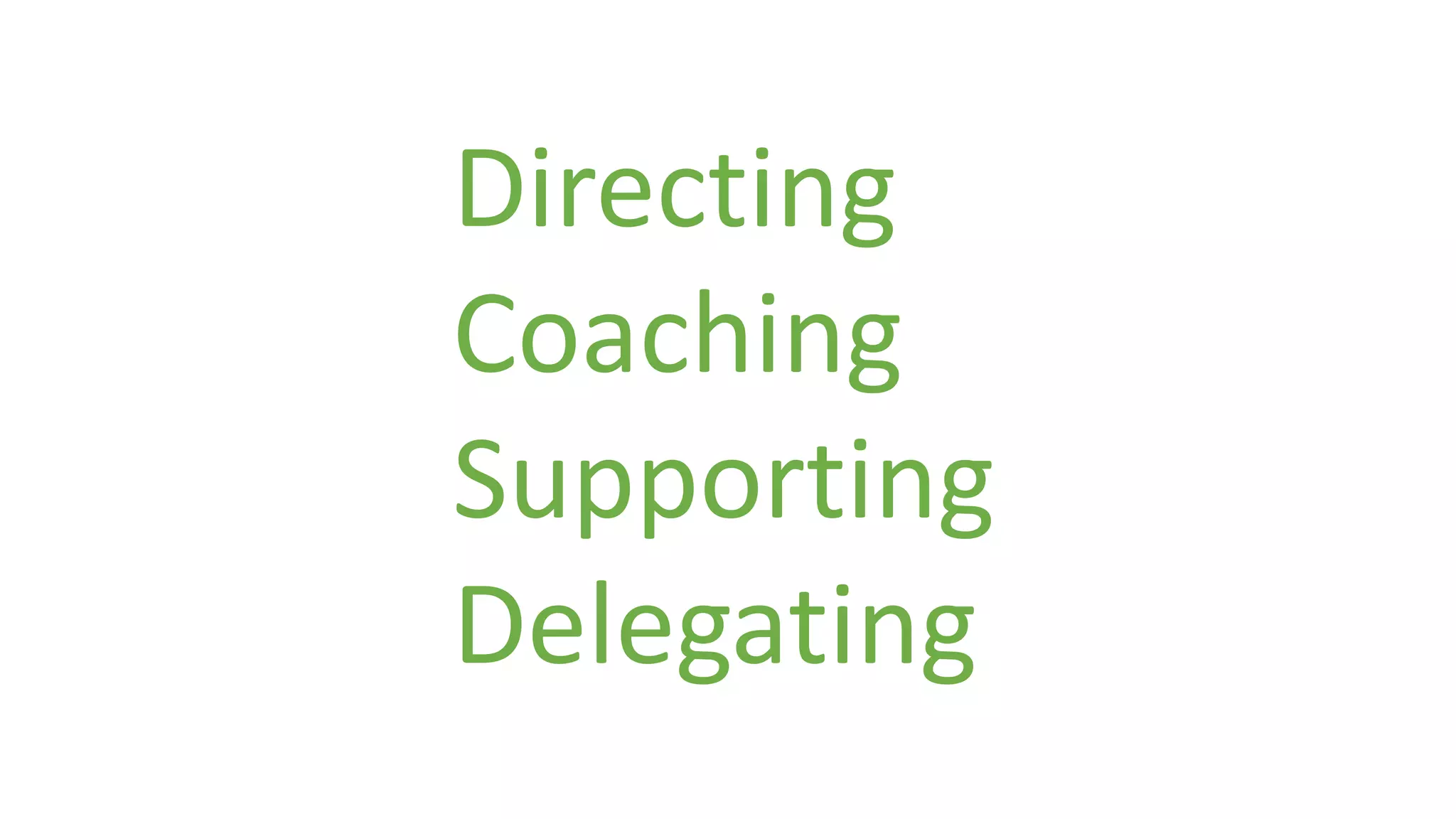

The document discusses the learning process and leadership styles adapted from Ken Blanchard's Situational Leadership, emphasizing the importance of competence and commitment in developing skills. It highlights the role of technology in enhancing engagement and effectiveness in learning environments while outlining the qualities of a modern 'social' manager. Additionally, it explores various teaching methodologies, including coaching, supporting, and delegating, as key components of performance management and employee development.


![[1] 20081021 Personality Development and Small Group Activity - Bhoj Redd...](https://cdn.slidesharecdn.com/ss_thumbnails/1-20081021-slbvp-sga-for-1st-yr-studs-21s-1227446894608003-9-thumbnail.jpg?width=640&height=640&fit=bounds)


