The LEISA Network www.leisa.info Euforic Annual Meeting 4-6 June 2007 Brussels Wilma Roem  ILEIA  Centre for Information on Low External Input and Sustainable Agriculture Amersfoort
The objective To show how, over the last 23 years ILEIA has developed the worldwide LEISA (Low External Input Sustainable Agriculture) NETWORK Highlighted will be: The process of collecting and validating “knowledge” The methodology underlying the editorial approach The role of networking in this process
ILEIA’s Mission:  The development and promotion of LEISA to smallholders in developing countries: Contribute to the alleviation of poverty  Enhance ecological sustainability  Safeguard social and cultural integrity
 
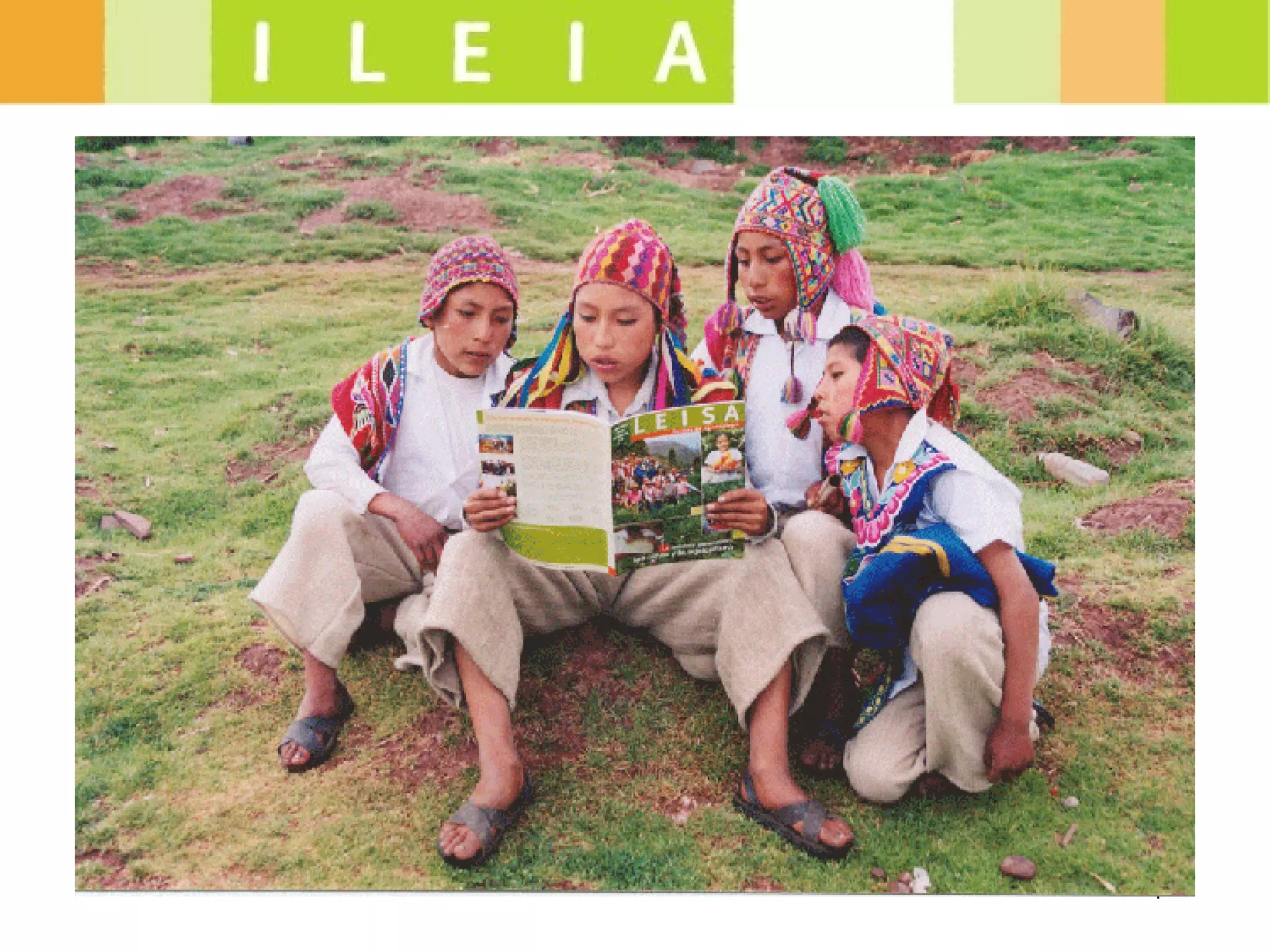
Exchange of information Exchange with partner organisations  -> w ith broader community -> authors/readers and beyond: visitors website Aim: Building and Sharing LEISA knowledge Tools:  LEISA Magazines Regional partner organisations Interactive LEISA Website
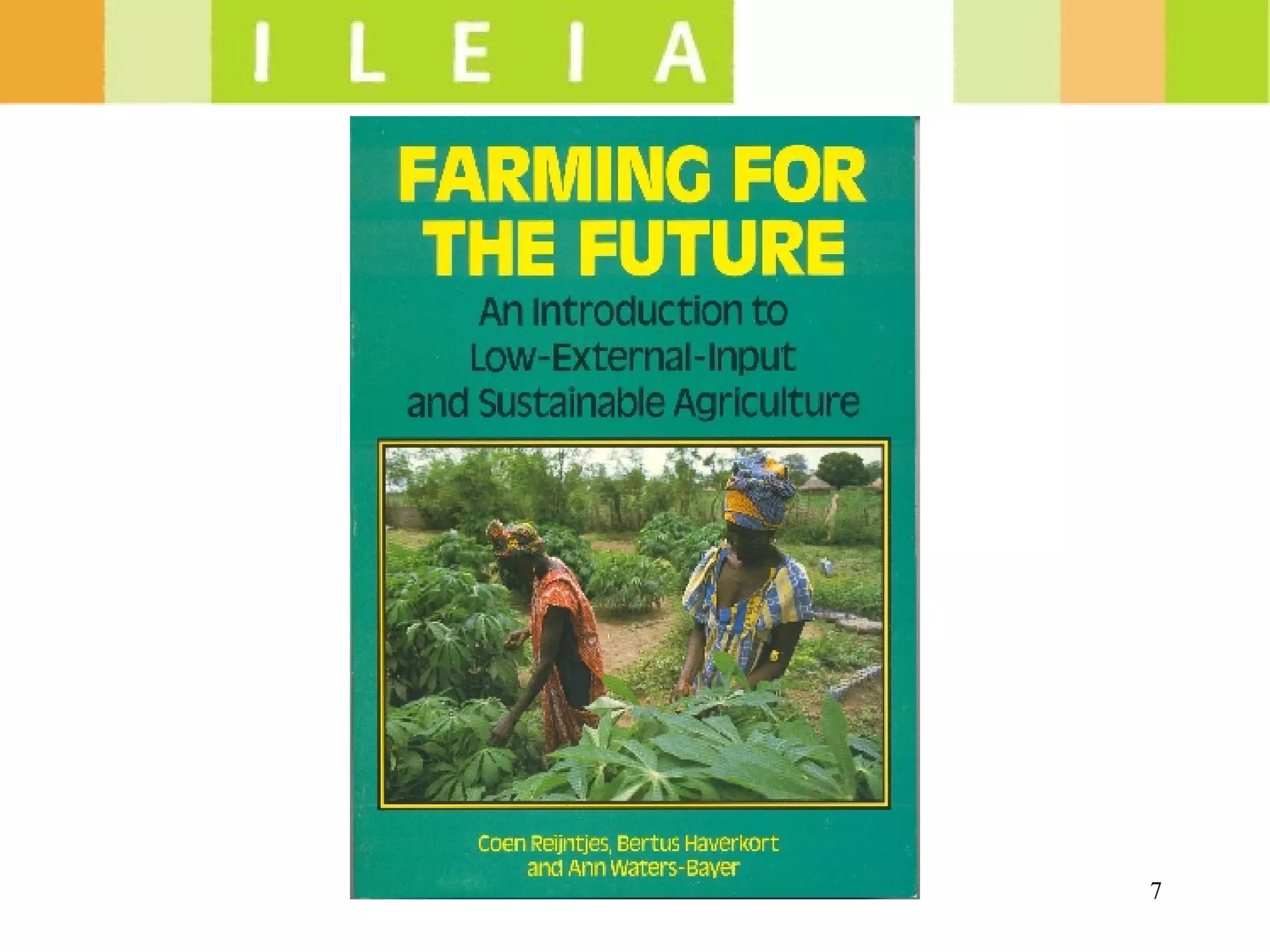
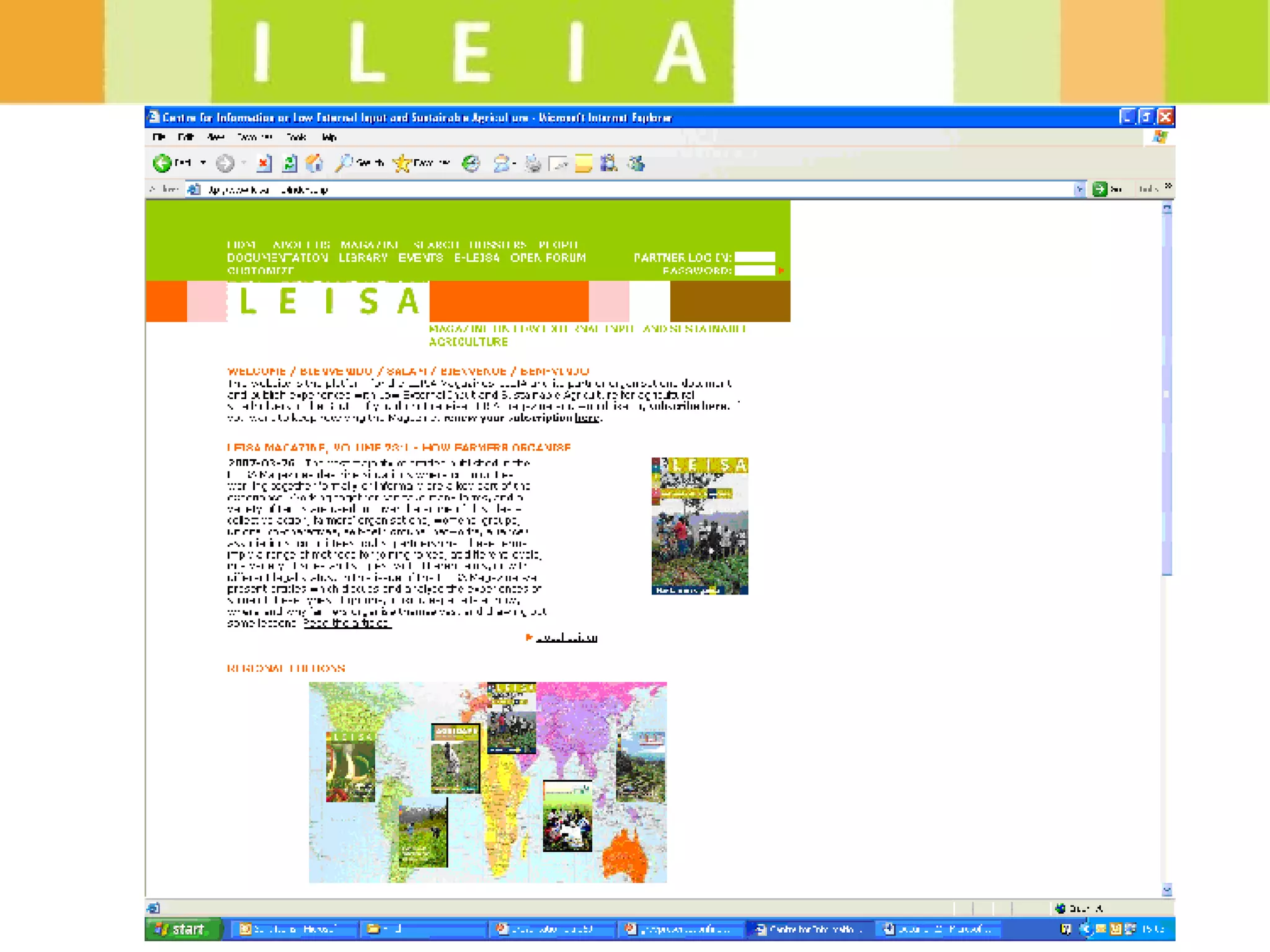
Developing the LEISA concept: ILEIA started in 1984 Options for agriculture more relevant to small scale farmers Only tacit knowledge Reports, memos and stories only available in grey sector Building up knowledge about LEISA Publish this knowledge  Well-known collection of articles LEISA Magazines
 
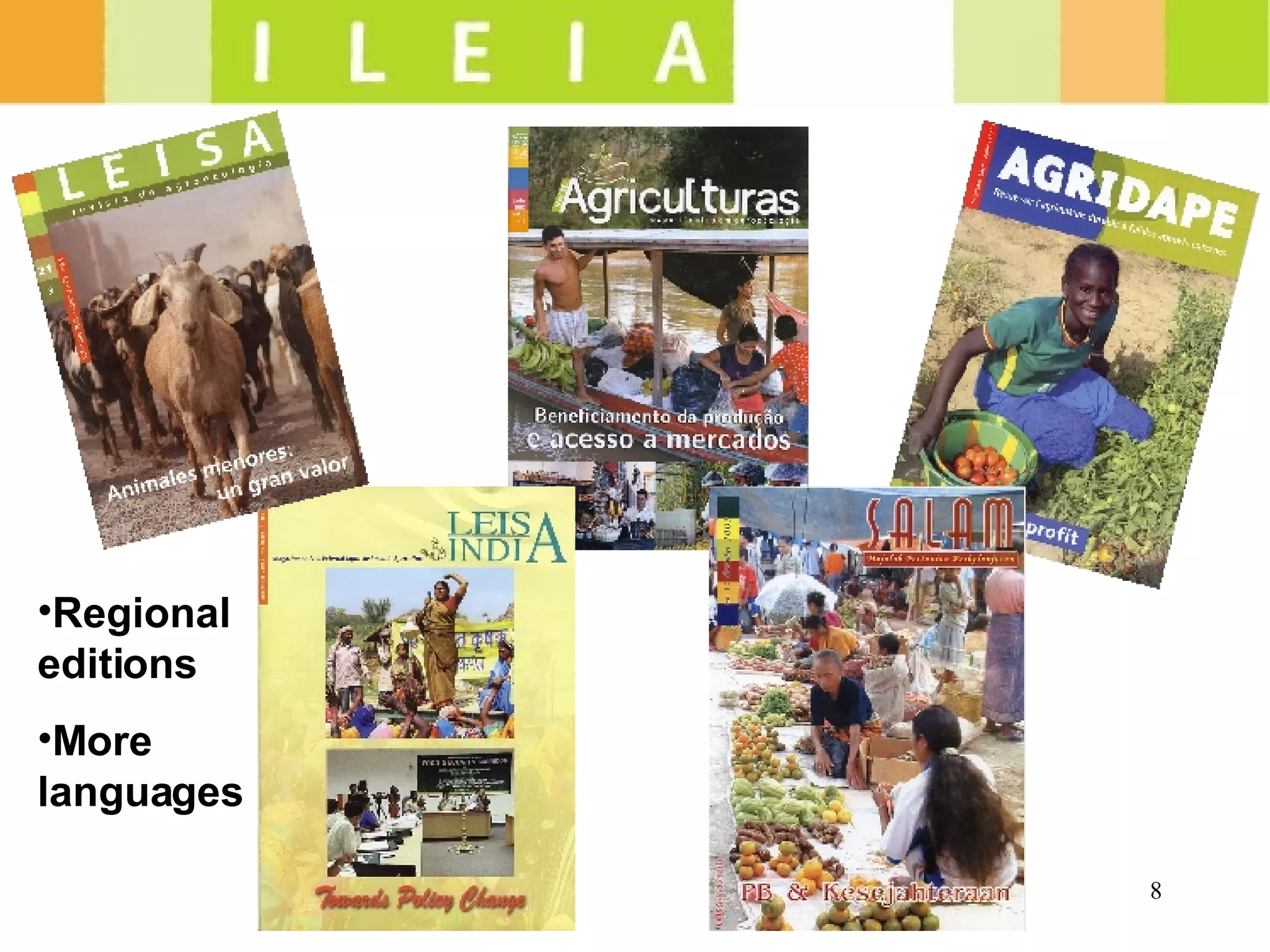
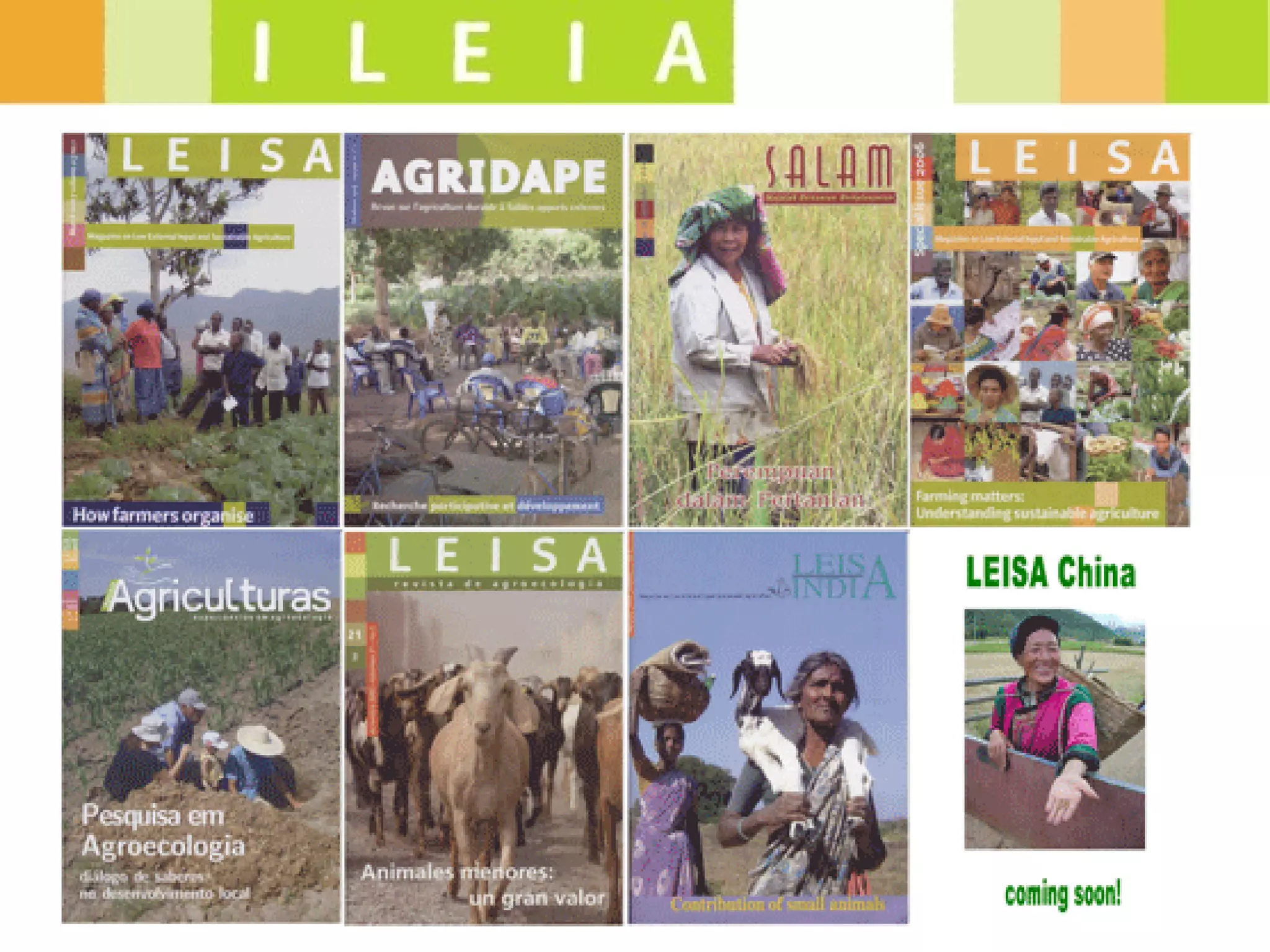
Regional editions More languages
 
 
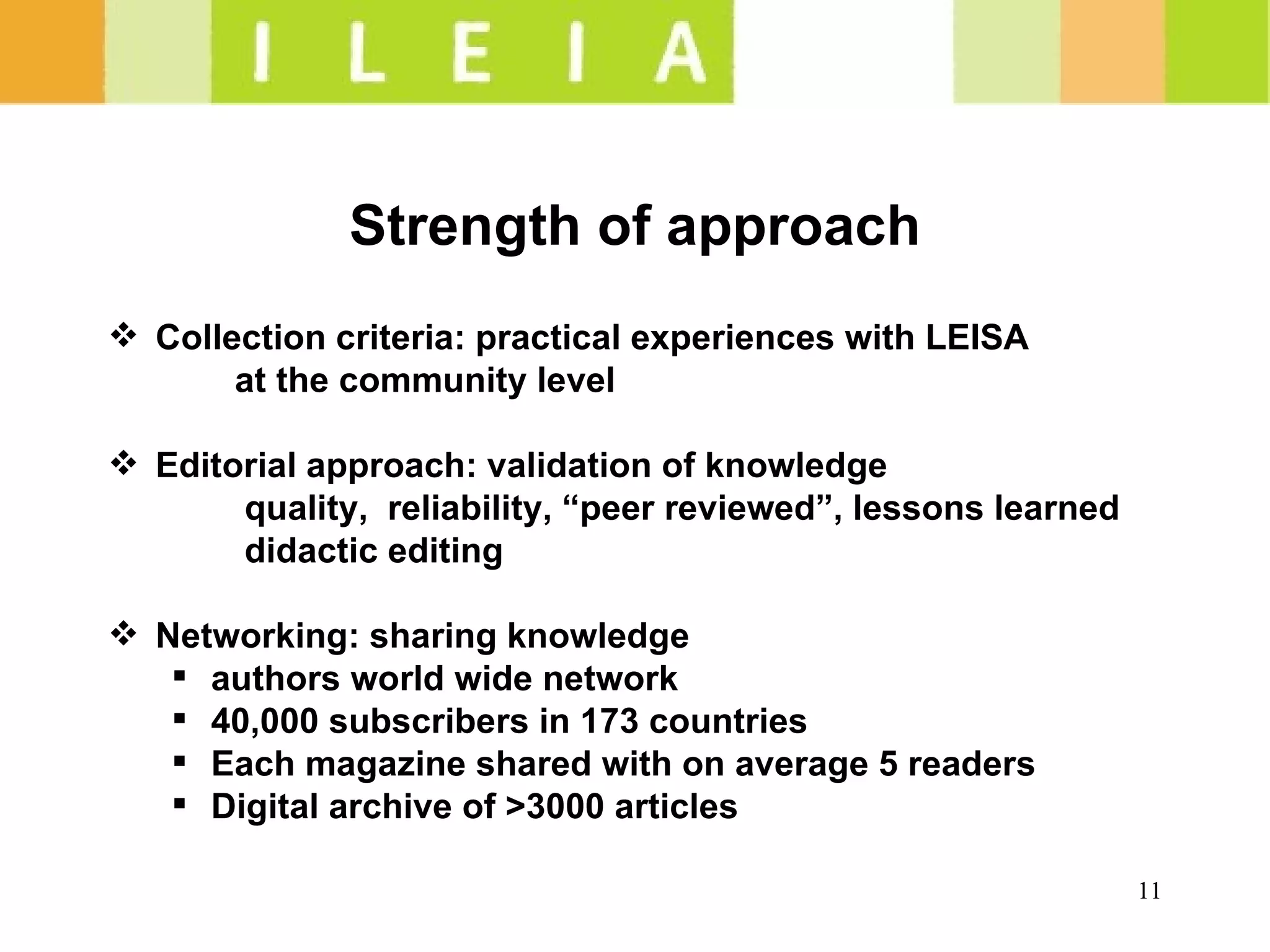
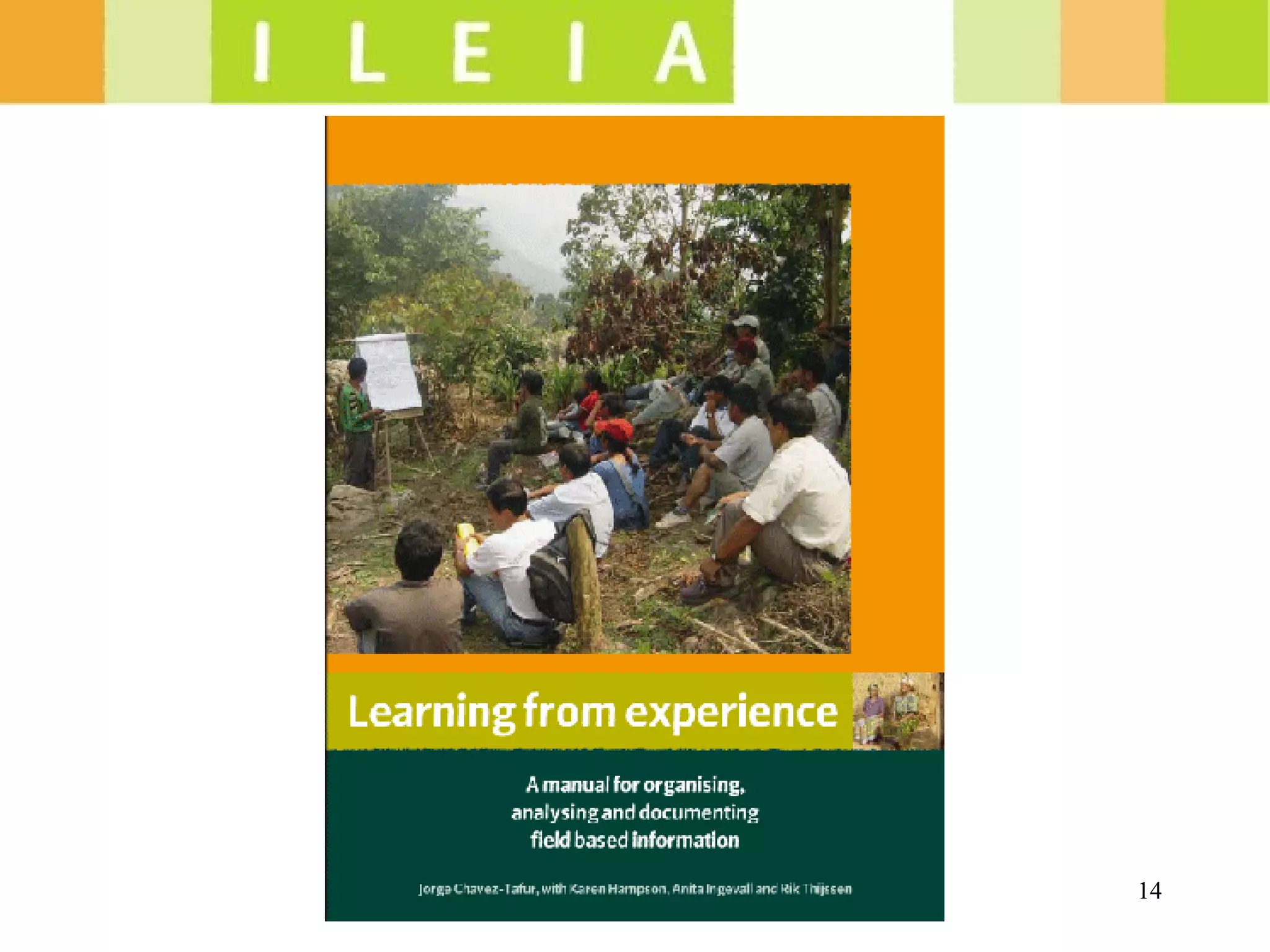
Strength of approach Collection criteria: practical experiences with LEISA at the community level Editorial approach: validation of knowledge    quality,  reliability, “peer reviewed”, lessons learned   didactic editing Networking: sharing knowledge authors world wide network 40,000 subscribers in 173 countries Each magazine shared with on average 5 readers Digital archive of >3000 articles
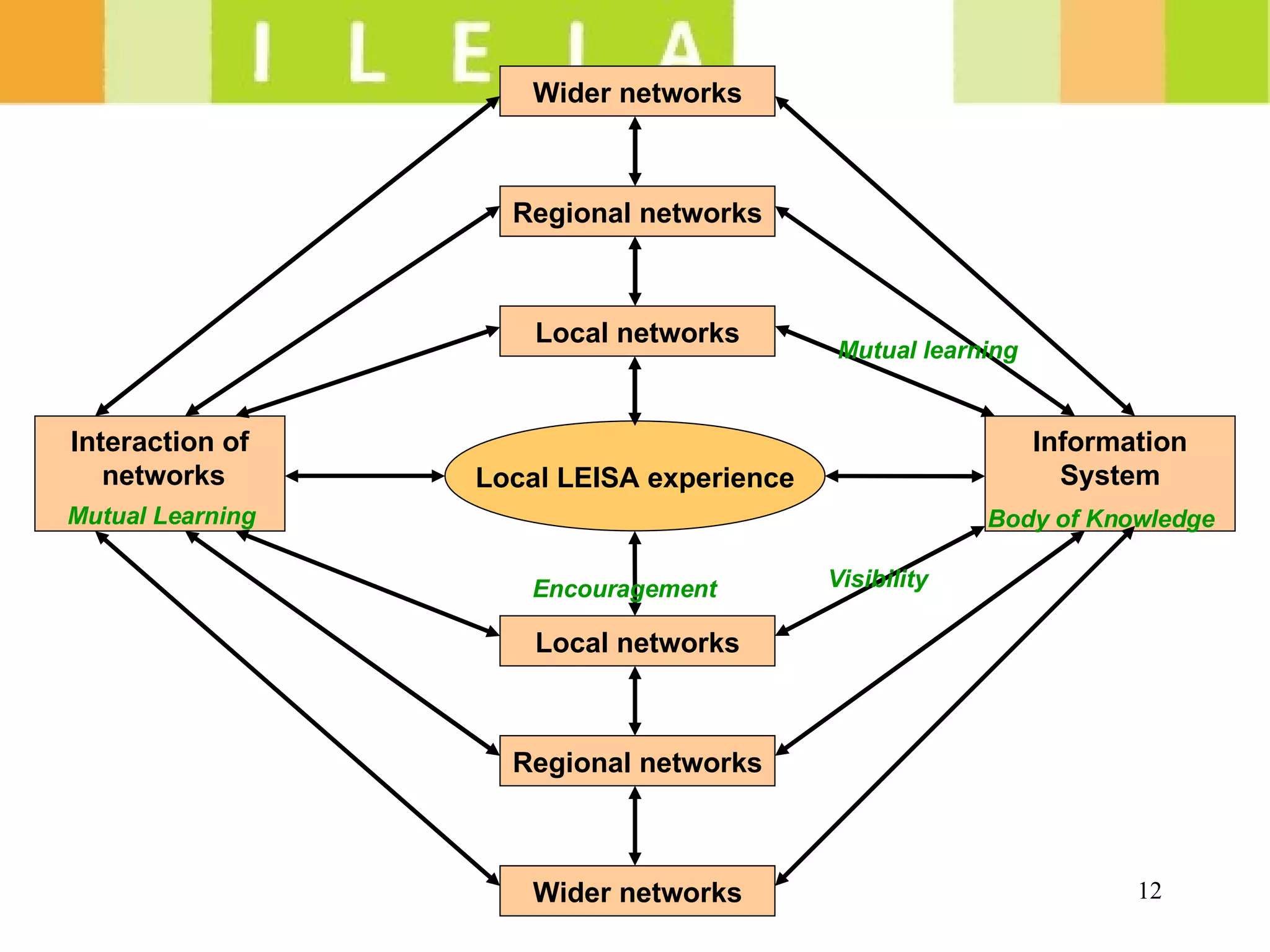
Wider networks Local LEISA experience Regional networks Local networks Local networks Regional networks Wider networks Interaction of networks Information System Mutual learning Body of Knowledge Mutual Learning Encouragement Visibility
Challenges for LEISA network From dissemination to exchange  Reach the field level and the policy level Get people to document their experiences Ensure continuous funding
 
Policy: beyond 2007   Learning network:  LEISA series Farming matters Documentation programme Capacity building partners Increase network: Find new partners  more languages/regions Synergy Website with Magazines Improve network: Regional networks (partners) Involvement partners, authors, readers Advocacy
Discussion points Increase exchange of knowledge Use of website in networking Monitoring impact of networking

The LEISA Network

  • 1.
      The LEISANetwork www.leisa.info Euforic Annual Meeting 4-6 June 2007 Brussels Wilma Roem ILEIA Centre for Information on Low External Input and Sustainable Agriculture Amersfoort
  • 2.
    The objective Toshow how, over the last 23 years ILEIA has developed the worldwide LEISA (Low External Input Sustainable Agriculture) NETWORK Highlighted will be: The process of collecting and validating “knowledge” The methodology underlying the editorial approach The role of networking in this process
  • 3.
    ILEIA’s Mission: The development and promotion of LEISA to smallholders in developing countries: Contribute to the alleviation of poverty Enhance ecological sustainability Safeguard social and cultural integrity
  • 4.
  • 5.
    Exchange of informationExchange with partner organisations -> w ith broader community -> authors/readers and beyond: visitors website Aim: Building and Sharing LEISA knowledge Tools: LEISA Magazines Regional partner organisations Interactive LEISA Website
  • 6.
    Developing the LEISAconcept: ILEIA started in 1984 Options for agriculture more relevant to small scale farmers Only tacit knowledge Reports, memos and stories only available in grey sector Building up knowledge about LEISA Publish this knowledge Well-known collection of articles LEISA Magazines
  • 7.
  • 8.
  • 9.
  • 10.
  • 11.
    Strength of approachCollection criteria: practical experiences with LEISA at the community level Editorial approach: validation of knowledge quality, reliability, “peer reviewed”, lessons learned didactic editing Networking: sharing knowledge authors world wide network 40,000 subscribers in 173 countries Each magazine shared with on average 5 readers Digital archive of >3000 articles
  • 12.
    Wider networks LocalLEISA experience Regional networks Local networks Local networks Regional networks Wider networks Interaction of networks Information System Mutual learning Body of Knowledge Mutual Learning Encouragement Visibility
  • 13.
    Challenges for LEISAnetwork From dissemination to exchange Reach the field level and the policy level Get people to document their experiences Ensure continuous funding
  • 14.
  • 15.
    Policy: beyond 2007 Learning network: LEISA series Farming matters Documentation programme Capacity building partners Increase network: Find new partners more languages/regions Synergy Website with Magazines Improve network: Regional networks (partners) Involvement partners, authors, readers Advocacy
  • 16.
    Discussion points Increaseexchange of knowledge Use of website in networking Monitoring impact of networking

Editor's Notes