By
Prof. Waswa Balunywa, PhD
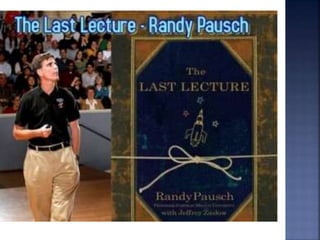
 The last lecture given by RANDY PAUSCH, a
professor of Computer Science at Carnegie
Mellon University in the U.S
 Now a book, one of the best selling books
 The lecture entitled, “Really achieving your
childhood dreams”
 Pausch was diagnosed with terminal
pancreatic cancer
 This made him prepare for his last lecture
 Given three to six months to live in 2007
 He died in July 2008 at the age 47
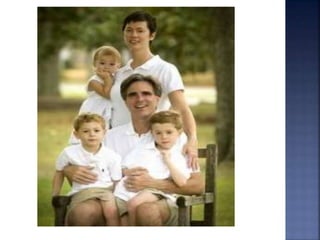
 Survived by his wife Jai and three children
Dylan, Logan and Chloe
 Lecture was made in 2007Translated into 48
languages
 The book talks about what he wanted to do
 , was about the things he wanted to do for
his family
 Was about what to do when you have 3
months to live
 How to live and achieve what you dream
 The lecture was transformed into a book
 One of the best selling books according to
New York times
 Books sold over 5 million copies
 Translated into 48 languages
??You need to read it
 It is about what we don’t teach you at the
Business School
 Its about how to be different
 Its about orchestrating the right change in
your life
Its about how to dream and live
your dream by orchestrating the
change you want to see in your
life
 What did you think about when you were
young?
 What did you want to be in your life
 Where is that now?
 Have you got another dream
 It doesn’t matter anyway, you need a new
dream
 This is how
 Free imagination
 Everything is possible
 Think long term
 Use technology
 Be creative
 Think 10 years ahead and work backwards
the present
 Manage the future from the present
 Be practical
 I am not a creative person
 Follow all the rules
 Don’t be foolish
 To make a mistake is wrong
 Avoid ambiguity
 That is not logical
 I cannot do that
 That is not the right answer.
 Have a long term focus
 Have a mission
 Develop a passion
 Discover knowledge
 Be efficient
 Identify people to work with
 Be different where possible be radical
 Don’t be greedy
 Don’t be arrogant
 Don’t be negative
 Be cautious, negative envy always gets back
to you
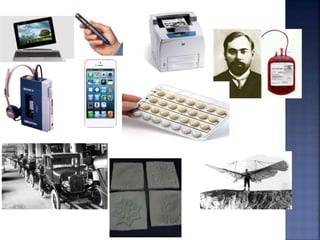
 The Pill
 The Disposable Nappy
 Biometrics
 The Fax Machine
 The Internet
 The Email
 Just in Time
Management
 VHS
 The Walkman
 The PC
 The Post-it note
 The Compact Disc
 The Digital
Camera
 The Tablet
 The Smart Phone
 The Search Engine
 What do they teach you at the Business
School
 What they don’t teach you at the Business
School
 What you must do to achieve the dream
 Only what you hear in class is what is get.
 So you know what happens when you don’t
attend?
 You are supposed to be taught
How to think,
How to analyze situations,
How to take decisions
How to manage money
How to manage people
Read a book by
Philip Delves
Broughton
 How to live life
 How to earn a living
 How to make more money
 How to gain control over money
 How to succeed in your career
 How to live your dream
 How to be a leader
Read a book by Mark
McCormack
 Create and don’t simply manage change
 Know what you want
 Try something different
 Don’t be a number
 God doesn’t make junk
o Tomorrow Will Never Look Like Today
o Change Is The Only Constant
o Change Of The Status Quo
o You Either Change Or You Die
22By Prof. Waswa Balunywa
o Vision
o Develop your leadership abilities
o Develop your interpersonal skills
o Apply knowledge
o Focus on customers
o Adopt technology
o Reinvent yourself
o Reinvent the organisation
23By Prof. Waswa Balunywa
 The obstacle is you
 Remember David and Goliath, nobody
thought it would be possible
 Expect to be disrupted by negative people
 Dream big, start small
 An army of lions led by sheep is worse than
an army of sheep led by a lion
 You must be able to lead to get ahead
 Leadership can be learnt, learn it
 Only leaders create a compelling vision of
the future
 Only leadership inspires others
 Empowering others gets back to you
 Listen to people
 Have empathy
 Be able to communicate
 Create winning teams
 Manage conflict
 Avoid being egoistic
 Read, read, read
 Think, think, think
 Relate, relate, relate
 Act, act, act
 Know who you work with or who you work for
 If you are an organisation, know who your
customers are
 Connect with the customers
 Anticipate what they want
 Create products they would love
Case of the I-Mac
Create a unique business model
 Follow technological trends
 Be an early adapter
 Try out things
 Watch out for the latest technological
developments:
Mobile technology, laser technology,
distributed computing, the internet
 When did you study
 What did you study
 What is current in your field
 Don’t become obsolete
Note: Analogue Vs Digital technology
Ordinary Vs Endoscopic surgery
1. See the new big picture
2. Think ten years out and plan back to the future
3. Build change in plan
4. Past success is your worst enemy
5. Focus on your customer future needs
6. Build a better path to the customer
7. Learn to fail fast
8. If it works, its obsolete
9. Upgrade technology and upgrade people
10. Re-become an expert
11. Find out what the other guy is doing and do
something else
31By Prof. Waswa Balunywa
 Have a vision, mission and passion
 Gain knowledge
 Learn to relate to people
 Be different
The last lecture

The last lecture

  • 1.
  • 2.
     The lastlecture given by RANDY PAUSCH, a professor of Computer Science at Carnegie Mellon University in the U.S  Now a book, one of the best selling books  The lecture entitled, “Really achieving your childhood dreams”  Pausch was diagnosed with terminal pancreatic cancer  This made him prepare for his last lecture
  • 4.
     Given threeto six months to live in 2007  He died in July 2008 at the age 47  Survived by his wife Jai and three children Dylan, Logan and Chloe  Lecture was made in 2007Translated into 48 languages  The book talks about what he wanted to do
  • 5.
     , wasabout the things he wanted to do for his family  Was about what to do when you have 3 months to live  How to live and achieve what you dream
  • 7.
     The lecturewas transformed into a book  One of the best selling books according to New York times  Books sold over 5 million copies  Translated into 48 languages
  • 8.
  • 9.
     It isabout what we don’t teach you at the Business School  Its about how to be different  Its about orchestrating the right change in your life Its about how to dream and live your dream by orchestrating the change you want to see in your life
  • 10.
     What didyou think about when you were young?  What did you want to be in your life  Where is that now?  Have you got another dream  It doesn’t matter anyway, you need a new dream  This is how
  • 11.
     Free imagination Everything is possible  Think long term  Use technology  Be creative  Think 10 years ahead and work backwards the present  Manage the future from the present
  • 12.
     Be practical I am not a creative person  Follow all the rules  Don’t be foolish  To make a mistake is wrong  Avoid ambiguity  That is not logical  I cannot do that  That is not the right answer.
  • 13.
     Have along term focus  Have a mission  Develop a passion  Discover knowledge  Be efficient  Identify people to work with  Be different where possible be radical
  • 14.
     Don’t begreedy  Don’t be arrogant  Don’t be negative  Be cautious, negative envy always gets back to you
  • 15.
     The Pill The Disposable Nappy  Biometrics  The Fax Machine  The Internet  The Email  Just in Time Management  VHS  The Walkman  The PC  The Post-it note  The Compact Disc  The Digital Camera  The Tablet  The Smart Phone  The Search Engine
  • 16.
     What dothey teach you at the Business School  What they don’t teach you at the Business School  What you must do to achieve the dream
  • 17.
     Only whatyou hear in class is what is get.  So you know what happens when you don’t attend?  You are supposed to be taught How to think, How to analyze situations, How to take decisions How to manage money How to manage people
  • 18.
    Read a bookby Philip Delves Broughton
  • 19.
     How tolive life  How to earn a living  How to make more money  How to gain control over money  How to succeed in your career  How to live your dream  How to be a leader
  • 20.
    Read a bookby Mark McCormack
  • 21.
     Create anddon’t simply manage change  Know what you want  Try something different  Don’t be a number  God doesn’t make junk
  • 22.
    o Tomorrow WillNever Look Like Today o Change Is The Only Constant o Change Of The Status Quo o You Either Change Or You Die 22By Prof. Waswa Balunywa
  • 23.
    o Vision o Developyour leadership abilities o Develop your interpersonal skills o Apply knowledge o Focus on customers o Adopt technology o Reinvent yourself o Reinvent the organisation 23By Prof. Waswa Balunywa
  • 24.
     The obstacleis you  Remember David and Goliath, nobody thought it would be possible  Expect to be disrupted by negative people  Dream big, start small
  • 25.
     An armyof lions led by sheep is worse than an army of sheep led by a lion  You must be able to lead to get ahead  Leadership can be learnt, learn it  Only leaders create a compelling vision of the future  Only leadership inspires others  Empowering others gets back to you
  • 26.
     Listen topeople  Have empathy  Be able to communicate  Create winning teams  Manage conflict  Avoid being egoistic
  • 27.
     Read, read,read  Think, think, think  Relate, relate, relate  Act, act, act
  • 28.
     Know whoyou work with or who you work for  If you are an organisation, know who your customers are  Connect with the customers  Anticipate what they want  Create products they would love Case of the I-Mac Create a unique business model
  • 29.
     Follow technologicaltrends  Be an early adapter  Try out things  Watch out for the latest technological developments: Mobile technology, laser technology, distributed computing, the internet
  • 30.
     When didyou study  What did you study  What is current in your field  Don’t become obsolete Note: Analogue Vs Digital technology Ordinary Vs Endoscopic surgery
  • 31.
    1. See thenew big picture 2. Think ten years out and plan back to the future 3. Build change in plan 4. Past success is your worst enemy 5. Focus on your customer future needs 6. Build a better path to the customer 7. Learn to fail fast 8. If it works, its obsolete 9. Upgrade technology and upgrade people 10. Re-become an expert 11. Find out what the other guy is doing and do something else 31By Prof. Waswa Balunywa
  • 32.
     Have avision, mission and passion  Gain knowledge  Learn to relate to people  Be different