FACULTY OF ENGINEERING
TECHNOLOGY & RESEARCH (084)
 Subject : Elements of Civil Engineering
 Code : 2110004
 Department : Civil Engineering
 Name : Goyani Dhruvin Ghanshyambhai
 Enrollment No. : 150840106018
 Year : 2015-16 (1st sem)
 Batch : 153
 Roll No. : 61
Guided by:
Pradip sir
The Hydrological Cycle
Higher Geography
The Hydrosphere
The Hydrological Cycle
 What you need to know:
 Be able to draw a diagram of the hydrological
cycle.
 Describe its main elements.
 Explain how balance is maintained within the
system.
What is the Hydrological Cycle?
The hydrological cycle is the system which
describes the distribution and movement
of water between the earth and its
atmosphere. The model involves the
continual circulation of water between the
oceans, the atmosphere, vegetation and
land.
The Hydrological cycle
Describing the Cycle:
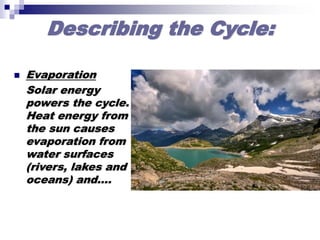
 Evaporation
Solar energy
powers the cycle.
Heat energy from
the sun causes
evaporation from
water surfaces
(rivers, lakes and
oceans) and….
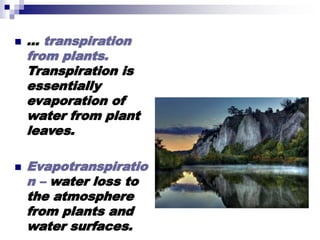
 … transpiration
from plants.
Transpiration is
essentially
evaporation of
water from plant
leaves.
 Evapotranspiratio
n – water loss to
the atmosphere
from plants and
water surfaces.
Condensation
 The warm, moist
air (containing
water vapour)
rises and, as it
cools,
condensation
takes place to
form clouds.
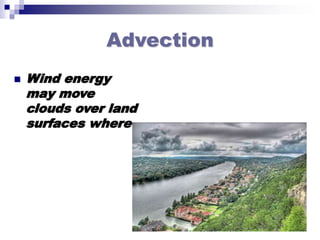
Advection
 Wind energy
may move
clouds over land
surfaces where
Precipitation
precipitation
occurs, either as
rain or snow
depending on
altitude.
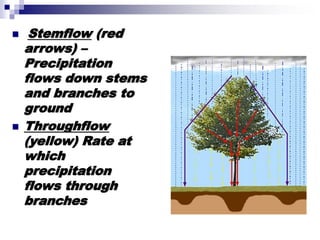
 Stemflow (red
arrows) –
Precipitation
flows down stems
and branches to
ground
 Throughflow
(yellow) Rate at
which
precipitation
flows through
branches
Run off / Overland flow
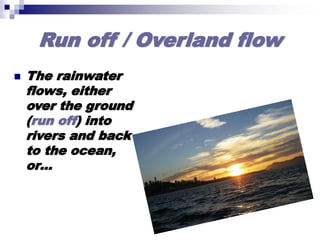
 The rainwater
flows, either
over the ground
(run off) into
rivers and back
to the ocean,
or…
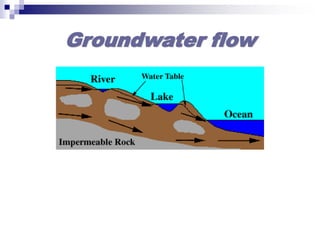
Groundwater flow
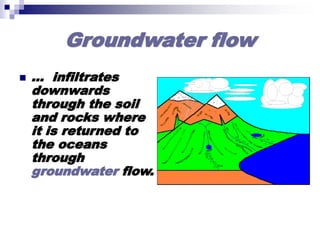
 … infiltrates
downwards
through the soil
and rocks where
it is returned to
the oceans
through
groundwater flow.
Groundwater flow
Hydrological Cycle Bingo
Also called the hydrological cycle
Split your page into 8 squares and write one word
from the list below in the each square
Condensation Ground Water Infiltration
Evaporation Precipitation Percolation
Run off Evapotranspiration Interception
Saturation The Hydrological Cycle The water
table
The water cycle balance
 Usually the water cycle is in balance, and the
amount of precipitation falling will slowly
soak into the ground and eventually reach the
rivers.
 However, if rain falls for a long period of time
or if the ground is already soaked or
saturated with water then the chance of
flooding is increased.
Under the ground
A closed system
 The hydrological cycle is a good example of a
closed system: the total amount of water is
the same, with virtually no water added to or
lost from the cycle.
 Water just moves from one storage type to
another.
 Water evaporating from the oceans is
balanced by water being returned through
precipitation and surface run off.
Human Inputs to the Cycle
 Although this is a closed system there is a
natural balance maintained between the
exchange of water within the system
 Human activities have the potential to lead to
changes in this balance which will have
knock on impacts.
 For example as the earth warms due to global
warming the rate of exchange in the cycle
(between land and sea and atmosphere) is
expected to increase.
Human Inputs
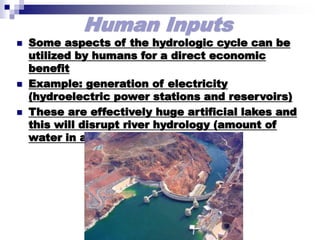
 Some aspects of the hydrologic cycle can be
utilized by humans for a direct economic
benefit
 Example: generation of electricity
(hydroelectric power stations and reservoirs)
 These are effectively huge artificial lakes and
this will disrupt river hydrology (amount of
water in a river)
Other Human Activities
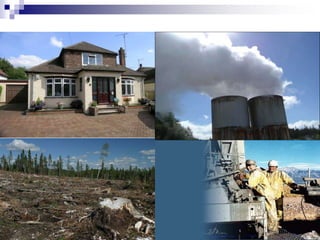
 Paving, compacting soils, and altering the
nature of the vegetation (including
deforestation)
 The mining of ground water for use in
agriculture and industry
 Large amounts of water vapour released into
the atmosphere from industrial activity
 Large changes in vegetation by wildfire,
logging, clearance for agriculture
Impacts
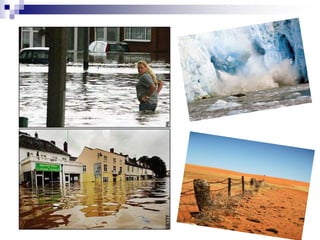
 These human activities can lead to
increase chances of flooding
 Increases in soil erosion
 A cooling effect on the north west of
Europe (climate change)
 Possible higher precipitation levels in the
Arctic but less in the Tropics
The Hydrological Cycle

The Hydrological Cycle

  • 1.
  • 2.
     Subject :Elements of Civil Engineering  Code : 2110004  Department : Civil Engineering  Name : Goyani Dhruvin Ghanshyambhai  Enrollment No. : 150840106018  Year : 2015-16 (1st sem)  Batch : 153  Roll No. : 61 Guided by: Pradip sir
  • 3.
    The Hydrological Cycle HigherGeography The Hydrosphere
  • 4.
    The Hydrological Cycle What you need to know:  Be able to draw a diagram of the hydrological cycle.  Describe its main elements.  Explain how balance is maintained within the system.
  • 5.
    What is theHydrological Cycle? The hydrological cycle is the system which describes the distribution and movement of water between the earth and its atmosphere. The model involves the continual circulation of water between the oceans, the atmosphere, vegetation and land.
  • 6.
  • 7.
    Describing the Cycle: Evaporation Solar energy powers the cycle. Heat energy from the sun causes evaporation from water surfaces (rivers, lakes and oceans) and….
  • 8.
     … transpiration fromplants. Transpiration is essentially evaporation of water from plant leaves.  Evapotranspiratio n – water loss to the atmosphere from plants and water surfaces.
  • 9.
    Condensation  The warm,moist air (containing water vapour) rises and, as it cools, condensation takes place to form clouds.
  • 10.
    Advection  Wind energy maymove clouds over land surfaces where
  • 11.
  • 12.
     Stemflow (red arrows)– Precipitation flows down stems and branches to ground  Throughflow (yellow) Rate at which precipitation flows through branches
  • 13.
    Run off /Overland flow  The rainwater flows, either over the ground (run off) into rivers and back to the ocean, or…
  • 14.
    Groundwater flow  …infiltrates downwards through the soil and rocks where it is returned to the oceans through groundwater flow.
  • 15.
  • 16.
    Hydrological Cycle Bingo Alsocalled the hydrological cycle Split your page into 8 squares and write one word from the list below in the each square Condensation Ground Water Infiltration Evaporation Precipitation Percolation Run off Evapotranspiration Interception Saturation The Hydrological Cycle The water table
  • 17.
    The water cyclebalance  Usually the water cycle is in balance, and the amount of precipitation falling will slowly soak into the ground and eventually reach the rivers.  However, if rain falls for a long period of time or if the ground is already soaked or saturated with water then the chance of flooding is increased.
  • 18.
  • 19.
    A closed system The hydrological cycle is a good example of a closed system: the total amount of water is the same, with virtually no water added to or lost from the cycle.  Water just moves from one storage type to another.  Water evaporating from the oceans is balanced by water being returned through precipitation and surface run off.
  • 20.
    Human Inputs tothe Cycle  Although this is a closed system there is a natural balance maintained between the exchange of water within the system  Human activities have the potential to lead to changes in this balance which will have knock on impacts.  For example as the earth warms due to global warming the rate of exchange in the cycle (between land and sea and atmosphere) is expected to increase.
  • 21.
    Human Inputs  Someaspects of the hydrologic cycle can be utilized by humans for a direct economic benefit  Example: generation of electricity (hydroelectric power stations and reservoirs)  These are effectively huge artificial lakes and this will disrupt river hydrology (amount of water in a river)
  • 22.
    Other Human Activities Paving, compacting soils, and altering the nature of the vegetation (including deforestation)  The mining of ground water for use in agriculture and industry  Large amounts of water vapour released into the atmosphere from industrial activity  Large changes in vegetation by wildfire, logging, clearance for agriculture
  • 24.
    Impacts  These humanactivities can lead to increase chances of flooding  Increases in soil erosion  A cooling effect on the north west of Europe (climate change)  Possible higher precipitation levels in the Arctic but less in the Tropics