The Archive Layer, and the
Atkinson Challenges
John MacColl
Chair, Research Libraries UK
Taking the Long View: International Perspectives on E-Journal Archiving
EDINA & ISSN International Centre Conference
Edinburgh, 7 September 2015
This thou perceiv'st, which makes thy love more strong,
To love that well which thou must leave ere long.
Sonnet 73
Epigraph
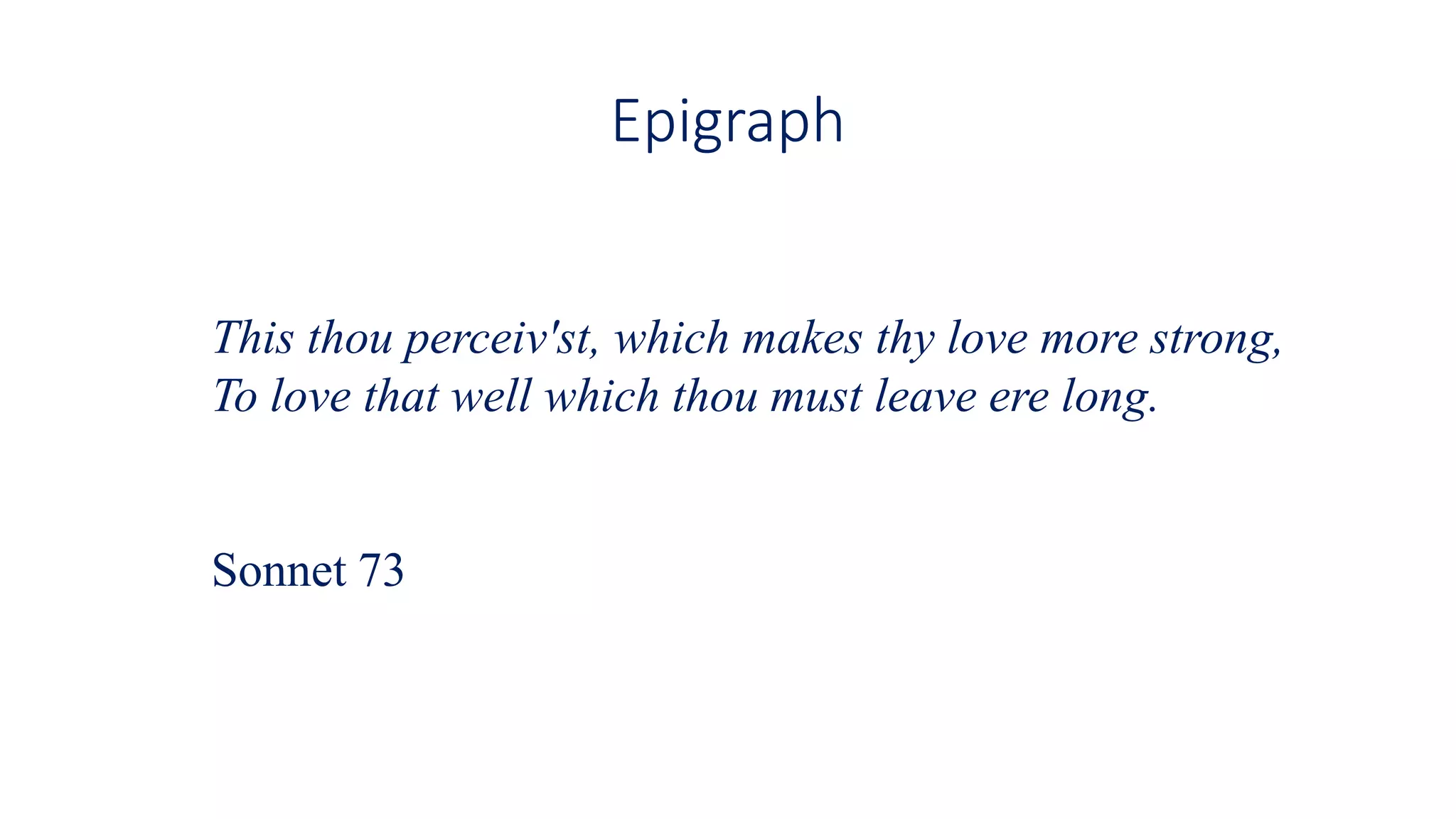
AB Kamleh, More photography from Edinburgh in Autumn, flickr
Where we are
• No agreed, uniform mode of practice in research library sector
towards collections, nor way forward
• Lack of a sense of what constitutes a good research library: no agreed
sense of priority across student experience, research support
services, research collections, and – in the latter case – how those are
managed across the institutional/above campus divide
• Once upon a time, collecting the world's scholarly literature was easy
• Grey literature is no longer marginal; it is pervasive
Two decades ago
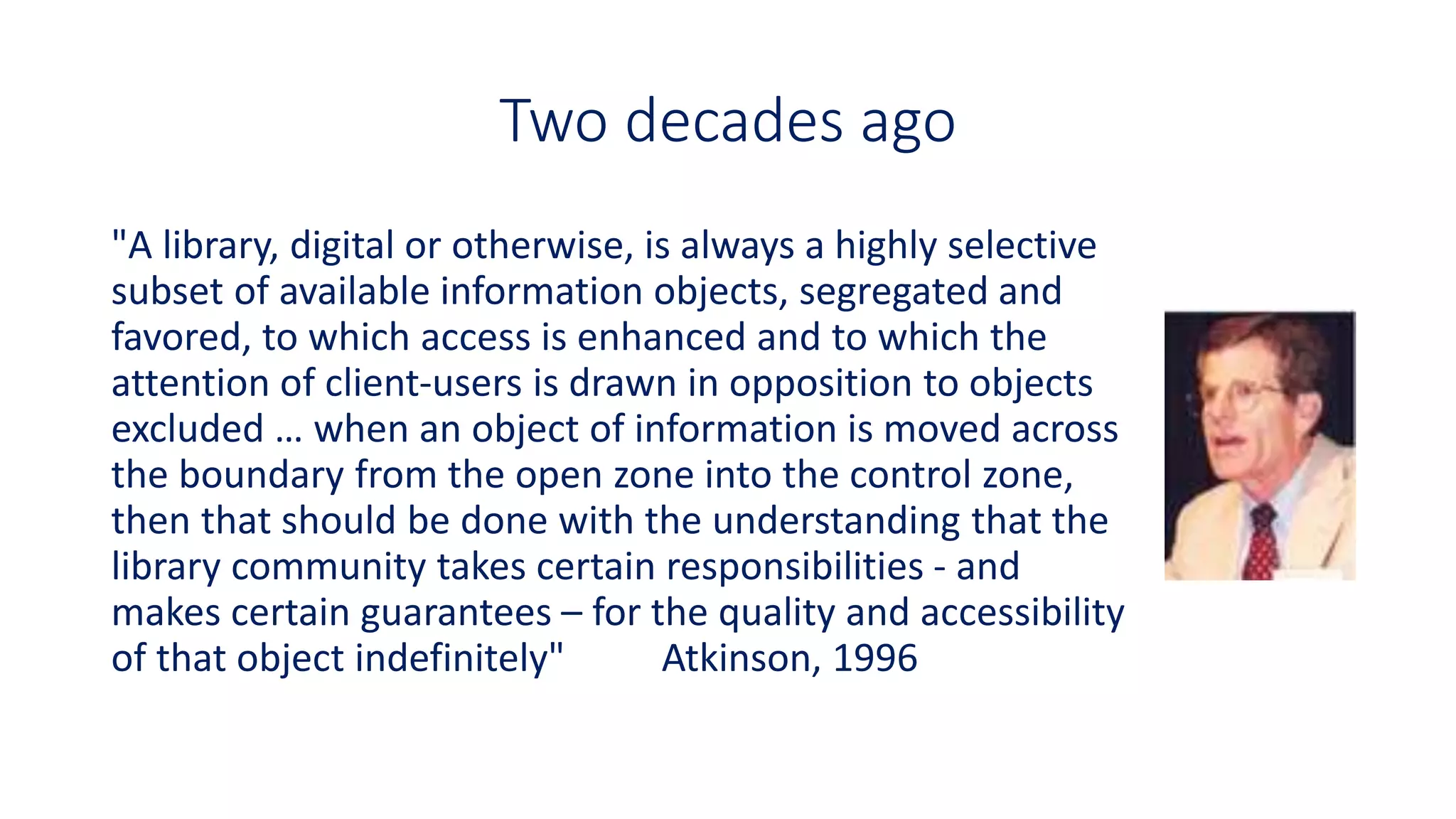
"A library, digital or otherwise, is always a highly selective
subset of available information objects, segregated and
favored, to which access is enhanced and to which the
attention of client-users is drawn in opposition to objects
excluded … when an object of information is moved across
the boundary from the open zone into the control zone,
then that should be done with the understanding that the
library community takes certain responsibilities - and
makes certain guarantees – for the quality and accessibility
of that object indefinitely" Atkinson, 1996
Loss (Authority AND Control)
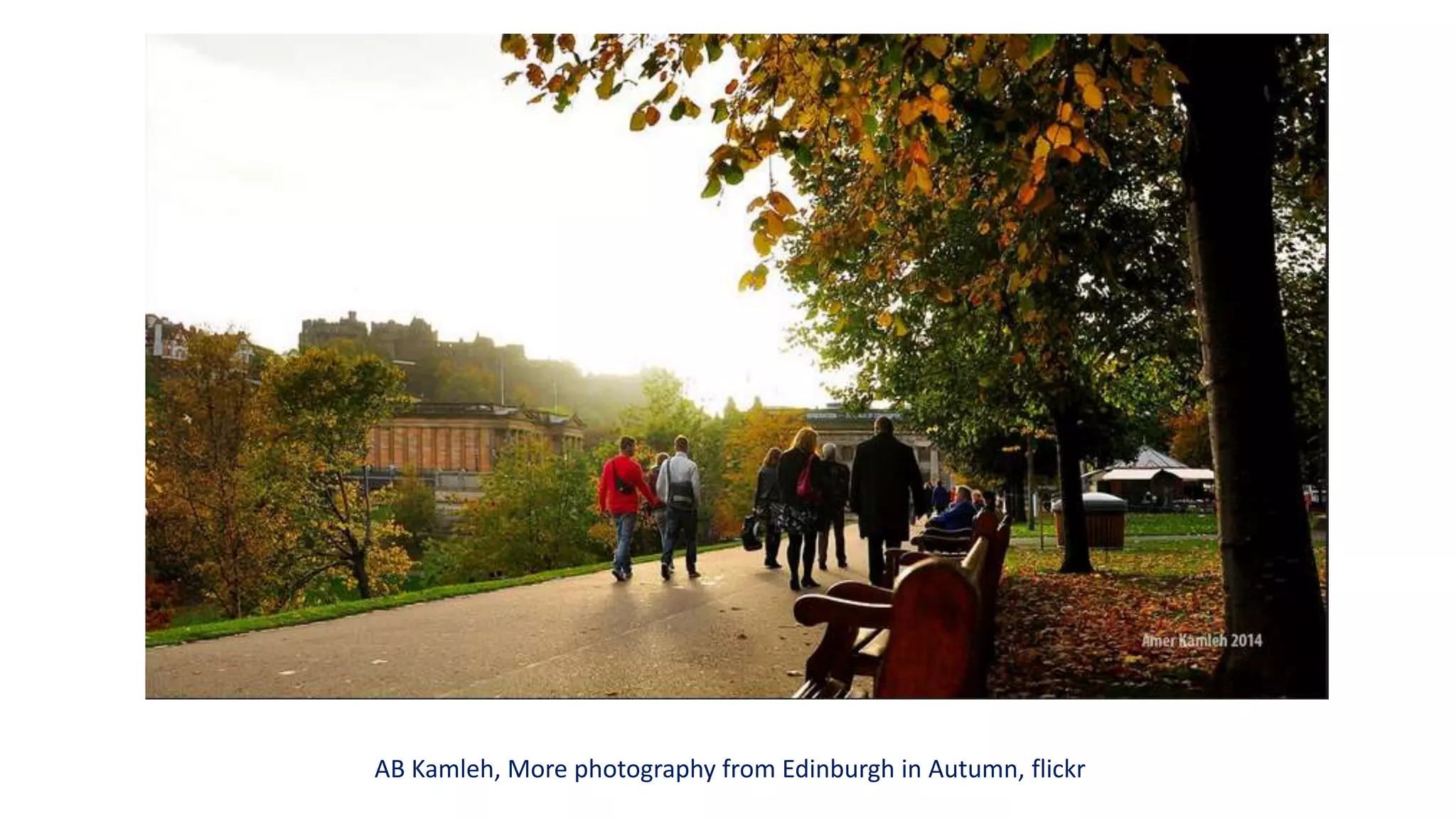
The Atkinson Challenges (2005)
• The ‘enormous challenge’ of archiving
• Must be approached for both print and digital
• ‘the maintenance of large warehouses of print materials
will become ever more costly’
• ‘It is essential, therefore, that research libraries divide
among themselves responsibilities for archiving low-use
print materials’
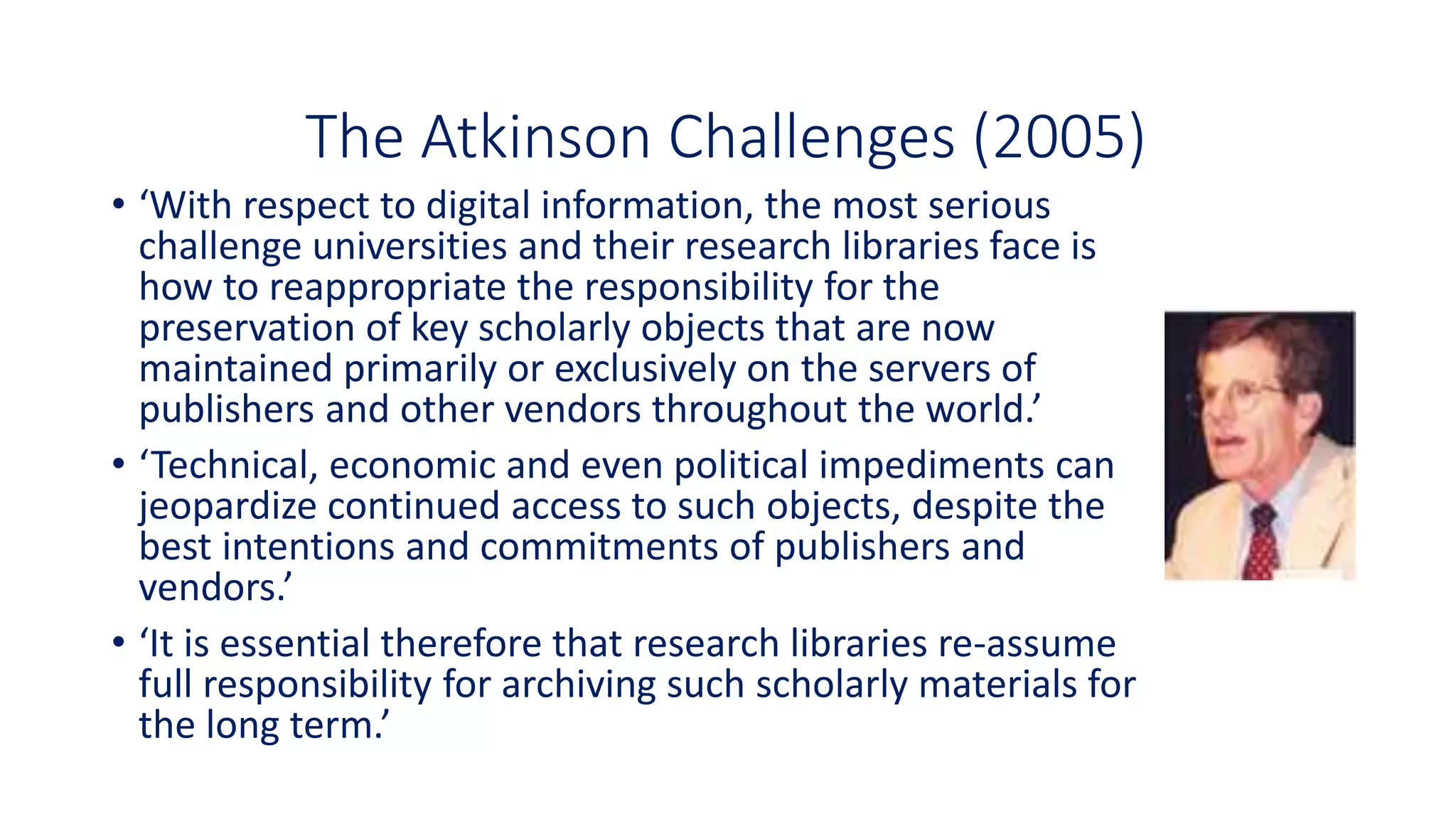
• ‘With respect to digital information, the most serious
challenge universities and their research libraries face is
how to reappropriate the responsibility for the
preservation of key scholarly objects that are now
maintained primarily or exclusively on the servers of
publishers and other vendors throughout the world.’
• ‘Technical, economic and even political impediments can
jeopardize continued access to such objects, despite the
best intentions and commitments of publishers and
vendors.’
• ‘It is essential therefore that research libraries re-assume
full responsibility for archiving such scholarly materials for
the long term.’
The Atkinson Challenges (2005)
An Archive Layer
To be assembled from many elements
• UKRR
• Portico
• CLOCKSS
• SafeNet
• WorldCat
• EuropePMC
• Hathi
• … and…?
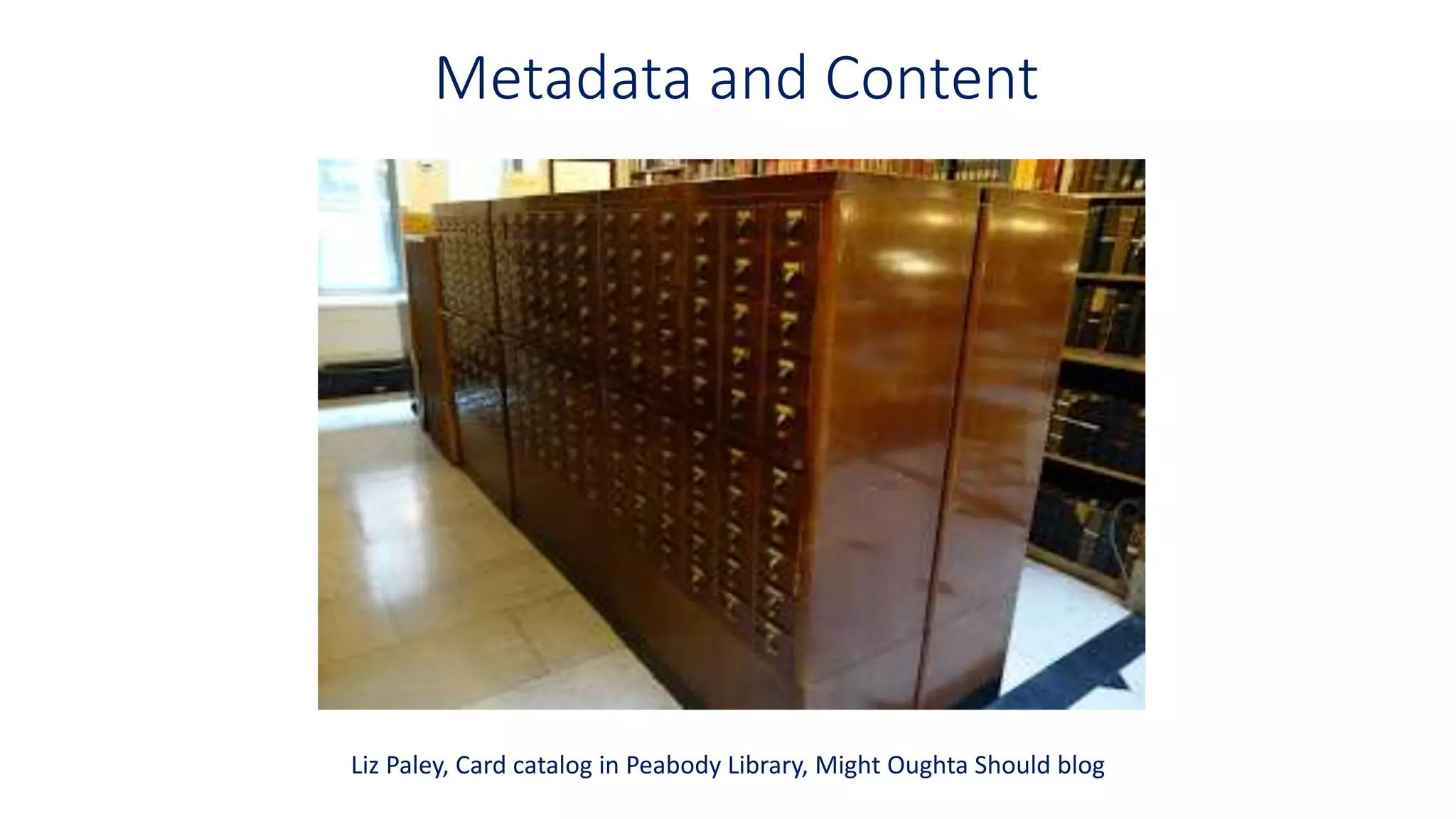
Metadata and Content
Liz Paley, Card catalog in Peabody Library, Might Oughta Should blog
A Strategy for the Atkinson Challenges
• Take the classic analogue-era institutional research library
• Use it as our model
• The components have to be trusted, and have to trust each other
• Cooperatives, national agencies, national libraries, publishers,
disciplinary hub services, content archive stores
• Publics; privates; non-profits; for-profits; community-owned
• Use these as the components
• ‘Above campus’; above nations
• Or below us all – an underpinning layer
Remaking the Library
Then
• We bought in the materials, and presented the archive
• Our users trusted us
Now
• We need to buy into trusted aggregations, and derive the
archive
• Our users will still trust us
Branded with a research libraries imprimatur
•Strong enough to influence
scholarly domains
•Determining what is held in the
archive that comes from the
outside in
•And what comes from the inside
out
It needs to be expressed something like this
The model research library
•Uses Hathi as an extension of its catalogue
•Uses WorldCat as an extension of its catalogue
•Shows all Open Access papers via a single interface
•Shows all open datasets via a single interface
•Has its print collection right-sized for its community
The model research library
• Disposes of material via a scheme of relegation that builds
a connected network of shared print services
• Signs deals with publishers for e-content that ensures that
the purchased material is digitally preserved, including
provision for post-cancellation access
• Licenses its institutionally-authored papers to publishers
in ways that ensure the rights are Library-approved
• … and …?
‘How close is my library to the model?’
How do we get there?
Agreement among international
research library organisations
• On principles
• On governance
Thank You
Ashwin One,
Hornbake
Library,
flickr

'The Archive Layer, and the Atkinson Challenges' by John MacColl

  • 1.
    The Archive Layer,and the Atkinson Challenges John MacColl Chair, Research Libraries UK Taking the Long View: International Perspectives on E-Journal Archiving EDINA & ISSN International Centre Conference Edinburgh, 7 September 2015
  • 2.
    This thou perceiv'st,which makes thy love more strong, To love that well which thou must leave ere long. Sonnet 73 Epigraph
  • 3.
    AB Kamleh, Morephotography from Edinburgh in Autumn, flickr
  • 5.
    Where we are •No agreed, uniform mode of practice in research library sector towards collections, nor way forward • Lack of a sense of what constitutes a good research library: no agreed sense of priority across student experience, research support services, research collections, and – in the latter case – how those are managed across the institutional/above campus divide • Once upon a time, collecting the world's scholarly literature was easy • Grey literature is no longer marginal; it is pervasive
  • 6.
    Two decades ago "Alibrary, digital or otherwise, is always a highly selective subset of available information objects, segregated and favored, to which access is enhanced and to which the attention of client-users is drawn in opposition to objects excluded … when an object of information is moved across the boundary from the open zone into the control zone, then that should be done with the understanding that the library community takes certain responsibilities - and makes certain guarantees – for the quality and accessibility of that object indefinitely" Atkinson, 1996
  • 7.
  • 8.
    The Atkinson Challenges(2005) • The ‘enormous challenge’ of archiving • Must be approached for both print and digital • ‘the maintenance of large warehouses of print materials will become ever more costly’ • ‘It is essential, therefore, that research libraries divide among themselves responsibilities for archiving low-use print materials’
  • 9.
    • ‘With respectto digital information, the most serious challenge universities and their research libraries face is how to reappropriate the responsibility for the preservation of key scholarly objects that are now maintained primarily or exclusively on the servers of publishers and other vendors throughout the world.’ • ‘Technical, economic and even political impediments can jeopardize continued access to such objects, despite the best intentions and commitments of publishers and vendors.’ • ‘It is essential therefore that research libraries re-assume full responsibility for archiving such scholarly materials for the long term.’ The Atkinson Challenges (2005)
  • 10.
    An Archive Layer Tobe assembled from many elements • UKRR • Portico • CLOCKSS • SafeNet • WorldCat • EuropePMC • Hathi • … and…?
  • 11.
    Metadata and Content LizPaley, Card catalog in Peabody Library, Might Oughta Should blog
  • 12.
    A Strategy forthe Atkinson Challenges • Take the classic analogue-era institutional research library • Use it as our model • The components have to be trusted, and have to trust each other • Cooperatives, national agencies, national libraries, publishers, disciplinary hub services, content archive stores • Publics; privates; non-profits; for-profits; community-owned • Use these as the components • ‘Above campus’; above nations • Or below us all – an underpinning layer
  • 13.
    Remaking the Library Then •We bought in the materials, and presented the archive • Our users trusted us Now • We need to buy into trusted aggregations, and derive the archive • Our users will still trust us
  • 14.
    Branded with aresearch libraries imprimatur •Strong enough to influence scholarly domains •Determining what is held in the archive that comes from the outside in •And what comes from the inside out
  • 15.
    It needs tobe expressed something like this The model research library •Uses Hathi as an extension of its catalogue •Uses WorldCat as an extension of its catalogue •Shows all Open Access papers via a single interface •Shows all open datasets via a single interface •Has its print collection right-sized for its community
  • 16.
    The model researchlibrary • Disposes of material via a scheme of relegation that builds a connected network of shared print services • Signs deals with publishers for e-content that ensures that the purchased material is digitally preserved, including provision for post-cancellation access • Licenses its institutionally-authored papers to publishers in ways that ensure the rights are Library-approved • … and …? ‘How close is my library to the model?’
  • 17.
    How do weget there? Agreement among international research library organisations • On principles • On governance
  • 18.

Editor's Notes

  • #3 Sonnet 73 by William Shakespeare That time of year thou mayst in me behold When yellow leaves, or none, or few, do hang Upon those boughs which shake against the cold, Bare ruined choirs, where late the sweet birds sang. In me thou see'st the twilight of such day As after sunset fadeth in the west; Which by and by black night doth take away, Death's second self, that seals up all in rest. In me thou see'st the glowing of such fire, That on the ashes of his youth doth lie, As the deathbed whereon it must expire, Consumed with that which it was nourished by. This thou perceiv'st, which makes thy love more strong, To love that well which thou must leave ere long.