



Technology and Education
in Developing Countries
Francesc Pedró
Teacher Development and Education Policies
UNESCO
 The context as a challenge
 Contrasting views
 What works?
 Our strategy
Contents
Our needs
are urgent.
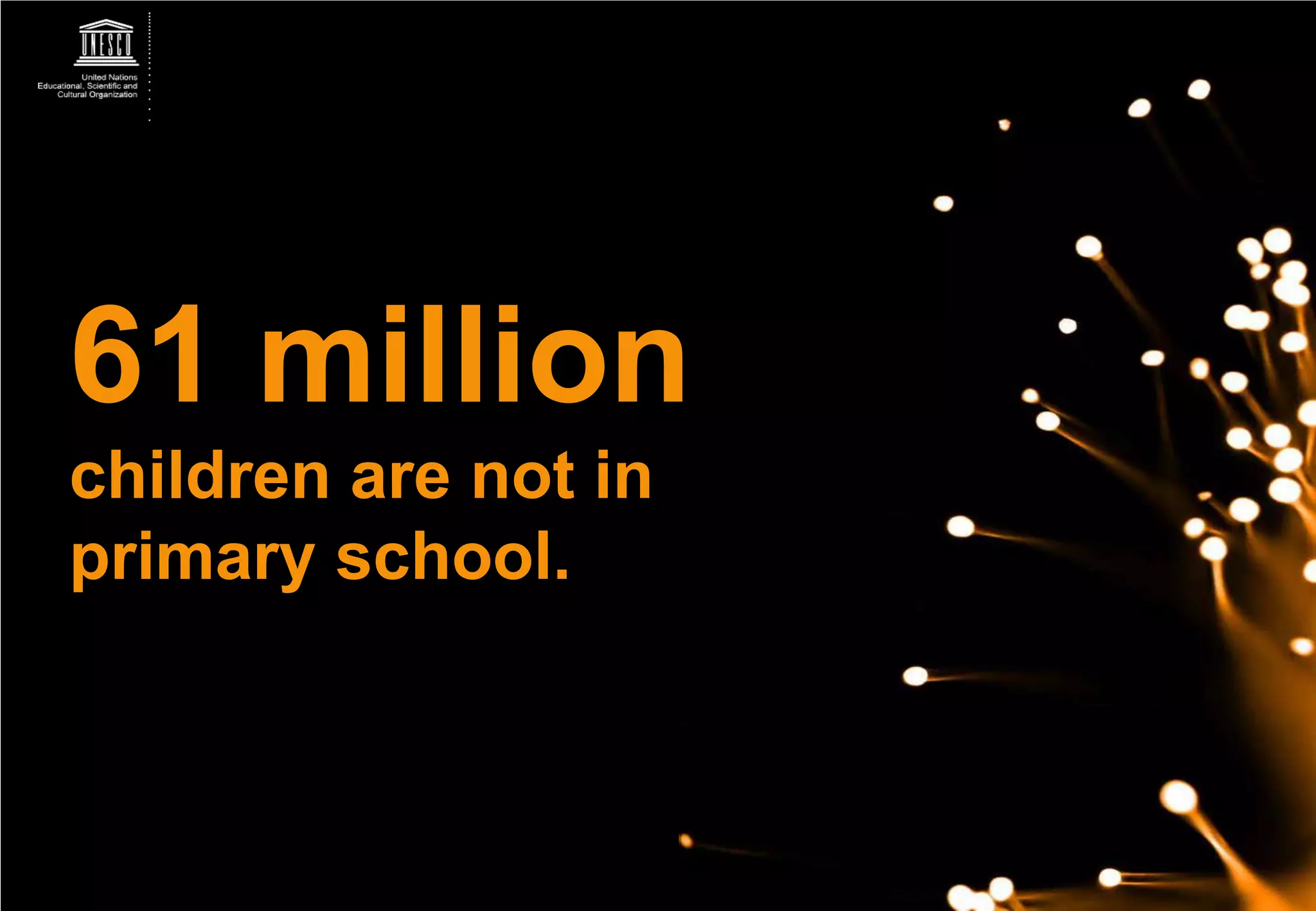
61 million
children are not in
primary school.
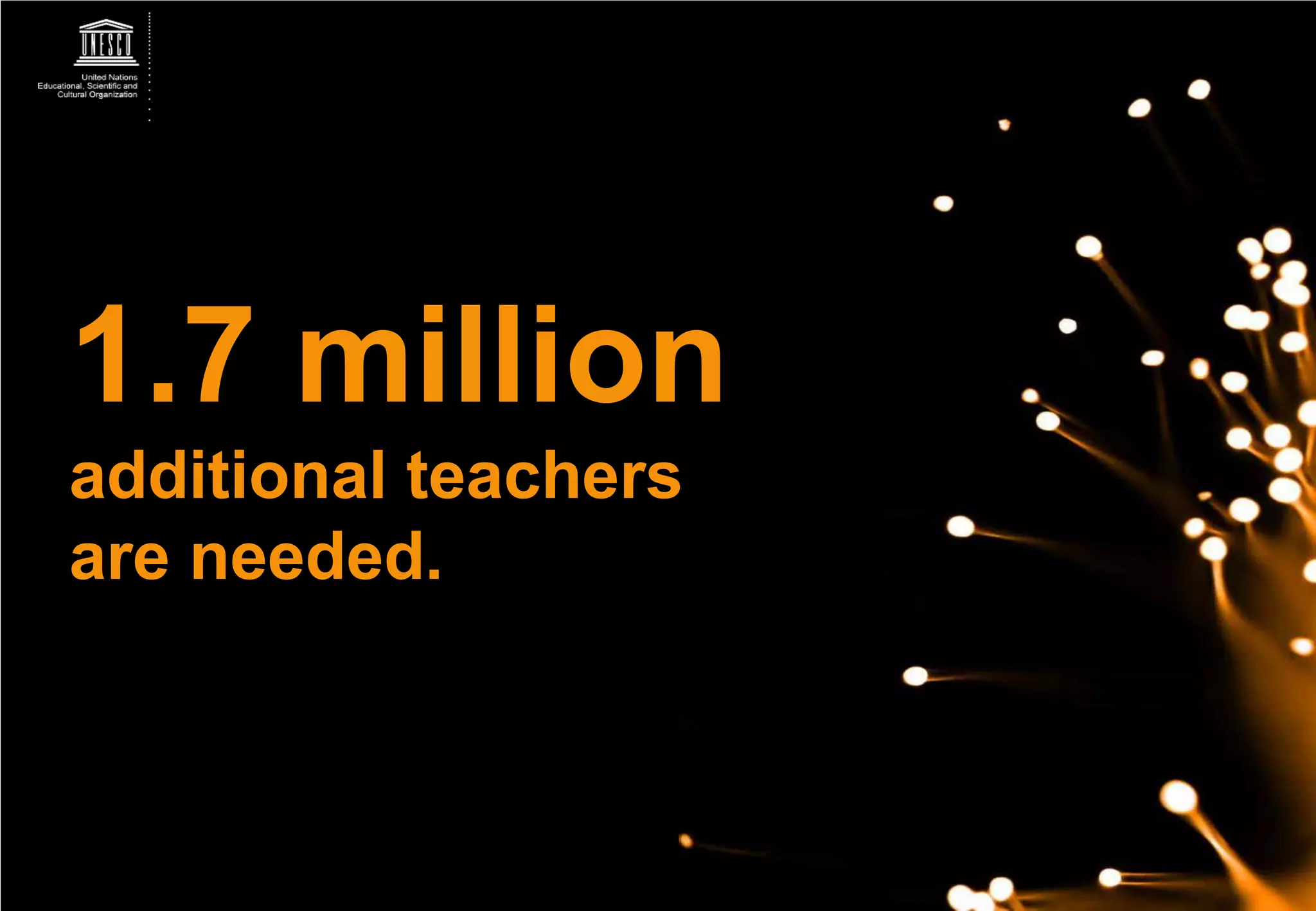
1.7 million
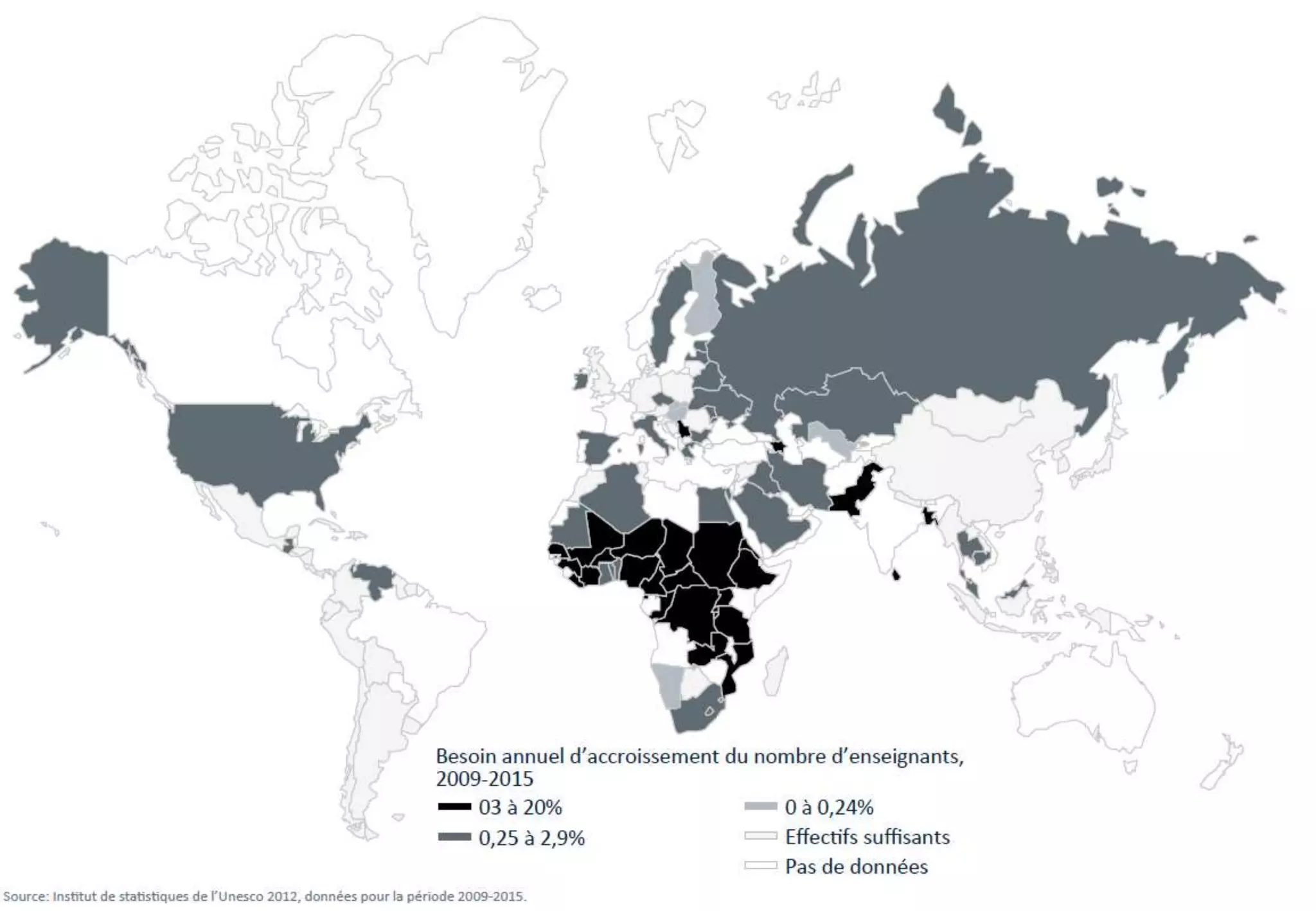
additional teachers
are needed.
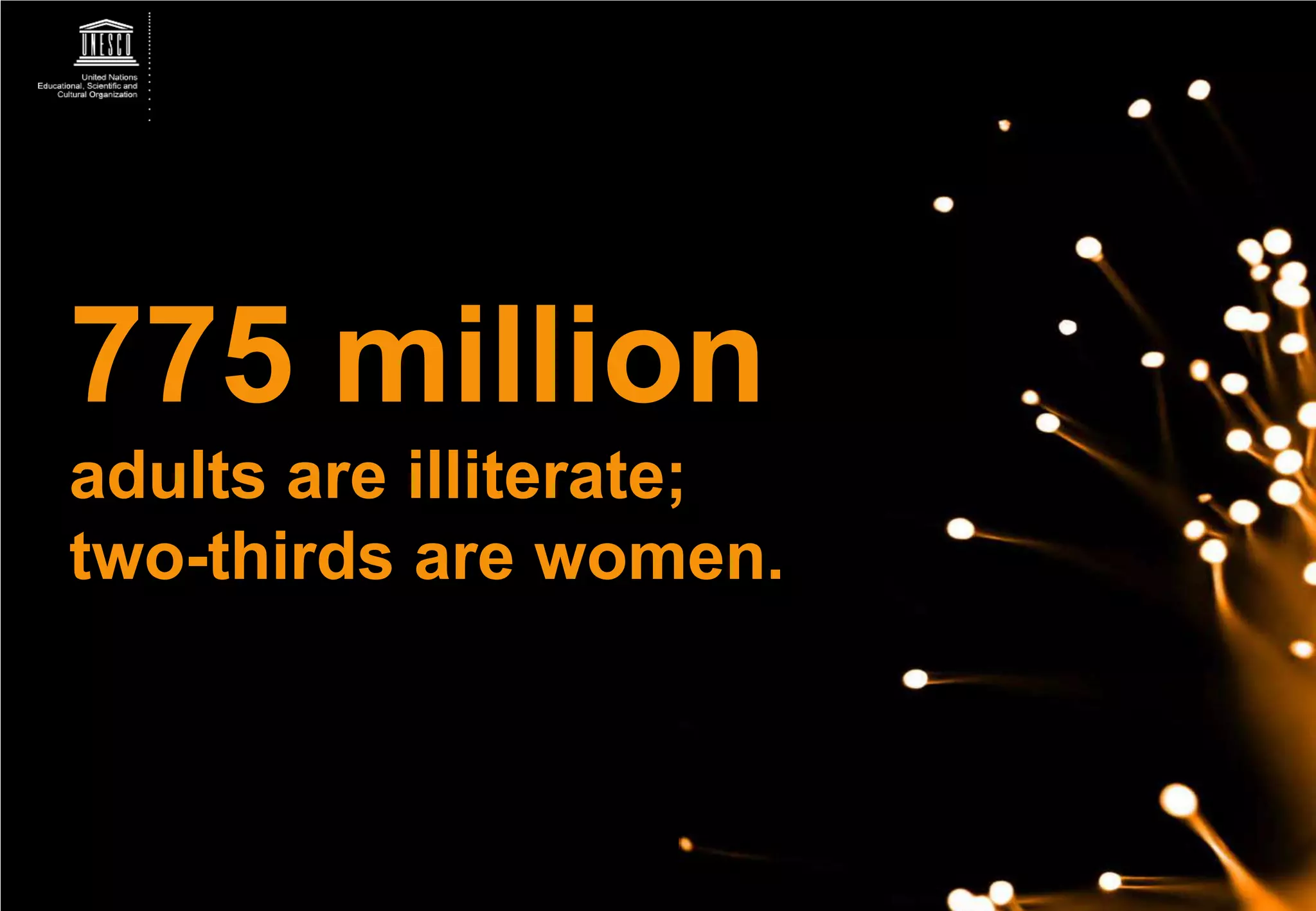
775 million
adults are illiterate;
two-thirds are women.
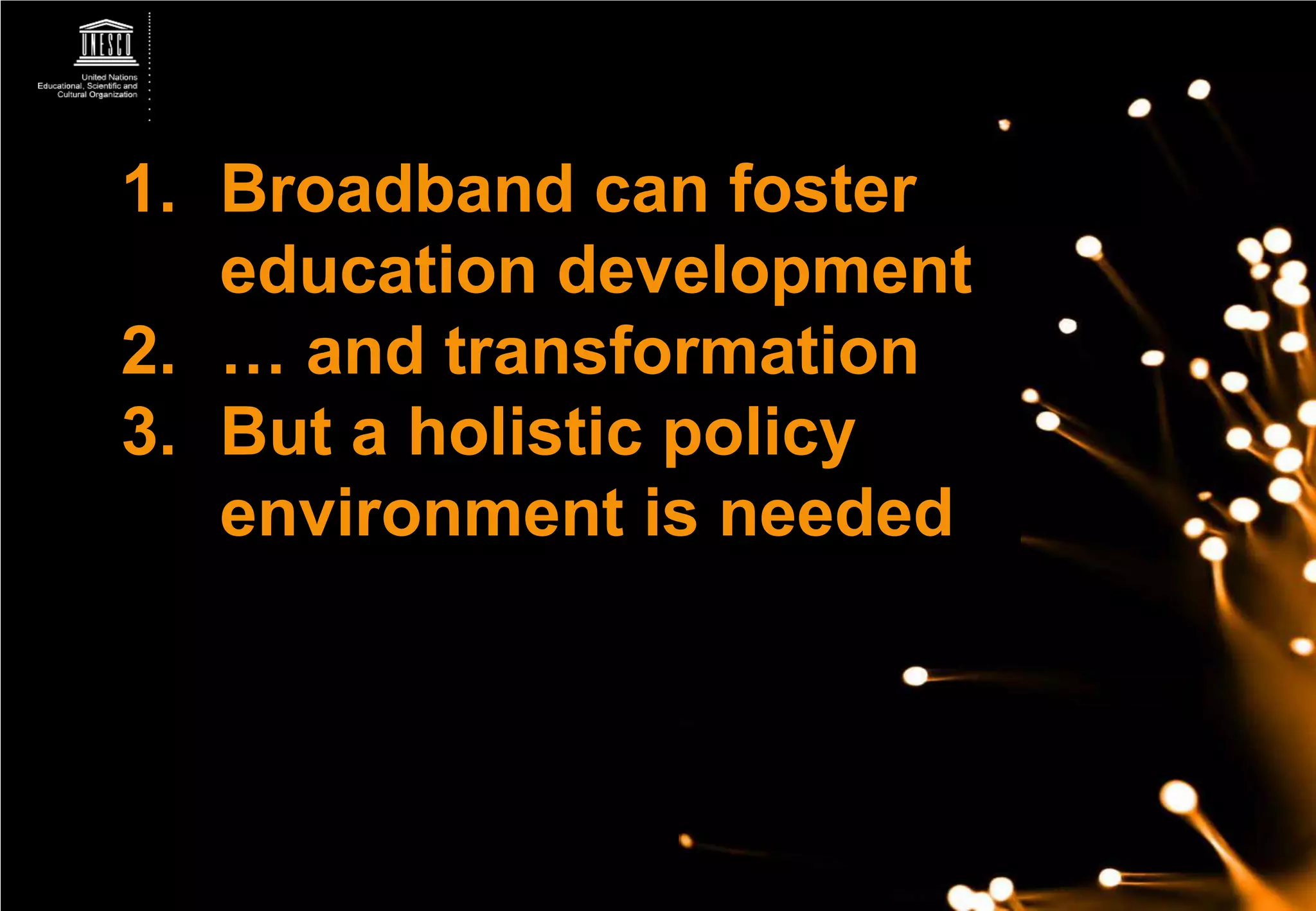
1. Broadband can foster
education development
2. … and transformation
3. But a holistic policy
environment is needed
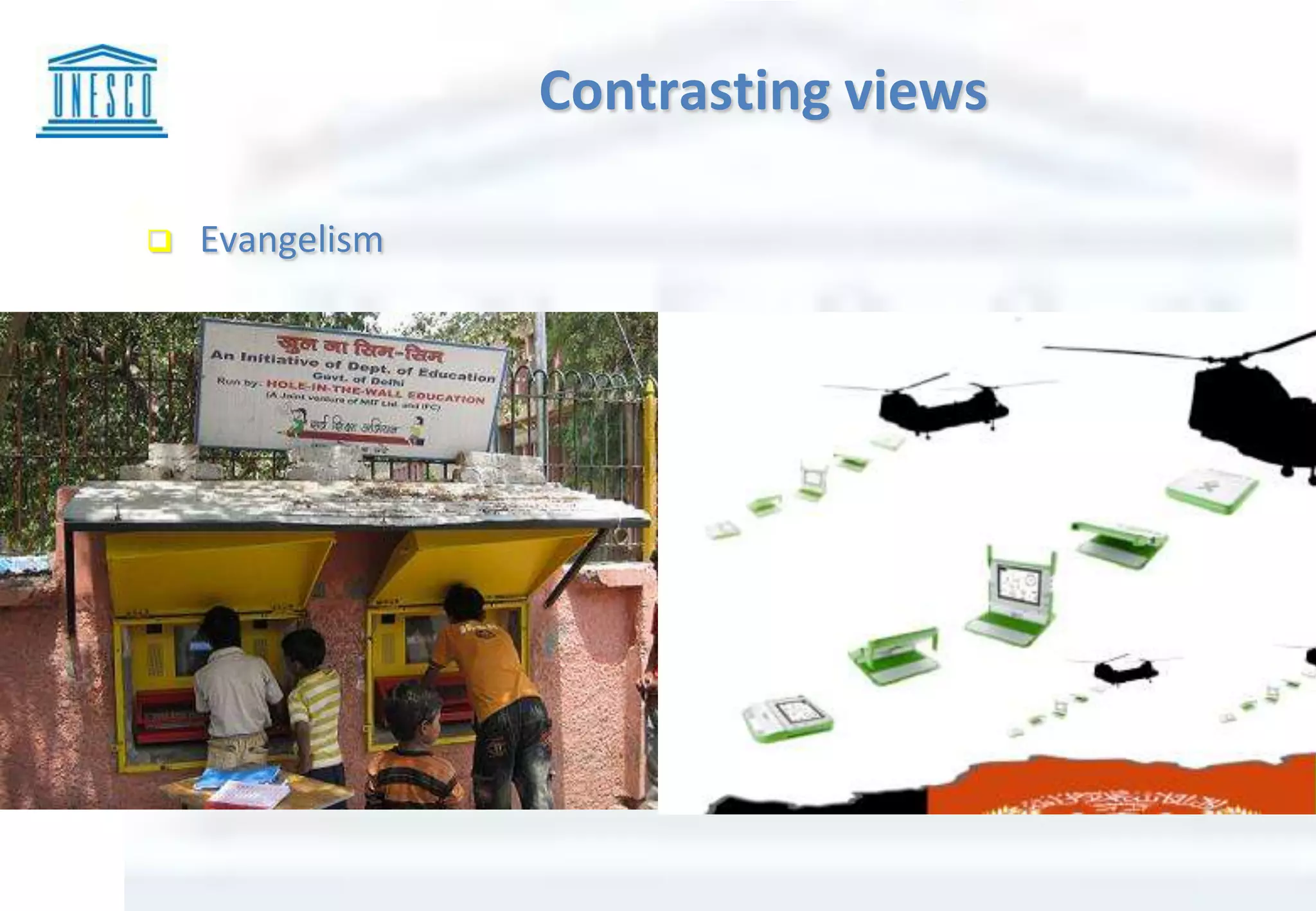
 Evangelism
Contrasting views
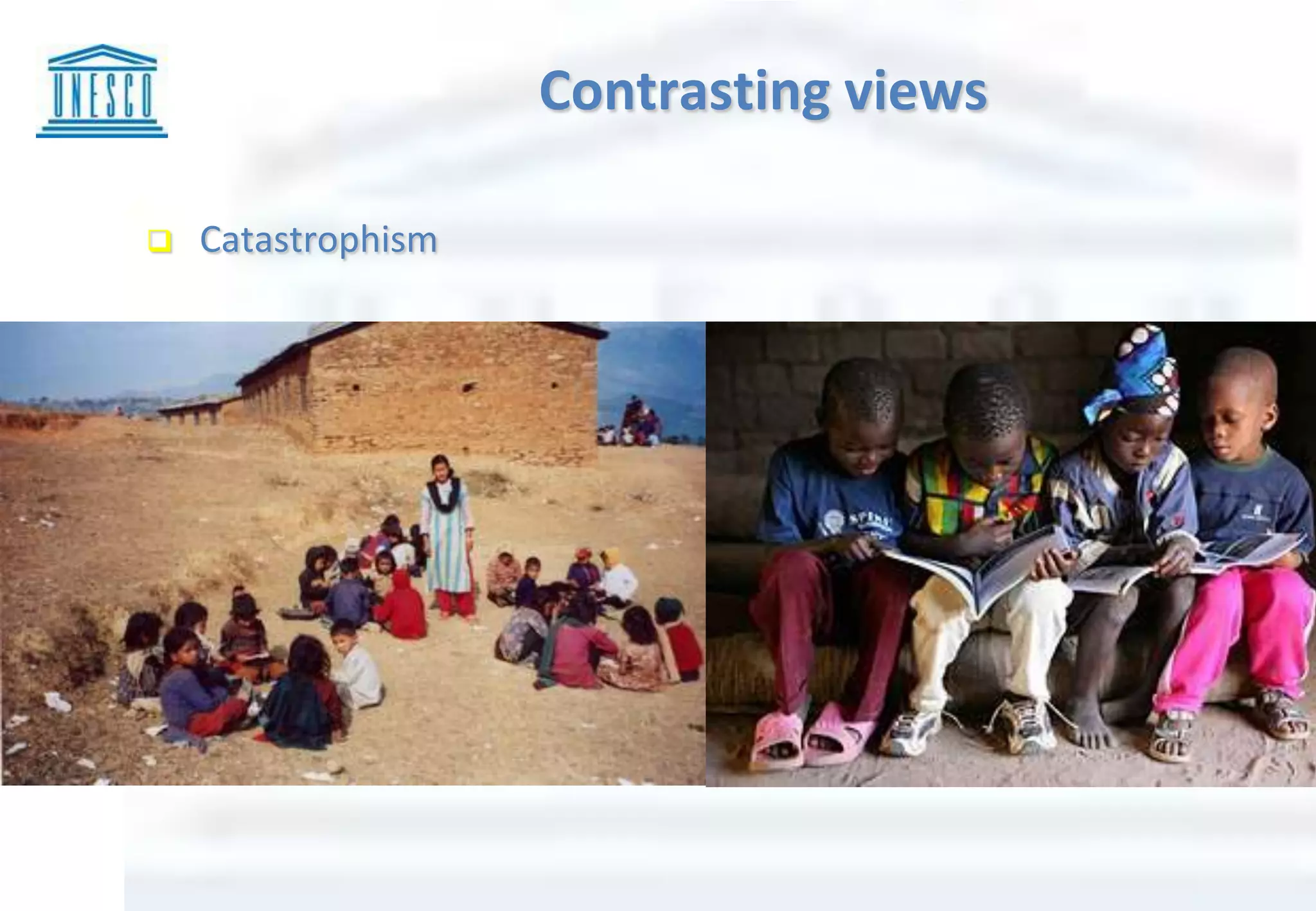
 Catastrophism
Contrasting views
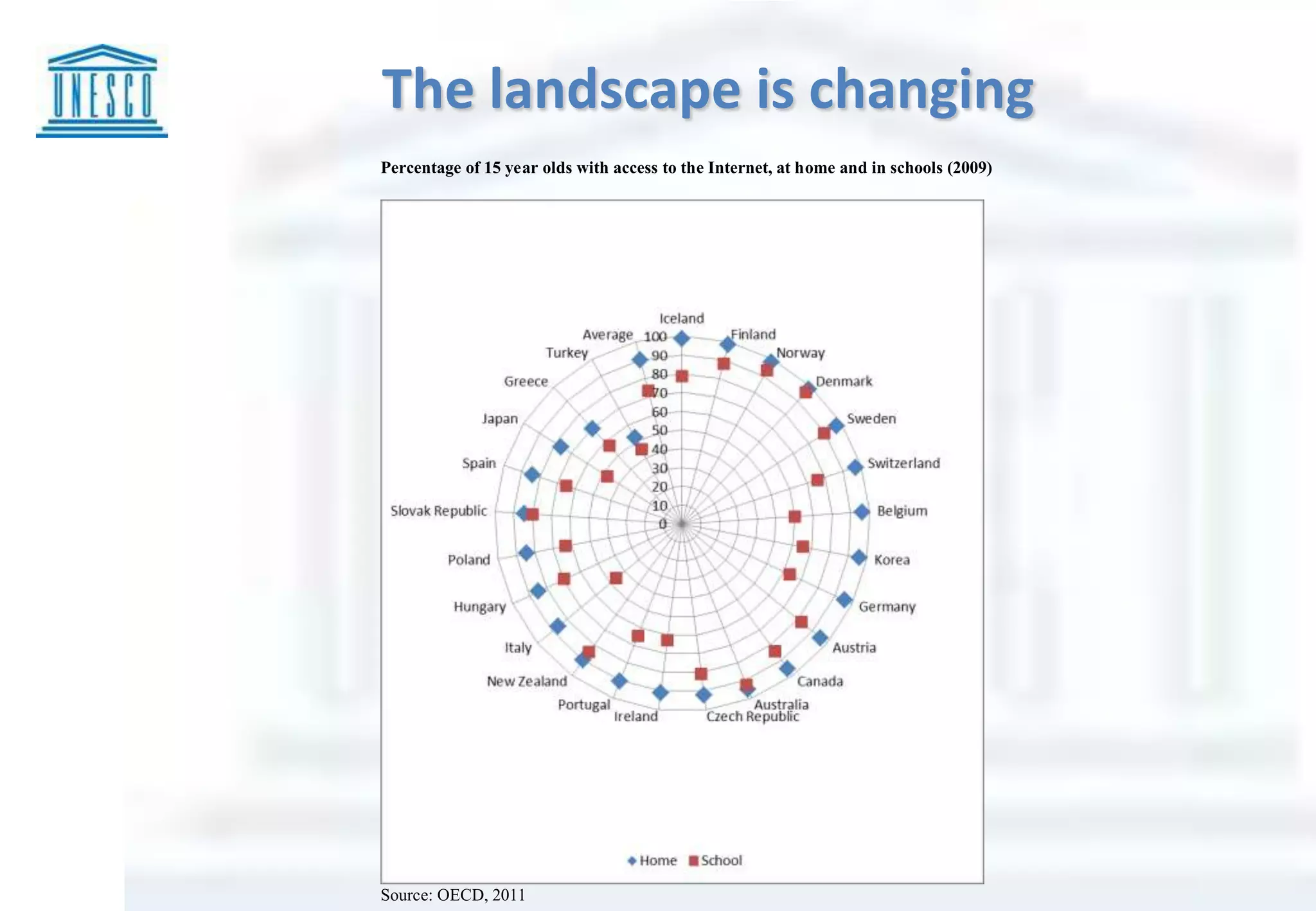
The landscape is changing
Percentage of 15 year olds with access to the Internet, at home and in schools (2009)
Source: OECD, 2011
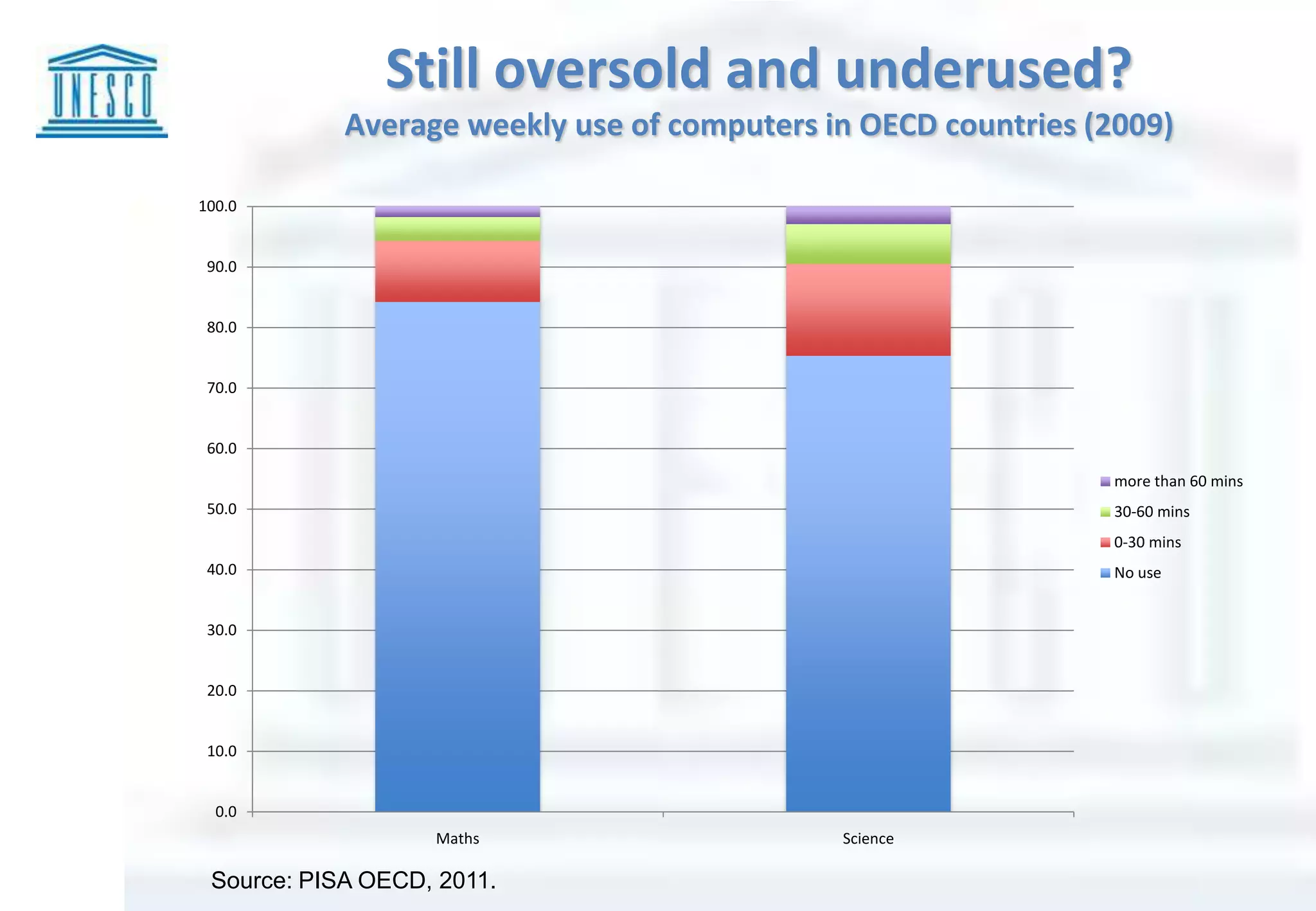
Still oversold and underused?
Average weekly use of computers in OECD countries (2009)
0.0
10.0
20.0
30.0
40.0
50.0
60.0
70.0
80.0
90.0
100.0
Maths Science
more than 60 mins
30-60 mins
0-30 mins
No use
Source: PISA OECD, 2011.
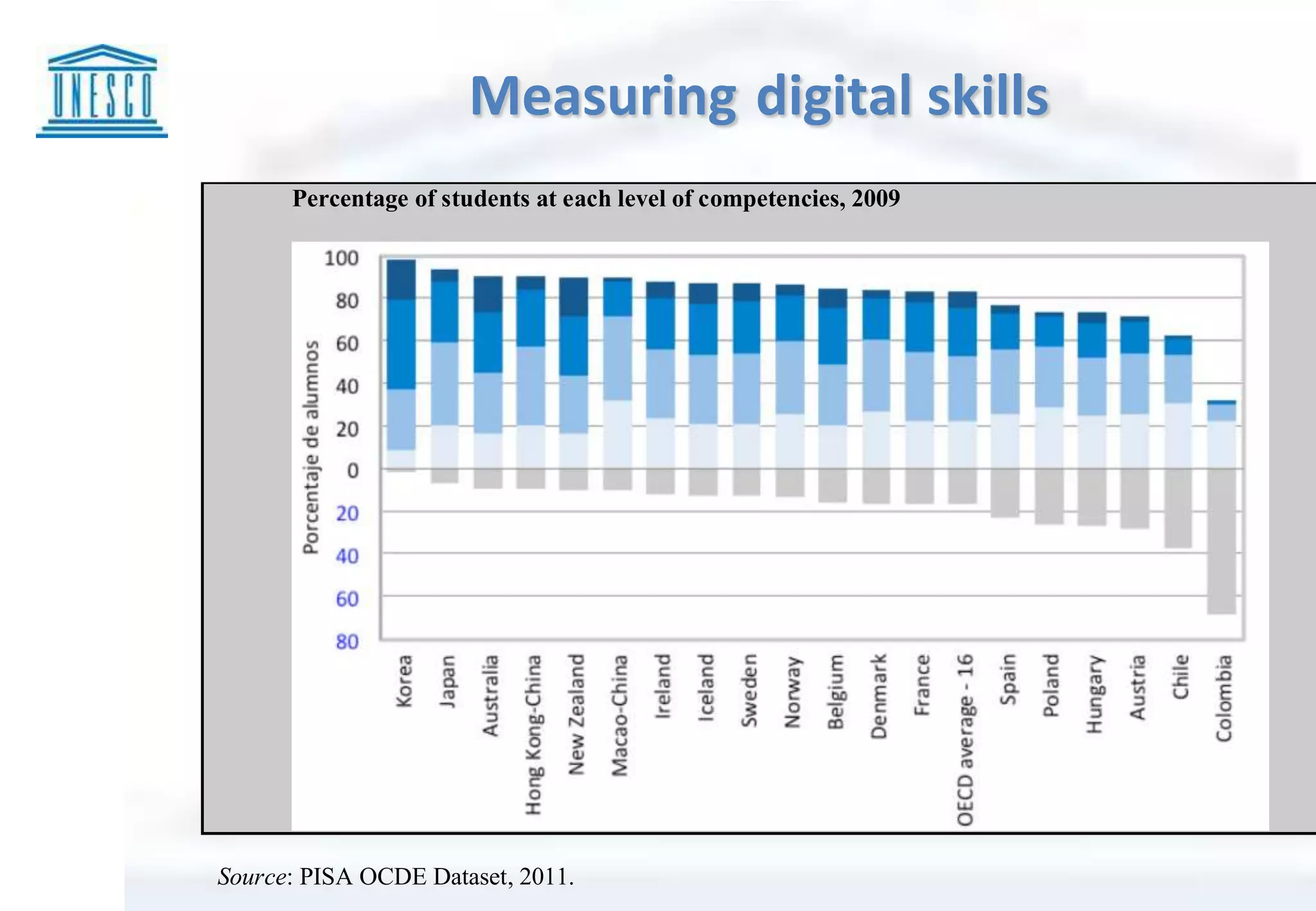
Measuring digital skills
Percentage of students at each level of competencies, 2009
Source: PISA OCDE Dataset, 2011.
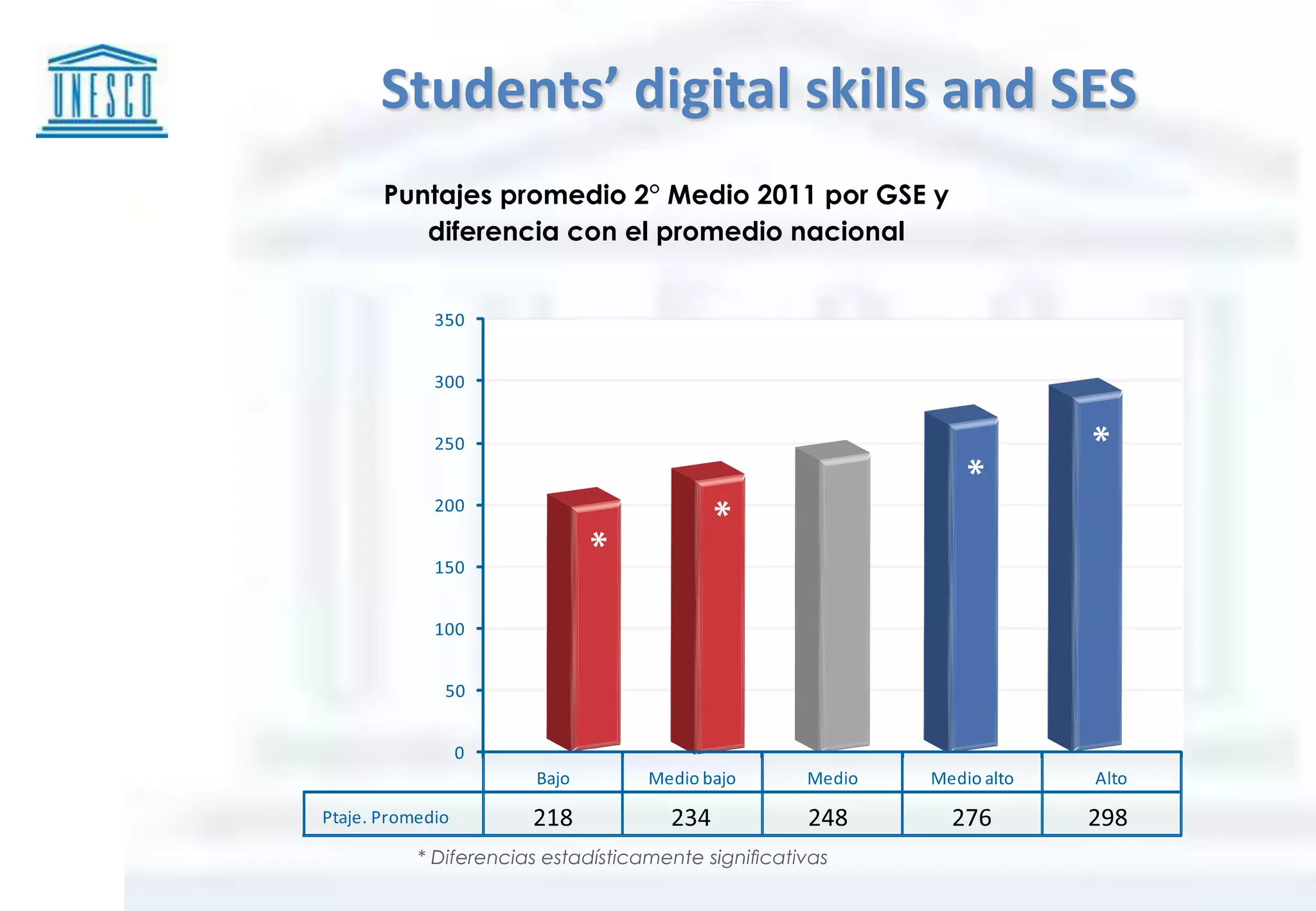
Students’ digital skills and SES
.00
.500
1.00
1.500
2.00
2.500
3.00
Equal start SES effect ICT use
No capital With capital
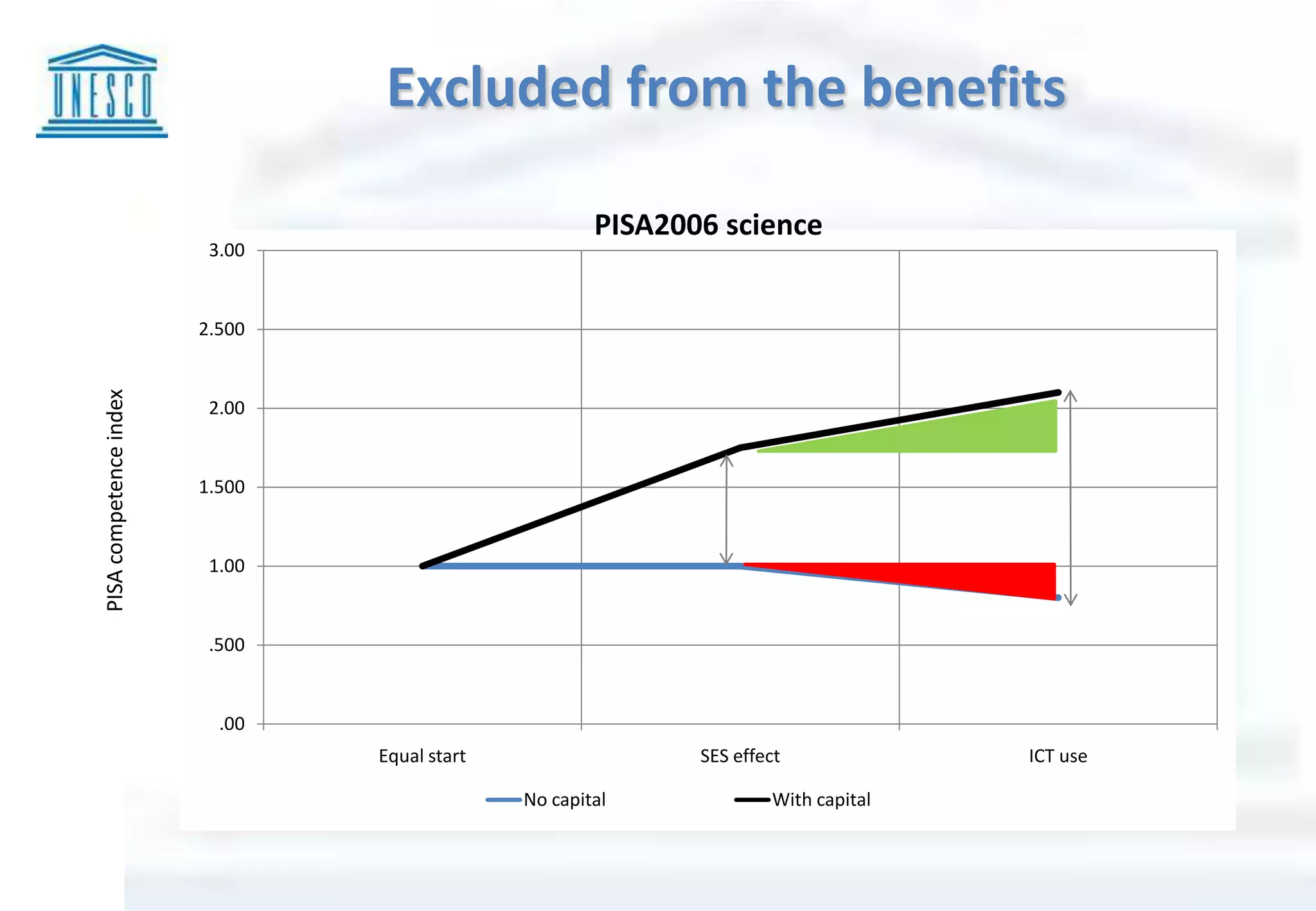
Excluded from the benefitsPISAcompetenceindex
PISA2006 science
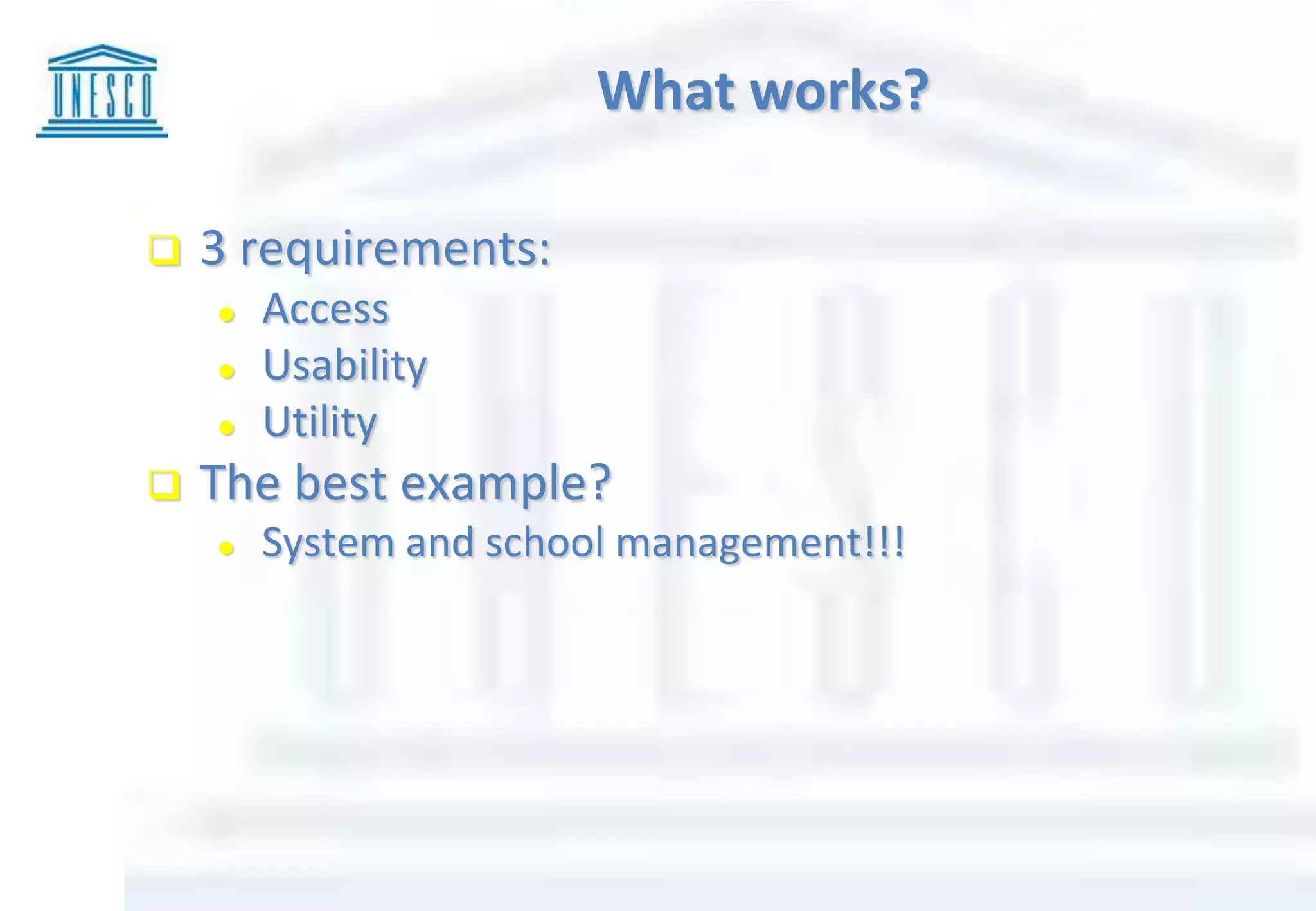
 3 requirements:
 Access
 Usability
 Utility
 The best example?
 System and school management!!!
What works?
1. Engagement
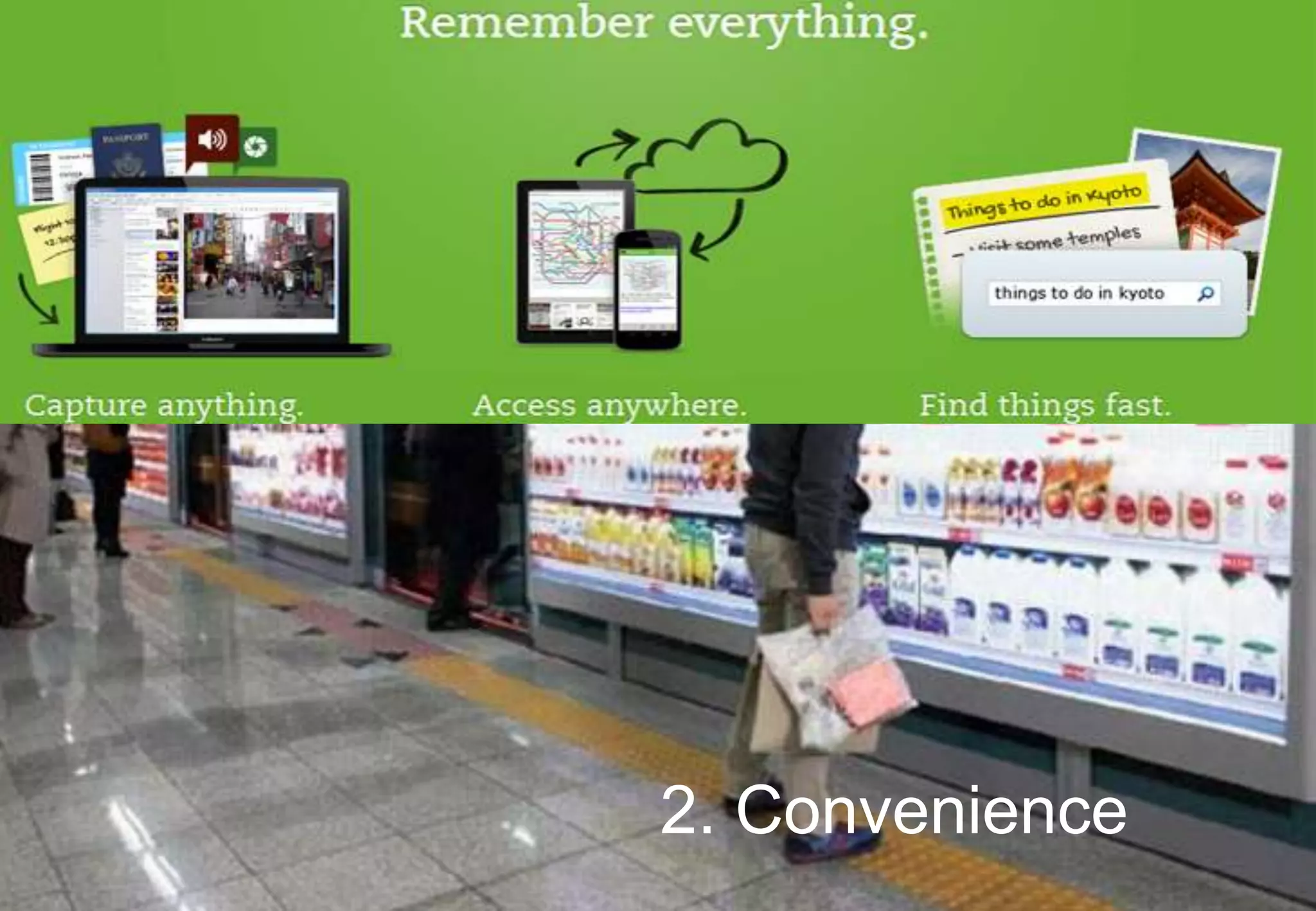
2. Convenience
3. Productivity
 One objective:
 Teachers empowered to facilitate
– More learning
– Better learning
– Different learning
 Four pillars:
 Policies
 Teachers
 Mobile learning
 OER
UNESCO Strategy
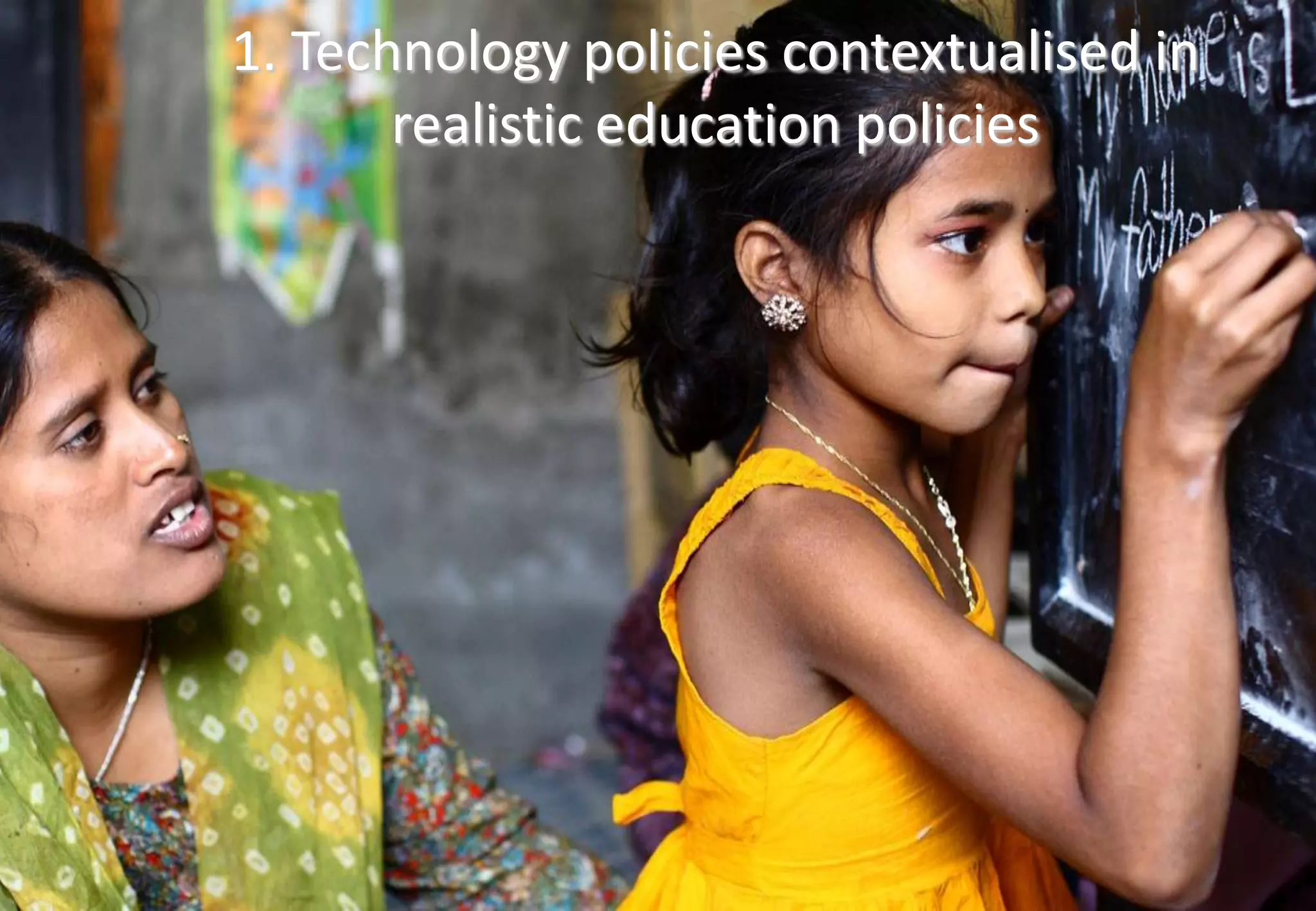
1. Technology policies contextualised in
realistic education policies
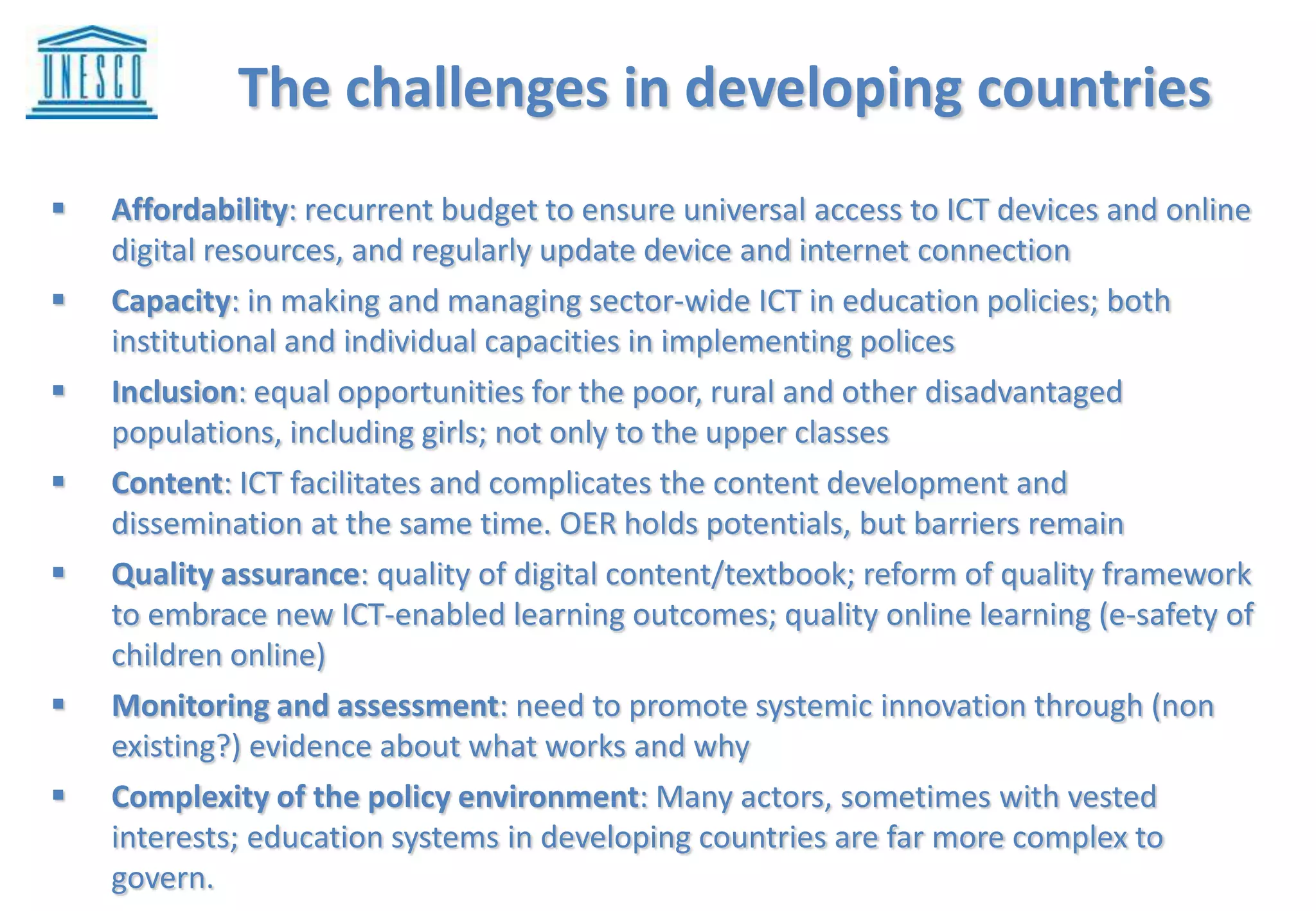
I. Challenges developing countries are facing in
harness ICT’s potentials for education
 Affordability: recurrent budget to ensure universal access to ICT devices and online
digital resources, and regularly update device and internet connection
 Capacity: in making and managing sector-wide ICT in education policies; both
institutional and individual capacities in implementing polices
 Inclusion: equal opportunities for the poor, rural and other disadvantaged
populations, including girls; not only to the upper classes
 Content: ICT facilitates and complicates the content development and
dissemination at the same time. OER holds potentials, but barriers remain
 Quality assurance: quality of digital content/textbook; reform of quality framework
to embrace new ICT-enabled learning outcomes; quality online learning (e-safety of
children online)
 Monitoring and assessment: need to promote systemic innovation through (non
existing?) evidence about what works and why
 Complexity of the policy environment: Many actors, sometimes with vested
interests; education systems in developing countries are far more complex to
govern.
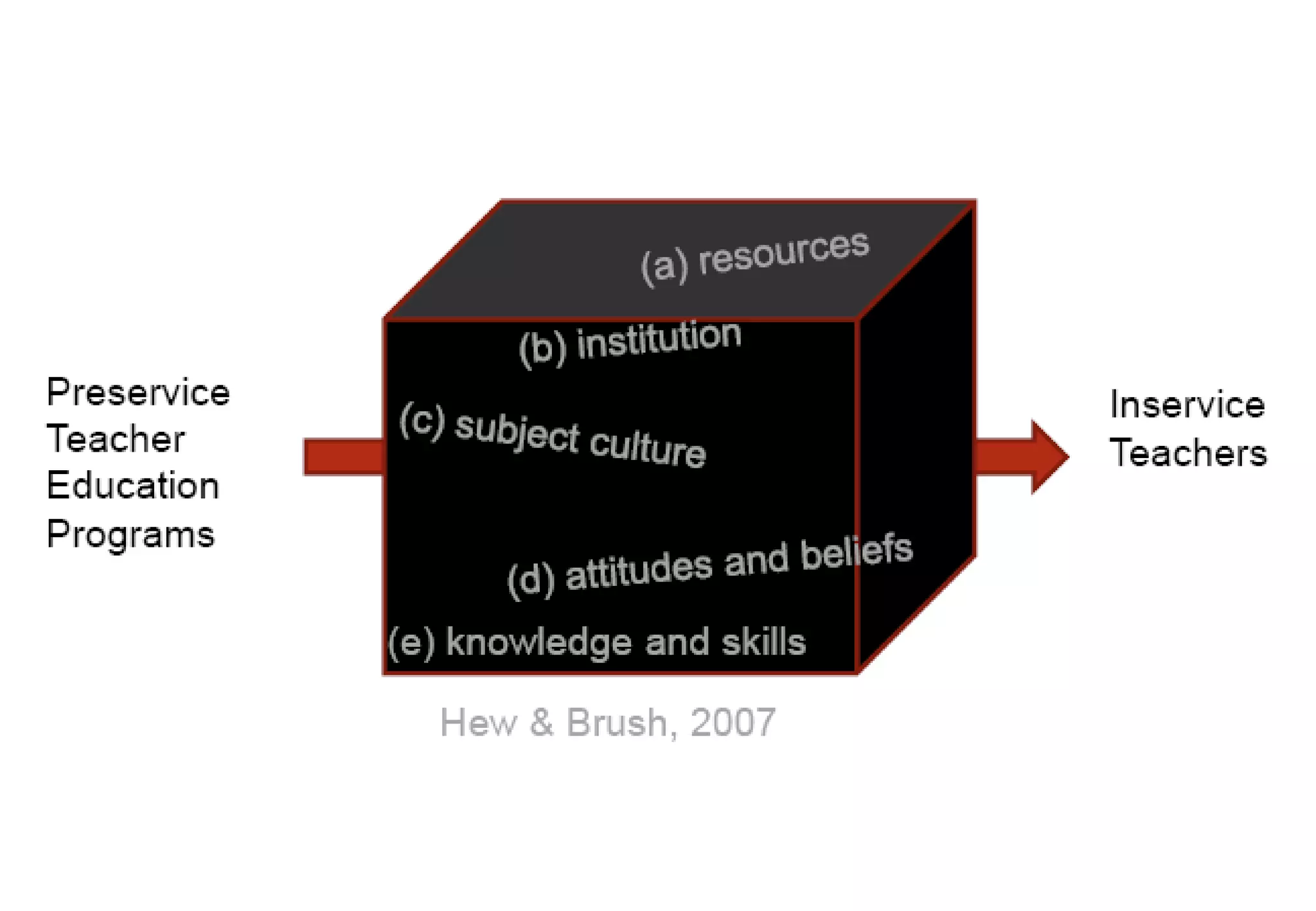
The challenges in developing countries
2. Teacher Training
institutions have to be
empowered
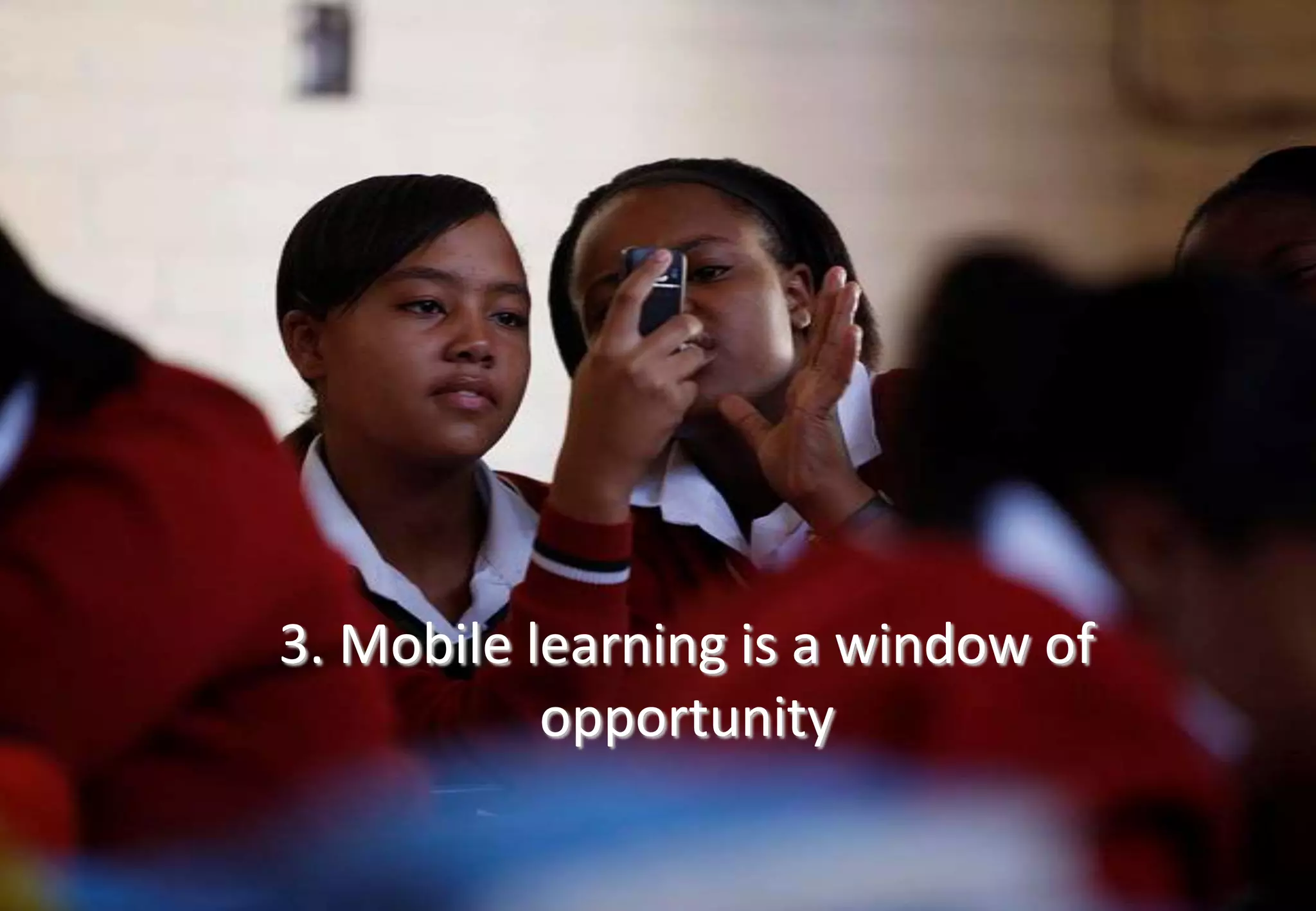
3. Mobile learning is a window of
opportunity
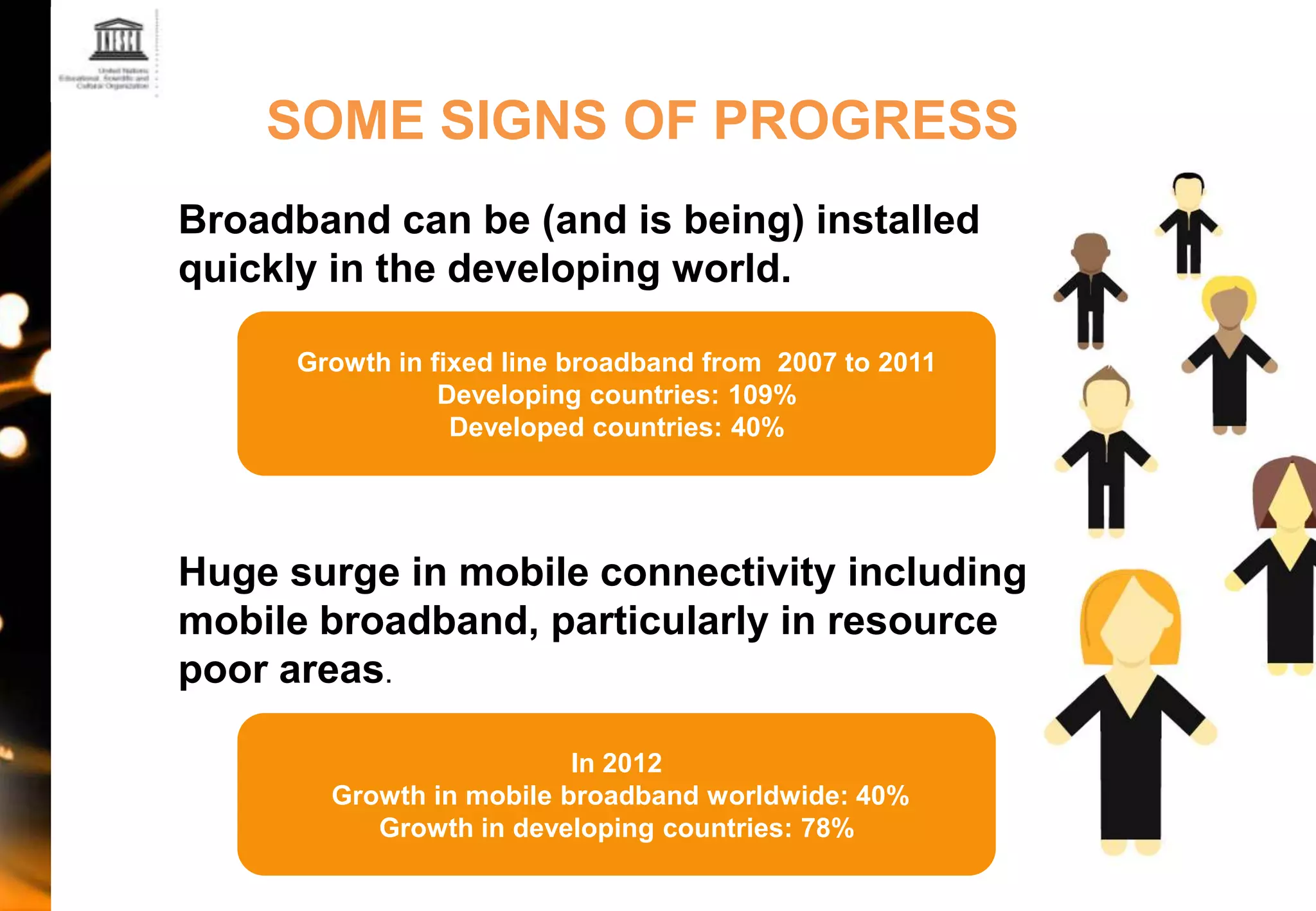
SOME SIGNS OF PROGRESS
Growth in fixed line broadband from 2007 to 2011
Developing countries: 109%
Developed countries: 40%
In 2012
Growth in mobile broadband worldwide: 40%
Growth in developing countries: 78%
Broadband can be (and is being) installed
quickly in the developing world.
Huge surge in mobile connectivity including
mobile broadband, particularly in resource
poor areas.
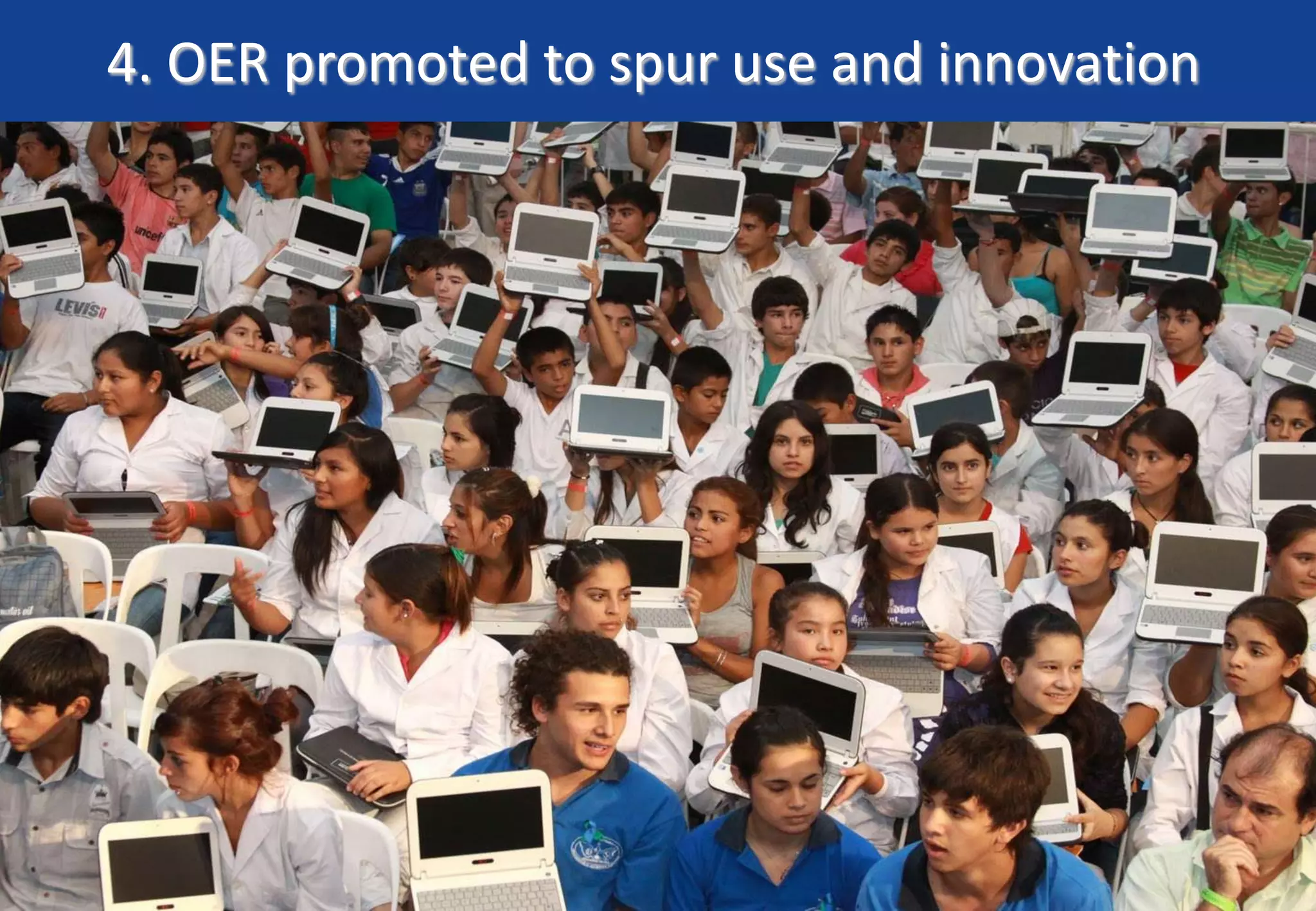
4. OER promoted to spur use and innovation
Many thanks
F.Pedro@UNESCO.org
Available at:
/francescpedro
Follow us:
@FrancescPedroED
/francesc.pedroED

Technology and education in developing countries

  • 1.
    Technology and Education inDeveloping Countries Francesc Pedró Teacher Development and Education Policies UNESCO
  • 2.
     The contextas a challenge  Contrasting views  What works?  Our strategy Contents
  • 3.
  • 4.
    61 million children arenot in primary school.
  • 5.
  • 6.
    775 million adults areilliterate; two-thirds are women.
  • 8.
    1. Broadband canfoster education development 2. … and transformation 3. But a holistic policy environment is needed
  • 10.
  • 11.
  • 13.
    The landscape ischanging Percentage of 15 year olds with access to the Internet, at home and in schools (2009) Source: OECD, 2011
  • 14.
    Still oversold andunderused? Average weekly use of computers in OECD countries (2009) 0.0 10.0 20.0 30.0 40.0 50.0 60.0 70.0 80.0 90.0 100.0 Maths Science more than 60 mins 30-60 mins 0-30 mins No use Source: PISA OECD, 2011.
  • 15.
    Measuring digital skills Percentageof students at each level of competencies, 2009 Source: PISA OCDE Dataset, 2011.
  • 16.
  • 17.
    .00 .500 1.00 1.500 2.00 2.500 3.00 Equal start SESeffect ICT use No capital With capital Excluded from the benefitsPISAcompetenceindex PISA2006 science
  • 18.
     3 requirements: Access  Usability  Utility  The best example?  System and school management!!! What works?
  • 19.
  • 20.
  • 21.
  • 22.
     One objective: Teachers empowered to facilitate – More learning – Better learning – Different learning  Four pillars:  Policies  Teachers  Mobile learning  OER UNESCO Strategy
  • 23.
    1. Technology policiescontextualised in realistic education policies
  • 25.
    I. Challenges developingcountries are facing in harness ICT’s potentials for education  Affordability: recurrent budget to ensure universal access to ICT devices and online digital resources, and regularly update device and internet connection  Capacity: in making and managing sector-wide ICT in education policies; both institutional and individual capacities in implementing polices  Inclusion: equal opportunities for the poor, rural and other disadvantaged populations, including girls; not only to the upper classes  Content: ICT facilitates and complicates the content development and dissemination at the same time. OER holds potentials, but barriers remain  Quality assurance: quality of digital content/textbook; reform of quality framework to embrace new ICT-enabled learning outcomes; quality online learning (e-safety of children online)  Monitoring and assessment: need to promote systemic innovation through (non existing?) evidence about what works and why  Complexity of the policy environment: Many actors, sometimes with vested interests; education systems in developing countries are far more complex to govern. The challenges in developing countries
  • 26.
  • 29.
    3. Mobile learningis a window of opportunity
  • 30.
    SOME SIGNS OFPROGRESS Growth in fixed line broadband from 2007 to 2011 Developing countries: 109% Developed countries: 40% In 2012 Growth in mobile broadband worldwide: 40% Growth in developing countries: 78% Broadband can be (and is being) installed quickly in the developing world. Huge surge in mobile connectivity including mobile broadband, particularly in resource poor areas.
  • 31.
    4. OER promotedto spur use and innovation
  • 33.

Editor's Notes

  • #4 TRANSITION: Ladies and Gentleman… make no mistake the educational challenges before us are immense and they are urgent. Despite significant and lasting progress, the backdrop of this report is not rosy. We are still a long way from accomplishing the MGD and EFA goals we laid out over a decade ago. Without question, the educational challenges facing us today are too big and too complex to ignore any of the tools at our disposal, and, at the dawn of the 21st century, technology perhaps foremost among them. Here is a quick snapshot of some of our most pressing challenges…
  • #5 67 million children of primary-school age are not in school.* And more are absent from secondary school.
  • #6 1.7 million additional teaching positions will need to be created to attain Universal Primary Education by 2015.
  • #7 775 million adults are illiterate.2/3rds of these adults are women.
  • #9 The purpose of our report is to spread three keymessages.Put simply, our fast-changing societies and economies now demand the ability to use technology. The skills required to access, navigate, and make productive use of information in our information age is no longer optional; it’s a necessity. We have arrived at a moment where technology not only should, but must support, power and enrich education. School systems around the world are beginning to make better use of technology in education. While integration is still limited and hardly seamless, it is happening in pockets around the world and it is gaining momentum.There is no doubt that 21st century skills require the ability to:Use technology productivelyNavigate the digital world; andApply (rather than merely accumulate) knowledgeTechnology also has a fast-growing track record of:Increasing the efficiency of school systems: teachers and studentsBut we need more. We need broadband to helpTransforming traditional pedagogical models; andExtending learning opportunities beyond classrooms To make this happen a holistic policy environment that is cohesive and welcomes MSP is needed.
  • #31 BUT… the news is not all bad.Just a few days ago at UNESCO an expert from Cisco explained that it is often significantly easier and cheaper to lay down the infrastructure needed for broadband services in Africa than it is in a city like Pairs where it is extremely difficult to install underground lines and wire old, closely-clustered apartment buildings.Data from the ITU indicates that over the past half decade, growth in fixed line broadband connections in the developing world has doubled that in developed countries. While this is good news (because it means the playing field is more equal) it deserves to be put in perspective. In absolute terms developing countries are still FAR behind. In 2011 25% of people in developed countries had a broadband connection. Only 5% in the developing world did. So despite the rapid growth in areas like Africa and Asia there is still a long way to go.Source: http://www.itu.int/ITU-D/ict/statistics/at_glance/keytelecom.htmlThe uptake of mobile technology has been nothing short of phenomenal. In 1995 there were 600,000 mobile subscriptions in the entire continent of Africa. In 2005 there were 87 million. Today there are around 735 million. Promisingly, the developing world is also getting access to mobile broadband. (As everyone in this room knows the utility of any mobile device hinges—to a large degree—on the quality and speed of its connection. In 2012, worldwide growth in mobile broadband services was 40%. In the developing world this number was much higher. Growth in poorer countries was 78%. This is an indication that people even in traditionally underserved areas are getting access to ICT that can fuel and extend learning opportunities. The situation is far from equal but the developing world is catching up.