TEACHING WRITING
SOME IDEAS FOR ‘HANDS-ON’ACTIVITIES
CYNTHIA C. JAMES (SKK2)
SENTENCE CONSTRUCTION
SCAFFOLDING ACTIVITIES TO HELP
WEAKER LEARNERS
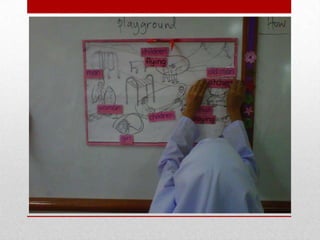
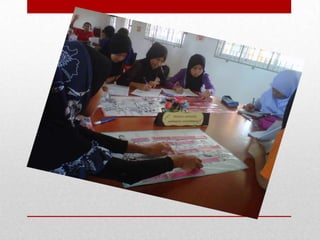
LABELING ACTIVITY
• To help students remember vocabulary and key phrases
• Teacher provides the words and phrases for ‘subject’,
‘verb’ and ‘object / complement’
• Students label picture and construct sentences based on
the picture
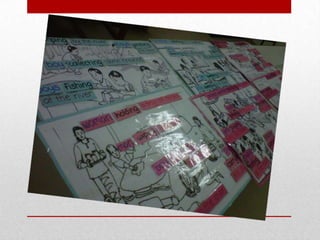
MATCHING ACTIVITY
• In pairs or small groups
• Good students help their friends
• Students match words and phrases based on what they
can see in the picture
• Students work together to construct sentences
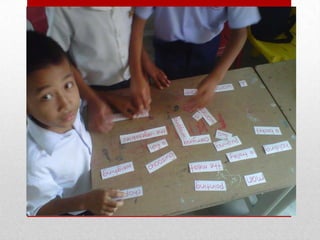
ARRANGING WORDS
• Turn the activity into a group competition to make it
more interesting
• Students get into small groups
• Distribute envelopes containing words needed to
construct sentences for the picture
• Students work together in their groups to arrange the
words and form the correct sentences for the picture
• Give one point for each correct sentence
• Group with the most points win
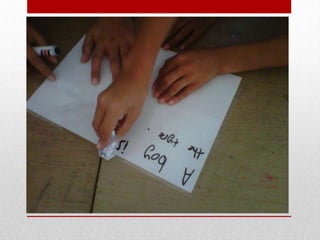
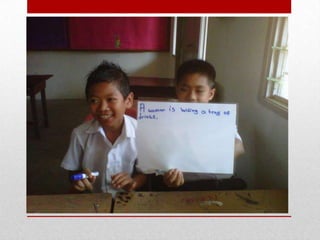
‘Mini Whiteboard’
• Laminate a few pieces of white A4-sized papers and use
these as 'mini whiteboards' for the students to write their
sentences on, using non-permanent / dry-erase markers
• Students write their sentences on the 'mini whiteboard‘
• The non-permanent / dry-erase markers on the laminated
piece of paper can be easily erased using tissue paper or a
piece of crumpled paper
• The students hold the 'mini whiteboard' up to show the
sentence that they've written. The pair / group with the
correct sentence will get a point
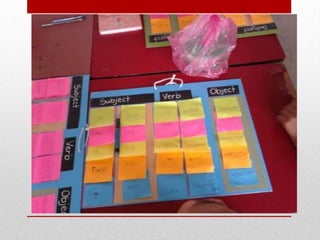
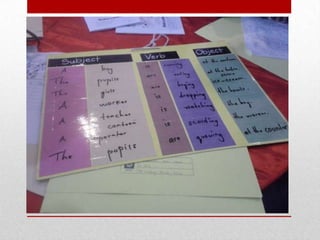
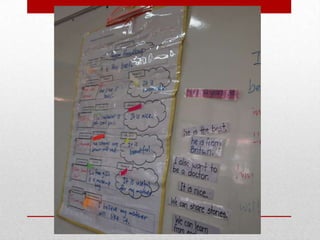
‘Sentence Panel’
• To revise the sentence structure
• Assign students into small groups and give each group
one ‘sentence panel’
• Students work together to form sentences
• Students may write on the panel using dry-erase markers
or post-its
Singing ‘the structure’
• To revise the basic sentence structure
• Melody is used to aid memorisation
• Two basic structures:
• Subject – Verb – Object
• There is / There are
How many – Subject – Be
– Verbing –
What/Where/Who
There – be – how many –
nouns - place
WRITING REASONS
IDEAS AND ACTIVITIES
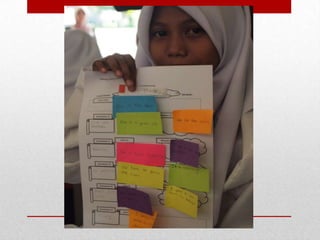
GRAPHIC ORGANISER /
MIND MAP
• Help students to organise thoughts and ideas
• Revise vocabulary and aid memorisations
FACTS - REASONS
• Help students distinguish between facts and reasons
• Help students to organise thoughts and ideas
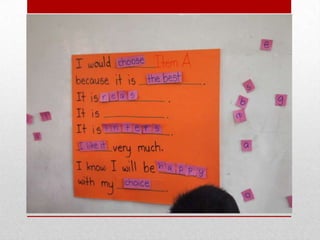
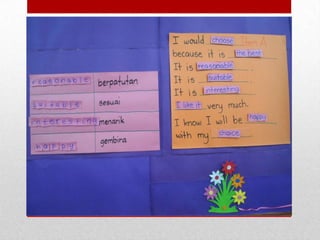
VOCABULARY WORK
• Hands-on activities to revise important vocabulary and
key-words
• Aids memorisations
Using songs
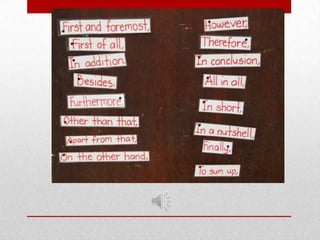
• Introduce students to logical connectors to help make
their paragraph more interesting
• Help students to revise and remember some key
sentences and vocabulary
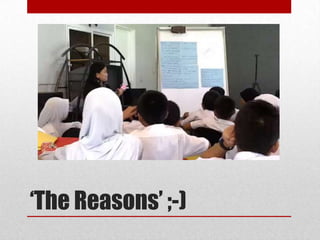
‘The Reasons’ ;-)
NARRATIVE WRITING
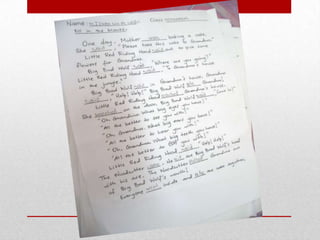
SOME IDEAS FOR NOTE EXPANSION
Writing ‘in reverse’
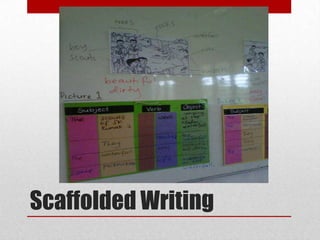
Scaffolded Writing
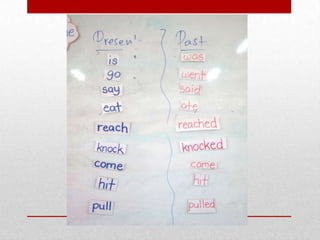
‘Operate’ the sentences
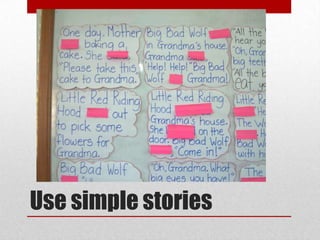
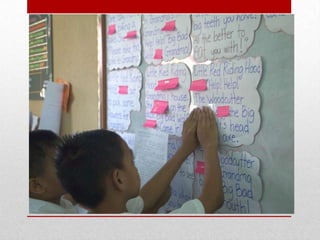
Use simple stories
• For more tips and ideas on ‘hands-on’ activities for
writing and the scaffolded writing strategy, visit:
‘Beyond Chalk & Talk’
http://cindyjbj79.blogspot.com

Teaching Writing - Some Ideas for Hands-On Activities

  • 1.
    TEACHING WRITING SOME IDEASFOR ‘HANDS-ON’ACTIVITIES CYNTHIA C. JAMES (SKK2)
  • 2.
  • 3.
    LABELING ACTIVITY • Tohelp students remember vocabulary and key phrases • Teacher provides the words and phrases for ‘subject’, ‘verb’ and ‘object / complement’ • Students label picture and construct sentences based on the picture
  • 7.
    MATCHING ACTIVITY • Inpairs or small groups • Good students help their friends • Students match words and phrases based on what they can see in the picture • Students work together to construct sentences
  • 10.
    ARRANGING WORDS • Turnthe activity into a group competition to make it more interesting • Students get into small groups • Distribute envelopes containing words needed to construct sentences for the picture • Students work together in their groups to arrange the words and form the correct sentences for the picture • Give one point for each correct sentence • Group with the most points win
  • 13.
    ‘Mini Whiteboard’ • Laminatea few pieces of white A4-sized papers and use these as 'mini whiteboards' for the students to write their sentences on, using non-permanent / dry-erase markers • Students write their sentences on the 'mini whiteboard‘ • The non-permanent / dry-erase markers on the laminated piece of paper can be easily erased using tissue paper or a piece of crumpled paper • The students hold the 'mini whiteboard' up to show the sentence that they've written. The pair / group with the correct sentence will get a point
  • 17.
    ‘Sentence Panel’ • Torevise the sentence structure • Assign students into small groups and give each group one ‘sentence panel’ • Students work together to form sentences • Students may write on the panel using dry-erase markers or post-its
  • 20.
    Singing ‘the structure’ •To revise the basic sentence structure • Melody is used to aid memorisation • Two basic structures: • Subject – Verb – Object • There is / There are
  • 21.
    How many –Subject – Be – Verbing – What/Where/Who
  • 22.
    There – be– how many – nouns - place
  • 23.
  • 24.
    GRAPHIC ORGANISER / MINDMAP • Help students to organise thoughts and ideas • Revise vocabulary and aid memorisations
  • 27.
    FACTS - REASONS •Help students distinguish between facts and reasons • Help students to organise thoughts and ideas
  • 32.
    VOCABULARY WORK • Hands-onactivities to revise important vocabulary and key-words • Aids memorisations
  • 37.
    Using songs • Introducestudents to logical connectors to help make their paragraph more interesting • Help students to revise and remember some key sentences and vocabulary
  • 39.
  • 40.
    NARRATIVE WRITING SOME IDEASFOR NOTE EXPANSION
  • 41.
  • 42.
  • 43.
  • 44.
  • 48.
    • For moretips and ideas on ‘hands-on’ activities for writing and the scaffolded writing strategy, visit: ‘Beyond Chalk & Talk’ http://cindyjbj79.blogspot.com