SYSTEMATIC APPROACH TO 
TEACHING 
(Systematized Instruction) 
Adjawon 
Atupan 
Amadeo 
Baclaan M.V. 
Tiempo R.
• “A plan that emphasizes the parts may 
pay the cost of failing to consider the 
whole, and a plain that emphasizes the 
whole must pay the cost of failing get 
down to the real depth with respect to 
the parts.“ 
– C. West Churchman
ASSURE MODEL 
The ASSURE Model, a procedural 
guide for planning and conducting instruction 
that incorporates media, assumes that 
instruction really is required. The ASSURE 
Model focuses on planning surrounding the 
actual classroom use of media. It is less 
ambitious than models of instructional 
development, which are intended to guide the 
entire process of designing instructional 
systems. ASSURE Model, On the other hand, is 
meant for use by the individual instructor in 
planning everyday classroom use of media.
ANALYZE THE 
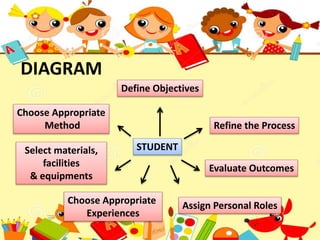
As depicted in the chart, the focus of 
LEARNER 
systematic instructional planning is the student. 
Instruction begins with the definition of 
instructional objectives that consider the 
students’ needs, interest, and readiness. On the 
basis of this objective, the teacher selects the 
appropriate teaching methods to be used and, 
in turn, based on the teaching method 
selected, the appropriate learning experiences 
and appropriate materials, equipment and 
facilities will also be selected.
The use of learning materials, 
equipment and facilities necessitates 
assigning the personnel to assist the 
teacher and defining the role of any 
personnel involved in the preparation, 
setting and returning of this learning 
resources. (in some school settings , 
there is a custodian/ librarian who takes 
care of the learning resources and / or 
technician who operates the equipment 
while teacher facilitates).
The effective use of learning 
resources is dependent in the expertise 
of the teacher, motivation of level or 
responsiveness, and the involvement of 
the students in the learning process. 
With the instructional objectives in 
mind, the teacher implements planned 
instructions with the use of the selective 
teaching method, learning activities, and 
learning materials with the help of other 
personnel whose role has been defined 
by the teacher.
DIAGRAM 
Define Objectives 
STUDENT 
Choose Appropriate 
Method 
Select materials, 
facilities 
& equipments 
Refine the Process 
Evaluate Outcomes 
Assign Personal Roles 
Choose Appropriate 
Experiences
Define Objectives 
• Instruction begins with the 
definition of instructional 
objectives that consider the 
students’ needs, interest, and 
readiness.
CHOOSE APPROPRIATE METHOD 
• On the basis of this objective, 
the teacher selects the 
appropriate teaching methods 
to be used.
Select Materials, Facilities and other 
equipments 
• The use of learning materials, 
equipment and facilities 
necessitates assigning the 
personnel to assist the 
teacher.
ASSIGN PERSONAL ROLE 
• Defining the role of any 
personnel involved in the 
preparation, setting and 
returning of this learning 
resources would also help in 
the learning process.
EVALUATE OUTCOMES 
• After instructions, teacher 
evaluates the outcome of 
instruction. From the evaluation 
results, teacher comes to know if 
the instructional objective was 
attained.
REFINE THE PROCESS 
If the instructional objective was attained, 
teacher proceeds to the next lesson going 
through the same cycle once more. If 
instructional objectives was not attained , 
then teacher diagnoses was not learned and 
finds out why it was not learned in order to 
introduced a remedial measure for improved 
student performance and attainment of 
instructional objectives.

Systematic approach

  • 1.
    SYSTEMATIC APPROACH TO TEACHING (Systematized Instruction) Adjawon Atupan Amadeo Baclaan M.V. Tiempo R.
  • 2.
    • “A planthat emphasizes the parts may pay the cost of failing to consider the whole, and a plain that emphasizes the whole must pay the cost of failing get down to the real depth with respect to the parts.“ – C. West Churchman
  • 3.
    ASSURE MODEL TheASSURE Model, a procedural guide for planning and conducting instruction that incorporates media, assumes that instruction really is required. The ASSURE Model focuses on planning surrounding the actual classroom use of media. It is less ambitious than models of instructional development, which are intended to guide the entire process of designing instructional systems. ASSURE Model, On the other hand, is meant for use by the individual instructor in planning everyday classroom use of media.
  • 4.
    ANALYZE THE Asdepicted in the chart, the focus of LEARNER systematic instructional planning is the student. Instruction begins with the definition of instructional objectives that consider the students’ needs, interest, and readiness. On the basis of this objective, the teacher selects the appropriate teaching methods to be used and, in turn, based on the teaching method selected, the appropriate learning experiences and appropriate materials, equipment and facilities will also be selected.
  • 5.
    The use oflearning materials, equipment and facilities necessitates assigning the personnel to assist the teacher and defining the role of any personnel involved in the preparation, setting and returning of this learning resources. (in some school settings , there is a custodian/ librarian who takes care of the learning resources and / or technician who operates the equipment while teacher facilitates).
  • 6.
    The effective useof learning resources is dependent in the expertise of the teacher, motivation of level or responsiveness, and the involvement of the students in the learning process. With the instructional objectives in mind, the teacher implements planned instructions with the use of the selective teaching method, learning activities, and learning materials with the help of other personnel whose role has been defined by the teacher.
  • 7.
    DIAGRAM Define Objectives STUDENT Choose Appropriate Method Select materials, facilities & equipments Refine the Process Evaluate Outcomes Assign Personal Roles Choose Appropriate Experiences
  • 8.
    Define Objectives •Instruction begins with the definition of instructional objectives that consider the students’ needs, interest, and readiness.
  • 9.
    CHOOSE APPROPRIATE METHOD • On the basis of this objective, the teacher selects the appropriate teaching methods to be used.
  • 10.
    Select Materials, Facilitiesand other equipments • The use of learning materials, equipment and facilities necessitates assigning the personnel to assist the teacher.
  • 11.
    ASSIGN PERSONAL ROLE • Defining the role of any personnel involved in the preparation, setting and returning of this learning resources would also help in the learning process.
  • 12.
    EVALUATE OUTCOMES •After instructions, teacher evaluates the outcome of instruction. From the evaluation results, teacher comes to know if the instructional objective was attained.
  • 13.
    REFINE THE PROCESS If the instructional objective was attained, teacher proceeds to the next lesson going through the same cycle once more. If instructional objectives was not attained , then teacher diagnoses was not learned and finds out why it was not learned in order to introduced a remedial measure for improved student performance and attainment of instructional objectives.