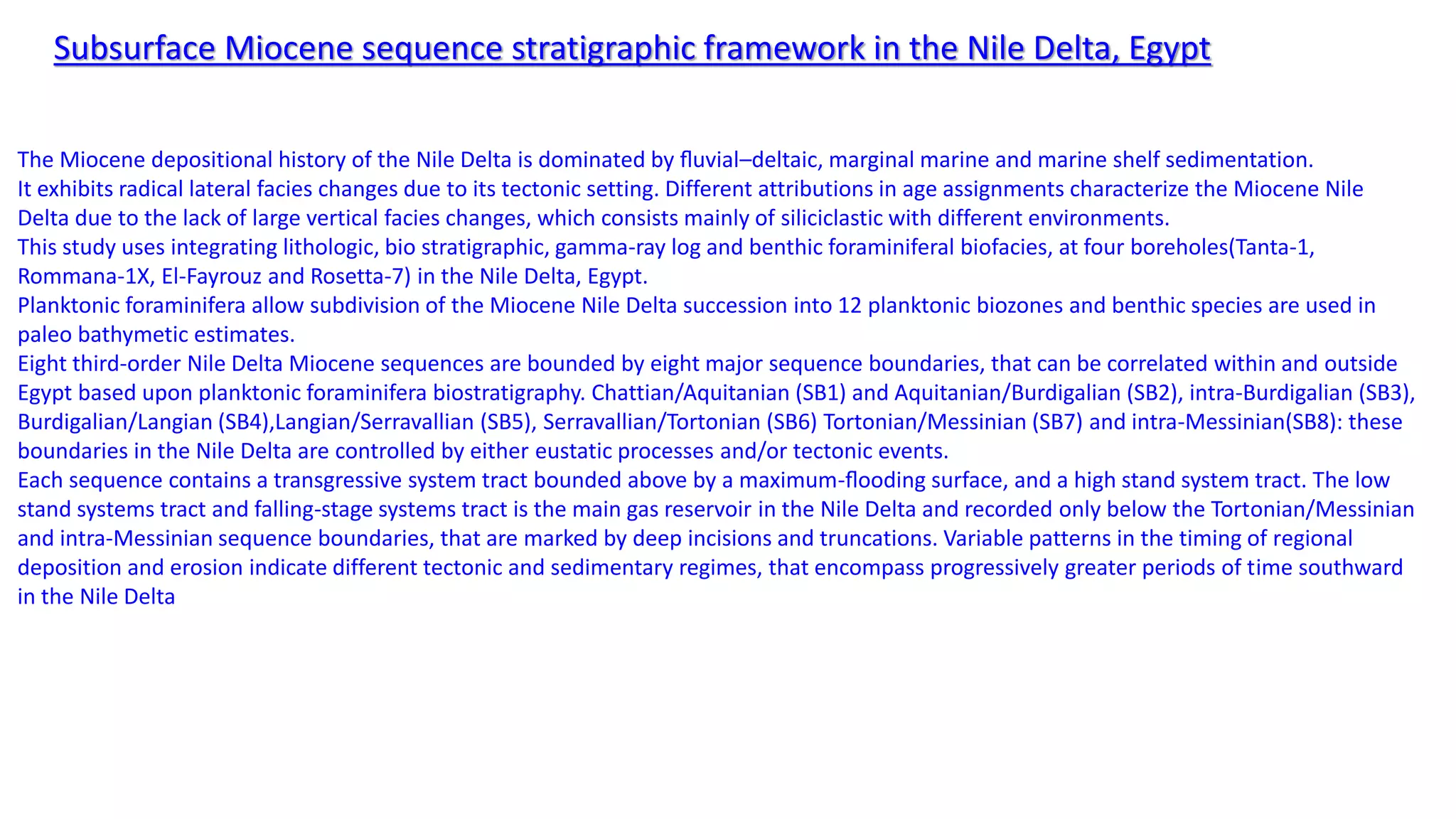
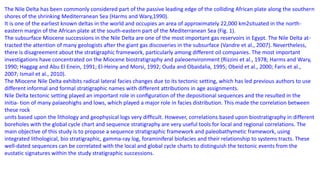
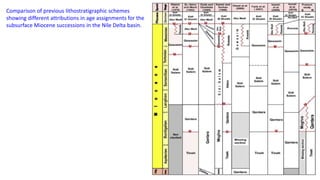
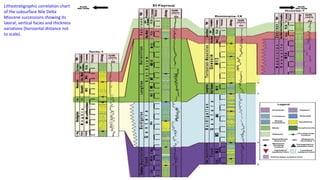
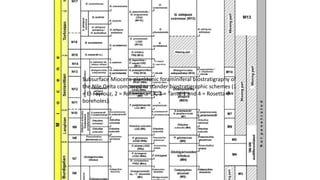
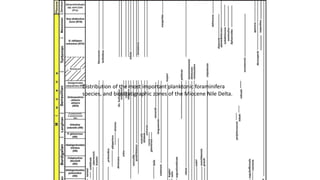
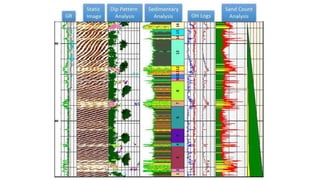
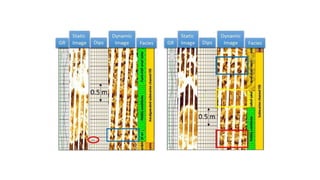
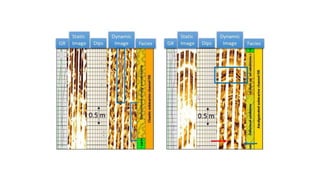
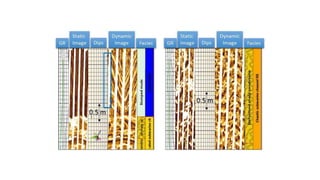
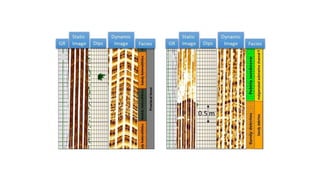
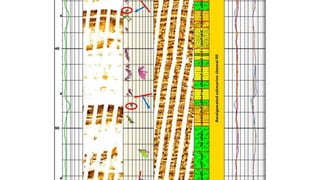
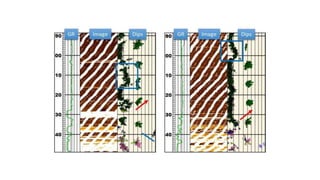
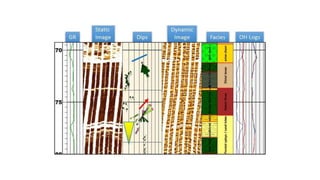
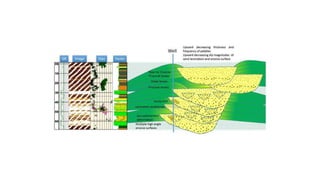
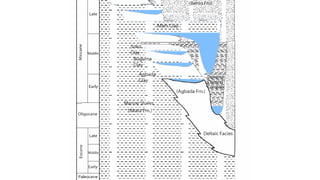
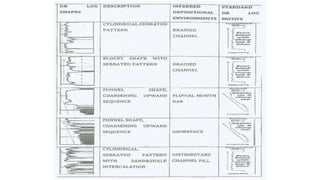
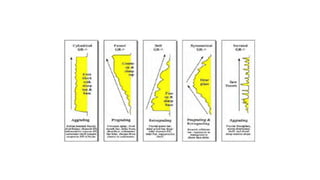
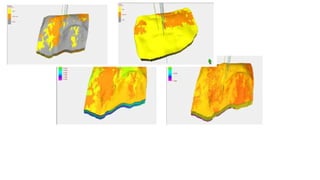
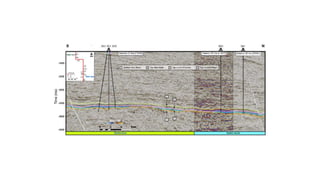
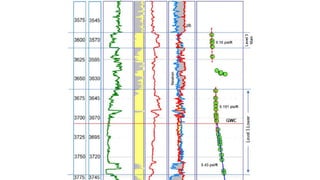
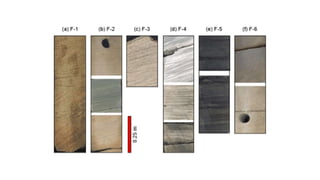
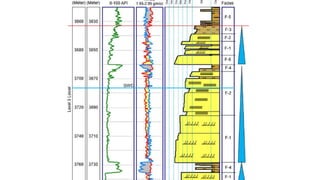
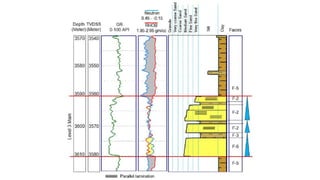
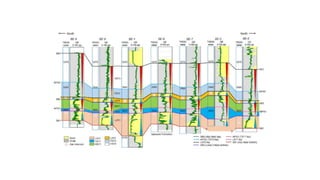
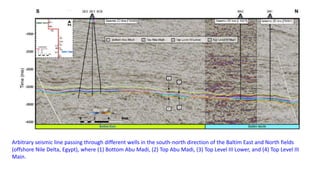
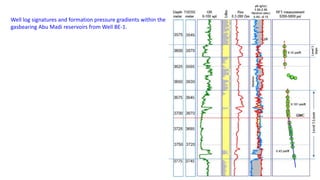
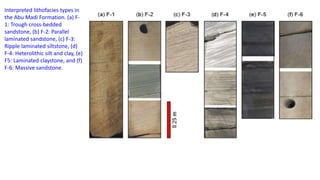
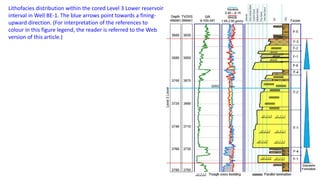
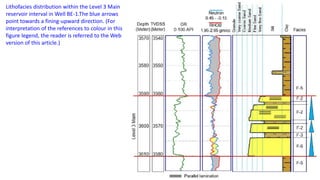
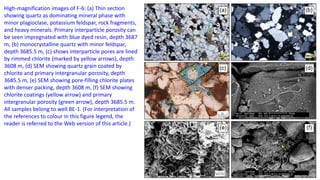
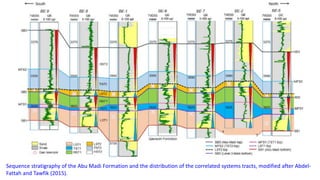
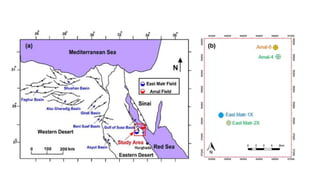
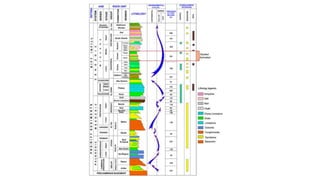
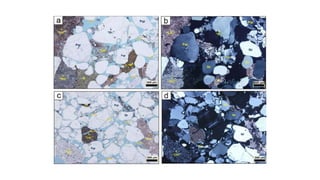
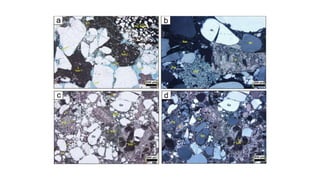
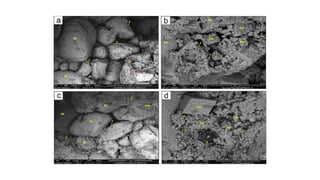
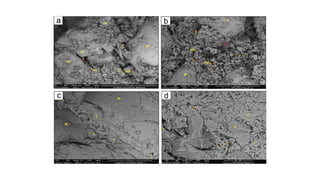
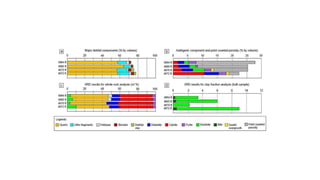
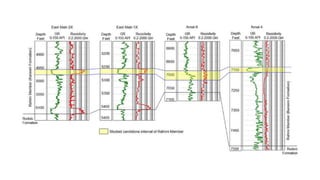
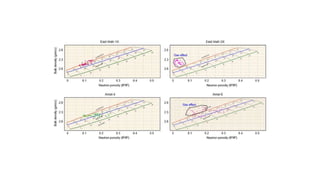
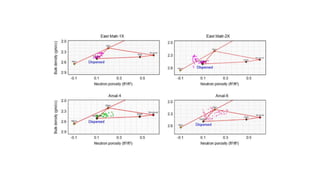
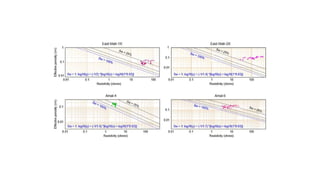
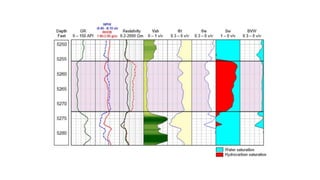
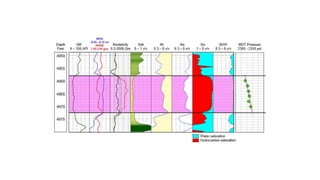
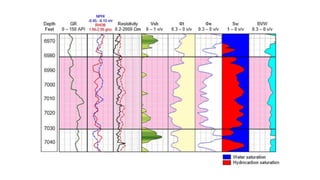
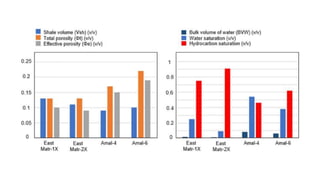
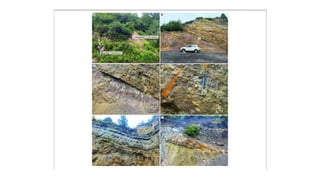
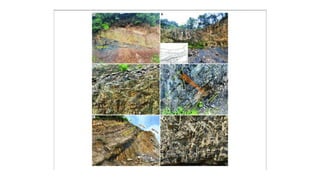
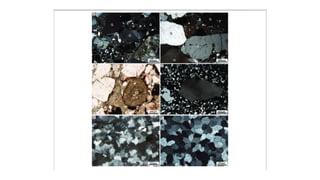
This study examines the petrophysical properties and lithofacies distribution of the upper Miocene Abu Madi Formation, a major natural gas reservoir in the Nile Delta. Six lithofacies were identified from core analysis, including trough cross-bedded, parallel laminated and massive sandstones that serve as the primary reservoirs. The sandstones exhibit good porosity but variable permeability, with the trough cross-bedded and massive lithofacies having the best reservoir quality. Clay and silt-dominated lithofacies act as vertical permeability barriers. The depositional environment was interpreted as fluvial channels within incised valley-fills. The study provides insights into reservoir quality and exploration of fluvial channel deposits