Study Images for AP Art History

     Ancient and Classical Worlds
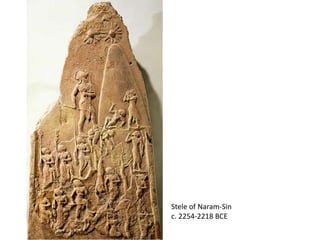
Stele of Naram-Sin
c. 2254-2218 BCE
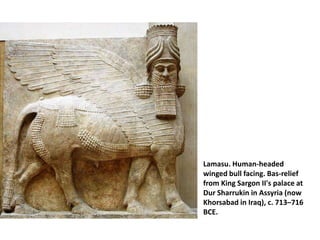
Lamasu. Human-headed
winged bull facing. Bas-relief
from King Sargon II's palace at
Dur Sharrukin in Assyria (now
Khorsabad in Iraq), c. 713–716
BCE.
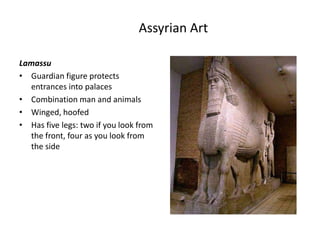
Assyrian Art

Lamassu
• Guardian figure protects
  entrances into palaces
• Combination man and animals
• Winged, hoofed
• Has five legs: two if you look from
  the front, four as you look from
  the side
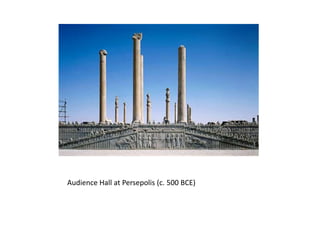
Audience Hall at Persepolis (c. 500 BCE)
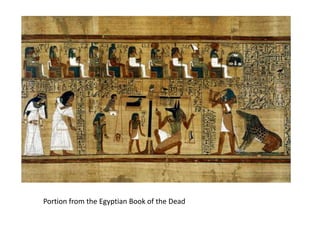
Portion from the Egyptian Book of the Dead
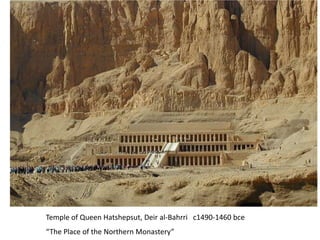
Temple of Queen Hatshepsut, Deir al-Bahrri c1490-1460 bce
“The Place of the Northern Monastery”
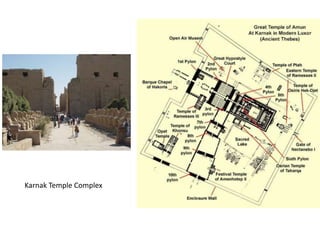
Karnak Temple Complex
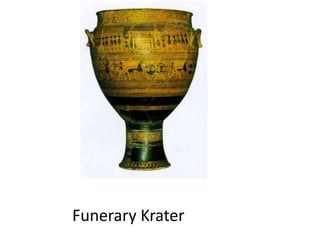
Funerary Krater
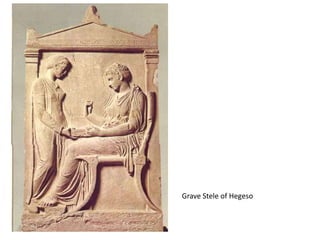
Grave Stele of Hegeso
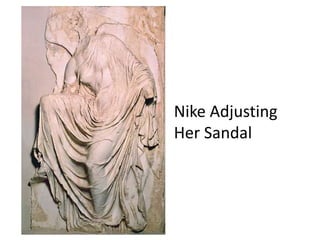
Nike Adjusting
Her Sandal
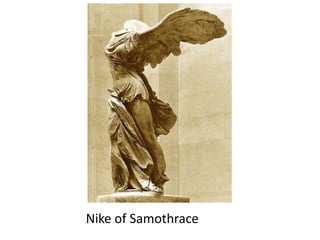
Nike of Samothrace
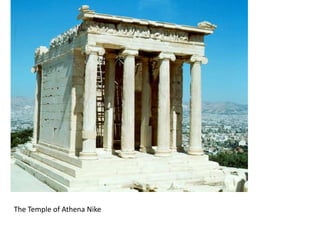
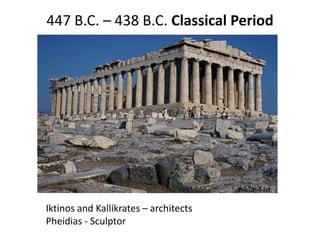
The Temple of Athena Nike
447 B.C. – 438 B.C. Classical Period


Iktinos and Kallikrates – architects
Pheidias - Sculptor
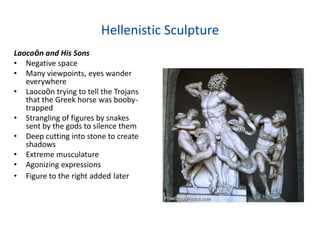
Hellenistic Sculpture
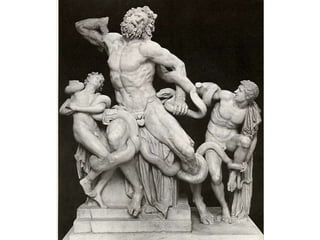
Laocoön and His Sons
• Negative space
• Many viewpoints, eyes wander
   everywhere
• Laocoön trying to tell the Trojans
   that the Greek horse was booby-
   trapped
• Strangling of figures by snakes
   sent by the gods to silence them
• Deep cutting into stone to create
   shadows
• Extreme musculature
• Agonizing expressions
• Figure to the right added later
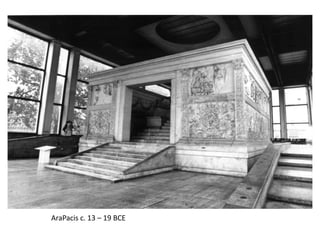
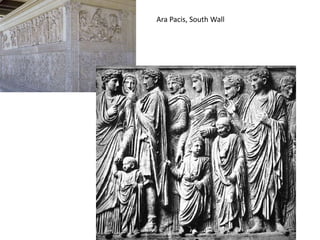
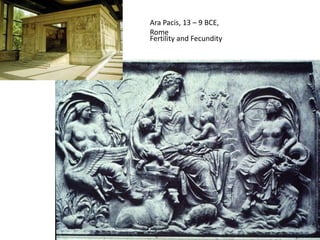
AraPacis c. 13 – 19 BCE
Ara Pacis, South Wall
Ara Pacis, 13 – 9 BCE,
Rome
Fertility and Fecundity
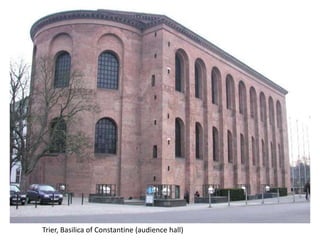
Trier, Basilica of Constantine (audience hall)
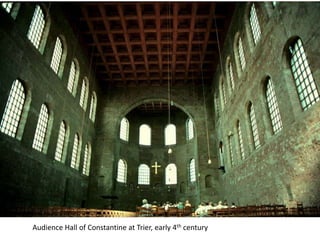
Audience Hall of Constantine at Trier, early 4th century
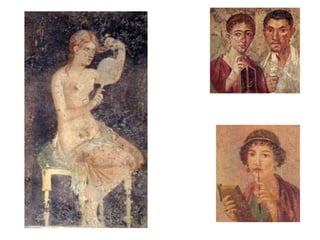
Wall Paintings from Pompeii
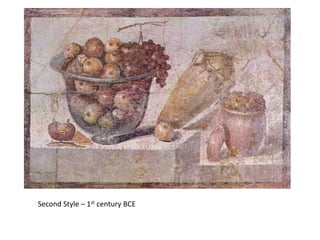
Second Style – 1st century BCE
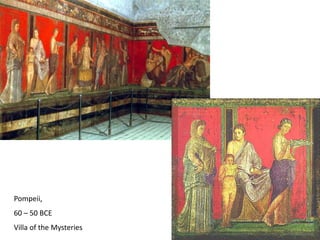
Pompeii,
60 – 50 BCE
Villa of the Mysteries
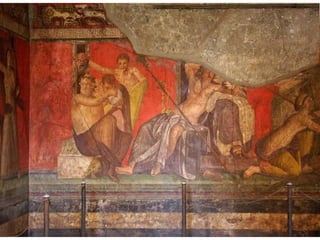
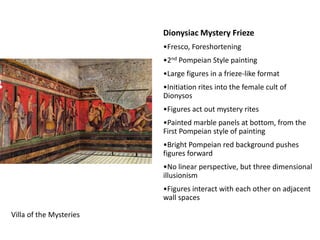
Dionysiac Mystery Frieze
                         •Fresco, Foreshortening
                         •2nd Pompeian Style painting
                         •Large figures in a frieze-like format
                         •Initiation rites into the female cult of
                         Dionysos
                         •Figures act out mystery rites
                         •Painted marble panels at bottom, from the
                         First Pompeian style of painting
                         •Bright Pompeian red background pushes
                         figures forward
                         •No linear perspective, but three dimensional
                         illusionism
                         •Figures interact with each other on adjacent
                         wall spaces

Villa of the Mysteries
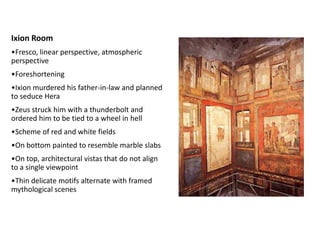
Ixion Room
•Fresco, linear perspective, atmospheric
perspective
•Foreshortening
•Ixion murdered his father-in-law and planned
to seduce Hera
•Zeus struck him with a thunderbolt and
ordered him to be tied to a wheel in hell
•Scheme of red and white fields
•On bottom painted to resemble marble slabs
•On top, architectural vistas that do not align
to a single viewpoint
•Thin delicate motifs alternate with framed
mythological scenes
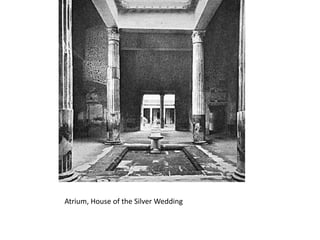
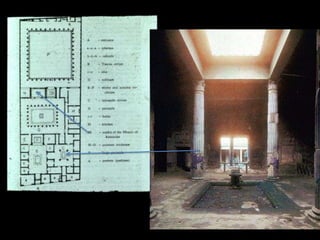
Atrium, House of the Silver Wedding
Study images for ap art history

Study images for ap art history

  • 1.
    Study Images forAP Art History Ancient and Classical Worlds
  • 2.
    Stele of Naram-Sin c.2254-2218 BCE
  • 3.
    Lamasu. Human-headed winged bullfacing. Bas-relief from King Sargon II's palace at Dur Sharrukin in Assyria (now Khorsabad in Iraq), c. 713–716 BCE.
  • 4.
    Assyrian Art Lamassu • Guardianfigure protects entrances into palaces • Combination man and animals • Winged, hoofed • Has five legs: two if you look from the front, four as you look from the side
  • 5.
    Audience Hall atPersepolis (c. 500 BCE)
  • 6.
    Portion from theEgyptian Book of the Dead
  • 7.
    Temple of QueenHatshepsut, Deir al-Bahrri c1490-1460 bce “The Place of the Northern Monastery”
  • 8.
  • 9.
  • 10.
  • 11.
  • 12.
  • 13.
    The Temple ofAthena Nike
  • 14.
    447 B.C. –438 B.C. Classical Period Iktinos and Kallikrates – architects Pheidias - Sculptor
  • 15.
    Hellenistic Sculpture Laocoön andHis Sons • Negative space • Many viewpoints, eyes wander everywhere • Laocoön trying to tell the Trojans that the Greek horse was booby- trapped • Strangling of figures by snakes sent by the gods to silence them • Deep cutting into stone to create shadows • Extreme musculature • Agonizing expressions • Figure to the right added later
  • 17.
    AraPacis c. 13– 19 BCE
  • 18.
  • 19.
    Ara Pacis, 13– 9 BCE, Rome Fertility and Fecundity
  • 20.
    Trier, Basilica ofConstantine (audience hall)
  • 21.
    Audience Hall ofConstantine at Trier, early 4th century
  • 22.
  • 23.
    Second Style –1st century BCE
  • 24.
    Pompeii, 60 – 50BCE Villa of the Mysteries
  • 26.
    Dionysiac Mystery Frieze •Fresco, Foreshortening •2nd Pompeian Style painting •Large figures in a frieze-like format •Initiation rites into the female cult of Dionysos •Figures act out mystery rites •Painted marble panels at bottom, from the First Pompeian style of painting •Bright Pompeian red background pushes figures forward •No linear perspective, but three dimensional illusionism •Figures interact with each other on adjacent wall spaces Villa of the Mysteries
  • 28.
    Ixion Room •Fresco, linearperspective, atmospheric perspective •Foreshortening •Ixion murdered his father-in-law and planned to seduce Hera •Zeus struck him with a thunderbolt and ordered him to be tied to a wheel in hell •Scheme of red and white fields •On bottom painted to resemble marble slabs •On top, architectural vistas that do not align to a single viewpoint •Thin delicate motifs alternate with framed mythological scenes
  • 29.
    Atrium, House ofthe Silver Wedding