SOFT TISSUE RADIOGRAPHY
PPT 1ST
By Virendra Kumar Maurya
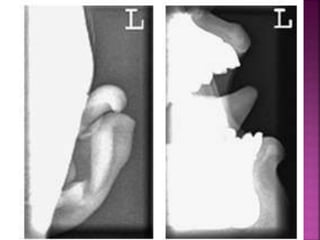
ļ‚žTo assess the soft-tissue using the low
energy x ray photon and without using
of contrast media, is called soft tissue
radiography .
For e.g. muscle, skin, and
subcutaneous and glandular tissues.
ļ‚ž Soft-tissue radiography is the term generally
used for radiography of muscle, skin, and
subcutaneous and glandular tissues without
the use of contrast media.
 Radiographic contrast: use of appropriate
exposure technique, and reduction of
scattered radiation;
 Image sharpness: immobilization, small focal
spot, film or film/ screen combination
chosen according to exposure technique;
 Avoidance of artefacts: non-screen technique
or scrupulously cleaned screens, avoidance
of dressings, and avoidance of folds in the
skin or in the patient’s gown.
ļ‚ž This category may be divided into three
subcategories:
 Use of a normal technique for the part being
examined when air shadows or fat pads.
ļ‚ž Effusion in a synovial cavity causing a filling
defect in a fat pad adjacent to a joint;
ļ‚ž Enlarged adenoids causing a filling defect in
the air contained in the nasopharynx.
 Use of two or more films e.g.:
ļ‚ž Facial bones, nasal bones and soft tissues of
the face;
ļ‚ž Calcification of tendons and bony detail of
the shoulder joint.
ļ‚ž Use of a wedge filter, e.g.
ļ‚ž Cephalography to demonstrate bony detail
of the skull and facial bones along with the
soft-tissue outline of the face on one film.
ļ‚ž subnormal kVp, low kVp and high kVp.
ļ‚ž subnormal kVp:-This term is used when the
kVp employed in less than 45kVp, which is
the lowest useful kVp available on many X-
ray units.
ļ‚ž Low kVp:- This term is used when the kVp
employed is 15–20kVp less than normal for a
similar projection of the area being
examined.
ļ‚ž High kVp:- 20 kVp more
ļ‚ž Digital imaging technology facilitates the
application of ā€˜windowing’ the acquired
image to visualize soft tissue areas even
when normal kVps are employed.
ļ‚ž Clack positioning
SOFT TISSUE RADIOGRAPHY       By VIRENDRA KUMAR MAURYA

SOFT TISSUE RADIOGRAPHY By VIRENDRA KUMAR MAURYA

  • 1.
    SOFT TISSUE RADIOGRAPHY PPT1ST By Virendra Kumar Maurya
  • 3.
    ļ‚žTo assess thesoft-tissue using the low energy x ray photon and without using of contrast media, is called soft tissue radiography . For e.g. muscle, skin, and subcutaneous and glandular tissues.
  • 4.
    ļ‚ž Soft-tissue radiographyis the term generally used for radiography of muscle, skin, and subcutaneous and glandular tissues without the use of contrast media.
  • 5.
     Radiographic contrast:use of appropriate exposure technique, and reduction of scattered radiation;  Image sharpness: immobilization, small focal spot, film or film/ screen combination chosen according to exposure technique;  Avoidance of artefacts: non-screen technique or scrupulously cleaned screens, avoidance of dressings, and avoidance of folds in the skin or in the patient’s gown.
  • 6.
    ļ‚ž This categorymay be divided into three subcategories:
  • 7.
     Use ofa normal technique for the part being examined when air shadows or fat pads. ļ‚ž Effusion in a synovial cavity causing a filling defect in a fat pad adjacent to a joint; ļ‚ž Enlarged adenoids causing a filling defect in the air contained in the nasopharynx.
  • 8.
     Use oftwo or more films e.g.: ļ‚ž Facial bones, nasal bones and soft tissues of the face; ļ‚ž Calcification of tendons and bony detail of the shoulder joint.
  • 9.
    ļ‚ž Use ofa wedge filter, e.g. ļ‚ž Cephalography to demonstrate bony detail of the skull and facial bones along with the soft-tissue outline of the face on one film.
  • 10.
    ļ‚ž subnormal kVp,low kVp and high kVp.
  • 11.
    ļ‚ž subnormal kVp:-Thisterm is used when the kVp employed in less than 45kVp, which is the lowest useful kVp available on many X- ray units. ļ‚ž Low kVp:- This term is used when the kVp employed is 15–20kVp less than normal for a similar projection of the area being examined. ļ‚ž High kVp:- 20 kVp more
  • 12.
    ļ‚ž Digital imagingtechnology facilitates the application of ā€˜windowing’ the acquired image to visualize soft tissue areas even when normal kVps are employed.
  • 13.