SKILL OF STIMULUS VARIATION
பல்வகை தூண
் டல் திறன
்
DR. C. BEULAH JAYARANI
M.Sc., M.A, M.Ed, M.Phil (Edn), M.Phil (ZOO), NET, PhD
ASST. PROFESSOR,
LOYOLA COLLEGE OF EDUCATION, CHENNAI - 34
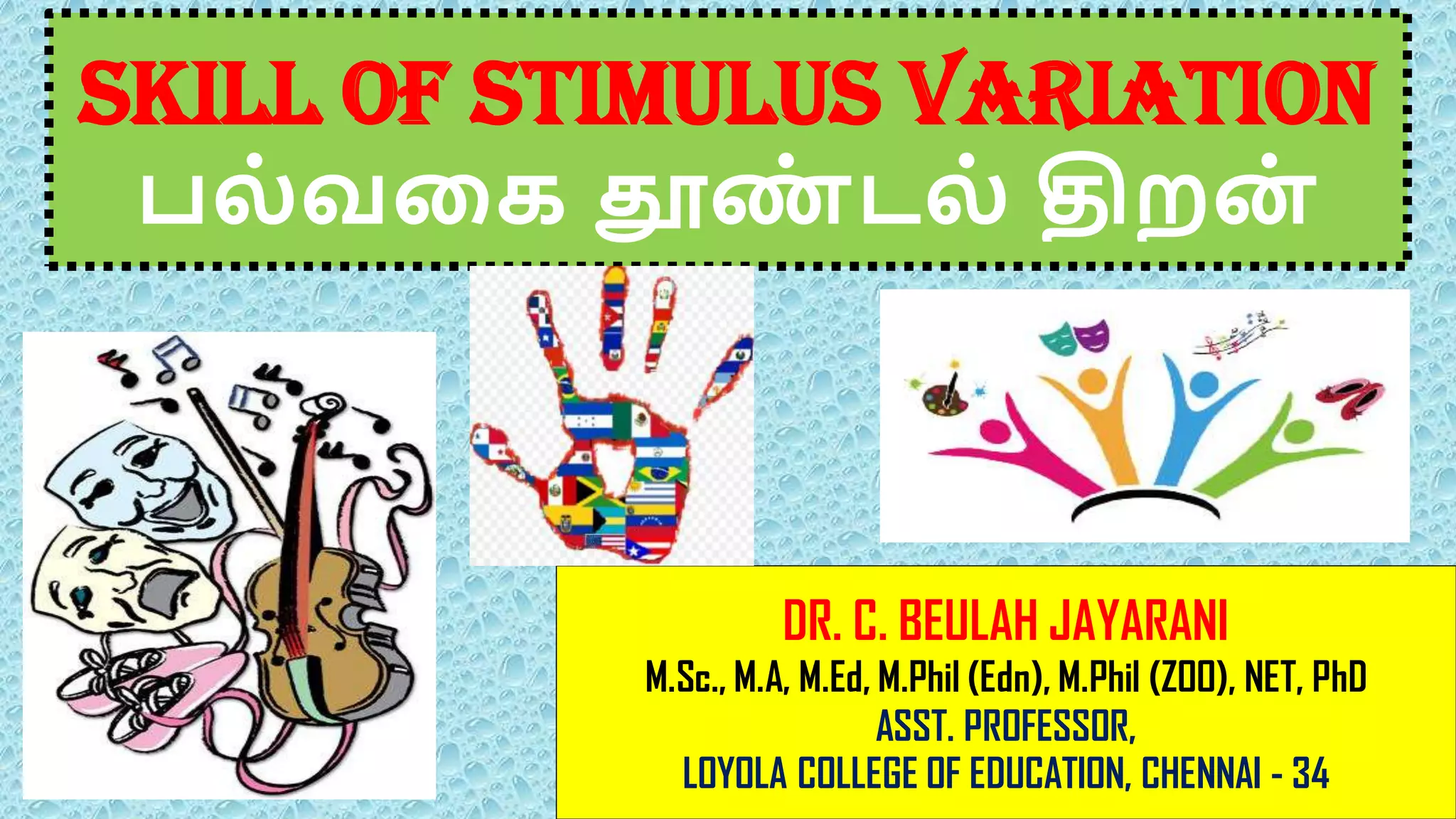
MAJOR SKILLS OF MICRO TEACHING
Skill of
questioning
Skill of
stimulus
variation
Skill of
Reinforcement
Skill of
Non-
verbal
cues
Skill of
Communication
Skill of
Introduction
Skill of
Explanation
Skill of
Closure
Skill of Black Board
Skill of Illustration with examples
Skill of Probing Questions
Skill of Demonstration
16-06-2022 Dr. C. Beulah Jayarani 2
16-06-2022 Dr. C. Beulah Jayarani 3
16-06-2022 Dr. C. Beulah Jayarani 4
16-06-2022 Dr. C. Beulah Jayarani 5
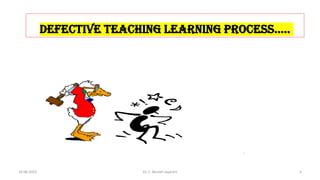
Defective Teaching Learning Process…..
5
16-06-2022 Dr. C. Beulah Jayarani 6
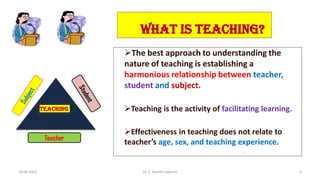
What is Teaching?
The best approach to understanding the
nature of teaching is establishing a
harmonious relationship between teacher,
student and subject.
Teaching is the activity of facilitating learning.
Effectiveness in teaching does not relate to
teacher’s age, sex, and teaching experience.
6
Teacher
Teaching
16-06-2022 Dr. C. Beulah Jayarani 7
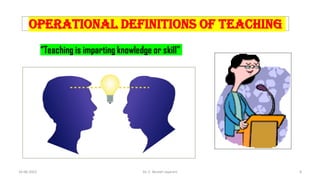
Operational Definitions of Teaching
“Teaching is imparting knowledge or skill"
16-06-2022 Dr. C. Beulah Jayarani 8
16-06-2022 Dr. C. Beulah Jayarani 9
What is learning?
•Learning – Knowledge acquired by study.
•Learning happens and knowledge is
generated.
There is a famous saying:
I hear… I forget;
I see … I remember;
I do … I understand.
9
16-06-2022 Dr. C. Beulah Jayarani 10
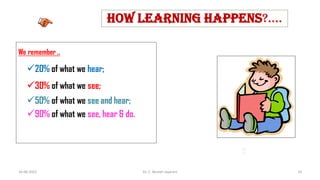
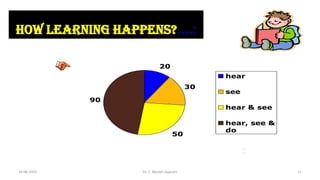
How learning happens?….
We remember ..
20% of what we hear;
30% of what we see;
50% of what we see and hear;
90% of what we see, hear & do.
1
0
16-06-2022 Dr. C. Beulah Jayarani 11
How learning happens?….:
20
30
50
90
hear
see
hear & see
hear, see &
do
1
1
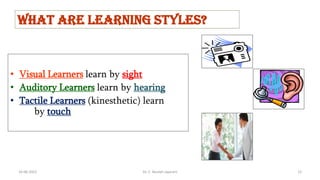
What are Learning Styles?
• Visual Learners learn by sight
• Auditory Learners learn by hearing
• Tactile Learners (kinesthetic) learn
by touch
16-06-2022 Dr. C. Beulah Jayarani 12
16-06-2022 Dr. C. Beulah Jayarani 13
Need of the hour
1
3
16-06-2022 Dr. C. Beulah Jayarani 14
1
4
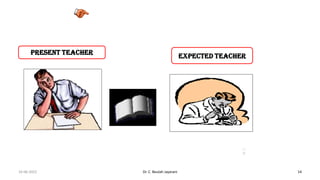
Present Teacher
Expected Teacher
16-06-2022 Dr. C. Beulah Jayarani 15
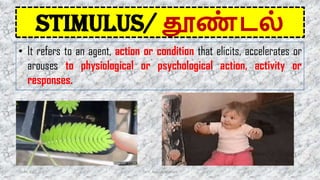
STIMULUS/ தூண
் டல்
• It refers to an agent, action or condition that elicits, accelerates or
arouses to physiological or psychological action, activity or
responses.
16-06-2022 Dr. C. Beulah Jayarani 16
VARIATION/ பல்வகை
• It means changing these stimuli to explain content lively and remove
boredom from the classroom teaching.
16-06-2022 Dr. C. Beulah Jayarani 17
STIMULUS VARIATION
பல்வகை தூண
் டல்
• Teacher behaviours that tend to secure
and sustain pupil’s attention (OR)
Attracting and focusing students’ attention
by changing stimuli in the environment
• It stimulate the students
• Increase student’s active participation
• Enhancing children’s learning by helping
them remain attentive.
16-06-2022 Dr. C. Beulah Jayarani 18
 மாணவர்ைளின
் ைவனத்கத
பாதுைாை்ைவும்
பராமரிை்ைவும்
 மாணவர்ைளின
் ைவனத்கத
ஈர்ப்பது மற்றும் ைவனம்
செலுத்துதல்
 மாணவர்ைளின
் செயலில்
பங்கைற்கப அதிைரிை்ைவும்
 ைவனத்துடன
் இருை்ை
உதவுவதன
் மூலம்
குழந்கதைளின
் ைற்றகல
கமம்படுத்துதல்.
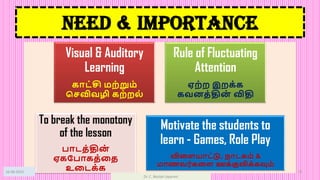
NEED & IMPORTANCE
Visual & Auditory
Learning
ைாட்சி மற்றும்
செவிவழி ைற்றல்
Rule of Fluctuating
Attention
ஏற்ற இறை்ை
ைவனத்தின
் விதி
To break the monotony
of the lesson
பாடத்தின
்
ஏைகபாைத்கத
உகடை்ை
Motivate the students to
learn - Games, Role Play
விகளயாட்டு, நாடைம் &
மாணவர்ைகள ஊை்குவிை்ைவும்
16-06-2022
Dr. C. Beulah Jayarani
19
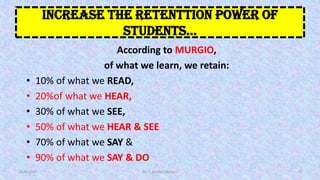
INCREASE THE RETENTTION POWER OF
STUDENTS…
According to MURGIO,
of what we learn, we retain:
• 10% of what we READ,
• 20%of what we HEAR,
• 30% of what we SEE,
• 50% of what we HEAR & SEE
• 70% of what we SAY &
• 90% of what we SAY & DO
16-06-2022 Dr. C. Beulah Jayarani 20
Some factors which influence students
attention…..
மாணவர்ைளின
் ைவனத்கத பாதிை்கும் சில
ைாரணிைள் … ..
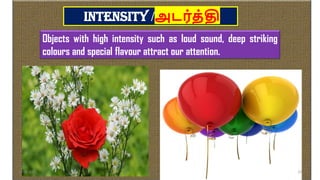
Intensity /அடர்த்தி
Objects with high intensity such as loud sound, deep striking
colours and special flavour attract our attention.
16-06-2022 22
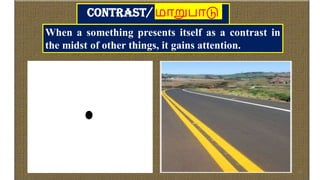
Contrast/ மாறுபாடு
When a something presents itself as a contrast in
the midst of other things, it gains attention.
23
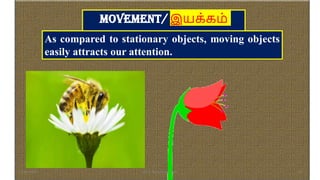
Movement/ இயக்கம்
As compared to stationary objects, moving objects
easily attracts our attention.
16-06-2022 Dr. C. Beulah Jayarani 24
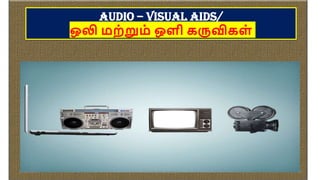
Audio – Visual Aids/
ஒலி மற்றும் ஒளி ைருவிைள்
16-06-2022 Dr. C. Beulah Jayarani 25
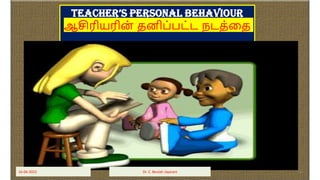
Teacher’s Personal Behaviour
ஆசிரியரின
் தனிப்பட்ட நடத்தத
16-06-2022 Dr. C. Beulah Jayarani 26
COMPONENTS/உட்கூறுைள்
1.Teacher Movement [TM]
2. Teacher Gesture [TG]
3. Change in speech pattern
[CSP]
4. Sensory Change [SC]
5. Focusing [F]
6. Change in Interaction
Style[CIS]
7. Pause [P]
16-06-2022 Dr. C. Beulah Jayarani 27
1. ஆசிரியர் இடமாற்றம் ஆ.இ.]
2. ஆசிரியரின
் சமய்ப்பாடுைள்
[ஆ.சம.]
3. குரல் ஏற்ற தாழ்வு [கு.ஏ.தா.]
4. ைவனம் ஈர்த்தல் [ை.ஈ.]
5. மாணவரின
் கபெ்சு [மா.கப.]
6. மாணவரின
் இடமாற்றம்
[மா.இ.]
7. நிறுத்தம் [நி]
TEACHER MOVEMENT (TM)
ஆசிரியர் இடமாற்றம் (ஆ.இ.)
• Writing on the black board
• To conduct an experiment
• To explain the chart or model
• To pay attention to the pupil who is
responding to some question etc.
• The movements are in a way of
reducing the distance from students.
• The movements in
the classroom should always be
meaningful
16-06-2022 Dr. C. Beulah Jayarani 28
 ைரும் பலகையில் எழுதுதல்
 பரிகொதகன நடத்த
 விளை்ைப்படம் அல்லது
மாதிரிகய விளை்ை
 சில கைள்விைளுை்கு
பதிலளிை்கும் மாணவருை்கு
மீது ைவனம் செலுத்த
 இயை்ைங்ைள்
மாணவர்ைளிடமிருந்து
தூரத்கத குகறை்கும்
 வகுப்பகறயில் இயை்ைங் ைள்
எப்கபாதும் அர்த்தமுள்ளதாை
இருை்ை கவண
் டும்
TEACHER GESTURE (TG)
ஆசிரியரின
் சமய்ப்பாடுைள்
[ஆ.சம.]
These include movements of head, hand and body parts to arrest
attention
For eg:
1. Move hands and fingers to describe things,
measurements, etc;
2. While talking with the students, show agreements by nodding
heads so as to encourage the students to go on explaining;
3. Show adoration or wonder by raising eyebrows high so as
to show interest in what the students are talking about;
4. Clasp hands to attract the students’ attention or to show
happiness, wonder etc.
16-06-2022 Dr. C. Beulah Jayarani 29
ைவனத்கத ஈர்ை்ை தகல,
கை மற்றும் உடல்
பாைங்ைளின
் இயை்ைங்ைள்
இதில் அடங்கும்
உதாரணமாை
1. விஷயங்ைள் , அளவீடுைள் ,
விவரிை்ை கைைகளயும்
விரல் ைகளயும் நைர்த்த
2. மாணவர்ைளுடன
் கபசும்கபாது
தகலயகெப்பதன
் மூலம்
3. புருவங்ைகள
உயர்த்துவதன
் மூலம்
4. மாணவர்ைளின
்
ைவனத்கத ஈர்ை்ை கை
தட்டுதல்
CHANGE IN SPEECH PATTERN (CSP)
குரல் ஏற்ற தாழ்வு [கு.ஏ.தா.]
PAUSING LOW PITCH
HIGH PITCH
16-06-2022 Dr. C. Beulah Jayarani 30
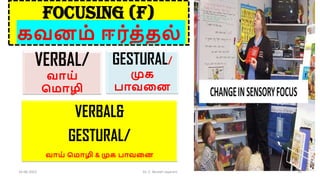
FOCUSING (F)
ைவனம் ஈர்த்தல்
VERBAL/
வாய்
சமாழி
GESTURAL/
முை
பாவகன
VERBAL&
GESTURAL/
வாய் சமாழி & முை பாவகன
16-06-2022 Dr. C. Beulah Jayarani 31
FOCUSING (F)
ைவனம் ஈர்த்தல்
VERBAL FOCUSING
‘Listen carefully’
‘Look at this chart’
Watch this experiment’
Now, ‘This Is really very important’.
16-06-2022 Dr. C. Beulah Jayarani 32
FOCUSING (F)
GESTURAL FOCUSING
Movements of head and hand
Underline the point on the blackboard
16-06-2022 Dr. C. Beulah Jayarani 33
FOCUSING (F)
VERBAL
&
GESTURAL FOCUSING
Movements of head and hand
Underline the point on the blackboard
16-06-2022 Dr. C. Beulah Jayarani 34
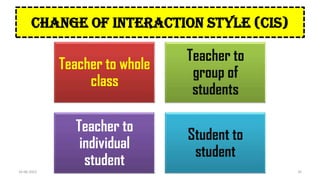
CHANGE OF INTERACTION STYLE (CIS)
Teacher to whole
class
Teacher to
group of
students
Teacher to
individual
student
Student to
student
16-06-2022 35
PAUSE (P)
16-06-2022 Dr. C. Beulah Jayarani 36
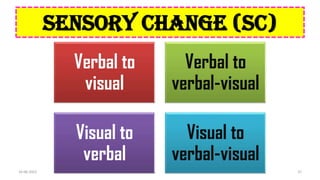
SENSORY CHANGE (SC)
Verbal to
visual
Verbal to
verbal-visual
Visual to
verbal
Visual to
verbal-visual
16-06-2022 37
OBSERVATION SCHEDULE
• Name of the Trainee :
• Subject :
• Topic of the lesson :
• Duration :
• Time :
16-06-2022 Dr. C. Beulah Jayarani 38
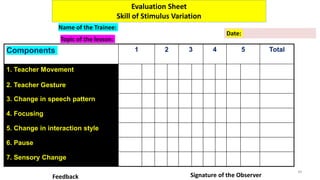
Evaluation Sheet
Skill of Stimulus Variation
Components 1 2 3 4 5 Total
1. Teacher Movement
2. Teacher Gesture
3. Change in speech pattern
4. Focusing
5. Change in interaction style
6. Pause
7. Sensory Change
39
Topic of the lesson:
Name of the Trainee:
Date:
Signature of the Observer
Feedback
Components 1st min 2nd min 3rd min 4th min 5th min 6th min
30 sec 30 sec 30 sec 30 sec 30 sec 30 sec 30 sec 30 sec 30 sec 30 sec 30 sec 30 sec
1.Teacher
Movement [TM]
2. Teacher Gesture
[TG]
3. Change in speech
pattern (CSP)
4. Focusing [F]
5.Change in
Interaction Style
(CIS)
6. Pause [P]
7. Sensory Change
[SC]
16-06-2022 Dr. C. Beulah Jayarani 40
REFERENCES
i) ALLEN, D.W. et.al. Micro-teaching – A Description. Stanford University Press, 1969.
ii) ALLEN, D.W , RYAN, K.A. Micro-teaching Reading Mass.: Addison Wesley, 1969.
iii) GREWAL, J.S., R. P. SINGH. “A Comparative Study of the Effects of Standard MT With Varied Set
of Skills Upon General Teaching Competence and Attitudes of Pre-service Secondary School
Teachers.” In R.C. DAS, et.al. Differential Effectiveness of MT Components, New Delhi, NCERT, 1979.
iv) PASSI, B.K., Becoming Better Teachers. Baroda : Centre for Advanced Study in Education, M. S.
University of Baroda, 1976.
v) SINGH, L. C. et.al. Micro-teaching – Theory and Practice, Agra : Psychological Corporation, 1987.
6/16/2022 Dr. C. Beulah Jayarani 41

SKILL OF STIMULUS VARIATION.pdf

  • 1.
    SKILL OF STIMULUSVARIATION பல்வகை தூண ் டல் திறன ் DR. C. BEULAH JAYARANI M.Sc., M.A, M.Ed, M.Phil (Edn), M.Phil (ZOO), NET, PhD ASST. PROFESSOR, LOYOLA COLLEGE OF EDUCATION, CHENNAI - 34
  • 2.
    MAJOR SKILLS OFMICRO TEACHING Skill of questioning Skill of stimulus variation Skill of Reinforcement Skill of Non- verbal cues Skill of Communication Skill of Introduction Skill of Explanation Skill of Closure Skill of Black Board Skill of Illustration with examples Skill of Probing Questions Skill of Demonstration 16-06-2022 Dr. C. Beulah Jayarani 2
  • 3.
    16-06-2022 Dr. C.Beulah Jayarani 3
  • 4.
    16-06-2022 Dr. C.Beulah Jayarani 4
  • 5.
    16-06-2022 Dr. C.Beulah Jayarani 5 Defective Teaching Learning Process….. 5
  • 6.
    16-06-2022 Dr. C.Beulah Jayarani 6 What is Teaching? The best approach to understanding the nature of teaching is establishing a harmonious relationship between teacher, student and subject. Teaching is the activity of facilitating learning. Effectiveness in teaching does not relate to teacher’s age, sex, and teaching experience. 6 Teacher Teaching
  • 7.
    16-06-2022 Dr. C.Beulah Jayarani 7
  • 8.
    Operational Definitions ofTeaching “Teaching is imparting knowledge or skill" 16-06-2022 Dr. C. Beulah Jayarani 8
  • 9.
    16-06-2022 Dr. C.Beulah Jayarani 9 What is learning? •Learning – Knowledge acquired by study. •Learning happens and knowledge is generated. There is a famous saying: I hear… I forget; I see … I remember; I do … I understand. 9
  • 10.
    16-06-2022 Dr. C.Beulah Jayarani 10 How learning happens?…. We remember .. 20% of what we hear; 30% of what we see; 50% of what we see and hear; 90% of what we see, hear & do. 1 0
  • 11.
    16-06-2022 Dr. C.Beulah Jayarani 11 How learning happens?….: 20 30 50 90 hear see hear & see hear, see & do 1 1
  • 12.
    What are LearningStyles? • Visual Learners learn by sight • Auditory Learners learn by hearing • Tactile Learners (kinesthetic) learn by touch 16-06-2022 Dr. C. Beulah Jayarani 12
  • 13.
    16-06-2022 Dr. C.Beulah Jayarani 13 Need of the hour 1 3
  • 14.
    16-06-2022 Dr. C.Beulah Jayarani 14 1 4 Present Teacher Expected Teacher
  • 15.
    16-06-2022 Dr. C.Beulah Jayarani 15
  • 16.
    STIMULUS/ தூண ் டல் •It refers to an agent, action or condition that elicits, accelerates or arouses to physiological or psychological action, activity or responses. 16-06-2022 Dr. C. Beulah Jayarani 16
  • 17.
    VARIATION/ பல்வகை • Itmeans changing these stimuli to explain content lively and remove boredom from the classroom teaching. 16-06-2022 Dr. C. Beulah Jayarani 17
  • 18.
    STIMULUS VARIATION பல்வகை தூண ்டல் • Teacher behaviours that tend to secure and sustain pupil’s attention (OR) Attracting and focusing students’ attention by changing stimuli in the environment • It stimulate the students • Increase student’s active participation • Enhancing children’s learning by helping them remain attentive. 16-06-2022 Dr. C. Beulah Jayarani 18  மாணவர்ைளின ் ைவனத்கத பாதுைாை்ைவும் பராமரிை்ைவும்  மாணவர்ைளின ் ைவனத்கத ஈர்ப்பது மற்றும் ைவனம் செலுத்துதல்  மாணவர்ைளின ் செயலில் பங்கைற்கப அதிைரிை்ைவும்  ைவனத்துடன ் இருை்ை உதவுவதன ் மூலம் குழந்கதைளின ் ைற்றகல கமம்படுத்துதல்.
  • 19.
    NEED & IMPORTANCE Visual& Auditory Learning ைாட்சி மற்றும் செவிவழி ைற்றல் Rule of Fluctuating Attention ஏற்ற இறை்ை ைவனத்தின ் விதி To break the monotony of the lesson பாடத்தின ் ஏைகபாைத்கத உகடை்ை Motivate the students to learn - Games, Role Play விகளயாட்டு, நாடைம் & மாணவர்ைகள ஊை்குவிை்ைவும் 16-06-2022 Dr. C. Beulah Jayarani 19
  • 20.
    INCREASE THE RETENTTIONPOWER OF STUDENTS… According to MURGIO, of what we learn, we retain: • 10% of what we READ, • 20%of what we HEAR, • 30% of what we SEE, • 50% of what we HEAR & SEE • 70% of what we SAY & • 90% of what we SAY & DO 16-06-2022 Dr. C. Beulah Jayarani 20
  • 21.
    Some factors whichinfluence students attention….. மாணவர்ைளின ் ைவனத்கத பாதிை்கும் சில ைாரணிைள் … ..
  • 22.
    Intensity /அடர்த்தி Objects withhigh intensity such as loud sound, deep striking colours and special flavour attract our attention. 16-06-2022 22
  • 23.
    Contrast/ மாறுபாடு When asomething presents itself as a contrast in the midst of other things, it gains attention. 23
  • 24.
    Movement/ இயக்கம் As comparedto stationary objects, moving objects easily attracts our attention. 16-06-2022 Dr. C. Beulah Jayarani 24
  • 25.
    Audio – VisualAids/ ஒலி மற்றும் ஒளி ைருவிைள் 16-06-2022 Dr. C. Beulah Jayarani 25
  • 26.
    Teacher’s Personal Behaviour ஆசிரியரின ்தனிப்பட்ட நடத்தத 16-06-2022 Dr. C. Beulah Jayarani 26
  • 27.
    COMPONENTS/உட்கூறுைள் 1.Teacher Movement [TM] 2.Teacher Gesture [TG] 3. Change in speech pattern [CSP] 4. Sensory Change [SC] 5. Focusing [F] 6. Change in Interaction Style[CIS] 7. Pause [P] 16-06-2022 Dr. C. Beulah Jayarani 27 1. ஆசிரியர் இடமாற்றம் ஆ.இ.] 2. ஆசிரியரின ் சமய்ப்பாடுைள் [ஆ.சம.] 3. குரல் ஏற்ற தாழ்வு [கு.ஏ.தா.] 4. ைவனம் ஈர்த்தல் [ை.ஈ.] 5. மாணவரின ் கபெ்சு [மா.கப.] 6. மாணவரின ் இடமாற்றம் [மா.இ.] 7. நிறுத்தம் [நி]
  • 28.
    TEACHER MOVEMENT (TM) ஆசிரியர்இடமாற்றம் (ஆ.இ.) • Writing on the black board • To conduct an experiment • To explain the chart or model • To pay attention to the pupil who is responding to some question etc. • The movements are in a way of reducing the distance from students. • The movements in the classroom should always be meaningful 16-06-2022 Dr. C. Beulah Jayarani 28  ைரும் பலகையில் எழுதுதல்  பரிகொதகன நடத்த  விளை்ைப்படம் அல்லது மாதிரிகய விளை்ை  சில கைள்விைளுை்கு பதிலளிை்கும் மாணவருை்கு மீது ைவனம் செலுத்த  இயை்ைங்ைள் மாணவர்ைளிடமிருந்து தூரத்கத குகறை்கும்  வகுப்பகறயில் இயை்ைங் ைள் எப்கபாதும் அர்த்தமுள்ளதாை இருை்ை கவண ் டும்
  • 29.
    TEACHER GESTURE (TG) ஆசிரியரின ்சமய்ப்பாடுைள் [ஆ.சம.] These include movements of head, hand and body parts to arrest attention For eg: 1. Move hands and fingers to describe things, measurements, etc; 2. While talking with the students, show agreements by nodding heads so as to encourage the students to go on explaining; 3. Show adoration or wonder by raising eyebrows high so as to show interest in what the students are talking about; 4. Clasp hands to attract the students’ attention or to show happiness, wonder etc. 16-06-2022 Dr. C. Beulah Jayarani 29 ைவனத்கத ஈர்ை்ை தகல, கை மற்றும் உடல் பாைங்ைளின ் இயை்ைங்ைள் இதில் அடங்கும் உதாரணமாை 1. விஷயங்ைள் , அளவீடுைள் , விவரிை்ை கைைகளயும் விரல் ைகளயும் நைர்த்த 2. மாணவர்ைளுடன ் கபசும்கபாது தகலயகெப்பதன ் மூலம் 3. புருவங்ைகள உயர்த்துவதன ் மூலம் 4. மாணவர்ைளின ் ைவனத்கத ஈர்ை்ை கை தட்டுதல்
  • 30.
    CHANGE IN SPEECHPATTERN (CSP) குரல் ஏற்ற தாழ்வு [கு.ஏ.தா.] PAUSING LOW PITCH HIGH PITCH 16-06-2022 Dr. C. Beulah Jayarani 30
  • 31.
  • 32.
    FOCUSING (F) ைவனம் ஈர்த்தல் VERBALFOCUSING ‘Listen carefully’ ‘Look at this chart’ Watch this experiment’ Now, ‘This Is really very important’. 16-06-2022 Dr. C. Beulah Jayarani 32
  • 33.
    FOCUSING (F) GESTURAL FOCUSING Movementsof head and hand Underline the point on the blackboard 16-06-2022 Dr. C. Beulah Jayarani 33
  • 34.
    FOCUSING (F) VERBAL & GESTURAL FOCUSING Movementsof head and hand Underline the point on the blackboard 16-06-2022 Dr. C. Beulah Jayarani 34
  • 35.
    CHANGE OF INTERACTIONSTYLE (CIS) Teacher to whole class Teacher to group of students Teacher to individual student Student to student 16-06-2022 35
  • 36.
    PAUSE (P) 16-06-2022 Dr.C. Beulah Jayarani 36
  • 37.
    SENSORY CHANGE (SC) Verbalto visual Verbal to verbal-visual Visual to verbal Visual to verbal-visual 16-06-2022 37
  • 38.
    OBSERVATION SCHEDULE • Nameof the Trainee : • Subject : • Topic of the lesson : • Duration : • Time : 16-06-2022 Dr. C. Beulah Jayarani 38
  • 39.
    Evaluation Sheet Skill ofStimulus Variation Components 1 2 3 4 5 Total 1. Teacher Movement 2. Teacher Gesture 3. Change in speech pattern 4. Focusing 5. Change in interaction style 6. Pause 7. Sensory Change 39 Topic of the lesson: Name of the Trainee: Date: Signature of the Observer Feedback
  • 40.
    Components 1st min2nd min 3rd min 4th min 5th min 6th min 30 sec 30 sec 30 sec 30 sec 30 sec 30 sec 30 sec 30 sec 30 sec 30 sec 30 sec 30 sec 1.Teacher Movement [TM] 2. Teacher Gesture [TG] 3. Change in speech pattern (CSP) 4. Focusing [F] 5.Change in Interaction Style (CIS) 6. Pause [P] 7. Sensory Change [SC] 16-06-2022 Dr. C. Beulah Jayarani 40
  • 41.
    REFERENCES i) ALLEN, D.W.et.al. Micro-teaching – A Description. Stanford University Press, 1969. ii) ALLEN, D.W , RYAN, K.A. Micro-teaching Reading Mass.: Addison Wesley, 1969. iii) GREWAL, J.S., R. P. SINGH. “A Comparative Study of the Effects of Standard MT With Varied Set of Skills Upon General Teaching Competence and Attitudes of Pre-service Secondary School Teachers.” In R.C. DAS, et.al. Differential Effectiveness of MT Components, New Delhi, NCERT, 1979. iv) PASSI, B.K., Becoming Better Teachers. Baroda : Centre for Advanced Study in Education, M. S. University of Baroda, 1976. v) SINGH, L. C. et.al. Micro-teaching – Theory and Practice, Agra : Psychological Corporation, 1987. 6/16/2022 Dr. C. Beulah Jayarani 41